
Kyoto at sunrise hits different, especially when you move on foot. This 90-minute Kyoto morning run is a practical way to see places like Heian Shrine, the Philosopher’s Path, and the Kamo River before the day crowds kick in. With a small group (limited to 6) and an English-speaking guide like Itsuki, you get a guided route that also feels social.
What I like most is the mix of big sights and quieter corners you might miss on your own, plus the calm pace. One guest even clocked about 8 km while still feeling low-aerobic thanks to short stops for photos and brief looks around. The main drawback: it’s a run, so you’ll want solid comfort with running/walking shoes and stamina, since it’s not designed for very low fitness or mobility needs.
Key things to know before you go
- Small group of up to 6 means you can actually hear your guide and keep together.
- 90 minutes at sunrise helps you see temples and rivers with cooler air and fewer people.
- 3 different daily routes means you can join multiple mornings and not repeat the same scenery.
- No entrance fees included, so plan for temple/shrine tickets if you want to go inside.
- English guide (Itsuki) focuses on easy running with short photo and visit breaks.
- You’ll follow a route that can change daily, so you’ll need to confirm the day’s plan.
In This Review
- Why a Kyoto Sunrise Run Works Better Than Just Sightseeing
- Price and Pacing: What $25 Gets You in 90 Minutes
- Meeting at Misayama Park: How You Start the Run
- Route One: Eastern Zen Run Through Heian Shrine to Ginkaku-ji
- Route Two: Riverside Kyoto Run Along the Kamo River to Shimogamo
- Route Three: Imperial Legacy Run Through Kyoto Gyoen and Shrines
- Breaks, Photo Stops, and the Bamboo Forest Tip
- Your Runner-Friendly Kit: Shoes, Water, and Weather
- Small Group Energy: Meeting People Without Feeling Forced
- Who Should Book This Morning Run (and Who Should Skip)
- Final Thoughts: Should You Book the Kyoto Morning Run?
- FAQ
- How long is the Kyoto Morning Run tour?
- Where does the tour meet?
- What language is the guide?
- How big is the group?
- Are entrances to temples and shrines included?
- Do I need my own food or drinks?
- What are the route options?
- Can I join more than one morning?
- What should I bring?
- Is it okay if I travel with a stroller?
- One last check: Will this tour fit your Kyoto style?
Why a Kyoto Sunrise Run Works Better Than Just Sightseeing
Kyoto can feel crowded fast, and mornings are where you win. When you start early and keep moving, the city doesn’t feel like a list of stops. It feels like a place with rhythm—quiet streets, early locals, and scenery that looks different in softer morning light.
On this tour, the format does the heavy lifting. You’re not managing directions, timing, or where to stand for photos. You’re simply jogging (with breaks) past the kinds of locations that usually sit under thick crowds later.
Price and Pacing: What $25 Gets You in 90 Minutes
At $25 per person for a 90-minute guided run, this is mostly a “pay for the route and guidance” kind of deal. You’re not paying for transport pickup, and you’re not paying entrance fees. That’s actually useful: you can budget temple/shrine costs separately and keep meal plans flexible.
Pacing is another big part of the value. The tour isn’t sold as a hardcore training session. In one recent run, a guest reported about 8 km covered in roughly 90 minutes while still feeling low aerobic on a Garmin—thanks to frequent small stops. If your fitness level is moderate and you like easy cardio with sightseeing, this fits well.
Other Kyoto tours and experiences to compare
Meeting at Misayama Park: How You Start the Run
The meeting point is Misayama Park, in front of a cake shop. You’ll likely want to arrive a few minutes early so you’re not fumbling with shoes, water, and the usual sunrise jitters.
From there, you’ll follow the day’s route with a live English guide. The tour description also notes you can contact them to learn the route of the day, which matters because Kyoto is huge and the experience changes depending on whether you’re heading east, along the river, or toward palace and shrine areas.
Route One: Eastern Zen Run Through Heian Shrine to Ginkaku-ji
If you like Kyoto for its quiet gardens, temple paths, and slow-moving atmosphere, the Eastern Zen Route is a great fit. This route is built around the serene eastern side of the city and focuses on tradition plus nature.
You’ll run past and/or visit:
- Heian Shrine
- Nanzen-ji Temple
- The Philosopher’s Path
- Ending at Ginkaku-ji (Silver Pavilion)
What makes this route work is the variety of “walking beauty.” You get shrine grounds, then temple scenery, then a classic canal-side route. It’s also the kind of area where sunrise light can make familiar sights feel new—even if you’ve seen photos before.
A practical note: temples and paths can have uneven ground and stairs. The tour is running-focused, so you’ll be moving continuously with breaks, but you should still expect some footing challenges.
Route Two: Riverside Kyoto Run Along the Kamo River to Shimogamo
For many people, the most Kyoto-feeling moment is early morning along a river. The Riverside Kyoto Route aims right at that, pairing morning street life with a major sacred stop.
You’ll run and visit:
- Kamo River
- Shimogamo Shrine (described as a UNESCO gem within the forest)
Why it’s worth it: along the Kamo River, you’ll get that sense of Kyoto as a lived-in city, not a museum. Even if you’re not a runner, this setting makes the morning feel easy and breathable. Then you shift from riverside movement to shrine atmosphere in a more forested environment.
If you’re the type who likes to photograph reflections and early light, you’ll probably enjoy this one most. Just remember that riverside paths can still be crowded later in the day, so the sunrise timing is part of the point.
Route Three: Imperial Legacy Run Through Kyoto Gyoen and Shrines
The third option is the Imperial Legacy Route, which is ideal if you prefer palace gardens and historic shrine stops rather than long canal paths. It’s structured to move you through broad, open green space and then into older religious sites.
This route includes:
- Kyoto Gyoen / Kyoto Imperial Palace gardens
- Kitano Tenmangu
- Seimei Shrine
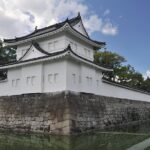
- A finish area with a view toward Nijo Castle
What you’ll like here is the contrast. Open palace gardens can feel spacious and calming at sunrise. Then you get shrine details and more layered symbolism as you shift locations.
Potential drawback: you may walk across wider grounds where you don’t always get the tight, “wow” framing of temple streets. The payoff is the pacing and the variety—more like a morning loop through different Kyoto moods.
Other Kyoto tours and experiences to compare



Breaks, Photo Stops, and the Bamboo Forest Tip
This tour uses short stops in a smart way. You’re jogging, but you’re not sprinting past everything. Break time, photo stops, and guided visits mean you’ll actually get to look at what you came for.
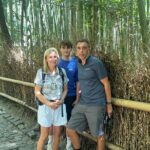
One review specifically highlighted secret places the group might not find alone, including a Bamboo Forest stop. That’s the kind of bonus that makes a guided morning run feel more valuable than just following a map—because the guide knows where to slow down and how to connect the scenery to the larger Kyoto layout.
Also, because it’s a small group, your guide can keep things conversational. You’re not just hearing directions—you’re getting local context while you move.
Your Runner-Friendly Kit: Shoes, Water, and Weather
Bring practical stuff. The tour recommends:
- Comfortable shoes
- Hat
- Drinks and water
- Sunscreen
That’s not overkill. Sunrise in Kyoto can still be warm, and temple areas often mean you’ll be standing for a few minutes. Dehydration sneaks up when you’re moving, snapping photos, and waiting for the group to gather.
Dress for the day’s weather forecast, and keep in mind that rain can happen. One guest mentioned their run included rain, and it made things cooler and easier—so don’t panic if the sky looks iffy. Just be realistic about traction if the ground is slick.
Small Group Energy: Meeting People Without Feeling Forced
You’re limited to 6 participants, which changes the vibe. You’re not getting swallowed by a crowd, and you can actually form quick connections. The tour also explicitly mentions an opportunity to connect with fellow travelers, and the review comments point to a guide who acts like a running partner, not a lecturer.
If you’re solo and want an easy way to share the morning with other people, this is one of those rare tours where you get conversation without losing your momentum.
Who Should Book This Morning Run (and Who Should Skip)
This tour is best for:
- People who enjoy easy running or brisk jog-walking
- Travelers who want sunrise Kyoto without planning
- Guests who like guided photo stops and small-spot discoveries
- Anyone thinking of doing more than one morning in Kyoto (different route each day)
It’s not a match if:
- You have mobility impairments or need wheelchair access
- You’re expecting a true leisure stroll only
- You have low fitness and want something gentler
- You’re traveling with strollers or are planning a party group
- You’re bringing babies (not suitable for children under 6; babies under 1 not suitable)
The tour also lists not allowed items like boots, smoking, and alcohol/drugs. That keeps the group comfortable and focused, but it’s good to know up front so you’re not showing up with the wrong footwear.
Final Thoughts: Should You Book the Kyoto Morning Run?
Book it if you want a morning in Kyoto that feels active but still relaxed, with an English-speaking guide (Itsuki) who can point you toward places most visitors won’t naturally wander into. The three route options also make this more than a one-and-done activity—you can repeat with a different theme (Zen east, riverside daily life, or palace-and-shrine legacy).
Skip it if you’re not comfortable running/jogging, if your stamina is low, or if you need accessibility accommodations. And since entrance fees aren’t included, check whether you’re okay paying a few tickets on top if you want to go inside places along the way.
If you’re choosing between another Kyoto day tour and this one, I’d lean toward this—especially for your first Kyoto mornings—because it sets the city’s pace. You get early-light scenery, local rhythm, and a route you can’t easily DIY without spending time figuring it out.
FAQ
How long is the Kyoto Morning Run tour?
The tour lasts 90 minutes.
Where does the tour meet?
The meeting point is Misayama Park, in front of a cake shop.
What language is the guide?
The guide provides live commentary in English.
How big is the group?
The tour is a small group limited to 6 participants.
Are entrances to temples and shrines included?
No. Entrance fees to temples and shrines are not included.
Do I need my own food or drinks?
Meals and drinks are not included. You should bring drinks and water.
What are the route options?
There are 3 unique routes: Eastern Zen (Heian Shrine, Nanzen-ji, Philosopher’s Path, Ginkaku-ji), Riverside Kyoto (Kamo River, Shimogamo Shrine), and Imperial Legacy (Kyoto Imperial Palace gardens, Kitano Tenmangu, Seimei Shrine, and view of Nijo Castle).
Can I join more than one morning?
Yes. The route changes each day, so you can join multiple times for different scenery.
What should I bring?
Bring comfortable running shoes, a hat, drinks, sunscreen, and water.
Is it okay if I travel with a stroller?
No. Baby strollers are not allowed.
One last check: Will this tour fit your Kyoto style?
If you like early starts, easy cardio, and guided stops for photos and short visits, this is a strong value way to experience Kyoto before the day crowd takes over. If you need a fully accessible, very low-mobility experience, you should choose something else.
More Guided in Kyoto
More Tours in Kyoto
More Tour Reviews in Kyoto
Just added: more Kyoto tours to browse



Morning, compared.
 ★ 5.0Kyoto Early Morning Tour with English-Speaking GuideFrom $681,427 reviews
★ 4.9Early Morning Tour with English-Speaking GuideFrom $1011,128 reviews
★ 5.0Kyoto Early Morning Tour with English-Speaking GuideFrom $681,427 reviews
★ 4.9Early Morning Tour with English-Speaking GuideFrom $1011,128 reviews
 ★ 4.6From Kyoto: Nara Guided Morning TourFrom $77335 reviews
 ★ 4.0Kyoto Morning Tour from Kyoto or OsakaFrom $87281 reviews
 ★ 5.0Morning Japanese Bento Cooking ClassFrom $67149 reviews
 ★ 5.0Arashiyama Bamboo Forest Morning Tour by BikeFrom $103115 reviews
 ★ 5.0Traditional Japanese Washi Papermaking- Kyoto morningFrom $3377 reviews
 ★ 5.0Explore Hidden Alleyway with a Local Expert (Morning tour)From $10361 reviews