
Reviewed · KYOTO GARDENS & ZEN RETREATS
Kyoto Japanese Garden Lover’s Private Tour with Government-Licensed Guide
Kyoto’s gardens are a whole mood shift. This private, government-licensed tour is built for Japanese aesthetics in both classic Zen temples and styled grounds, with a guide who helps you read the design instead of just sightseeing. You’ll choose 3–4 stops from a strong menu, and your day stays flexible in real time.
What I like most is the customized itinerary feel, plus the fact that you’re not stuck in a rigid “go, snap, leave” loop. In feedback from the guides, Kaeko was praised for tailoring choices and even handling a late change smoothly, and Shun was known for adjusting the plan repeatedly while keeping the day fun (yes, with humor).
One consideration: this is a walking tour, so you’ll want to cluster your chosen gardens by area. Also, entrance tickets and local transport aren’t included, so your total can creep up if you pick multiple ticketed temples.
In This Review
- Key things to know before you go
- Kyoto’s garden focus, guided by someone trained for the details
- The 6-hour reality check: picking 3–4 sites without burning your legs
- Kinkakuji to Nanzenji: gold, silver, and the Zen-garden mood
- Kinkakuji (Golden Pavilion)
- Ginkakuji (Silver Pavilion)
- Honen-in
- Nanzenji Suirokaku
- Ryoan-ji, Taizo-in, and Gio-ji: rock, moss, and the art of seeing less
- Ryoan-ji (the rock garden)
- Taizo-in
- Tofuku-ji (autumn color strength)
- Gio-ji
- Kyoto’s imperial villas and palaces: where gardens meet refined power
- Kyoto Imperial Palace
- Shugakuin Imperial Villa
- Katsura Imperial Villa
- Arashiyama’s must-hits: bridge photos, bamboo walks, and villa calm
- Togetsukyo Bridge
- Bamboo Forest Street
- Okochi Sanso Garden
- Kyoto Botanical Garden and Kennin-ji: slower Kyoto away from the headline rush
- Kyoto Botanical Garden
- Kennin-ji Temple
- A possible add-on: Byodoin Temple in Uji (extra travel time)
- Price and value: is $153.11 per person fair for a private garden day?
- Who this tour fits best (and who should be cautious)
- Should you book this Kyoto Japanese garden private tour?
- FAQ
- How long is the Kyoto Japanese garden private tour?
- Is this tour walking only, or do you get transportation?
- How many stops can I choose?
- Are temple and garden entrance fees included?
- What’s included in the price?
- What’s not included?
- Is this really a private tour?
- Can I change plans or cancel if needed?
Key things to know before you go
- Government-licensed guide: you get cultural and historical context that helps you “see” the garden design
- Choose 3–4 sites: you can build your day around your style—moss, rocks, bamboo, or imperial villas
- Walking format: meeting happens on foot in a designated area, and your route depends on your picks
- Entrance fees not included: many stops require separate tickets, so budget a bit extra
- Real flexibility: guides have been praised for handling itinerary changes on the fly
Kyoto’s garden focus, guided by someone trained for the details
Kyoto gardens aren’t just pretty. They’re instructions for how to slow down: where to look, how to move, and what to notice as light shifts. This tour aims squarely at that. You’ll spend your time at temples and garden settings where plants, rocks, sand, and layout communicate seasonal mood and Zen ideas.
That matters because a garden can look confusing if you’re only rushing through. With a government-licensed interpreter, you get the cultural framing that turns things like a simple gate, a moss wall, or a rock placement into something you can actually follow. Even the short time at each place feels purposeful when you know what you’re looking for.
And because it’s private, the guide can shape the pace around you. If you want calmer, quieter stops, you can steer that way. If you want more “iconic Kyoto” moments, you can do that too.
Have a local lead the way on more Kyoto tours


The 6-hour reality check: picking 3–4 sites without burning your legs
The tour runs about 6 hours and is designed as a walking experience. The listing promises pickup, but it’s still a meet-up “on foot” style. In practice, that means the biggest factor is how you choose your stops.
You’re allowed to customize from the garden-and-site list. The smart move is to pick a cluster that makes geographic sense. For example:
- A Higashiyama/North Kyoto cluster (Kinkakuji, Ginkakuji, Honen-in, Nanzenji) pairs well because it keeps you in the same general belt of temples.
- An Arashiyama cluster (Togetsukyo Bridge, Bamboo Street, Okochi Sanso, plus nearby temple options) can work as a coherent walk.
- If you want classic rock-and-moss Kyoto, you can lean into the Ryoan-ji / Taizo-in / Gio-ji style picks, but still keep travel time reasonable.
Here’s the tradeoff: the more you mix far-apart areas in one day, the less garden time you get and the more you’re walking between them. This tour can be great for efficiency, but it can’t beat physics—Kyoto is spread out, and many temple gates are set back from major streets.
Kinkakuji to Nanzenji: gold, silver, and the Zen-garden mood
Your menu includes Kyoto’s “big names,” and they’re big for a reason. If you want a day that starts with instant wow and then deepens into quiet Zen spaces, this section of stops is where that happens.
Kinkakuji (Golden Pavilion)
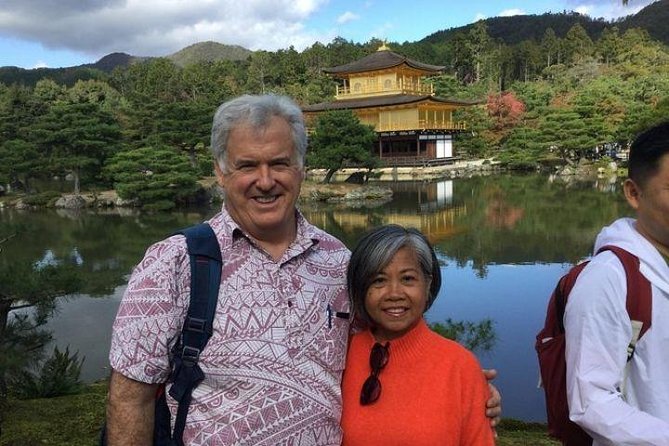
Kinkakuji is the famous Zen temple in northern Kyoto with top floors covered in gold leaf. That kind of visual intensity can feel almost unreal—especially because the surrounding grounds and ponds are still and controlled. If you choose it, I’d treat it as your day’s opener: the architecture and reflections give you a clean mental reset before you move into quieter gardens.
Consideration: it’s short on time in the typical plan (about 20 minutes listed), so plan to focus on the main views instead of trying to see everything.
Ginkakuji (Silver Pavilion)
Ginkakuji is the parallel experience: Zen along the eastern mountains (Higashiyama). It was a retirement villa site for shogun Ashikaga Yoshimasa, which matters because the garden feel is about refined restraint rather than flashy spectacle. If Kinkakuji gives you shimmer, Ginkakuji gives you atmosphere.
Find another quiet garden to sit with in Kyoto

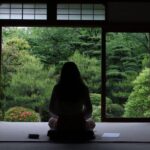
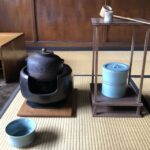
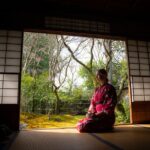
Honen-in
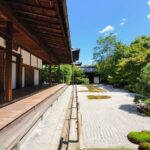
Honen-in is a garden experience that starts the moment you approach it. You’ll go through a scenic route that ends at a moss-covered gate. Inside, the design includes sand mounds and a strong sense of calm geometry.
This is the kind of stop where a guide earns their keep. If you understand what the garden is trying to communicate, you’ll notice details you’d otherwise miss in a quick walk-through.
Nanzenji Suirokaku
Nanzenji is a major Zen temple complex, and the Suirokaku setting adds that “temple engineering meets garden quiet” feeling. It’s one of the important Zen temples in Japan, and being at the base of the forested Higashiyama mountains helps you feel the scale of the place.
Practical tip: this style of stop pairs well with a slower pace. If you tend to rush, you’ll enjoy having a guide steer you toward the garden views that matter.
Ryoan-ji, Taizo-in, and Gio-ji: rock, moss, and the art of seeing less
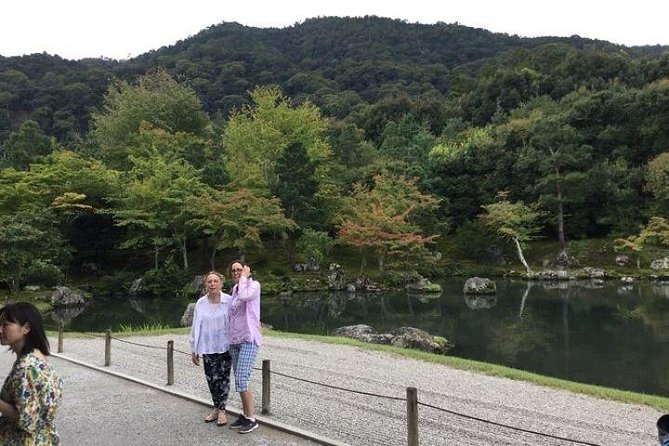
If you care about garden design—especially Zen gardens where meaning hides in plain sight—this is the part of the day that can feel most satisfying.
Ryoan-ji (the rock garden)
Ryoan-ji is famous for its rock garden, a layout that draws hundreds of visitors daily. The key isn’t just seeing it—it’s understanding why your viewpoint changes what you think you see.
Because it’s a short visit window (about 20 minutes listed), you’ll want to linger at a few key angles and let the guide explain what the design is doing. With a private guide, you can slow down without holding up a group.
Taizo-in
Taizo-in’s garden is listed as one of Kyoto’s most famous, and it’s recommended in any season. That broad seasonal promise is important. It means you can get something meaningful even if your timing isn’t perfect for autumn color or spring blossoms.
The best way to enjoy it is to treat it as a quiet read: stand, watch how the garden frames space, then move only when the guide indicates a better vantage.
Tofuku-ji (autumn color strength)
Tofuku-ji is especially known for autumn colors. If you’re visiting outside peak fall, you may not get the same dramatic palette—but you can still enjoy the Zen temple setting and seasonal planting style.
Gio-ji
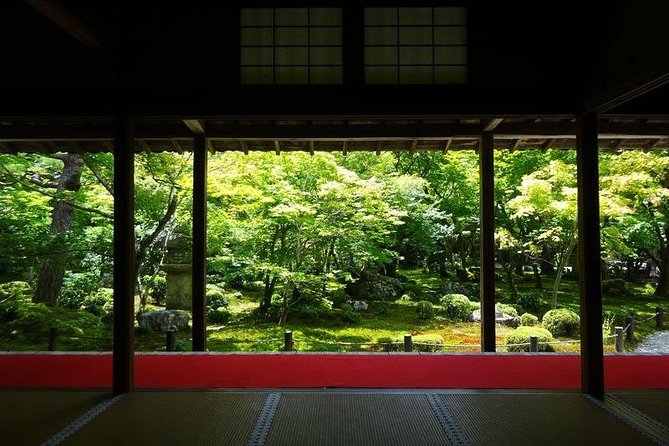
Gio-ji is known for a moss garden punctuated with tall maple trees, plus thatched-roof details at the entrance gate and main hall. It’s also described as even more tucked into the forest than other nearby temple garden options.
If you’re hunting for “Kyoto feels quiet even in a busy city,” this is one of the best types of stops in the whole list. The guide can help you judge timing and viewpoint so you don’t feel like you’re chasing crowds.
Kyoto’s imperial villas and palaces: where gardens meet refined power
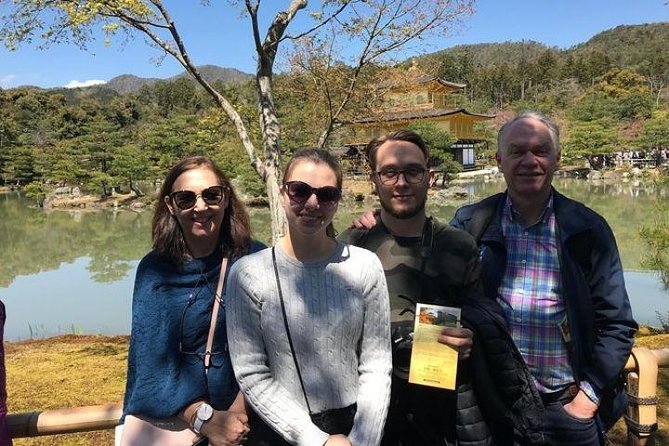
Not every garden in Kyoto is purely spiritual. Some are about taste, leisure, and status—still beautiful, just a different flavor.
Kyoto Imperial Palace
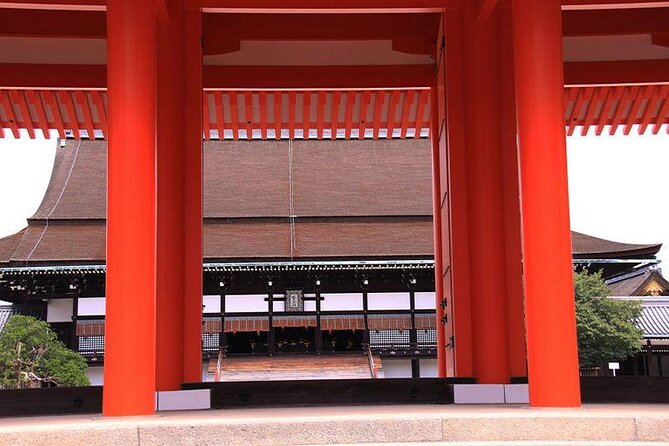
The Kyoto Imperial Palace used to be the residence of Japan’s Imperial Family until 1868, when the emperor and capital moved to Tokyo. Even with a short garden-focused window, it gives you context for how formal spaces and landscape planning worked in imperial times.
This stop works best when paired with a “garden history” mindset. If you like understanding how design reflects culture, you’ll appreciate it.
Shugakuin Imperial Villa
Shugakuin Rikyū is a 17th-century imperial villa now managed by the Imperial Household Agency. It’s described as consisting of Upper, Middle, and Lower Villas, which hints at a larger design concept than a simple stroll garden.
If your group loves architecture-and-garden connections, this can be a standout. The value here is perspective: you’re not only seeing a garden—you’re seeing the kind of planning that goes with elite retreat spaces.
Katsura Imperial Villa
Katsura Rikyū is one of the finest examples of Japanese architecture and garden design. The current form was completed in 1645 as a residence for the imperial shogunate elite. This is a “stop and pay attention” place.
Because it can be easy to treat a villa like just another photo backdrop, I’d lean on your guide to explain what the design is doing. That’s when it becomes more than sightseeing.
Arashiyama’s must-hits: bridge photos, bamboo walks, and villa calm
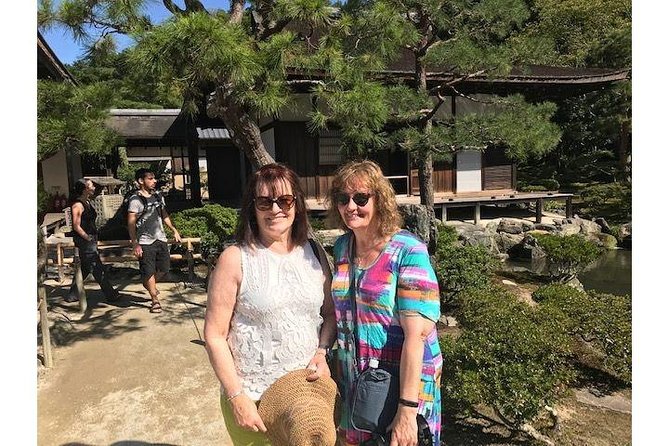
Arashiyama is the Kyoto garden-and-nature zone that most visitors recognize instantly. The trick is making it feel peaceful instead of rushed, and that’s where a private guide helps.
Togetsukyo Bridge
Togetsukyo Bridge is Arashiyama’s iconic landmark. It was originally built in the Heian Period and reconstructed in the 1930s. The point isn’t only the bridge—it’s the rhythm of walking to and from it and how the river and surrounding views frame the gardens in that area.
Since it’s listed as free admission and typically quick, I’d treat it as an anchor photo stop and then move immediately into the quieter parts.
Bamboo Forest Street
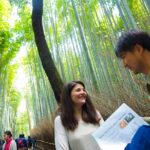
The bamboo groves have walking paths where bamboo stalks sway gently when there’s a light wind. This is a sensory stop: sound, shadow, and the simple feeling of moving through a living structure.
If you’re sensitive to crowds, go with a guide who can time the walk based on what’s happening that day. The goal is to enjoy the bamboo without feeling like you’re stuck in a line.
Okochi Sanso Garden
Okochi Sanso is the former villa of actor Okochi Denjiro, located in the back of Arashiyama’s bamboo groves. The listing notes multiple gardens and buildings, which helps explain why this stop feels more like a complete experience than just a single courtyard.
If your group likes villas and garden variety, this is worth targeting.
Kyoto Botanical Garden and Kennin-ji: slower Kyoto away from the headline rush
Not every great garden has to be the most famous temple in the world. These two stops can add variety—especially if your day already includes big-ticket icons.
Kyoto Botanical Garden
Kyoto Botanical Garden is described as overlooked and affordable. That combination matters for value. You get garden time without the same intensity you might see at the most booked temples.
If your goal is “quiet walking” more than “major landmark,” this is a smart add-on.
Kennin-ji Temple
Kennin-ji is close to the Hanamikoji and Shijo areas, yet the grounds are described as expansive and pleasant to walk. It also has dry Zen gardens (karesansui). The short listed visit suggests the guide will point you toward the key garden views rather than trying to cover everything.
This works well if you want a city-temple garden break in the middle of an itinerary that otherwise leans toward major outskirts sites.
A possible add-on: Byodoin Temple in Uji (extra travel time)
One of the option stops is Byodoin Temple in Uji, known for the Phoenix Hall, a National Treasure and UNESCO World Heritage Site. The listing also notes that extra travel time is expected because it’s outside Kyoto city proper.
So here’s the decision point: if Phoenix Hall is a priority, you can make your garden day feel bigger by adding Uji. If not, you may be better off keeping your 3–4 site plan entirely within Kyoto city to protect walking time.
Price and value: is $153.11 per person fair for a private garden day?
At $153.11 per person for about 6 hours, the value comes less from the number of stops and more from what’s built into the experience.
You’re paying for:
- a licensed local English-speaking guide
- private time (just your group)
- the freedom to customize your 3–4 sites from the garden list
- focused explanations that help you understand why each garden looks the way it does
Entrance fees, transport, and lunch are not included, so you’ll want to budget for those separately. But if you’d otherwise hire a guide for a couple of major temples anyway, the private structure and the customization can feel like a cost-effective way to avoid wasting time.
The best sign of value is in the guide flexibility praised in feedback. When your guide can accommodate changes—like adjusting gardens based on what you’re enjoying—your time stays productive instead of feeling like a fixed route you’re tolerating.
Who this tour fits best (and who should be cautious)
This tour is a great match if you:
- care about Japanese garden design and want more than sightseeing photos
- want to choose 3–4 places that match your season and taste (moss, rocks, bamboo, imperial)
- appreciate a government-licensed interpreter style of explanation tied to culture and history
- prefer private pacing and don’t want to feel rushed
It may be less ideal if you:
- want a long checklist with lots of walking between far-apart areas (the plan is 3–4 sites, not 10)
- strongly prefer all transportation and entrance fees to be included in one price
- want a fully vehicle-based tour (private vehicle is not provided)
Should you book this Kyoto Japanese garden private tour?
I’d book it if your goal is a calm, design-focused garden day with a guide who can explain what you’re seeing and help you shape the route to your preferences. The price makes sense when you factor in private guiding and the ability to switch plans without losing time.
I would hesitate if you want a heavy schedule of ticketed temples with zero walking strategy. To get the best results, pick sites that cluster well, and let the guide steer the order so you’re not just moving between places—you’re actually seeing them.
If you’re visiting Kyoto and want gardens to feel like living art instead of a crowded checklist, this is one of the cleaner ways to do it.
FAQ
How long is the Kyoto Japanese garden private tour?
It runs about 6 hours.
Is this tour walking only, or do you get transportation?
It is a walking tour, and pickup is offered on foot in a designated meeting area. Transportation fees are not included.
How many stops can I choose?
You can customize a walking tour of your choice of 3–4 sites.
Are temple and garden entrance fees included?
No. Entrance fees are not included, and they’re only covered for sights listed under what to expect.
What’s included in the price?
A licensed local English-speaking guide is included, along with the customizable private walking tour. Mobile ticket is listed as a feature.
What’s not included?
Transportation fees, entrance fees, lunch, other personal expenses, and a private vehicle are not included.
Is this really a private tour?
Yes. It’s private, and only your group will participate.
Can I change plans or cancel if needed?
You can cancel for a full refund if you cancel at least 24 hours in advance. Free cancellation is listed.
More Tour Reviews in Kyoto






More Gardens and Quiet Corners
More Private Tours of Kyoto

Just added: more Kyoto tours to browse








Kyoto Gardens & Zen Retreats, compared.
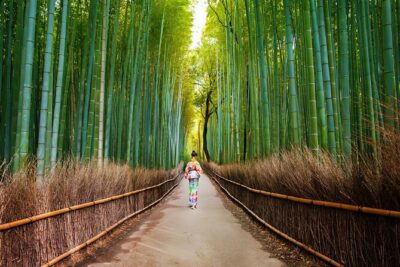 ★ 5.0Kyoto Arashiyama Walking Tour: Bamboo, Monkeys, Gardens & SecretsFrom $651,216 reviews
 ★ 5.0Kyoto Zen Meditation & Garden Tour at a Zen Temple with LunchFrom $110441 reviews
 ★ 5.0Zen Experience in a Hidden TempleFrom $109437 reviews
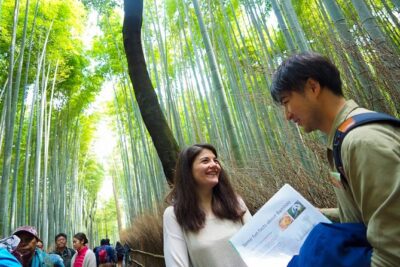 ★ 5.0Kyoto Arashiyama Bamboo forest & Garden Half-Day Walking TourFrom $129413 reviews
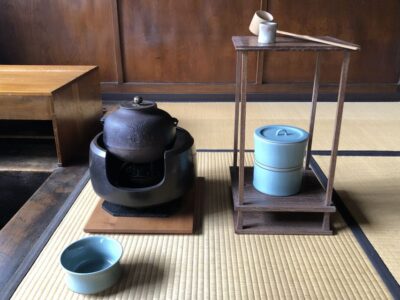 ★ 4.8Tea Ceremony Meditation – Make Matcha with Tea MasterFrom $45406 reviews
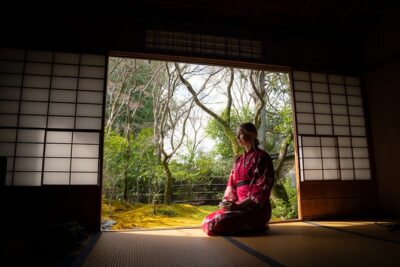 ★ 5.0Zen Meditation at a Private Temple with a MonkFrom $91202 reviews
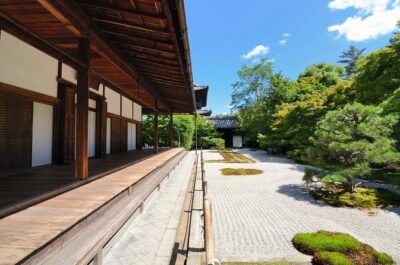 ★ 5.0Zen Garden, Zen Mind (Private)From $380126 reviews
 ★ 5.04.5-Hour Kyoto Bike Tour with Lunch and UNESCO Zen TemplesFrom $99122 reviews
Browse the lists this tour appears in