
Reviewed · KYOTO BUS & SIGHTSEEING TOURS
Kyoto Highlights 7-Hour Private Guided Tour
Private Kyoto in 7 hours beats the chaos. Pick the northwest or southeast route and you’ll cover Kyoto’s big hitters with a licensed English guide, wrapping up near Gion.
I love how the day comes with real cultural context from guides like Mie and Choca, not just a list of sights. I also like that you get a bus pass for after the tour, so getting around doesn’t stop when the walking stops.
One consideration: you choose only one route per booking, and food and drinks are not included, so you’ll want to plan lunch on your own.
In This Review
- Key things to know before you go
- How this 7-hour Kyoto private tour really works
- The northwest route: bamboo, Ryoanji, the Golden Pavilion, and one big city stop
- Bamboo Grove: the Kyoto intro that sets the mood
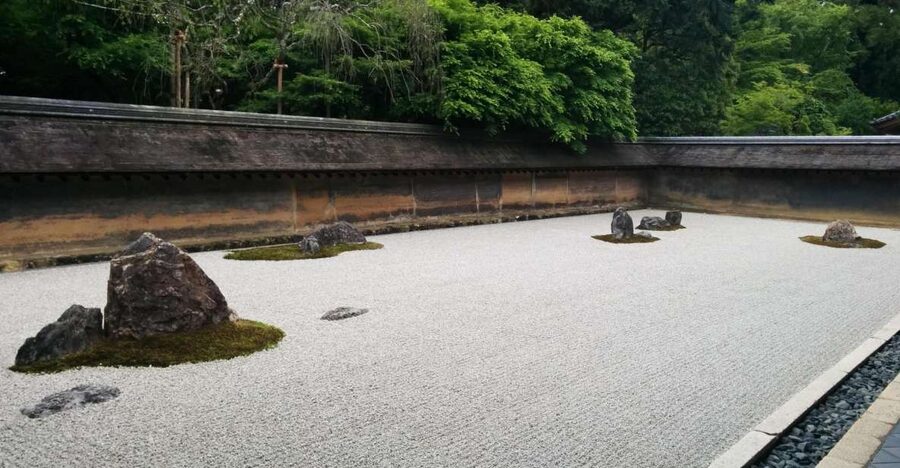
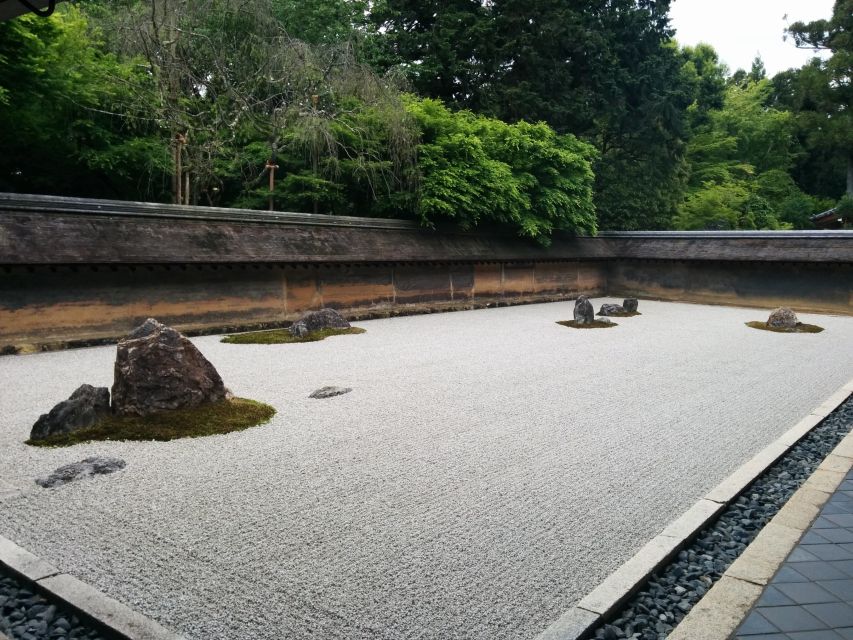
- Ryoanji’s Rock Garden: slow, focused, and surprisingly modern-feeling
- Golden Pavilion: the classic view, plus context that changes it
- Nijo Castle or Nishiki Market: choose your style
- The southeast route: sake, Inari, Sanjusangendo, Kiyomizudera, and the slope stroll
- A sake brewery stop: a calmer start with a real Kyoto product
- Fushimi Inari Taisha: the shrine walk that keeps going
- Sanjusangendo Temple: long halls and quiet intensity
- Kiyomizudera: the stop that ties it all together
- Ninenzaka or Sannenzaka slope: evening-street Kyoto flavor
- Why a private licensed guide matters more than you think
- Transportation and the included bus pass: how you’ll feel after 16:00
- Price and value: is $215 per person worth it
- What to expect on the ground: pacing, timing, and where the day can get busy
- Which route should you choose?
- Choose the northwest route if you want gardens plus a castle-or-market contrast
- Choose the southeast route if you want sacred pilgrimage sights plus classic old-street Kyoto
- Want more? Combine both routes for a fuller 8-location day
- Small planning tips that make the biggest difference
- Should you book this private Kyoto highlight tour?
- FAQ
- How long is the Kyoto Highlights private guided tour?
- What time does the tour start?
- Where does the tour start?
- Where does the tour end?
- What route options are available?
- What attractions are on the northwest-bound route?
- What attractions are on the southeast-bound route?
- Is food included in the tour price?
- What’s included in the tour?
- Can I cancel and get a refund?
Key things to know before you go
- Two smart route options: northwest sights (bamboo, Rock Garden, Golden Pavilion, plus castle or market) or southeast sights (sake, Inari, Kannon halls, Kiyomizu, plus Sannenzaka/Ninenzaka slope)
- Private licensed guide in English: you get direct answers and smoother planning for Kyoto’s winding neighborhoods
- Temple entrance fees are covered: less hassle, fewer surprise charges at ticket gates
- Transportation + bus pass included: you’re not stuck figuring out transit right after your tour ends
- Ends near Gion: you can extend the evening with the area’s classic streets
How this 7-hour Kyoto private tour really works
This is the kind of Kyoto day that saves you from decision fatigue. You start at 09:00 at the Hotel Granvia Kyoto in the JR Kyoto Station building, then your private licensed English guide moves you through a tight set of “major must-sees” without you having to stitch the route together yourself.
You pick one itinerary at booking: the northwest-bound route or the southeast-bound route. Each route is designed to hit 4 major attractions during the day, with enough room for a relaxed pace that still feels like a full highlight reel.
At 16:00, the tour ends near the Gion area. That timing is handy: you’re positioned for an evening walk in the geisha district, when Kyoto feels extra photogenic and the crowds can thin a bit depending on the day.
Loop the big Kyoto sights in one run
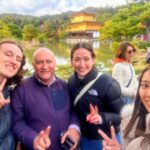

The northwest route: bamboo, Ryoanji, the Golden Pavilion, and one big city stop
If you choose the northwest-bound itinerary, you’re basically building a greatest-hits playlist of Kyoto’s most iconic scenery and temple landmarks—then finishing with a major urban contrast (castle or market).
Bamboo Grove: the Kyoto intro that sets the mood
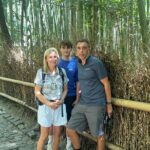
The day starts with the Bamboo Grove, and it works as a quick “welcome to Kyoto” moment. Even if you’ve seen photos, being there is different: the air feels cooler, sound carries differently, and you get that immediate sense of Kyoto’s blend of nature and tradition.
The key here is expectation management. You’ll likely do more walking than you expect on a first stop like this, so comfy shoes matter.
Ryoanji’s Rock Garden: slow, focused, and surprisingly modern-feeling
Next comes the Rock Garden (Ryoanji Temple). This is one of those places where you’ll feel your brain shift from sightseeing mode to observation mode. The value isn’t just the location—it’s the way a good guide explains what you’re looking at and how the garden is meant to be experienced at a human pace.
If you like art, design, or meditative spaces, you’ll get more from this stop than you would doing it on your own with only a quick sign reading.
Golden Pavilion: the classic view, plus context that changes it
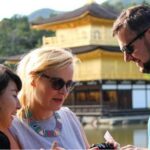
Then you move to the Golden Pavilion. Yes, it’s famous. But the real difference on a private tour is how the guide ties the visual impact to why it matters historically and culturally, instead of leaving it as a photo backdrop.
You’ll also be positioned to enjoy the area around the pavilion at a slower rhythm, rather than rushing because you’re trying to match other people’s group timing.
Other Kyoto tours and experiences to compare
Nijo Castle or Nishiki Market: choose your style
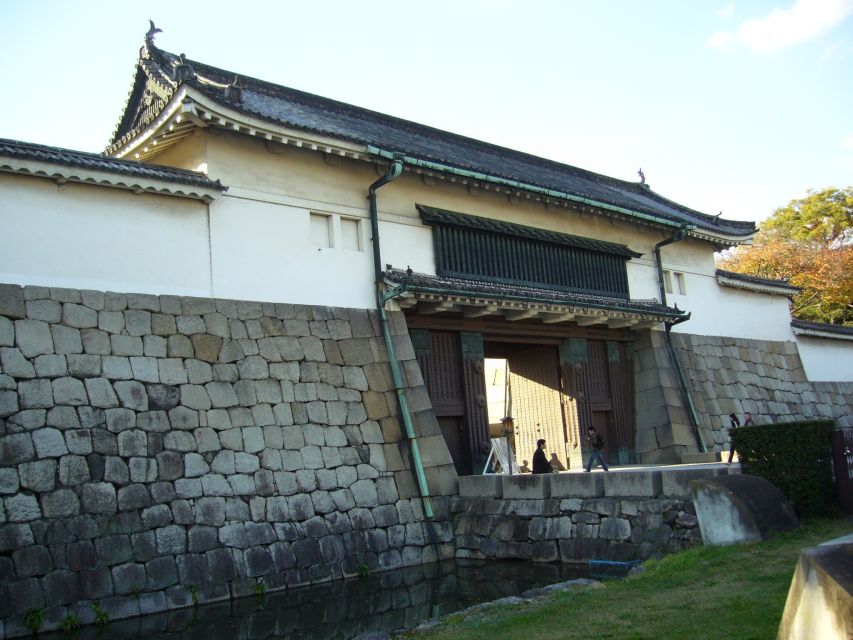
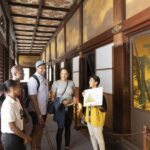
The last piece of the northwest route gives you a fork in the road: Nijo Castle or Nishiki Market.
- If you pick Nijo Castle, you’re going toward Kyoto’s political power story through architecture and historic spaces.
- If you pick Nishiki Market, you’re leaning more into daily life and food-shopping energy.
Either way, this slot is a good way to balance the quieter temple-and-garden stops earlier in the day. It also helps you customize the tour toward what you actually want to remember.
The southeast route: sake, Inari, Sanjusangendo, Kiyomizudera, and the slope stroll
The southeast-bound itinerary is for Kyoto fans who want sacred sights plus dramatic “street-level Kyoto” scenes at the end. It feels like a smooth progression from ritual and religion into neighborhood atmosphere.
A sake brewery stop: a calmer start with a real Kyoto product
You’ll visit a sake brewery early on. This adds variety because Kyoto isn’t only shrines and temples; it’s also craft, production, and local culture you can taste and see.
Even without turning it into a drinking tour, this stop is a good way to break up the day before the pilgrimage-style sights kick in.
Fushimi Inari Taisha: the shrine walk that keeps going
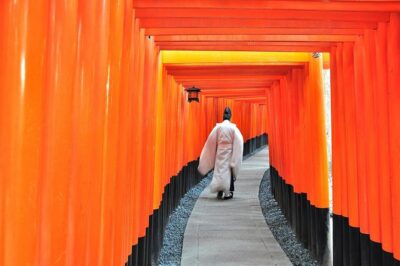
Next is Fushimi Inari Taisha. The famous part here is the walk itself, not just a single viewpoint. You’ll want to pace yourself, because this is the kind of attraction where time can stretch depending on how many side paths you take.
If you’re bringing a camera, you’ll also have moments for photos that feel more personal than the postcard angles.
Sanjusangendo Temple: long halls and quiet intensity
Then you go to Sanjusangendo Temple. This stop has a different energy than Inari. It’s more contained and focused, and it often rewards visitors who are happy to stand still, look carefully, and let the space work on you.
If you prefer “one strong stop” over “many quick stops,” this is a great match.
Kiyomizudera: the stop that ties it all together
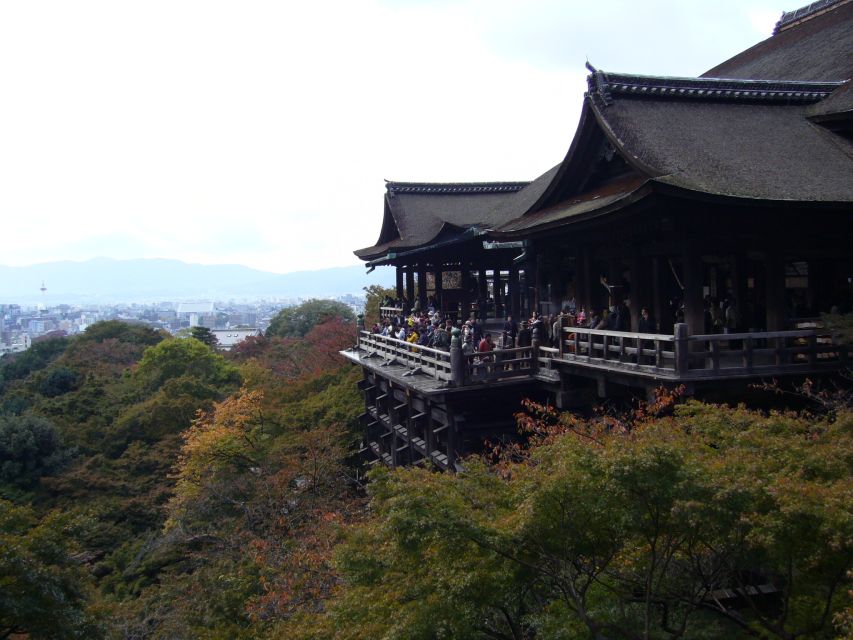
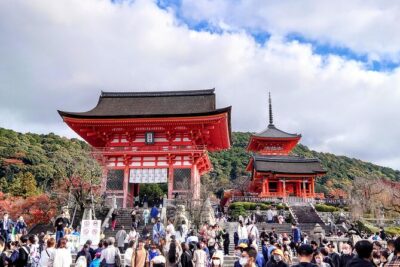
After that, you’ll head to Kiyomizudera Temple. This is the kind of landmark that makes Kyoto feel unmistakable. It’s not just a temple on a map; it’s a viewpoint area where you can feel the city’s layout and the way visitors move through the site.
A private guide helps you plan your walking time here so you’re not getting pulled along by pure crowd momentum.
Ninenzaka or Sannenzaka slope: evening-street Kyoto flavor
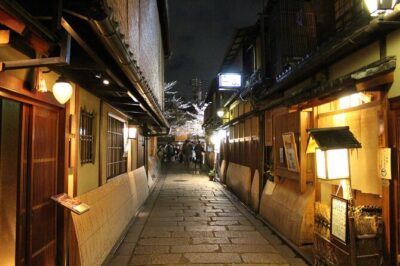
To finish, you’ll stroll Ninenzaka or Sannenzaka slope. This is where you shift from shrine-temple pacing into old-street atmosphere. You can browse, take photos, and soak up that preserved-neighborhood feel that’s hard to find elsewhere.
Pick whichever slope you’re more excited about, and don’t rush this part. The best value is slowing down at the end of the day, not sprinting toward it.
Why a private licensed guide matters more than you think
Kyoto can be simple—until it isn’t. It’s a city of neighborhoods with different vibes, temple entrances in specific pockets, and routes that feel obvious only after you’ve done them once.
On a private tour, you get a guide who can steer you around friction points and explain the stuff that’s otherwise missing. That showed up clearly in the reviews, especially praise for guides like Mie, Choco/Choca, and Mei for making the day feel friendly and personal, plus helping visitors understand what they were looking at.
In practical terms, this means:
- You spend less time re-planning mid-day.
- You’re more likely to ask the questions you actually have, instead of saving them for later.
- You can connect sights to bigger themes, like how different eras shaped what you see today.
And if you’re traveling with others, a private guide also helps reduce chaos. You’re not negotiating where to stand or how fast to move inside a group.
Transportation and the included bus pass: how you’ll feel after 16:00
The tour includes transportation during the day and also gives you a 1-day bus pass that you can use after the tour ends. That detail matters. Kyoto afternoons can turn into a transit puzzle if you’re tired and hungry, because routes and transfers can feel confusing when you’re already on foot.
Ending near Gion at 16:00 is also strategic. You’re positioned for an evening stroll, and with that bus pass you’re not stuck if you want to reposition without walking the whole way.
One note: pick-up is not the same as hotel pick-up. The tour includes pickup at a centrally located meeting point, but it does not include hotel pickup or drop-off. If your hotel is far from the meeting point, you’ll want to plan how you’ll arrive and depart.
Price and value: is $215 per person worth it
At $215 per person for a 7-hour private tour, the value comes from what’s included and what it replaces for you.
You’re not just paying for the guide’s time. The package also includes:
- Temple entrance fees
- Transportation during the tour
- A 1-day bus pass for after the tour
Those items remove the most common annoyances: ticket lines, unexpected entrance costs, and figuring out transit while you’re already tired. For many people, that alone is the difference between enjoying Kyoto and constantly doing math in your head.
It’s also a value win if you’d otherwise spend hours building the route yourself. This tour is designed to hit a set of major attractions efficiently, with a private guide to keep it meaningful instead of mechanical.
If you’re the type who likes to wander freely without structure, you might feel limited by a set itinerary. But if you want a confident “high-impact” day, this price can start to make sense quickly.
What to expect on the ground: pacing, timing, and where the day can get busy
The day runs 09:00 to 16:00, and it’s built around 4 major attractions per route. That structure helps you feel like you saw a lot, without sprinting through every stop.
Still, you should expect some crowds at the big-name locations like Fushimi Inari Taisha and Kiyomizudera. Your private guide won’t erase crowds, but they can help you move in a way that keeps you calmer.
Also remember: food and drinks aren’t included. Guides may help you find good nearby options (and some have steered guests toward local comfort food for lunch), but you’ll be making your own meal choices during the day.
Which route should you choose?
Here’s a simple way to decide.
Choose the northwest route if you want gardens plus a castle-or-market contrast
Pick this route if your heart says bamboo, Zen rock gardens, and the Golden Pavilion. It’s also a strong match if you want one more “big city anchor” at the end—either Nijo Castle for historic architecture or Nishiki Market for a lively food-and-shops stop.
Choose the southeast route if you want sacred pilgrimage sights plus classic old-street Kyoto
Pick this route if you’re drawn to Fushimi Inari Taisha, Sanjusangendo Temple, and the Kiyomizudera area. Ending with Ninenzaka or Sannenzaka gives you that old-street feel right after temple time, which is often when the day’s photos look most “Kyoto” to first-timers.
Want more? Combine both routes for a fuller 8-location day
If you plan your trip like a pro, you can book both routes so you visit 8 different locations at a relaxing pace. That’s a smart strategy if Kyoto is one of your only big days, or if you just don’t want to miss any of the heavy hitters.
Small planning tips that make the biggest difference
I keep it practical for Kyoto:
- Bring comfy, grippy shoes for temple grounds and slope areas.
- Plan to buy your own lunch since food isn’t included.
- If you love photos, give yourself permission to slow down at Golden Pavilion and the slope area instead of treating every stop like a checklist.
- Use the bus pass after 16:00 to extend your evening near Gion without turning it into an endurance test.
If you’re the sort of traveler who likes chatting while you walk, you’ll probably enjoy the private format even more. Reviews praised guides for being friendly and helpful, with English conversations that made the day easier to understand.
Should you book this private Kyoto highlight tour?
Book it if you want a confident, high-impact Kyoto day with a real human guide, and you don’t want to spend your morning figuring out transit and temple timing. This is a strong choice for first-timers who want the best-known sights, plus enough context to make them feel more than just photos.
Skip it (or consider a different plan) if you prefer full freedom with no schedule and you’re comfortable navigating Kyoto alone, because the tour does come with a set route and set attractions.
If your goal is to see major landmarks efficiently, finish near Gion, and keep the rest of your day flexible, this private tour is a smart buy at $215 per person—especially with entrance fees and the bus pass included.
FAQ
How long is the Kyoto Highlights private guided tour?
The tour lasts 7 hours.
What time does the tour start?
The tour starts at 09:00.
Where does the tour start?
It starts from the Hotel Granvia Kyoto in the JR Kyoto Station building.
Where does the tour end?
It ends at 16:00 near the Gion area.
What route options are available?
You can choose either a northwest-bound route or a southeast-bound route at booking.
What attractions are on the northwest-bound route?
The northwest-bound route includes Bamboo Grove, Rock Garden (Ryoanji Temple), Golden Pavilion, and either Nijo Castle or Nishiki Market.
What attractions are on the southeast-bound route?
The southeast-bound route includes a sake brewery, Fushimi Inari Taisha, Sanjusangendo Temple, Kiyomizudera Temple, and either Ninenzaka or Sannenzaka slope.
Is food included in the tour price?
No. Food and drinks are not included.
What’s included in the tour?
Included are pick-up at a centrally located meeting point, a private licensed guide, entrance fees for temples, transportation, and a 1-day bus pass for use after the tour.
Can I cancel and get a refund?
Yes. You can cancel up to 24 hours in advance for a full refund. If you cancel 2 days before the tour, 50 percent of the total tour fee is charged, and 1 day before the tour or on the same day, 100 percent is charged.
More Tours in Kyoto
More Tour Reviews in Kyoto
More Kyoto Sightseeing Loops
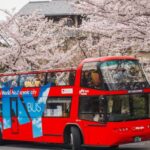
Just added: more Kyoto tours to browse




Kyoto Bus & Sightseeing Tours, compared.
 ★ 5.0PERFECT KYOTO 1-Day Bus TourFrom $12913,518 reviews
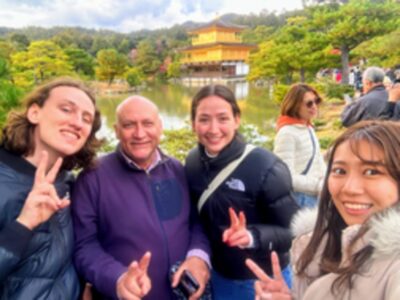 ★ 4.8Fushimi Inari, Kinkakuji, Bamboo Grove 1 Day Bus TourFrom $1224,316 reviews
 ★ 4.9Best of Kyoto: Gion, Geisha, Pagodas & CobblestonesFrom $242,058 reviews
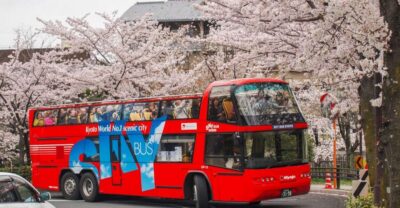 ★ 3.9Hop-on Hop-off Sightseeing Bus TicketFrom $272,034 reviews
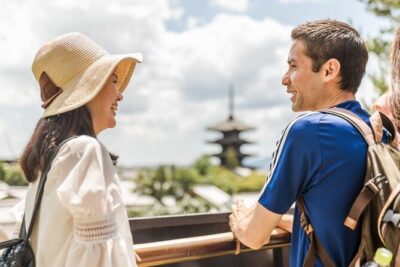 ★ 5.0Private Kyoto Tour with a Local, Highlights & Hidden Gems, PersonalisedFrom $1021,543 reviews
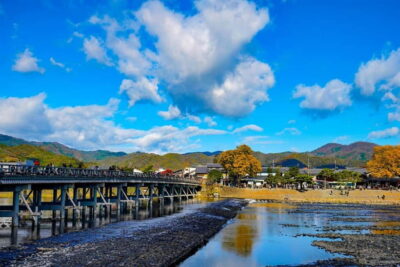 ★ 4.7Kyoto/Osaka: Nara, Fushimi Inari Taisha, Arashiyama Bus TourFrom $521,275 reviews
 ★ 5.010 Must-see Spots in Kyoto One Day Private Tour (up to 7 people)From $1791,108 reviews
 ★ 4.5One-Day Tour of Kyoto’s Highlights from Osaka/KyotoFrom $661,092 reviews
Browse the lists this tour appears in