
Reviewed · GION & GEISHA DISTRICT TOURS
Kyoto: Half-Day Private Guided Tour to the Old Town of Gion
Old Kyoto hits fast in Gion. This half-day private walk is a smart way to see the district’s classic streetscape without wasting time. You’ll start by the Kamo River, then step into the historic lanes that locals know well.
I like the way the route strings together real landmarks and atmosphere: Yasaka Shrine for history, then the streets of Sannenzaka and Ninenzaka for that traditional Kyoto feel. I also like the seasonal payoff. In spring, it’s especially good around the cherry blossoms, and in autumn the same park-and-street scenery turns into something gentler and warmer.
One thing to consider: this is 3–4 hours on foot, so you’ll want comfy shoes and a willingness to keep moving. Also, because it’s a private guided tour, the experience can hinge on the guide’s style; one past booking noted the guide was less engaging, so ask questions early and steer the conversation toward what you care about.
In This Review
- Key highlights worth planning around
- Old Town Gion on foot: why 3–4 hours feels just right
- Price and what $96 per person buys you
- Meeting at Starbucks Sanjo-ohashi Bridge: easy start, clear handoff
- Kamo River promenade and Shirakawa Street: locals’ rhythm first
- Yasaka Shinto Shrine: history you can actually walk through
- Sannenzaka and Ninenzaka lanes: traditional Kyoto in compact time
- Maruyama Park in spring and autumn: a nature breather that matters
- Hanamikoji Street and kyomachiya: the old-town corridor
- What you’ll learn about Gion and Japanese culture
- Who this tour is best for
- Should you book the Kyoto Old Town of Gion private tour?
- FAQ
- How long is the Kyoto Gion private guided tour?
- Where does the tour start and end?
- What’s included in the price?
- Is lunch included?
- What languages are available for the guide?
- Is this tour suitable for wheelchair users?
- Is there free cancellation?
Key highlights worth planning around
- Kamo River start: a calm, local-feeling opening before the Gion crowds kick in.
- Shirakawa Street entrance: you get placed right where the neighborhood vibe begins.
- Yasaka Shrine dating to the 7th century: history you can walk alongside.
- Sannenzaka and Ninenzaka traditional lanes: classic Kyoto streets built for strolling and photos.
- Maruyama Park seasonal beauty: cherry blossoms in spring, autumn leaves later on.
- Hanamikoji Street and kyomachiya: traditional townhouses that keep the old atmosphere going.
Old Town Gion on foot: why 3–4 hours feels just right
If you only have a half-day in Kyoto, this kind of private walking tour makes a lot of sense. You get multiple “must-see” areas tied together in one flow: river promenade, shrine visit, old lanes, a park break, and a final stroll down Hanamikoji. Instead of hopping between spots on your own, you’re following a guide who keeps the story moving.
The private format also helps you travel like a person, not a schedule. You can ask practical questions as you go—about what you’re seeing, why it matters, and how the neighborhood works. With languages offered in English, French, and Japanese, it’s easier to get answers quickly rather than guessing.
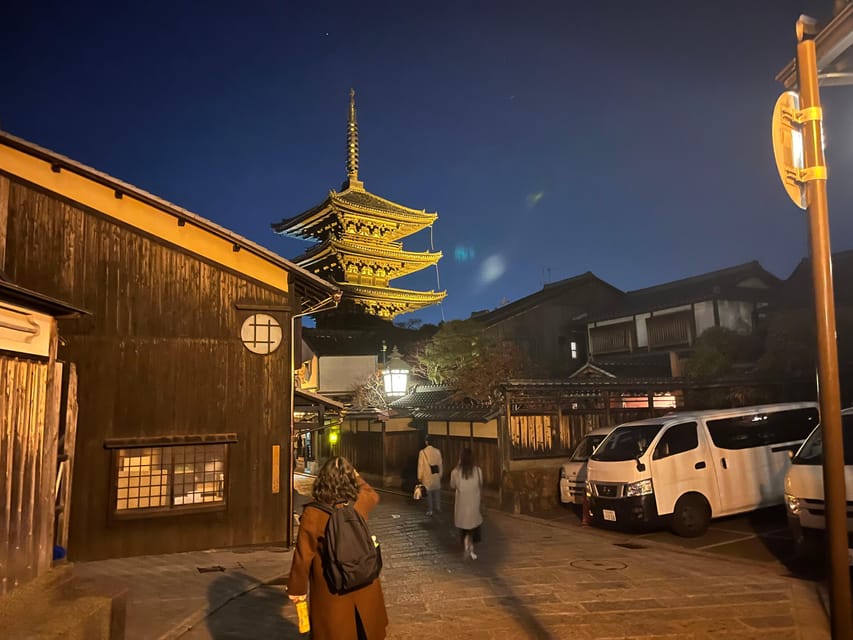
This is at its best when you want atmosphere as much as sights. Gion is the kind of place where the details matter: the architecture, street rhythm, and that sense of old Kyoto still functioning in the city.
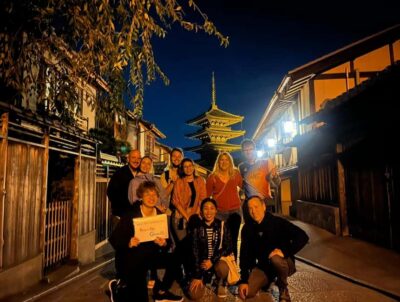
More evenings along the lantern-lit lanes of Gion
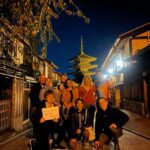
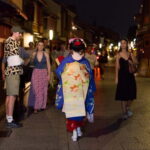
Price and what $96 per person buys you
At $96 per person for about 3–4 hours, this is priced like a true guided experience, not a basic sightseeing walk. What you’re paying for is the guide time and guide fees—nothing more, nothing hidden. That’s important because it helps you decide if you want to pay for guidance versus self-exploring.
Here’s the value math I’d use if I were booking: you get a concentrated route covering several high-impact areas (Kamo River, Yasaka Shrine, Sannenzaka/Ninenzaka, Maruyama Park, Hanamikoji). If you’ve ever tried to “just wander” Gion, you know how easy it is to spend time getting your bearings. A guide helps you move efficiently while also explaining what you’re seeing.
The main trade-off is what’s not included: lunch or snacks aren’t part of the tour. So if you’re the type who needs a meal to keep your energy steady, plan a stop before or after your walking window.
Meeting at Starbucks Sanjo-ohashi Bridge: easy start, clear handoff
Your meeting point is simple: Starbucks Coffee – Kyoto Sanjo-ohashi Bridge. Having a mainstream, easy-to-identify landmark as the start point can save you stress—especially in a neighborhood where turns and side streets can multiply fast.
From there, the tour settles into the area. You’ll begin with a guided segment around the starting area, then move toward the river walk and the historic streets. Since the total is only a few hours, that clear start matters: you want your time spent on the old town, not figuring out where “the beginning” actually is.
Kamo River promenade and Shirakawa Street: locals’ rhythm first
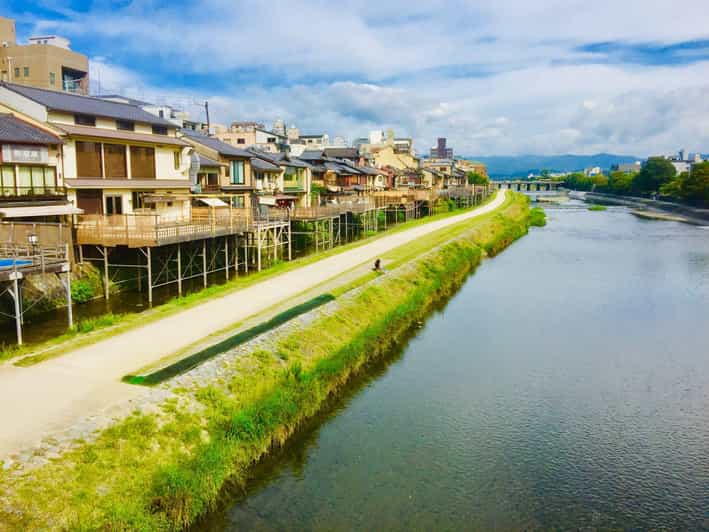
A good Gion tour doesn’t sprint straight to the most famous streets. It starts with the city’s rhythm. This one begins along the Kamo River, a popular promenade with locals, which sets a calmer tone right away.
After that, you head into Shirakawa Street, described as marking the entrance to the neighborhood. This is a small but meaningful transition. You’re not just moving from one place to another; you’re changing from city flow into the older, more curated streetscape feel.
One practical tip: because this is a river-and-street route, you’ll get changing light and lots of photo chances, but you’ll also want to stay aware of foot traffic. If you like slow photo stops, build them into the tour with your guide so you’re not constantly cutting across the group.
Yasaka Shinto Shrine: history you can actually walk through
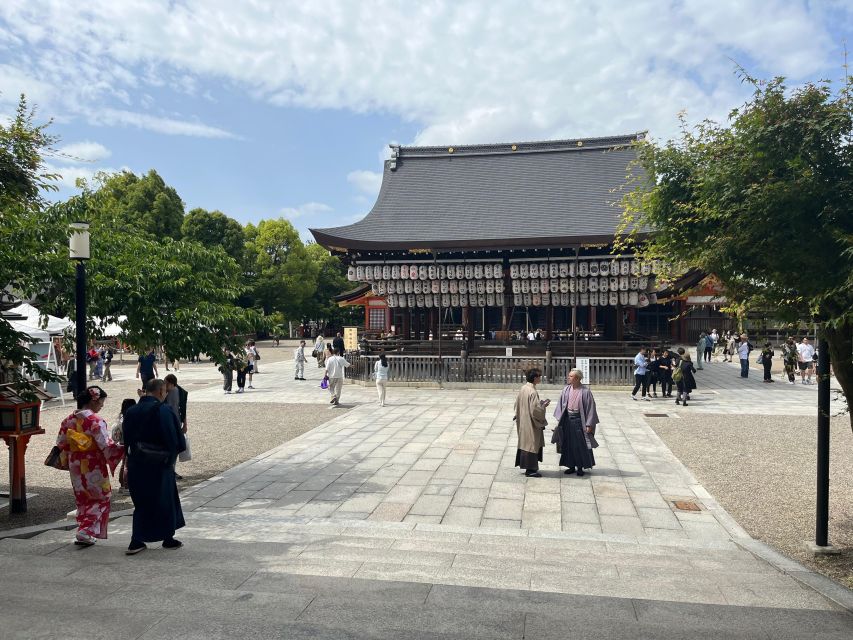
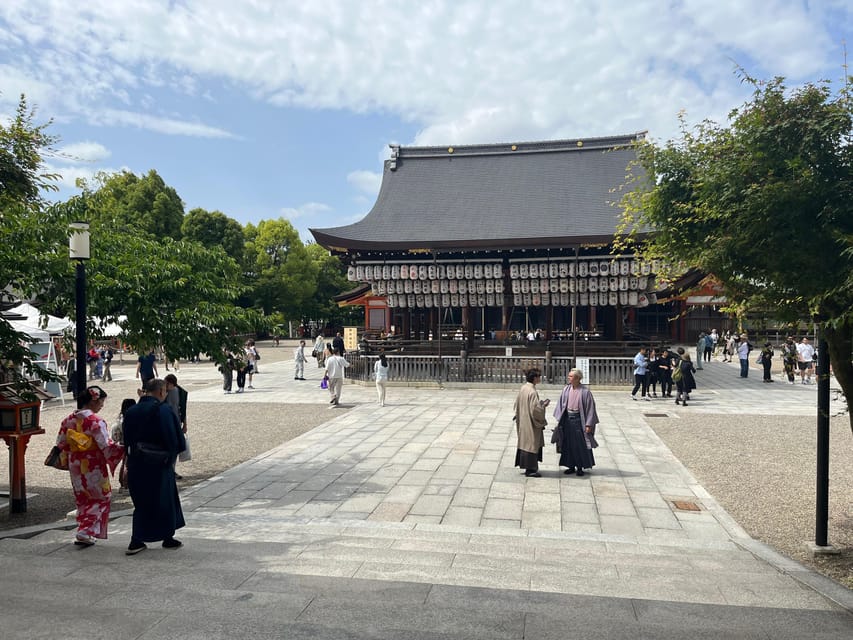
Yasaka Shinto Shrine is the kind of anchor stop that gives context to everything else. It’s sacred and dates from the 7th century, so it’s more than a pretty landmark. It helps explain why Gion’s old-town identity isn’t just about buildings—it’s tied to long-running cultural practice.
During the visit, you’ll have a guided component plus walking time. This matters because shrines can be visually complex. A guide helps you notice what’s important and understand what you’re looking at without turning the visit into a lecture.
I especially like shrine stops on short tours because they prevent the experience from becoming purely decorative. After Yasaka, the streets you walk afterward feel more meaningful. You’re not only seeing old architecture; you’re seeing how tradition continues to shape the neighborhood.
Other Kyoto tours and experiences to compare


Sannenzaka and Ninenzaka lanes: traditional Kyoto in compact time
Next come the lanes that many people associate with traditional Kyoto living. You’ll walk through Sannenzaka and Ninenzaka, with guided time and time to enjoy the streetscape.
These are the areas where you’ll likely notice the “Kyoto look” in a concentrated way: traditional street character, older building fronts, and a sense that you’re walking through a well-preserved old town pocket. Even if you’re not shopping, it’s worth going slow enough to really see how the street scenes connect.
The only drawback here is crowd pressure. In peak seasons, these lanes can get busy. If cherry blossoms are your target, go in knowing that the scenery is exceptional, but you’ll trade some quiet for that classic spring feeling.
Maruyama Park in spring and autumn: a nature breather that matters
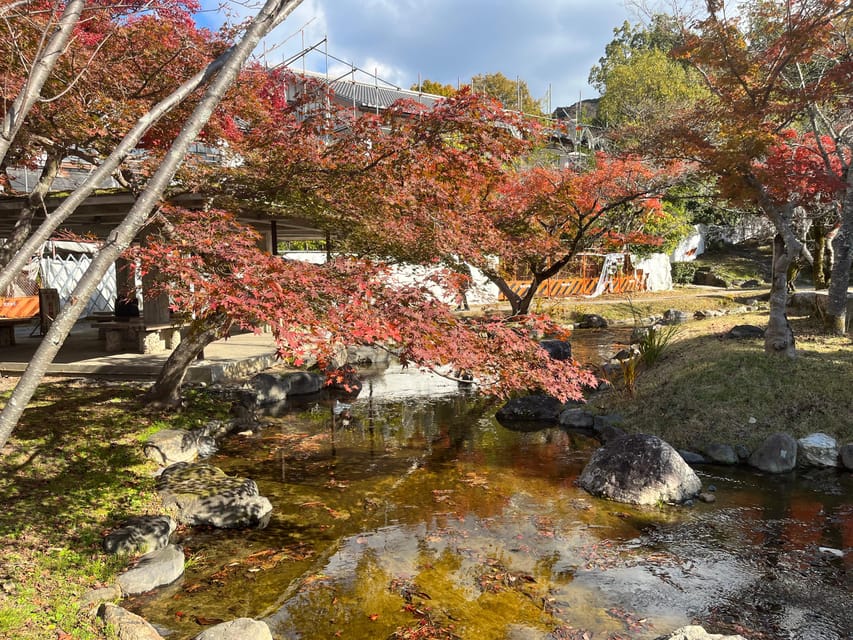
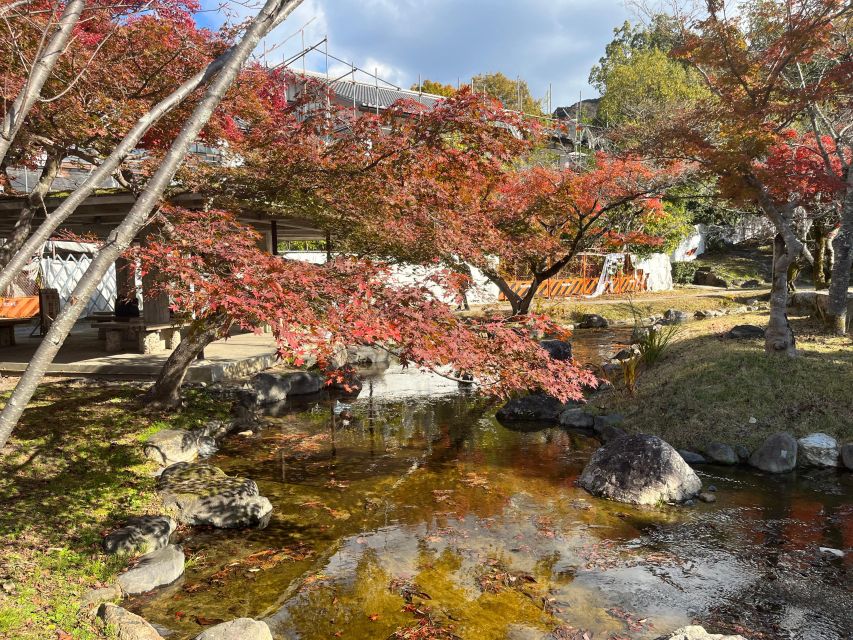
Then you get a reset at Maruyama Park. The tour frames it as nature-focused, and that’s exactly why it works in the middle of a city walk. In spring, you can enjoy flowering cherry trees; in autumn, you’re there for the leaves.
This park stop does more than break up the walking. It changes the emotional tone of the tour. After shrine and old lanes, the greenery gives your brain a moment to breathe, and you’ll come away with a more rounded sense of Kyoto—not only cultural heritage, but seasonal character too.
If you’re traveling in spring or autumn, this is one of those places where timing helps. You’re not guaranteed the exact blossoms or peak color, but you’ll be in the right zone to enjoy Kyoto’s seasonal rhythm.
Hanamikoji Street and kyomachiya: the old-town corridor
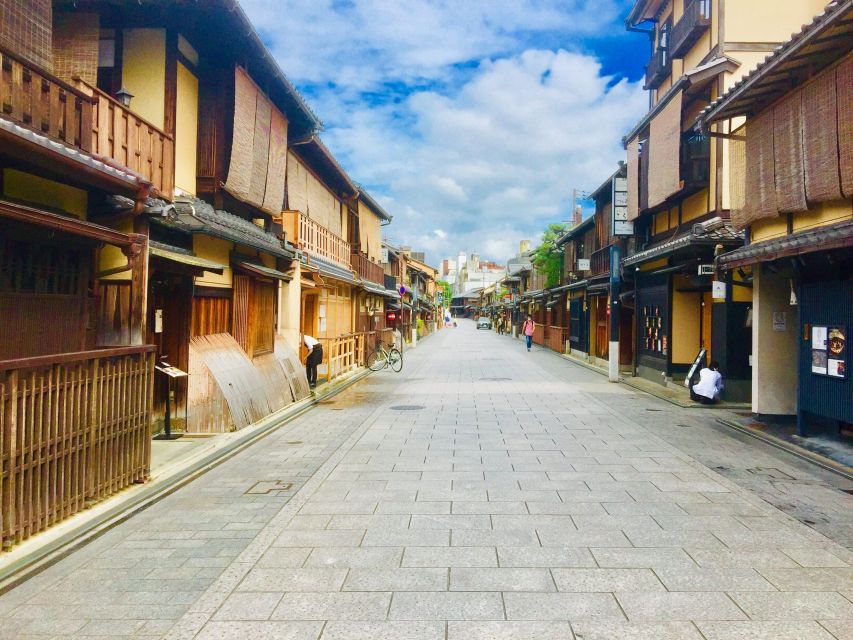
The tour ends with a stroll down Hanamikoji Street, and the highlight here is the kyomachiya, the traditional townhouses of Kyoto. This is where the visual story clicks. Those architecture details are the bridge between history and what you feel today on the street.
It’s also a great final stretch because Hanamikoji has that long, classic “walk this corridor” layout. Even without special knowledge, you’ll recognize that you’re moving through a street designed to preserve the old mood.
After Hanamikoji, the route continues to Pontocho for a visit and more walking. Pontocho is a fitting closer: it keeps you in the Kyoto atmosphere a little longer, so you don’t feel like the tour ends right when things get interesting.
What you’ll learn about Gion and Japanese culture
This tour is built for understanding, not just ticking boxes. Because it’s guided, you’ll pick up the story behind what you see: Gion as a historic neighborhood, Yasaka Shrine’s long presence, and how the area’s streets connect to that identity.
Even in a short 3–4 hour window, a good guide can make the difference between seeing “pretty streets” and understanding why those streets matter. That’s likely why some past bookings highlighted how the experience matched the description and covered lots of things in the Gion area.
That said, one review flagged that a guide can be less interesting. So here’s how I’d protect yourself: arrive with 2–3 questions you genuinely want answered, like what makes a street historically important or what you should notice about traditional townhouses. If your guide is a talker, you’ll get more. If not, you’ll still get useful direction.
Who this tour is best for
This fits best if you:
- Want a focused half-day and don’t want to spend your limited time navigating.
- Are staying near central Kyoto and want an easy, structured walk.
- Care about atmosphere—street character, seasonal beauty, and heritage sites.
- Prefer a private group so you can move at a comfortable pace and ask questions.
It’s also a strong choice for first-timers who want a “Gion overview” with real stops. If you already know Kyoto well and want niche deep-specialist history, you might want a longer, more specialized tour. But for most people, this hits the sweet spot.
Should you book the Kyoto Old Town of Gion private tour?
I’d book it if you want a high-value guided stroll through the core old-town experience without planning every turn yourself. The route is well-paced: river first, shrine context, traditional lanes, a nature breather, then the kyomachiya corridor and finish in the Pontocho atmosphere.
Skip it (or plan differently) if you hate walking for several hours or if your travel style is ultra-flexible and you’d rather wander without a set route. And if cherry blossom timing is your priority, remember that beauty usually comes with crowd energy on the most famous streets.
If you do book, do one small thing that boosts your odds of a great experience: tell your guide what you’re most excited about at the start. Past feedback praised the friendly tone of at least one guide, including Mouloud, and that kind of rapport matters most when the route is already tight.
FAQ
How long is the Kyoto Gion private guided tour?
The tour lasts about 3 to 4 hours.
Where does the tour start and end?
It starts and ends at Starbucks Coffee – Kyoto Sanjo-ohashi Bridge.
What’s included in the price?
The price includes the guide and guide fees.
Is lunch included?
No. Lunch or snacks are not included.
What languages are available for the guide?
The live guide is available in English, French, and Japanese.
Is this tour suitable for wheelchair users?
Yes, it is listed as wheelchair accessible.
Is there free cancellation?
Yes, you can cancel up to 24 hours in advance for a full refund.
If you want, tell me your travel month (and whether it’s cherry blossom season for you), and I’ll suggest the best way to schedule this half-day so it fits around crowds and your other Kyoto stops.
More Tours in Kyoto

More Tour Reviews in Kyoto
Still in Gion? Keep Going

Just added: more Kyoto tours to browse





Gion & Geisha District Tours, compared.
 ★ 4.7Kyoto Geisha Walking Tour: Gion District & Hidden GemsFrom $253,273 reviews
 ★ 4.9Gion Magical Night Walking Tour with Geisha TriviaFrom $242,393 reviews
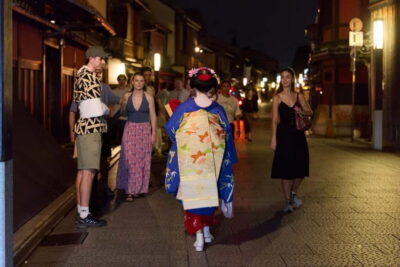 ★ 4.7Gion Geisha District Walking Tour – Stories of GeishaFrom $202,187 reviews
 ★ 4.9Best of Kyoto: Gion, Geisha, Pagodas & CobblestonesFrom $242,058 reviews
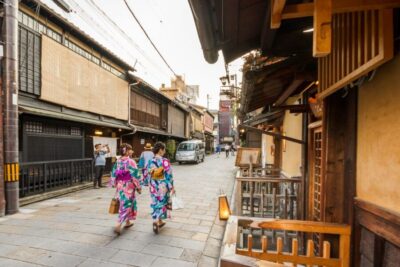 ★ 4.5Night Walk in Gion: Kyoto’s Geisha DistrictFrom $212,003 reviews
 ★ 5.0Kyoto Night Foodie Tour in Gion (9+ dishes + 6 Sake tastings)From $1631,762 reviews
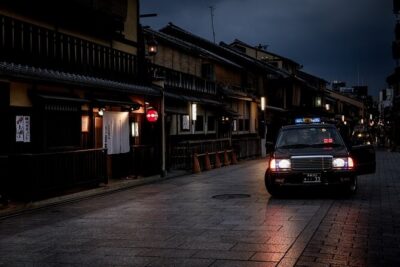 ★ 5.0Kyoto Gion Geisha District Walking Tour – The Stories of GeishaFrom $251,441 reviews
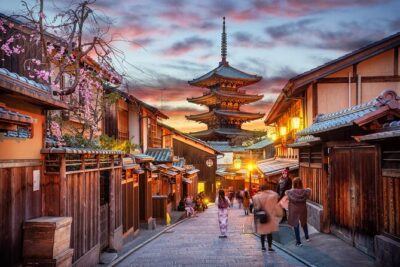 ★ 5.0Kyoto Gion: 2-Hour Geisha Culture & History Walking TourFrom $231,186 reviews
Browse the lists this tour appears in