
Reviewed · GION & GEISHA DISTRICT TOURS
Kyoto Gion Private Tour with a Local Guide – Geisha District
Lantern-lit Gion makes Kyoto click fast. A private local guide links the postcard sights with the street-level details that explain why this part of Kyoto still works. You’ll walk by machiya townhouses, traditional ochaya teahouses, and the quiet markers that outsiders usually miss.
What I like most is the local guide focus and the way the route can adapt to your interests. Before you even meet, you fill out a questionnaire, and your host uses that to tailor what you see and what you skip—history, food stops, hidden corners, or culture lessons.
One caution: a geisha or maiko sighting is never guaranteed, even in the heart of Gion. If you’re booking mainly for a guaranteed celebrity moment, this may feel like a mismatch—book it for the culture and the context instead.
In This Review
- Key things to know before you walk Gion with a guide
- Why this Kyoto Gion walk feels smarter than a checklist
- Meeting point and start time: the small things that save your energy
- Gion’s narrow lanes and ochaya teahouses: what to watch for on the walk
- Yasaka Shrine between Gion and Higashiyama: why this stop changes the whole mood
- Shinbashi Dori and Tatsumi Bridge: a classic photo spot with local meaning
- Pontocho Alley at the end: how to keep the night feeling Kyoto
- Price and value: is $101.57 per person fair for this kind of tour?
- Guide quality is the whole game: what you can expect from guides like Emi, Milo, Ai, and others
- Walking reality: what to consider before you commit
- Who should book this Gion private tour
- Should you book? My straight answer
- FAQ
- How long is the Kyoto Gion private tour?
- Is this a private tour or a group tour?
- Is pickup offered?
- Where is the meeting point?
- What’s included in the tour price?
- Are food and drinks included?
- Will we walk the whole time?
- Can I choose my start time?
- What’s the cancellation rule?
Key things to know before you walk Gion with a guide
- Undivided attention: This is a private experience with only your group.
- Tailor-made route: A pre-tour questionnaire helps your host shape the walk around your interests.
- Classic Kyoto sequence: Gion links naturally to Yasaka Shrine, Shinbashi Dori, and ends in Pontocho Alley.
- Good photo planning: Tatsumi Bridge is built into the route as a specific local photo spot.
- Flexible timing: You pick your preferred start time and tour length within the usual 2–3 hour window.
- Walking-first design: Expect lots of steps, with occasional transfers possible if needed.
Why this Kyoto Gion walk feels smarter than a checklist
Kyoto’s famous areas can be tricky because the look of the place is easy to understand, but the meaning takes time. This tour helps you connect the dots—why certain streets exist, what shrine space is for, and how Gion’s entertainment district identity shows up in everyday details.
I also like that the route isn’t just “see famous buildings.” It’s a proper neighborhood stroll that moves from Gion’s traditional streets toward Yasaka Shrine, then on to Shinbashi Dori and finally Pontocho Alley. You end the walk where Kyoto nights actually begin, with a sense of place rather than a hard stop.
More evenings along the lantern-lit lanes of Gion


Meeting point and start time: the small things that save your energy
You meet at Matsumoto Kiyoshi Kyoto Shijo Kawaramachi, address listed as 103-2 Hashimotochō, Shimogyo Ward, Kyoto. It’s also described as near public transportation, which matters because this is a walking experience with limited need for a car.
When you book, you can choose your start time, and the tour length can flex (within the typical 2–3 hours). If you’re trying to match your energy level—morning calm versus later-night atmosphere—your guide will help shape the flow.
Pickup is listed as offered, but it’s not described in detail here. So if pickup is important to you, plan to confirm that specific arrangement with your host after booking.
Gion’s narrow lanes and ochaya teahouses: what to watch for on the walk
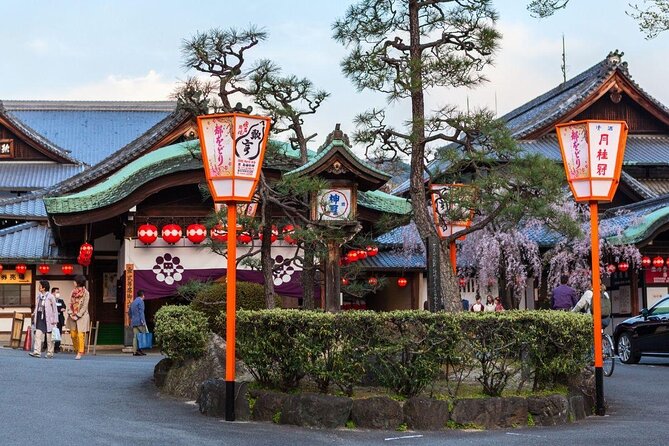
The heart of the tour is Gion, Kyoto’s best-known traditional neighborhood and the center of geiko and maiko culture. You’ll stroll through narrow, lantern-lit streets where traditional wooden machiya houses line the way. It’s the kind of scenery that looks like a photo even when you’re not aiming for one.
Your guide’s job here is to help you notice the subtle stuff. That includes the historic entertainment-district atmosphere—especially around the ochaya (teahouses) that shaped social life in Kyoto for generations. The streets feel calm, but they’re not random. You’ll get context for what you’re seeing and why it matters.
A second highlight stop is along Gion’s famous street known for well-preserved Edo-period architecture and ochaya teahouses. This is one of those moments where the guide turns “old buildings” into a map of how the district functioned.
Practical tip: go slowly. This is not a pace-through-the-alley kind of walk. If you let yourself slow down, you’ll catch more details—signs, street corners, and the way the architecture frames lantern light.
Possible drawback to keep in mind: seeing a geisha or maiko is not something you can demand. Even with the best streets and timing, they aren’t out and about all the time. So I’d aim your brain at learning the culture, not forcing a sighting.
Yasaka Shrine between Gion and Higashiyama: why this stop changes the whole mood
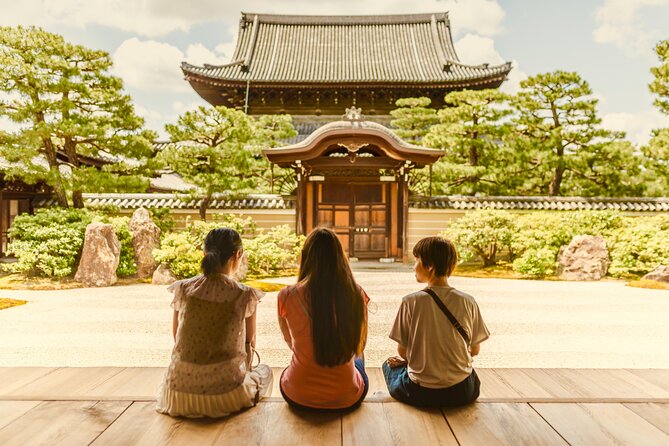
Next comes Yasaka Shrine, a key spiritual landmark between Gion and Higashiyama with a history spanning over 1,300 years. On paper, it sounds like a standard shrine visit. In practice, it’s the moment where the tour stops being only about entertainment district aesthetics and becomes about living Kyoto traditions.
You’ll walk into a space that’s tied to Kyoto festivals, and your guide can connect that shrine role to what you saw in Gion. That link is the value: you start to understand how sacred space and cultural entertainment exist side-by-side in the same city.
What makes Yasaka Shrine worthwhile on a guided walk: you’re not just looking at buildings. You’re learning what the place is for, and how it fits into Kyoto’s calendar life—especially around major local festivals.
Shinbashi Dori and Tatsumi Bridge: a classic photo spot with local meaning
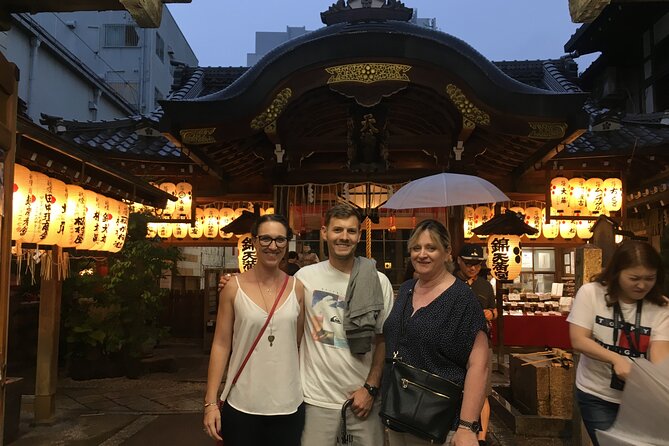
After the shrine, the tour moves to Shinbashi Dori, described as one of Kyoto’s most picturesque streets, framed by willow trees and traditional facades. This section is slower and prettier, but it’s also useful for resetting your bearings. You go from shrine grounds and history into a more street-life Kyoto moment.
Then you pause at Tatsumi Bridge, noted as a beloved photo spot with deep local significance. That phrase matters. A bridge can be “just a bridge,” but here it’s part of a wider street-and-river visual language that your guide can explain.
Even if photos are your priority, plan to spend time looking around, not only at the viewfinder. Shinbashi Dori’s framing is part of the story, and you’ll notice more if you let your eyes rest between shots.
Have a local lead the way on more Kyoto tours




Pontocho Alley at the end: how to keep the night feeling Kyoto
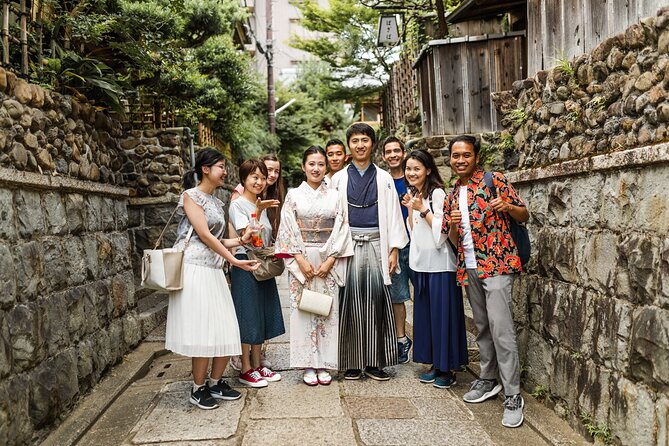
You’ll conclude in Pontocho Alley, a narrow passage famous for its blend of traditional Kyoto charm and vibrant nightlife (with intimate bars and restaurants in the maze of lanes). This is where the walk feels like a transition from daytime meaning to evening energy.
Ending here is smart because you’re not left standing at a random landmark. You get a built-in starting point for whatever comes next: a casual drink, a meal plan, or just wandering to see how the alley changes after dark.
Some guides also help match your end-of-walk plans to your interests. For example, one guide in the feedback, Kenta, reportedly finished the tour at the Gion Corner Geisha Show when bookings were arranged. That’s not the same as a guaranteed inclusion, but it shows how your host can sometimes help you extend the experience in a way that fits your schedule.
Practical tip: decide early if you want dinner right away. If yes, ask your guide for a recommendation during the walk—your best options are often the ones that match the mood you want, not just the most famous name.
Price and value: is $101.57 per person fair for this kind of tour?
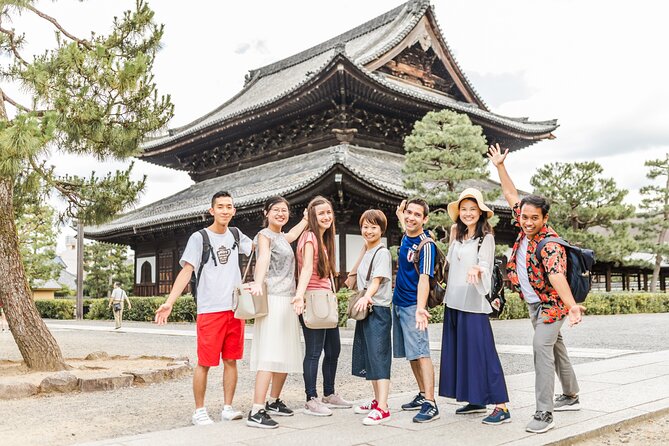
At $101.57 per person for about 2 to 3 hours, you’re paying for three things:
1) Privacy and pace control. You get your guide’s undivided attention, and the route can be tailored to what you care about. That matters in Kyoto, where small streets can feel confusing without context.
2) Local interpretation. The tour is built around cultural meaning: Gion’s entertainment district setup, Yasaka Shrine’s festival role, and street-level details like architecture and photo spots.
3) Planning support. You fill out a pre-tour questionnaire, then communicate directly with your host for itinerary planning and local recommendations.
If your goal is quick sightseeing, you can often do the basics on your own. But if you want Kyoto to make sense—why these places look the way they do, and what people traditionally do here—this price is easier to justify.
Guide quality is the whole game: what you can expect from guides like Emi, Milo, Ai, and others
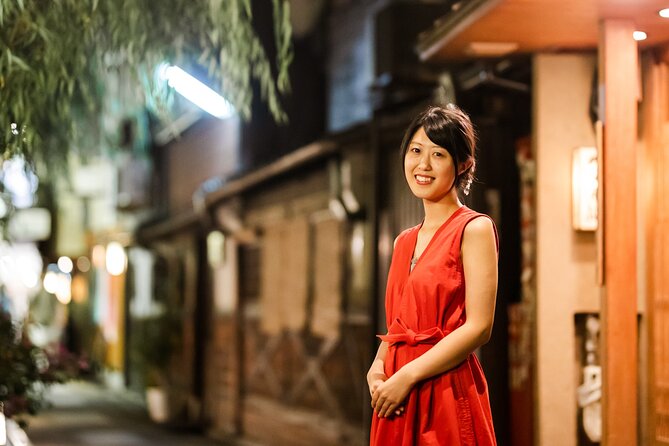
In the best versions of this tour, the guide doesn’t just explain facts. They shape the experience so it feels personal and relaxed.
You’ll see this theme across many named guides associated with the experience:
- Emi: strong knowledge and a guide who makes the walk enjoyable and informative.
- Alexis: engaging, funny storytelling, and helping people feel better about Kyoto after a rough start.
- Olan: a calm, professional style that feels informative without rushing.
- Nisa: lots of information and a family-friendly approach.
- Milo: adapts well to interests and brings deep command of Kyoto’s history.
- Ai: exceptional, attentive, and great at covering the key sites while keeping the mood light.
- Brenda: helpful planning moments like changing the schedule when arrival is late.
- Ada: prepared, clear English, and tailoring based on interests.
- Michael: strong at explaining Old Gion versus New Gion, plus Japanese culture generally.
- KOKORO: praised for delivering clear highlights around temples, gardens, and Gion secrets.
The common thread is customization and clarity. If you ask good questions, you’ll likely get good answers—and if you’re flexible, the guide can tweak where you spend time.
Practical tip: send a clear message in the questionnaire. If geisha and maiko culture is your number one interest, say so plainly. Even then, remember sightings aren’t guaranteed.
Walking reality: what to consider before you commit
Because it’s a walking experience, the biggest “gotcha” is physical comfort. This is mostly done on foot, with public transportation or taxis possibly used to transfer between sites for an additional cost if your route needs it. The exact transport costs can be discussed with your host after booking.
So do yourself a favor: wear shoes you can trust on narrow streets and uneven ground. Bring a water bottle if you tend to get thirsty, and keep your phone charged for photos at lantern streets and Tatsumi Bridge.
Also, timing matters. A review-based note you’ll want to keep in mind: some people felt they preferred doing it during the day rather than at night. If you want easier viewing of architecture details and signs, consider daylight start times.
Who should book this Gion private tour
This tour is a great fit if:
- You want context more than just photos.
- You like walking and can comfortably handle a 2–3 hour stroll.
- You want your route tailored—history, culture, food suggestions, or photo stops.
- You’d rather ask one good guide than research every street corner alone.
It may not be the best fit if:
- You want a guaranteed geisha or maiko encounter. Even with the right district, it isn’t predictable.
- You prefer very fast sightseeing with minimal interpretation. This tour is designed for understanding.
Should you book? My straight answer
If you care about the meaning behind Gion—ochaya culture, shrine traditions, and what makes Kyoto’s street layout so specific—this is an easy yes. The format is practical: private guide attention, a tailored route built around the right sequence of streets, and an ending in Pontocho Alley where you can continue your night.
If you’re mostly chasing a sighting and plan to be disappointed if it doesn’t happen, adjust your expectations first. Book it to learn and look closely, not to force a moment.
If you do book, send your interests clearly in the questionnaire and reconfirm the meeting point the day before. That way, you start the walk confident—and Gion does the rest.
FAQ
How long is the Kyoto Gion private tour?
It runs about 2 to 3 hours.
Is this a private tour or a group tour?
It’s private. Only your group participates.
Is pickup offered?
Pickup is listed as offered, though exact details aren’t specified here. You can coordinate with your host after booking.
Where is the meeting point?
The meeting point is at Matsumoto Kiyoshi Kyoto Shijo Kawaramachi, 103-2 Hashimotochō, Shimogyo Ward, Kyoto 600-8011, Japan.
What’s included in the tour price?
Included is a private personalized walking experience with insider tips, flexible duration and start times, a pre-tour questionnaire, and direct communication with your host for planning and recommendations.
Are food and drinks included?
No. Food, drinks, and tickets to any attractions are not included.
Will we walk the whole time?
Primarily yes. It’s a walking experience with no private vehicle included, though public transportation or taxis may be used between sites at additional cost.
Can I choose my start time?
Yes. You choose your preferred time when booking.
What’s the cancellation rule?
You can cancel for a full refund if you cancel up to 24 hours in advance of the experience’s start time. If you cancel less than 24 hours before, the amount paid is not refunded.
More Tour Reviews in Kyoto




More Private Tours of Kyoto
Still in Gion? Keep Going

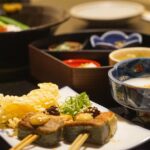
Just added: more Kyoto tours to browse








Gion & Geisha District Tours, compared.
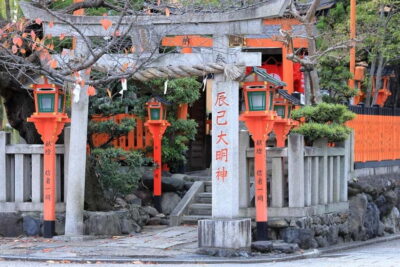 ★ 4.7Kyoto Geisha Walking Tour: Gion District & Hidden GemsFrom $253,273 reviews
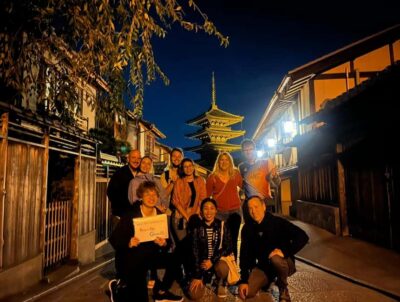 ★ 4.9Gion Magical Night Walking Tour with Geisha TriviaFrom $242,393 reviews
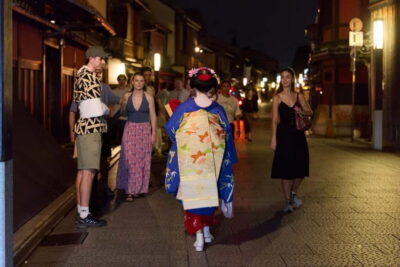 ★ 4.7Gion Geisha District Walking Tour – Stories of GeishaFrom $202,187 reviews
 ★ 4.9Best of Kyoto: Gion, Geisha, Pagodas & CobblestonesFrom $242,058 reviews
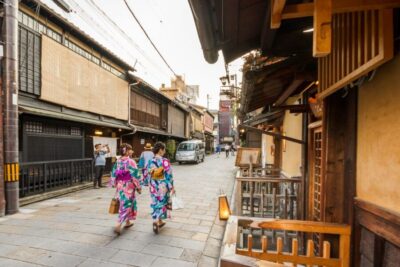 ★ 4.5Night Walk in Gion: Kyoto’s Geisha DistrictFrom $212,003 reviews
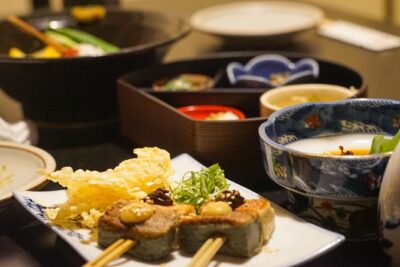 ★ 5.0Kyoto Night Foodie Tour in Gion (9+ dishes + 6 Sake tastings)From $1631,762 reviews
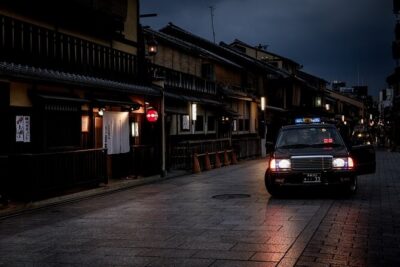 ★ 5.0Kyoto Gion Geisha District Walking Tour – The Stories of GeishaFrom $251,441 reviews
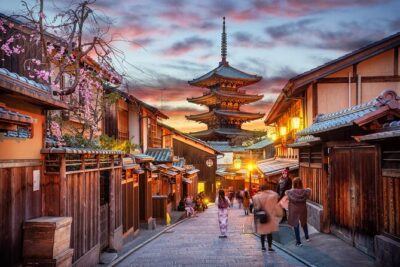 ★ 5.0Kyoto Gion: 2-Hour Geisha Culture & History Walking TourFrom $231,186 reviews
Browse the lists this tour appears in