
Reviewed · KYOTO PRIVATE GUIDED TOURS
Kyoto Customized Guided, Private Tour
Kyoto in one day can feel like magic. This private tour strings together UNESCO World Heritage stops and the thousands of Torii gates of Fushimi Inari in a way that’s actually efficient. I like the early start and the streamlined route, and I like that you get a real guide plus optional mobile audio; the one catch is lunch and dietary needs may not work for everyone, since food isn’t guaranteed to match special diets.
You also have flexibility: you can choose pickup from Kyoto, Osaka, or Nara, ride in an air-conditioned luxury van, and end back at Kyoto Station. I’d plan around the fact that guide styles can vary, and one guide name you may hear in connection with photo help is Nomi—great for picture-taking, but you’ll want to ask if you care most about stories and historical context during driving time.
In This Review
- Key Things to Know Before You Go
- A Kyoto Day Plan That Doesn’t Waste Your Time
- Pickup, Timing, and What Your Morning Actually Looks Like
- Kiyomizudera Terrace Views: The Classic Start
- Arashiyama, Sagano Bamboo Forest, and That Photo-Ready Green Tunnel
- Togetsukyo Bridge: The Arashiyama Centerline Moment
- Tenryu-ji Gardens: Where Kyoto Feels Calm
- Kinkaku-ji (Golden Pavilion): The Big Icon, Timed for Success
- Fushimi Inari Taisha: The Torii Walk That Takes Over Your Attention
- Sanjusangendo’s 1001 Figures: The Quiet Power Stop
- Luxury Van Comfort vs. Entry Tickets and Food Reality
- Guide Style Matters More Than People Think
- Wheelchair Access and Who This Tour Fits Best
- Price and Value: Is $102 for 10 Hours a Good Deal?
- Should You Book This Kyoto Private Guided Circuit?
- FAQ
- What is the duration of the Kyoto customized private tour?
- What’s the pickup and drop-off like?
- What time does the tour start?
- Is the tour private?
- Are entry tickets included?
- Is food included?
- What sights are included?
- Do I get a guide and language options?
- Is the tour wheelchair accessible?
- Is free cancellation available?
Key Things to Know Before You Go
- 7 planned stops in one day with plenty of photo time, walking, and guided segments
- 3 World Heritage sites on the itinerary (Kiyomizudera, Tenryu-ji, Kinkaku-ji; plus Sanjusangendo is on the list too)
- Fushimi Inari Taisha with Torii gate walking as the big finale stop
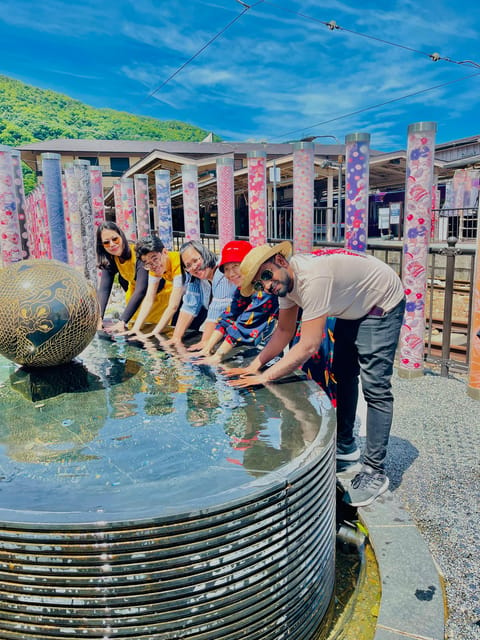
- Arashiyama and Sagano Bamboo Forest with time in the bamboo area and a chance for rides (including a Segway segment)
- Multilanguage support via an English-speaking live guide and a multilingual audio guide on your mobile
- Kimono Forest included as a highlight for photos
A Kyoto Day Plan That Doesn’t Waste Your Time
This is a classic “greatest hits” Kyoto circuit, built for people who have limited time but still want iconic landmarks. The best part is not just what you see, but how the day is structured: you’re moving between neighborhoods efficiently by van, with guided walking where it matters.
You get a full-day rhythm that feels practical. Morning starts with Kiyomizudera at a time that’s designed for good light and fewer crowds, then you shift into Arashiyama/Sagano for nature and temples, and you end with Fushimi Inari when your legs are ready for the climb.
The tour is private, so it’s not a cattle-call bus day. That matters in Kyoto, where the spacing between sights can make a self-guided day feel like nonstop transit.
Have a local lead the way on more Kyoto tours
Pickup, Timing, and What Your Morning Actually Looks Like
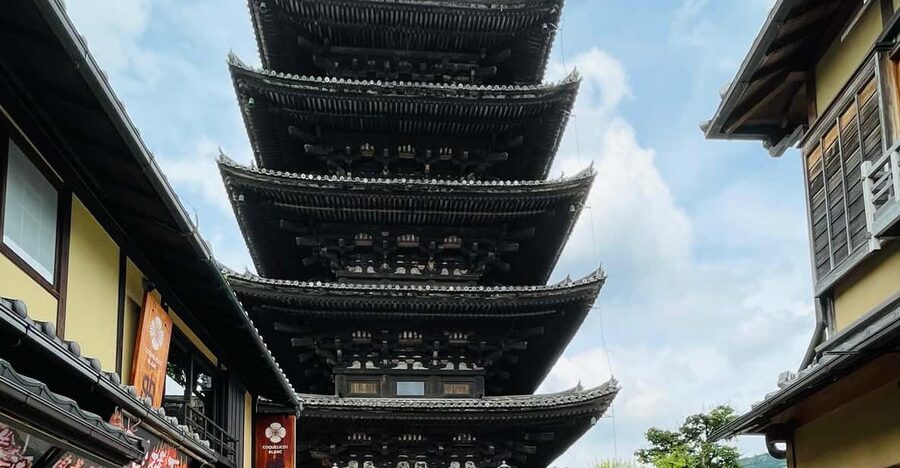
The day runs for about 10 hours, departing at 8:00 a.m. from Kyoto. You can be picked up at Kyoto, Osaka, or Nara, then transfer by luxury van. Expect roughly 30 minutes of van time shown in the plan, plus drive time between stops.
One practical heads-up: pickup is available outside Kyoto, but extra charges may apply. If you’re staying further out, ask where the van will meet you and what that added pickup cost might be.
The pacing also includes breaks. For example, Fushimi Inari includes break time rather than forcing you into continuous walking with zero breathing room. Kyoto temples are photogenic, but they also mean stairs and uneven pavement—so those small pauses help.
Kiyomizudera Terrace Views: The Classic Start
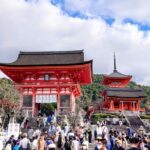
Your morning begins at Kiyomizudera with a photo stop and a guided tour. This is one of the most famous views in Kyoto for a reason: the temple’s terrace gives you sweeping sightlines over the city streets below.
What I like about starting here is the mindset it sets. You’re immediately oriented to Kyoto as a place of hills, layers, and distance—then the rest of the day feels like you’re moving through different “chapters,” not just hopping between buildings.
The plan also includes time for shopping and sightseeing around the temple area. That’s useful because the temple districts in Kyoto are part market, part walkway. If you want a quick souvenir round or snacks, this is the moment to do it.
Arashiyama, Sagano Bamboo Forest, and That Photo-Ready Green Tunnel
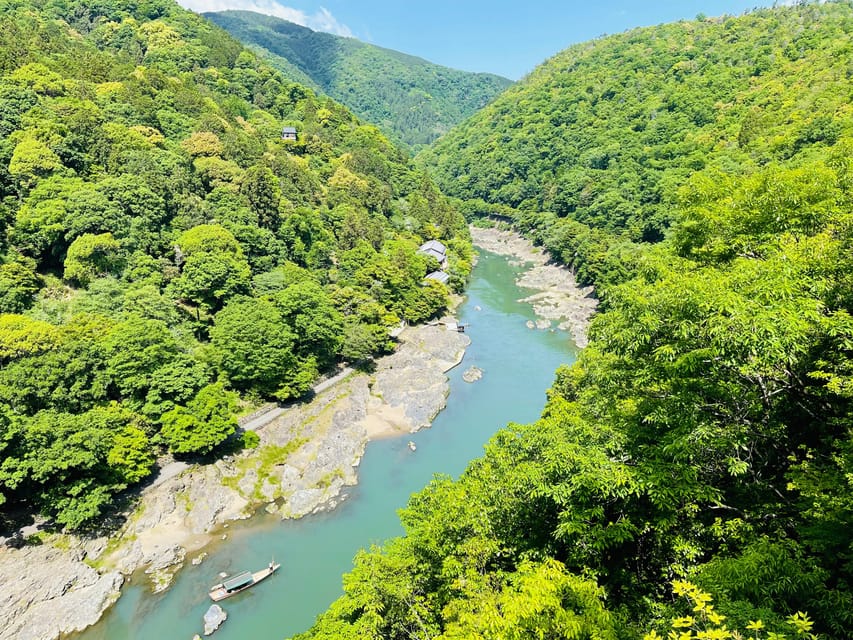
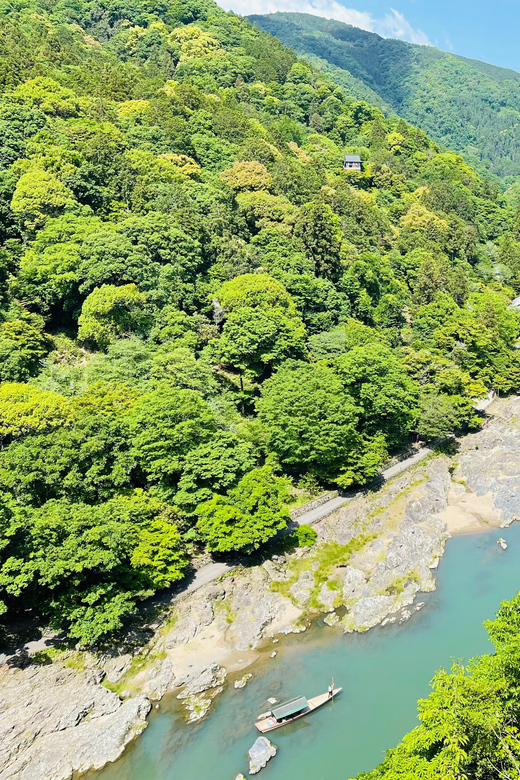
After Kiyomizudera, you head for the Arashiyama / Sagano side of Kyoto. The itinerary puts Arashiyama as a dedicated stop with time for photo views, shopping, and a bit of sightseeing. There’s also mention of a panoramic train ride and a Segway ride in the wider area as part of the day’s structure.
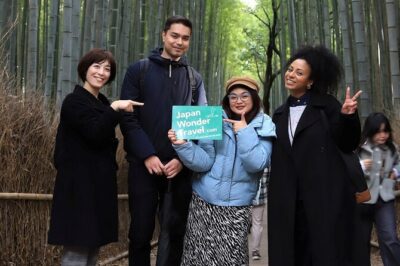
Then comes Sagano Bamboo Forest, with guided time and a walk through the bamboo area. This is the reason many people come here: those towering stalks create a green tunnel effect that photographs well even if you’re not a “serious” photographer.
Two things to keep in mind. First, it’s still a real walking area with crowds at peak times, so wear shoes you can move in comfortably. Second, bamboo photos can be picky—if you want your best angles, use your guide’s timing cues and be ready to step aside quickly when photo spots get blocked.
The highlight list also calls out Kimono Forest. If you care about photos, treat this like a planned pause rather than a random stop—plan to take your time because that’s what makes these photo experiences worthwhile.
Togetsukyo Bridge: The Arashiyama Centerline Moment
The itinerary includes Togetsukyo Bridge as its own stop, with a photo stop, guided tour, and walking time. This bridge is the visual centerpiece for the Arashiyama area, and it works as a natural transition between the bamboo and the temples.
I find bridge stops helpful in tours like this because they reset your eyes. After the vertical bamboo shots, the bridge gives you horizontal framing and a different kind of Kyoto scene—river, distance, and the architecture of the neighborhood around it.
If you’re picky about photos, bring a bit of patience here. Bridge areas fill and clear faster than temple interiors, and your best shots often come when you catch a quieter moment.
Other Kyoto tours and experiences to compare
Tenryu-ji Gardens: Where Kyoto Feels Calm
Next up is Tenryu-ji, another UNESCO World Heritage site. The plan includes visit time and guided time, with a strong emphasis on Japanese gardens.
This stop is a nice counterweight to the busier parts of the day. Bamboo and major shrines pull crowds for energy and spectacle. Tenryu-ji is where the mood shifts toward quiet walking and slow looking, which makes the overall tour feel balanced.
If gardens are your thing, use the guided time to learn what you’re looking at. Even when you think you know “Japanese garden” basics, a good guide helps you spot the intended sightlines and why certain features are placed where they are.
Kinkaku-ji (Golden Pavilion): The Big Icon, Timed for Success
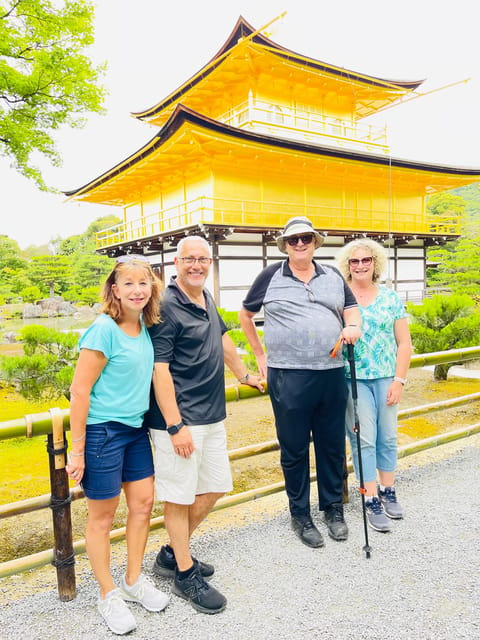
Then you reach Kinkaku-ji (Rokuon-ji), with time for a photo stop and a guided visit. This is one of those temples where the building is famous, but the setting makes the photo work.
What you get here is the classic Kyoto contrast: gilded architecture, reflections when conditions are good, and a garden setting that gives the whole scene depth. The itinerary gives about an hour for this stop, with time for walking and some self-guided exploring too.
A practical tip: if you’re the type who wants the perfect angle, plan to do a quick sweep first, then return to favorite spots. It’s easy to burn your best time on one view and then realize there’s a better perspective a few steps away.
Fushimi Inari Taisha: The Torii Walk That Takes Over Your Attention
The day’s grand finale is Fushimi Inari Taisha Shrine. The plan includes guided time, photo stops, shopping, and walking, plus a longer break window of about 1.5 hours.
This is where the tour earns its mystical reputation—those rows of red Torii gates pull you forward, gate after gate, until the walking becomes the point. I like that the tour puts it at the end, because by then you’re primed to notice rhythm: steps, turns, changing views, and small pauses for photos.
Wear good shoes here. Even if you take it slow, you’ll want traction and comfort. Also, bring water if you’re sensitive to heat, since this kind of walking adds up fast.
Sanjusangendo’s 1001 Figures: The Quiet Power Stop
After Fushimi Inari, the itinerary moves to Sanjusangen-do, again with guided tour time, photo stops, and a self-guided window. It’s listed with a special time-of-day mention, including sunset.
Sanjusangendo’s standout feature is its long hall packed with statues—so the experience is less about one exterior landmark and more about what you see once you’re inside. If you like details, this is a great place to slow down.
The tour also includes scenic views on the way, which helps connect the dots between shrine energy and temple interiors. It’s a useful rhythm change before the van ride back.
Luxury Van Comfort vs. Entry Tickets and Food Reality
Here’s the practical part that can make or break the day: entry tickets are not included. The tour mentions skip-the-ticket-line, which can reduce waiting, but you should still budget for the ticket cost of the major sites.
Food is also listed as not included, even though the day notes a lunch plan. The lunch mention describes a Japanese buffet made with seasonal ingredients, but it also notes that certain dietary options are unavailable, including Muslim-friendly, allergy-friendly, lactose-free, gluten-free, and vegan options. If your meals matter for health or lifestyle, don’t count on the included lunch to cover it.
If you’re not eating lunch on the tour, treat the lunch window as extra buffer time. You can snack on the way, then focus on temples without rushing.
Guide Style Matters More Than People Think
This tour is built around an English-speaking tour guide, and it’s also advertised with live tour languages including English, Hindi, Japanese, and Arabic. On top of that, there’s a multilingual audio guide available on your mobile in English, French, Italian, Spanish, German, Portuguese, and Ukrainian.
That setup is good because it gives you two layers of context. If your live guide is talkative, you’ll get rich explanations while walking. If you’re more independent, you can use the audio for supplemental facts.
One thing to watch is engagement style. Some guidance can focus more on photography than history, and if you care about stories during drives, you should ask directly. A guide name that’s been associated with strong photo help is Nomi—so if you want picture coaching, that’s the name worth remembering when you’re messaging before the day.
To get the best experience, come with a few questions. For example: which building feature matters most at Kinkaku-ji, what to look for in Tenryu-ji gardens, or how Fushimi Inari routes affect views. You’ll get more out of the same stops if you ask smart questions.
Wheelchair Access and Who This Tour Fits Best
The activity is listed as wheelchair accessible, and it’s a private group. That combination is useful if you want to see a lot of places without managing transfers between trains and buses.
This tour also suits people who:
- have one full day and want multiple top sights
- like guided walking at big temple sites
- care about efficiency more than slow wandering
- want photo-friendly stops, especially around bamboo and Fushimi Inari
If your priority is deep, long-form cultural storytelling at every drive-by viewpoint, you might want to confirm what your guide will cover. The route is packed, so even a great guide has to pick what gets the most attention.
Price and Value: Is $102 for 10 Hours a Good Deal?
At $102 per person for a 10-hour private guided day, the value largely comes from three things you’re getting together:
- Hotel pickup and drop-off (with multiple pickup options)
- Air-conditioned luxury van transportation
- A live English-speaking guide plus audio support
Where the math shifts is what’s not included: entry tickets and food. If you add tickets for multiple major sites, your total day cost will rise. Still, you’re paying for the logistics to see far more than you’d likely manage comfortably on your own with transfers.
In other words, this is best viewed as paying for a smooth, organized Kyoto day—not as a one-price all-inclusive bargain. If you want to control meal choices and manage ticket budgets, you’ll be happiest planning for that.
Should You Book This Kyoto Private Guided Circuit?
I think this tour makes sense if you want a structured Kyoto day with the headline sites and minimal transit stress. The route hits major World Heritage stops and saves you from the mental workload of figuring out timing between neighborhoods. The bamboo and Torii gate experiences also give you the kind of Kyoto photos people actually travel for.
Before you book, do two quick checks with the provider:
- Ask about food plans if you have dietary restrictions, since the listed lunch options don’t cover several common needs.
- If you want more than photo stops, ask how much history and context your guide plans to share during driving and walking.
If you’re flexible on lunch, comfortable with walking and stairs, and you like a guided hit-list day, this is a solid way to spend one unforgettable day in Kyoto.
FAQ
What is the duration of the Kyoto customized private tour?
The tour is listed as 10 hours.
What’s the pickup and drop-off like?
Hotel pickup and drop-off are included. Pickup options include Kyoto, Osaka, and Nara, and the day ends back at Kyoto Station with drop-offs at Kyoto, Nara, or Osaka.
What time does the tour start?
It departs at 8:00 a.m. from Kyoto.
Is the tour private?
Yes, it’s a private group.
Are entry tickets included?
No. Entry tickets are not included.
Is food included?
Food is listed as not included. The plan mentions a lunch buffet, but it also notes that several dietary options aren’t available.
What sights are included?
The itinerary includes Kiyomizudera, Arashiyama, Sagano Bamboo Forest, Togetsukyo Bridge, Tenryu-ji, Kinkaku-ji (Golden Pavilion), Fushimi Inari Taisha, and Sanjusangendo.
Do I get a guide and language options?
Yes. You get an English-speaking tour guide, and there is also a multilingual audio guide on your mobile in multiple languages.
Is the tour wheelchair accessible?
Yes, it’s listed as wheelchair accessible.
Is free cancellation available?
Yes. You can cancel up to 24 hours in advance for a full refund.
More Tours in Kyoto
More Tour Reviews in Kyoto
More Private Tours of Kyoto
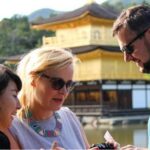
Just added: more Kyoto tours to browse




Kyoto Private Guided Tours, compared.
 ★ 5.0Private Kyoto Tour with a Local, Highlights & Hidden Gems, PersonalisedFrom $1021,543 reviews
 ★ 5.0Kyoto 6hr Private Tour with Government-Licensed GuideFrom $1551,369 reviews
 ★ 5.010 Must-see Spots in Kyoto One Day Private Tour (up to 7 people)From $1791,108 reviews
 ★ 5.0Kyoto 4hr Private Tour with Government-Licensed GuideFrom $109629 reviews
 ★ 4.8Private Tour with Local Licensed GuideFrom $106463 reviews
 ★ 5.0Private Kyoto Tour with Licensed Guide & Vehicle (Max 15 persons)From $634417 reviews
 ★ 5.0Kyoto Customized Private Tour: See Top Attractions in 1 DayFrom $132342 reviews
 ★ 4.6Kyoto/Osaka: Kyoto and Nara Customized Private Guided TourFrom $477258 reviews
Browse the lists this tour appears in