
Reviewed · ARASHIYAMA & BAMBOO GROVE TOURS
Kyoto Arashiyama & Sagano Bamboo Private Tour with Government-Licensed Guide
Arashiyama can overwhelm you fast. This private, walking-style tour keeps it under control with a government-licensed English guide and a flexible plan for 3–4 chosen stops across Arashiyama and Sagano. I especially like that you get direct Q&A access as you walk, and that the route can be adjusted to help you dodge the worst crowds. One drawback to think about: it’s still a lot of walking in older, hilly Kyoto, so sturdy shoes and breaks matter more than usual.
If you want the famous bamboo look but also want Kyoto’s calmer mountain-temple side, this is a good fit. The day runs about 6 hours, and most entrance fees are not included, so you’ll want to budget for the sights that charge. I also appreciate that the tour is private in practice: it’s just your group, not a mixed crowd you have to keep up with.
In This Review
- Key highlights to look for before you book
- Price and logistics: what $157.82 buys you
- How the custom 3–4 stop plan really works
- What a 6-hour private walking day feels like
- Arashiyama core: Togetsukyo Bridge, bamboo pathways, and nearby temples
- Arashiyama district (the central starting feel)
- Togetsukyo Bridge: iconic views with an easy win
- Bamboo Forest Street: go slow, and let it move
- Tenryu-ji: Zen temple gardens with UNESCO weight
- Okochi Sanso Garden: a Kyoto villa behind the bamboo
- Shugakuin and Katsura Imperial Villas: garden design you can actually read
- Shugakuin Imperial Villa: imperial gardens on a larger property
- Katsura Imperial Villa: the rules matter (and your guide helps)
- Sagano hillside temples: Jojakkoji, Nisonin, and Gioji for quiet beauty
- Jojakkoji: a temple strung across the hillside
- Nisonin: bigger buildings, similar hillside calm
- Gioji: moss garden focus and a thatched-roof look
- Kurama and Yoshimine: when Kyoto turns rural and mountainous
- Kurama-dera (Kurama Temple) and Kurama Onsen context
- Yoshimine-dera: spacious grounds and long views
- Daikaku-ji: imperial past and a pond-focused temple mood
- Nenbutsu-ji stone statues: Adashino and Otagi for a very different photo style
- Adashino Nenbutsu-ji: hundreds of stone statues and a bamboo path
- Otagi Nenbutsu-ji: 1200 rakan faces, each one different
- Kibune River and Kifune Shrine: water fortune and a forest valley vibe
- What the guide actually adds (beyond facts)
- When to go, and how to pack for this specific kind of Kyoto
- Should you book the Kyoto Arashiyama & Sagano Bamboo Private Tour?
- FAQ
- How long is the tour?
- Can I choose which sites to visit?
- Is pickup offered?
- Do I need to pay entrance fees?
- Is transportation included?
- Is this tour really private?
- Are there English-speaking guides?
- What happens if the weather is bad?
- Are tickets handled on mobile?
Key highlights to look for before you book
- Licensed English guide: Government-licensed and local, with history and culture explanations as you go.
- Pick 3–4 sites: You’re not stuck with a rigid checklist; you choose from a range of Arashiyama-to-Sagano options.
- Crowd-smart pacing: Several guides are praised for steering around the densest visitor moments.
- Imperial villa details: Katsura and Shugakuin bring garden design rules and etiquette you’ll actually understand.
- Quiet temples up the hills: Jojakkoji, Nisonin, Gioji, and more are built for slower wandering, not stampede photos.
- Morning-mountain options: Kurama and Kibune add a different Kyoto mood beyond the main Arashiyama corridor.
Price and logistics: what $157.82 buys you
At $157.82 per person for about 6 hours, you’re paying for something you can’t easily buy on your own: a private licensed guide who handles pacing, routing, and on-the-spot interpretation. The “value math” gets better if you’re traveling with kids, older parents, or anyone who hates bottlenecks. A guide can also help you choose which sights are worth your limited time when the area is packed.
A key detail: this is not a tour with a private vehicle. Transportation for you (and your guide) is listed as not included, and the pick-up/drop-off is on foot. That doesn’t make it inconvenient, but it does mean you’ll want to start where the meeting point is easy for you to reach via public transit, then commit to walking breaks.
Entrance fees are mostly not included. Some stops are free (like Togetsukyo Bridge), while others may require paid entry or even a guided reservation setup (Katsura Imperial Villa, for example). So plan for a small add-on budget depending on which 3–4 sites you select.
Deeper into Arashiyama, past the bamboo and the Hozu river
How the custom 3–4 stop plan really works
The tour is marketed as customizable: you choose 3–4 sites from the available “what to expect” list, and the guide builds the day around those. That’s a big deal in Arashiyama and Sagano, because these districts are close enough that you can mix styles (bamboo + temples, gardens + quiet hillside) while still moving at a human pace.
In practice, the best way to use this flexibility is to think in “moods,” not checkboxes. For example:
- If you want the classic wow-factor without stress, pick bamboo + one major temple plus one quieter hillside temple.
- If your group loves gardens and architecture rules, include Katsura Imperial Villa (and pair it with an easy-tempo temple stop nearby).
- If you want photos that feel more like Kyoto lives outdoors, add stone-statued Nenbutsu-ji temples in Saga’s forested stretches.
Also, because this is private, you’re not forced into a schedule that ignores your pace. One review specifically called out how a guide handled a slower guest due to previous injuries, which tells you the day can be adjusted if you speak up early.
What a 6-hour private walking day feels like
Think of the tour as a guided “thread” through Arashiyama and Sagano: you’re walking between scenic nodes, then pausing for interpretation at temples, bridges, or gardens. The guide’s job is to explain what you’re seeing and, just as importantly, when and where to stand so you get the most out of each stop.
The tone is practical. In feedback, guides like Ken and Tomo were singled out for giving extra context (like a one-page history sheet) and for helping avoid crowds most of the time. That’s exactly what you want in these neighborhoods: not just facts, but timing and positioning.
Arashiyama core: Togetsukyo Bridge, bamboo pathways, and nearby temples
Arashiyama has long been a nature-and-culture destination since Kyoto’s early eras. Today, it’s still a great “first taste” of west Kyoto, and this tour focuses on the signature sights—without letting you waste time guessing.
Arashiyama district (the central starting feel)
If your plan includes Arashiyama, you’ll get the context for why this area stays popular year after year. It’s especially famous during cherry blossom and fall-color seasons, when the crowd levels can jump quickly. The upside is that even busy Arashiyama has a certain visual charm: river views, mountains behind, and temple silhouettes around corners.
One caution: the area is touristy, so “free time” moments can be tight unless your guide is proactive about route choices.
Have a local lead the way on more Kyoto tours
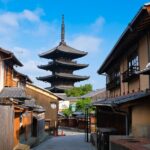
Togetsukyo Bridge: iconic views with an easy win
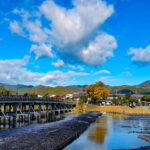
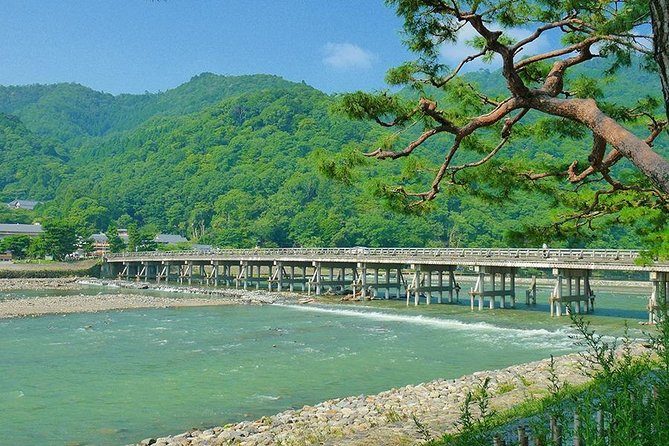
The Togetsukyo Bridge is Arashiyama’s best-known landmark and free to enjoy. It was originally built during the Heian Period and later reconstructed in the 1930s, and the best part is how it sits against forested mountain slopes. Right nearby, there’s a riverside park with many cherry trees, so the bridge feels connected to the seasons rather than like a standalone photo stop.
If you only have time for one classic Arashiyama viewpoint, this is usually the one. Because it’s free and central, it’s also a good “buffer stop” if weather or crowds shift later in the day.
Bamboo Forest Street: go slow, and let it move
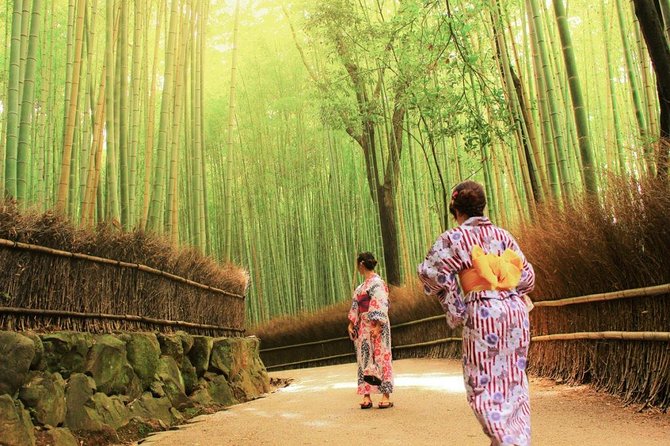
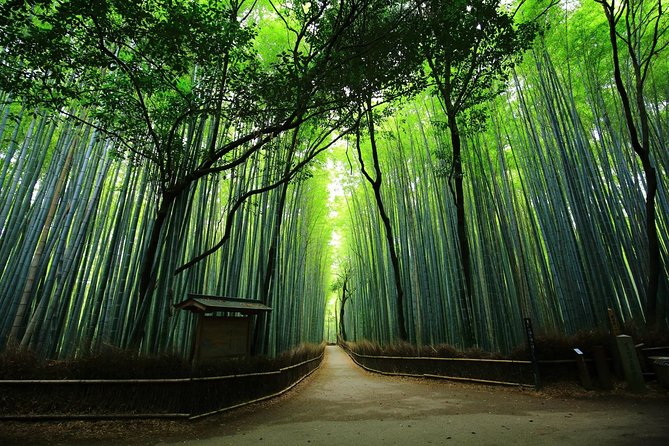
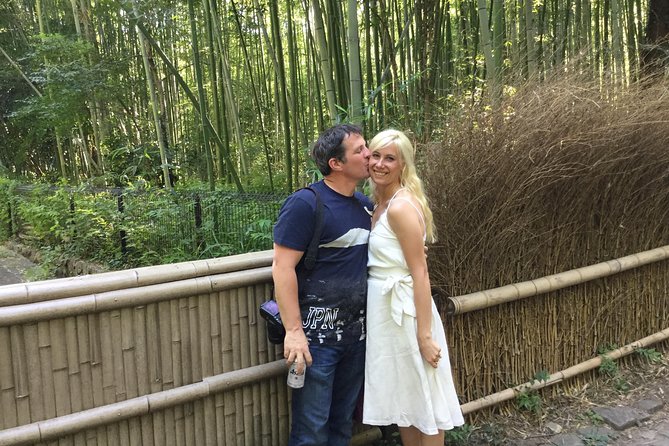
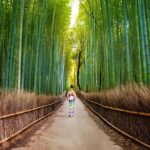
The bamboo grove walking paths are where people expect magic, and yes, it delivers. The grove is especially attractive when there’s a light wind, because you get gentle swaying of the tall stalks. Bamboo also matters historically here: it’s been used for centuries for baskets, cups, boxes, and mats—so the “beauty” has a real craft connection, not just a photo-op vibe.
The drawback is timing. If you hit the densest hour, it can feel like you’re walking through a camera queue. The value of a private guide is that you can shift your position and pace to keep the walk pleasant.
Tenryu-ji: Zen temple gardens with UNESCO weight
Tenryu-ji is one of Kyoto’s five great Zen temples and is among the UNESCO World Heritage sites in the city. In the tour plan, it’s a high-impact stop: you’ll see temple buildings and then move into gardens with walking paths. It’s a good pairing with bamboo because it changes the pace—less “scenic corridor,” more “designed calm.”
If your group enjoys gardens, prioritize Tenryu-ji and plan more time inside your 3–4 choices.
Okochi Sanso Garden: a Kyoto villa behind the bamboo
Okochi Sanso is the former villa of actor Okochi Denjiro, tucked behind the bamboo groves. It includes multiple gardens, tea houses, and gates, but buildings are generally viewed from the outside. That means you don’t come here for indoor museum-style viewing—you come for the atmosphere and the way the gardens step your senses through the villa’s space.
This is one of those stops that feels rewarding if you slow down for a few minutes, not if you treat it like a quick photo.
Shugakuin and Katsura Imperial Villas: garden design you can actually read
Imperial villas aren’t just “pretty gardens.” They’re designed environments with visitor rules, viewing limitations, and a deep relationship between pathways, ponds, and perspective.
Shugakuin Imperial Villa: imperial gardens on a larger property
Shugakuin Imperial Villa sits on a site tied to an earlier temple name and was built in the 17th century. The villa is managed by the Imperial Household Agency and includes Upper, Middle, and Lower Villa areas, each with traditional imperial-style buildings and gardens.
Because it’s not just one single courtyard, it can feel like a different kind of Kyoto day: more spacious, more “slow meander.” The main consideration is pacing—choose this if your group likes gardens and doesn’t mind longer walking between sections.
Katsura Imperial Villa: the rules matter (and your guide helps)
Katsura Imperial Villa is widely considered one of Japan’s finest examples of architecture and garden design, completed in its present form in 1645. The most important detail for you: visiting Katsura requires joining a tour. The tour follows a circular trail around the central pond, and palace buildings can be viewed only from the outside.
Photography is restricted to designated spots. That’s the kind of detail people miss when they plan on their own. Having a guide helps you understand what’s allowed, where to stand, and how to make the circular route feel meaningful instead of repetitive. English tours are available, which helps if your group doesn’t read Japanese well.
One more practical note: Katsura can be a time-eater within your 3–4 stop plan. If you choose it, pick fewer stops overall so you don’t feel rushed.
Sagano hillside temples: Jojakkoji, Nisonin, and Gioji for quiet beauty
Sagano shifts the mood. Instead of the “main sights corridor,” you start climbing into temple approaches where moss, maples, and shaded stairs do the work for atmosphere.
Jojakkoji: a temple strung across the hillside
Jojakkoji is a mountainside temple founded in 1596. It’s smaller and understated compared to the biggest Kyoto icons, with small buildings, gates, and paths that cut across the hillside. Maple trees and moss show up right beside the steps, and certain spots offer views over Kyoto.
Because the setting is distributed across the slope, this is a stop that rewards walking slowly. If you rush, you’ll miss the “reveal” moments—turning corners into a new view.
Nisonin: bigger buildings, similar hillside calm
Nisonin is also a Tendai sect hillside temple, founded in the mid 9th century. Compared with Jojakkoji, it has more imposing buildings, and overhanging trees along the approach create a shaded, quiet approach feeling.
You get city views from the upper grounds. The practical takeaway: bring layers for cooler shade if you’re doing this in shoulder season.
Gioji: moss garden focus and a thatched-roof look
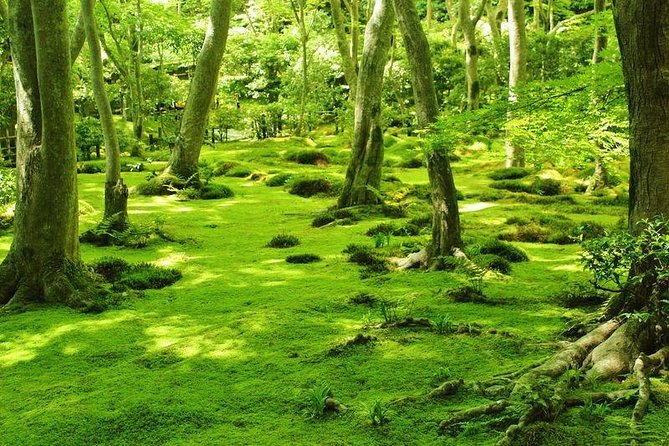
Gioji is even more tucked into the forest than the other two, with a moss garden punctuated by tall maple trees. The gate and small main hall have thatched roofs, and the hall includes a round window looking into the garden.
This is a great “slow stop” that can cool down your day after busier bamboo time. It’s also a smart choice if your group likes aesthetic details more than major landmark crowds.
Kurama and Yoshimine: when Kyoto turns rural and mountainous
If your ideal Kyoto day includes one or two “mountain” vibes, consider adding Kurama or Yoshimine-dera. They’re closer than you think, but they feel far away from city noise.
Kurama-dera (Kurama Temple) and Kurama Onsen context
Kurama is a rural town less than an hour from central Kyoto. It’s known for Kurama-dera and Kurama Onsen, one of the more accessible hot spring options from Kyoto.
The tour data notes that Kurama Onsen has outdoor and indoor baths. Daytrippers pay listed rates, and staying guests use the baths for free. If you’re choosing Kurama as part of a walking tour day, the best use is to treat it as your reset: a quieter town feel and a natural break if your group wants to extend the relaxation theme.
Yoshimine-dera: spacious grounds and long views
Yoshiminedera sits on Kyoto’s western mountain side and looks outward over the city. It was established as a personal retreat in 1029, destroyed during the Onin War, and rebuilt in 1621. The temple grounds are spacious with many buildings distributed up the hillside.
If your group likes temples with room to breathe, this can be a strong pick—just expect steady walking on uneven terrain.
Daikaku-ji: imperial past and a pond-focused temple mood
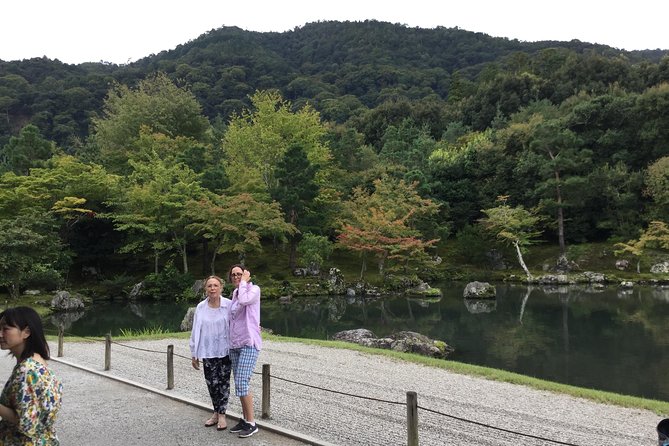
Daikaku-ji is in northern Kyoto’s Sagano area and feels like a “gentle big temple” rather than a tiny hillside wander. It began as Emperor Saga’s detached palace in the early 800s, later converted into a temple. It’s associated with Shingon Buddhism and includes ponds and major temple buildings.
Historically, retired emperors reigned from here, and the temple also hosted peace talks in the 12th century after a long civil war split. Even if your group doesn’t go deep into dates, the message is clear: this site has been part of Kyoto’s power story while still offering calm grounds.
A pond and a pagoda presence also make it a good photography stop if you want something different from bamboo.
Nenbutsu-ji stone statues: Adashino and Otagi for a very different photo style
These stops are the kind of Kyoto moments you remember after the bamboo posts are long forgotten. Instead of one iconic view, you get a whole field of stone figures.
Adashino Nenbutsu-ji: hundreds of stone statues and a bamboo path
Adashino Nenbutsuji is located at the end of the Saga-Toriimoto Preserved Street. The temple was founded in the early 9th century when Kobo Daishi placed stone statues for souls of the dead. Today, the grounds are covered by hundreds of stone statues, and there’s also a short path through a bamboo forest behind the temple.
The experience here is less about dramatic views and more about repeated details. It can feel surprisingly moving and also very “different from the main track.”
Otagi Nenbutsu-ji: 1200 rakan faces, each one different
Otagi Nenbutsuji is about a 10-minute walk north from Adashino Nenbutsuji. It’s famous for 1200 stone statues of rakan, each with a different facial expression. Those statues were created relatively recently (in the 1980s and early 1990s), which adds an interesting layer: the “old faith practice” expressed in modern times.
If your group likes strange-yet-beautiful things, pick one of these (often both work well if your other choices allow for the extra time).
Kibune River and Kifune Shrine: water fortune and a forest valley vibe
To round out the day, Kyoto can do a shift again: from western districts into a forest valley town mood. Kibune sits in a valley and developed around Kifune Shrine.
The shrine ties to a legend about a goddess traveling by boat up the river, with a shrine built where her journey ended. Kifune Shrine is dedicated to a god of water and rain, and it’s also connected to travelers at sea in belief.
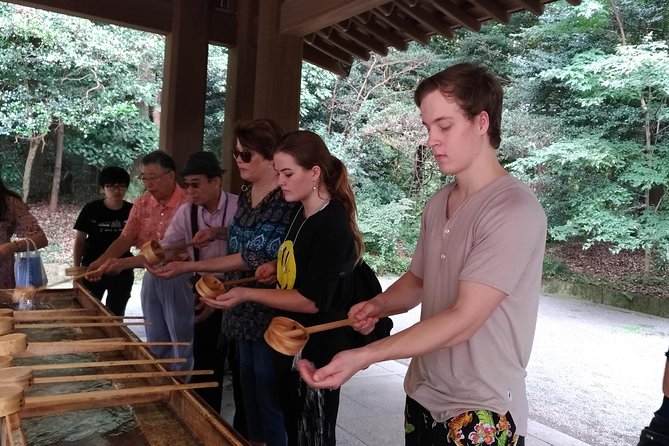
One very practical, fun detail: you can get omikuji fortunes written on paper slips, then read them when dipped into water. There’s also Okunomiya farther up the valley with a large rock called the boat stone, said to be where the goddess’ yellow boat is buried.
If you want one “hands-on” cultural moment in your walking day, this is it.
What the guide actually adds (beyond facts)
The strongest theme in feedback is not just that guides explain sights, but that they manage your day so it stays enjoyable. Guides like Tomo and Kazuo were noted for helping avoid crowds and customizing around your pace and interests. Ken was praised for being informative even on a hot, tiring mid-summer day, and Satoko was highlighted for keeping things engaging for kids too.
So what should you look for in a guide? Ask for crowd strategy, yes, but also ask for “what should I notice.” A bamboo grove is beautiful, but a guide who points out craft connections, seasonal cues, and temple layout logic helps you see Kyoto as a system—not a series of unrelated postcards.
And because this is private, you can keep questions flowing. When you’re standing in front of a garden pond, or reading temple structures across a hillside, it’s the best time to understand what you’re looking at.
When to go, and how to pack for this specific kind of Kyoto
This area has strong seasonal peaks. Bamboo is lovely in most weather, but cherry blossoms and fall foliage can make crowds heavier fast. If you’re sensitive to crowds, lean on your guide’s crowd-avoidance ability and plan for earlier timing where possible.
Weather matters here. The tour notes that it requires good weather, and if it’s canceled due to poor weather you’ll be offered a different date or a full refund. That’s a big deal in a walking-heavy plan with temple stairs.
Pack like you’re doing a full day in real terrain:
- Comfortable walking shoes with grip
- Water and something small to snack on
- Light layers for shaded hillside walking
- A small rain layer if you’re traveling in wet shoulder seasons
If you pick hillside temples like Jojakkoji and Nisonin, you’ll also feel the slope and steps. That’s not a reason to avoid them. It’s a reason to treat the day with respect.
Should you book the Kyoto Arashiyama & Sagano Bamboo Private Tour?
Book it if you want bamboo and temples but you also care about pace, interpretation, and avoiding the worst crowd stress. The customization (3–4 stops) is the real power here, because Arashiyama can be noisy and Sagano can be peaceful depending on where you place your time.
Don’t book it if you hate walking in hilly areas or you want everything included down to lunch, entry, and transit. This tour is structured around a guided walk, not a full-service day with meals and a private vehicle.
My practical takeaway: if you’re traveling at a busy time of year, bring your wishlist, pick one major landmark stop plus one or two calmer hillside/garden/stone-statued experiences, and let the guide handle the timing. That’s when this tour feels like the best use of your limited Kyoto hours.
FAQ
How long is the tour?
The tour runs for about 6 hours.
Can I choose which sites to visit?
Yes. The tour is customizable so you pick 3–4 sites from the available options.
Is pickup offered?
Pickup is offered, and the meet up and pick up/drop off are on foot.
Do I need to pay entrance fees?
Entrance fees are not included for yourself. Some sights are free (for example Togetsukyo Bridge), but many others are not.
Is transportation included?
Transportation fees for you and your guide are not included, and there is no private vehicle listed.
Is this tour really private?
Yes. Only your group participates, rather than mixing with other groups.
Are there English-speaking guides?
You’ll have a licensed local English-speaking guide.
What happens if the weather is bad?
The experience requires good weather. If it’s canceled due to poor weather, you’ll be offered a different date or a full refund.
Are tickets handled on mobile?
A mobile ticket is included.
More Tour Reviews in Kyoto
More Private Tours of Kyoto
More of Arashiyama and Sagano
Just added: more Kyoto tours to browse




Arashiyama & Bamboo Grove Tours, compared.
 ★ 4.8Fushimi Inari, Kinkakuji, Bamboo Grove 1 Day Bus TourFrom $1224,316 reviews
 ★ 4.1Osaka/Kyoto:Kinkakuji,Arashiyama,FushimiInariShrine,NaraParkFrom $661,596 reviews
 ★ 4.7Kyoto/Osaka: Nara, Fushimi Inari Taisha, Arashiyama Bus TourFrom $521,275 reviews
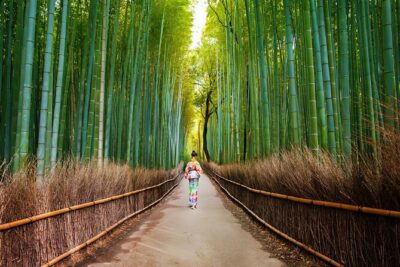 ★ 5.0Kyoto Arashiyama Walking Tour: Bamboo, Monkeys, Gardens & SecretsFrom $651,216 reviews
 ★ 4.8Arashiyama Bamboo, Temple, Monkeys, or Secret Sake BreweryFrom $87886 reviews
 ★ 5.0Arashiyama Bamboo Forest, Monkeys, Matcha & Temple TourFrom $53759 reviews
 ★ 4.4Osaka/Kyoto: Arashiyama, Nara & Fushimi Inari Shrine w/LunchFrom $61754 reviews
 ★ 5.0Nijo, Kinkaku-ji, Arashiyama, Kiyomizu & Fushimi InariFrom $51699 reviews
Browse the lists this tour appears in