
Reviewed · ARASHIYAMA & BAMBOO GROVE TOURS
Kyoto Arashiyama Bamboo Forest & Scenery Customized Private Tour
Arashiyama hits you fast, then slows down. This Kyoto private walking tour strings together big photo moments like the bamboo forest and Togetsukyo Bridge with slower, calmer temple stops in Sagano and Arashiyama—so you get scenery without feeling rushed. You’ll also have a licensed local English-speaking guide, and you can customize the route by choosing about 2–3 places that match your interests.
I especially like the private, flexible pacing. On a walking tour like this, that matters: your guide can adjust when you stop, how long you linger, and which side paths you take when the crowds get thick. Another big plus is the mix of stops—UNESCO temple gardens, hillside temples with seasonal maple scenes, a famous actor’s garden, and even quieter sites that most people skip.
One consideration: it’s a predominantly walking tour with a moderate amount of walking included, and there’s no hotel pickup or private van. Plan to meet at JR Saga-Arashiyama Station, wear comfortable shoes, and expect some transfers by public transport or taxi between areas.
In This Review
- Key points I’d plan around
- Arashiyama and Sagano: the “real Kyoto” feeling starts on foot
- Price and what your private guide really adds
- Meeting at Saga-Arashiyama Station: the easy start you should not skip
- Togetsukyo Bridge first: the classic photo with a scenic payoff
- Tenryu-ji Temple: UNESCO gardens and seasonal mood shifts
- Okochi Sanso Garden: actor-built beauty with a real reason to exist
- Jojakkoji, Nisonin, and Giōji: hillside temples that feel like a side path
- Adashino Nembetsu-ji and Otagi Nenbutsu-ji: the quieter, heavier mood
- Toriimoto traditional streets and Iwatayama Monkey Park: charm with personality
- Bamboo Forest Street: when to slow down for the best photos
- Who this tour fits best (and who might want a different format)
- Should you book this Kyoto Arashiyama Bamboo Forest private tour?
- FAQ
- How long is the Kyoto Arashiyama Bamboo Forest & Scenery customized private tour?
- Where do I meet the guide?
- Is this tour private or shared?
- Is a private van included?
- Are temple and garden entrance fees included?
- What if it rains?
- What should I wear for this walking tour?
- Can I cancel and get a full refund?
Key points I’d plan around
- A flexible private route: pick 2–3 stops from a menu of Arashiyama and Sagano highlights
- Bamboo Forest Street plus temple time: icons first, then you slow down with Zen gardens
- Hillside and river viewpoints: Togetsukyo Bridge sets the view; temples add the quieter mood
- Season-sensitive sights: Tenryu-ji gardens and maple-famous spots like Jojakko-ji
- Local guide names show up in reviews: people repeatedly praise English and calm patience (think Fuji, Osamu, Kazu, Takuma Goda, and others)
Arashiyama and Sagano: the “real Kyoto” feeling starts on foot
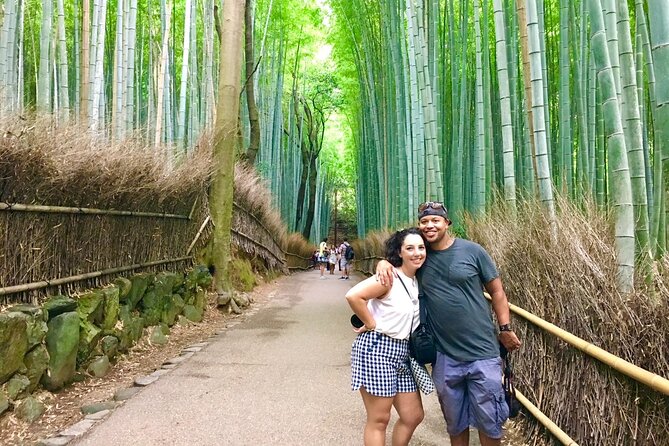
Arashiyama and Sagano can feel like two worlds at once. You’ve got the famous postcard spots that pull crowds, but you also have hillside temples and local lanes where the pace is gentler. What makes this tour work well is that it doesn’t treat the area like one long sightseeing checklist.
You’ll start at Saga-Arashiyama Station, then work outward through the districts. Because it’s private, the guide isn’t managing a big group stampede. That means you can ask practical questions, take photos without sprinting, and adjust timing if the weather or crowds change.
If you’re the type who likes to understand what you’re seeing—how gardens are designed, why certain temples are known for certain seasons—this format fits. The guide’s local context helps you notice details you’d miss if you just showed up and hoped.
Deeper into Arashiyama, past the bamboo and the Hozu river
Price and what your private guide really adds
At $132.14 per person for about 4 hours, you’re paying for three things: a licensed local English-speaking guide, time efficiency, and route flexibility. Admission fees are not included for many stops, but even with that, the value can still be solid because you’re buying structure and local storytelling, not just access to attractions.
Here’s where the price starts to make sense:
- You’re not choosing blindly. The tour includes a menu of major sights—Tenryu-ji, Jojakko-ji, Okochi Sanso Garden, plus smaller temples and traditional streets. Your guide helps you select the right mix for your time.
- You get pacing control. Reviews strongly emphasize guides who adjust tempo and keep things relaxed, like Osamu and Fuji-san, who stayed patient when questions and photo stops slowed the group down.
- You avoid the solo-planning tax. You still have to meet the guide and you’ll walk, but the guide handles the flow between areas and explains what matters at each stop.
One smart move: tell your guide what you care about most before you arrive—bamboo photos, temples, gardens, or quieter “reflective” sites. That’s the part that turns a standard sightseeing walk into something you’ll remember.
Meeting at Saga-Arashiyama Station: the easy start you should not skip
You meet at JR Saga-Arashiyama Station, in front of a ticket gate. There’s no hotel pickup, and the tour ends back at the same meeting point, so think of this as a self-contained morning or afternoon loop.
The good news: Saga-Arashiyama Station is a straightforward hub from central Kyoto. The not-so-fun news: you should already have your transit plan figured out. The tour provider notes that public transportation or taxis may be used between spots, but transport costs aren’t included in the tour price.
Quick practical tips:
- Bring a water bottle and plan for some walking between areas.
- If you’re sensitive to humidity, aim for earlier daylight hours.
- If you’re hoping for a calmer bamboo experience, you’ll want a guide who knows where to slow down when you get near the crowd magnets.
Togetsukyo Bridge first: the classic photo with a scenic payoff
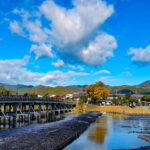
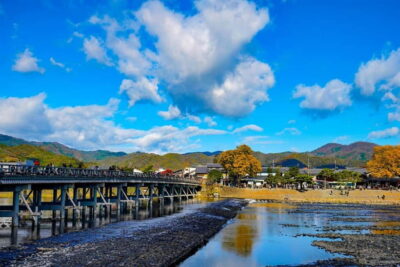
Togetsukyo Bridge is one of Arashiyama’s signature views. It runs about 155 meters over the Katsura River, and it frames the surrounding mountains in a way that instantly tells you you’re in the right place.
Why this stop works early: it gives you a visual anchor. Once you’ve seen the river-and-mountains background from the bridge, the rest of the walk makes more sense—temples, gardens, and overlooks all feel like they’re designed to align with these natural features.
Photo reality check:
- It’s famous, so it can be busy. Your best advantage on a private tour is that you can take photos without feeling like you have to queue forever.
- If the weather is clear, you’ll appreciate the mountains more. If it’s misty or rainy, the mood shifts—and the scene can look even more atmospheric from the bridge.
This isn’t the whole day in one spot, though. Consider Togetsukyo Bridge as your setting-the-stage moment, then let the temples and gardens do the emotional heavy lifting.
Tenryu-ji Temple: UNESCO gardens and seasonal mood shifts
Tenryu-ji is a top temple in this area and a UNESCO World Heritage Site. You’re going for the Zen setting, but what you’ll really notice is the garden style—how the plants and flowers change how the space feels across seasons.
What I like about Tenryu-ji on this tour:
- It adds credibility and context to the day. Bamboo forest is amazing, but Tenryu-ji explains why Kyoto’s garden tradition is such a big deal.
- The guide can help you look beyond big visuals and spot how the garden composition works.
Timing drawback: gardens can mean you’ll want more time than you planned, especially if the light is good or the flowers are peaking. That’s why customization is valuable—if you pick Tenryu-ji, protect time for it.
Practical note on cost: Tenryu-ji’s admission is not included, so budget for entry when you choose your 2–3 stops.
Have a local lead the way on more Kyoto tours
Okochi Sanso Garden: actor-built beauty with a real reason to exist
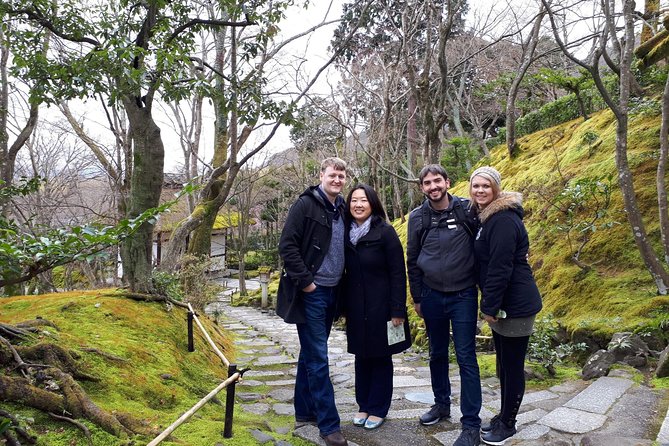
Okochi Sanso Garden is tied to Denjiro Okochi, a famous actor known for samurai films. He reportedly spent about 30 years building his villa garden, covering roughly 19,800 square meters. Spring and autumn are both highlighted, when cherry blossoms and seasonal color can shape the garden’s look.
This stop is a great fit if you like gardens but also want the story behind them. It’s not just a pretty place—it’s a Kyoto space created by a person with a long-term obsession for design.
What to watch for:
- It can take a bit of time to walk through the full grounds, so make sure you don’t overload your route.
- If you’re chasing a specific season’s color (cherry blossoms or autumn blooms), this is one of the higher-payoff choices on the list.
Admission is not included here either, so add it into your personal cost calculation.
Jojakkoji, Nisonin, and Giōji: hillside temples that feel like a side path
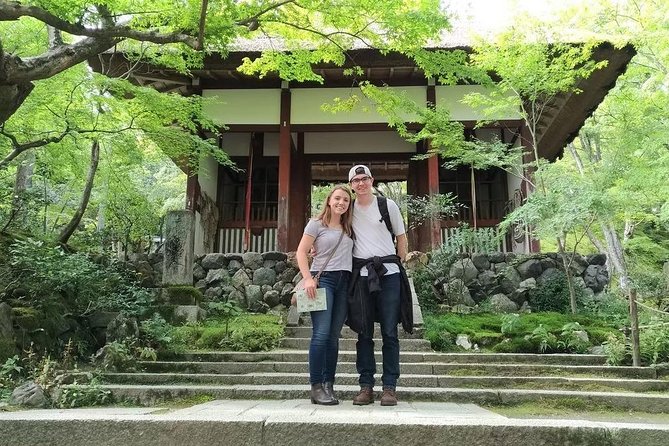
From the garden-heavy sites, the route often turns more hillside and quiet. This is where Sagano and Arashiyama start to feel less like a theme park and more like lived-in Kyoto.
Jojakkoji Temple sits on the hillside of Mt Ogura, famous for autumn foliage dating back to the late Heian period. The claim to fame here is about 200 old maple trees, which turn red, orange, and yellow.
Nisonin is described as a quiet temple surrounded by long-standing landscapes, and it’s also known for autumn foliage. The name Nison-in comes from enshrining two principal figures (the tour description doesn’t finish the detail, so I won’t guess).
Giōji Temple brings a different kind of interest: it’s known as a temple of tragic love. It’s connected to a lady dancer who was favored, then lost favor, and later became a nun after a broken heart.
Why these stops matter on a private tour:
- They give contrast after the bamboo and the big river view.
- A good guide can explain why Kyoto’s temples are often tied to art, literature, and seasons, not just religion.
Admission for these temples is not included, so choose based on what you want most. If your group wants less spending, you can swap in other stops from the list.
Adashino Nembetsu-ji and Otagi Nenbutsu-ji: the quieter, heavier mood
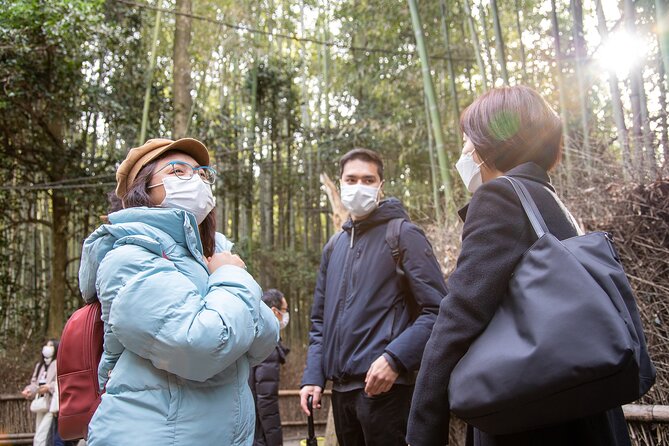
Not every stop in Arashiyama is about beauty at full volume. Two of the options lean more reflective.
Adashino Nembetsu-ji Temple is connected to burial practices since ancient times, starting with wind burial and later moving to earth burial. People dedicated a stone Buddha and mourned for the dead’s eternal separation.
Otagi Nenbutsu-ji Temple has an origin traced to the 8th century. It became uninhabited during WWII and was abandoned after a typhoon in 1950 caused extensive damage.
I like including at least one “this is different” stop, especially if you’ve already seen the big tourist icons the same day. These temples give you a sense of how layered Kyoto is—pretty places often have a second story underneath.
The drawback: if you’re purely chasing visual wow, these stops can feel slower and more solemn than a bamboo-photo circuit. On a private tour, you can pick what fits your mood.
Admission is not included for these stops.
Toriimoto traditional streets and Iwatayama Monkey Park: charm with personality
As the walking loop continues toward Sagano’s edge, two options add a more everyday Kyoto feel.
Saga Toriimoto Traditional Buildings Preservation Area is described as a conservation area about 600 meters along Atago Highway leading to Atago Shrine. You’ll see farmhouse-style buildings with thatched roofs, which is a nice break from temple grounds.
Then there’s Monkey Park Iwatayama. If you like animals, this is one of the most fun curveballs: around 120 Japanese macaques live in the park, and you can see them in different seasons. It’s also full of nature, which is a bonus if you want less temple time and more outdoors.
A practical consideration: monkey parks involve hills and viewing areas, so wear shoes with good traction. Also, keep expectations realistic—wild monkeys aren’t a zoo. You go for the chance to spot them and the atmosphere, not for guaranteed close-up photos.
Admission is not included for both of these.
Bamboo Forest Street: when to slow down for the best photos
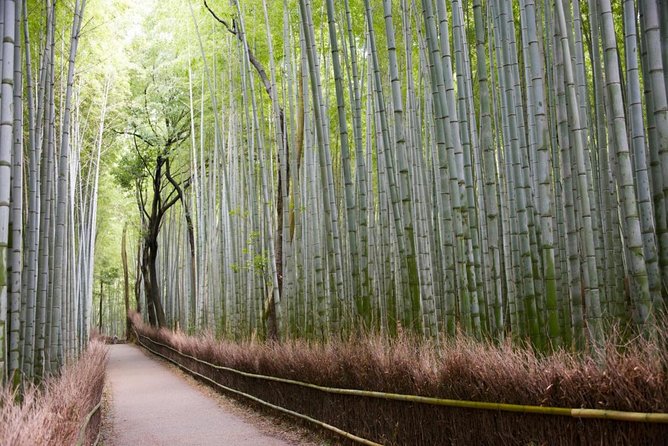
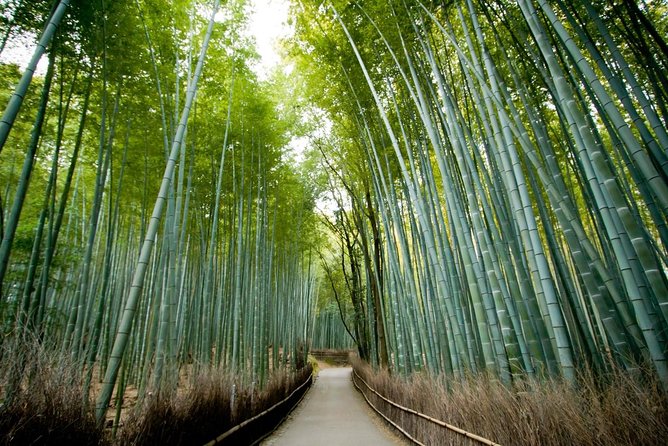
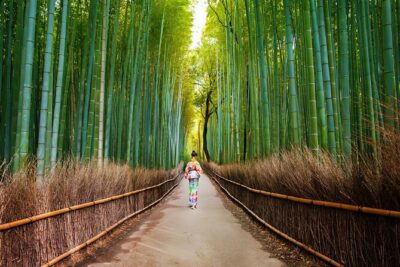
The bamboo forest is the headline. Bamboo Forest Street is described as one of Kyoto’s biggest attractions, with thousands of tall bamboo towering in the area. It’s the place where the photos really look like the photos—like you stepped into a fairy tale.
But here’s the trick: the bamboo forest is only half the experience. The other half is how you move through it.
On a private tour, you can:
- Pause where you like instead of obeying a group schedule
- Spend extra time framing a shot if the light is right
- Skip or shorten the busiest stretches if your guide reads the flow
Because admission for Bamboo Forest Street is listed as free, it’s also one of the best places to spend time rather than money.
If you want your bamboo visit to feel special (not just crowded), consider this advice: choose your other stops carefully so you’re not rushing back and forth. When the day feels coherent, the bamboo walk feels like a memory, not a checkpoint.
Who this tour fits best (and who might want a different format)
This private walking tour is built for people who want Kyoto with context, not just photos.
It’s a great fit if you:
- Want personal attention from a licensed English-speaking guide
- Like customizing your day by selecting about 2–3 places
- Prefer walking over sitting in a van
- Care about seasonal changes—especially temple gardens and maple-focused sights
It might not be the best fit if you:
- Don’t want to plan your own way to the meeting point (there’s no hotel pickup)
- Have limited tolerance for moderate walking
- Want a fully transportation-supported day (public transport or taxis may be used between spots, and those fees aren’t included)
For families: the tour can be flexible, and reviews mention guides being patient with questions and pacing, which is a good sign for mixed-age groups—as long as everyone is comfortable with walking.
Should you book this Kyoto Arashiyama Bamboo Forest private tour?
Yes, you should book it if you want Arashiyama and Sagano to feel like you understand them, not just pass through them. The private format is the real value: you get a calm route, guide explanations, and the ability to trade stops depending on what you care about most—bamboo, gardens, temples, quieter mood stops, or traditional streets.
I’d book it especially if:
- You want bamboo plus temple variety in about 4 hours
- You appreciate a guide who can slow down when you have questions (reviews repeatedly highlight patience and relaxed pacing, with guides like Takuma Goda, Osamu, Fuji-san, and Kazu showing up in praise)
- You’re okay paying separate temple garden admissions when you select paid sites
I’d skip or reconsider if you hate walking or you’re looking for a low-effort, fully vehicle-driven day. This is a walking tour, rain or shine, so your best experience comes when you’re ready to take in Kyoto on foot.
FAQ
How long is the Kyoto Arashiyama Bamboo Forest & Scenery customized private tour?
The duration is about 4 hours.
Where do I meet the guide?
You meet at JR Saga-Arashiyama Station, in front of a ticket gate. The tour ends back at the meeting point.
Is this tour private or shared?
It’s a private tour/activity. Only your group participates.
Is a private van included?
No. A private van is not included. Public transportation or local taxis may be used between spots, and transportation fees vary by destination.
Are temple and garden entrance fees included?
Optional entrance fees for you (and possibly the guide) are not included. Some stops are listed as free, like Saga Arashiyama Station area, Togetsukyo Bridge, and Bamboo Forest Street, but others like Tenryu-ji and Okochi Sanso Garden are not included.
What if it rains?
The tour takes place rain or shine.
What should I wear for this walking tour?
Wear comfortable walking shoes. The tour includes a moderate amount of walking, and travelers should have a moderate physical fitness level.
Can I cancel and get a full refund?
Yes. You can cancel for free up to 24 hours in advance for a full refund. If you cancel less than 24 hours before the start time, the amount paid will not be refunded.
More Tour Reviews in Kyoto




More Private Tours of Kyoto
More of Arashiyama and Sagano
Just added: more Kyoto tours to browse








Arashiyama & Bamboo Grove Tours, compared.
 ★ 4.8Fushimi Inari, Kinkakuji, Bamboo Grove 1 Day Bus TourFrom $1224,316 reviews
 ★ 4.1Osaka/Kyoto:Kinkakuji,Arashiyama,FushimiInariShrine,NaraParkFrom $661,596 reviews
 ★ 4.7Kyoto/Osaka: Nara, Fushimi Inari Taisha, Arashiyama Bus TourFrom $521,275 reviews
 ★ 5.0Kyoto Arashiyama Walking Tour: Bamboo, Monkeys, Gardens & SecretsFrom $651,216 reviews
 ★ 4.8Arashiyama Bamboo, Temple, Monkeys, or Secret Sake BreweryFrom $87886 reviews
 ★ 5.0Arashiyama Bamboo Forest, Monkeys, Matcha & Temple TourFrom $53759 reviews
 ★ 4.4Osaka/Kyoto: Arashiyama, Nara & Fushimi Inari Shrine w/LunchFrom $61754 reviews
 ★ 5.0Nijo, Kinkaku-ji, Arashiyama, Kiyomizu & Fushimi InariFrom $51699 reviews
Browse the lists this tour appears in