
Reviewed · KYOTO KIMONO EXPERIENCES
Kyoto 6hr Private Guided Tour & Kimono Experience
Kyoto feels different in a kimono. This tour mixes a Wargo Standard Kimono Plan with a licensed English-speaking guide, so you get context, not just sightseeing. I especially like how the guide helps you find meaning in places like Fushimi Inari, where most people rush for photos and miss the symbols. The second big win is the flexibility: you pick 2–3 sites from a temple-and-garden menu, keeping everything realistic in a 6-hour window. The one thing to watch is that entrance fees and transport are not included, so your final spend depends on what you choose.
You’ll also get a pacing advantage. A small group setup (max 15) and a private vibe for your group helps your guide keep you moving, instead of getting stuck in the same crowd knots everyone else faces.
Finally, kimono fit is handled with care. The tour uses specific size ranges (women 150–170 cm, men 165–200 cm), and if it’s not perfect, the staff will adjust as best as they can. One practical drawback: plan on being ready for a 1-hour kimono segment, and your start time can vary.
In This Review
- Key things to know before you go
- Kyoto in 6 hours: how kimono and sightseeing fit together
- Wargo kimono rental in Gion: what to expect and how to prepare
- Choosing your 2–3 sights: the temple and garden menu
- Fushimi Inari with a guide: beyond the torii photo
- Zen gardens and moss temples: Honen-in, Kokedera, Ryoan-ji, Daitoku-ji
- Palaces, castles, and markets for the in-between hours
- Arashiyama and Uji add-ons: where extra travel time matters
- Price and value for a private kimono tour
- Should you book this Kyoto 6-hour private guided tour?
- FAQ
- How long is the Kyoto 6hr Private Guided Tour & Kimono Experience?
- What’s included in the kimono experience?
- Can I choose which sights to visit during the tour?
- Are temple and attraction entrance fees included?
- Is transportation included?
- Is this a private tour?
- Do I get a mobile ticket?
- What is the cancellation policy for a full refund?
Key things to know before you go
- Wargo Standard Kimono Plan: a simple, easy intro with staff fitting and adjustments.
- Your choice of 2–3 sights: you’re not locked into a single route for the full day.
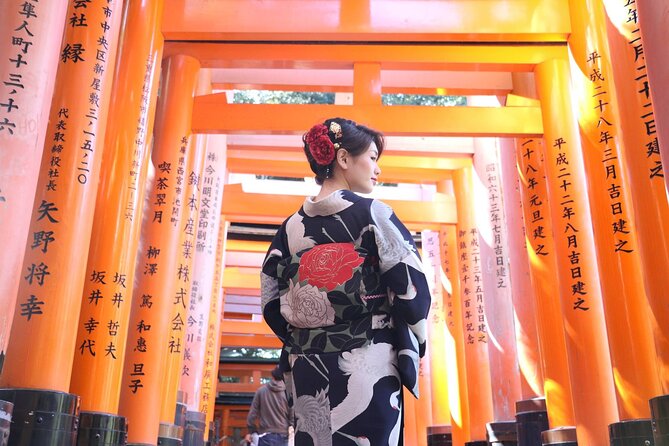
- Fushimi Inari is more than torii photos: your guide points out deeper connections and helps with crowd flow.
- Zen temple stops are short on purpose: many are around 15 minutes, so choose what matters most.
- Entrance fees are extra: temples and some experiences will add cost beyond the tour price.
- Pickup can be offered, but meeting is on foot: you’ll coordinate near Kyoto locations close to public transport.
Kyoto in 6 hours: how kimono and sightseeing fit together
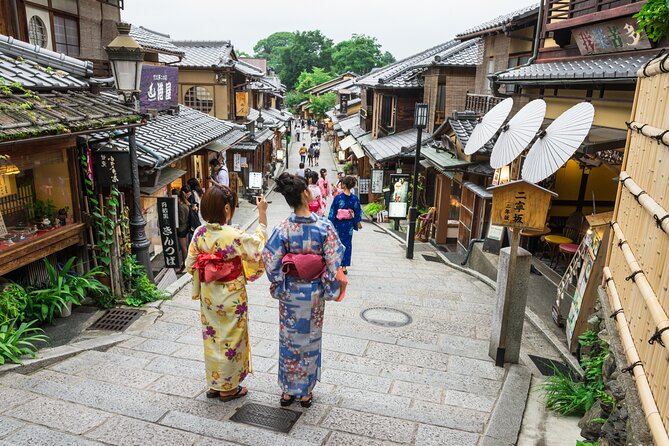
This is designed as a tight, high-efficiency Kyoto day. The kimono part is about an hour, then you move through two or three selected stops with your guide. Even though the itinerary list looks long, the experience you book is meant to be customizable, which is what keeps the schedule from turning into “run fast, see nothing.”
One reason I like this format for first-timers is that it helps you avoid the most common Kyoto mistake: spreading yourself too thin and ending up exhausted. You’ll still get major highlights—temples, gardens, and at least one atmosphere-heavy neighborhood area—but you won’t feel like you’re sprinting across the whole city.
The other side of the coin: because the stops are time-boxed (many are described as around 15 minutes), you should pick with intention. If you’re the type who wants to linger for an hour in one garden, this tour might feel brisk. If you prefer a guided hits-and-context day, it’s a good match.
Wander Kyoto in kimono a little longer

Wargo kimono rental in Gion: what to expect and how to prepare
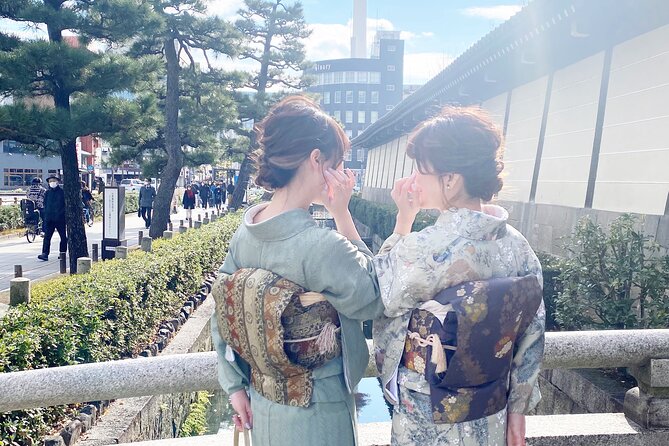
Your kimono start is at the Wargo Kyoto Gion Store, and you’ll do the Standard Kimono Plan. This is a budget-friendly approach to wearing kimono that focuses on comfort and ease—think charming designs that still look polished for photos.
Here’s what matters for your day:
- Sizing ranges are specific: women 150–170 cm, men 165–200 cm.
- Adjustments happen on site: if you’re not an exact match, the staff will dress you as best they can.
- Start time can vary: your experience may begin at a different exact time than you expected, but you can count on around an hour for the kimono rental segment.
I’d also plan your clothing choices around movement. You’ll be doing temple walking and street strolling afterward, so wear comfortable shoes and bring a light layer. Kyoto days can shift in temperature, and kimono can make you feel warmer than normal.
One more practical note: the tour is built around meeting your guide in Kyoto on foot, and pickup can be offered. Either way, you’ll want to be near public transportation so you’re not adding stress before your kimono fitting.
Choosing your 2–3 sights: the temple and garden menu
Because you choose your stops, the best strategy is matching each site to what you want most: famous landmarks, quieter Zen spaces, or historic power sites. Below is the “menu” of what’s available, with the real-world feel of each option.
Kinkakuji (Golden Pavilion)
This is a Zen temple in northern Kyoto known for its top floors covered in gold leaf. It’s a high-impact stop: you get instant wow from the appearance, and your guide can help you understand its role and setting beyond the postcard image. Time is listed around 15 minutes, so it’s best if you want a strong highlight without a long detour.
Ginkakuji (Silver Pavilion)
The Silver Pavilion is another Zen stop in Kyoto’s eastern mountains area (Higashiyama). Like Kinkakuji, it’s known for its role as a retirement villa and its overall design character. You’re typically scheduled around 15 minutes, which means your guide’s explanation matters, since you won’t have tons of unstructured time.
Honen-in
Honen-in is all about atmosphere. The approach leads to a moss-covered gate, and inside you move between two sand mounds tied to belief and symbolism. One of the most praised impressions from the experience was exactly this forest-feeling vibe, with a suggestion to go early because the middle of the day gets crowded and photos become harder. If you want a calmer mood for your Kyoto day, Honen-in is a strong pick.
Nanzen-ji
Nanzen-ji is a major Zen temple complex at the base of the Higashiyama mountains. It’s described as important in all of Japan and the head temple of a Zen branch. It works well if you want “major temple energy” without only seeing a single courtyard or pavilion. With a short time slot, I’d choose this when you want scale and significance more than slow strolling.
Tofuku-ji
Tofuku-ji is a large Zen temple known especially for autumn colors. If you’re visiting outside peak foliage, it still makes sense because it’s a large, historically grounded stop. The time slot is again around 15 minutes, so you’ll appreciate your guide’s framing to make the place feel more than a quick photo stop.
Taizo-in (subtemplate garden)
Taizo-in is highlighted for its garden, recommended in any season. This is the option I’d pick if you’re prioritizing garden viewing and want something gentler than the big “must-see” crowds.
Shugakuin Imperial Villa
Shugakuin is a 17th-century imperial villa with Upper, Middle, and Lower Villa areas, managed by the Imperial Household Agency. It’s a good choice if you like history that shows up in gardens and spatial design, not just in buildings. If your schedule is tight, you may still get a meaningful sense of place because your guide can connect the grounds to its imperial purpose.
Ryoan-ji (rock garden)
Ryoan-ji is famous for Japan’s most well-known rock garden. It has long been tied to aristocratic roots from the Heian period and was converted later for temple use. It’s scheduled around 15 minutes, so you’ll want to rely on your guide’s pointing and explanation to make the garden read correctly in a short visit.
Daitoku-ji
Daitoku-ji is described as a temple complex with temples within temples, plus meditative gardens. This one suits people who like Zen layouts and quieter architectural rhythm. It’s also time-boxed around 15 minutes, so I recommend choosing Daitoku-ji when you want your guide to “decode” the complex for you fast.
Kokedera (Saihoji, moss temple)
Kokedera, also known as Saihoji, is a UNESCO World Heritage site known for its moss. If you want Kyoto to feel calm and slightly magical, this is a top choice. Your short time slot will still work, because your guide can steer you toward what to notice and how to see it.
Kennin-ji
Kennin-ji is near the shopping streets area, and it’s noted for dry landscape gardens (kare-sansui). It’s another “garden-thinking” option that can pair well with a neighborhood walk afterward.
Kiyomizu-dera
Kiyomizu-dera is one of Kyoto’s most popular temples. It’s listed with a more extended guided exploration style in the description (about an hour for the tour format), but within your custom 2–3 stop plan you may spend less time overall than a stand-alone experience. Pick it if you want a major Kyoto temple moment and don’t mind that it’s popular.
Fushimi Inari with a guide: beyond the torii photo
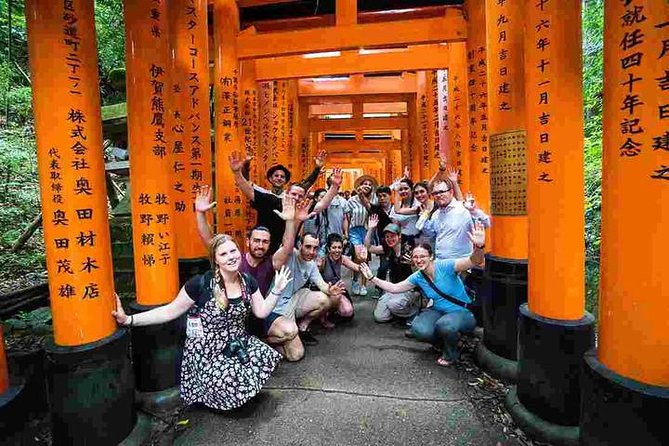
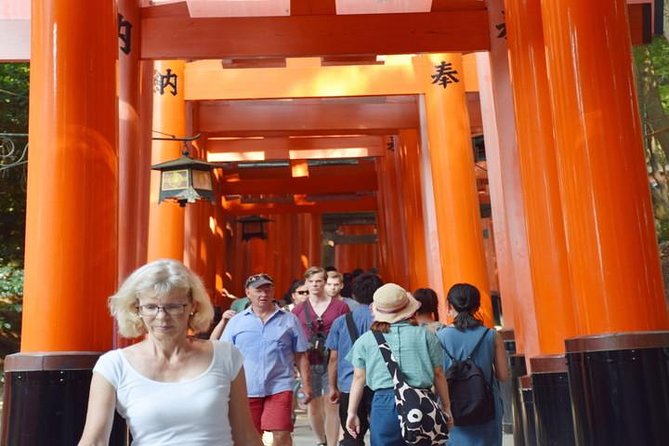
Fushimi Inari-taisha is the stop that most people try to do on their own. They see the famous vermillion torii gates, take the classic shots, then move on. This tour is built to make your time smarter.
Your guide is there to show you deeper connections—how politics and meaning changed over time, and how the shrine is tied into local culture. More practically, I love that the guide helps you move smoothly through crowds. One of the clearest takeaways from the experience was that with the guide’s help, even a limited visit time became relaxed, and the group could pass through busy areas without feeling stuck.
If you choose Fushimi Inari as one of your 2–3 stops, I’d treat it as your main “walk” that day. Everything else should be chosen as a supporting act: temples that are more about stillness, or neighborhood time for food and atmosphere.
Zen gardens and moss temples: Honen-in, Kokedera, Ryoan-ji, Daitoku-ji
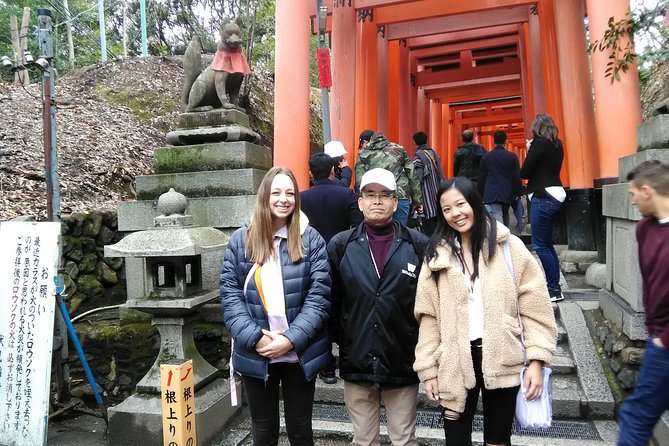
If your Kyoto trip is mainly about seeing why people come back to Zen spaces, this is where your guided time really pays off.
Honen-in is a great warm-up because the setting starts scenic before you even enter, and the moss-covered gate sets the mood immediately. Ryoan-ji, with its famous rock garden, is the opposite feel: you’ll want careful looking, not rushed looking. Daitoku-ji is the “temples within temples” option that can make Kyoto feel layered and surprising. And Kokedera (Saihoji) is the moss temple, where the mood does a lot of storytelling.
The key practical thing here is time. These gardens and temple grounds don’t behave like museums where you can sprint and still get the point. With short visits, you need a guide to tell you where to look first and what symbols mean. That’s exactly what this kind of tour is good at.
Also, if photo-taking is important, take the early advice seriously. The most enthusiastic feedback included the suggestion to go early to avoid peak crowds, especially for places with scenic gates and shaded approaches.
Other Kyoto tours and experiences to compare


Palaces, castles, and markets for the in-between hours
Kyoto isn’t only temples. It’s also power, trade, and street life. The experience menu includes several options that break up the day nicely.
Kyoto Imperial Palace
This shows you where the imperial family lived until 1868, when the emperor and capital moved to Tokyo. It’s a historical contrast to the religious spaces, and it works well if you want to understand how government shaped Kyoto alongside the shrines.
Nijo Castle
Nijo Castle was built in 1603 as the Kyoto residence of Tokugawa Ieyasu, the first shogun of the Edo Period. It’s a UNESCO World Heritage site, and it’s one of those places where your guide’s framing helps you see how politics and architecture connect.
Nishiki Market
Nishiki Market is described as Kyoto’s Kitchen, a narrow five-block shopping street with more than one hundred shops and restaurants. It’s listed as a short stop, which is perfect because you get that Kyoto food-street buzz without turning the whole day into a snack marathon.
Gion and Pontocho for evening atmosphere
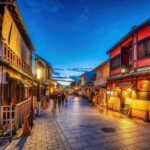
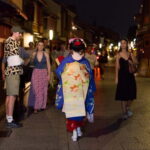
Gion can be hard to navigate for first-timers, and the tour notes a guided approach to help you find your way through the geisha district alleyways. Pontocho is described as a narrow alley running between Shijo-dori and Sanjo-dori, one block west of the Kamogawa River, lined with restaurants. If you time this well, it’s a great end-of-day mood builder after temples.
Arashiyama and Uji add-ons: where extra travel time matters
Two areas in the menu can stretch your time if you’re not careful.
Arashiyama options (Togetsukyo Bridge and bamboo paths)
Togetsukyo Bridge is Kyoto’s iconic landmark in Arashiyama, originally built in the Heian period and reconstructed in the 1930s. The bamboo walking paths are also highlighted as pleasant, especially when there’s a light wind moving the stalks. These can be excellent if your chosen stops leave room for one walk-focused section.
Byodoin Temple in Uji (Phoenix Hall)
Byodoin Temple is known for its Phoenix Hall, a National Treasure of Japan and a UNESCO World Heritage Site. The tour notes extra travel time because Uji is in Kyoto prefecture but not inside Kyoto city proper. If you choose Byodoin, it’s smart to reduce other time-costly options so you don’t feel rushed.
Price and value for a private kimono tour
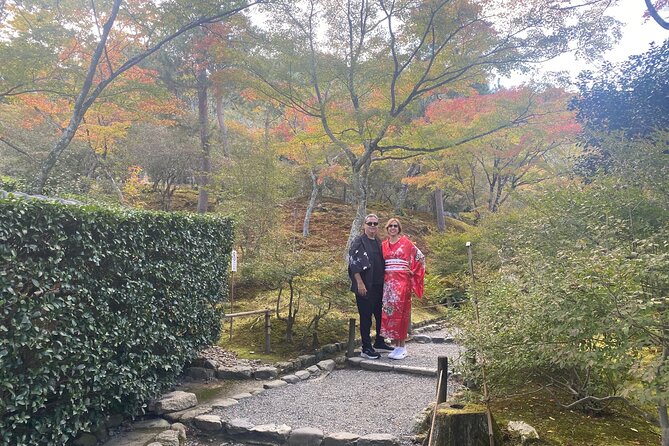
At $162.52 per person for a roughly 6-hour experience, the value depends on your travel style.
Here’s what you’re getting for that price:
- a licensed local English-speaking guide
- a kimono rental using the Wargo Standard Kimono Plan
- a customizable set of 2–3 sites from the listed options
- mobile ticket convenience
- pickup can be offered, and you’re near public transportation
What’s not included:
- transportation fees
- entrance fees
- lunch
- other personal expenses
- private vehicle (so you’ll rely on walking and public transit as needed)
So the best value comes when you want both a kimono experience and meaningful guidance at places that are hard to interpret on your own. If you’re the kind of traveler who already knows exactly what you want to see and feels confident navigating alone, you might choose DIY. But if you want smoother crowd handling and better explanations at major Kyoto sites, this kind of private, guided setup usually justifies itself.
Also, booking trend-wise, this is commonly reserved well ahead (on average, 123 days). If you’re traveling in peak seasons, it’s smart to plan early so you get the sites you actually want.
Should you book this Kyoto 6-hour private guided tour?
Book it if you want:
- kimono without the planning headache
- a guide to make temples and shrines feel readable, not random
- a realistic Kyoto day with two or three well-chosen stops
- help with crowd flow at high-traffic places like Fushimi Inari
Skip it (or choose fewer stops) if you:
- want long, unguided time inside each garden or hall
- hate the idea of paying extra entrance fees on top of the tour
- are trying to cover too many neighborhoods in one day and tend to feel stressed by timed itineraries
FAQ
How long is the Kyoto 6hr Private Guided Tour & Kimono Experience?
The tour duration is about 6 hours.
What’s included in the kimono experience?
You’ll wear a kimono with the Wargo Standard Kimono Plan. Kimono sizing is listed as women 150cm–170cm and men 165cm–200cm, and staff will dress you as best as they can if you cannot find a perfect fit.
Can I choose which sights to visit during the tour?
Yes. Your tour is of 2 to 3 sights that you decide on with your guide from the itinerary list.
Are temple and attraction entrance fees included?
No. Entrance fees are not included.
Is transportation included?
Transportation fees are not included, and a private vehicle is not included.
Is this a private tour?
Yes. It’s described as private, with only your group participating.
Do I get a mobile ticket?
Yes. The tour includes a mobile ticket.
What is the cancellation policy for a full refund?
You can cancel up to 24 hours in advance for a full refund.
More Tours in Kyoto

More Tour Reviews in Kyoto
More Kimono Days in Kyoto
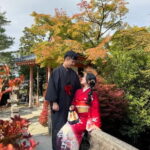
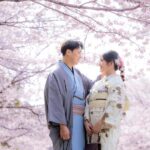
Just added: more Kyoto tours to browse





Kyoto Kimono Experiences, compared.
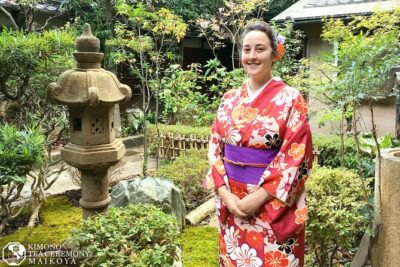 ★ 5.0Kimono Tea Ceremony at Kyoto Maikoya, NISHIKIFrom $65911 reviews
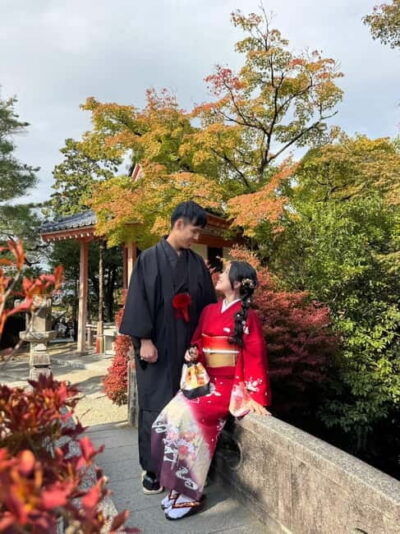 ★ 4.8Kimono Rental with Hairstyling and AccessoriesFrom $21653 reviews
 ★ 4.9Kimono Tea Ceremony at Orizuruya GionFrom $49618 reviews
 ★ 5.0KYOTO Tea Ceremony with kimono near by Imamiya Jinjya ShrineFrom $99343 reviews
 ★ 4.3Kimono and Tea Ceremony Experience at Cultural AssetFrom $222306 reviews
 ★ 4.7Traditional Kimono RentalFrom $25265 reviews
 ★ 4.9Kimono Tea Ceremony with Matcha and SweetFrom $66249 reviews
 ★ 5.0Family-Friendly Kimono & Yukata Experience at WARGOFrom $31147 reviews
Browse the lists this tour appears in