
Reviewed · KYOTO PRIVATE GUIDED TOURS
Guided Kyoto City Cherry Blossom One Day Private Tour
Kyoto can feel like a blur of temples. This private, guided one-day plan focuses you on the big sights, with smooth pickup and transport so you spend less time figuring out transit and more time actually seeing the places.
I really like two things about this experience: the private guide attention (so you can ask questions and move at your pace), and the hassle-free pickup plus air-conditioned car to keep the day comfortable. One drawback to consider: many of the major sites here don’t include admission, so you’ll want to budget for entry fees and be ready for lines at popular stops.
In This Review
- Key Highlights You’ll Feel Immediately
- Why This Private Kyoto Cherry Blossom Day Works So Well
- Price and Logistics: What $569 Really Covers
- Arashiyama Bamboo Forest: Stepping Into Kyoto’s Quiet Icon
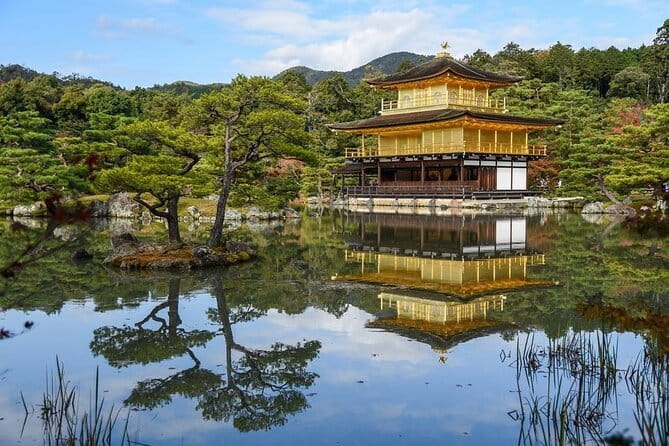
- Kinkaku-ji Golden Pavilion (Rokuon-ji): A Gold-Leaf Stop With Real Backstory
- Kiyomizu-dera: The Pure Water Temple and Its Otowa Waterfall Meaning
- Fushimi Inari-taisha: Senbon Torii and What Inari Symbolizes
- Gion: Machiya Streets, Teahouses, and the Geisha Connection
- Nishiki Market: Kyoto Kitchen Shopping Without the Guesswork
- The Best Kind of Traveler for This One-Day Private Plan
- Should You Book This Private Kyoto Day Tour?
- FAQ
- How long is the Guided Kyoto City Cherry Blossom One Day Private Tour?
- Where does the tour start and what time?
- Does the tour include hotel pickup?
- Are admission tickets to the temples and shrine included?
- What’s included in the price besides the guide?
- Is lunch included?
- Can I cancel for a full refund?
Key Highlights You’ll Feel Immediately
- Private pacing with your own guide instead of rushing with a crowd
- Arashiyama Bamboo Grove for that classic Kyoto stillness, with tall stalks and a wind-sway mood
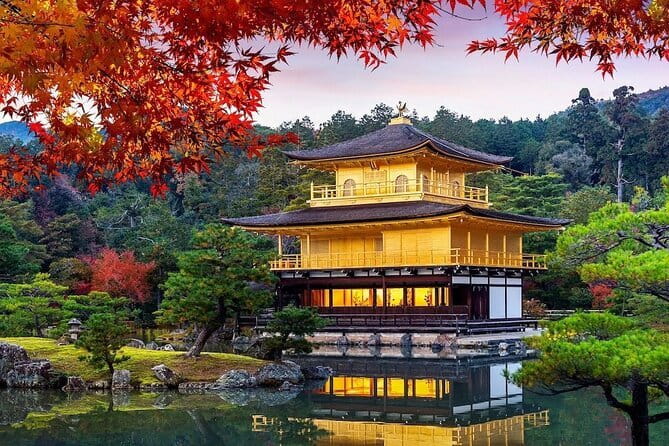
- Kinkaku-ji (Rokuon-ji), the Golden Pavilion with gold-leaf covering on the top floors
- Pure Water Temple context at Kiyomizu-dera, tied to the Otowa Waterfall name
- Fushimi Inari’s Senbon Torii red gate tunnels dedicated to Inari
- Nishiki Market time for snacks and shopping on the historic Kyoto Kitchen street
Why This Private Kyoto Cherry Blossom Day Works So Well
Kyoto’s beauty can also be its problem. You can spend hours bouncing between neighborhoods and still not feel like you got the “story” of the city.
This tour solves that by bundling the most important stops into one efficient day while keeping the experience guided and personal. You’ll see six major attractions in roughly 8 hours, and you get context along the way so the sites feel connected instead of random checkboxes.
You also get real practical comfort. There’s an air-conditioned vehicle and tolls are handled, which matters in a city where traffic and timing can turn a smooth plan into a stressed one.
And because this is private, your guide can shape the rhythm. In feedback from past guests, guides like Malik and Sag were praised for being helpful with timing and for sharing lots of Kyoto context. That means you can ask for photo help or a quick orientation before you walk into the crowds.
One more subtle benefit: the tour includes a mobile hotspot on board, so you’re less stuck offline when you’re bouncing between neighborhoods and routes.
Have a local lead the way on more Kyoto tours

Price and Logistics: What $569 Really Covers
At $569 for a private day, this isn’t a budget tour. But it’s also not just you paying to be driven around.
What you’re buying is private transportation plus a guide-led schedule that hits Kyoto’s headline locations in one go. The day includes hotel pickup on request (with the tour starting at Kyoto Station), and it ends back at the meeting point. In plain terms: you cut down on transfers and decision fatigue.
You also get the small items that make a big difference in comfort and smoothness. The tour includes child seat service and toll taxes of the road, and the car has air-conditioning. If you’re traveling as a family or you just want fewer hassles, that’s value you’ll notice fast.
Now the trade-off: lunch isn’t included, and alcoholic beverages aren’t included either. Also, entry fees at stops aren’t included (the itinerary notes admission tickets aren’t included at each stop). So the total day cost will be tour price plus your food and site entry fees.
For context on value, think of it this way: you’re paying to remove the planning burden. If you’d otherwise spend time assembling your own route, wrestling with transit timing, and guessing where to park, this private format can feel like a bargain in the real world.
Arashiyama Bamboo Forest: Stepping Into Kyoto’s Quiet Icon
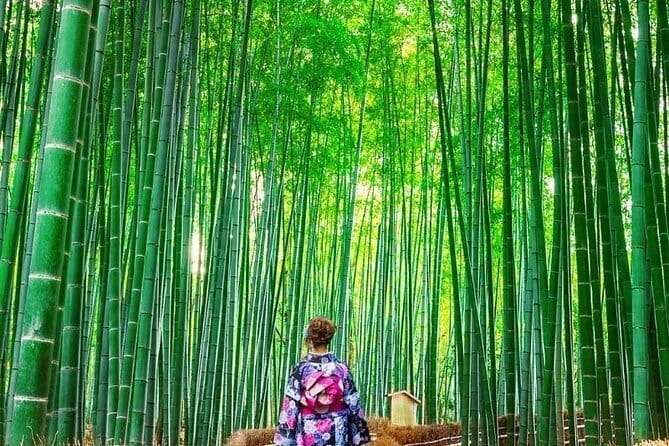
Your day starts with the bamboo forest street in Arashiyama, also known as the Arashiyama Bamboo Grove. This area has been a destination since the Heian Period (794–1185), when nobles would enjoy the natural beauty nearby. That’s a lot of time for one place to become an icon.
What you’ll experience here is that famous bamboo atmosphere: towering stalks that sway gently in the wind, creating a calm, almost unreal feeling. The practical point is that this is one of Kyoto’s few sights where walking slowly pays off. If you rush, you miss the mood.
A drawback to factor in: this is an iconic photo stop, so it can feel crowded depending on the time of day and conditions. Since the tour is private, you’re less trapped inside a herd, but you still may share the area with other visitors.
A smart move: wear comfortable shoes. The grove may feel like a short visit on paper, but it’s the kind of place where you’ll naturally pause for views and photos. The tour gives you about 1 hour here, which is enough to enjoy it without turning the morning into a long slog.
Kinkaku-ji Golden Pavilion (Rokuon-ji): A Gold-Leaf Stop With Real Backstory
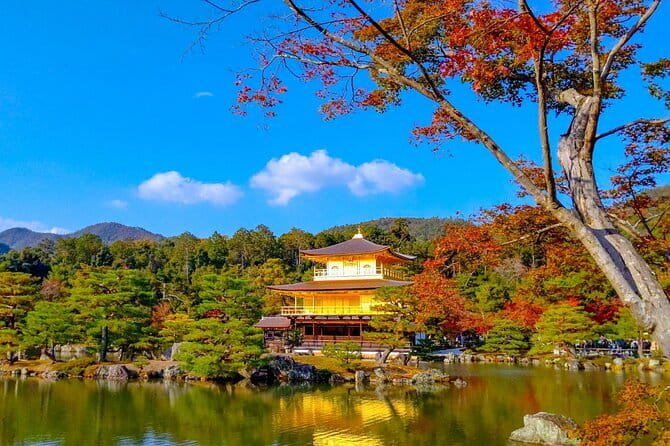
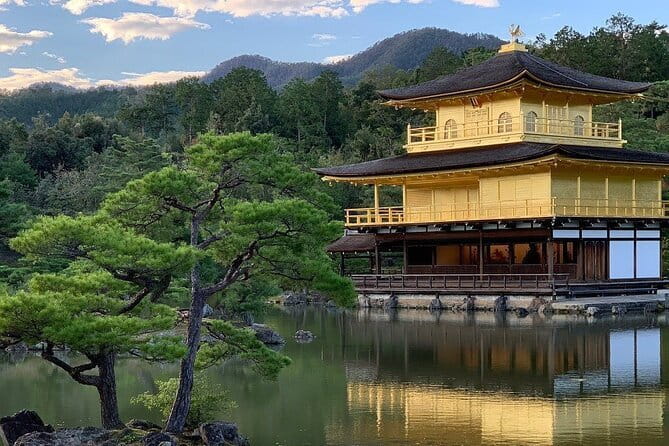
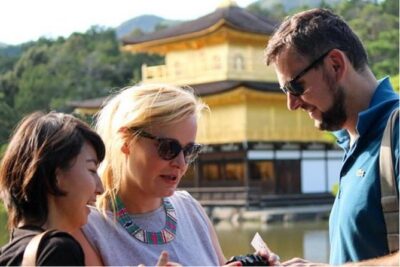
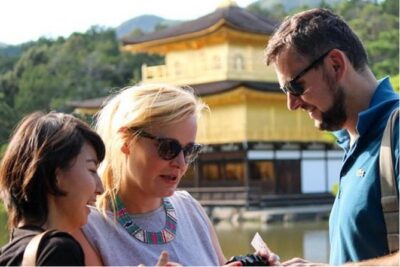
Next is Kinkaku-ji, also called the Golden pavilion, formally known as Rokuon-ji. This is a Zen Buddhist temple where the standout feature is the top two floors covered in gold leaf. Even if you’ve seen photos, there’s a difference between an image and seeing the structure with the surrounding garden setting.
But the best part is the story you can’t get from a caption. Kinkaku-ji was originally built in 1397 as a retirement villa for shogun Ashikaga Yoshimitsu. After his death, it was converted into a Zen temple.
History here isn’t just background; it’s part of what makes the sight meaningful. The temple burned down several times, and the current structure dates to 1955, following a reconstruction after a fire in 1950 set by a monk. That means you’re looking at a living rebuild of an important place, not a time capsule.
Timing is the practical consideration. This is another headline attraction, so plan on walking with purpose and staying flexible with where you stand for photos. The tour gives about 1 hour, which is enough to see the key views without turning your schedule into a waiting game.
If your guide offers photo help, take it. Some guides in past tours (like Hamza) were noted for being good at handling practical details such as parking and access, which usually translates into less time lost and more time in front of the sights.
Kiyomizu-dera: The Pure Water Temple and Its Otowa Waterfall Meaning
Then you head to Kiyomizu-dera, one of Kyoto’s best-known Buddhist temples. It’s iconic for its wooden stage and for being a long-running religious site with deep roots in the city.
The tour’s context matters here: Kiyomizu-dera was founded in 778 and is described as one of the oldest temples in Kyoto. It was associated with the Hosso sect of Japanese Buddhism until it became independent in 1965. That kind of timeline helps you understand why the site feels so central even today.
The name is part of the lesson too. Kiyomizu-dera means Pure Water Temple, and it’s derived from the Otowa Waterfall, which runs through the temple grounds. When you connect that name to what the site is actually known for, the visit feels less like a photo mission and more like understanding why people came here in the first place.
A possible drawback: the wooden-stage viewpoint can be busy and movement can feel slow at peak times. With only about 1 hour allocated, you’ll want to spend your time wisely—look first, then photos, then a final pass to soak up the Otowa Waterfall connection.
For me, Kiyomizu-dera is where guided context really changes the visit. Even if you’re not a religious-history nerd, knowing the name origin makes the place click.
Other Kyoto tours and experiences to compare

Fushimi Inari-taisha: Senbon Torii and What Inari Symbolizes
After Kiyomizu-dera, you’ll go to Fushimi Inari-taisha Shrine, one of Japan’s most famous Shinto shrines. This shrine is dedicated to Inari, the Shinto god of rice, fertility, and agriculture. That dedication explains why this place feels so important to more than just tourists.
The star attraction is the thousands of vibrant red torii gates—the Senbon Torii. The gates form pathways that create an experience of walking through red gate tunnels toward Mount Inari.
The tour context also helps with the meaning of what you’re seeing. These gates include donations from individuals and businesses, often to gain favor and blessings. So when you’re standing among all that red, you’re not just seeing a visual wall—you’re seeing a shrine space shaped by years of people participating in the act of giving.
Practical consideration: the gate areas can involve stairs and uneven walking. Even with a short visit of about 1 hour, you’ll likely do more walking than you expect from the photos.
If you want better photos, don’t chase only the busiest angles. With a guide, you can adjust your route and pacing so you’re not stuck fighting for the one perfect tunnel shot.
Gion: Machiya Streets, Teahouses, and the Geisha Connection
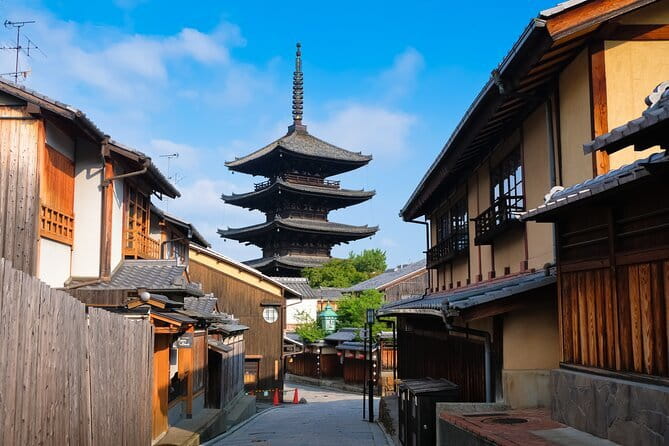
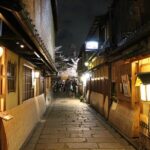
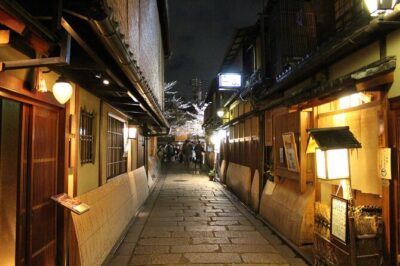
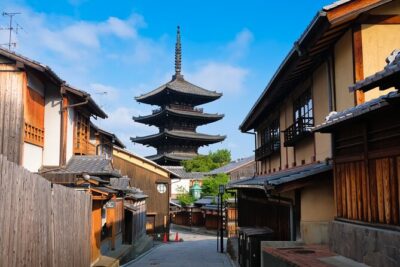
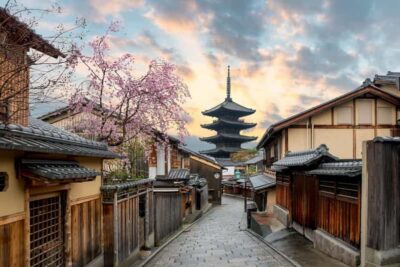
Next up is Gion, Kyoto’s historic district known for its traditional wooden machiya houses, teahouses, and its association with geisha culture. This is the part of Kyoto that feels more like a living neighborhood than a museum.
The value of a stop like this is balance. After temples and shrine symbolism, Gion gives you a change of pace. You’ll get a sense of how old Kyoto style still shapes the streetscape and the way the district is experienced.
A consideration: Gion can also be busy, especially in peak hours. A private guide helps you spend your time better—less aimless wandering, more targeted walking so you still get that “Kyoto atmosphere” without losing the rest of your day.
You’ll have around 1 hour here. That’s long enough to see the traditional architecture vibe and take a few calm street photos, but short enough that you still move on to the shopping and food side of the day.
Nishiki Market: Kyoto Kitchen Shopping Without the Guesswork
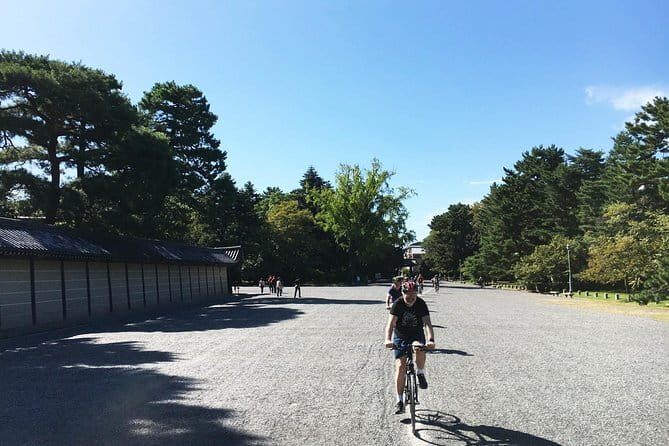
Your final stop is Nishiki Market, known as Kyoto’s Kitchen. It’s described as a narrow shopping street about five blocks long, lined with over 100 shops and restaurants.
This is where your Kyoto day turns from monuments to everyday culture. You’re not just looking at history—you’re shopping and snacking in a place that has served as a center for food and commerce for centuries.
The great part about having this on the schedule is that the tour includes context without pushing you into a structured meal. Lunch isn’t included, but a guide can often point you toward good options that match what you feel like eating that day—something that came up in feedback where guides were praised for lunch recommendations.
A drawback: markets can be crowded and noisy. If your goal is only quick photos, this might feel hectic. If you actually want to try snacks and browse, it’s a fun way to end the day with something more sensory than sightseeing.
Nishiki gives you about 1 hour. That’s enough to walk the stretch, pick a couple of stops, and leave time to feel satisfied rather than stuffed and rushed.
The Best Kind of Traveler for This One-Day Private Plan
This tour makes the most sense if you want structure without feeling trapped. You get a schedule that hits major icons while still being private enough to ask questions and slow down when something catches your eye.
It’s also a strong fit for people who:
- Want a lot of Kyoto highlights in a single day without planning the route themselves
- Care about history and meaning, not just selfies
- Prefer comfort, with air-conditioned private transport and convenient pickup
If you’re the type who loves building your own route, you might find this style too guided. The itinerary is fixed and the day is full. But if you’re on limited time and you want the city’s most important stops covered, the private format is a big win.
Should You Book This Private Kyoto Day Tour?
Yes, if you want a low-stress way to see Kyoto’s headline sites with real context. The tour is priced for privacy—$569 isn’t small—but you’re getting private transport, pickup on request, a guide, and even a mobile hotspot to keep the day moving smoothly.
I’d hesitate if you’re traveling ultra-budget or you hate any kind of crowds. Popular places like Arashiyama and Fushimi Inari are famous for a reason, and that can mean busy walking areas. Also, because entry fees and lunch aren’t included, make sure you’re okay budgeting for those extras.
FAQ
How long is the Guided Kyoto City Cherry Blossom One Day Private Tour?
It runs for about 8 hours.
Where does the tour start and what time?
The tour starts at Kyoto Station (Kyoto Station Higashishiokoji Kamadonocho, Shimogyo Ward) at 8:00 am.
Does the tour include hotel pickup?
Pickup is offered on request, and the meeting point is Kyoto Station.
Are admission tickets to the temples and shrine included?
No. Admission tickets are listed as not included for the stops.
What’s included in the price besides the guide?
The tour includes an air-conditioned vehicle, private transportation, toll taxes, a mobile hotspot on board, and child seat.
Is lunch included?
No, lunch is not included.
Can I cancel for a full refund?
Yes. You can cancel up to 24 hours in advance for a full refund.
More Tours in Kyoto


More Tour Reviews in Kyoto


More Private Tours of Kyoto

Just added: more Kyoto tours to browse








Kyoto Private Guided Tours, compared.
 ★ 5.0Private Kyoto Tour with a Local, Highlights & Hidden Gems, PersonalisedFrom $1021,543 reviews
 ★ 5.0Kyoto 6hr Private Tour with Government-Licensed GuideFrom $1551,369 reviews
 ★ 5.010 Must-see Spots in Kyoto One Day Private Tour (up to 7 people)From $1791,108 reviews
 ★ 5.0Kyoto 4hr Private Tour with Government-Licensed GuideFrom $109629 reviews
 ★ 4.8Private Tour with Local Licensed GuideFrom $106463 reviews
 ★ 5.0Private Kyoto Tour with Licensed Guide & Vehicle (Max 15 persons)From $634417 reviews
 ★ 5.0Kyoto Customized Private Tour: See Top Attractions in 1 DayFrom $132342 reviews
 ★ 4.6Kyoto/Osaka: Kyoto and Nara Customized Private Guided TourFrom $477258 reviews
Browse the lists this tour appears in