
Reviewed · KYOTO PRIVATE GUIDED TOURS
Discovering Kyoto A Tailored Private Tour of the City’s Treasures
Kyoto makes more sense with a local guide. I like that this is a customizable private tour, so you can steer the route toward what you care about, and I especially like the Gion walking portion that shows you the areas visitors miss. If you’re lucky, you may even get a great English-speaking guide like Diego, who explains what you’re seeing in plain language and keeps the pace relaxed.
One thing to think about: this experience depends on good weather and enough staff to run your time slot, so it’s smart to have a backup plan for the day you choose.
In This Review
- Key highlights at a glance
- A 3-hour Kyoto loop you can shape your way
- Start near Kyoto Station, then move with less hassle
- Gion first: side streets, Shirakawa stroll, and the feeling of old Kyoto
- Why this order works
- Izutsu Yatsuhashi Honpo: a sweets stop that’s actually worth the detour
- Shrine stops that teach you how to read the place
- Tatsumi Daimyojin Shrine
- Yasui-Konpiragu and its stone-ritual vibe
- Yasakanoto pagoda area: the view stop with culture behind it
- Izumo-no-Okuni statue: a fun link to Kabuki origins
- Kiyomizu-dera: the main event and the time you actually need
- The practical part: how to enjoy Kiyomizu-dera with fewer regrets
- Price and value: when $95 makes sense (and when it might not)
- Who this tour suits best
- Weather, staffing, and what to do if plans change
- Should you book this Kyoto private tour?
- FAQ
- How long is the Kyoto private tour?
- What does the tour cost?
- Where do I meet, and where does the tour end?
- Is pickup available?
- Is this a private tour?
- Does the tour include tickets or admissions?
- What’s included in the price?
- What’s not included?
- Is the tour dependent on weather?
- What’s the cancellation policy?
Key highlights at a glance
- A private, flexible 3-hour route that you can shape to your interests
- Gion + Shirakawa area walking for that old-streets atmosphere and side-street views
- Izutsu Yatsuhashi Honpo Gion stop to taste Kyoto sweets in a focused, guided way
- Shrine and ritual stops like Tatsumi Daimyojin, Yasui-Konpiragu, and the Yasakanoto pagoda area
- Kabuki origins via the Izumo no Okuni statue stop, for a fun culture-history link
- Kiyomizu-dera with admission included plus time to enjoy the main sights and viewpoints
A 3-hour Kyoto loop you can shape your way
This tour is built for people who want Kyoto without turning the whole day into a scavenger hunt. You get a local guide and transport to the attraction areas, and the route is customizable, so you’re not stuck doing only the same photo-stop circuit.
For value, what matters is the time squeeze. Kyoto sightseeing can eat hours just getting from place to place and figuring out what’s worth your attention. Here, the guide helps you spend those hours where the stories actually land—shrines, temple viewpoints, and the street-level culture around Gion.
Have a local lead the way on more Kyoto tours


Start near Kyoto Station, then move with less hassle
You meet at Kyoto Station, in the Higashishiokoji Kamadonocho area, and the tour ends back at the meeting point. Pickup is offered, and there’s mobile ticketing, so you can keep your plans simple once you arrive.
This “start and end here” setup is practical if you’re also using trains that day. You’re not committing to some far-flung drop-off where you have to problem-solve your return with tired legs.
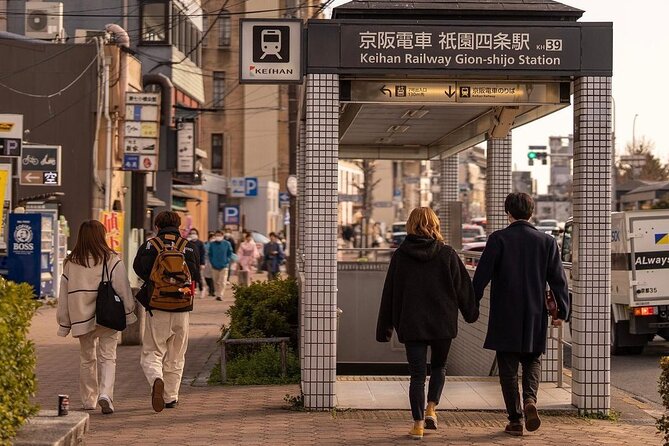
Gion first: side streets, Shirakawa stroll, and the feeling of old Kyoto
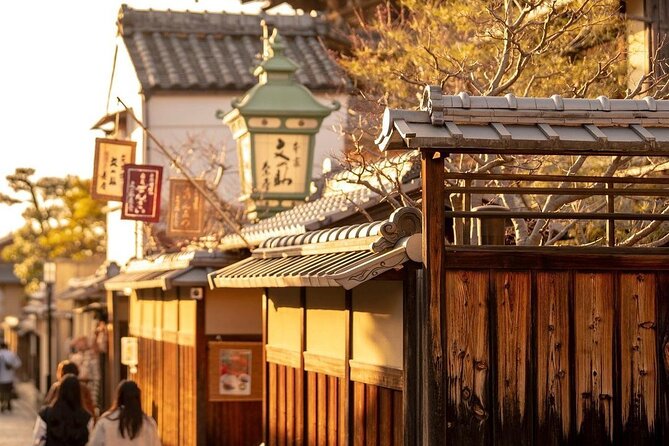
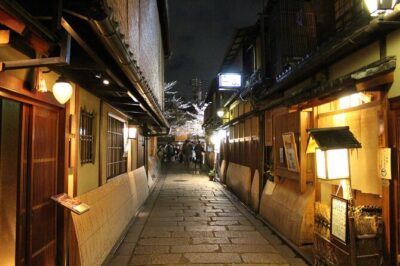
The tour kicks off in Gion, one of Kyoto’s best-known districts for its historic streets and traditional arts connection. Instead of rushing straight through the busiest blocks, the guide helps you understand what you’re seeing—why streets look the way they do, and what the area’s rituals and traditions have to do with daily life.
From there, you typically walk onward through the Gion Shirakawa area. This is the part of the experience that tends to feel calmer, like you’re stepping into the quieter layers of the district rather than only the main viewing corridors.
A small but real win: one review mentioned that the guide walked you by restaurant streets that feel more private and set back from the crowds. Even if you’re not there to spot performers, you still get that sense of how the neighborhood works at human pace.
Why this order works
Starting in Gion first helps you build context before you hit temples. By the time you reach the shrine and temple stops, you’ll have a better sense of how religion, tradition, and everyday neighborhood layout connect.
Izutsu Yatsuhashi Honpo: a sweets stop that’s actually worth the detour
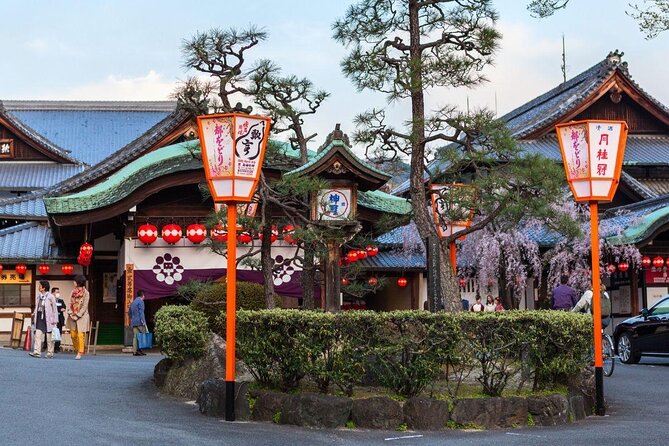
One of the most memorable parts is the Izutsu Yatsuhashi Honpo store visit in the Gion area. This is the kind of stop that can feel like a tourist trap on paper, but guided time makes it smarter—you get the what-and-why, not just a quick buy-and-run.
Yatsuhashi is a Kyoto classic, and the guide’s explanation helps you understand why it’s a souvenir locals treat as part of the food culture. If you’re picky about what you snack on, this is still an easy win because it’s a short, focused detour rather than an all-day meal plan.
Practical note: since brunch and alcoholic beverages aren’t included, think about keeping your stomach flexible. This tour is short, so you’ll likely want a light snack strategy rather than trying to time a full meal mid-route.
Other Kyoto tours and experiences to compare



Shrine stops that teach you how to read the place
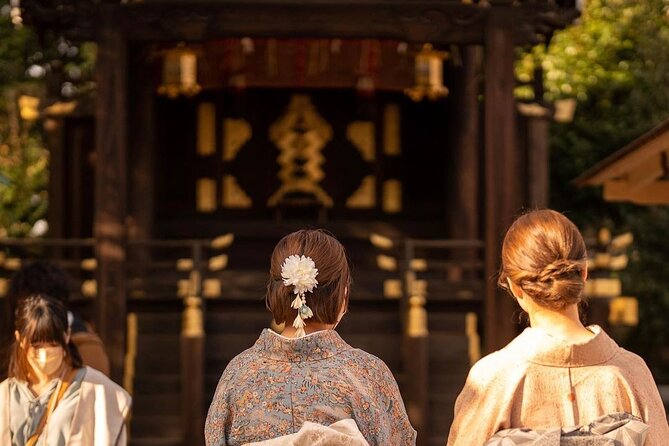
After Gion, the tour shifts into spiritual Kyoto. You’ll encounter several shrines and ritual spaces where the guide points out small details that most people miss—signs, stone features, and the logic behind how people move through the grounds.
Tatsumi Daimyojin Shrine
At Tatsumi Daimyojin Shrine, you get a break from the shopping-street feel and a chance to slow down. This stop is short, but it’s a good reminder that Kyoto’s traditional spaces are not just “places to look”—they’re places with ongoing meaning and daily activity.
Yasui-Konpiragu and its stone-ritual vibe
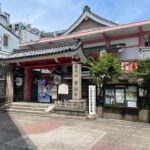
Next is Yasui-Konpiragu, known for its distinctive stone monuments and rituals. The stop is brief, but it’s the kind of place where the guide’s interpretation matters. When someone explains what you’re looking at, the whole experience clicks from random structures into a functional ritual setting.
Admission is included for at least some segments and stops, and this is one of the times where you’re not left guessing what fees apply. It’s one less thing to sort out while you’re walking.
Yasakanoto pagoda area: the view stop with culture behind it
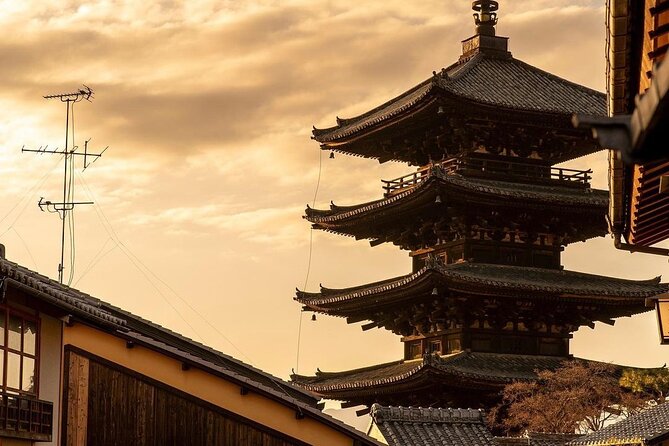
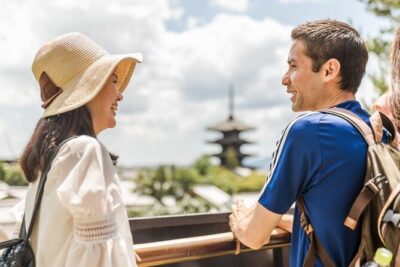
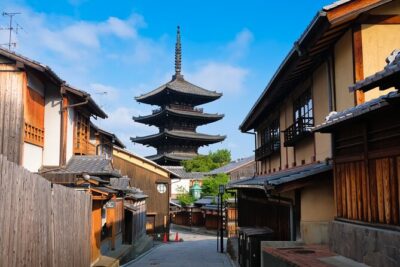
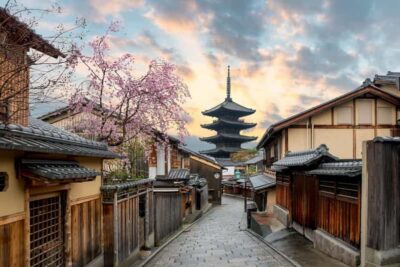
The tour also includes a visit near Yasakanoto, a towering pagoda in Kyoto’s Gion district. Even if you’re not obsessed with architecture, this is a great “pause and look up” moment. Kyoto has a lot of attention pulled to street level, so a tall landmark helps reset your perspective.
Because this stop is short, it works well if you want memorable skyline visuals without losing time to long museum-style waiting. It’s also a nice break between shrine spaces and the temple big-hitter later.
Izumo-no-Okuni statue: a fun link to Kabuki origins
One unexpected plus is the Statue of Izumo no Okuni stop. It adds a different thread to the day—how traditional performance arts connect to older Kyoto stories. If you like culture history that feels playful, this is an easy win because it doesn’t require you to “study” anything for hours.
This is a good reminder that Kyoto isn’t only temples and gardens. It’s also streets, performers, and the cultural institutions that shaped entertainment.
Kiyomizu-dera: the main event and the time you actually need
Finally, you reach Kiyomizu-dera, one of Kyoto’s big temples and a must for first-timers. It’s famous for its viewing platform, its multi-level pagoda elements, and the Otowa Spring waters, which are part of the site’s spiritual appeal.
This stop gets about an hour on the schedule, which is the right amount for most people. You can look around, find the viewpoint areas, and take your time without turning it into an all-afternoon grind.
The practical part: how to enjoy Kiyomizu-dera with fewer regrets
Kiyomizu-dera can be crowded, and plans around it can feel chaotic if you’re on your own. With a guide, you’re more likely to understand where to focus your time so you don’t feel like you missed everything after 20 minutes.
Also, admission is included here, which reduces one more budget and logistics headache. You can focus on the sights instead of managing a running list of tickets.
Price and value: when $95 makes sense (and when it might not)
The price is $95 per person for about 3 hours, and it includes a local guide plus transportation to attractions. Admission is included for select stops, and the tour is private, meaning only your group participates.
Is it worth it? For me, this style of tour makes the most sense if you have one or more of these priorities:
- You want a guided explanation so the shrines and temple details mean something.
- You don’t want to spend time mapping a route across Kyoto on foot.
- You’d rather pay for a smooth half-day than fight transit timing and crowd flow.
It might be less of a fit if you’re the type who loves independent wandering with minimal structure, or if you already know Kyoto well enough to navigate confidently without a guide’s context. In that case, you can DIY cheaper—but you’ll spend more time figuring out your own pacing.
Who this tour suits best
This is a great match for:
- First-time Kyoto visitors who want a strong taste of Gion + temple Kyoto in one session
- Small groups who want flexibility and a personal pace
- People who like cultural storytelling, not just photo snapping
It’s also a good fit if you want a manageable time window. The tour runs within the morning hours listed for the activity, and the entire experience is short enough to keep the rest of your day open.
Weather, staffing, and what to do if plans change
This experience needs good weather. If conditions are poor, you’ll be offered a different date or a full refund. There’s also a real-world note: if staffing becomes an issue, the operator can cancel with limited options, so booking earlier helps, and having a backup day is smart.
If you’re traveling during a busy season, treat confirmation like gold. Once you lock in your time, keep an eye on conditions and be ready to move if weather turns.
Should you book this Kyoto private tour?
Book it if you want a guided half-day that connects Gion street culture with shrine and temple sights, without spending your time plotting and retracing steps. The value is strongest when you care about meaning—how places work, what rituals point to, and why the layout of Gion feels the way it does.
Skip or reconsider if you’re looking for a long temple day, prefer fully independent travel, or are only interested in one or two major destinations. Also, if your schedule is tight and you can’t shift days, keep in mind the weather requirement.
If you want Kyoto to feel readable and not random, this is a solid way to do it.
FAQ
How long is the Kyoto private tour?
The tour lasts about 3 hours.
What does the tour cost?
It costs $95.00 per person.
Where do I meet, and where does the tour end?
You start at Kyoto Station in the Higashishiokoji Kamadonocho area, and the tour ends back at the meeting point.
Is pickup available?
Yes, pickup is offered.
Is this a private tour?
Yes. Only your group will participate.
Does the tour include tickets or admissions?
Admission is included for select stops (including Kiyomizu-dera and Yasui-Konpiragu, and other listed segments), while some stops are marked as free.
What’s included in the price?
A local guide and transportation to attractions are included.
What’s not included?
Brunch and alcoholic beverages are not included.
Is the tour dependent on weather?
Yes, it requires good weather. If it’s canceled due to poor weather, you’ll be offered a different date or a full refund.
What’s the cancellation policy?
You can cancel up to 24 hours in advance for a full refund. If you cancel less than 24 hours before the start time, you won’t receive a refund.
More Tours in Kyoto




More Tour Reviews in Kyoto


More Private Tours of Kyoto


Just added: more Kyoto tours to browse








Kyoto Private Guided Tours, compared.
 ★ 5.0Private Kyoto Tour with a Local, Highlights & Hidden Gems, PersonalisedFrom $1021,543 reviews
 ★ 5.0Kyoto 6hr Private Tour with Government-Licensed GuideFrom $1551,369 reviews
 ★ 5.010 Must-see Spots in Kyoto One Day Private Tour (up to 7 people)From $1791,108 reviews
 ★ 5.0Kyoto 4hr Private Tour with Government-Licensed GuideFrom $109629 reviews
 ★ 4.8Private Tour with Local Licensed GuideFrom $106463 reviews
 ★ 5.0Private Kyoto Tour with Licensed Guide & Vehicle (Max 15 persons)From $634417 reviews
 ★ 5.0Kyoto Customized Private Tour: See Top Attractions in 1 DayFrom $132342 reviews
 ★ 4.6Kyoto/Osaka: Kyoto and Nara Customized Private Guided TourFrom $477258 reviews
Browse the lists this tour appears in