
Reviewed · KYOTO BIKE & E-BIKE TOURS
Kyoto: Full-Day City Highlights Bike Tour with Light Lunch
Kyoto looks like a postcard, but riding makes it feel real. This full-day bike highlights route links the city’s most memorable shrines and temples with streets buses can’t comfortably reach. You’ll pause often, get explanations as you go, and spend real time where it counts.
I love how this tour gives you two famous Kyoto icons back-to-back: the shade-soaked calm of the Arashiyama Bamboo Grove and the vermilion chaos of Fushimi Inari. I also like the balanced arc of the day, moving from west Kyoto to the eastern hills without rushing the big stops.
One drawback to plan for: it’s a long ride, around 44 km/27 mi over about 8 hours. If you’re not a steady cyclist or you have back or mobility issues, you’ll probably feel it by late afternoon.
In This Review
- Key things to know before you ride
- From Saga-Arashiyama Station: setting up for an all-day pedal
- Arashiyama Bamboo Grove: riding into Kyoto’s green hush
- Fushimi Inari Taisha: torii gates, fox statues, and side trails
- Gion at street level: Tatsumi Bridge and Hanamikoji’s charm
- Kiyomizu-dera and the Otowa Spring: UNESCO by bicycle
- Kinkaku-ji Golden Pavilion: Zen temple and its reflecting pond
- The 44 km ride reality: who should consider an e-bike
- Guides, pacing, and the value of small-group Kyoto
- Who this Kyoto bike tour is best for
- Should you book this Kyoto bike highlights tour?
- FAQ
- How long is the Kyoto bike tour?
- Where do I meet for the tour?
- What’s included in the price?
- Is hotel pickup or drop-off included?
- What are the main stops on the route?
- Is the tour shorter in winter?
Key things to know before you ride
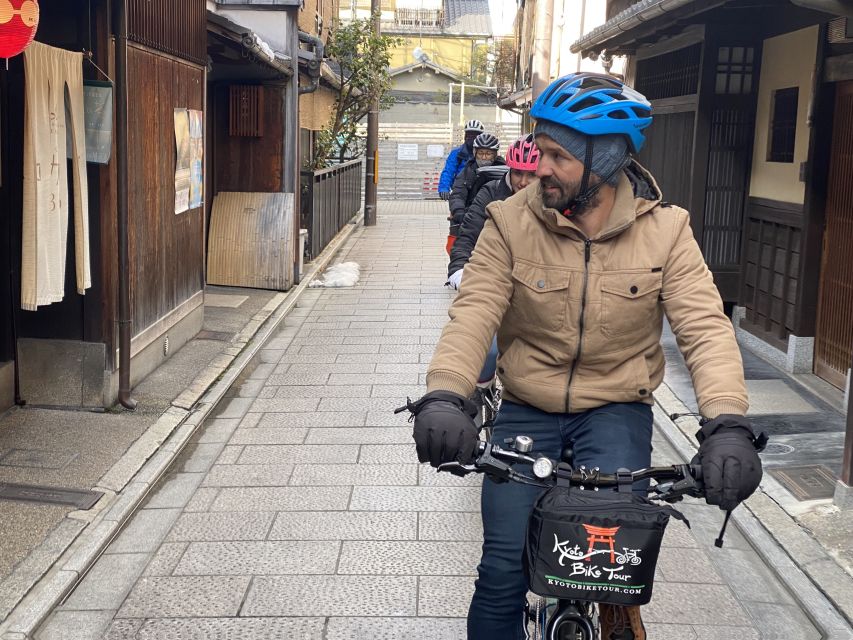
- Small group (max 8) means more human pacing and easier photo stops.
- Safety briefing + bike fitting happens before you roll, so you’re set up for the long day.
- Arashiyama Bamboo Grove, Fushimi Inari, Gion, Kiyomizu-dera, Kinkaku-ji are all on one tight route.
- Light lunch + bottled water help you keep energy through the ride.
- Winter schedules are shorter in December–February to finish before sunset.
- Comfort rules matter: closed-toe shoes, no loose clothing, and nothing like flip-flops.
From Saga-Arashiyama Station: setting up for an all-day pedal
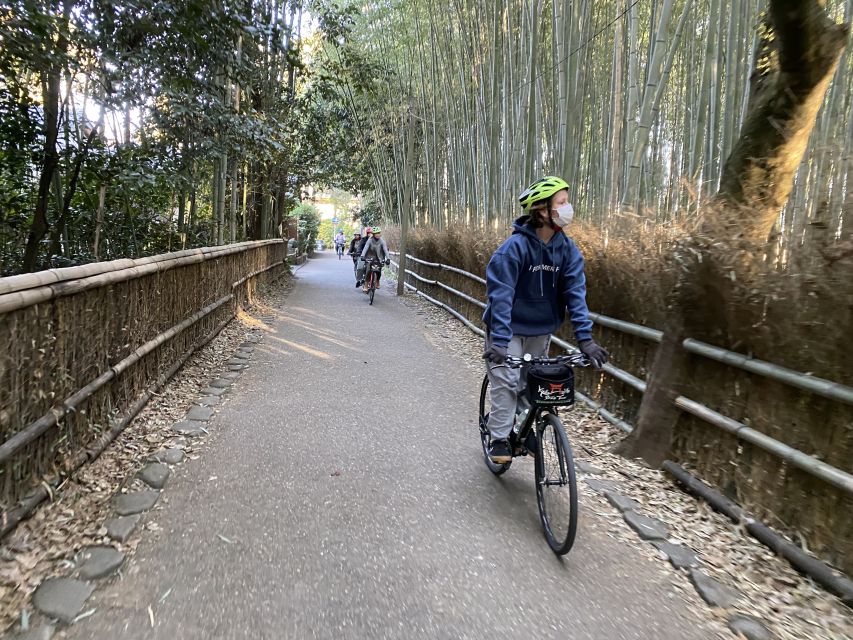
Meeting outside JR Saga-Arashiyama Station is a smart start because you’re already in the part of Kyoto that feels more local than the core tourist lanes. When the guide shows up wearing a helmet and a Kyoto Bike Tour shirt, you know you’re in the right place.
Before you ride, you’ll get a safety briefing and a bike fitting. For me, that’s not a throwaway detail. In a city like Kyoto, you want your handlebars comfortable, your feet positioned right, and your confidence built early—especially once you’re weaving through busy streets later.
This tour is designed for a full day: about 8 hours, with stops that total roughly 30 minutes each at several major sites. The pace is leisurely in the sense that you’re sightseeing on a bicycle, not sprinting, but it’s still a solid workout. Bring weather-appropriate layers and stick to the clothing rules. No sandals or flip-flops, no loose clothing, and skip anything with a heel.
Also note the big practical point: there’s no hotel pickup. You’ll be biking from Arashiyama, and you’ll return there at the end of the day.
More of Kyoto at handlebar pace
Arashiyama Bamboo Grove: riding into Kyoto’s green hush
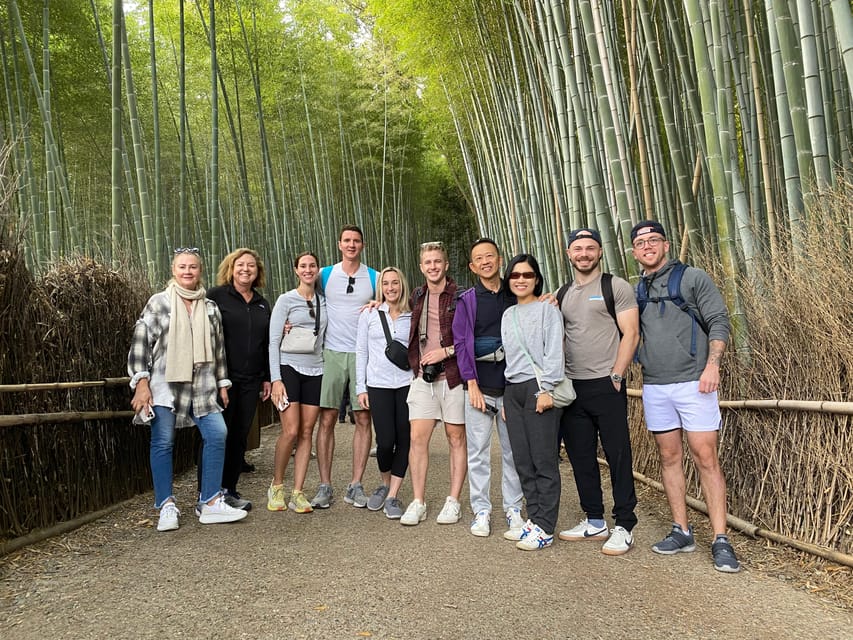
Your day starts with the Arashiyama Bamboo Grove, and yes, it’s famous for a reason. When you’re standing among the bamboo stalks, the light shifts and the air feels cooler than the street you came from. On a bike, you get there with momentum, but you also slow down naturally because you’ll spend about 30 minutes here with the guide.
What I like most about this stop is the change in atmosphere. Kyoto’s temples and shrines can feel formal and structured; Arashiyama feels more like a breath. The guide’s pacing helps too. You get time to absorb the scene without turning it into a quick checklist.
Photography is a big deal here, and you’ll be surrounded by people trying for the same shots. A guide helps you find a workable flow so you don’t spend half your time stopping and starting around crowds. You’ll likely feel the classic contrast: the bamboo feels serene, but the area around it is not always quiet. Go with the expectation that it’s popular—and use your guided timing to stay calm and efficient.
If you’re sensitive to long periods standing, plan for it now: the bamboo grove portion is the kind of place where you’ll want to look up and around, which takes a few minutes.
Fushimi Inari Taisha: torii gates, fox statues, and side trails
Then comes the switch from green hush to Fushimi Inari Taisha and its torii gates. The day includes the Senbontorii area, where red gates stack over pathways that seem to go on and on. It’s one of those places where you feel like you’re walking through a shrine and a maze at the same time.
What makes the guided format worthwhile here is the focus on more than the main front area. You’ll explore the trails behind the main buildings, not just the first stretch everyone rushes through. That matters because Fushimi Inari changes as you move away from the densest points. The path network is part of the experience.
A fun, very Kyoto detail: you can spend time locating the different fox statues scattered around the shrine grounds. It gives you something easy to do besides just looking around. And it turns a big sight into a game-like loop that’s simple to follow with a group.
One practical note: even though your bike gets you to the area, you’ll still do real walking inside the shrine grounds. Wear comfortable shoes and expect steps, uneven surfaces, and crowds at peak times.
Gion at street level: Tatsumi Bridge and Hanamikoji’s charm
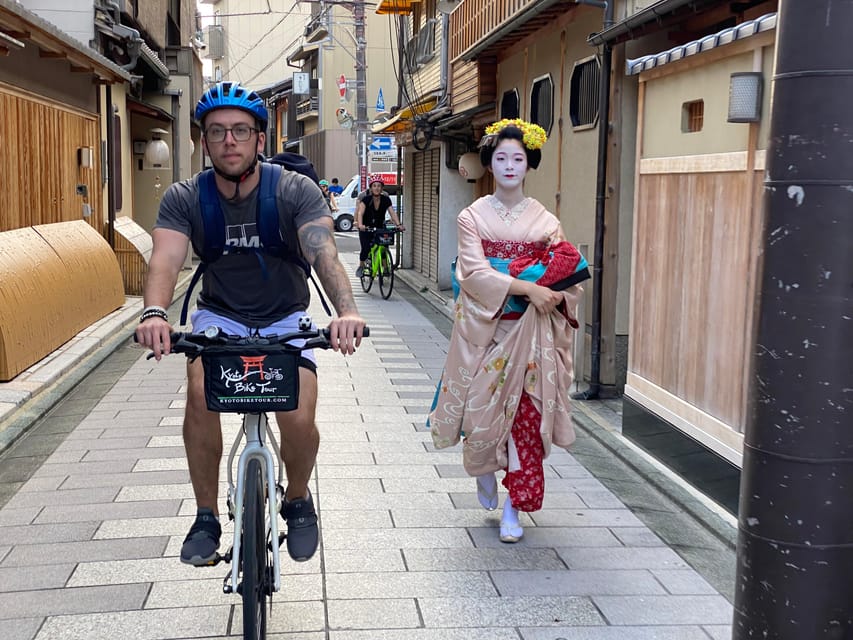
After you’ve worked up an appetite, the tour includes a light lunch, followed by a ride through Gion, Kyoto’s best-known geisha district. This is where the tour’s route planning shines. You’re not just staring at landmarks from a distance—you’re moving through the streets that give Gion its day-to-day atmosphere.
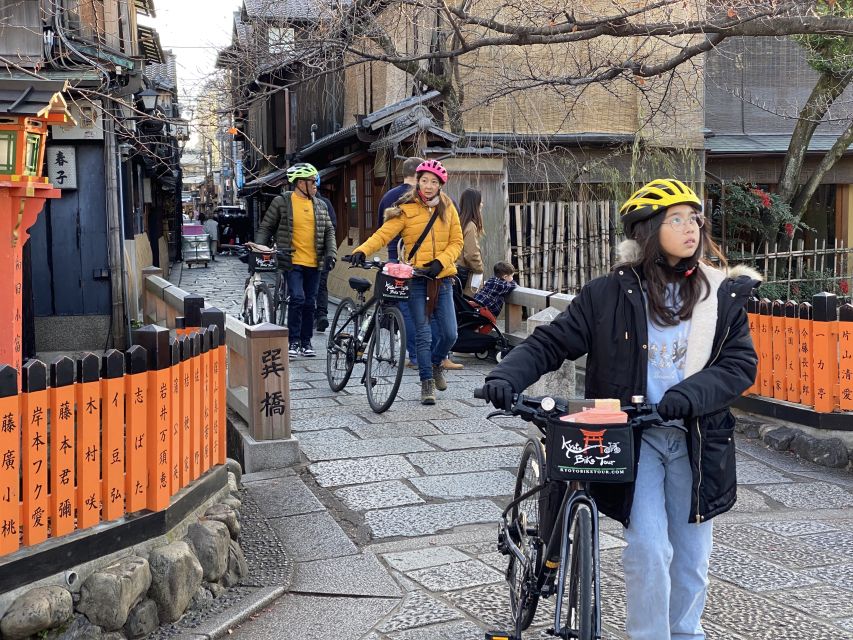
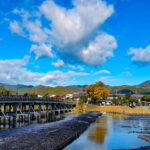
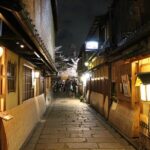
The route includes Tatsumi Bridge, where you can look out for people in traditional dress, including hostesses in colorful kimonos. Then you’ll continue along Hanamikoji Street, lined with upscale restaurants and boutiques. Even if you don’t shop, strolling here feels different than walking in a more anonymous commercial district. The guide’s explanations help you read what you’re seeing.
Drawback consideration: Gion can be crowded. The trick is to enjoy the moment without getting stuck. The group size helps here (max 8), because you don’t end up swallowed by a huge pack. You’ll get enough time to look and photos without losing the day.
Kiyomizu-dera and the Otowa Spring: UNESCO by bicycle
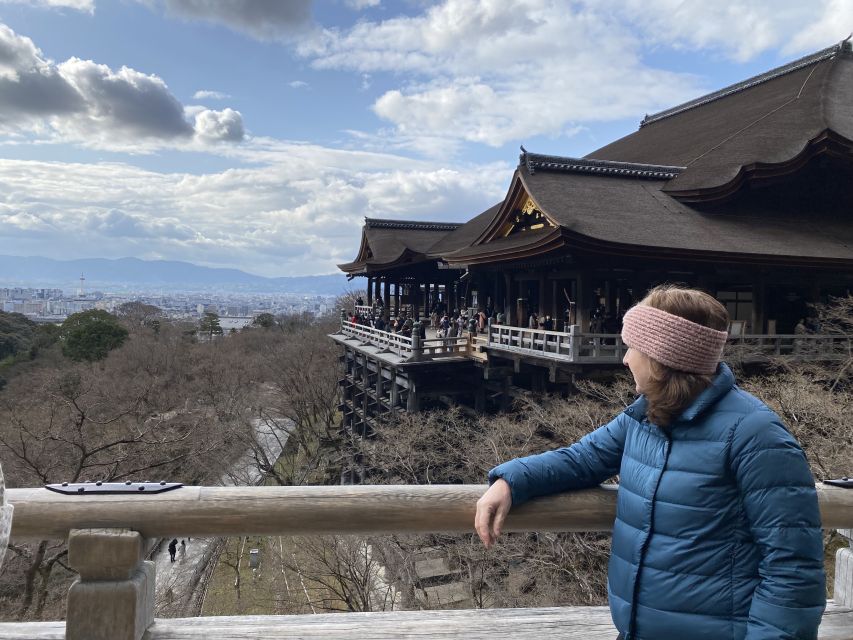
Next you ride toward the eastern hills for Kiyomizu-dera, a UNESCO World Heritage Site. This stop is where the day shifts from Kyoto’s shrine bustle into something more dramatic and scenic.
Kiyomizu-dera is tied to the Otowa Spring, known for medicinal pure waters. Even if you don’t follow a spiritual practice, it’s worth understanding why this site has lasted so long in visitors’ minds. The temple’s fame isn’t just about views; it’s about meaning and ritual.
You’ll spend about 30 minutes here. That’s enough for the essential look and for getting a feel for the approach and structure. But it’s not enough to treat the site like a museum visit where you can read every sign calmly for an hour. So come ready to prioritize: pick the viewpoints you care about, and let the guide handle pacing.
If you’re the type who hates rushing, you’ll still be okay because the tour is designed around a rhythm: ride, pause, absorb, move on. The bicycle format keeps the day efficient without feeling like you’re being shoved through.
Loop the big Kyoto sights in one run


Kinkaku-ji Golden Pavilion: Zen temple and its reflecting pond
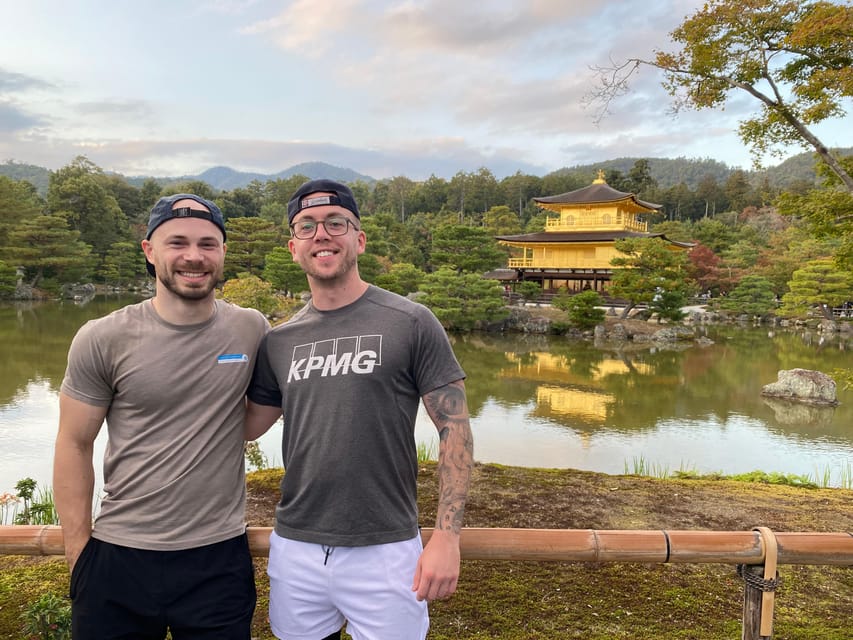
Later in the day you’ll arrive at Kinkaku-ji, the famous Golden Pavilion. This is a 14th-century Zen temple that rises above its reflecting pond, creating that classic image people come to Kyoto for.
What I like about seeing Kinkaku-ji on a bike tour is the approach. You’re not arriving by tour bus, stopped in a sea of people with nowhere to go. You roll in as part of a group with a plan, get to the right areas fast, and then you can slow down for the details.
The “gold shine” is obvious, but the real charm is the relationship between the building and the water. The reflecting pond turns the pavilion into a scene that changes as people move and light shifts. Even if your photo doesn’t look like a brochure, your eyes will still understand why this is such a Kyoto symbol.
Your time here is about 30 minutes, which sounds short until you remember that the most important viewing zones are concentrated. You’ll get enough time to look, take photos, and understand what you’re seeing without feeling trapped in a long queue loop.
The 44 km ride reality: who should consider an e-bike
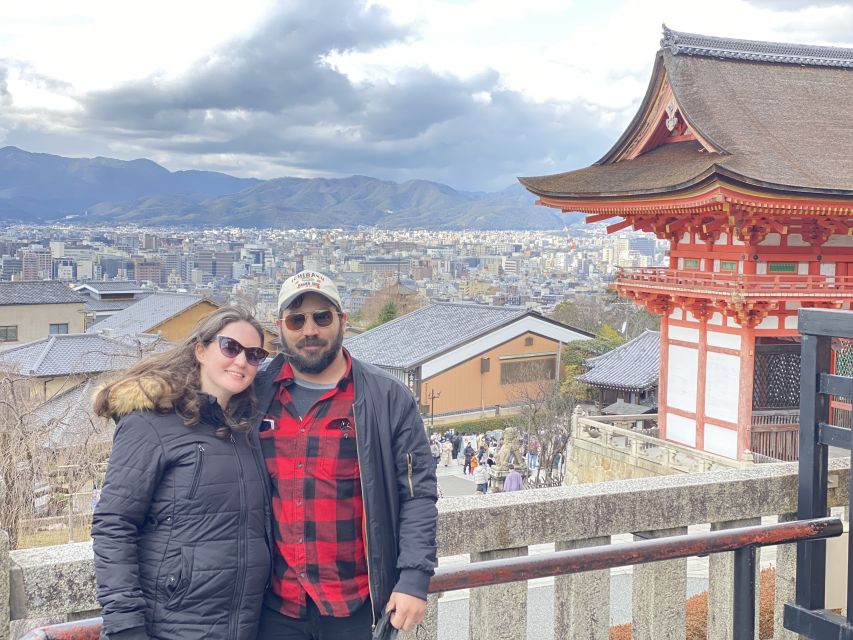
This tour is listed at approximately 44 km/27 mi over 8 hours. That’s a lot of small decisions: stopping and starting, riding through traffic pockets, and doing short walks at the major sites. You don’t need to be a racer, but you do need to be comfortable on a bicycle for most of the day.
People who enjoy longer bike rides will feel right at home. If you’re more casual—or if you’re traveling with jet lag—consider an assist option if it’s offered for your booking type. In the experiences I’ve seen with this route, some riders felt a pedal assist bike made the day more enjoyable, especially on longer stretches.
Also consider timing in winter. In December–February, stops are made shorter to finish before sunset. That means less time to linger if you’re someone who likes to stand and soak in views. Plan your expectations and keep your energy steady.
The rules on footwear and clothing aren’t just formalities. You’ll want stable shoes because you’ll dismount to walk, and you’ll want clothes that don’t snag or flap when you ride. If you’re unsure what to wear, choose comfort over style.
Guides, pacing, and the value of small-group Kyoto
One big reason this tour scores high is the way the guide runs the day. You’ll see a pattern in the guidance: safety first, then clear explanations, then enough freedom to enjoy the stops without feeling dragged.
The tour is described as having a bilingual guide with English available, and it’s a small group capped at 8 participants. That small-group size changes the experience. It’s easier to keep everyone together when traffic gets tight. It’s easier to adjust timing if a stop is more crowded than expected. And it feels less like you’re part of a mass transit schedule.
You may also notice different guides bring slightly different strengths. Names that come up include Cass, Rob, Ray, and Peter, with common themes like humor, organization, and patience. You don’t need to hunt for a specific person, but it’s a good sign that the tour staffing tends to focus on communication and group management, not just reciting site names.
Value check: your price includes the bicycle, helmet, bottled water, entry fees, and the light lunch. For an 8-hour day that covers multiple major sites, that package can be a strong deal compared to piecing it all together solo. The only consistent extra cost is that you handle getting to and from the start point on your own.
Who this Kyoto bike tour is best for
This is ideal if you:
- Want to see the big Kyoto hitters in one day without the stress of transit hopping.
- Feel comfortable riding a bike for long stretches and doing short walks at temples and shrines.
- Like guided context—what you’re seeing and why it matters—while still having time to look around.
This is not a great match if you:
- Can’t ride a bike.
- Have back problems or mobility impairments.
- Prefer fully seated sightseeing all day.
- Are traveling with children under 14.
- Have a low fitness baseline and doubt your ability to handle 44 km.
If you’re a solo traveler, the small-group format often makes it easier to get moving and still feel supported at each stop.
Should you book this Kyoto bike highlights tour?
I’d book it if you’re trying to maximize one Kyoto day and you want a route that connects west and east Kyoto efficiently. The mix of Arashiyama’s bamboo calm, Fushimi Inari’s torii drama, Gion’s traditional streets, and the heavyweights Kiyomizu-dera and Kinkaku-ji is a smart lineup.
Skip it (or strongly consider an assist bike) if the idea of a long ride stresses you out. This isn’t a casual stroll with a bike beside you. It’s a full-day activity, and the payoff comes from doing the effort.
My practical advice: if you’re physically up for it, arrive with comfortable clothing ready for the rules, bring layers for weather, and set your mindset to ride, pause, photograph, and repeat. You’ll spend the day in motion, and that’s exactly how you’ll feel like Kyoto is more than just a list of famous stops.
FAQ
How long is the Kyoto bike tour?
It runs for 8 hours.
Where do I meet for the tour?
Meet outside JR Saga Arashiyama Train Station. The guide will be wearing a bike helmet and a Kyoto Bike Tour shirt.
What’s included in the price?
Bicycle, helmet, bottled water, entry fees, light lunch, and a bilingual guide (English available).
Is hotel pickup or drop-off included?
No. You’ll need to get to the meeting point on your own and return to the starting area.
What are the main stops on the route?
Arashiyama Bamboo Forest, Fushimi Inari Taisha (Senbontorii), Kiyomizu-dera, Gion, and Kinkaku-ji Golden Pavilion.
Is the tour shorter in winter?
Yes. During December–February, stops are made shorter to finish the tour before sunset.
More Tour Reviews in Kyoto




More Kyoto Sightseeing Loops

More of Kyoto by Bike
Just added: more Kyoto tours to browse








Kyoto Bike & E-Bike Tours, compared.
 ★ 5.0Hidden Kyoto E-Biking tourFrom $1161,843 reviews
 ★ 5.0Bike Tour Exploring North Kyoto plus LunchFrom $1061,087 reviews
 ★ 5.0Arashiyama Bamboo Forest & Hidden Gems Bike Tour (Early Bird)From $106613 reviews
 ★ 5.05 Top Highlights of Kyoto Full Day Bike Tour (E-bike option)From $172511 reviews
 ★ 5.0Full Day Biking Tour Exploring the Best of KyotoFrom $119498 reviews
 ★ 4.8Memory Kyoto E-Bike TourFrom $91297 reviews
 ★ 5.0E-Bike Tours of the highlights of Kyoto!!!From $109291 reviews
 ★ 5.0Afternoon Kyoto Bike Tour: Bamboo Forest, Monkeys & Hidden SpotsFrom $106283 reviews
Browse the lists this tour appears in