
Reviewed · KYOTO BIKE & E-BIKE TOURS
Kyoto: City Secrets eBike Tour
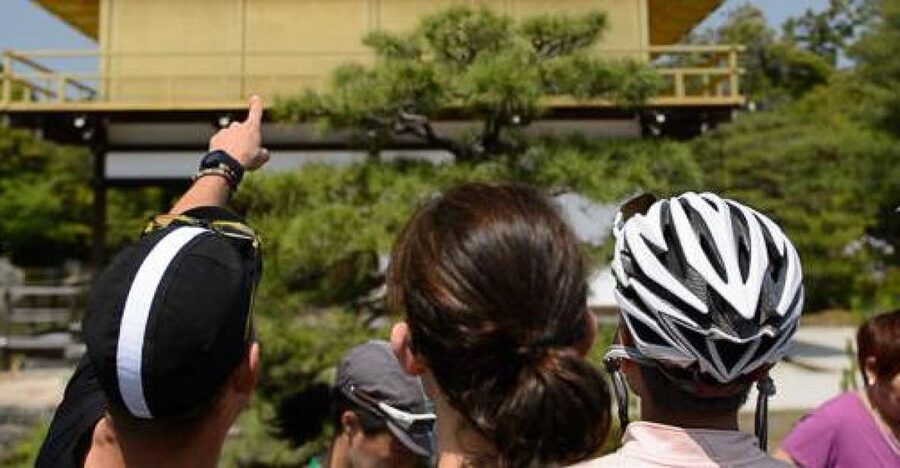
Kyoto slows down on two wheels. This 225-minute eBike tour strings together standout World Heritage temples and shrines with the kind of calm side-street pacing you don’t get on big bus days. It includes a stop at the Golden Pavilion, plus quieter Zen settings that feel worlds away from the crowds.
Two things I especially like: you get a real ride-through of Kyoto’s character, including the oldest geisha district areas, and then you shift gears into Zen calm—time to sit, breathe, and understand what you’re looking at. Guides such as Yuta and Shizuka are repeatedly praised for making Zen philosophy practical, not just poetic.
One consideration: this is still a bike tour. You need confident riding over mixed surfaces (including cobblestones and tighter turns), and the route may include a steeper stretch near the end—so it’s best if you’re comfortable on a bicycle.
In This Review
- Key things to love about Kyoto City Secrets on an eBike
- First stop: meeting at NORU and why the e-bike matters
- World Heritage temples and shrines: setting the scene before the quiet parts
- Golden Pavilion: the photo spot you’ll actually understand
- Through the oldest geisha district: atmosphere, streets, and etiquette
- The shrine of knowledge stop: reading Kyoto through learning culture
- Zen gardens: where the pace actually changes
- Tea at Daitoku-ji: a calmer stop that adds meaning
- The mochi stop: the snack that turns into a story
- Backstreets and traffic: how the route helps you feel safe
- Small group energy and guide style: what makes the day work
- Price and value: is $127 worth it?
- Who should book this e-bike Kyoto secret-spot tour?
- Quick reality check: logistics you should plan for
- Should you book Kyoto City Secrets on an eBike?
- FAQ
- What does the Kyoto City Secrets eBike tour include?
- Where is the meeting point?
- How long is the tour?
- How many people are in the group?
- What departure times are available?
- Is the tour suitable for beginners or kids?
- How much do you ride?
- What happens if it rains?
- How far in advance can I cancel?
Key things to love about Kyoto City Secrets on an eBike
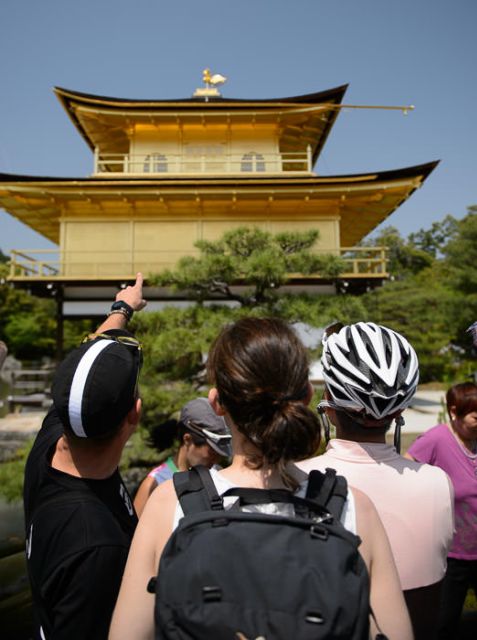
- Golden Pavilion time without the big-tour sprint—you’re on a schedule, but you’re not being herded.
- Oldest geisha district cycling that’s more about atmosphere than checklists.
- Zen Gardens stops where you actually pause, not just pass through.
- A tea moment at Daitoku-ji (for many departures) that adds context to Zen and daily life.
- Small groups (8 max) that make the ride feel friendly and manageable.
- Safety and pacing are built in, with guides adapting to how the group is doing.
First stop: meeting at NORU and why the e-bike matters
The whole idea behind this tour is that Kyoto is easier—and more enjoyable—when you ride rather than shuffle. With a small group and electric assist, you’re not white-knuckling every hill or arriving at temples drenched in effort. The day feels like a long neighborhood walk, except you’re traveling farther and seeing more corners of the city in the same time block.
I also like that the tour starts with major temples and shrines before you move into the calmer backstreets. That order helps you build a mental map fast: you see the headline sites, then you learn how to read the city’s quieter layout.
You’ll meet at Noru, and you’ll want to arrive early. The departure is scheduled at three times—9:00 am, 9:30 am, and 1:00 pm—and the operator says you should get there 15 minutes before. If you roll in right at departure time, you risk missing the tour.
More of Kyoto at handlebar pace

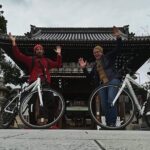
World Heritage temples and shrines: setting the scene before the quiet parts
The tour begins with stops at World Heritage temples and shrines. Even if you’ve seen Kyoto photos before, there’s a big difference between “looking at” a temple and understanding how it fits into the surrounding streets and daily routines. Starting this way also matters for your pacing: you get the iconic sights early, when you’re fresh, then spend the later part of the tour easing into smaller, calmer spaces.
What I think is smart here is the transition. The route gradually shifts from the best-known religious landmarks to tucked-away Zen environments. By the time you’re in the garden portions, you’re not wondering what you’re seeing—you’ve already learned the basics of what to look for.
Golden Pavilion: the photo spot you’ll actually understand
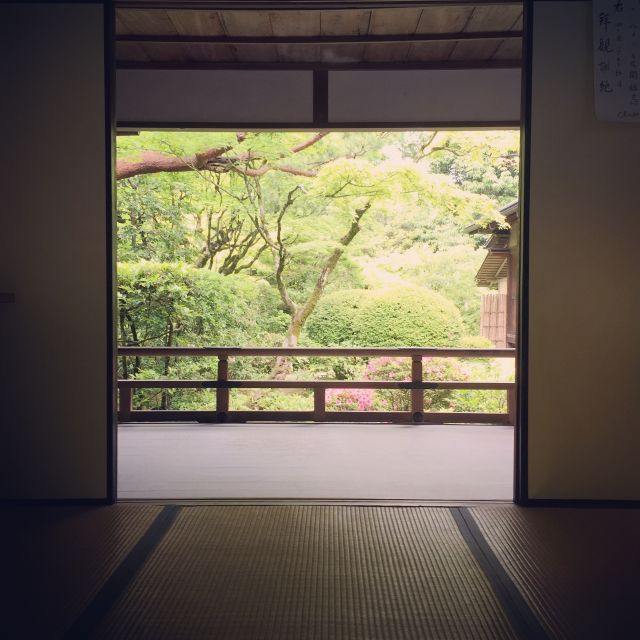
Yes, you can take the classic Golden Pavilion photo. But the best part is the sequence—how you reach it and what you learn while you’re there. The tour’s format isn’t about sprinting through. It’s about slowing down enough to notice how the setting works: the building’s presence, the surrounding grounds, and the way people move around it.
I like that this isn’t just a one-minute stop. You’re on an e-bike day with a real guide, so you get time to absorb meaning, not just scenery. Golden Pavilion is one of those places where a few well-timed explanations can flip it from “pretty” to “I get why this matters.”
Practical tip: if you’re sensitive to crowds, plan your expectations. You’ll be cycling through a popular area at some point. But because your route also includes quieter zones, the day doesn’t feel like one long wait.
Through the oldest geisha district: atmosphere, streets, and etiquette
One of the standout promises here is cycling through Kyoto’s oldest geisha district areas. This is valuable because it’s not only about temples. Kyoto’s traditions live in the streets, too—in the rhythm of neighborhoods, the way shops and small lanes shape foot traffic, and the etiquette built into everyday movement.
What you’ll likely notice is that cycling changes your perspective. On foot, it’s easy to get stuck behind crowds. By bike, you can flow through side streets at a controlled pace and see how the city breathes between major sights.
There’s also a safety and rules angle that you should take seriously. One rider’s advice stuck with me: pay attention to red traffic lights, stay left, and follow strict local road rules. In a city like Kyoto, a small mistake can become a big problem fast, especially when lanes narrow and bikes mix with pedestrians and local traffic.
The shrine of knowledge stop: reading Kyoto through learning culture
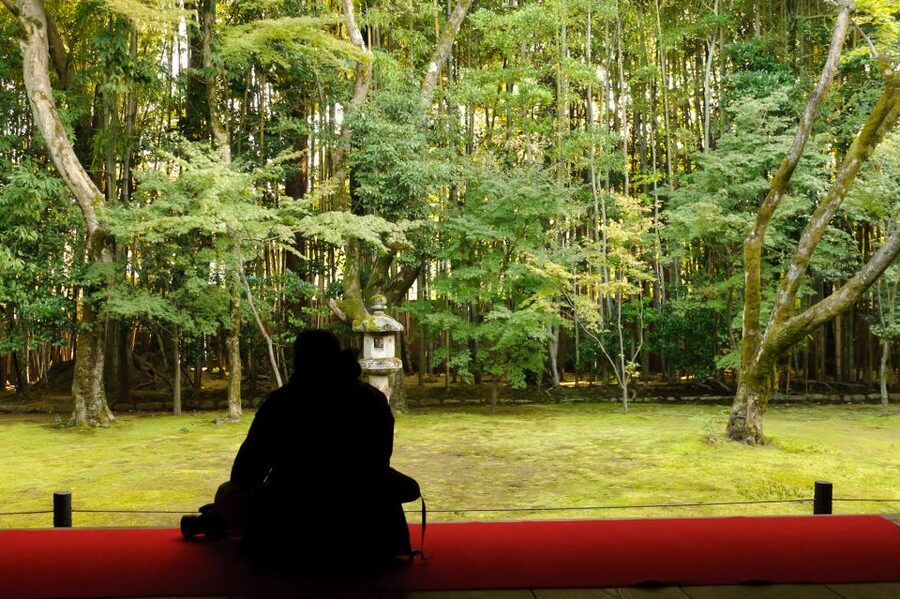
This tour includes a stop at Kyoto’s shrine of knowledge, which fits the theme of understanding—religion, learning, and daily customs. Even without getting lost in details, a shrine stop works well in an e-bike itinerary because it’s typically easier to reach and easier to pace than a longer wandering day.
Here’s what makes this kind of stop click for me: Kyoto’s religious sites aren’t isolated museum pieces. They’re part of how people think about the future—school, work, and personal progress. When a guide connects that to what you see on the grounds and in the rituals around you, the whole day stops feeling like a checklist.
Other Kyoto tours and experiences to compare
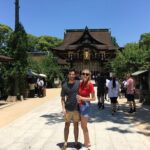

Zen gardens: where the pace actually changes
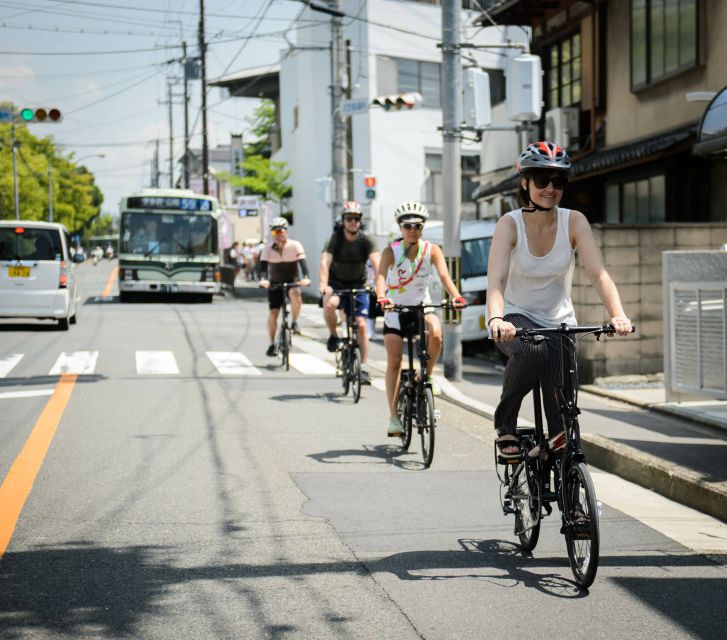
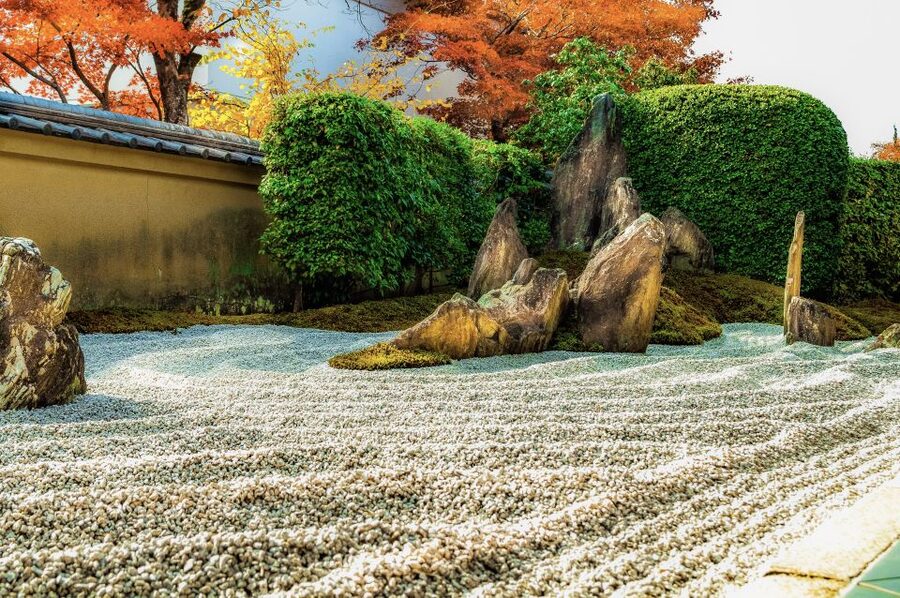
This is the part of the tour I’d mark as essential: the day ends up in Zen Gardens, and not as a drive-by. The highlight here is that you “sit, relax, and expand your mind”—basically, the schedule makes room for stillness.
In my experience, Kyoto can feel intense because there’s so much to see. Zen gardens balance that out. You get a visual vocabulary—rocks, plants, water features where present—and you’re encouraged to slow down enough to notice how the space is composed. That shift is what makes this tour feel like it’s doing more than transportation.
Many guides are praised for connecting the setting to Zen philosophy. Names that come up often include Shizuka and Yuta, with guides explaining Zen ideas in a way that helps you form your own impression rather than memorizing talking points.
Tea at Daitoku-ji: a calmer stop that adds meaning
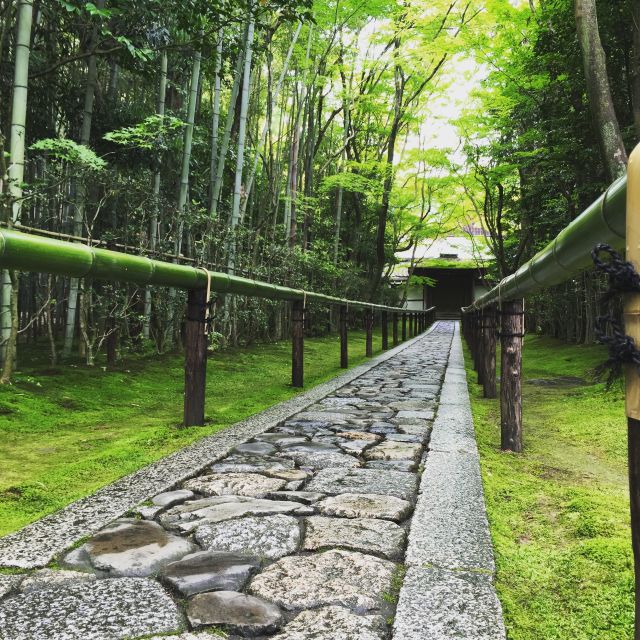
For many departures, the tour includes a tea moment at Daitoku-ji. That matters because tea in Kyoto isn’t just a break—it’s tied to ritual and respect for atmosphere. When you sit with tea after cycling through temples and gardens, the day’s theme clicks into place: you’re not just traveling; you’re experiencing a way of thinking.
Even if you’re not a tea expert, you’ll likely appreciate the way the guide frames it. Riders consistently highlight that the tea stop doesn’t feel random. It ties back to the Zen and temple context you’ve already seen.
The mochi stop: the snack that turns into a story
A big favorite on this tour is the food pause—especially a mochi stop described as around 1,000 years old. People mention an old family-owned mochi spot and also a 1,000-year-old cafe-style break. Either way, you get something simple and delicious, plus a bit of history that makes the treat feel connected to place.
This is one of those moments that makes the tour feel human. You’re not eating because it’s time to eat. You’re eating because Kyoto has food traditions that reflect continuity—small tastes passed along through generations.
If you have dietary needs, you might find it wise to ask ahead. The tour data doesn’t spell out options, but since this is a specific stop, it’s smart to confirm what’s available for your needs.
Backstreets and traffic: how the route helps you feel safe
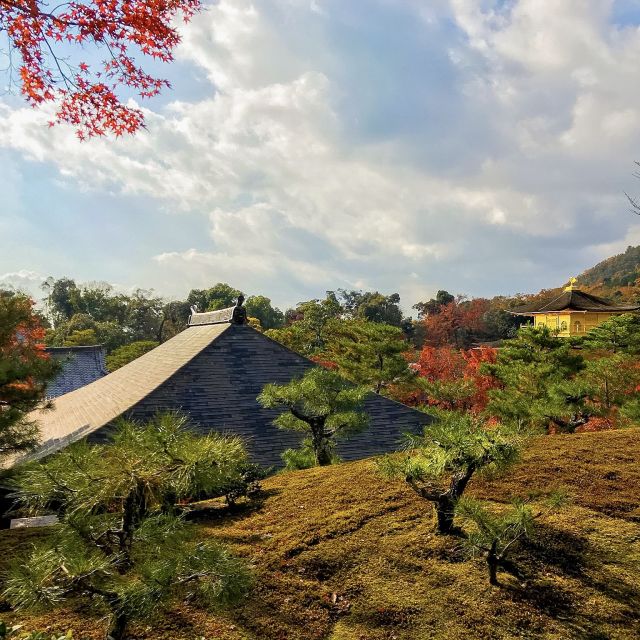
Kyoto has busy zones. The tour’s main strategy is to use leisure pacing and side streets so you can avoid the worst traffic hassles. Multiple riders mention that the bike route is well chosen, so they didn’t feel like they were fighting traffic the whole time.
That’s not just comfort—it changes how you experience the city. When you aren’t tense from cars and crowds, you notice details: shop signs, temple walls you’d never see on a straight-through walking route, and the way locals use small lanes.
Still, keep the bike skill factor in mind. One careful note from a rider: some terrain can get technical—rapid descent, cobblestone paths, and tight turns, especially toward the end. The e-bike helps, but it doesn’t eliminate the need to steer smoothly and brake confidently.
Small group energy and guide style: what makes the day work
This tour caps at 8 participants, which is the sweet spot for a bike route. It’s big enough that you have energy, but small enough that the guide can watch how everyone is doing. People often mention that guides remember names and guide gently, with clear instructions.
Guide names that show up across departures include Michael, Henry, Shizuka, Yuta, and Sean. The repeating theme is that the guide doesn’t just list facts. They help you understand what you’re seeing, and they adapt the pace if the group needs adjustments—especially in heat.
One practical thing that comes up: water and breaks. Riders describe the guides as mindful about comfort, which matters in Kyoto’s summer months and even in spring when you’re outside longer than you expect.
Price and value: is $127 worth it?
At $127 per person for a 225-minute outing, you’re paying for more than bike rental. The tour includes an English-speaking guide, bikes, helmets, and entrance fees to attractions. That bundle is part of the value.
Here’s how I’d think about it: Kyoto can be expensive if you piece together your own day—guide time, attraction tickets, and transportation hassles all add up. This tour compresses the heavy planning into one booking and reduces the stress of navigating by yourself, especially in neighborhoods where the “right way” isn’t obvious if you don’t ride.
You also get the e-bike benefit: you cover about 9 km, but you spend the day feeling relaxed instead of exhausted. For many people, that changes the whole experience from “I saw stuff” to “I enjoyed the city rhythm.”
So yes, $127 isn’t a bargain-basement deal. But for an organized afternoon that combines major sights, Zen calm, entrance fees, and a low-stress ride format, it’s fair value—especially for groups that want more than standard walking tours.
Who should book this e-bike Kyoto secret-spot tour?
This works best if you:
- Want to see Kyoto beyond the most crowded photo stops.
- Like the idea of mixing major temples with quiet Zen garden time.
- Can ride a bicycle confidently and handle occasional cobblestones and turns.
- Appreciate context—religion, philosophy, and neighborhood culture explained clearly.
It may not be the best fit if you:
- Prefer totally flat, slow walking only.
- Aren’t comfortable controlling a bike during tighter turns or short steeper stretches.
- Are smaller than the stated minimum height (under 4 ft 6 in / 140 cm).
Quick reality check: logistics you should plan for
Arrival time matters because the tour is time-bound. You’ll want to show up well before departure so you’re not rushed at check-in and safety briefing.
Also, this is weather-dependent. The operator reserves the right to cancel due to heavy rain, storms, or inclement weather, and those cancellations are refunded 100%. That’s a relief in Kyoto—because the city can swing from sunny to wet quickly.
Should you book Kyoto City Secrets on an eBike?
I’d book it if you want a Kyoto day that balances iconic highlights with calm, thoughtful pauses. The Golden Pavilion and Zen Gardens combo is a strong promise, and the small group format plus English guidance makes it feel manageable.
I’d hesitate only if you’re unsure about bike control on mixed surfaces. The e-bike helps with effort, but it doesn’t remove the need to steer confidently.
If you’re planning Kyoto for the first time, you might still pair this with one bigger walking-oriented day. If you’ve been once already—or you want a second Kyoto afternoon that feels more local and quieter—this tour is the kind of “yes” you’ll remember.
FAQ
What does the Kyoto City Secrets eBike tour include?
It includes an English-speaking guide, e-bikes, helmets, and all entrance fees to the attractions on the route.
Where is the meeting point?
Meet at NORU.
How long is the tour?
The duration is 225 minutes (about 3 hours and 45 minutes).
How many people are in the group?
It’s a small group limited to 8 participants.
What departure times are available?
There are three departure times: 9:00 am, 9:30 am, and 1:00 pm.
Is the tour suitable for beginners or kids?
The ride is designed for anyone over age 13 who can ride a bicycle confidently. It is not suitable for people under 4 ft 6 in (140 cm).
How much do you ride?
The route is about 9 km on e-bikes.
What happens if it rains?
The supplier may cancel due to heavy rain, storms, or inclement weather, and cancellations are refunded 100%.
How far in advance can I cancel?
Free cancellation is available up to 24 hours in advance for a full refund.
More Tours in Kyoto




More Tour Reviews in Kyoto


More of Kyoto by Bike

Just added: more Kyoto tours to browse








Kyoto Bike & E-Bike Tours, compared.
 ★ 5.0Hidden Kyoto E-Biking tourFrom $1161,843 reviews
 ★ 5.0Bike Tour Exploring North Kyoto plus LunchFrom $1061,087 reviews
 ★ 5.0Arashiyama Bamboo Forest & Hidden Gems Bike Tour (Early Bird)From $106613 reviews
 ★ 5.05 Top Highlights of Kyoto Full Day Bike Tour (E-bike option)From $172511 reviews
 ★ 5.0Full Day Biking Tour Exploring the Best of KyotoFrom $119498 reviews
 ★ 4.8Memory Kyoto E-Bike TourFrom $91297 reviews
 ★ 5.0E-Bike Tours of the highlights of Kyoto!!!From $109291 reviews
 ★ 5.0Afternoon Kyoto Bike Tour: Bamboo Forest, Monkeys & Hidden SpotsFrom $106283 reviews
Browse the lists this tour appears in