
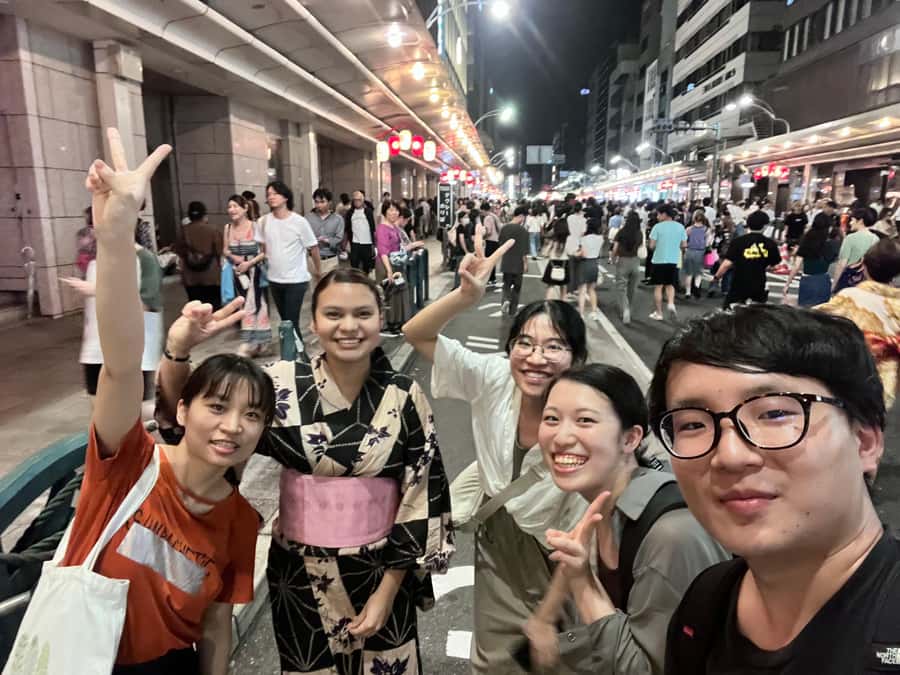
Reviewed · KYOTO PRIVATE GUIDED TOURS
Customized Private Tour with a Local Guide
Kyoto is easier with a human plan. A private local guide turns the city into something you can actually follow, with a customized itinerary built around your interests and speed. I especially like the fact you can shape the day on the fly, rather than marching through Kyoto on someone else’s schedule. I also love the hands-on help with where to eat, drink, and shop, plus guidance you can use even after the tour ends.
One thing to consider: this tour uses public transport, not a private car. That’s great for experiencing Kyoto the normal way, but it also means more time moving between areas and more walking at the big shrine spots—so wear good shoes and plan for your legs to work.
In This Review
- Quick hits before you go
- Why This Private Kyoto Tour Feels Worth It
- Meeting Up: Kyoto Station, Gion-Shijo, or Shijō Station
- The Real-World Transport Plan: Trains, Transfers, and No Private Car
- Kenninji Temple: A Calm Start With Zen Atmosphere
- Yasaka Shrine: Classic Kyoto Energy, With Context
- Fushimi Inari Taisha in One Hour: How to Do the Famous Torii Paths
- Food, Drinks, and Shopping Tips That Make Kyoto Feel Navigable
- Price and What You’re Really Paying For
- Who This Tour Fits Best (and Who Might Want Another Option)
- A Note on the Guide’s Style (What You Can Expect)
- Should You Book This Private Kyoto Tour?
- FAQ
- How long is the Kyoto private tour?
- Where can the guide pick me up?
- What major places are included in the day?
- Do you use a private car?
- What languages does the guide speak?
- What’s included in the price, and what’s not?
- What should I bring for the tour?
- Is this tour wheelchair accessible?
- What are the cancellation rules and payment options?
Quick hits before you go

- Your day is truly customized around your interests, not a fixed checklist
- Pickup is flexible with options at Kyoto Station, Gion-Shijo Station, or Shijō Station
- You’ll move by train and transfers, which keeps things realistic and budget-friendly
- Big-name shrines plus calmer moments depending on what you want to see
- Real local tips for food, drinks, and shopping during and after the tour
- Guide language is Japanese or English, depending on the pairing
Why This Private Kyoto Tour Feels Worth It
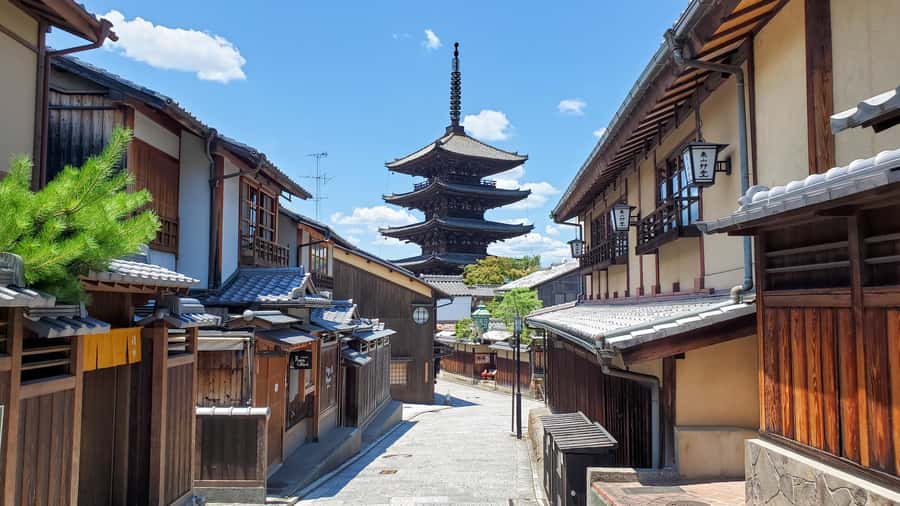
Kyoto can be overwhelming fast. Stations are confusing, streets twist, and even when you know the names of places, figuring out the best order takes time. This private setup solves that. You get someone local to translate the city into a logical day—while still letting you steer the wheel.
The customization matters more than you might think. If you want temples and atmosphere, say so. If you’re more interested in neighborhoods, shopping streets, or calmer lanes between famous sights, tell the guide early. And if you tend to move quickly (or slowly), your day can match your pace. That flexibility is exactly what makes private touring feel less stressful and more like your own Kyoto.
A guide also helps you avoid the common mistake of seeing Kyoto as a set of photos instead of a place. With a local guide, you’ll hear practical context—what you’re looking at, why it matters, and how the area works—so the sights land with more meaning.
One extra benefit I really value: you get tips for what to do after the tour. That means your day doesn’t end when the walking ends. You leave with a clearer plan for the rest of your Kyoto time, even without a guide.
Have a local lead the way on more Kyoto tours

Meeting Up: Kyoto Station, Gion-Shijo, or Shijō Station
This tour starts with pickup at one of three places: Kyoto Station, Gion-Shijo Station, or Shijō Station. Picking the closest station can save you time and energy, especially if you’re transferring from another part of Japan or navigating your first day in Kyoto.
There’s also a practical scheduling piece: you choose your preferred start time, and duration is typically 6 to 8 hours. Since starting times depend on availability, I recommend booking as early as you can so you have more choices and can match your energy level to the plan.
Before you meet up, give the guide a list of interests. Do this in plain language. Instead of only saying temples, add what kind: serene and quiet, historic and symbolic, or just the best photo viewpoints. If you’re returning to Kyoto, tell them what you already saw. Returning visitors can get a lot more value from a tailored approach—especially when you want to spend time where you haven’t been yet.
And yes, this is a private group. That means you’re not negotiating with strangers over pace, bathroom breaks, or which street you want to walk down next.
The Real-World Transport Plan: Trains, Transfers, and No Private Car
Here’s the operating style: the guide meets you at your chosen pickup location and you move using public transport, not a private car. The day includes a sequence of transit segments—about 30 minutes on train, then 40 minutes on train, plus transfers of around 45 minutes to reach Kenninji Temple and about 30 minutes to get to Yasaka Shrine.
Why does this matter for you?
- Public transport keeps the day moving efficiently between major Kyoto areas.
- It also reduces the cost compared with car-based touring (even though you’ll still handle your own transport fares).
- It makes the trip feel like Kyoto, not a bubble.
What might surprise you: public transport + shrine areas can mean more total walking than you expect, plus some stairs. Wear comfortable shoes and bring water. If you’re the type who gets sore easily, consider whether a 6-to-8-hour day is a good match for your current stamina.
Also note what’s not included: transportation costs aren’t included, and entrance fees aren’t included either. The guide still helps you get where you need to go, but you should be ready to pay transit fares and any ticketed entry you choose to handle on the day.
Kenninji Temple: A Calm Start With Zen Atmosphere
Kenninji Temple is one of those Kyoto stops where the area can feel quieter and more grounded compared with the main tourist lanes. It’s a great choice early or mid-day because it gives your Kyoto senses a reset—especially if you’re spending time later around busier shrine districts.
In this tour flow, you reach Kenninji Temple after a longer transfer segment, then spend time there with your guide. The value of this stop is less about rushing through a famous gate and more about understanding what you’re seeing—what kind of place it is and what the experience means in Kyoto.
If you’re curious, this is also a moment to ask your guide to point out details you might miss on your own. Even without going into technical terms, a good guide can help you look at the same building and notice different things: the style, the purpose of the space, and how the temple fits into the neighborhood.
One practical tip: treat this like a walking-and-looking stop, not a quick photo stop. Build in a little breathing room. Kyoto’s best temple moments often happen when you slow your eyes down.
Yasaka Shrine: Classic Kyoto Energy, With Context
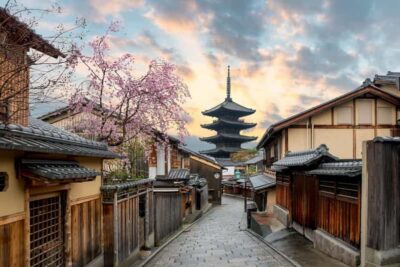
After Kenninji, the tour moves toward Yasaka Shrine. This area is well known, and it’s the kind of place where Kyoto’s mix of the old and the everyday becomes visible. You’ll typically see people arriving with purpose—some for a quick visit, others lingering in the neighborhood vibe.
The guide’s role here is important. A shrine can be visually impressive, but without context it can also feel like just another stop. With a local guide, you’re more likely to understand what you’re looking at and why the place matters.
This is also a strong spot to ask for practical direction. If you want suggestions for nearby food or drink afterward, this is a good time to get them—because you’ll be in the right part of town to act on that advice.
Drawback to keep in mind: Yasaka Shrine and its surroundings can mean more crowds than Kenninji. If you prefer quieter experiences, tell your guide you’d like a slightly calmer route through the area, or ask for times of day when it feels less packed.
Other Kyoto tours and experiences to compare

Fushimi Inari Taisha in One Hour: How to Do the Famous Torii Paths
The final major stop is Fushimi Inari Taisha, visited for about 1 hour. This is the Kyoto site most people recognize immediately: the famous torii gates and the sense that you’re walking through a shrine path rather than just viewing a landmark from the edge of the crowd.
One hour sounds short, but it can be a workable window if your guide helps you choose your path and pace. The trick with Fushimi Inari is not trying to do everything. You want the feeling of the place without turning it into a sprint.
Here’s what I recommend asking your guide before you start walking:
- Do you want an easy route with fewer steps, or are you okay going upward on stairs?
- Where should you focus if your time is limited?
- What should you notice as you move between areas?
Your guide can also help you avoid wasted time by steering you toward the most satisfying parts of the experience for your energy level. That’s especially valuable because you’re ending the tour with drop-offs at Shijō Station, Gion-Shijo Station, or Kyoto Station, depending on what you selected.
Food, Drinks, and Shopping Tips That Make Kyoto Feel Navigable
A big part of the value here isn’t the temples—it’s what your guide teaches you to do next. You’ll get tips on where to eat, drink, and shop, and you’ll leave with local guidance that helps you travel easily even after the tour without a guide.
I find these tips matter because Kyoto is full of small decisions: which street to walk for snacks, where to find simpler meals when you’re tired, and how to shop for souvenirs that don’t feel like standard mass-market kitsch. A guide can also help you think about what to prioritize based on what you actually like.
There’s also a timing advantage. If you’re smart about it, you can use recommendations right away, not hours later when your energy has dropped. For example, ask what to try nearby after Yasaka Shrine. Then you can eat while the day still feels easy and the neighborhood is still part of your route.
And if you’re the type who likes to snack while exploring, bring that up. Your guide can shape the day so you’re not forced to choose between seeing the next shrine and finding a place to recharge.
Price and What You’re Really Paying For
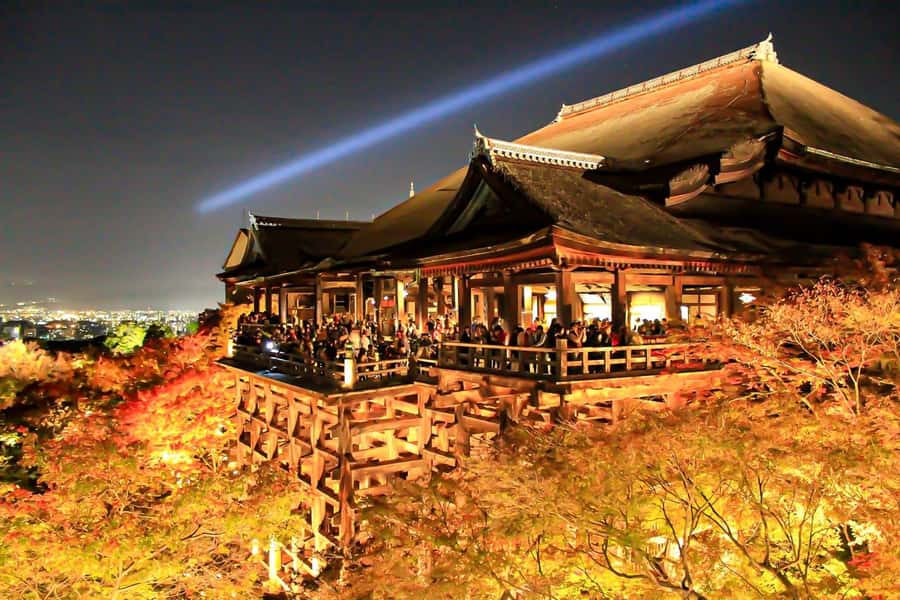
The price is $168 per person for a 6 to 8 hour private tour. That’s not the cheapest way to do Kyoto. But you are buying something specific: a private local guide, a customized plan, and local information that you can use beyond the tour.
Here’s the key value math. You’re covering the guide’s time and expertise, plus pickup coordination, plus on-the-spot itinerary changes. If you’re a first-timer, that reduces planning stress. If you’re a returning visitor, it can rescue your schedule by focusing on what you haven’t done yet.
Be sure you also budget for what’s not included:
- Meals
- Transportation costs (since you use public transport)
- Entrance fees
That’s normal for private tours in Japan, but it affects your total spending. I’d treat the $168 as the guide and planning cost, then add a realistic daily estimate for transit fares, tickets if needed, and food.
Who This Tour Fits Best (and Who Might Want Another Option)
This experience is especially strong for:
- First-time Kyoto visitors who want a clear starting point and an order that makes sense
- Returning visitors who want a tailored plan rather than redoing famous stops the same way
- People who value pace control—wanting to linger, skip, or adjust without negotiation
- Anyone who wants real, practical advice for meals and shopping, not just descriptions of buildings
It’s also a good fit if you like the idea of learning how to move around Kyoto independently. The guide doesn’t only show you places; you also get tips so you can keep exploring afterward.
Two practical considerations to factor in:
- It’s not suitable for wheelchair users per the provided notes, even though it also says wheelchair accessible. That contradiction means you should check details before booking if mobility is an issue.
- The day involves long transit segments and walking at major shrine areas. If you’re sensitive to steps or long distances, plan accordingly.
A Note on the Guide’s Style (What You Can Expect)
In prior feedback, one of the guides named Steven is praised for customizing the tour to both interests and speed. There’s also mention of strong communication and sharing background information so the stops connect into a fuller picture, not just a list of sights. Another standout theme is that the experience can feel friendly and personal—like you’re touring with someone who understands what you want to see.
That kind of guide style is exactly what you want in a place like Kyoto. The city rewards attention to detail, and it helps when your guide shares context in a way that keeps you moving comfortably.
Should You Book This Private Kyoto Tour?
If you want a Kyoto day that feels organized but not rigid, I’d book this. The combination of private guide, customization, and practical food/shop tips is the sweet spot—especially if you’re trying to avoid decision fatigue in a city that already has enough to figure out.
I’d hold off if you’re trying to do Kyoto on a strict budget that can’t stretch to transit fares and entry fees, or if mobility issues make stairs and long walking a problem. Also, because the tour relies on public transport and has a limited one-hour window at Fushimi Inari, it may not satisfy anyone who wants to spend half the day hiking a huge route there.
FAQ
How long is the Kyoto private tour?
The tour duration is listed as 6 to 8 hours. Starting times depend on availability.
Where can the guide pick me up?
Pickup is available at Kyoto Station, Gion-Shijo Station, or Shijō Station.
What major places are included in the day?
The day includes Kenninji Temple, Yasaka Shrine, and a visit to Fushimi Inari Taisha.
Do you use a private car?
No. The guide will meet you at the pickup location and use public transport.
What languages does the guide speak?
The live tour guide is available in Japanese and English.
What’s included in the price, and what’s not?
Included: a private tour guide, a customized tour plan, and local information. Not included: meals, transportation costs, and entrance fees.
What should I bring for the tour?
Bring comfortable shoes, water, and comfortable clothes.
Is this tour wheelchair accessible?
The information includes both that it is wheelchair accessible and that it is not suitable for wheelchair users. If you rely on wheelchair access, check with the provider before booking to confirm practical details.
What are the cancellation rules and payment options?
You can cancel up to 24 hours in advance for a full refund. You can also reserve now and pay later.
More Tours in Kyoto

More Tour Reviews in Kyoto
More Private Tours of Kyoto

Just added: more Kyoto tours to browse





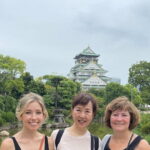
Kyoto Private Guided Tours, compared.
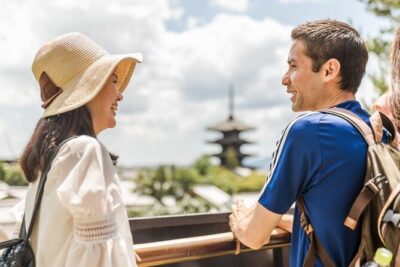 ★ 5.0Private Kyoto Tour with a Local, Highlights & Hidden Gems, PersonalisedFrom $1021,543 reviews
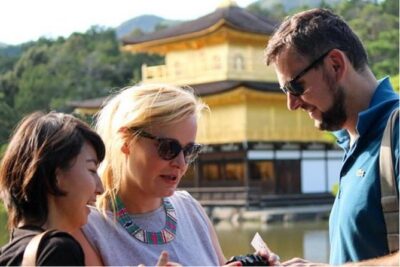 ★ 5.0Kyoto 6hr Private Tour with Government-Licensed GuideFrom $1551,369 reviews
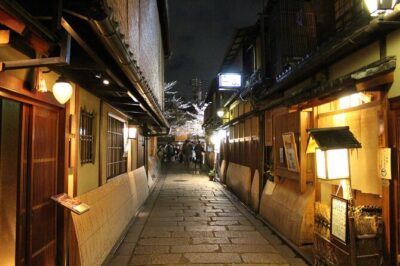 ★ 5.010 Must-see Spots in Kyoto One Day Private Tour (up to 7 people)From $1791,108 reviews
 ★ 5.0Kyoto 4hr Private Tour with Government-Licensed GuideFrom $109629 reviews
 ★ 4.8Private Tour with Local Licensed GuideFrom $106463 reviews
 ★ 5.0Private Kyoto Tour with Licensed Guide & Vehicle (Max 15 persons)From $634417 reviews
 ★ 5.0Kyoto Customized Private Tour: See Top Attractions in 1 DayFrom $132342 reviews
 ★ 4.6Kyoto/Osaka: Kyoto and Nara Customized Private Guided TourFrom $477258 reviews
Browse the lists this tour appears in