
Reviewed · KYOTO PRIVATE GUIDED TOURS
Customized Private Kyoto Tour by a local tour guide
Kyoto feels like a puzzle you can actually solve. This private tour turns the usual must-see list into a custom plan shaped for you, not a cookie-cutter route. I like that your guide isn’t just reciting facts, either—they’ll share on-the-ground Kyoto tips as you go, including how to move through crowded areas with less stress.
Two standouts make this one worth your time: the walk through the thousand red torii at Fushimi Inari, and the chance to see the dragon ceiling at Kennin-ji. One thing to consider: the tour route includes several timed stops, so you’ll want to be comfortable with walking and keep in mind that transportation and most food costs are not included.
In This Review
- Key highlights
- Why a private Kyoto tour feels smarter than a checklist
- Price and value: what you’re paying for (and what you’re not)
- Your 5–6 hours: how the day is structured
- Fushimi Inari-taisha: the torii walk and how to enjoy it
- Kennin-ji Temple: a ceiling detail you won’t forget
- Gion district: streets to wander, plus a real meal break
- Kiyomizu-dera: big views, wish moments, and time to walk around
- The human-relations shrine and the Gion Festival anchor
- Shijo Kawaramachi: city-center strolling with guide-powered ideas
- How your guide helps beyond the sites
- What to watch for: walking, entrances, and where the costs add up
- Pickup, timing, and practical logistics that matter
- Who this Kyoto tour suits best
- Should you book this private Kyoto tour?
- FAQ
- How long is the Kyoto private tour?
- Is this a private tour?
- Is pickup offered?
- What are the operating hours?
- Where do I meet the guide?
- What admissions are free or included?
- Are food and drinks included?
- Does the tour include transportation in the price?
- Can I cancel for a full refund?
- Are service animals allowed?
Key highlights
- A fully customized private plan built for first-timers or repeat visitors
- Fushimi Inari with free entry for this stop and a photo-friendly torii experience
- Kennin-ji’s dragon ceiling with admission included
- Gion + Shijo Kawaramachi for classic Kyoto streets, shops, and guide-backed meal ideas
- Kiyomizu-dera area with included admission and big city views
- Local guide support beyond the temples, like taxi help and SIM advice
Why a private Kyoto tour feels smarter than a checklist
Kyoto has a way of overwhelming you—temples are everywhere, lines can be long, and distances add up faster than you think. The best part of a private setup is that you get a plan that matches your pace and your priorities. Your guide builds the itinerary based on their long experience living in Kyoto for over 20 years, so you’re not stuck following someone else’s idea of what matters most.
I also like how the tour is designed to help you travel easier even without a tour guide. That means you’re not only learning where to go, but also how to navigate once you’re back on your own. You’ll get local context, plus practical advice for what to do next—especially useful in areas like Gion and the city center where it’s easy to lose time wandering without a goal.
The route is also a good length. At about 5 to 6 hours, you get meaningful sights without burning an entire day. It’s enough time to enjoy Kyoto’s atmosphere, but not so long that you feel like you’re surviving a nonstop march.
Have a local lead the way on more Kyoto tours


Price and value: what you’re paying for (and what you’re not)
The price is $171.91 per person, and it’s often booked around 46 days in advance. That timing matters because private guides are easier to secure when you plan ahead—Kyoto demand can spike, and you’ll want the flexibility to pick a day and time that works for your schedule.
Here’s what you’re really buying with this tour:
- A private local guide who adapts the plan to you
- Customization, including options for first-timers who want must-sees and visitors who want a more tailored flow
- Practical support, like help booking a taxi or advice on buying a SIM card
- Some temple admissions are listed as included for specific stops
What you should budget separately:
- Transportation fee (the listing says transportation isn’t included)
- Food and drinks
- Tips (optional)
- Car and driver (not included)
- Entrance fees are listed as not included overall—though your itinerary explicitly marks admissions as free or included at certain temples
The key value point is that the guide’s job isn’t just to get you to photo spots. In the real world, the guide helps you decide how long to spend, when to pause, and where to eat so your day feels intentional instead of random.
Your 5–6 hours: how the day is structured
This tour is organized around a classic Kyoto flow: start with the iconic gate walk, move into temple detail, then shift into neighborhood strolling. You’ll spend time at big hitters and also stop at shrine moments that feel like part of the fabric of Kyoto life—not just stand-alone attractions.
A typical pacing looks like this:
- Fushimi Inari-taisha Shrine: about 1 hour
- Kennin-ji Temple: about 30 minutes
- Gion: about 2 hours, with a rest and food break
- Kiyomizu-dera Temple: about 30 minutes
- Additional shrine and city-center walking that rounds out the day, plus Shijo Kawaramachi around 2 hours
The day works well for first-timers because it hits the obvious names. It also works for returning visitors because the guide can shape the route around what you care about most.
Fushimi Inari-taisha: the torii walk and how to enjoy it
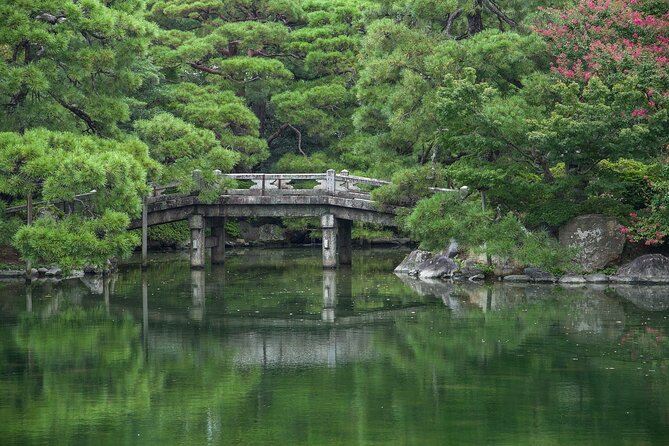
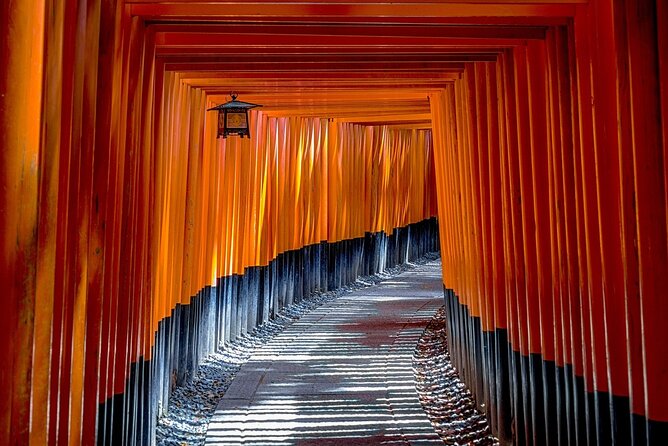
The tour starts at Fushimi Inari-taisha Shrine, where you’ll be surrounded by the world-famous thousand red gates. This is one of Kyoto’s most recognizable scenes, but it can still be a letdown if you rush it. The way to avoid that? Treat it like a walk with layers: the first section feels like pure spectacle, then it becomes slower, more atmospheric as you move deeper.
Your time here is about 1 hour, which is a comfortable window. You’ll have enough time for the big photos and a real stroll without feeling trapped in a long queue-style experience. And because admission for this stop is listed as free, you can focus on enjoying the setting rather than budgeting for entry.
One practical note: torii paths can be crowded depending on the hour. If your schedule allows, your guide’s local timing choices can help you spend less time shoulder-to-shoulder and more time looking up at the red gates.
Kennin-ji Temple: a ceiling detail you won’t forget
Next comes Kennin-ji Temple, a short stop at about 30 minutes. What makes this one special is the kind of detail most people miss when they only snap a quick exterior photo.
The highlight here is the ceiling painting of a dragon. That’s the sort of thing you notice when someone points your attention in the right direction. With a guide, you’re more likely to slow down and look upward, where the artistry is.
This stop also lists admission ticket included, so you can keep moving without stopping to figure out what’s covered. At this point in the day, you’ll feel the tour shift from wide-open spectacle into quieter craft and atmosphere—an important balance in Kyoto.
Other Kyoto tours and experiences to compare


Gion district: streets to wander, plus a real meal break
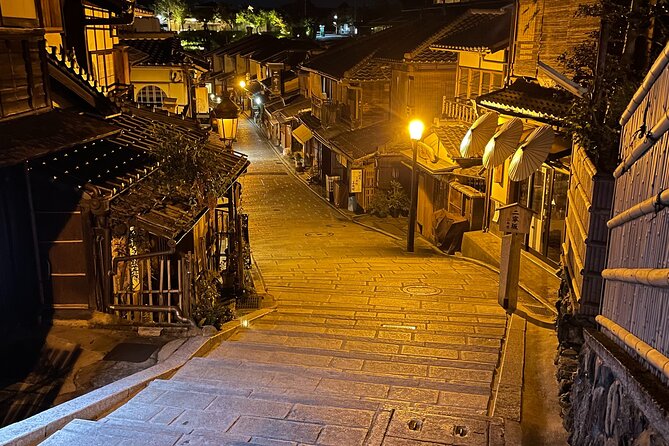
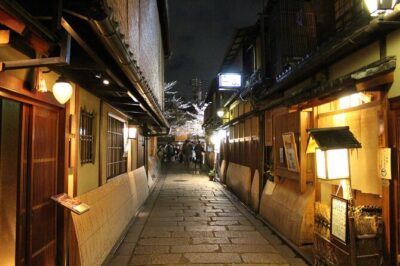
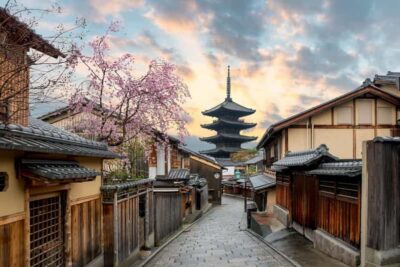
Then you’ll head to Gion, one of Kyoto’s oldest districts. Expect about 2 hours of walking around traditional buildings, checking out shops, and taking photos. This part is less about one specific monument and more about letting the neighborhood do its job: you get atmosphere in every turn.
What I especially like about having this in your itinerary is that it includes a rest and a chance to grab food. Gion can drain you if you keep moving nonstop, so the built-in pause is practical. Your guide can also suggest what to eat and where, which matters in Kyoto because menus and options can feel confusing when you’re tired.
You may also pick up small cultural context as you go. The tour is meant to help you understand what you’re seeing, not just check boxes.
Kiyomizu-dera: big views, wish moments, and time to walk around
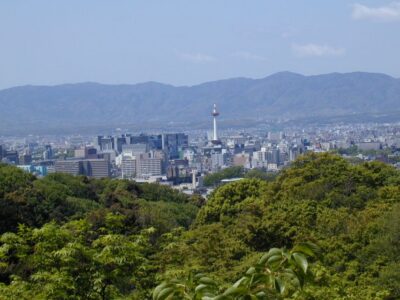
Kiyomizu-dera Temple is one of Kyoto’s must-visits, and the tour gives you about 30 minutes there plus time in the surrounding area before and after. That timing is useful because you’re not limited to a single interior moment. The views over Kyoto city are a major draw, and the walk up to the temple area sets the mood.
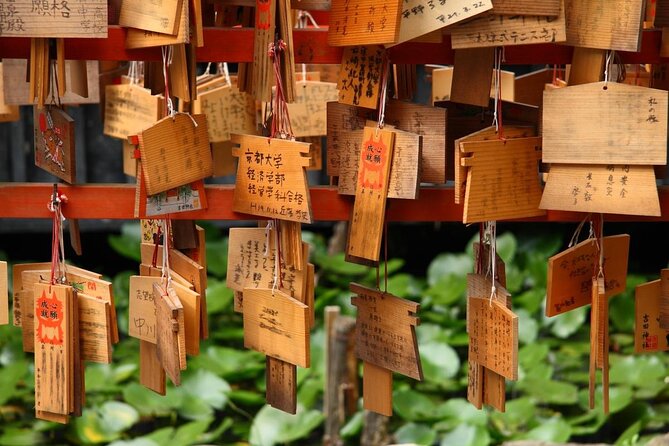
There’s also a shrine element built into this stretch: you’ll be able to take cute photos after making a wish. In Kyoto, wish shrines are common, but the experience becomes more meaningful when you know what you’re doing and why it’s there. With a guide, you’re more likely to follow the moment rather than feeling like you’re just watching a ritual from the outside.
Admission for Kiyomizu-dera is listed as included, which is a nice bonus when you’re trying to keep the day easy on logistics. Just keep your expectations realistic: 30 minutes flies by if you stop for photos every two steps. This is where a local guide helps you pick the right balance of view time and movement.
The human-relations shrine and the Gion Festival anchor
Between Kiyomizu and the city-center walking, the route includes shrine stops that add meaning beyond postcard Kyoto.
One stop is described as a shrine related to human relations, where making a wish is connected with cutting off bad relations and gaining more good ones. Another stop is located at the end of the Shijo main street, described as the heart of the Gion Festival and an important shrine in Kyoto. Even without obsessing over the exact names, these stops give you a sense of how shrines are tied to everyday life and local identity.
I like that these moments break up the day. Temples are dramatic; shrines can be quieter, more personal. They also tend to feel less like you’re entering a tourist attraction and more like you’re participating in a tradition that locals still care about.
Shijo Kawaramachi: city-center strolling with guide-powered ideas
After the temple and shrine time, you’ll shift into the Shijo Kawaramachi area for about 2 hours of walking in Kyoto’s city center. This is a great fit for travelers who want to do more than just see monuments. You’ll look through shops, and your guide can offer ideas for what to eat or what to see on another day.
This portion is also useful because it helps you “connect the dots.” If Kyoto’s sights felt scattered earlier, city-center walking makes the layout feel more understandable. Plus, after a few temple stops, you’ll likely appreciate a change of pace—shops, street life, and places to plan your evening.
Your guide’s local tips are especially helpful here. One of the guide stories from this experience stands out: Steven is described as funny and knowledgeable, and he even helped find a restaurant for New Year’s Eve. That kind of real-life advice is gold in Kyoto, where popular spots can be hard to secure on short notice.
How your guide helps beyond the sites
The tour is built around a local guide who does more than escort you. You get support with everyday planning tasks like booking a taxi and buying a SIM card. That might sound minor, but in Japan it often turns into time you don’t have to waste. You’ll arrive at shrines and districts already feeling set up.
And the guide personalities matter. Another highlight: Toshiki is praised for knowing Kyoto’s most interesting sites and explaining each stop clearly and in a way that’s easy to understand. If you want a day that feels smooth and not like you’re decoding a schedule in your head, that communication style is a big deal.
Also, because it’s private, your guide can respond to you. If you want more photo time at Fushimi Inari, or you’d rather linger longer around Gion’s streets, the structure is there to adapt.
What to watch for: walking, entrances, and where the costs add up
Kyoto is walk-heavy. Even when the stop durations look short on paper, the real time includes transitions, crowd navigation, and photo stops. If you plan to do lots of extra sightseeing on your own afterward, you’ll want to keep energy in mind.
Cost-wise, watch the difference between what’s free, what’s listed as included, and what’s not covered. For this route:
- Fushimi Inari is listed as free entry
- Kennin-ji is listed with admission ticket included
- Kiyomizu-dera is listed with admission included
- Gion and Shijo Kawaramachi are listed as admission free in the route description
- Other shrine moments are part of the route, but the listing doesn’t say every single specific fee is included
In practice, it means you should still budget a bit for anything that pops up outside the explicitly stated included items. And plan on food and drinks being on you.
Pickup, timing, and practical logistics that matter
Pickup is offered, and the tour operates within set hours: Monday through Sunday, 9:00 AM to 3:00 PM. That window matters if you’re trying to match the tour with your hotel location or with later evening plans.
The meeting point is described as a ticket redemption point in Kyoto, Japan, and you’ll receive confirmation at booking time. The tour is also described as near public transportation, which helps if you’d rather not rely on pickup.
Who this Kyoto tour suits best
This experience is a strong match if:
- You want a private guide who can adjust to your interests
- You’re a first-timer who still wants the must-see names, but in a way that feels guided and understandable
- You care about the details, like ceiling artwork at Kennin-ji, not just exteriors
- You’d like help with practical travel tasks like taxis or a SIM card
It may be less ideal if you hate walking, you want to spend long hours at only one site, or you prefer total independence with zero structure.
Should you book this private Kyoto tour?
I’d book it if you want a day that balances the big Kyoto icons with real local guidance—especially if you like the idea of having someone point out what matters and help you make smart decisions in the moment. The private customization and the guides’ strong reputation for humor and clear explanations are exactly what can turn a chaotic city day into something that feels manageable.
One last quick check: make sure you’re okay with walking for several hours and that you’re ready to handle food and any extra entrance costs outside what’s explicitly included. If that fits your travel style, this tour is a solid, practical way to see Kyoto without feeling rushed or lost.
FAQ
How long is the Kyoto private tour?
It runs about 5 to 6 hours.
Is this a private tour?
Yes. It’s private, and only your group participates.
Is pickup offered?
Pickup is offered, but transportation fees are not included.
What are the operating hours?
The tour is offered Monday through Sunday from 9:00 AM to 3:00 PM.
Where do I meet the guide?
You redeem your ticket at a ticket redemption point in Kyoto, Japan.
What admissions are free or included?
Fushimi Inari-taisha is listed as free. Kennin-ji Temple and Kiyomizu-dera Temple list admission tickets as included. The route’s city-walking areas are listed with admission ticket free.
Are food and drinks included?
No. Food and drinks are not included.
Does the tour include transportation in the price?
No. Transportation fee is not included, and car & driver are also not included.
Can I cancel for a full refund?
Yes, free cancellation is available. You can cancel up to 24 hours in advance for a full refund.
Are service animals allowed?
Yes, service animals are allowed.
More Tours in Kyoto





More Tour Reviews in Kyoto


More Private Tours of Kyoto


Just added: more Kyoto tours to browse








Kyoto Private Guided Tours, compared.
 ★ 5.0Private Kyoto Tour with a Local, Highlights & Hidden Gems, PersonalisedFrom $1021,543 reviews
 ★ 5.0Kyoto 6hr Private Tour with Government-Licensed GuideFrom $1551,369 reviews
 ★ 5.010 Must-see Spots in Kyoto One Day Private Tour (up to 7 people)From $1791,108 reviews
 ★ 5.0Kyoto 4hr Private Tour with Government-Licensed GuideFrom $109629 reviews
 ★ 4.8Private Tour with Local Licensed GuideFrom $106463 reviews
 ★ 5.0Private Kyoto Tour with Licensed Guide & Vehicle (Max 15 persons)From $634417 reviews
 ★ 5.0Kyoto Customized Private Tour: See Top Attractions in 1 DayFrom $132342 reviews
 ★ 4.6Kyoto/Osaka: Kyoto and Nara Customized Private Guided TourFrom $477258 reviews
Browse the lists this tour appears in