
Reviewed · KYOTO TEMPLE & SHRINE TOURS
Uji Walking Tour – Byodo-in temple and Tea Ceremony from Kyoto
Uji can feel like a mini time machine. This half-day walking tour from Kyoto threads together the river views at Ujibashi Bridge, a real tea ceremony at Taihoan, and the jaw-drop setting of Byodo-in. You get an English-speaking guide to explain what you’re seeing while you move at a human pace through Uji’s old-town rhythm.
My favorite part is how practical it is: you handle the train, then the sights are walkable. The one thing to watch is timing—this tour runs briskly, and at Byodo-in you may have limited time (and in crowded moments, you might not get into the Phoenix Hall area; a JPY 300 refund is offered on-site).
In This Review
- Key points before you go
- Why Uji Works So Well in a 4-Hour Walking Plan
- Kyoto Station to Uji: The Included Train That Sets the Tone
- Ujibashi Bridge and Nakanoshima Park: Photos Plus a Sense of Place
- Taihoan Tea Ceremony: What You’ll Actually Do (and What to Wear)
- Byodo-in Temple: The Phoenix Hall Area and Time Management Reality
- Pace, Footwear, and Photo Strategy for a Small Group
- Price and Value: Is $96.06 Actually a Good Deal?
- Who Should Book This Tour (and Who Might Prefer Another Style)
- Should You Book This Uji Walking Tour?
- FAQ
- How long is the Uji Walking Tour with tea and Byodo-in?
- What does the price include?
- Is the train reserved seating?
- What kind of tea ceremony is included?
- Can I record video during the tea ceremony?
- What happens if the Phoenix Hall area is too crowded at Byodo-in?
Key points before you go
- Small group (max 12) means less waiting and easier photo moments than big bus tours
- Non-reserved JR seats on the included train rides, so try to board early
- Ujibashi Bridge + san-no-ma views give you one of Uji’s best quick photo angles
- Taihoan tea ceremony is held on tatami—wear socks, and know video isn’t allowed inside
- Byodo-in includes admission, and the Phoenix Hall look is tied to the 10 yen coin, with possible congestion limits
Why Uji Works So Well in a 4-Hour Walking Plan
Uji is famous for tea and for temples, but it’s also a place that rewards you for moving slowly along the river and side streets. The smart idea here is that the tour bundles the big hits without turning your day into a logistics headache. You start in Kyoto, hop to Uji by train, then cover the core sights by foot before heading back.
The day is structured around three anchors: a scenic bridge stop, a tea experience, and Byodo-in. That mix is why this works. If you love Japanese culture you’ll appreciate the explanation from your licensed English guide interpreter. If you’re more into architecture and atmosphere, the Byodo-in setting does the heavy lifting. And if you just want a smooth, meaningful half-day, this tour keeps the pace moving so you actually see things.
More temples and shrines to slow down in across Kyoto

Kyoto Station to Uji: The Included Train That Sets the Tone
The tour meets at the JTB Sunrise Tours desk inside AVANTI at Kyoto Station (8:20am start). From there, you take a JR rapid/local train to Uji Station using non-reserved seating. It’s short—about 20 minutes—so you’re not spending your morning stuck on a long commute.
Because seats aren’t guaranteed, my practical advice is to board promptly when it’s time. Non-reserved doesn’t mean chaos, but it does mean you should be ready to stand if the car is full. Once you arrive, the tour shifts into walking mode quickly, so wear shoes that can handle uneven sidewalk sections and a lot of steps.
Ujibashi Bridge and Nakanoshima Park: Photos Plus a Sense of Place
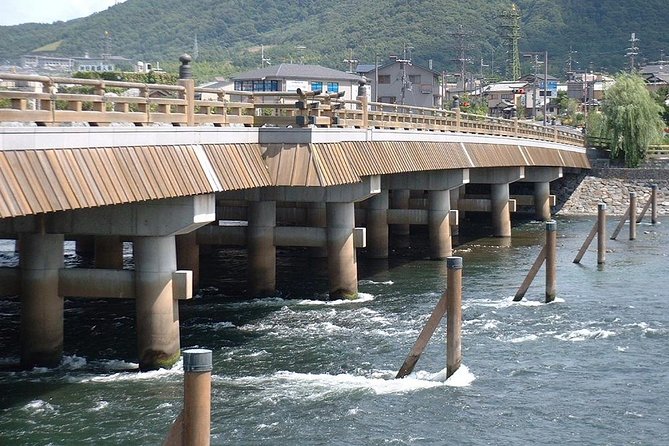
Ujibashi Bridge is the first real landmark moment. The bridge is thought to date back to the 7th century and is counted among the oldest bridges in Japan. That sounds like trivia until you see how it frames the river. One side has a projection point called san-no-ma, which is known for good views. If you want a photo, this is your chance to grab one without rushing through the whole area.
After the bridge, you’ll stroll to Nakanoshima Park (Uji Park). This is one of those pauses that helps the day feel less like a checklist. Even if you don’t linger long, the park walk breaks up the temple-and-tea rhythm and gives you space to notice how Uji sits along the water. The tour notes that dropping into Nakanoshima Park may be affected by high water levels in the Uji River, so if that condition happens, the pacing could shift a bit.
Taihoan Tea Ceremony: What You’ll Actually Do (and What to Wear)
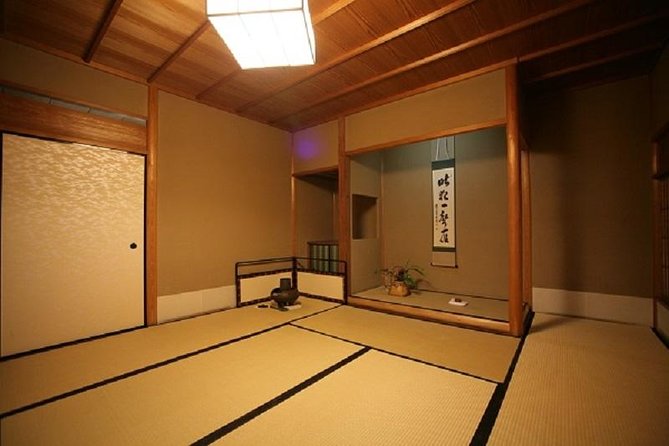
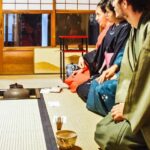
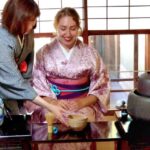
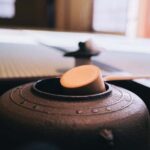
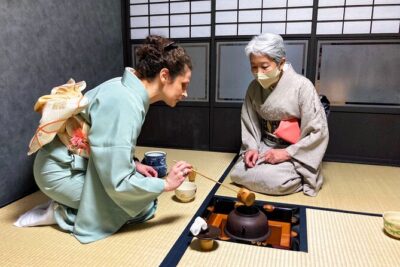
Taihoan is where the tour earns its cultural value. You’ll experience a traditional tea ceremony in Uji’s tea town, with about 20 minutes allocated for the ceremony itself. This isn’t just watching—this is a structured tea experience guided by the ceremony flow, and it’s held in a tatami room.
Here are the practical rules that matter:
- You’ll need socks because it’s tatami-floor seating.
- Recording videos isn’t allowed inside the tea room.
- The tea may be matcha green tea or sencha green tea, and the exact procedures can vary. You won’t necessarily choose in advance.
- The ceremony may include other customers, since it’s not a private room just for your group.
Why this matters: tea ceremonies can feel intimidating if you expect perfect hands-on participation or a totally private setting. This tour is honest about the reality—follow the flow, keep your hands and posture as instructed, and treat it like a short lesson in etiquette. Even with limited time, the format is designed so you come away with a clearer sense of how tea culture works in practice.
Byodo-in Temple: The Phoenix Hall Area and Time Management Reality
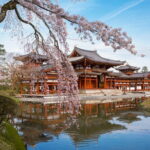
Byōdō-in is the big finale. The temple dates to the Heian period and is set in a beautiful garden environment. It houses a Buddha statue and other images, and it’s recognized as part of the Historic Monuments of Ancient Kyoto on the World Heritage List. If you’ve ever seen the Phoenix Hall on the 10 yen coin, this is where that icon lives in real scale.
You’ll get about 50 minutes with admission included. That should be enough to get oriented, walk the grounds, and see key areas with your guide’s context. But here’s the reality check: congestion can affect what you can access. The tour explicitly warns that entry into the Phoenix Hall area may not be possible if it’s crowded, and if that happens, JPY 300 is refunded at the location.
Also, this tour can move fast. Even with a 50-minute block, you may not have the luxury to take your time inside every space, especially if the group has to keep moving for crowd control. If you care about photos, think “few strong shots” instead of “100 slow shots.” That’s the difference between enjoying Byodo-in and feeling like you’re rushing through it.
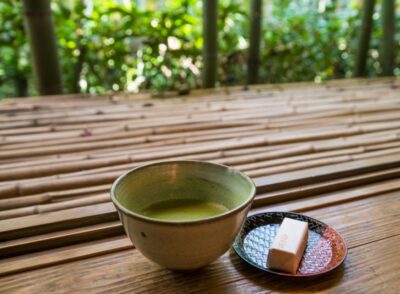
Sit for another bowl of matcha in a Kyoto tea house


Pace, Footwear, and Photo Strategy for a Small Group
This isn’t a bus tour. Sightseeing is done on foot, which is great for flexibility and atmosphere—but it means your comfort affects your experience. The tour recommends shoes easy to walk in. That’s not just a generic hint. You’ll likely do a lot of walking for a tour that lasts just over four hours.
Since the group size is capped at 12, it’s easier to move as a unit. Still, the pace can feel quick if you stop often. The ideal strategy is to plan your photos:
- Take bridge photos at Ujibashi Bridge where the timing works for everyone.
- At Byodo-in, choose a few focus points (for example, where the Phoenix Hall look is framed) rather than trying to cover every corner.
- Keep an eye on your guide’s timing cues, because the tour schedule is tight enough that delays can cut your time elsewhere.
Price and Value: Is $96.06 Actually a Good Deal?
At about $96.06 per person for a roughly 4-hour walking tour, you’re paying for three things that would cost you time (and often money) if you cobble them together yourself: guided orientation, tea ceremony admission/experience, and Byodo-in admission.
In other words, it’s not just transport. You’re also buying a guided thread through Uji—train ride included, plus the tea time and temple entry. For a short trip out of Kyoto, that’s solid value. The only caveat is that because time is limited, you’re trading depth for coverage. If you want to linger for an hour in gardens and museums, this won’t be the right format. If you want the highlights with commentary and a smooth half-day plan, it’s a fair price.
Who Should Book This Tour (and Who Might Prefer Another Style)
This tour fits best if you:
- Want a compact Uji experience from Kyoto without overplanning.
- Care about Japanese culture and appreciate structured explanations from an English-speaking guide interpreter.
- Like the idea of pairing a tea moment with temple architecture in one outing.
- Prefer a small group over large crowds.
You might want a different option if you:
- Need lots of unhurried time at Byodo-in and hate being moved along for crowd flow.
- Are extremely photo-heavy and tend to stop frequently every few steps.
- Expect the Phoenix Hall area to be guaranteed regardless of congestion.
Should You Book This Uji Walking Tour?
I think you should book this tour if you want an efficient, guided, and culturally grounded way to see Uji’s core highlights in a single morning. The included train rides, tea ceremony at Taihoan, and Byodo-in admission make it feel like a real package rather than a loose route.
But if you’re the type who wants to wander temples slowly and spend lots of time in any one spot, consider adjusting your expectations. This tour is designed to cover the essentials, not to let you camp out in one area. If you’re okay with that tradeoff, you’ll likely leave with a strong sense of Uji—bridge views, a tea ritual, and the iconic temple scene tied to Japan’s 10 yen coin.
FAQ
How long is the Uji Walking Tour with tea and Byodo-in?
The tour runs for about 4 hours 10 minutes.
What does the price include?
It includes the English guide interpreter, transportation costs, the tea ceremony experience at Taihoan, and admission to Byodo-in. It also includes tickets for the train rides listed on the itinerary.
Is the train reserved seating?
No. The tour uses JR trains with non-reserved seats, so seating is not guaranteed.
What kind of tea ceremony is included?
The tea ceremony may use matcha green tea or sencha green tea depending on the day, and you may not be able to choose. The ceremony procedures can also vary and may be conducted with other customers.
Can I record video during the tea ceremony?
No. Video recording is not allowed in the tea room.
What happens if the Phoenix Hall area is too crowded at Byodo-in?
If entry into the Phoenix Hall area isn’t possible due to congestion, JPY 300 will be refunded at the location.
More of Uji and Its Matcha

One More Bowl of Matcha

More Kyoto Temples and Shrines

Just added: more Kyoto tours to browse








Kyoto Temple & Shrine Tours, compared.
 ★ 4.9Tea Ceremony Ju-An at Jotokuji TempleFrom $293,207 reviews
 ★ 4.8Arashiyama Bamboo, Temple, Monkeys, or Secret Sake BreweryFrom $87886 reviews
 ★ 5.0Arashiyama Bamboo Forest, Monkeys, Matcha & Temple TourFrom $53759 reviews
 ★ 4.4Osaka/Kyoto: Arashiyama, Nara & Fushimi Inari Shrine w/LunchFrom $61754 reviews
 ★ 4.7Imperial Palace & Nijo Castle Guided Walking TourFrom $49453 reviews
 ★ 5.0Kyoto Zen Meditation & Garden Tour at a Zen Temple with LunchFrom $110441 reviews
 ★ 5.0Zen Experience in a Hidden TempleFrom $109437 reviews
 ★ 5.0KYOTO Tea Ceremony with kimono near by Imamiya Jinjya ShrineFrom $99343 reviews
Browse the lists this tour appears in