
Making ramen broth is harder than it looks. This class turns that challenge into a hands-on 90 minutes in Kyoto’s Gion, and you finish by eating your own bowl.
I love two things most: the broth lesson is built for doing at home, and the souvenirs feel personal, not plastic. You’ll engrave your name on chopsticks, and you’ll also get a Musoshin tenugui you can keep.
One thing to consider: it is not suitable for wheelchair users, and children under 10 are asked not to participate.
In This Review
- Why This Ramen Broth Class Feels More Like a Workshop Than a Show
- Key Things to Know Before You Go
- Kyoto’s Gion, But Make It Practical
- The Start: Your Name, Then a Boxed Souvenir
- The Tenugui Apron Moment (Yes, It Matters)
- Hands-On Broth: The 40-Minute Core Lesson
- Noodles: Fresh, Homemade, and Not the Same as Dry Packets
- Toppings and Chashu: Two Styles, One Special Requirement
- The Cooking Flow: What You’ll Actually Do (In Real Time)
- Meet the Team: Shin-san and the Chef’s Kind Patience
- Dietary Options That Don’t Feel Like an Afterthought
- Souvenirs: Practical, Personal, and Not Just Extra Stuff
- Price Value: $58 for Skills, Ingredients, and a Meal
- Who This Class Is For (And Who Might Pass)
- Tips to Make the Most of Your 90 Minutes
- Should You Book This Ramen Broth Class?
- FAQ
- How long is the ramen broth class?
- What does it cost?
- Where is the class held?
- What souvenirs do I receive?
- Do I eat the ramen I make?
- Is the class available in English?
- Are there gluten-free, vegetarian, or vegan options?
- What chashu options are offered?
- Are there any age limits?
- Is it wheelchair accessible?
Why This Ramen Broth Class Feels More Like a Workshop Than a Show
This isn’t a quick tasting where you watch someone else cook. You’ll wash your hands, put on the Musoshin apron, wrap the tenugui, and work through the soup step-by-step with an English/Japanese-speaking chef.
Second, it’s the kind of meal where the details matter. The noodles are fresh and homemade from the nearby Musoshin noodle factory, and the toppings are handmade by the chefs at a Musoshin Gion restaurant. That matters because ramen tastes like technique plus ingredients, not just seasoning.
If you’re expecting a short cooking demo with no mess and no effort, you might find it more active than you planned. It’s still friendly and guided, though.
Key Things to Know Before You Go
- Name-engraved chopsticks: you add your own name and take them home
- Tenugui souvenir: the head towel you use during cooking becomes yours
- Broth lesson at real timing: the soup takes about 40 minutes
- Two special chashu styles: pork belly and pork cartilage, with the cartilage only served here
- Options beyond toppings: you can request gluten-free, vegetarian, or vegan choices, including broth
Make something by hand in a Kyoto workshop
Kyoto’s Gion, But Make It Practical
Kyoto’s Gion district is one of those areas where you can feel the old-soap-and-wood vibes the moment you arrive. This class uses that setting as atmosphere, but it stays practical. The goal is simple: make ramen broth you can repeat at home, then taste it immediately.
The class runs about 90 minutes, which is a good length for people who want something memorable without burning an entire day. At $58 per person, it’s not a bargain, but you’re paying for guided instruction, fresh ingredients, and take-home items designed around you, not around mass production.
If you love food that you can recreate later, this price can make sense. You’re not just buying a meal; you’re buying skills, plus souvenirs that connect to your specific session.
The Start: Your Name, Then a Boxed Souvenir
The experience begins with a small but meaningful moment: they’ll ask for your name. Then they engrave it onto a pair of chopsticks using a special machine, put the chopsticks into a traditional Japanese box, add color, and present it to you as a one-of-a-kind souvenir.
It’s a clever touch for two reasons. First, it breaks the ice fast, since everyone is participating in the same process. Second, it turns a fancy restaurant habit into something you bring home, where it actually gets used.
One note: the matching souvenir is included, but if you request shipping of any painted items to your next hotel, shipping costs are not included. In other words, keep it simple if you can carry it.
The Tenugui Apron Moment (Yes, It Matters)
After the chopsticks, you get a Musoshin tenugui (a head towel) and the Musoshin apron. You’ll wrap the tenugui around your head and put on the apron before you start cooking.
This is more than a costume. It signals that you’re joining a kitchen workflow, not standing beside a demonstration. Also, the tenugui you use during noodle making becomes your souvenir, so you leave with something tied to the exact activity.
Bring a camera if you want photos. This class includes a special-effects themed photo spot, which should give you a fun, “Kyoto souvenir photo” option that fits the ramen theme without feeling forced.
Hands-On Broth: The 40-Minute Core Lesson
Once your hands are washed thoroughly, the cooking experience begins with the broth. A professional chef teaches you how to make a delicious ramen soup that you can easily recreate at home.
The soup takes about 40 minutes to complete. That timing is useful: it gives you enough time to learn the rhythm of ramen broth rather than rushing it in a way that doesn’t translate to your kitchen later.
You’ll also get seasoning insight. The class includes seasonings prepared for the ramen process, and at the end, you receive a recipe so you can replicate the method after your trip. One review specifically praised that the cooking method is simple, and the recipe helps you continue at home with confidence.
And if you worry about dietary needs, this is where the class is unusually thoughtful. Options for gluten-free, vegetarian, and vegan guests are available, and the reviews indicate broth options are offered too—not just swap-outs for toppings.
Roll up your sleeves for another Kyoto cooking class

Noodles: Fresh, Homemade, and Not the Same as Dry Packets
After the broth is ready, you’ll cook the noodles. The noodles are fresh and homemade, created at the nearby Musoshin noodle factory.
That detail changes everything. Fresh noodles behave differently than dried ramen noodles at home, but the training here still helps because you’re learning how broth and noodles work together: timing, texture, and how the finished bowl comes together.
If you’ve only ever used store-bought noodles, you’ll probably notice how much the noodle texture shapes the overall experience. This class gives you a baseline for what ramen should feel like when it’s built from scratch.
Toppings and Chashu: Two Styles, One Special Requirement
Now for the toppings, which are where ramen becomes unmistakably personal. All ramen toppings are handmade by the chefs, sourced from a nearby Musoshin Gion restaurant.
You can choose between two types of chashu:
- Pork belly chashu
Carefully prepared over one full day in the kitchen.
- Tender pork cartilage chashu
Pressure-cooked for two hours and seasoned with a special sauce. This cartilage chashu can only be enjoyed here.
The fact that one chashu type is unique to this class is a smart design choice. It makes the workshop feel like a destination, not just a generic cooking activity.
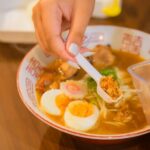
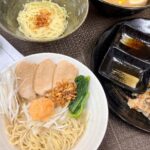
On top, your ramen is finished with seasoned soft-boiled egg, bamboo shoots, and green onions. That lineup is classic, and it gives you a finished bowl that tastes complete, not half-finished.
The Cooking Flow: What You’ll Actually Do (In Real Time)
Even though the class has a souvenir component and photo moment, the work happens in a clear order:
- Chopstick engraving and souvenir presentation
- Tenugui and apron setup
- Hand washing and broth instruction (about 40 minutes)
- Noodle cooking once broth is ready
- Building the bowl with your chosen toppings and chashu
- Eating what you made
The structure matters because ramen is a system. Broth needs time. Noodles need timing. Toppings need correct placement so the bowl tastes balanced when you eat it hot.
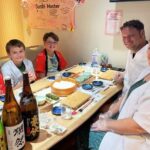
One review also mentioned a session with 14 people at the Musoshin Ramen Dojo, and that it felt like a great group activity. Even if your group size differs, the class format seems designed to keep you moving and tasting the results by the end.
Meet the Team: Shin-san and the Chef’s Kind Patience
The owner of Musoshin Ramen is Shin-san. In one review, Shin-san was praised for being patient and kind while teaching ramen from scratch.
That kind of teaching style matters for two reasons. First, it makes complicated steps feel manageable. Second, it helps you ask questions without feeling like you’re slowing anyone down.
The instruction is in English and Japanese, so you’ll have support even if your Japanese is minimal. If you can communicate a bit, you’ll likely get even more from the process.
Dietary Options That Don’t Feel Like an Afterthought
A lot of cooking classes say they can do vegetarian or vegan, then quietly change only the toppings. Here, the menu options go further: gluten-free, vegetarian, and vegan guests can be accommodated, including broth options based on the class info and review feedback.
That’s the difference between a substitute meal and a true ramen class. You want to taste ramen as ramen, not as a workaround.
If you have restrictions, this is worth centering when you choose activities in Kyoto. It’s easier to relax when you know the kitchen has a plan.
Souvenirs: Practical, Personal, and Not Just Extra Stuff
You’ll take home three items tied to your experience:
- Engraved chopsticks with your name
- Tenugui you used during noodle making
- The class also includes a special effects themed photo spot, which gives you a fun memory tied to your day
The chopsticks are the kind of souvenir that doesn’t die in a drawer. They’re small, useful, and customized, so you’ll actually pick them up for meals.
And because they’re stored in a traditional Japanese box with color added, they feel like a real craft keepsake. You’re also not only getting “a souvenir”; you’re getting proof you joined a specific workshop session.
Price Value: $58 for Skills, Ingredients, and a Meal
At $58 per person for about 90 minutes, you should think of this as three parts:
- You’re paying for guided ramen broth instruction that you can repeat at home
- You’re paying for fresh noodles and chef-handmade toppings, including two special chashu options
- You’re paying for take-home items (tenugui plus name-engraved chopsticks)
If all you wanted was a casual bowl of ramen in Kyoto, you’d spend less. But you wouldn’t leave with a recipe or with personalized chopsticks.
For people who like learning through doing, this feels like a fair deal. The class leans into value you can carry beyond the meal itself.
Who This Class Is For (And Who Might Pass)
This ramen broth workshop is a great fit if you:
- Want a hands-on food experience in Kyoto, not a watching-only activity
- Like the idea of bringing ramen skills home
- Care about personalized souvenirs (name-engraved chopsticks are a strong selling point)
- Need gluten-free, vegetarian, or vegan options that can include broth
It might be less ideal if you:
- Want a fully wheelchair-accessible experience (it’s not suitable for wheelchair users)
- Are traveling with kids under 10 (participation is not recommended for children under 10)
- Prefer passive, low-effort activities
Tips to Make the Most of Your 90 Minutes
- Wear comfortable clothes. Cooking is hands-on, and you’ll be standing during broth and assembly.
- Bring your camera. The special effects photo spot is part of what’s included.
- Eat after you assemble. The class is designed so you enjoy what you made while it’s at its best.
- If you have dietary needs, mention them clearly when you book so the broth and toppings match what you can eat.
Also, if you want the cartilage chashu, choose it. It’s only available here, so treat it like the class signature.
Should You Book This Ramen Broth Class?
Book it if you want a real ramen skill lesson in Kyoto’s Gion district, with fresh ingredients and a finished bowl you get to eat right away. The name-engraved chopsticks and Musoshin tenugui make it a memorable souvenir set that actually connects to the work you do.
Skip or reconsider if mobility is an issue, if you’re traveling with a child under 10, or if you’re after a low-effort, purely observational activity. If you’re somewhere in the middle, you’ll probably appreciate how structured the broth lesson is and how easily the class is built for you to repeat at home.
FAQ
How long is the ramen broth class?
The class lasts about 90 minutes.
What does it cost?
It costs $58 per person.
Where is the class held?
It’s taught in Kyoto’s Gion district, in Japan (Honshu).
What souvenirs do I receive?
You’ll get Musoshin tenugui (used during cooking) and chopsticks with your name engraved. The chopsticks are presented in a traditional Japanese box.
Do I eat the ramen I make?
Yes. You can eat the ramen you made yourself at the end.
Is the class available in English?
Yes. Instruction is available in English and Japanese.
Are there gluten-free, vegetarian, or vegan options?
Yes. Gluten-free, vegetarian, and vegan options are available, including options for the broth.
What chashu options are offered?
There are two types: pork belly chashu, prepared over one full day, and pork cartilage chashu, pressure-cooked for two hours with a special sauce (only available here).
Are there any age limits?
Participation is not recommended for children under 10 years old.
Is it wheelchair accessible?
No. It’s not suitable for wheelchair users.
More Tour Reviews in Kyoto





More Kyoto Cooking Classes
More Kyoto Workshops to Try

Just added: more Kyoto tours to browse








Kyoto Craft & Calligraphy Workshops, compared.
 ★ 5.0Chopsticks Making Workshop in Gion with Engraving OptionFrom $15958 reviews
 ★ 4.8Authentic knife making experience at a blacksmith in KyotoFrom $154350 reviews
 ★ 5.01-Hour Japanese Archery Experience in KyotoFrom $46176 reviews
 ★ 5.0Calligraphy class at Buddhist temple in city centerFrom $55167 reviews
 ★ 5.0Roketsu dyeing experience: M course Roketsu Dyeing ExperienceFrom $25163 reviews
 ★ 4.9Japanese Archery Workshop with Experienced InstructorFrom $38132 reviews
 ★ 4.8Japanese Calligraphy ClassFrom $5189 reviews
 ★ 5.0TAIKO, Japanese Drum Experience from KyotoFrom $11586 reviews
Browse the lists this tour appears in