
Reviewed · ARASHIYAMA & BAMBOO GROVE TOURS
Private Walking Tour in Bamboo Forest & Hidden Spots in Arashiyama
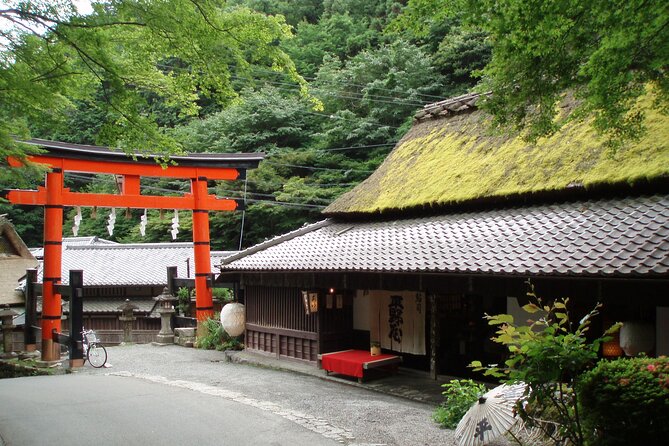
Sagano makes Kyoto feel human again. This private walking tour threads together Old-Japan temples, preserved streets, and the Arashiyama bamboo path—plus local-style context that you usually miss when you rush from one landmark to the next. You start near Saga-Arashiyama and finish by Togetsukyō Bridge, where you can keep exploring on your own.
I love how the route mixes big sights with quieter stops, especially the Otagi Nenbutsu-ji stone statue experience and the Zen calm at Tenryu-ji. I also like the pace of a private guide: you get commentary that helps you connect what you’re seeing, not just check boxes.
One heads-up: the famous bamboo grove gets very crowded, especially later in the day. If you’re hoping for a peaceful, mostly-empty walk, plan for the crowd reality.
In This Review
- Key Takeaways
- Why Sagano First Works So Well
- Seiryōji (Saga Shakadō): An Old Temple with Aristocrat-Era Origins
- Saga Toriimoto Preservation Area: The Atago Highway Angle
- Otagi Nenbutsu-ji: 1,200 Rakan Statues You Can Actually Feel
- Bamboo Forest Street in Arashiyama: Photos, Atmosphere, and Crowd Reality
- Tenryu-ji Temple: Zen Garden Energy After the Bamboo
- Togetsukyō Bridge: Moon-Crossing Details and a Clean Finish
- Price and Value: What $85.87 Really Buys You
- The Private-Guide Advantage in a Crowd Magnet
- Logistics That Affect Your Day (More Than You Think)
- Who Should Book This Sagano and Bamboo Forest Walk
- Should You Book This Tour?
- FAQ
- How long is the private walking tour in Sagano and Arashiyama?
- What is the meeting point and where does the tour end?
- Is this tour private?
- What is included in the price?
- Are temple entrance fees included?
- What should I expect at the bamboo forest area?
Key Takeaways
- Sagano-to-Arashiyama flow: temples, preserved town lanes, then the bamboo and Zen garden
- Some entrances are free (Seiryōji, Saga Toriimoto area, Bamboo Forest Street, Togetsukyō Bridge), so your costs are spread out
- Otagi Nenbutsu-ji’s 1,200 Rakan statues make this tour feel personal, not just scenic
- Tenryu-ji brings the Zen reset after the busier bamboo walkway
- Crowds are real at the bamboo: go early and expect photo-stopping interruptions
- You’ll finish at Togetsukyō Bridge, a convenient jumping-off point toward Monkey Park
Why Sagano First Works So Well
Kyoto has a way of pulling you into the same loops—major sights, heavy crowds, and lots of “next stop” energy. This tour starts in Sagano and keeps you moving on foot through a calmer side of the city. Sagano was once a resort area for aristocrats, and that older vibe shows up in the temples and preserved streets you’ll pass.
Starting at Saga-Arashiyama Station (11-1) around 9:00 am matters. It’s not just a time slot. It’s your best shot at enjoying the mornings before the Arashiyama crowd wave thickens. The whole route is built for walking, so the day’s pacing feels gradual—temple to temple, then garden quiet, and finally the bamboo corridor.
Deeper into Arashiyama, past the bamboo and the Hozu river
Seiryōji (Saga Shakadō): An Old Temple with Aristocrat-Era Origins
Your first stop is Seiryōji (also known as Saga Shakadō), recognized as one of the oldest temples in Kyoto. What makes it interesting is the origin story: it was built as an aristocrat’s villa back in the 9th century. That detail changes how you read the space. Instead of seeing just another temple gate and courtyard, you start noticing how power and culture shaped where people gathered for reflection.
This is also a practical win: admission is free. With a free entry early in the morning, you get momentum fast and don’t feel like the day immediately turns into a string of ticket counters.
Expect a short visit (about 10 minutes). Use that time to orient yourself—watch how the grounds feel, then carry that calmer mood into the next stretch.
Saga Toriimoto Preservation Area: The Atago Highway Angle
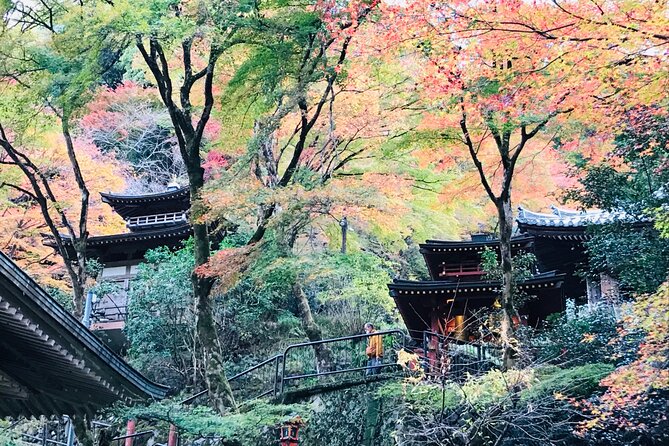
Next comes the Saga Toriimoto Traditional Buildings Preservation Area, a designated town preservation zone. It’s tied to an older name, Atago highway, which historically led toward Mt. Atago. And here’s the specific spiritual thread you’ll hear: Mt. Atago is associated with the Shinto god of fire prevention.
Even if you’re not trying to become a walking architecture critic, preserved lanes like this do something valuable. They slow down your brain. You stop expecting everything to be modern, polished, and built for mass tourism. Instead, you get the sense of a place that locals have had reasons to return to for generations.
Like Seiryōji, this stop is free and brief (about 10 minutes). That’s ideal because it keeps the day moving without turning into an endless “look but don’t touch” museum moment.
Otagi Nenbutsu-ji: 1,200 Rakan Statues You Can Actually Feel
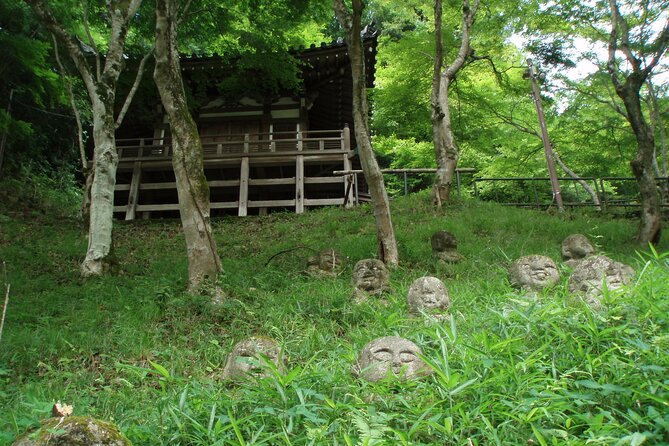
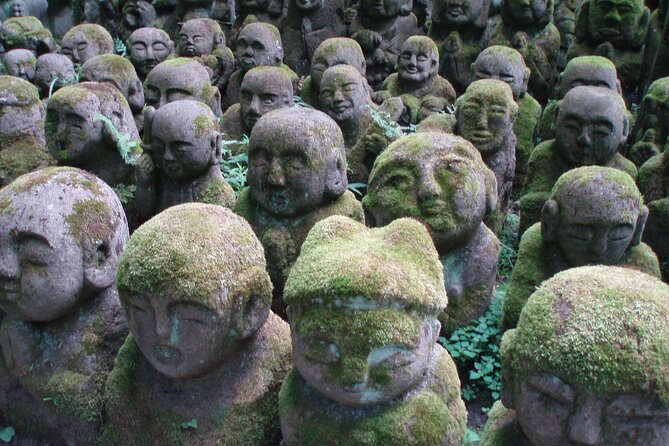
Then you’ll hit one of the most distinctive stops: Otagi Nenbutsu-ji. This temple is famous for its 1,200 stone statues of Rakan, which are disciples of the Buddha. What makes it more than a photo op is the story behind the numbers: they were hand carved by 1,200 individuals.
This is the kind of place where your attention naturally narrows. You find yourself looking for patterns—poses, expressions, and how the statues sit within the temple grounds. It also tends to feel quieter than the bamboo corridor, which means it can work as a mental reset.
The visit length is about 20 minutes, and entrance fee is not included in the tour price. That’s important for budgeting. Still, it’s the sort of stop that can justify the extra cost because it’s unusual and doesn’t feel generic.
Bamboo Forest Street in Arashiyama: Photos, Atmosphere, and Crowd Reality
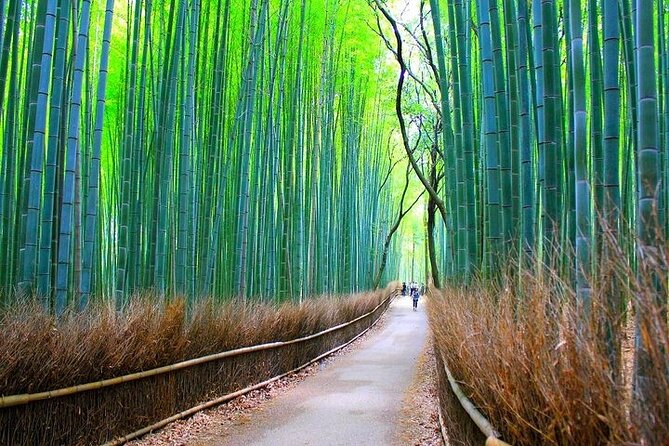
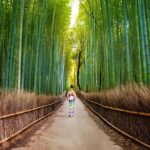
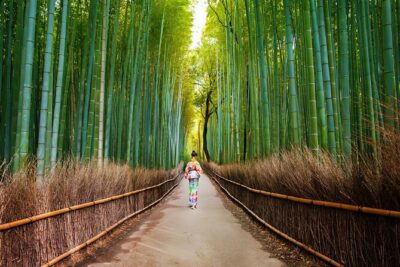
Now for the big draw: the bamboo grove path in Arashiyama, here labeled Bamboo Forest Street. Bamboo is the star. Tall stalks line the walkway on both sides, creating that surreal, almost other-world visual effect. It’s also a playground for photography—lots of people, lots of angles, and lots of chances to get that vertical “forest” look.
But let’s be honest: the crowd factor is the biggest variable in this experience. Many people love the bamboo itself and agree the views are gorgeous and photo-worthy. At the same time, the same corridor can feel crowded enough to interrupt the calm.
So I’d treat it like this:
- If you want the bamboo’s magic, go early and keep your expectations flexible.
- If you’re hoping for near-silence, understand that the bamboo area is a high-demand spot.
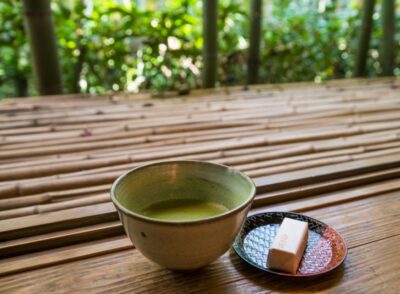
There’s also a cost nuance that you should watch for. The listed stop is free, but you might encounter a paid area or garden section nearby where people report an entry fee around 500 yen, plus a small refreshment setup (like tea and a biscuit) before you wander. On the ground, signage decides what costs money, so check as you arrive instead of assuming it’s all free.
One more practical note from real-world experience: bring protection for bugs. Some folks reported getting bitten while walking the bamboo path. So if you know you’re sensitive, you’ll be glad you planned ahead.
Other Kyoto tours and experiences to compare

Tenryu-ji Temple: Zen Garden Energy After the Bamboo
After the crowds and the camera flashes, Tenryu-ji feels like a palate cleanser. This Zen Buddhist temple traces back to the 14th century and is part of Kyoto’s World Cultural Heritage sites. The point of the stop isn’t just “another temple.” It’s the shift in atmosphere: you slow down, look longer, and let the garden do its quiet work.
The tour gives you about 20 minutes here, and the entrance fee is not included. That can be frustrating if you hate ticket surprises, but Tenryu-ji’s garden reputation makes the cost feel easier to swallow. When you walk from the bamboo corridor into a Zen garden, it becomes obvious why this stop is part of the route: it keeps your day from turning into nonstop photo time.
Togetsukyō Bridge: Moon-Crossing Details and a Clean Finish
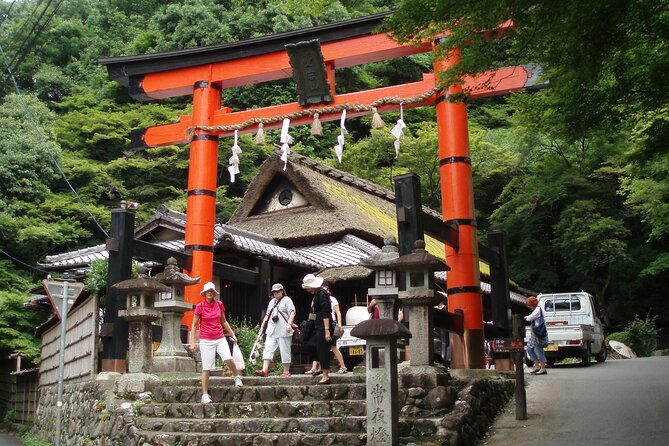
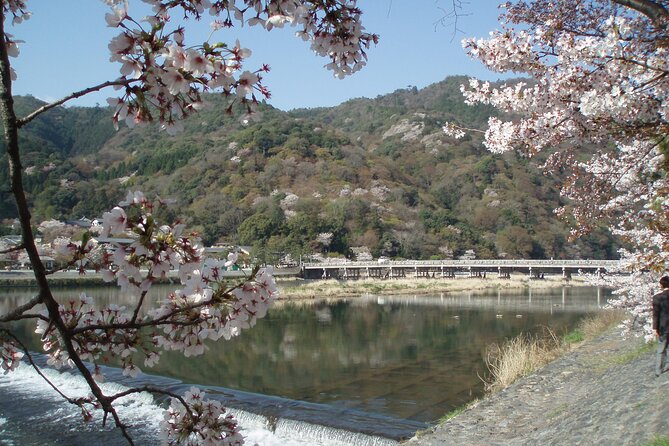
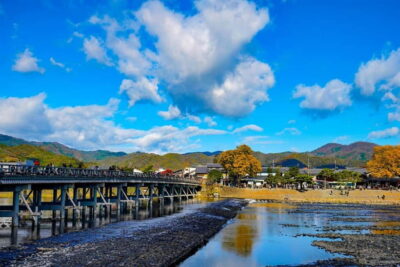
Finally, you wrap at Togetsukyō Bridge, which is right by the river and close to Monkey Park. This bridge was built to connect to the temple across the water. There’s also a poetic detail tied to it: an ancient emperor supposedly named it Moon Crossing Bridge after seeing the moon appear as if it was crossing.
This part is short—about 5 minutes—and admission is free. But it works as a natural ending because it gives you a wider view after hours of close-up temple and forest scenes. And since your tour ends here, you’re not trapped in a “finish line and go home” mindset. You can continue exploring the Arashiyama area at your own pace.
Price and Value: What $85.87 Really Buys You
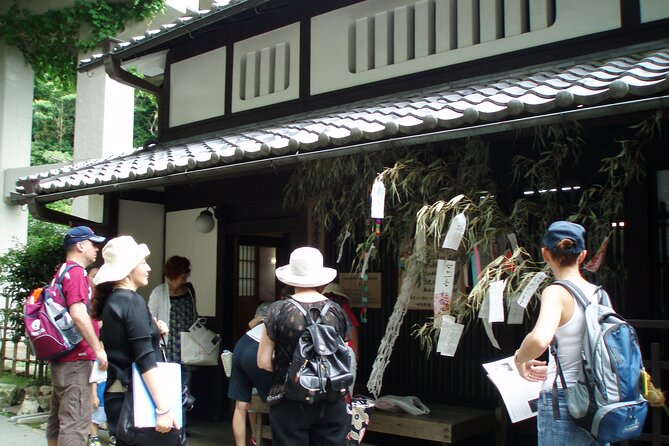
At $85.87 per person for about 4 hours, this tour is priced like a serious guided experience, not a quick sightseeing walk. The big included value is the professional guide and the fact that it’s private, meaning only your group participates.
What that means in practical terms:
- You don’t waste time guessing what you’re looking at in Seiryōji, the preserved lanes, or Otagi Nenbutsu-ji.
- You get a guided path that threads together several locations without you having to stitch the plan yourself.
- You get a smoother flow from older Kyoto atmosphere to the bamboo spotlight, then into Zen quiet.
What’s not included is also clear: lunch, temple entrance fees, and any transportation to and from attractions. Some stops are free, and some are not. That’s a budgeting detail you’ll want to plan for so the day doesn’t feel like a string of extra charges.
One balanced way to judge the cost: you’re paying for interpretation and pacing more than you’re paying for access. If you already know Kyoto temple lore and only care about the bamboo photo, the guide may feel like less value. But if you want the route to make sense—and you like hearing specific context as you walk—the value is much easier to justify.
The Private-Guide Advantage in a Crowd Magnet
A private tour won’t erase crowd conditions, especially at the bamboo grove. What it can do is help you get the best version of the experience that day allows.
Here’s where private guidance tends to pay off on this exact route:
- At Otagi Nenbutsu-ji, it helps to understand what you’re seeing when there are 1,200 statues. Otherwise, it can blur into “lots of figures.”
- At Tenryu-ji, guidance helps you slow down and notice the garden rhythm instead of rushing to the next photo.
- On the preserved-street and temple segments, a local-style explanation turns a quick stop into something you remember.
Still, it’s smart to have your expectations calibrated. The bamboo corridor is popular, and no amount of guiding can turn it into a deserted secret. The best strategy is to go early and treat the bamboo like a famous place: enjoy the atmosphere without demanding perfect quiet.
Logistics That Affect Your Day (More Than You Think)
This tour uses a mobile ticket, so you’re not dealing with printouts or last-minute desk lines. You also start near public transportation, which matters in Kyoto where the easiest routes can depend on station exits and timing.
You meet at Saga-Arashiyama Station (11-1) and finish at Togetsukyō Bridge (close to Monkey Park). That end point is convenient because it keeps your afternoon open. If you want to continue exploring Arashiyama, you can do it without needing a big reset trip back across town.
One more practical detail: since there’s no hotel pickup and drop-off, you’ll want to make sure you can get to Saga-Arashiyama by your own means. It’s not a dealbreaker—just one more reason this works best if you’re comfortable navigating Kyoto by public transit.
Who Should Book This Sagano and Bamboo Forest Walk
I think this tour fits best if you want:
- A mix of scenic Kyoto and local-feeling stops, not just a single highlight
- To see Otagi Nenbutsu-ji and Tenryu-ji in the same day without planning stress
- The benefit of a private guide who helps you understand what matters at each stop
- A walkable route that’s long enough to feel like a day, but not so long it turns into a marathon
It may be less ideal if your top priority is a quiet, uncrowded bamboo moment above all else. If peace and emptiness are your must-haves, you’ll likely find the bamboo corridor frustrating at typical daytime hours.
Should You Book This Tour?
Yes, I’d book it if you’re excited by the idea of a guided route through Sagano’s older atmosphere plus the Arashiyama bamboo spectacle, with Otagi Nenbutsu-ji and Tenryu-ji rounding out the day in a calmer way. The price makes sense for a private 4-hour walk, especially when part of the route is free and the guide helps the statues and gardens land the way they should.
I’d skip or rethink it if you mostly want one thing: an uncrowded bamboo forest photo. This tour is great for the full experience, but the bamboo is a crowd magnet. Go early, plan for people, and treat the Zen garden as your daily wind-down.
FAQ
How long is the private walking tour in Sagano and Arashiyama?
The tour runs about 4 hours.
What is the meeting point and where does the tour end?
You meet at Saga-Arashiyama Station (11-1) and the tour ends at Togetsukyō Bridge.
Is this tour private?
Yes. It’s a private tour/activity, so only your group participates.
What is included in the price?
A professional guide is included. The tour also uses a mobile ticket.
Are temple entrance fees included?
No. Entrance fees to temples are not included. Some stops are listed as free, but others require payment separately.
What should I expect at the bamboo forest area?
The bamboo forest is known for great scenery and photo opportunities, but it can get very crowded during the day. If you’re aiming for a calmer experience, going early helps.
More Tours in Kyoto


More Tour Reviews in Kyoto


More of Arashiyama and Sagano
Just added: more Kyoto tours to browse








Arashiyama & Bamboo Grove Tours, compared.
 ★ 4.8Fushimi Inari, Kinkakuji, Bamboo Grove 1 Day Bus TourFrom $1224,316 reviews
 ★ 4.1Osaka/Kyoto:Kinkakuji,Arashiyama,FushimiInariShrine,NaraParkFrom $661,596 reviews
 ★ 4.7Kyoto/Osaka: Nara, Fushimi Inari Taisha, Arashiyama Bus TourFrom $521,275 reviews
 ★ 5.0Kyoto Arashiyama Walking Tour: Bamboo, Monkeys, Gardens & SecretsFrom $651,216 reviews
 ★ 4.8Arashiyama Bamboo, Temple, Monkeys, or Secret Sake BreweryFrom $87886 reviews
 ★ 5.0Arashiyama Bamboo Forest, Monkeys, Matcha & Temple TourFrom $53759 reviews
 ★ 4.4Osaka/Kyoto: Arashiyama, Nara & Fushimi Inari Shrine w/LunchFrom $61754 reviews
 ★ 5.0Nijo, Kinkaku-ji, Arashiyama, Kiyomizu & Fushimi InariFrom $51699 reviews
Browse the lists this tour appears in