
Reviewed · GUIDED
Private Kyoto with Exceptional Guide Tailored to Your Needs
Kyoto feels less like a list, more like you. This private guide shapes a custom route around your interests, from shrine photos to Japanese shopping, with half-day or full-day options that match your energy. What I like: you choose 2–3 stops in 4 hours or 4–5 in 8 hours, so your day stays focused, and the guide handles real-life details like contacting you ahead and navigating cash-only spots.
One consideration: lunch and entrance fees are extra, and if you want the guide to accompany you inside a paid facility, that can add cost. The tour also involves meaningful walking on temple paths, so bring your moderate-fitness game plan.
In the best setup, your day strings together Kyoto classics like the Mt. Inari torii climb, the Golden Pavilion, Zen gardens, and then shifts into Arashiyama bamboo trails or the Gion area near Tatsumi Daimyo-jin.
In This Review
- Key things that make this private Kyoto tour work
- Private Kyoto, planned around your pace and your kind of day
- Price and logistics: what’s included, what costs extra, and what that means for value
- Before you start: contact, tickets, and why cash matters in Kyoto
- The Mt. Inari torii-gate climb: how to make it feel like a story, not a chore
- Golden Pavilion: the famous gold view and the Buddha-ashes detail
- Zen rock gardens, moon-viewing tradition, and the quiet logic of stillness
- Kannon statues, guardian figures, and the temple paths you remember
- Former military complex reworked into a bridge between Edo and the Imperial Court
- Arashiyama bamboo trails and Togetsu-kyo bridge: the photo stop with legs
- Gion-area lanes near Tatsumi Daimyo-jin: atmosphere plus photo-friendly bridges
- What you’ll actually get from a truly tailored guide
- Tips to make your private Kyoto day smoother (and more fun)
- Should you book this private Kyoto guide?
- FAQ
- How long is the private Kyoto tour?
- How many places can I see during each time option?
- Is the tour private or shared?
- What is included in the price?
- Are lunch and entrance fees included?
- Does the tour include public transportation?
- How do I contact the guide before the tour?
- Do I need cash in Kyoto?
- What should I bring in terms of physical comfort?
- What happens if the weather is bad?
Key things that make this private Kyoto tour work
- You set the sight count and the pace: 2–3 stops for 4 hours, or 4–5 stops for 8 hours.
- English guidance plus real planning help: you get advice for your stay, and bottled water is included.
- Guide contact before you meet: download WhatsApp or share your email so the guide can reach you.
- Cash-friendly touring: many restaurants and shops take cash only, so yen helps a lot.
- Iconic Kyoto, in a sensible order: torii gates, the Golden Pavilion, Zen gardens, Arashiyama, and Gion-area lanes.
Private Kyoto, planned around your pace and your kind of day
This is the kind of private Kyoto tour that feels practical, not performative. You pick whether you want a tight half-day or a longer full day, and your guide builds a route around what you actually care about: history, temples, shopping, food, or even very specific interests.
Kyoto can be a lot even on a good day. Having a guide means you can keep your feet moving without spending extra time figuring out what’s where, what’s worth the effort, and how to sequence sights so you’re not zigzagging across town. The private setup also matters: it’s just your group, so you’re not stuck matching anyone else’s speed.
If you’re the type who likes options, this is built for that. For a 4-hour tour, you’ll typically choose 2–3 places, which is plenty for Kyoto when each stop has its own rhythm. If you go full day (8 hours), you can realistically fit 4–5 places without turning the whole day into a sprint.
Other Kyoto tours and experiences to compare


Price and logistics: what’s included, what costs extra, and what that means for value
At $149.85 per person, you’re paying mostly for two things: an English-speaking private guide and time that’s organized around your preferences. Bottled water is included, and you can get pickup offered, plus a private car option if you choose it.
Here’s the part to budget for: lunch is not included. Entrance fees are also not included, and if you want the guide to accompany you inside a paid facility, you pay for the guide as well. Public transportation isn’t included either, unless you opt for the private vehicle option.
So is it good value? For me, it’s strong value if you’re using the time well. When you pick the right 2–3 or 4–5 stops, a private guide can save you the wasted half-hours that add up fast in Kyoto—plus you get someone who can adjust the plan when your interests shift mid-day.
Before you start: contact, tickets, and why cash matters in Kyoto
Kyoto runs on smooth systems, but it still has friction points, and this tour is honest about them. Your guide can contact you ahead of time if you use WhatsApp or share your email. That small step can help you arrive ready, especially if you’re meeting at a pickup spot or you want to tweak your plan.
Also, keep some yen on hand. The tour info points out that many stores and restaurants accept cash only. That means you’ll be happier if you bring cash for snacks, temple-area treats, and shopping you might stumble into while walking between sights.
You’ll also use a mobile ticket, which makes check-in easier once you’re actually on the day. It’s not the kind of tour where you’re constantly handling paper, and that’s a nice stress reducer.
The Mt. Inari torii-gate climb: how to make it feel like a story, not a chore
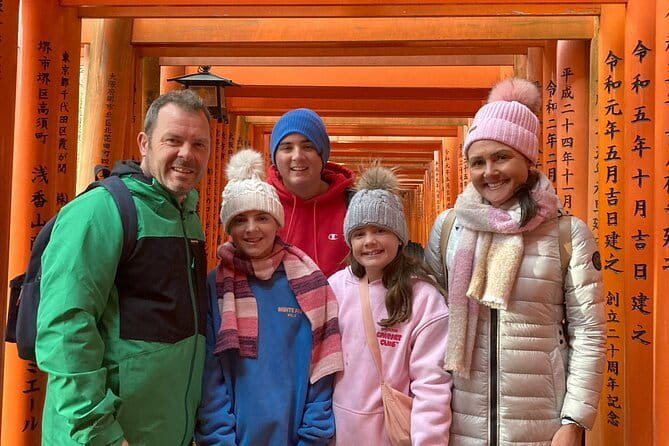
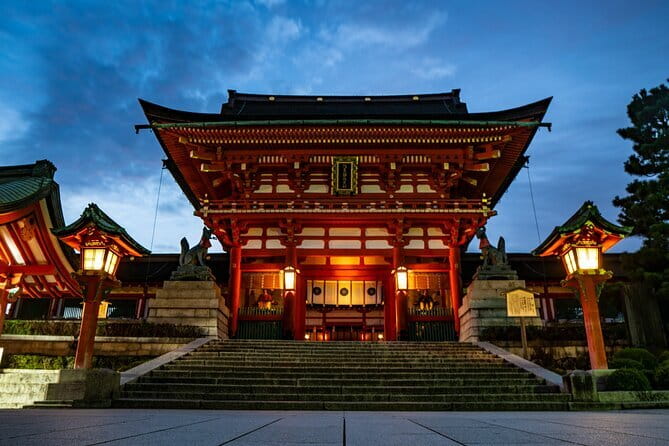
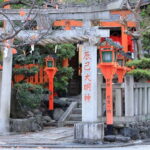
One of your most iconic choices is the shrine on Mt. Inari, famous for the long stretch of about 10,000 red torii gates. This spot is built for wandering. You’re not just looking at a landmark—you’re moving through it.
A few details make it feel more than a photo stop. The info notes that you can donate a new red torii gate when you visit, which adds meaning if you like to understand what you’re seeing. The gate sequence is also a built-in way to pace yourself: you can go slower, pause for perspectives, and decide how far up you want to climb based on your energy.
Practical tip: if you’re planning to pair Inari with heavier temple time afterward (like big gardens or a longer museum-style stop), I’d put Inari early in your day. It’s the kind of walk that can sap energy if you leave it for the afternoon when you’re already tired.
Golden Pavilion: the famous gold view and the Buddha-ashes detail
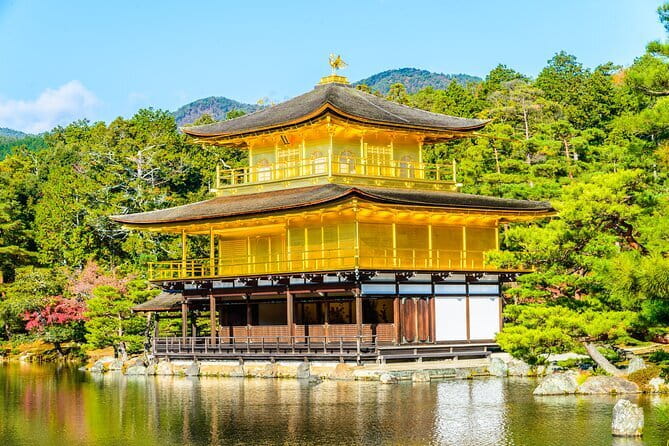
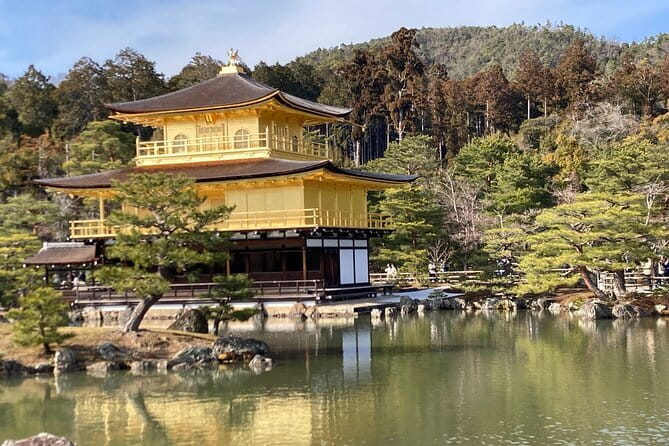
Kyoto’s Golden Pavilion is the kind of sight you can understand in one glance. The listing highlights the temple building as one of the most beautiful in Japan, and it also calls out something easy to miss: the complex contains a container of Buddha’s ashes and bones.
That detail changes the way you experience it. It’s not only a stunning exterior; it’s also a place with a clear spiritual purpose. If you’re drawn to religious sites beyond the aesthetics, this is a stop that rewards your attention.
Drawback to plan around: places like this can encourage constant photo-taking. If you want a calmer visit, you’ll appreciate a private guide who can help you step back from the crowd energy and focus on what you’re looking at.
Other Kyoto tours and experiences to compare

Zen rock gardens, moon-viewing tradition, and the quiet logic of stillness
Kyoto is famous for Zen gardens, and this tour leans into that side with a few different kinds of temple atmosphere.
One stop centers on a Japanese garden with a pond behind the temple, described as one of Kyoto’s most magnificent gardens for about 600 years, where Zen monks had trained themselves through practice. Another stop is tied to moon viewing: the temple was designed for that August 15 tradition (on the old calendar), and while it’s not allowed to enter at night, the design is meant to shape the daytime imagination.
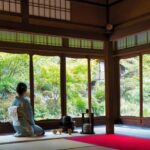
Then there’s the rock garden element. You’ll see a landscape garden famous for 15 rocks. The info frames it as a mysterious arrangement built in the 15th century, and the invitation is simple: try to interact with it in your mind. Even if you’re not a Zen expert, you can still enjoy the mental game.
If you’re short on time, choose the garden stop that matches your mood:
- If you want a contemplative, slower pace, pick the pond-and-training garden or the moon-viewing temple idea.
- If you want a quick but memorable visual puzzle, the 15-rock garden is a strong choice.
Either way, wear shoes that handle stone paths and uneven ground. These temples make you walk more than you think.
Kannon statues, guardian figures, and the temple paths you remember
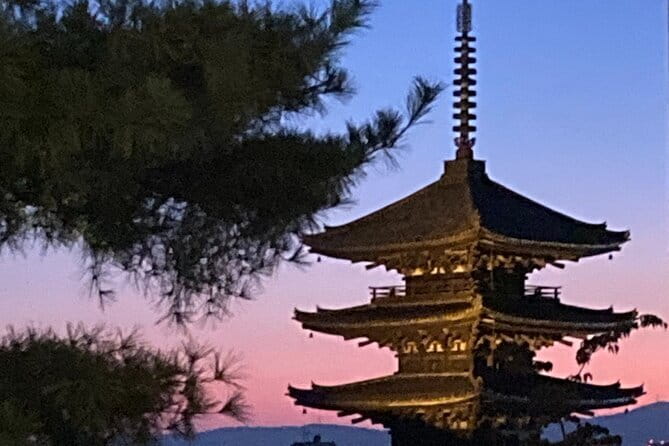
Another part of the Kyoto experience here is the role of Kannon, the Bodhisattva of compassion. One stop highlights long-supported devotion from commoners on Kyoto’s east side for about 1,200 years, with prayers tied to deceased loved ones. That gives you context for why the approaches feel important, not just pretty.
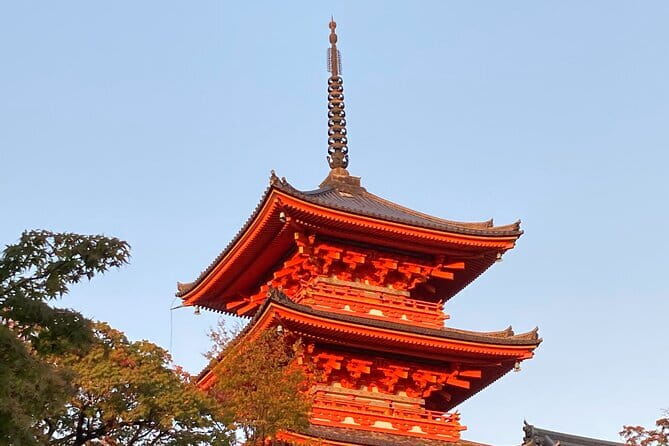
You’ll also see a temple that’s known for many statues of Kannon and their guardians, described as originating from ancient Indian deities. That connection helps you understand why the sculptural details feel both specific and wider than Japan alone.
The info also mentions Japanese archery competitions held at the back side of this temple. That’s a great reminder that temples weren’t only contemplative spaces. They were community-centered places with many layers of life around them.
If you like when a tour explains why a place looks the way it does, these stops deliver. They’re not only about sightlines; they’re about meaning.
Former military complex reworked into a bridge between Edo and the Imperial Court
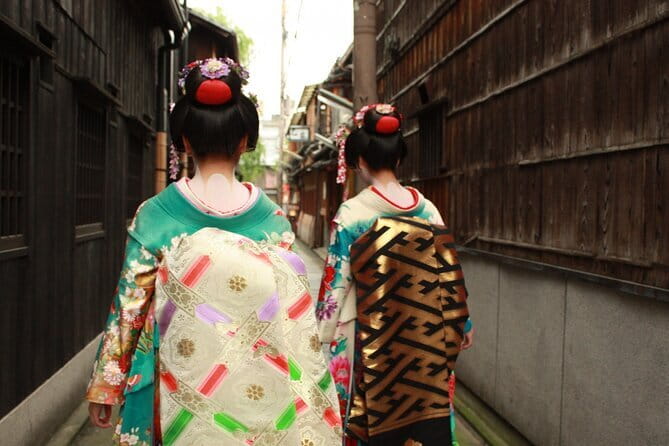
One of the stops in the mix is described as a former military complex that was converted into a place harmonizing the military government in Tokyo (Edo) and the Imperial Palace in Kyoto about 400 years ago, with decorations reflecting that purpose.
This is useful if you like your Kyoto more than just temples. You get a sense of how power moved and how the built environment shifted with it. The best way to enjoy this kind of stop is to pay attention to the story the architecture is trying to tell: what changed, what stayed, and why that mattered.
Potential drawback: if your entire day is already heavy on shrines and gardens, this stop might feel more informational than spiritual. If that’s your risk, balance it with a lighter, more scenic segment like Arashiyama later on.
Arashiyama bamboo trails and Togetsu-kyo bridge: the photo stop with legs
Arashiyama is the classic way to end a Kyoto day, especially if you want scenery and movement instead of only stone and incense.
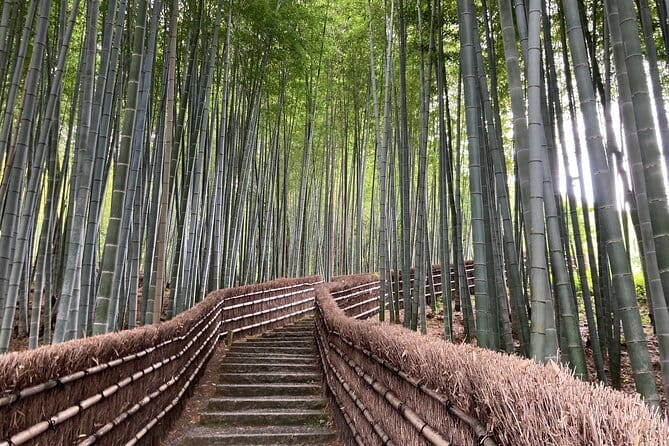
The route includes the Togetsu-kyo bridge on the River Katsura plus bamboo trails. These are two of the most photogenic spots mentioned in the tour info, so you’re set up to get the classic views without guessing where to stand.
What I like about placing Arashiyama in a longer day: it changes the pace. You shift from temple interiors and structured viewing to walking, river air, and bamboo-lined paths. It’s also a natural place to slow down and let your feet decompress after earlier stops.
Practical tip: if it’s a long day, plan a real break here. Your guide can help you time it so you’re not arriving at the most crowded moment with no patience left.
Gion-area lanes near Tatsumi Daimyo-jin: atmosphere plus photo-friendly bridges
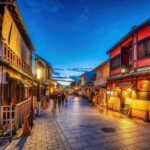
For a different kind of Kyoto feel, the Gion part of this tour includes the Tatsumi Daimyo-jin Shrine and Tatsumi-bashi bridge on the River Shirakawa.
This is a good segment if you want Kyoto’s old-world streets but also like clear photo moments. The info points out that you can enjoy photos in front of the shrine and on the bridge, and that the area is popular for the kind of atmospheric walking Kyoto does well.
If shopping is part of your interests, this is where a guide’s local sense really helps. You can ask for recommendations based on what you like that day—snacks, souvenirs, textiles—rather than following a rigid list.
What you’ll actually get from a truly tailored guide
A tour like this lives or dies on the guide. That’s where it’s easy to see why it scores so well.
One mother-and-son highlight from a recent booking centered on Yumiko-san, who helped with a specific shopping mission—finding kimono options and even tracking down a Japanese Giants MLB hat. The guide didn’t treat it as a side quest; it became part of the day’s structure. They also did a tea ceremony and felt it was done well.
That matters because Kyoto isn’t only about famous landmarks. It’s also about the small wins: the shop that has exactly what you’re looking for, the tea moment that fits your timing, and the route that saves you from spending energy on wrong turns.
This tour also includes advice for future plans for your stay, which is a simple but smart bonus. A good guide can help you decide what to see next, based on how your day actually went.
Tips to make your private Kyoto day smoother (and more fun)
Here are a few practical habits that match what this tour sets you up for:
- Bring cash so you can handle Kyoto’s cash-first shops and casual meals without stress.
- Think in stop types, not just famous names. Pair a high-energy walking spot (like torii or bamboo) with a calmer garden or temple moment.
- Wear supportive shoes. Temple paths and garden stones are not always gentle on your feet.
- If you care about shopping, tell your guide what you want early. The best outcomes happen when the plan makes room for detours.
- Budget for lunch and entrance fees, so you don’t get surprised mid-day.
For a private tour, the goal is not to check boxes. It’s to keep your day enjoyable and in your control.
Should you book this private Kyoto guide?
Book it if:
- you want a custom itinerary rather than a fixed bus-day schedule
- you like mixing iconic Kyoto stops with your personal interests (including shopping and food planning)
- you’d rather pay for organization than spend your limited vacation time figuring things out
Skip it or reconsider if:
- you’re on a tight budget for entrances and lunch extras
- you expect a fully self-guided day without any walking-based temple terrain
- you want only one ultra-famous attraction and nothing else, because the pricing and structure work better when you’ll use the 4–8 hours well
If you want Kyoto to feel like it’s built around you—your pace, your curiosity, and your day’s priorities—this is a strong way to do it with an English-speaking guide who can handle both the big sights and the small, personal requests.
FAQ
How long is the private Kyoto tour?
You can choose a half-day option of about 4 hours or a full-day option of about 8 hours.
How many places can I see during each time option?
For the 4-hour tour, you can choose about 2–3 places. For the 8-hour tour, you can choose about 4–5 places.
Is the tour private or shared?
It’s a private tour. Only your group participates.
What is included in the price?
The tour includes an English-speaking guide, bottled water, and a private car if you choose that option. You also get advice on future plans for your stay.
Are lunch and entrance fees included?
No. Lunch is not included, and entrance fees are not included. If you want the guide to accompany you to a facility, you may need to pay for the guide as well.
Does the tour include public transportation?
Public transportation is not included. You can have pickup offered and can choose a private vehicle option for a more seamless experience.
How do I contact the guide before the tour?
You can download WhatsApp or share your email address so the guide can contact you.
Do I need cash in Kyoto?
Yes. Many stores and restaurants accept cash payments only, so it’s smart to carry Japanese yen.
What should I bring in terms of physical comfort?
The tour notes that travelers should have a moderate physical fitness level.
What happens if the weather is bad?
The experience requires good weather. If it’s canceled due to poor weather, you’ll be offered a different date or a full refund.
More Private in Kyoto
More Guided in Kyoto
More Tour Reviews in Kyoto

Just added: more Kyoto tours to browse





Guided, compared.
 ★ 5.0Kyoto Early Morning Tour with English-Speaking GuideFrom $681,427 reviews
 ★ 5.0Kyoto 6hr Private Tour with Government-Licensed GuideFrom $1551,369 reviews
★ 4.9Early Morning Tour with English-Speaking GuideFrom $1011,128 reviews
★ 5.0Kyoto 6hr Private Tour with Government-Licensed GuideFrom $1551,369 reviews
★ 4.9Early Morning Tour with English-Speaking GuideFrom $1011,128 reviews
 ★ 4.7Nijo-jo Castle and Ninomaru Palace Guided TourFrom $161,020 reviews
 ★ 4.9Izakaya Bars Guided Walking TourFrom $25815 reviews
 ★ 5.0Kyoto Gion Night Walk & Geisha District Guided TourFrom $18786 reviews
 ★ 4.7Nijo Castle, Kiyomizu & Fushimi Inari Guided TourFrom $54700 reviews
 ★ 5.0Kyoto 4hr Private Tour with Government-Licensed GuideFrom $109629 reviews