
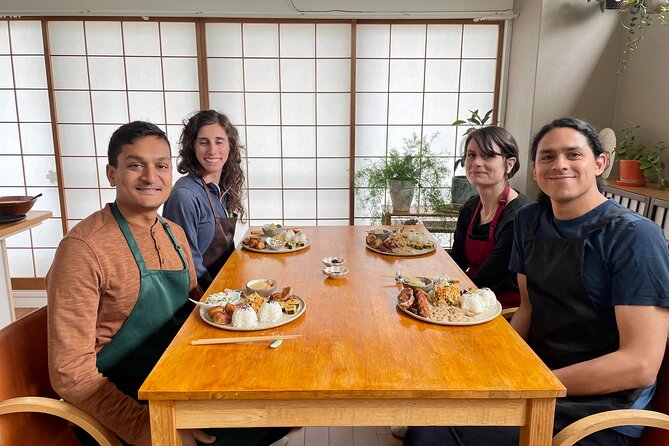
Reviewed · KYOTO COOKING CLASSES
Private Guided Traditional Buddhist Cooking in Japan
Shojin-ryori feels like a whole different Japan. This private Kyoto class connects temple tradition to a hands-on vegan cooking session with Yukari, built around classic Buddhist principles and seasonal local ingredients. I love how it’s not just theory: you learn, cook, and sit down to a plate lunch made from what you made yourself. One consideration: you’ll need to be comfortable doing real kitchen work for about 2.5 hours, and private transportation isn’t included.
You also get a neat flow that makes sense on a travel day: temple visits first, then the apron goes on and the technique starts. The menu is specific and varied—tofu, miso-grazed eggplant, lotus kinpira, daikon salad, plus a wheat-gluten vegetarian fried chicken and rice balls—so you come away with more than one “good idea.” If you’re expecting restaurant-style speed with no mess, this isn’t that kind of experience.
Shojin-ryori is Kyoto-style Buddhist cooking made without animal products. The logic is simple and strict: Buddhism prohibits killing animals, so the cuisine developed into a smart way to eat well using plant foods. In practice, that means you’ll see a lot of seasonal vegetables, tofu and other soy-based ingredients, grains, seaweed, and fermented flavors—cooking techniques that let veggies taste like something more than side dishes.
What makes this experience more than a vegan cooking class is the way it frames food as culture. You’re not only learning recipes; you’re learning how Japanese cooks think in terms of balance: texture, saltiness, sweetness, and that gentle umami that often comes from soy, miso, seaweed, and fermentation. The class also focuses on detail—small technique choices that change the result.
I also like that the teaching approach is practical. You get recipes written out for you at the end, which matters if you want to recreate the dishes later instead of just photographing them and forgetting the method.
This tour runs in the morning, starting at 10:00 am and ending back at the same meeting spot. You’ll visit three Kyoto temples—Enkoji Temple, Shisendo Temple, and Ginkakuji Temple—as a lead-in to Shojin-ryori. Even though you’re not cooking at the temples, the visit sequence sets the tone: you’re heading into Buddhist food thinking before you start chopping and simmering.
Hanging out at temples before a food lesson is also a travel win. It breaks up your day so you’re not bouncing from one restaurant line to the next. You get a breather before the kitchen work, and the contrast makes the cooking feel more meaningful.
In This Review
- Enkoji Temple stop: setting the tone for Buddhist food
- Shisendo Temple stop: learning the ingredient mindset before the kitchen
- Ginkakuji Temple stop: last pause before you cook 7 dishes
- Gluten-free option is mentioned
- A plant-based meal that doesn’t feel like deprivation
- What to expect in the teaching flow
- The meeting point is specific
- FAQ
- What is Shojin-ryori?
- What dishes will we cook during the class?
- Is the food vegan and free of animal products?
- Can the class accommodate a gluten-free diet?
- What’s included in the price?
- Is private transportation included?
- Where does the experience start, and when?
- Is there free cancellation?
Enkoji Temple stop: setting the tone for Buddhist food
Enkoji Temple is the first stop on the route. Think of it as the moment where your brain switches gears from tourism mode to food mode—quiet, respectful, and focused. The class starts by introducing the idea of Shojin-ryori and the ingredients that make it work, so this first temple stop supports that framing.
A small practical consideration: temple visits can mean uneven walking and slower pace. Wear comfortable shoes, and don’t plan to cram a second big activity right after if your legs tend to protest.
Shisendo Temple stop: learning the ingredient mindset before the kitchen
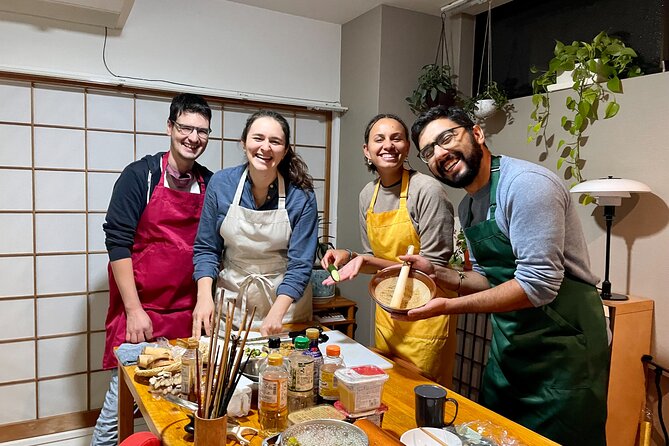
Shisendo Temple is the second temple stop. This is where the experience usually feels most like a “guided narrative” rather than a checklist. You’re continuing the cultural context that later connects directly to the dishes you’ll cook—especially ingredients like tofu, miso flavors, and the way vegetables are treated in Buddhist cooking.
If you get easily impatient waiting for instructions, you’ll still be fine. This isn’t one of those tours where you sit and listen for an hour. The day has structure, and the cooking portion is the big payoff.
Roll up your sleeves for another Kyoto cooking class

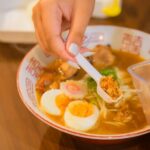
Ginkakuji Temple stop: last pause before you cook 7 dishes
Ginkakuji Temple is the third stop before you move into the hands-on part. This is your last temple moment, and it helps that the cooking class comes right after—so you don’t have long gaps between the idea and the action. By the time the apron goes on, the cuisine story actually sticks.
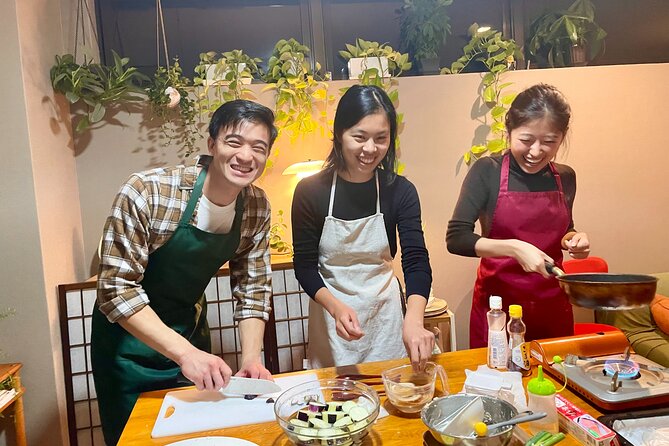
This is a private class, so your group is the only group in the room. You’ll learn Shojin-ryori basics first, then cook a full set of dishes—about seven items plus rice balls—ending with the shared meal. It’s meal-focused, not just “cook one thing and leave.”
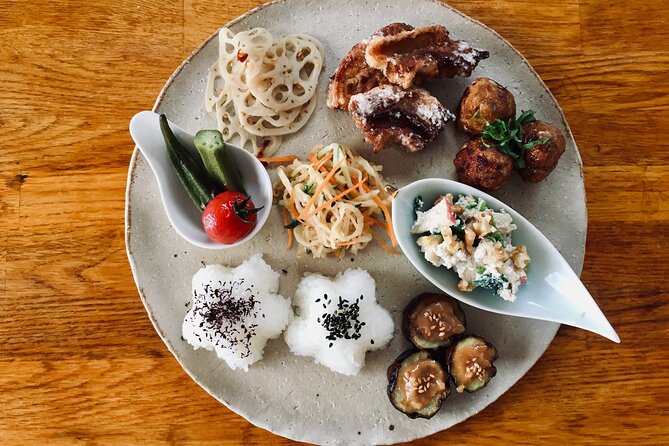
The list you’ll cook includes:
- Simmered seasonal vegetables
- Dried strips of daikon salad
- Kinpira of lotus (braised thinly sliced lotus)
- Nasu dengaku (miso-grazed eggplant)
- Shiraae (mashed tofu salad)
- Spicy teriyaki balls
- Vegetarian fried chicken using wheat gluten
- Two rice balls
That lineup is smart for beginners and cooks alike. It covers different cooking styles—simmering, salting/handling daikon, braising, topping with miso, making a creamy tofu salad, shaping and glazing, and deep-frying or frying-style technique with wheat gluten. Even if you only learn one or two tricks, you’ll be better at Japanese vegetarian cooking after this.
Gluten-free option is mentioned
The class can accept gluten-free requests—just let the host know. That’s important here because at least one dish explicitly uses wheat gluten. If you need gluten-free, this becomes less about substitution guesswork and more about planning from the start.
A plant-based meal that doesn’t feel like deprivation
The dishes are plant-based, but they’re not “light” in flavor. Misos and fermented notes help create depth, and the grain/soy/seaweed backbone is what makes the food feel complete. In other words, you’re eating a real meal with variety, not a single tofu plate that tastes like it’s trying to be healthy.
For a quick reality check: if your idea of vegan food is always salads and steamed veggies, this menu may surprise you—in a good way.
Your guide is Yukari, from Yuka/“Yukari’s Japanese Home Cooking.” Multiple guests specifically praised her as a warm host and a patient teacher with deep knowledge of Japanese food culture and Shojin-ryori technique. What I’d take from that for your planning is simple: you’re likely to get explanations that make the recipes make sense, not just instructions you follow blindly.
One standout detail from feedback: she provides recipes in writing. That’s huge value. Japanese home cooking can be subtle—timing, texture, and seasoning balance matter. Having the recipe notes after the class gives you a way to recreate the dishes later without relying on memory.
She’s also described as good with families, including kids. If you’re traveling with younger eaters, you can likely expect the session to keep moving and the instructions to be approachable enough for non-cooks.
What to expect in the teaching flow
The class runs roughly 2 hours 30 minutes. Based on the way the experience is structured, you’ll see:
- An introduction to Shojin-ryori and ingredient logic
- A move into hands-on cooking with lots of guided steps
- A final moment where you eat the plate lunch you created together
You’ll probably find it helpful to come with a curious mindset. This isn’t just about finishing dishes; it’s about understanding why tofu, miso, and fermented flavors show up again and again in Kyoto Buddhist food.
At $70.94 per person for about 2.5 hours, this is priced like a hands-on cultural activity, not like a generic cooking demonstration. The value is in what’s included and in the fact that it’s private.
Included in the price:
- Lunch ingredients and the drink (water or tea)
- Apron and all equipment
- Utility charges and facility fee
- Recipes
- The experience itself is built around cooking and eating
Not included:
- Private transportation
Here’s how I think about value for you. You’re paying for (1) guided technique, (2) ingredients and equipment so you don’t have to source anything, and (3) take-home recipes that make the class useful after you leave Kyoto. If you’re the type who wants to cook when you get home, that “after the trip” benefit matters a lot.
Also, being near public transportation is a plus. You don’t have to wrestle with hard-to-reach logistics if you’re already using trains/buses around Kyoto.
Other Kyoto tours and experiences to compare

The meeting point is specific
The start point is at: Japan, 606-8165 Kyoto, Sakyo Ward, Ichijōji Nodachō, 16フェアモントビル. The tour ends back at the same location. That round-trip “back where you started” layout is convenient when your day is already packed.
This class is a great fit if you:
- Want a Kyoto-specific culinary experience that explains how the food developed
- Eat vegetarian or vegan and want Japanese flavors that feel like full meals
- Like hands-on cooking more than watching from the sidelines
- Plan to cook at home and want recipes written out
- Are traveling with kids and want a guided, structured activity that includes everyone
If you’re short on time, this still may work because it’s only 2 hours 30 minutes. But if you hate cooking tasks or you’re already exhausted from temple walking, you might prefer a lighter food experience.
It’s also ideal for people who want something different from sushi or ramen. Kyoto has plenty of those, but Shojin-ryori gives you a distinctly plant-forward Japan that’s rooted in belief and everyday practice.
If you want one Kyoto activity that combines culture, technique, and a real sit-down meal, I think this is a strong booking. You’re not only eating vegan food—you’re learning the logic behind it, cooking multiple styles of dishes, and getting written recipes you can actually use later.
The main reason to hesitate is also the main reason it’s worth it: it’s hands-on and structured. If you’re expecting passive entertainment or you need a no-effort, no-station-mess kind of activity, this won’t feel like that.
My practical recommendation: if you can make the morning time work and you’re open to cooking several dishes (including wheat-gluten-based options unless you request gluten-free), book it. This kind of class is exactly what turns a trip into something you can repeat at home.
FAQ
What is Shojin-ryori?
Shojin-ryori is traditional Buddhist cooking in Japan made without animal products. The class focuses on how it’s built using plant ingredients, including seasonal vegetables and soy-based foods like tofu.
What dishes will we cook during the class?
You’ll cook seven dishes: simmered seasonal vegetables, dried strips of daikon salad, kinpira of lotus, nasu dengaku (miso-grazed eggplant), shiraae (mashed tofu salad), spicy teriyaki balls, and vegetarian fried chicken using wheat gluten—plus two rice balls.
Is the food vegan and free of animal products?
Yes. Shojin-ryori is presented as vegan Buddhist cooking without animal products like meat or fish, and the class is designed around that.
Can the class accommodate a gluten-free diet?
Yes, gluten-free can be accepted. You should let the host know when booking.
What’s included in the price?
The price includes lunch ingredients, a drink (water or tea), an apron, all equipment, utility charges, a facility fee, and the recipes.
Is private transportation included?
No. Private transportation is not included in the experience price.
Where does the experience start, and when?
It starts at Japan, 606-8165 Kyoto, Sakyo Ward, Ichijōji Nodachō, 16フェアモントビル at 10:00 am, and it ends back at the same meeting point.
Is there free cancellation?
Yes. Free cancellation is offered: you can cancel up to 24 hours in advance for a full refund. If you cancel less than 24 hours before the start time, the amount paid is not refunded.
More Guided in Kyoto
More Tour Reviews in Kyoto






More Kyoto Cooking Classes
Just added: more Kyoto tours to browse








Kyoto Cooking Classes, compared.
 ★ 5.0Ramen Cooking Class at Ramen Factory in KyotoFrom $1311,937 reviews
 ★ 5.0Sushi Making in Kyoto! Same-day bookings welcome!From $53713 reviews
 ★ 4.9Ramen Cooking Class at a Ramen Factory with SouvenirFrom $127532 reviews
 ★ 5.0Ramen, Gyoza, and Onigiri Cooking ClassFrom $90445 reviews
 ★ 5.0The Original Small-Group Sushi Making Class in KyotoFrom $69436 reviews
 ★ 5.0Japanese Washoku Bento Small Group Cooking ClassFrom $58380 reviews
 ★ 5.0Kyoto Ramen and Gyoza Cooking Class with Professional ChefsFrom $86282 reviews
 ★ 4.9Afternoon Japanese Izakaya Cooking ClassFrom $67241 reviews
Browse the lists this tour appears in