
Reviewed · GION & GEISHA DISTRICT TOURS
Maiko Dance and Tea Ceremony on a Noh Stage in Kyoto
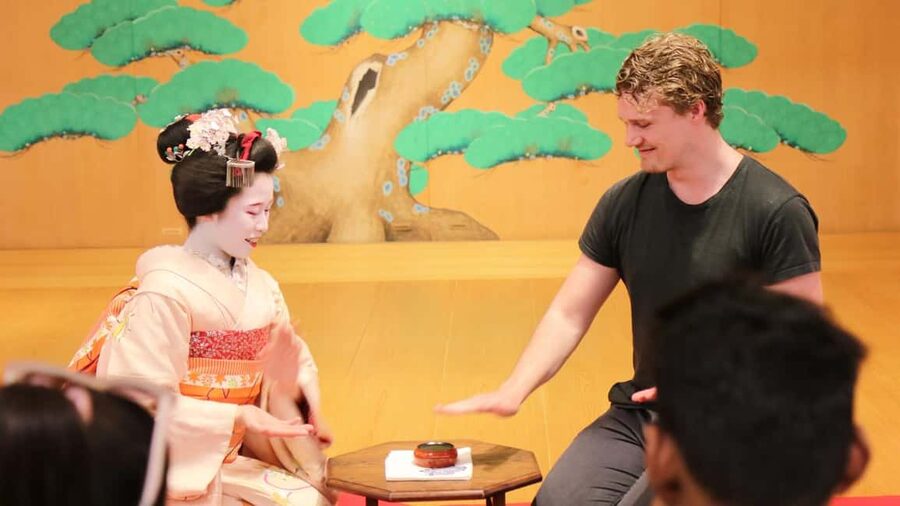
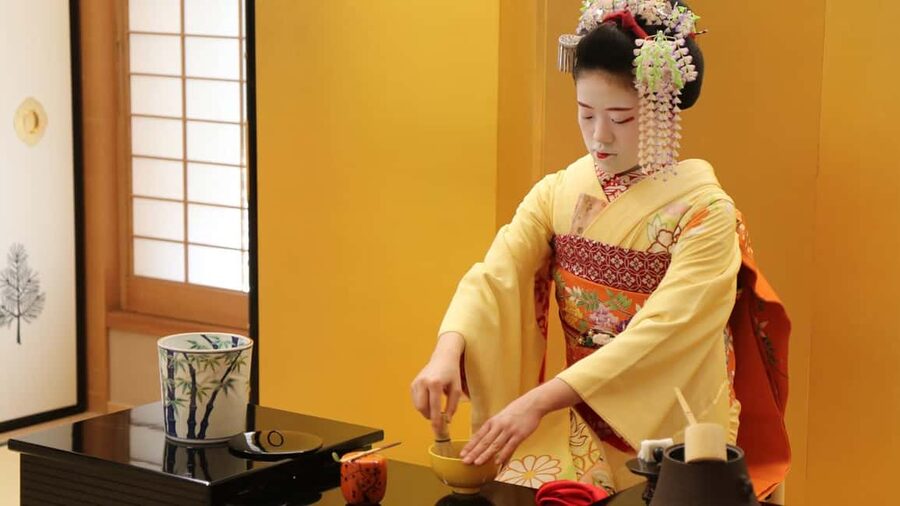
A maiko performs on Kyoto’s Noh stage. I like the Noh theater setting because it makes the whole event feel ceremonial and real, and I also like the matcha preparation because it slows you down in a good way. The main drawback is that this is a short, structured experience, so there isn’t much free time to wander or linger.
You’ll combine two classic arts—dance and tea—inside a historic Noh space in Kyoto. The result feels calm, focused, and surprisingly personal, especially with English-speaking staff guiding you and time set aside to chat with the maiko and take photos. Just note: you’ll need to plan for indoors-only comfort after shoe removal.
In This Review
- Key things to notice before you go
- What this Kyoto experience really gives you (dance, tea, and context)
- Where you meet and how arrival works at Kurochiku Tensho-kan
- Inside the Noh theater: why this stage setup matters
- The maiko dance: elegance you can actually track
- The tea ceremony with freshly prepared matcha and seasonal sweets
- The small extras that make it feel personal
- English support and how to make the conversation time count
- Price and value: what $141 buys you in Kyoto
- Practical tips that help you enjoy it more
- Who should book this maiko dance and tea ceremony
- Should you book this experience?
- FAQ
- What should I bring?
- Where do I meet for the experience?
- How early should I arrive?
- How long is the experience?
- What language support is available?
- What’s included, and can I take photos?
Key things to notice before you go
- A maiko dance on an actual Noh stage: you’re not watching this from the margins.
- Matcha made with refined precision paired with seasonal Japanese sweets.
- English interpreter guide to help you follow what’s happening, not just observe.
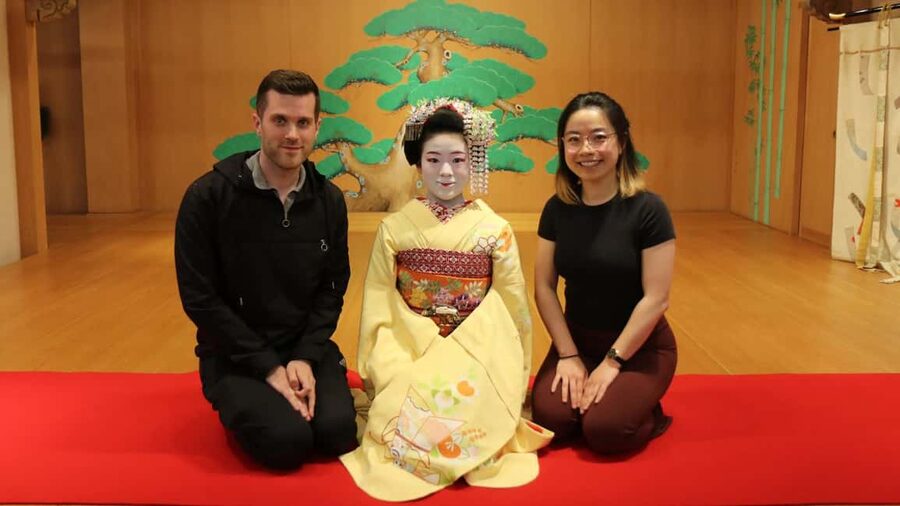
- Photo time and conversation with the maiko in an intimate setting.
- You receive a patterned handkerchief as part of the tea ceremony experience.
- Socks required, shoes off indoors so bring the right foot setup.
What this Kyoto experience really gives you (dance, tea, and context)
This isn’t a generic cultural show followed by a quick snack. You’re stepping into two traditions that share the same spirit: patience, form, and attention to detail. The maiko’s dance happens on a Noh stage, which changes the vibe instantly. Noh theater has its own rhythm—measured movements, a sense of dignity, and a layout that makes the performance feel like it belongs to the room, not something pasted onto it.
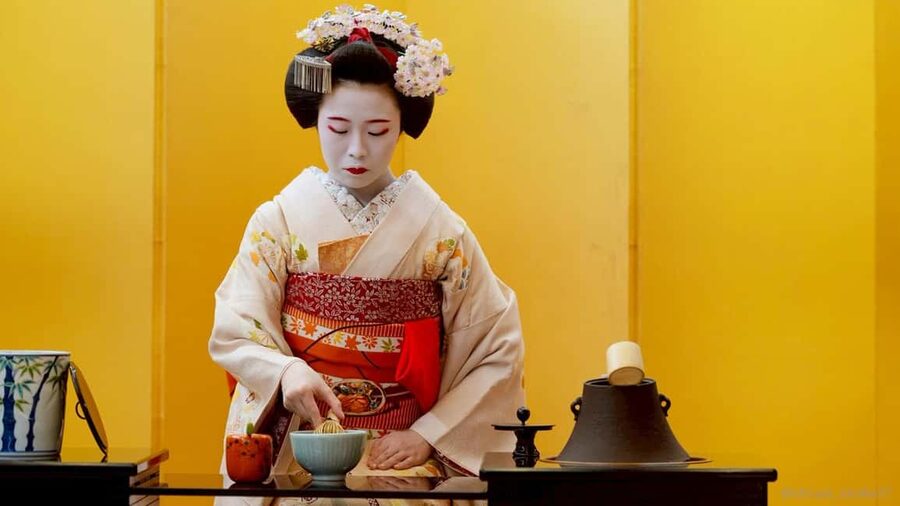
Then the tea ceremony shifts the focus from spectacle to ritual. Matcha isn’t just a drink here; it’s served with seasonal sweets and a careful process that asks you to slow down. For me, the best part is how the pairing works. The dance sets a mood of grace and discipline, and the tea lets you absorb what you just watched through taste, scent, and quiet attention.
One consideration: because it’s 1 hour to 90 minutes, everything is tightly timed. You’ll get a complete experience, but you’ll also move from moment to moment fairly quickly. That’s usually good—just be aware if you want a long, unstructured cultural afternoon.
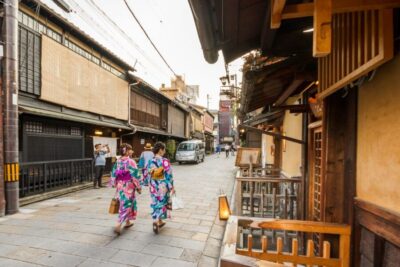
More evenings along the lantern-lit lanes of Gion


Where you meet and how arrival works at Kurochiku Tensho-kan
Check-in happens at Kurochiku Tensho-kan, and you should arrive at the 1st floor reception at least 15 minutes before the starting time. That buffer matters because you’ll be getting sorted quickly for shoe removal and seating before the show and tea begin.
You’re also told that meeting point can vary depending on the option booked, so confirm your exact pickup location when you reserve. Once you’re inside, the experience moves indoors, and the house rules take over: remove your shoes and settle into comfortable seating designed for relaxed viewing.
Think of this part as you setting the tone. If you show up late, you’ll feel rushed, and this event really rewards calm pacing. If you show up early, you can get comfortable, read the room, and get mentally in sync with Noh theater etiquette.
Inside the Noh theater: why this stage setup matters
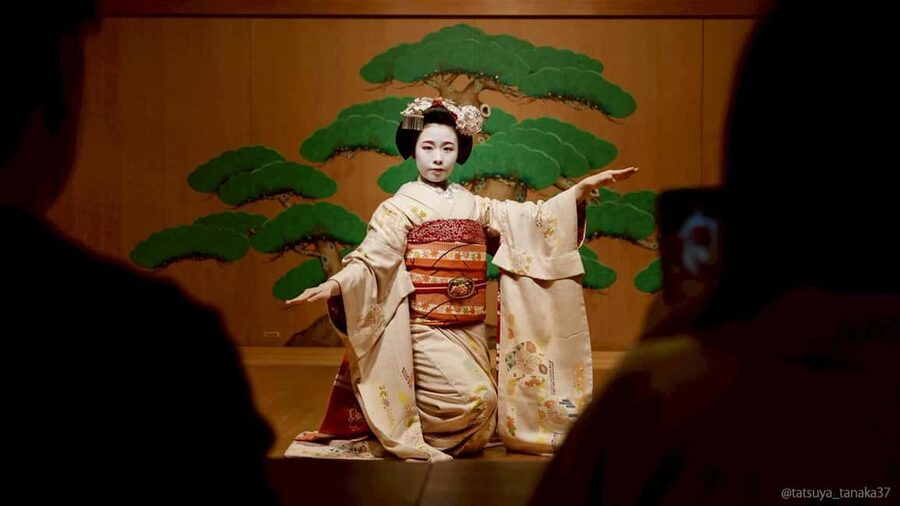
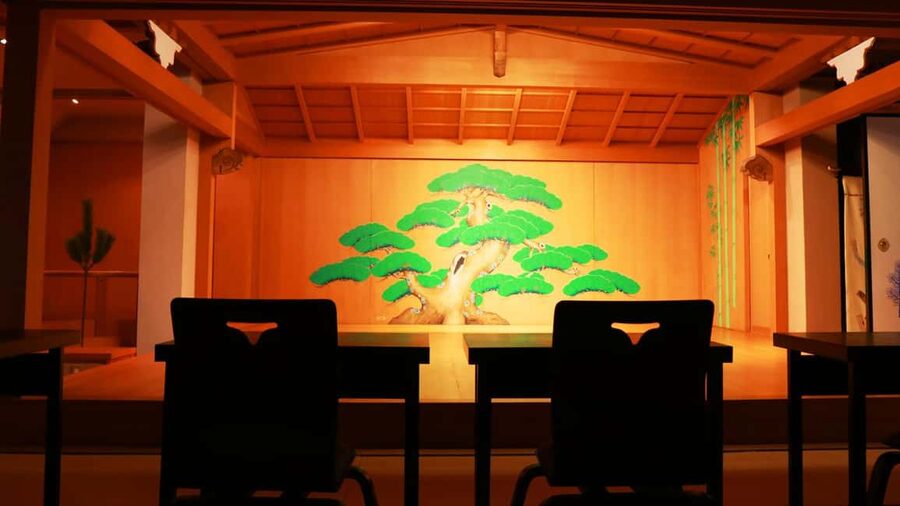
Noh stages aren’t like modern theater. Even if you’ve never seen one before, you’ll feel the difference right away: the performance space is dignified, the atmosphere is quiet, and the setting supports the slow, controlled style of the dance.
That’s why this event is more than a combo ticket. When the maiko performs on the Noh stage, your brain stops treating it like a background activity and starts treating it like a formal performance. You’re also indoors, so you’re not dealing with weather or noise that can break the concentration you need for tea and dance.
There’s also a practical side. Since you participate indoors after shoe removal and comfortable seating is arranged, you can focus on the experience instead of fighting for position. You still want to plan your comfort: this is one reason the sock requirement is listed clearly. Bring socks you’re happy to wear for an hour or so without sliding or getting uncomfortable.
The maiko dance: elegance you can actually track
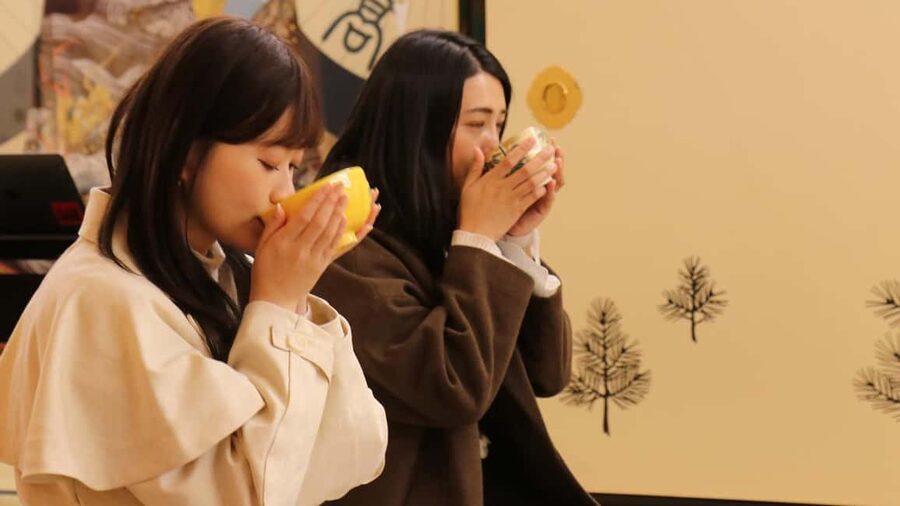
The highlight is the maiko’s graceful dance, performed in that Noh space. A maiko is an apprentice geisha, and in this format, you get to see how her training and poise show up as movement. The key is not to expect a high-volume performance. This is controlled, dignified, and meant to be watched with attention.
You’ll also have a chance to take photos and chat with the maiko in an intimate setting. That part can be surprisingly meaningful. It turns the dance from something you watched silently into something you connect with as a person. If you’ve been nervous about how to interact, don’t worry—English-speaking support is available, and the event is structured so you’re not left guessing.
One thing to keep in mind: because it’s a short program, don’t try to over-schedule your day around it. Arrive rested enough to pay attention. Noh-style performance rewards focus, and tea adds another layer of sensory attention after the dance.
The tea ceremony with freshly prepared matcha and seasonal sweets
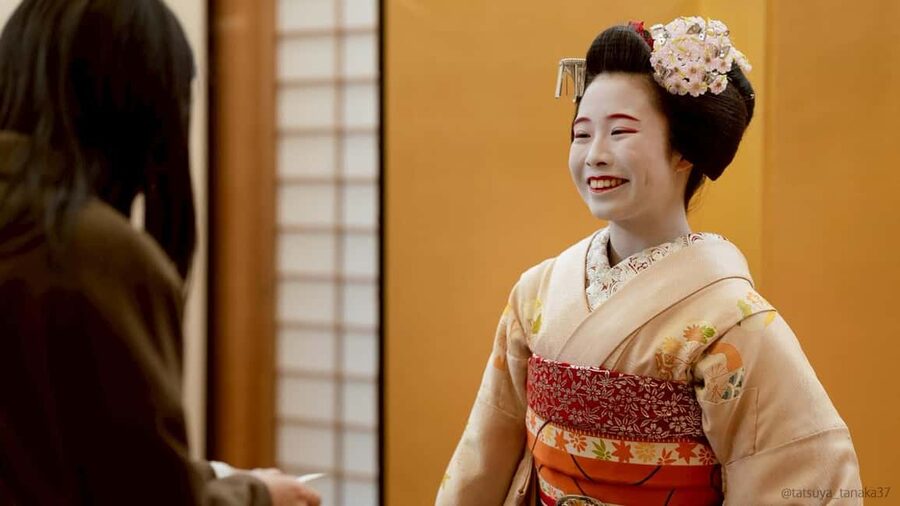
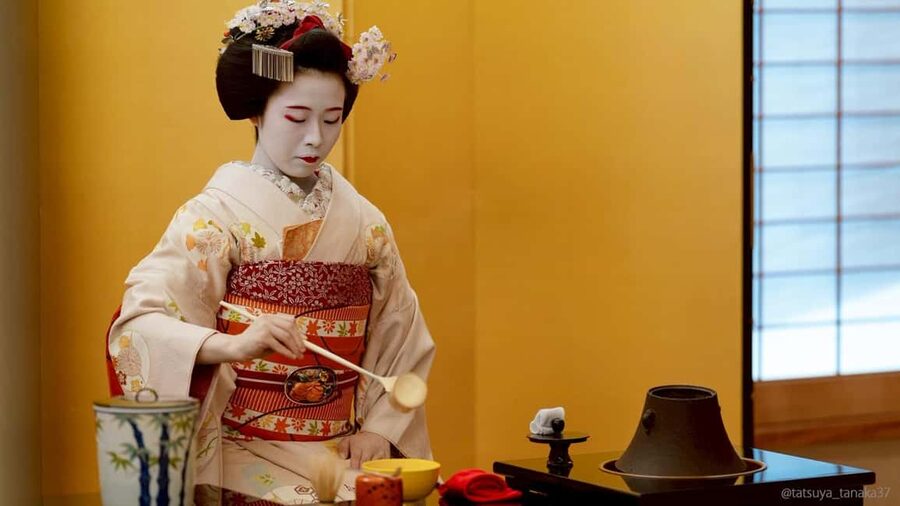
After the dance, you’ll take part in a Japanese tea ceremony. The centerpiece is freshly prepared matcha, made with refined precision. That phrase sounds formal, but it’s really about process: how the tools are used, how the matcha is mixed, and how everything is timed so the experience feels intentional.
You’ll also be served seasonal Japanese sweets alongside the matcha. This pairing matters because it makes the ceremony feel like it’s tied to the moment and the seasons, not like a generic tasting. You can taste the tea and sweetness as part of a single sequence.
And the sensory mix is the whole point. Matcha has a distinct aroma and flavor, and the sweets add contrast. Even if you don’t know the etiquette, the structure and guidance help you participate without feeling awkward.
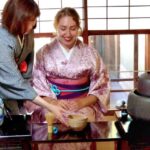
Sit for another bowl of matcha in a Kyoto tea house




The small extras that make it feel personal
A nice touch: each participant receives a Japanese-patterned handkerchief. It’s one of those seemingly small items that actually helps you remember the event as a complete experience rather than just a performance ticket.
You’ll also work with a professional English interpreter guide. That does two big things for you:
- It helps you understand what’s happening during the tea and dance parts.
- It makes your photo/chat time easier, since you’re not translating everything in your head on the spot.
Photos and conversation are included as part of the experience, so you’re not stuck watching politely from a distance the whole time. Still, keep your expectations realistic: the program is timeboxed, so the photo/chat moments won’t be hours long.
English support and how to make the conversation time count
The experience is supported in English and Japanese, and staff are described as English-speaking with an interpreter guide. For most people, that’s the difference between watching culture pass by and understanding what you’re seeing.
During the part where you can chat with the maiko, think simple. Ask something that doesn’t require advanced cultural history to answer. Even a basic question about the performance or how it feels can lead to a warmer interaction than you’d expect.
Here’s a practical way to prepare: pick one or two topics you actually care about. Maybe you want to know about the dance style, or you want to understand what you should focus on when drinking matcha. If you keep it focused, the time feels more personal and less like a rushed photo op.
Price and value: what $141 buys you in Kyoto
At $141 per person for a 1 hour to 90 minutes experience, this isn’t a cheap add-on. But it also isn’t just a seat in a theater.
What you’re paying for includes:
- The maiko dance performance on a Noh stage in Kyoto
- The tea ceremony with matcha and sweets
- An English interpreter guide
- The handkerchief given to each participant
- A maiko dispatch fee
That last detail matters. Dispatch fees and performance costs typically aren’t small, and they’re part of why this type of curated cultural access costs more than a standard group show. In other words: you’re not only paying for the content, you’re paying for access—into a formal space and through a guided experience where language doesn’t become a barrier.
If you’re visiting Kyoto and want one high-quality, culturally specific activity that feels respectful rather than touristy, this is a strong candidate. If you’re on a tight budget, the biggest “value check” is whether you truly want both dance and tea in the same program. If yes, the package makes sense.
Practical tips that help you enjoy it more
A few small things will make this go smoother.
Bring socks. The event involves indoors participation after shoe removal. Comfortable socks help you settle quickly without fuss. Avoid new socks that slide or bunch.
Arrive early. The instruction is clear: be at the 1st floor reception of Kurochiku Tensho-kan at least 15 minutes before the start. Plan for a few extra minutes in case you need to orient yourself in the building.
Plan your schedule. Since duration is listed as 1 hour to 90 minutes, and starting times vary, don’t stack another demanding activity right before or right after. Leave room to absorb the shift from dance into tea.
Take it slow. You’ll be sitting and watching, then participating in a tea sequence. If you treat it like a checklist, you’ll miss the calm payoff. If you treat it like a timed cultural moment, you’ll get more out of it.
Transportation is not included. You’ll need to handle getting there on your own, so factor that into your day. Kyoto can be manageable, but timing can still surprise you.
Who should book this maiko dance and tea ceremony
This is a great fit if you:
- Want a culturally respectful Kyoto experience that goes beyond sightseeing photos
- Like traditional arts where you can slow down and pay attention
- Prefer guided interpretation so you don’t feel lost
- Want a chance to take photos and chat with the maiko in an intimate setting
It might be less ideal if you:
- Hate structured, timed activities
- Expect something long and free-form
- Want transportation arranged for you (it’s not included)
Should you book this experience?
If you’re choosing one Kyoto cultural “wow” moment that combines two traditions in a real performance setting, I’d lean yes. The value comes from the combination: maiko dance on a Noh stage plus an actual matcha tea ceremony with sweets, guided in English. You’re also not only watching—you get participation and a real chance to connect during photo and conversation time.
Book it if you want your Kyoto day to feel calm, precise, and authentically structured. Pass or look for another option if you’re looking for a long afternoon, a self-guided tour, or included transport.
If you decide to go, do yourself a favor: arrive early, wear good socks, and give yourself permission to be quiet for an hour. That’s when the experience lands.
FAQ
What should I bring?
You should bring socks. You’ll participate indoors after removing your shoes.
Where do I meet for the experience?
You’ll meet at the 1st floor reception of Kurochiku Tensho-kan. The meeting point may vary depending on the option booked.
How early should I arrive?
Arrive at the 1st floor reception at least 15 minutes before the starting time.
How long is the experience?
The duration is 1 hour to 90 minutes. Starting times vary, so check availability when you book.
What language support is available?
The live tour guide and support are listed as English and Japanese, including a professional English interpreter guide.
What’s included, and can I take photos?
The experience includes matcha and sweets, a Japanese-patterned handkerchief, the English interpreter guide, use of the Noh stage in Kyoto, and the maiko dispatch fee. You’re also able to take photos and chat with the maiko in an intimate setting.
More Tour Reviews in Kyoto



One More Bowl of Matcha
Still in Gion? Keep Going


Just added: more Kyoto tours to browse








Gion & Geisha District Tours, compared.
 ★ 4.7Kyoto Geisha Walking Tour: Gion District & Hidden GemsFrom $253,273 reviews
 ★ 4.9Gion Magical Night Walking Tour with Geisha TriviaFrom $242,393 reviews
 ★ 4.7Gion Geisha District Walking Tour – Stories of GeishaFrom $202,187 reviews
 ★ 4.9Best of Kyoto: Gion, Geisha, Pagodas & CobblestonesFrom $242,058 reviews
 ★ 4.5Night Walk in Gion: Kyoto’s Geisha DistrictFrom $212,003 reviews
 ★ 5.0Kyoto Night Foodie Tour in Gion (9+ dishes + 6 Sake tastings)From $1631,762 reviews
 ★ 5.0Kyoto Gion Geisha District Walking Tour – The Stories of GeishaFrom $251,441 reviews
 ★ 5.0Kyoto Gion: 2-Hour Geisha Culture & History Walking TourFrom $231,186 reviews
Browse the lists this tour appears in