
Reviewed · KYOTO TEA CEREMONIES
Kyoto: Wazuma Magic Show & Tea Ceremony
Kyoto has a way of hiding the good stuff in plain sight. In a quiet Gion alley, you’ll find a Wazuma magic performance rooted in a tradition Japan treats as intangible cultural heritage, then slow it down with a hand-whisked Uji matcha tea time in the same private setting. I love that the show is rare (a 1,000-year-old illusion art) and close-up, so the action feels personal instead of staged.
The other thing I really like is the pacing: you get a focused 30-minute magic show, then 30 minutes to taste matcha with clear English guidance. The only real drawback to consider is the venue setup: it’s a traditional tea room with limited seating, and it isn’t suitable for wheelchair users.
In This Review
- Key Highlights Worth Booking This for
- Why Wazuma Magic Feels Different in Kyoto
- Gion Tea Room Setup: The Private-Group Advantage
- Inside the 30-Minute Wazuma Performance
- The Matcha Half: Uji Tea Time With English Guidance
- Timing, Arrival, and What to Do If You’re Running Late
- Price and Value: What $77 Really Buys You
- Who This Experience Fits Best (And Who Might Skip It)
- Planning Your Day in Kyoto Around This One Hour
- Should You Book the Kyoto Wazuma Magic Show and Tea Ceremony?
- FAQ
- How long is the Kyoto Wazuma Magic Show & Tea Ceremony?
- Where does the experience take place?
- Is this a private experience or a group tour?
- What’s included in the price?
- What should I bring or plan for?
- Do I need to speak Japanese?
- How does transportation work?
- Can I cancel for a refund?
- Is it wheelchair accessible?
- Should you book it?
Key Highlights Worth Booking This for
- Wazuma magic that’s rarely performed today, with fewer than ten masters remaining
- A one-group-only tea room, sized for intimacy (just 6 seats)
- Close-up sleight of hand, with gestures happening centimeters from you
- Uji matcha made in-house, paired with English guidance for context
- A small souvenir at the end, plus a show that’s meant to be savored, not rushed
Why Wazuma Magic Feels Different in Kyoto
Most magic shows in the world are about spectacle. Wazuma is different because it comes from a long Japanese line of illusion artistry, performed like a cultural ritual rather than just entertainment. This isn’t a watered-down trick show for crowds. It’s presented as a traditional art—recognized by Japan as intangible cultural heritage—so the mood is more focused, more precise, and more respectful of the craft.
I also like that the experience leans into rarity. You’re not just watching magic; you’re witnessing an art form that modern-day audiences rarely see, with only a small number of masters still active. That matters in Kyoto, where there are plenty of cultural activities—but fewer that feel truly “seldom seen” in one compact hour.
You’ll notice the difference in how the performance is structured. Because the audience is small and seated very close, the pacing is slower than a typical stage show. The “wow” doesn’t come from loud effects. It comes from timing, controlled movement, and the way the illusion keeps you guessing even when you’re watching from very near.
Sit for another bowl of matcha in a Kyoto tea house

Gion Tea Room Setup: The Private-Group Advantage
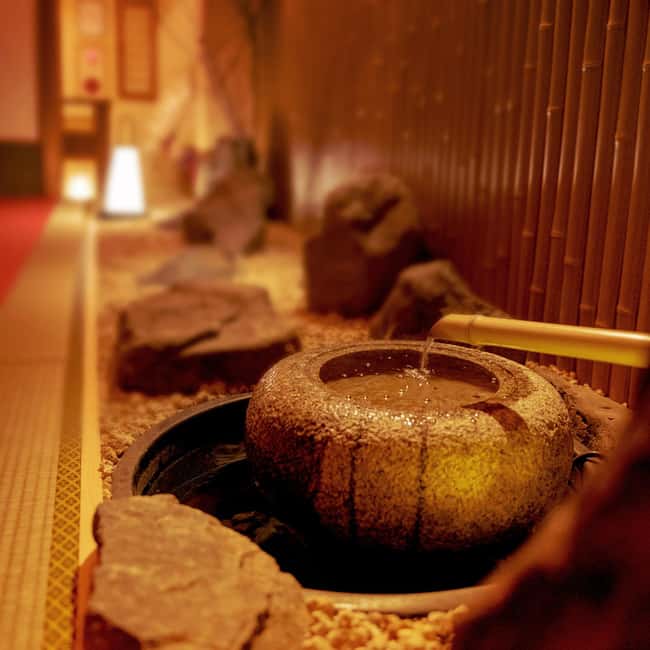
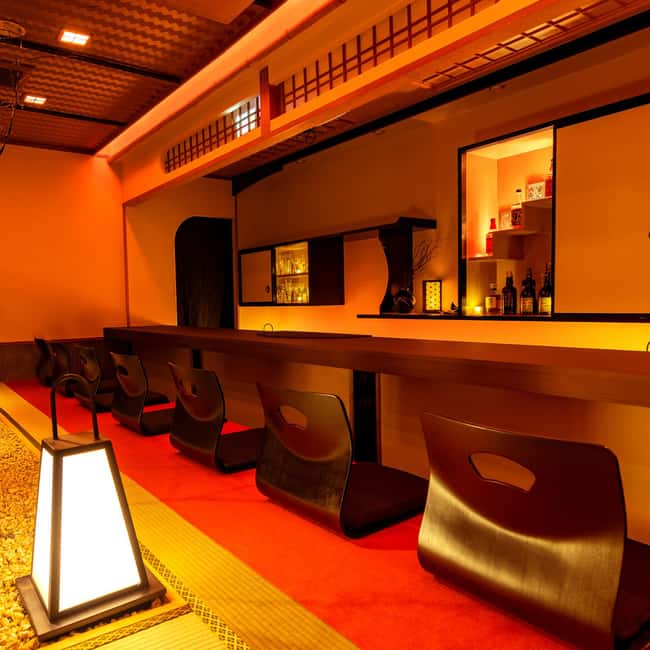
This show happens in a traditional tea room in Kyoto’s Gion area, hidden in a quiet alley. That location is part of the magic of the experience—even before the first trick, the setting already feels calmer than most tourist stops. And you’re not sharing it with strangers. It’s a private group setup for one party only.
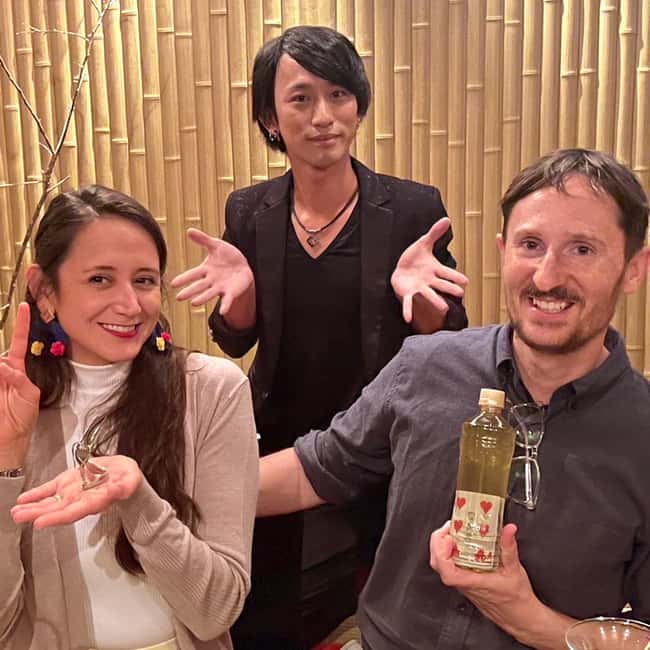
The room is sized for closeness: only 6 seats are available, and your group fills the space. That’s a big deal for two reasons. First, you’ll actually be able to see details of the performer’s hands and movements. Second, you won’t be fighting for attention with other people or having the performance shaped around a big audience flow.
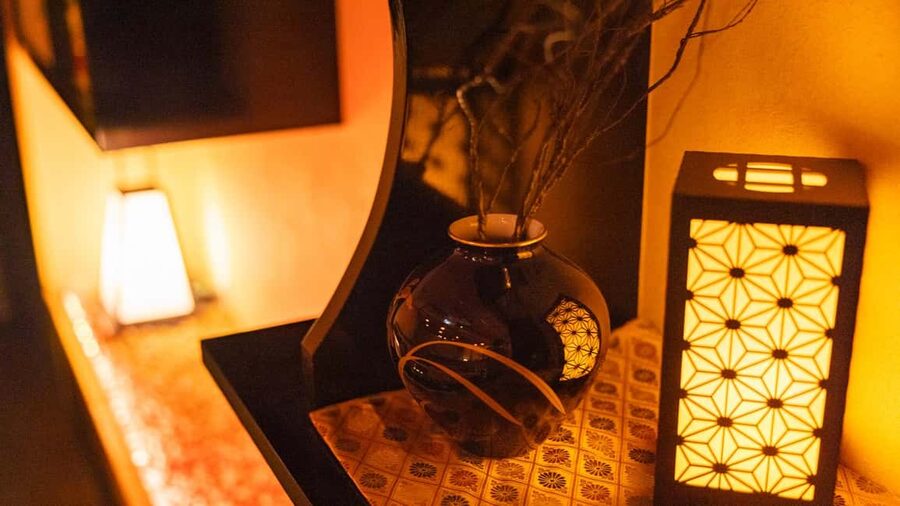
The tea room also changes the tone. Instead of drifting in and out like sightseeing, you get a salon-like atmosphere—quiet, contained, and meant for attention. One booking noted how beautiful the room and setup felt, which tracks with what the format is aiming for: a refined experience, not a hurried one.
One more practical point: the staff member meets you in front of the building about five minutes before showtime. Plan to arrive on time. With only one group in the room, delays can affect the start.
Inside the 30-Minute Wazuma Performance
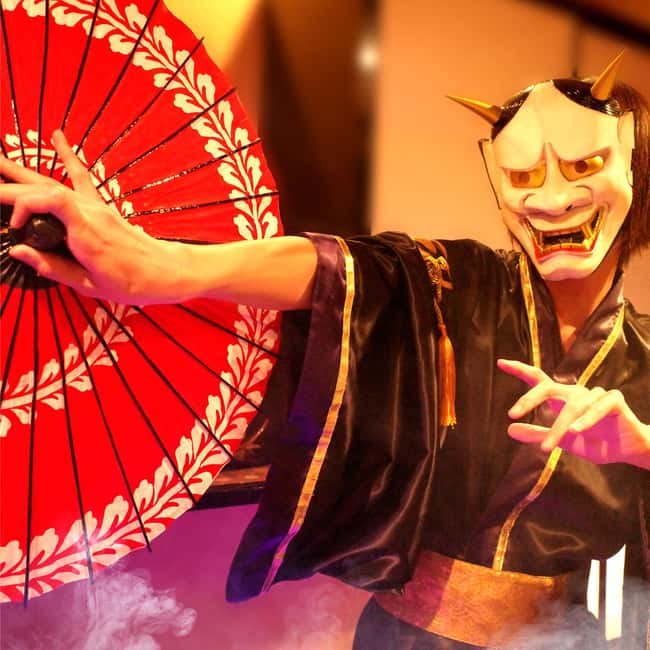
The core of the experience is a 30-minute traditional Japanese magic show. Wazuma is built around the idea that perception can be guided—subtly—through gestures and timing. In this format, the performer’s actions happen just centimeters away. You’re not across a theater; you’re in the zone.
I like that this makes the tricks feel more challenging to solve. When you’re close enough to notice hand shape, posture, and small movements, your brain tries harder to find the method. That’s exactly the feeling you want from a close-up tradition-based magic show.
The experience also feels interactive in the best way: it’s not chaos, but you’re fully part of the audience angle. Several people highlighted that the show is up close and personal, and that the tricks are hard to figure out even while watching carefully.
You should also expect a performance that feels theatrical while staying rooted in tradition. It’s not just random trick after random trick. It’s a guided experience that ends with a small souvenir, which gives you something tangible to bring home from a very specific Kyoto moment.
Two “rules of the room” to remember:
- Flash photography is not allowed during the performance.
- You should arrive 5 minutes early so you settle in without pressure.
The Matcha Half: Uji Tea Time With English Guidance
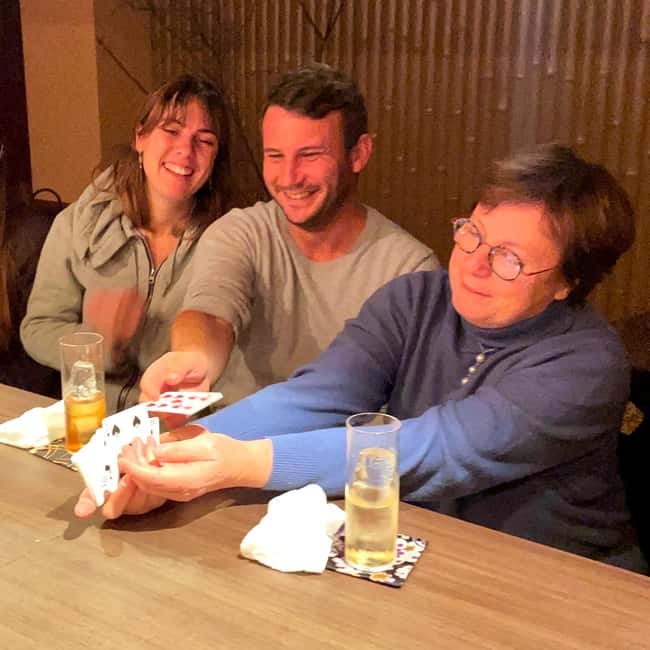
After the magic, the experience shifts gears for 30 minutes of Uji matcha tea time. This part is where Kyoto slows you down, and it also turns the event from a show into a cultural visit with context.
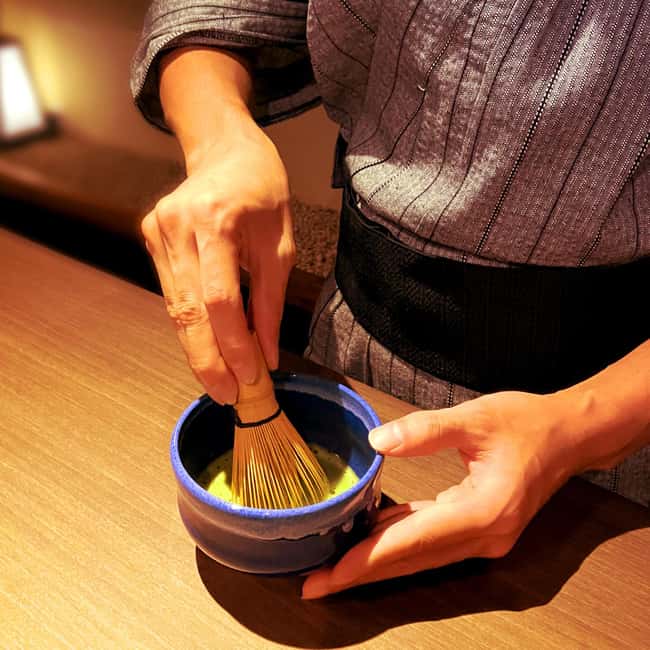
You’ll get hand-whisked matcha—one bowl, served as part of the scheduled experience. The tea is Uji matcha, which matters because it’s often associated with high-quality green tea, and here it’s presented as the companion to the performance rather than an afterthought.
The biggest practical win: you’ll have English guidance. Matcha tastes good on its own, but the guidance helps you understand what you’re seeing and why this tea moment is part of the tradition. It’s the kind of explanation that lets you enjoy your tea beyond sipping it politely.
One small detail that’s worth planning for: because the seating is limited, you’re not “queued” through a tasting like at a conveyor-belt café. The tea time feels like part of the same private session. If you enjoy calm, reflective breaks in your day, this half does a lot of work.
And if you’re worried this might be too slow after the magic: it’s paced as a tidy 30-minute segment. Long enough to feel like an experience, short enough to keep your evening flexible.
Timing, Arrival, and What to Do If You’re Running Late
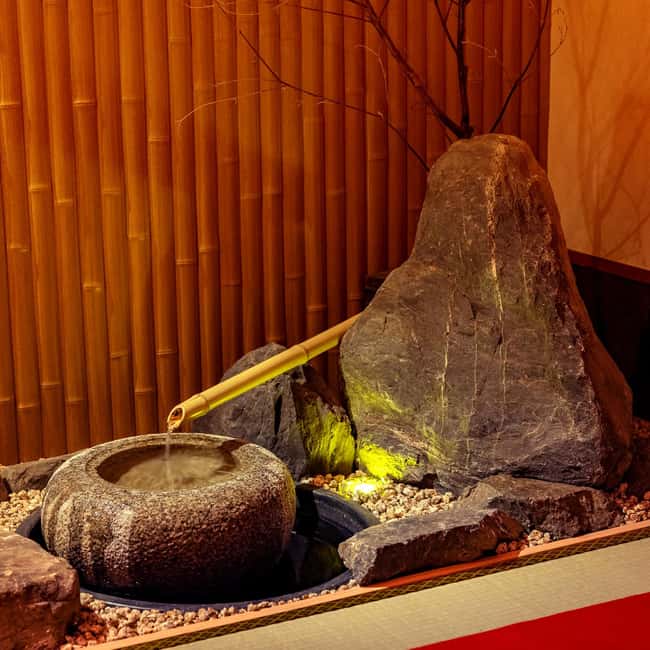
This experience lasts 1 hour total, split into the 30-minute show and 30-minute matcha tea time. That tight schedule is one reason it fits well in a Kyoto day. You’re not committing half your afternoon to a formal event, and you won’t feel trapped once you’re done.
Show start times depend on availability, so it’s smart to check what’s offered for the day you’re in town. Since the show is by reservation only and takes place in a tiny tea room, you’ll get better results by booking the slot that matches your plan rather than forcing your itinerary around it.
Arrival rule is simple: get there about 5 minutes early. A staff member will be in front of the building at that time. That’s also your chance to confirm you’re at the right entrance, especially since the location is described as discreet and tucked into a quiet alley.
If you think you might be late, keep expectations flexible. One verified booking mentioned that the guide adjusted when the person arrived late, which suggests the staff is mindful of real-world timing. Still, don’t count on it—arriving early is your best strategy.
Finally, remember: no flash photography during the performance. It’s usually the easiest rule to follow, but it helps to mentally commit to it before you sit down.
Other Kyoto tours and experiences to compare



Price and Value: What $77 Really Buys You
At $77 per person, this is not the cheapest thing in Kyoto. But the price makes more sense when you focus on what’s included and what’s rare about the format.
You’re paying for:
- A private one-group-only Wazuma show
- A 30-minute, tradition-based performance led by a small community of masters
- A 30-minute Uji matcha tea time with English guidance
- A small souvenir at the end
- A tiny room setup (just 6 seats), which you don’t usually get at major attractions
The biggest value factor is the audience size. A lot of entertainment in Kyoto is public, noisy, and hard to see clearly. Here, the room is designed for closeness. That turns the “magic” from a distant spectacle into something you actually try to understand.
Also, since there’s no mention of a crowd system in the space, it’s the kind of activity where you should feel less hassled. The experience is designed to be reserved and time-specific—so you can plan it without dealing with ticket chaos.
If you’re choosing between one big paid attraction and one small, high-quality cultural moment, I’d put this Wazuma + matcha experience in the second category. It’s compact, premium-feeling, and culturally specific.
Who This Experience Fits Best (And Who Might Skip It)
This is a strong match for you if:
- You like magic, but you also want culture attached to the performance
- You want a quiet, non-rushed hour in Kyoto
- You prefer intimate settings over big tours
- You enjoy Uji matcha or want to learn what makes it special
- You’re traveling with a small group or as a couple and want a more personal vibe
It’s not a great fit if you use a wheelchair, since the show is not suitable for wheelchair users. Because it’s in a traditional tea room with limited seating, the physical layout is likely part of why access isn’t available.
One more good fit note: the show includes English support from the host/greeter, so you’re not left guessing what the ritual means. That matters if you want your evening to feel meaningful, not mysterious in a frustrating way.
Planning Your Day in Kyoto Around This One Hour
Since you’re in Gion, you can treat this like a “soft landing” for the evening. If your day has been packed with temples and neighborhoods, this is a calm indoor break that still feels special. If your day has been mostly sightseeing, the matcha tea time gives you an easy reset.
Because transportation isn’t included, you’ll want to factor in how you’ll get there. Kyoto’s streets can be walkable, but Gion’s lanes are easiest when you give yourself time to find the discreet entrance. The five-minute meeting window is short, so allow buffer time.
Also, think about photo habits. You’ll be taking photos around Kyoto all day, but you’ll need to put your phone away during the performance. I usually find it helps to set expectations: you can capture the surrounding area before you sit down, then just experience the show itself.
And if you’re trying to build a varied day, this is a clean pairing:
- Short cultural activity + nearby evening strolls
- A calm break after shopping or shrine hopping
- A couple-friendly option that feels premium without being long
Should You Book the Kyoto Wazuma Magic Show and Tea Ceremony?
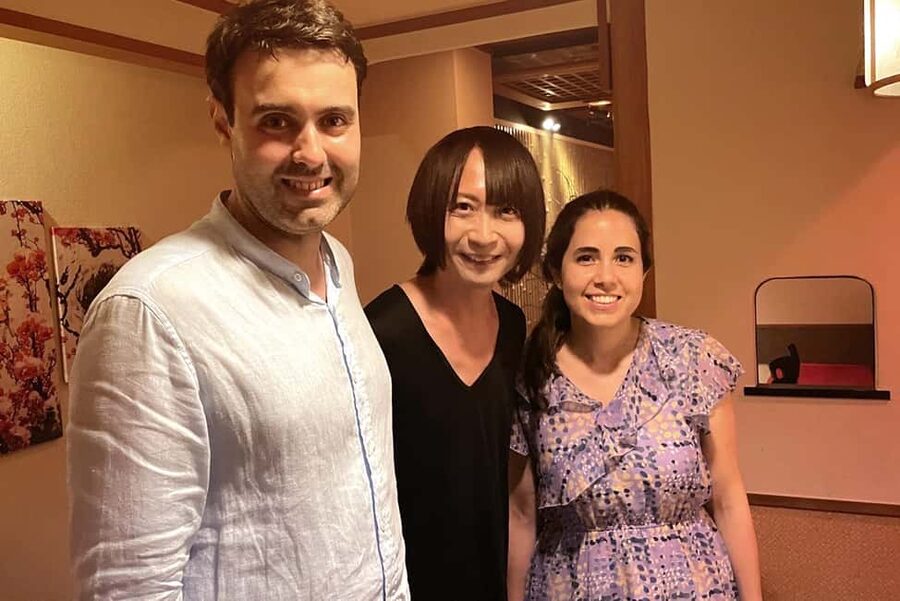
Book it if you want one hour of rare tradition in a tiny room, paired with a real tea experience and English guidance. The private-group format, the close-up nature of the magic, and the added matcha tea time make it feel like more than just a ticketed attraction.
Skip it if access is a concern (it isn’t wheelchair suitable) or if you dislike rules like no flash photography. Also, if your idea of value is quantity—lots of stops, lots of photo ops—this will feel smaller. But if you want something Kyoto-specific and carefully paced, this is exactly the kind of booking that feels worth planning for.
FAQ
How long is the Kyoto Wazuma Magic Show & Tea Ceremony?
The experience is 1 hour total, including 30 minutes for the magic show and 30 minutes for Uji matcha tea time.
Where does the experience take place?
It’s held in a traditional tea room in Kyoto’s Gion area, in a discreet location.
Is this a private experience or a group tour?
This is a private group experience. It’s described as one group only, with a small seating setup (6 seats available).
What’s included in the price?
Your experience includes the 30-minute Wazuma magic show and the 30-minute Uji matcha tea time.
What should I bring or plan for?
Arrive about 5 minutes before the show starts so you can meet the staff member. Also note that flash photography is not allowed during the performance.
Do I need to speak Japanese?
No. The host or greeter provides English, and you’ll have English guidance during the matcha tea time.
How does transportation work?
Transportation to and from the activity is not included, so you’ll need to plan your own way to the meeting location.
Can I cancel for a refund?
Yes. Free cancellation is available up to 24 hours in advance for a full refund.
Is it wheelchair accessible?
No. The experience is not suitable for wheelchair users.
Should you book it?
If you want a short Kyoto experience that feels personal—rare Wazuma magic up close, then a calm Uji matcha break in a tiny Gion tea room—this is a strong booking. The price is premium, but the small seating, private group setup, and tradition-led format make it feel like paying for access to something uncommon.
More Show in Kyoto
More Tour Reviews in Kyoto



One More Bowl of Matcha


Just added: more Kyoto tours to browse








Kyoto Tea Ceremonies, compared.
 ★ 4.9Tea Ceremony in a Traditional Tea House in KiyomizuFrom $493,519 reviews
 ★ 4.9Tea Ceremony Ju-An at Jotokuji TempleFrom $293,207 reviews
 ★ 4.345-Minute Tea Ceremony Lesson ExperienceFrom $222,378 reviews
 ★ 4.9Table-Style Tea Ceremony at a Kyo-MachiyaFrom $451,211 reviews
 ★ 5.0Kimono Tea Ceremony at Kyoto Maikoya, NISHIKIFrom $65911 reviews
 ★ 5.0Arashiyama Bamboo Forest, Monkeys, Matcha & Temple TourFrom $53759 reviews
 ★ 4.9Tea Museum Tickets and Matcha Grinding ExperienceFrom $23739 reviews
 ★ 4.9Kimono Tea Ceremony at Orizuruya GionFrom $49618 reviews
Browse the lists this tour appears in