
Reviewed · GION & GEISHA DISTRICT TOURS
1 Hour Geisha Show in Kyoto
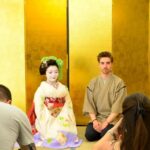
Kyoto keeps its traditions close, and this is one of them. You get to watch a maiko (geiko in training) perform up close, a rare chance since only about 40 remain in Kyoto today. The format is built to protect the art, so the main dance portion is brief, but the time around it is packed with context and interaction.
I love the direct, human part of the experience: short dances (about 10 minutes total), then a Q&A where questions actually make sense. I also like that you’re not sent through a stagey script only meant for watching—you get a photo moment and you even play a traditional Japanese game.
One consideration: the full hour on the schedule doesn’t mean the maiko dances for the entire hour. Expect the performance itself to be intentionally short, and plan your time around the full program (questions, photos, and the game).
In This Review
- Key Highlights at a Glance
- Up Close With a Maiko: What 1 Hour Really Means
- Kamishichiken Street and the Showhouse Feel: Where the Moment Happens
- Tea House vs Gion Theater: Picking the Setting That Fits Your Style
- The Program Flow: Dances, Q&A, Photos, and the Traditional Game
- Two short dances (about 10 minutes total)
- Q&A with translation
- Photo session
- Traditional Japanese game
- The Maiko Moment: How to Get the Most From Such a Short Performance
- Green Tea and the Small Etiquette Details That Matter
- Guides, Translators, and the Human Touch
- Price and Value in Kyoto: Is $79.59 Worth It?
- Who Should Book This and Who Should Skip It
- Kimono Rental Add-On: What to Do Before the Show
- Should You Book This 1-Hour Geisha Show?
- FAQ
- How long does the geisha or maiko performance last?
- What happens during the show?
- Do I get green tea?
- Is there a translator?
- Is there time for photos?
- What’s the difference between Tea House and Gion Theater options?
- What if I add the kimono rental and hair set option?
- How many people are in the group?
- Is the tour suitable for most travelers?
- Can I cancel for a refund?
Key Highlights at a Glance
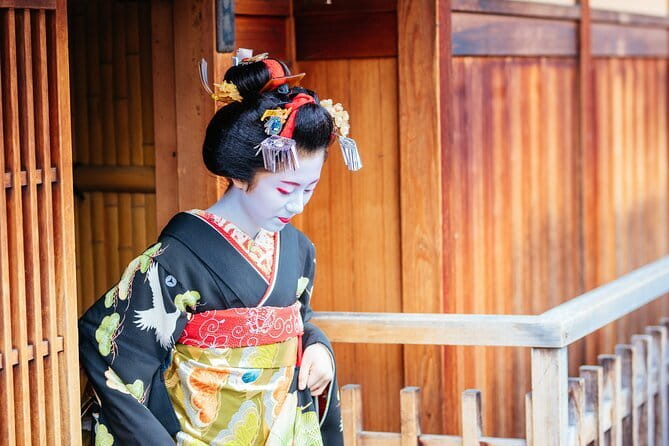
- Maiko access in Kyoto: only around 40 maiko remain in the city, so this is a rare encounter
- Short dances by design: about 10 minutes of dancing, followed by interaction
- Real conversation time: a Q&A with a translator so you can ask specific questions
- Photo session included: you’ll get a planned chance to take pictures together
- Tea + traditional game: green tea and a cultural game are built into the flow
- Small group cap: maximum 25 people keeps the experience more personal
Up Close With a Maiko: What 1 Hour Really Means
The big thing to understand before you book is the timing. The program runs about 1 hour to 1.5 hours, but the maiko’s dance time is intentionally brief. That might sound like a letdown at first—until you realize why it’s done this way. In Kyoto, these arts aren’t treated like a long nightclub set. The goal is respect for the craft and the training rhythm, not stretching a performance to fill a clock.
What you get instead is the full “cultural sandwich” around the dancing: explanation from your guide, a clear look at posture and movement, then a chance to talk. This is where the experience becomes more than a show. A lot of people come expecting choreography. They leave with better context for what they just watched.
Also, because this is up close, your camera time matters. You’re not in a distant seat where photos turn into soft blurs. The show is designed for interaction—photos and conversation are part of the structure, not an afterthought.
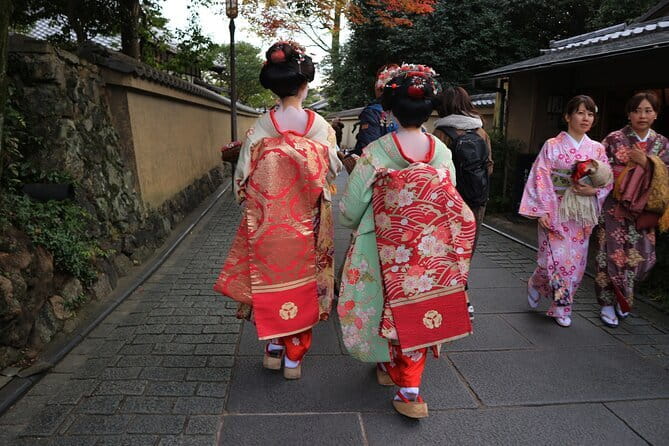
More evenings along the lantern-lit lanes of Gion

Kamishichiken Street and the Showhouse Feel: Where the Moment Happens
The experience is centered in Kyoto’s Kamishichiken Street area, the heart of Gion’s traditional neighborhoods. You’ll be watching the performance in a dedicated venue—either a teahouse-style setting or a dedicated showhouse, depending on which option you choose.
That choice matters more than you might think. A traditional teahouse (the Tea House option) tends to feel calmer and more intimate, like you’re stepping into someone’s carefully kept world. The dedicated showhouse (the Gion Theater option) is more like a purpose-built stage for this kind of cultural performance—still traditional, just more “event setup.”
Both options aim for the same outcome: a close view of the maiko, plus guided translation and interaction. Before you book, check the photos for your selected venue. People often underestimate how much seating and sightlines can affect a small dance moment.
Tea House vs Gion Theater: Picking the Setting That Fits Your Style
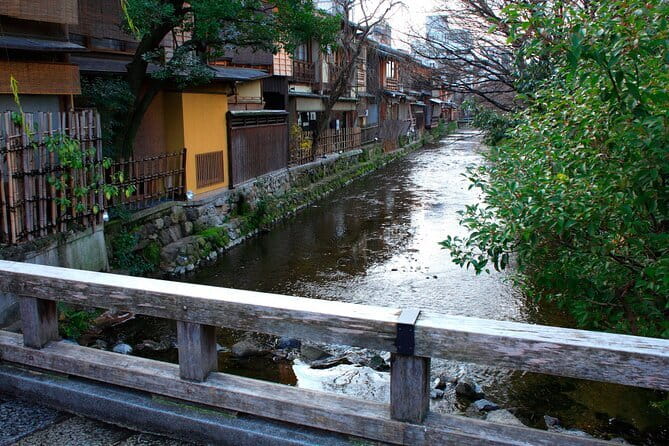
You get two options:
Tea House
- Held inside an authentic Kyo-machiya (a traditional Kyoto townhouse style)
- Likely to feel more “room-like,” with a cozy, lived-in atmosphere
Gion Theater
- Held in a dedicated showhouse
- Often easier to think of as a controlled viewing environment
If you care about atmosphere—quiet wood, low-key tea-house vibe, the feeling that you’re in an old Kyoto interior—the Tea House option is the one I’d aim for. If you care more about consistent sightlines for the dance and a more straightforward show layout, the Gion Theater option can feel less risky.
One note from real-world experience: seating can make or break a dance view. When seats put someone in a less favorable spot, the dance can feel harder to watch. This isn’t a deal-breaker, but it’s a good reason to review venue photos and choose the option that matches how you prefer to watch performances.
The Program Flow: Dances, Q&A, Photos, and the Traditional Game
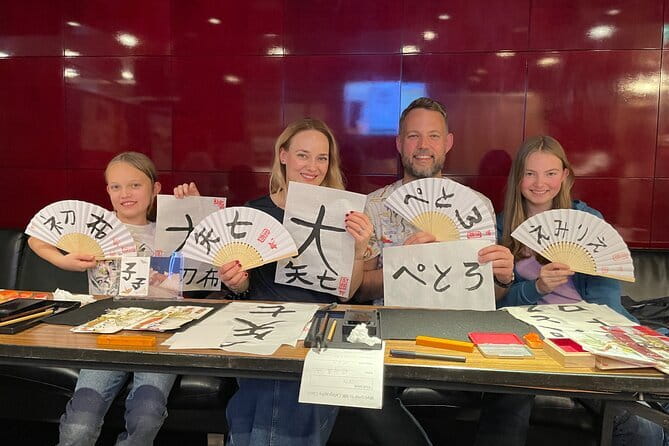
Here’s what the show experience is built around.
Two short dances (about 10 minutes total)
You’ll see two brief dances, showcasing different aspects of the maiko’s training and movement. Because the dances are short, they move with purpose. You’re meant to watch closely, not spread attention across a long set.
Other Kyoto tours and experiences to compare




Q&A with translation
After the dances, your guide supports a Q&A so you can ask questions that get answered clearly. This is often the part people remember most, because it turns your curiosity into a conversation. A translator means you’re not stuck guessing at meaning, and it keeps the interaction respectful and smooth.
In different runs, guides with names like Soichiro, Ai, Genki, and Chihiro have led groups, and the translation support is repeatedly praised. You’ll also hear the maiko explain details of her lifestyle and training, so the performance connects to real human life.
Photo session
You’ll have a planned photo session. It’s not just a quick moment at the end. The event structure builds in time for pictures together, which is part of why this feels so special compared to passive sightseeing.
Traditional Japanese game
Then comes a fun extra: a traditional Japanese game with the maiko. This is where the interaction lightens. People often expect a strict formal performance. Instead, they get guided play that still respects tradition.
If you’re traveling with kids, this game can be a big win. Several families mention their children having fun with the game and enjoying the tea-related snack moment.
The Maiko Moment: How to Get the Most From Such a Short Performance
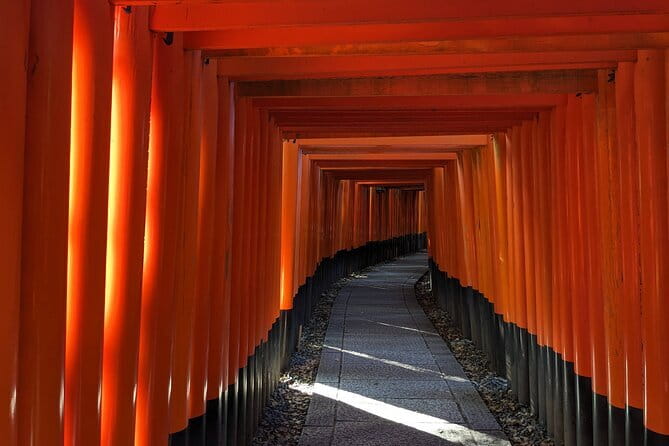
When the dancing is brief, your attention has to be sharp. Here’s how to make those 10 minutes count:
- Arrive early enough to settle. Being rushed adds stress right when you want calm focus.
- Watch posture first, then hands and feet. The beauty here isn’t only big gestures. It’s the controlled details.
- Use Q&A strategically. If you ask what you care about—training, costumes, daily life—you’ll get more from the conversation than generic questions.
One more practical point: if you’re thinking this is a full “stage show,” shift expectations. Treat it like a curated cultural meeting where the dance is the centerpiece, and the rest of the time helps you understand it.
Also, because the art form is maintained with care, don’t feel the need to compare it to entertainment you’re used to. It’s a different goal.
Green Tea and the Small Etiquette Details That Matter
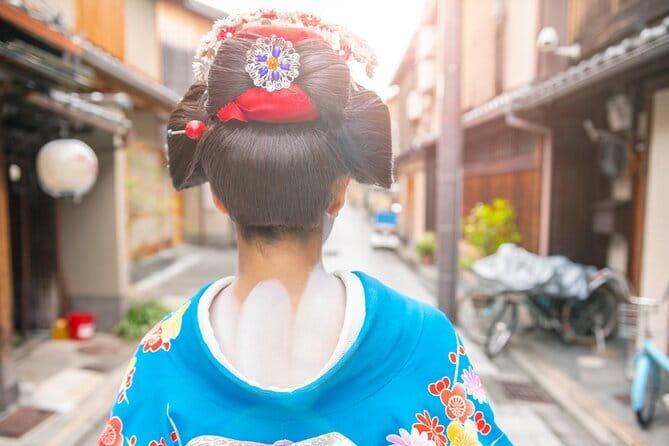
Green tea is included—simple, but it sets the tone. You’re not just sitting there; you’re in a traditional setting where tea helps slow the pace. It’s also a pleasant break between the dance and the Q&A.
Etiquette is part of the package, even if you’re not given a long lecture. Your guide leads you through how to behave in the space, and that matters because this is an intimate, close-up encounter. When the group follows along, the entire session feels smoother and more respectful for everyone.
Guides, Translators, and the Human Touch
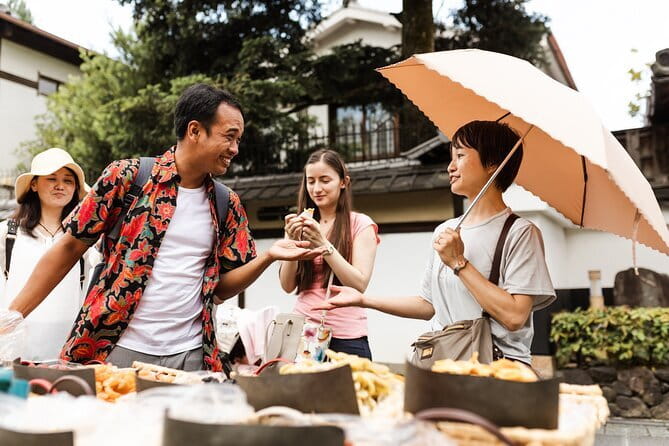
This kind of cultural experience lives or dies on the guidance. In feedback, the tour guide quality stands out again and again.
Names that show up in participants’ memories include Soichiro, Ai, Genki, Yuko, and Chihiro. People mention friendly hosting, clear translation, and guides who keep the group comfortable. That’s not just nice service. It changes what you’re able to ask, understand, and enjoy.
The best part is that the interaction feels human, not mechanical. The maiko is welcoming and talkative in many accounts, with lots of back-and-forth during Q&A, and the game adds energy without turning it into chaos.
Price and Value in Kyoto: Is $79.59 Worth It?
Let’s talk money plainly.
At $79.59 per person, you’re paying for access that’s hard to arrange on your own: a close encounter with a working maiko, a guided translation, a planned photo moment, green tea, and time for Q&A plus a traditional game. You’re also paying for a small group format (maximum 25), which usually costs more than the big “bus tour” model.
Is it overpriced? Some people think so, especially if they expected a longer dancing segment. That’s a fair complaint if your main goal is a long performance.
But if your goal is understanding and access—seeing a maiko up close, asking real questions, and getting the full cultural context—then the value makes more sense. This is one of those experiences where the “shortness” is part of the deal: the art isn’t stretched, and you get the interaction that most people can’t access.
A helpful way to decide: ask yourself what you’d pay for a chance to speak with a maiko through translation and participate in a game, in a setting designed for this exact encounter. If that appeals to you, the price is easier to justify.
Who Should Book This and Who Should Skip It
This experience is a strong match if you want:
- a close, respectful maiko encounter in Gion-area Kyoto
- a structured Q&A with translation
- photo time that’s built into the program
- a calm teahouse or showhouse setting, not a loud attraction
It may be a weaker match if you mainly want:
- a long dance performance (the dances are brief by design)
- lots of free time to explore on your own during the event itself
- a cheaper option that behaves like standard museum audio tours
Also, if you’re very sensitive to seating, take a careful look at photos for the option you choose. One account mentions getting a seat that limited the dance view, so it’s worth picking the setting that feels best for your eyesight and comfort.
Kimono Rental Add-On: What to Do Before the Show
If you choose the kimono rental and hair set option, you’ll need to go to the shop on the day of your tour, before the performance. The listed location is:
Kyoto Kimono Rental Mimosa
362-2 Masuyacho, Higashiyama Ward, Kyoto 605-0826
Open daily 8:00–18:00
What matters most for you:
- Go there on your own before the show
- Tell the staff you’re from GuideMe Japan and give your name
- No payment is required at the shop since the kimono and hair set are included
Plan this like a pre-show appointment. You don’t want to cut it close and then arrive flustered.
Should You Book This 1-Hour Geisha Show?
I’d book this if you’re in Kyoto with curiosity and patience for a short, meaningful performance. The combination of maiko access, Q&A with translation, photo time, green tea, and a traditional game is exactly the kind of culturally “touchable” experience that’s hard to replicate on your own.
I’d think twice if you’re mainly chasing a long spectacle, or if the idea of brief dances feels like a mismatch. In that case, you might be happier with a venue that’s longer-form for pure performance time.
If you book, do two things that make a noticeable difference: choose your Tea House vs Gion Theater option based on photos and sightlines, and keep the maiko’s dancing shortness in mind so your expectations match the design.
FAQ
How long does the geisha or maiko performance last?
The overall experience runs about 1 hour to 1.5 hours, but the maiko dances are intentionally short, with about 10 minutes total of dancing.
What happens during the show?
You’ll see two short dances, then join a Q&A session, have a photo session, and participate in a traditional Japanese game.
Do I get green tea?
Yes. Traditional Japanese green tea is included.
Is there a translator?
Yes. The experience includes a professional tour guide/translator.
Is there time for photos?
Yes. There is a photo session included as part of the program.
What’s the difference between Tea House and Gion Theater options?
Tea House is held inside an authentic Kyo-machiya, while Gion Theater is held in a dedicated showhouse. Checking the photos for your selected option is recommended since it affects how you see the dance.
What if I add the kimono rental and hair set option?
You’ll need to visit Kyoto Kimono Rental Mimosa on the day of your tour before the show. Tell the staff you’re from GuideMe Japan and provide your name. No payment is required at the shop.
How many people are in the group?
The group maximum is 25 travelers.
Is the tour suitable for most travelers?
Most travelers can participate.
Can I cancel for a refund?
Yes. You can cancel up to 24 hours in advance for a full refund.
More Show in Kyoto
More Tour Reviews in Kyoto

Still in Gion? Keep Going



Just added: more Kyoto tours to browse






Gion & Geisha District Tours, compared.
 ★ 4.7Kyoto Geisha Walking Tour: Gion District & Hidden GemsFrom $253,273 reviews
 ★ 4.9Gion Magical Night Walking Tour with Geisha TriviaFrom $242,393 reviews
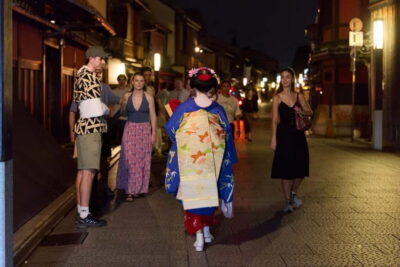 ★ 4.7Gion Geisha District Walking Tour – Stories of GeishaFrom $202,187 reviews
 ★ 4.9Best of Kyoto: Gion, Geisha, Pagodas & CobblestonesFrom $242,058 reviews
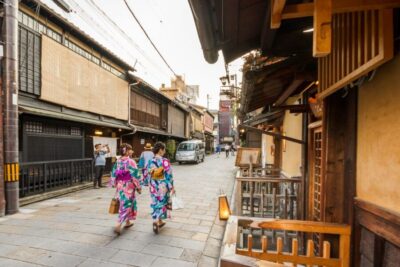 ★ 4.5Night Walk in Gion: Kyoto’s Geisha DistrictFrom $212,003 reviews
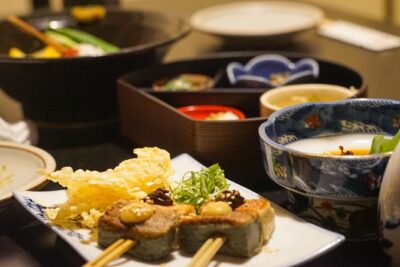 ★ 5.0Kyoto Night Foodie Tour in Gion (9+ dishes + 6 Sake tastings)From $1631,762 reviews
 ★ 5.0Kyoto Gion Geisha District Walking Tour – The Stories of GeishaFrom $251,441 reviews
 ★ 5.0Kyoto Gion: 2-Hour Geisha Culture & History Walking TourFrom $231,186 reviews
Browse the lists this tour appears in