
Reviewed · GION & GEISHA DISTRICT TOURS
Kyoto Gion Cultural Walk & Geisha Show with Dining Options
Gion feels like a living stage. This Kyoto tour pairs a Gion walking circuit with a Maiko dance show and time to ask questions in a real Q&A setting. Two things I really like: you get a guided look at how geisha/Geiko culture works in everyday life, and you don’t just watch the performance—you can talk with the apprentice Maiko afterward.
One consideration: this is a walking-focused experience and it’s not suitable for people with mobility impairments, plus luggage or large bags aren’t allowed. If you’re arriving with lots of shopping bags or you need step-free access, plan around that first.
In This Review
- Key highlights worth planning for
- Gion in Kyoto: Why This Walking Tour Feels Different
- Finding the Group: Statue of Izumo-no-Okuni and a Smooth Start
- The Gion District Walk: What Your Guide Helps You Notice
- Miyagawasuji Dance Show: Watching the Maiko Performance Up Close
- The Maiko Meeting and Q&A: The Part You’ll Remember
- Lunch, Tea Break, or Dinner: Food That Keeps the Story Going
- Guides Like Kenta and Akari: Turning Myths Into Context
- Timing and Expectations: How 3 Hours Adds Up
- Who This Tour Is For (and Who Should Skip It)
- Price and Value: Is $108 Worth It?
- Should You Book This Kyoto Gion Geisha Walk and Maiko Show?
- FAQ
- How long is the Kyoto Gion Cultural Walk & Geisha Show?
- How many people are in the group?
- Is the tour guide available in English?
- Where do I meet for the tour?
- What dining options are included?
- Are luggage or large bags allowed?
- Can I get a refund if I cancel?
Key highlights worth planning for
- Small group (up to 8) keeps the experience personal and question-friendly
- Meeting at Izumo-no-Okuni statue near Keihan Gion Shijo Station exit 4 helps you start smoothly
- 50-minute Maiko meeting and Q&A plus a performance moment with one or two songs
- Choose your meal timing with lunch, tea break, or dinner included based on your option
- Guides like Kenta and Akari help you separate lived tradition from Hollywood myths
Gion in Kyoto: Why This Walking Tour Feels Different
Kyoto’s sightseeing can turn into a stampede fast. What makes this experience work is that it slows you down in the Gion geisha district and gives you a lens for what you’re actually seeing. You walk with an English-speaking guide who explains the lifestyle, rituals, and history behind geisha/Geiko culture—not as trivia, but as context.
I also like the pacing. You’re not crammed into a loud bus-style tour. With a group limited to 8 people, you tend to feel like you’re learning alongside a local who knows how to keep respectful distance from the community.
A final detail that matters: the tour includes time to talk with a Maiko (an apprentice geisha). That turns the day from passive sightseeing into something more like understanding.
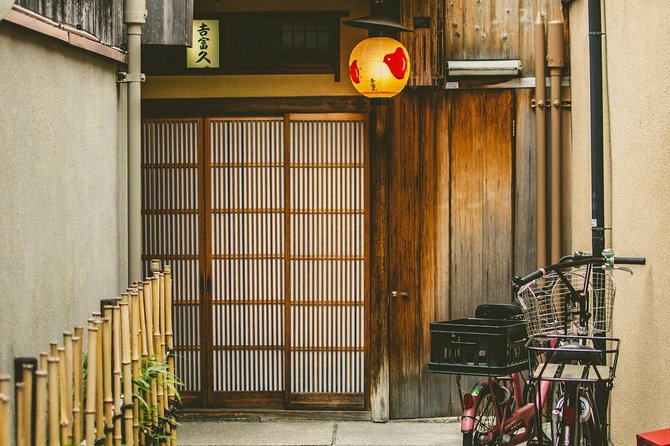
More evenings along the lantern-lit lanes of Gion


Finding the Group: Statue of Izumo-no-Okuni and a Smooth Start
You meet in front of the statue of Izumo-no-Okuni near exit 4 of Keihan Gion Shijo Station. It’s a helpful landmark because it’s easier to orient yourself than trying to guess which side street your tour is on.
Once you’re gathered, you’ll start walking through Gion with your guide for about 90 minutes. Expect a moderate pace (you’ll be walking the whole time), and you’ll likely stop in spots where the guide can explain how the district has functioned over time.
If you’re the type who wants to get your bearings fast, this meeting setup is a plus. Kyoto can be maze-like when you’re tired, so having a clear, named starting point reduces stress.
The Gion District Walk: What Your Guide Helps You Notice
The walking portion focuses on the living side of geisha/Geiko culture: how traditions show up in daily life, and what rituals and nuance look like on the ground. Your guide’s job isn’t just to point. It’s to give you meaning.
One reason this stands out in the feedback is that guides like Kenta and Akari are repeatedly described as engaging and respectful toward the community. In practice, that means you’re not wandering through sensitive areas at random. You’re guided through the district in a way that helps you avoid being the loud, clueless tourist.
You’ll also get practical “how to look” tips. For example, you’ll learn what’s worth noticing in Gion’s streets and where the entertainment history fits into the broader Kyoto story you already came to see.
Miyagawasuji Dance Show: Watching the Maiko Performance Up Close
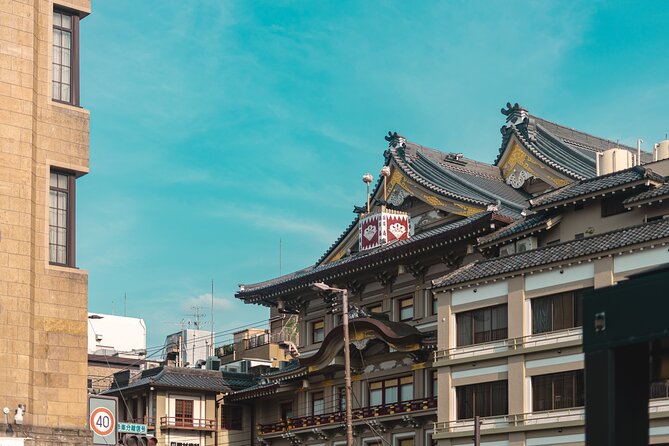
After the walking time, you head to a dance performance connected with the Miyagawasuji area. This part lasts about 90 minutes, and it’s the moment where the cultural explanation becomes something you can feel in your eyes and ears.
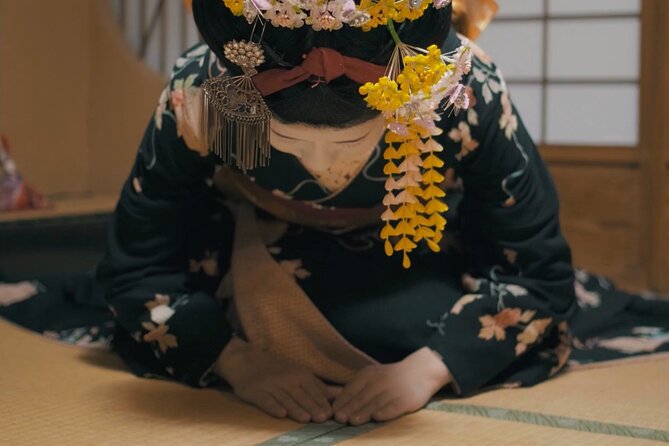
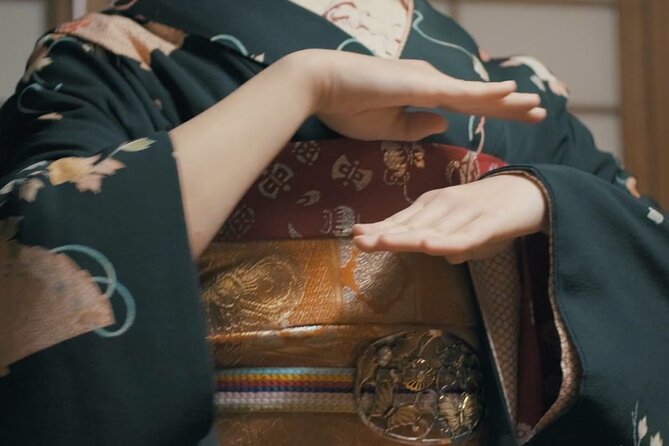
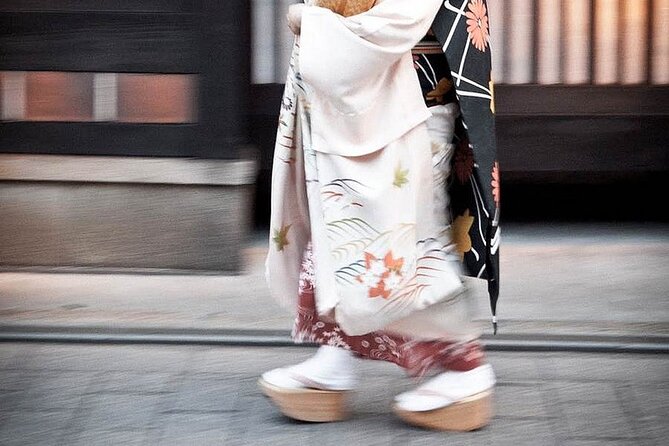
The highlight is watching a dance performance by Maiko, Japan’s geisha apprentice. That matters, because you’re seeing the stage skill in a context that’s tied to tradition rather than costume-photo entertainment.
A useful expectation to set: the show is structured, but the overall feeling still depends on the venue and timing. The tour format is designed so you’re not stuck waiting around. You go in, you watch, and then the experience continues with interaction.
If you care about authenticity, focus on how the guide frames the performance. People in the feedback repeatedly mention how the guide helps clear up myths and replaces them with lived cultural reality.
The Maiko Meeting and Q&A: The Part You’ll Remember
The tour includes a 50-minute Maiko meeting that combines Q&A with a small performance moment (with one or two songs). This is where you stop being a spectator and start being a participant in a respectful conversation.
What makes this section valuable is the format. You can ask questions, get answers, and learn how training works and what the role means in practice. The best part is that the questions you think of are the same questions others usually want answered: what it’s like, why certain traditions exist, and what daily discipline looks like.
From the experience described in the feedback, the Maiko interaction is also not awkward. Guests talk about the poise and grace of the apprentice performer, plus the fun factor of being able to ask direct questions. One small but important note: you may be asked not to share photos online, even if a final photo is permitted. So treat the experience as a trust-based one.
If you only want “a show,” you could skip this. But if you want understanding, this is the heart of the tour.
Other Kyoto tours and experiences to compare






Lunch, Tea Break, or Dinner: Food That Keeps the Story Going
This tour offers three dining options, and which one you choose changes the vibe of the whole day.
- Lunch option: a Japanese lunch plate is included (offered for the 10:30AM start).
- Tea option: you get a cup of tea during the break (for the 14:30 start).
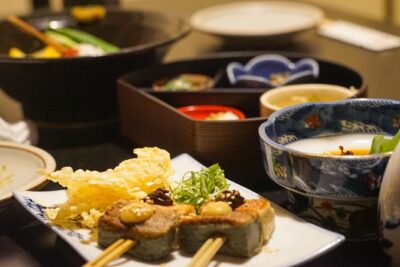
- Dinner option: you’ll share dinner-sharing plates featuring 8 different foods (for the 18:30 start).
I like that the meal isn’t treated like a random pit stop. It’s scheduled right around the show and the meeting, which means your brain stays in “culture mode” instead of flipping to “where can I eat fast.”
For dinner, guests describe it like a kaiseki-style experience: multiple small courses. That’s a good thing if you want variety and texture. One caution: it’s not necessarily a huge meal in volume. If you’re very hungry, consider whether you need something extra after.
Tea breaks can be a smart choice if you’d rather keep things lighter. And if you prefer less night travel anxiety, daylight timing can feel easier to manage; at least one guest specifically recommended choosing daylight hours.
Guides Like Kenta and Akari: Turning Myths Into Context
A huge part of the value here is the guide. Names coming up again and again include Kenta and Akari, and guests consistently describe them as warm, attentive, and good at handling questions in a way that keeps the tone respectful.
In plain terms, a good guide does two jobs well:
1) they help you read the district correctly, and
2) they help you stop repeating the clichés you picked up from movies.
People repeatedly mention how the guide dispels Hollywood myths about geisha/Geiko roles and replaces them with historical and real-world context. That’s exactly what you want. Kyoto is too special to learn it secondhand through stereotypes.
You’ll also appreciate that small-group format helps questions stay flowing. When you can actually ask something and get an answer, the experience becomes yours, not just something happening around you.
Timing and Expectations: How 3 Hours Adds Up
The total duration is listed as about 3 hours (210 minutes). In that time, you’ll do a walking portion, a dance show segment, and then the Maiko meeting and Q&A, plus whichever dining option you chose.
The practical takeaway: plan around it like a real event, not a quick add-on. Wear comfortable shoes for the walk, keep your schedule clean afterward, and consider how the timing affects your energy level. Dinner timing can turn into a late evening, while lunch or tea can slot nicely into a daytime Kyoto plan.
Also, because it’s a small group, you’ll feel the pacing more than you would on a larger tour. It’s designed to avoid long idle waits.
Who This Tour Is For (and Who Should Skip It)
This is best if you want:
- a guided look at Gion’s geisha district that goes beyond photos
- a Maiko meeting with Q&A, not just a performance ticket
- a small-group experience where you can actually ask questions
It’s also a strong fit for first-timers who feel a little uneasy about geisha culture and want someone to explain how it works respectfully.
Skip or reconsider if:
- you need mobility-friendly accommodations (it’s not suitable for mobility impairments)
- you’re traveling with luggage or large bags (those aren’t allowed)
- you only want casual sightseeing and dislike structured activities
Price and Value: Is $108 Worth It?
At $108 per person, you’re paying for several things at once: a Gion walking tour with an English guide, a Maiko-related dance show, a dedicated Q&A meeting time, and an included meal component (lunch, tea, or dinner depending on your choice).
If you tried to assemble this yourself, you’d likely spend comparable money on a single performance, and you’d still be missing the guided context and the structured time to ask questions. Here, the value is in the combination: access + explanation + time.
Is it pricey compared to a standard city stroll? Yes. But it’s not a generic walking tour. It’s specifically built around geisha arts in a way that’s meant to feel respectful, organized, and genuinely educational.
Should You Book This Kyoto Gion Geisha Walk and Maiko Show?
I’d book it if you want a high-impact Kyoto experience that mixes culture, performance, and real conversation in a small group. The standout reasons are the guided Gion walking time, the Maiko dance show, and the 50-minute meeting where you can ask questions.
Choose your meal option based on your mood:
- want easier logistics and energy control: lunch or tea
- want the full evening atmosphere: dinner, with the 8-food shared dishes
One last practical nudge: if you’re tempted to come with large bags, don’t. Also, if mobility is an issue, this won’t be your best match.
If you’re weighing it against other Kyoto activities, this one is worth it when you want something more personal than temple hopping—especially if you care about understanding the culture instead of just watching from the sidelines.
FAQ
How long is the Kyoto Gion Cultural Walk & Geisha Show?
The tour lasts about 3 hours (210 minutes).
How many people are in the group?
This is a small group experience limited to 8 participants.
Is the tour guide available in English?
Yes, the live tour guide speaks English.
Where do I meet for the tour?
Meet in front of the statue of Izumo-no-Okuni near exit 4 of Keihan Gion Shijo Station.
What dining options are included?
Depending on the option you select, you’ll have either a Japanese lunch plate, a cup of tea, or dinner-sharing plates featuring 8 different foods.
Are luggage or large bags allowed?
No. Luggage or large bags are not allowed.
Can I get a refund if I cancel?
Yes. You can cancel up to 24 hours in advance for a full refund.
More Walking Tours in Kyoto
More Tour Reviews in Kyoto




Still in Gion? Keep Going

Just added: more Kyoto tours to browse








Gion & Geisha District Tours, compared.
 ★ 4.7Kyoto Geisha Walking Tour: Gion District & Hidden GemsFrom $253,273 reviews
 ★ 4.9Gion Magical Night Walking Tour with Geisha TriviaFrom $242,393 reviews
 ★ 4.7Gion Geisha District Walking Tour – Stories of GeishaFrom $202,187 reviews
 ★ 4.9Best of Kyoto: Gion, Geisha, Pagodas & CobblestonesFrom $242,058 reviews
 ★ 4.5Night Walk in Gion: Kyoto’s Geisha DistrictFrom $212,003 reviews
 ★ 5.0Kyoto Night Foodie Tour in Gion (9+ dishes + 6 Sake tastings)From $1631,762 reviews
 ★ 5.0Kyoto Gion Geisha District Walking Tour – The Stories of GeishaFrom $251,441 reviews
 ★ 5.0Kyoto Gion: 2-Hour Geisha Culture & History Walking TourFrom $231,186 reviews
Browse the lists this tour appears in