
Reviewed · GION & GEISHA DISTRICT TOURS
Kyoto: Meet-and-Greet, Maiko Show and Experience
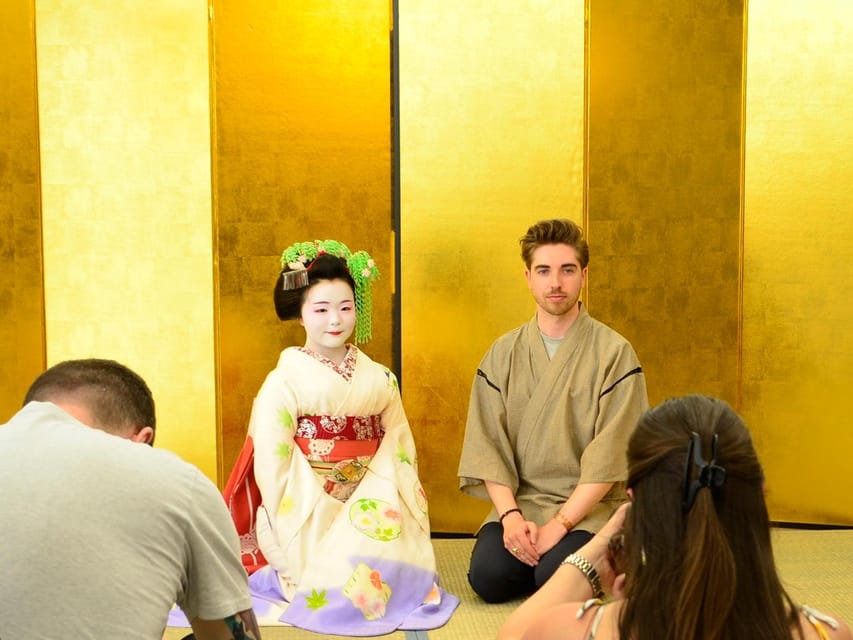
Up close, a maiko tells stories in motion. This 45-minute Kyoto experience pairs two brief traditional dances with English narration, plus a real chance to ask questions and snap a photo.
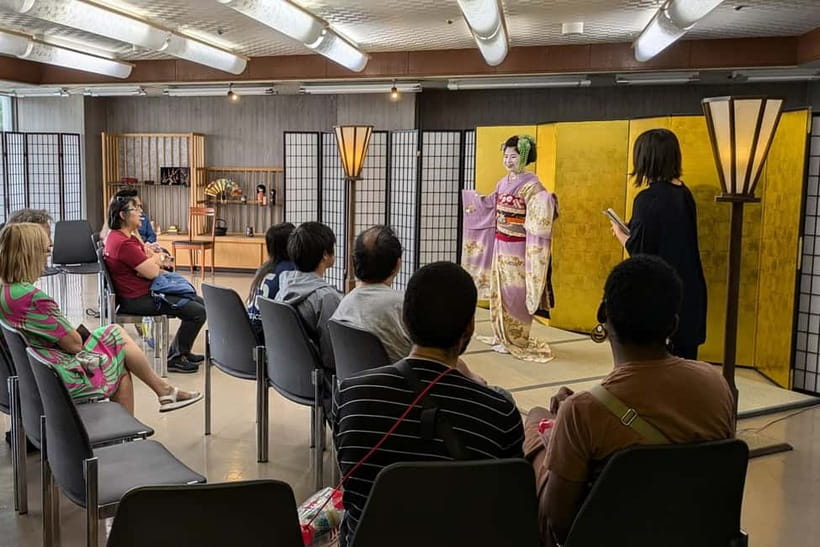
I love the close viewing angle, because the choreography and tiny costume details (hairpieces, makeup, kimono movement) land in a way you simply do not get from a distant stage. I also like the structure: two performance segments, an interpreter-led explanation of what you’re seeing, and then a Q&A that turns your curiosity into answers.
One thing to consider: it is not a private show (capacity is 30), and the tone depends on the room. A few accounts mention that kids can be loud, and the venue can feel a bit formal or corporate, even though the maiko part is the heart of it.
In This Review
- Key Points to Know Before You Go
- Why This Kyoto Meet-and-Greet Feels Purpose-Built
- Getting to the Kyoto Handicraft Center (So You Don’t Miss the Start)
- What Happens During the 45 Minutes on Stage
- The Performance: What You’re Really Watching
- Maiko 101: The English Explanation You’ll Want to Pay Attention To
- The Q&A: Where the Experience Becomes Personal (Without Being Awkward)
- Photo Time With Your Own Phone: The Part That Feels Most Memorable
- The Kyoto Handicraft Center After the Show: A Useful Shopping Bonus
- Price and Logistics: Is $44 for 45 Minutes Good Value?
- Who This Works Best For (And Who Might Feel Restless)
- Small Watch-Outs to Make It Go Smoothly
- Should You Book This Kyoto Maiko Experience?
Key Points to Know Before You Go
- Two dances, short and focused: about 8–10 minutes total on the performances, so you get intensity without a long sit.
- English-led maiko basics: staff explain her attire and the tradition in plain language.
- Q&A with the maiko: questions are part of the value, not an afterthought.
- Your camera for the photo: you take the commemorative picture yourself with your smartphone or camera.
- 30-person capacity: enough space to feel intimate, but still a shared event.
- Shopping window right after: you can browse high-quality Japanese goods at the Kyoto Handicraft Center right after.
Why This Kyoto Meet-and-Greet Feels Purpose-Built
This is one of those Kyoto activities that doesn’t try to do everything. You’re not spending hours bouncing between spots. You’re getting a concentrated look at the Kyoto maiko tradition, with time for questions and a photo at the end.
I like that the format respects your attention. Two short dances keep the pace brisk, and the staff narration bridges culture gaps fast. You end the session knowing what you looked at, instead of just watching pretty motion and hoping it makes sense later.
The setting also helps. The Kyoto Handicraft Center gives you a warm waiting-and-browsing space, so the experience doesn’t feel like you’re being herded into a dark theater and out again.
More evenings along the lantern-lit lanes of Gion


Getting to the Kyoto Handicraft Center (So You Don’t Miss the Start)
Plan to arrive early. The reception opens 30 minutes before show time, and you should be at the venue at least 10 minutes before it begins.
Your meeting point is the Kyoto Handicraft Center, West Building. Go to the first floor, take the elevator to the 2nd floor, and look for the MEET MAIKO welcome sign.
A practical Kyoto tip: taxis can be slow and buses crowded in busy seasons. Give yourself buffer time, because even if late entry is possible during the event, you’ll enjoy the show more if you’re seated and settled when the dances begin.
What Happens During the 45 Minutes on Stage
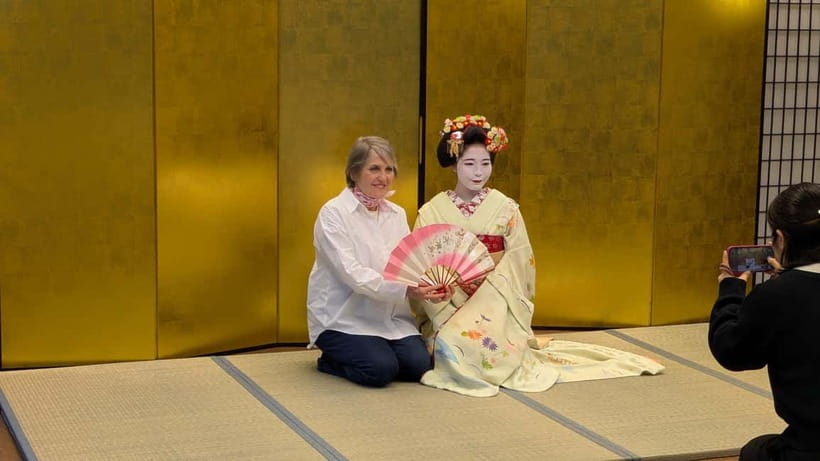
The run-of-show is tight, and that’s a good thing.
First, the program begins with an introduction from the English-speaking staff. They invite the maiko to the stage and set the scene so you know what you’re about to watch.
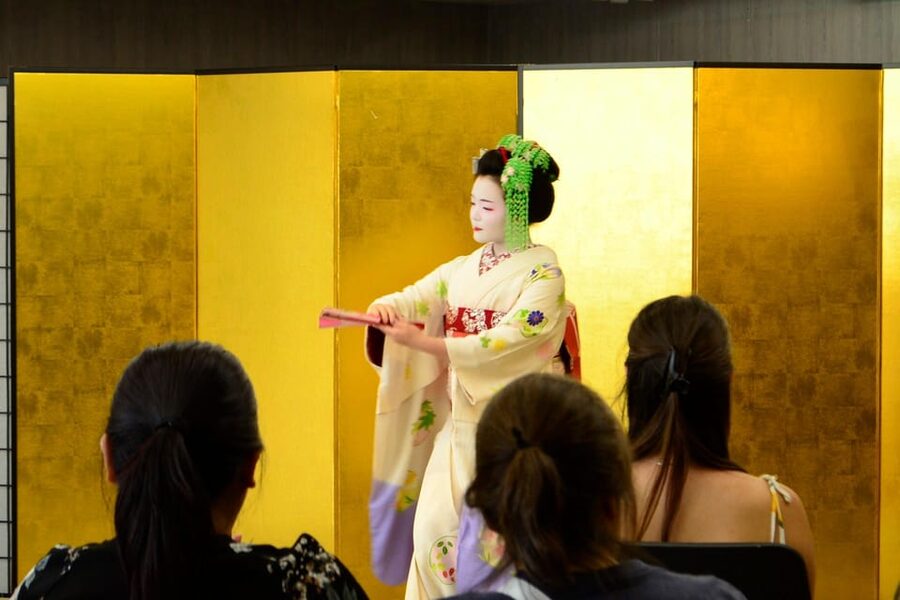
Then you’ll see two traditional dance performances. Together they last about 8–10 minutes, meaning you get the key “wow” moment without losing the room’s attention. After the dances, the staff help connect the visuals to the story: what her attire signifies and what to notice in the movements.
Next comes the question-and-answer session. This is where the experience turns from observation into understanding. The maiko interacts, and the English staff helps translate and keep things flowing.
Finally, you get a dedicated 10–15 minutes for photos with the maiko. This part matters: you’re not paying for a photographer. The program is set up so you can use your own smartphone or camera for the commemorative shot.
The Performance: What You’re Really Watching
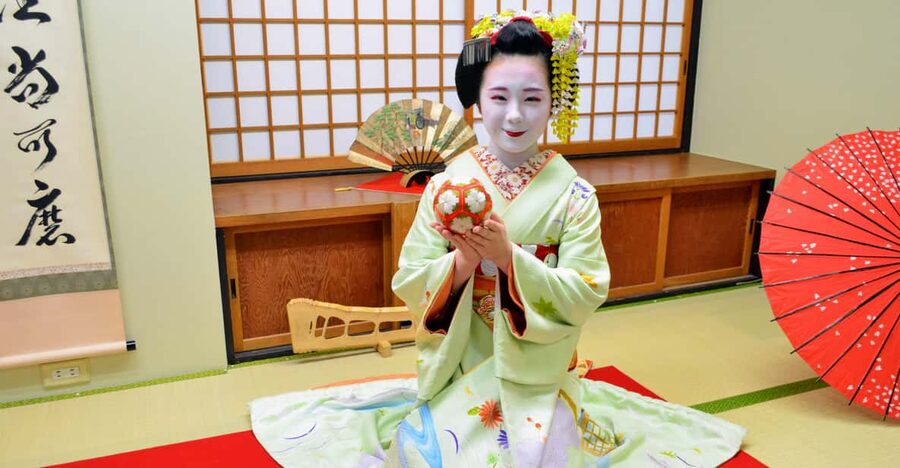
Two short dances can feel almost too brief—until you realize how intentional the pacing is. With shorter performances, each movement becomes more noticeable. You’re not distracted by long gaps or constant scene changes.
You’ll also be watching the details that make Kyoto dance distinct. Even before you understand the symbolism, your eyes catch the craftsmanship:
- Intricately designed kimono that look different as fabric shifts
- Hairstyles with distinctive hairpieces
- Makeup that creates sharp contrast on stage lighting and movement
The staff will explain her attire in English. That’s a big deal. Instead of treating costumes as just decoration, you learn what you’re seeing and why it looks the way it does.
Also, the viewing setup is designed so you’re close enough to appreciate subtle expression and gesture. People consistently note that this is an intimate format, with the maiko performing in a way that feels respectful rather than intrusive.
Maiko 101: The English Explanation You’ll Want to Pay Attention To
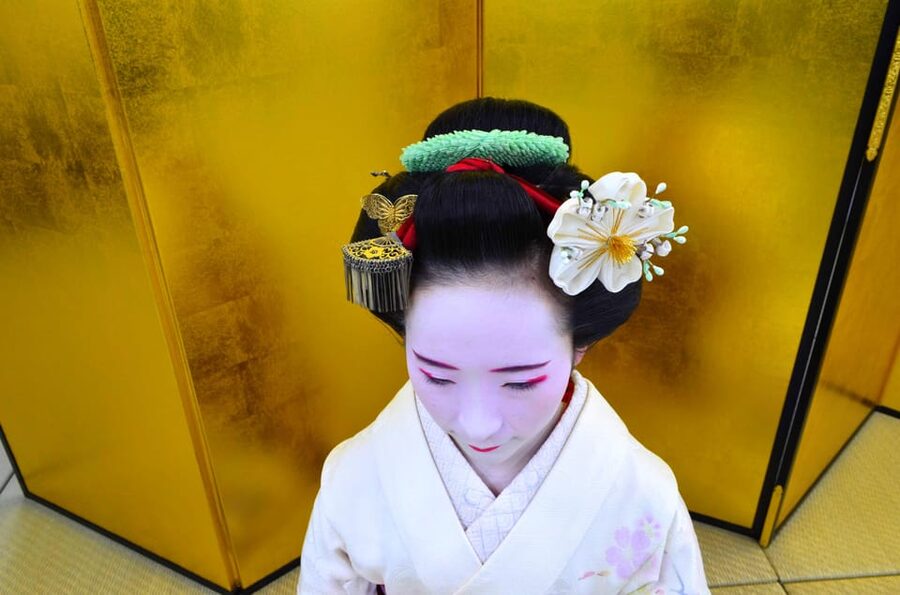
If you’re new to the word maiko, this is your crash course. A maiko is a young apprentice geisha specific to Kyoto (you may also hear geiko used for this role). Training is intense and multi-year, covering traditional arts like dance, music, and the tea ceremony.
But the program doesn’t stop at the arts. It also touches on the social skills that go with the role: conversation, etiquette, and hospitality. That’s important because it helps you understand why the Q&A feels natural. You’re not watching a scripted “hello.” You’re meeting a performer whose entire training includes how to connect with people.
One nice detail: an English interpreter named Mina has been mentioned in one session as leading translation and explanation. Another maiko name that’s been seen is Kanoshizu-san. You can’t assume every session uses the same names, but it does tell you the program can be led with thoughtful English interpretation rather than generic reading.
Other Kyoto tours and experiences to compare




The Q&A: Where the Experience Becomes Personal (Without Being Awkward)
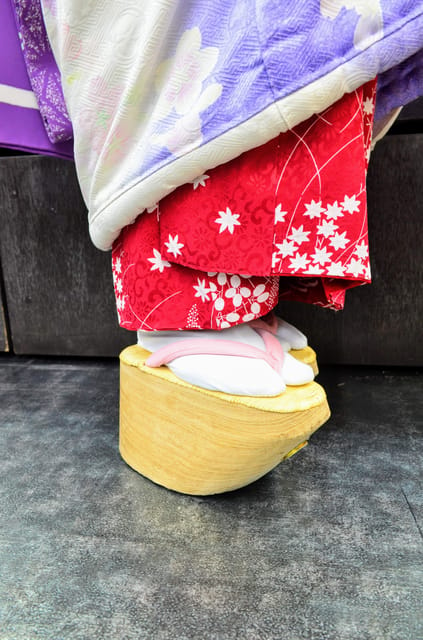
The Q&A is the best value-add here, and it’s easy to see why. You get to ask questions you genuinely care about, and the staff mediates in English so you’re not stuck guessing.
This format also avoids the “mystery performance” problem. Watching a dancer is great, but you leave Kyoto happier when you can connect dance and costume to real life and training.
A good way to make the most of Q&A is to prepare one or two questions ahead of time, not five. Think along these lines (you can tailor them to what you’re curious about):
- What does daily training look like?
- How does she learn traditional dance and music?
- What surprised you most about the lifestyle?
And don’t rush it. Some accounts describe the event as informative but still wholesome and heartwarming, even when the maiko is young and early in her apprenticeship. You’re in a shared group setting, so keep your questions concise and kind.
Photo Time With Your Own Phone: The Part That Feels Most Memorable
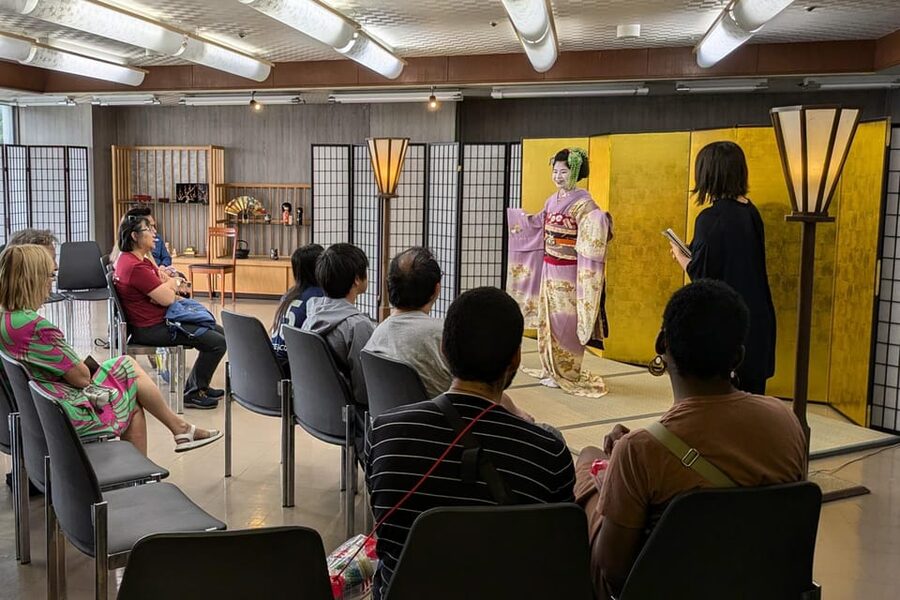
After the dances and Q&A, you’ll have 10–15 minutes for photos with the maiko. The program is set up so you use your own smartphone or camera, which is the practical way to do it. No waiting around for prints, no guessing about cropping later.
If you’re filming or taking photos during the show, photography is allowed during the event. You’ll likely want:
- A charged phone (not at 4%)
- A steady grip or a simple stance you can repeat
- A quick check of brightness so your face and the kimono details don’t blow out
The photo session is where the experience becomes a souvenir. Yes, you’ll buy post-show gifts too—but the photo is what will keep replaying in your head when the rest of Kyoto blends together.
The Kyoto Handicraft Center After the Show: A Useful Shopping Bonus
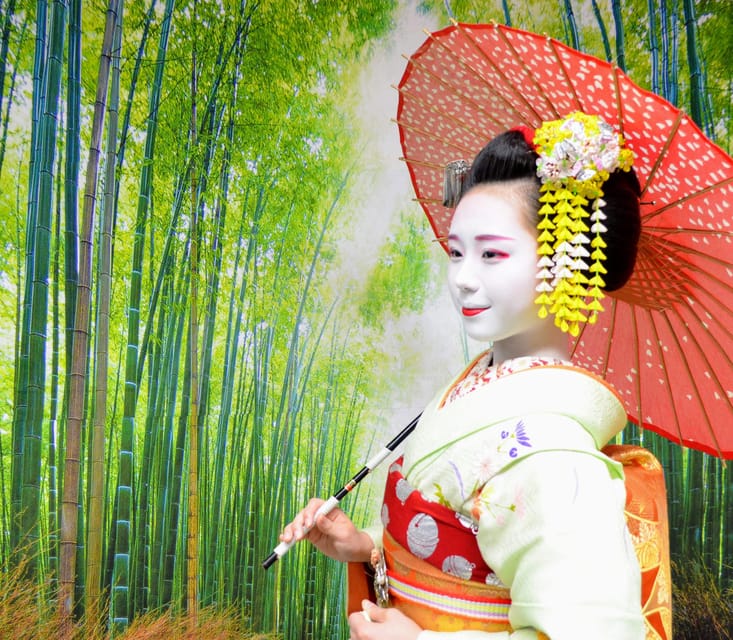
Right after the program, you’ll receive a small gift and have a chance to shop at the Kyoto Handicraft Center.
This is not just filler time. It helps you extend the cultural feeling beyond the stage. The center has a lot of Japanese-made items, and several people regret not buying more because the quality is strong.
One reviewer also mentioned cabinets with display pieces that are not for sale at the museum-like level. That matters because it explains why browsing feels more than casual souvenir shopping. Even if you don’t buy, you can still enjoy the craft displays and take a moment.
If you like taking home something small and locally made, this is a logical place to do it. If you hate shopping traps, you can still treat it like a gallery stop—there’s enough to look at while you wait for others to finish buying.
Price and Logistics: Is $44 for 45 Minutes Good Value?
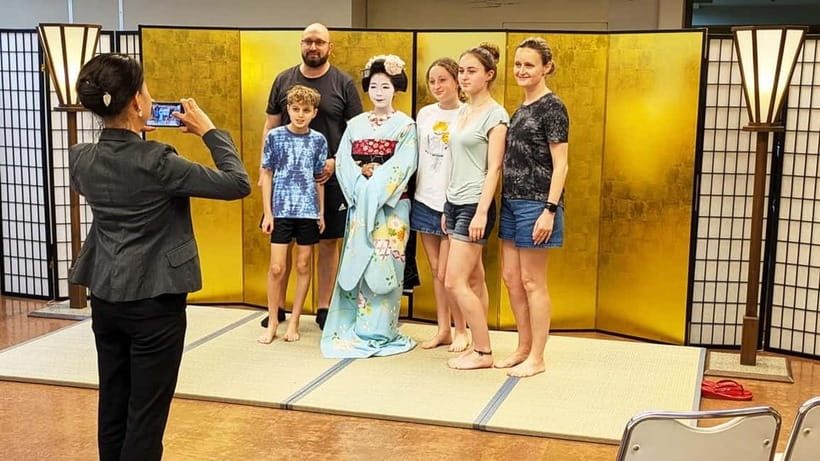
At $44 per person for about 45 minutes, you might wonder if it’s a “touristic ticket” or a real cultural interaction.
Here’s how I’d judge the value:
- You get two short dances plus staff explanation in English.
- You get a Q&A with the maiko, which is usually the most memorable part.
- You also get a photo opportunity using your own camera.
- The venue is set up inside a craft center, so your time doesn’t feel wasted.
What you don’t get is the long, multi-stop “day tour” experience. No meal is included, no local guide for a roaming itinerary, and transport is on you. If you only compare it to a museum ticket, it may feel pricey. If you compare it to paid cultural performances that mostly keep you at a distance, it starts to look fair.
Also, the group size is capped at 30. That’s a sweet spot: not private, but not chaotic either. The goal is to keep the interaction meaningful.
Who This Works Best For (And Who Might Feel Restless)
This experience fits best if you want:
- A close, respectful look at Kyoto tradition
- English interpretation without needing Japanese fluency
- A short block of time that doesn’t steal your whole afternoon or evening
It’s also a good pick for families, since it’s designed to be accessible and understandable. That said, if you know you’re sensitive to noise, keep in mind that a shared room can sometimes be loud. One account specifically noted disruptive shouting from children and an argument nearby, which affected the comfort level for the whole group.
If you’re the type who wants a deep cultural lecture or a long performance, you might feel the dance time is short. A couple of accounts wished there was more dance time, even while praising the interaction.
Small Watch-Outs to Make It Go Smoothly
A few practical things can make or break your experience.
First: the room is shared, so keep your expectations realistic. You’re in free-seat seating, and everyone is taking the same photo window, so the staff will likely keep things moving.
Second: Kyoto transportation is slow during peak times. Even if the event allows late entry, your enjoyment improves when you’re seated before it starts.
Third: if you’re hoping for a perfectly atmospheric, candlelit theater vibe, know that the venue can feel more corporate than romantic. The craft center is nice—just not styled like an old-world teahouse.
Should You Book This Kyoto Maiko Experience?
Book it if you want an efficient, respectful way to meet a maiko and learn what you’re seeing while you still have momentum in your Kyoto trip. The strongest reason to choose it is the combo: two dances, an English guide explanation, and a Q&A that makes the whole thing click.
Skip it (or consider timing carefully) if you prefer long performances, private access, or you’re very sensitive to noise in shared indoor venues.
If you’re on the fence, I’d decide based on one question: do you want conversation and context, or do you want to simply watch from a distance? This experience is built for the first one.
More Show in Kyoto
More Tour Reviews in Kyoto




Still in Gion? Keep Going



Just added: more Kyoto tours to browse








Gion & Geisha District Tours, compared.
 ★ 4.7Kyoto Geisha Walking Tour: Gion District & Hidden GemsFrom $253,273 reviews
 ★ 4.9Gion Magical Night Walking Tour with Geisha TriviaFrom $242,393 reviews
 ★ 4.7Gion Geisha District Walking Tour – Stories of GeishaFrom $202,187 reviews
 ★ 4.9Best of Kyoto: Gion, Geisha, Pagodas & CobblestonesFrom $242,058 reviews
 ★ 4.5Night Walk in Gion: Kyoto’s Geisha DistrictFrom $212,003 reviews
 ★ 5.0Kyoto Night Foodie Tour in Gion (9+ dishes + 6 Sake tastings)From $1631,762 reviews
 ★ 5.0Kyoto Gion Geisha District Walking Tour – The Stories of GeishaFrom $251,441 reviews
 ★ 5.0Kyoto Gion: 2-Hour Geisha Culture & History Walking TourFrom $231,186 reviews
Browse the lists this tour appears in