
Reviewed · HISTORICAL TOURS
Kyoto UNESCO World Heritage Sites 1d Tour from Osaka/Kyoto
Kyoto can feel endless. This day plan turns it into a clean checklist of must-sees. You’ll get Kinkaku-ji at Mirror Pond, then shift to Arashiyama’s bamboo and bridges, and finish with the huge wooden stage and views at Kiyomizudera. I especially like how the stops are spaced so you’re not just rushing between temples—you’re getting moments to look, snap photos, and then reset. The main catch is timing: it’s a long 9–10 hour ride, and the schedule can flex if traffic gets ugly.
What makes this tour enjoyable is that it strings together the right kinds of Kyoto beauty: gold leaf reflections, quiet forest paths, and then that shock-and-awe scale at Sanjusangendo with its 1,001 statues. I also like that you have guided context in English or Chinese, and one guide named Kaytu has been praised for turning the history into something you can actually picture in your head. The possible drawback is crowd pressure at the big names, so you’ll want to keep your pace steady and your patience handy.
Key highlights you’ll feel in real time
- Kinkaku-ji Mirror Pond: top floors covered in gold leaf, with that mirror-like reflection look
- Arashiyama bamboo grove + Togetsukyo Bridge: a full nature moment, plus a classic river-and-mountains view
- Sanjusangendo’s 1,001 Kannon: inside Japan’s longest historic hall, an overwhelming scale of golden statues
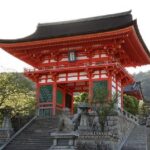
- Kiyomizudera wooden stage: built without a single nail, plus skyline views and the Otowa Waterfall
- Optional A5 Kobe beef lunch: a high-end refuel that’s easy to slot into the day
- Small-group feel: more personal than a huge bus, even though you may share space with other language guests
In This Review
- Price and Logistics: what $59 gets you (and what’s extra)
- Your day starts in comfort: pickup options and how the group works
- Kinkaku-ji and Mirror Pond: Kyoto’s gold-leaf moment
- Arashiyama: bamboo grove calm, river views, and classic Kyoto streets
- The bamboo grove stroll and why it hits differently
- Togetsukyo Bridge: Moon Crossing vibes
- A note on shopping and free time
- Kimono Forest and Tenryuji: the quieter stops that round out the story
- Kimono Forest: a photo-friendly street scene
- Tenryuji Temple: where Arashiyama has a spiritual backbone
- Sanjusangendo: 1,001 golden Kannon inside Japan’s longest historic hall
- Kiyomizudera: the wooden stage with panoramic views
- The wooden stage built without a single nail
- Otowa Waterfall: health and longevity symbolism
- Koyasunoto Pagoda: the add-on that rounds out the views
- Ninenzaka and Sannenzaka: temple-town walking and souvenir sanity
- A5 Kobe Beef lunch: when the upgrade makes sense
- What makes this tour a good value for first-timers (and what it can’t do)
- Should you book the Kyoto UNESCO World Heritage Sites day tour?
- FAQ
- How long is the Kyoto UNESCO World Heritage Sites 1-day tour?
- Where do I meet for the tour?
- Which sites are included on the itinerary?
- Is lunch included in the price?
- Are temple tickets included?
- What languages are available for the guide?
- Is this tour a small group?
- What happens if there’s bad weather or heavy traffic?
- What is the cancellation policy?
Price and Logistics: what $59 gets you (and what’s extra)
At $59 per person for a full day (about 9–10 hours), this tour is built around transportation, a live guide, and timed visits to major Kyoto sites. You’ll travel in an air-conditioned vehicle, and you’ll have English/Chinese speaking guidance during the day.
Two important value details:
- Lunch is only included if you choose the option. If you don’t, you’re basically buying into a temple-and-photos day.
- Tickets are included for Kinkakuji and Sanjusangendo. For the other stops, the tour is framed as sightseeing visits, not ticket bundles.
Now for the reality check. This is an all-day route that runs on city traffic. The tour departs even if weather or traffic is rough, unless the operator notifies you. If severe traffic hits due to holidays or bad weather, some planned attractions may be reduced with no refund. Translation: keep your mindset flexible. You’re booking the big classics, but Kyoto can still do Kyoto things.
Also note the schedule rule that matters: arrive 10 minutes early. They don’t accommodate delays or wait around for you.
Your day starts in comfort: pickup options and how the group works
You can start from VIPヴィラなんば (VIP Villa Namba) or 京都VIPラウンジ (Kyoto VIP Lounge), and your drop-off is at the same two options. Meeting points can vary by what you book, so it pays to use the QR code for your chosen location and show up on time.
Even though the tour is described as a small group, there’s a practical detail: based on participant numbers, English-speaking and Chinese-speaking guests may share the same bus. That’s not a problem if you don’t mind hearing a different language from time to time; it’s usually still a workable setup, and it keeps the day moving.
Duration is listed as approximate, so treat it as a full day commitment. If you’re trying to stack dinner reservations immediately afterward, you’ll want a buffer.
Other Kyoto tours and experiences to compare
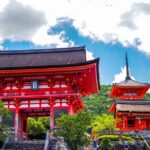
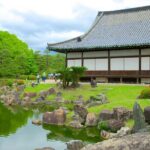
Kinkaku-ji and Mirror Pond: Kyoto’s gold-leaf moment
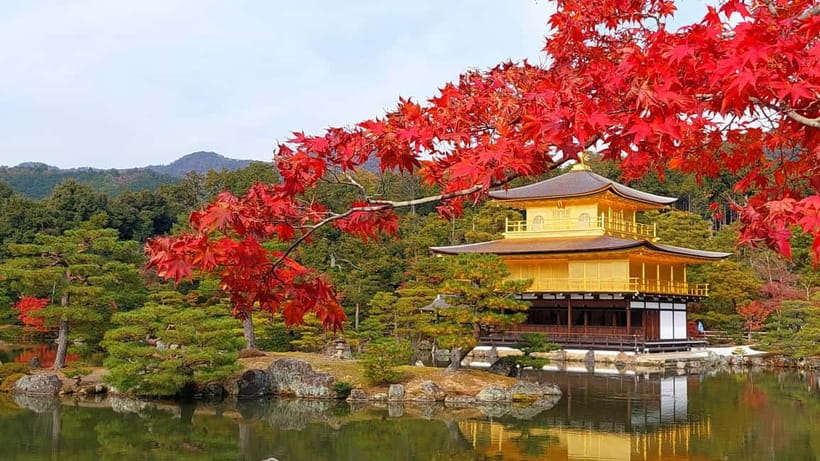
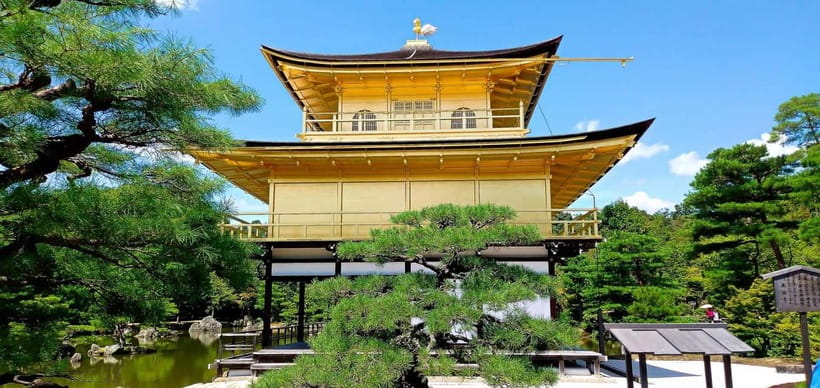
Kinkaku-ji is the easiest stop to understand right away: it’s a Zen temple designed to look elegant from every angle. You’ll visit for about 40 minutes, which is just enough time to get your bearings, see the main view, and still have a moment to let the reflection sink in.
What I like about this stop is that it’s not only about the building. It’s about the atmosphere created by the setting. The top two floors are covered in shimmering gold leaf, and the temple sits by the pond in a way that creates that iconic reflection look (the Mirror Pond effect).
A quick practical tip: this place is photo-heavy, so you’ll want to pause rather than sprint between spots. If you rush, you miss the difference between the gold in direct light versus the darker, mirrored version near the pond edge.
The guide context helps here too. When you hear what the gold and placement are meant to suggest, the photos stop feeling random and start looking intentional.
Arashiyama: bamboo grove calm, river views, and classic Kyoto streets
After Kinkaku-ji, the day shifts west to Arashiyama, where the tempo changes. You’ll get around 2.67 hours for photo stops, visiting, lunch time if you chose it, free time, shopping, and sightseeing.
The bamboo grove stroll and why it hits differently
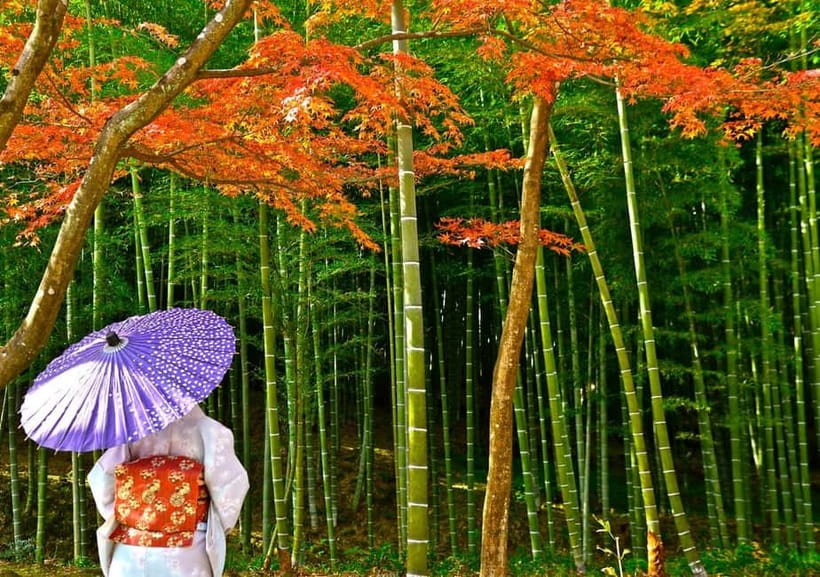
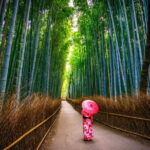
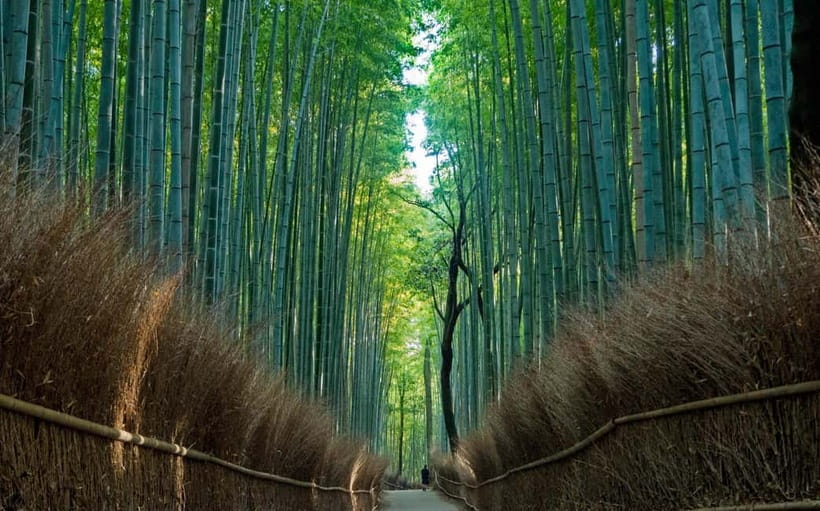
The tour includes the Arashiyama Bamboo Forest and multiple bamboo-related moments. The experience is famous for a reason: towering green stalks create a tunnel-like feeling, filtering daylight and creating that hush you don’t get in most city streets.
This isn’t just a scenic walk. It’s one of the few places on a Kyoto day where the senses slow down. You can stand still, look up, and actually notice light patterns moving through the stalks.
Togetsukyo Bridge: Moon Crossing vibes
You’ll also stop at Togetsukyo Bridge, called the Moon Crossing Bridge. It’s a short stop that works because of what it frames: mountain views and the Katsura River below.
The drawback is that it’s popular. If you’re sensitive to crowds, treat this as a quick look-and-photo moment rather than a long stay. The payoff is worth it: the view is Kyoto in postcard form, but you’ll still feel the “big scene” scale.
Other Kyoto tours and experiences to compare
A note on shopping and free time
Arashiyama includes shopping and free time, and you’ll also see shopping later in the Higashiyama area (more on that below). Keep your purchases practical: small souvenirs, snacks, and items you can carry without turning your day into a burden.
Kimono Forest and Tenryuji: the quieter stops that round out the story
Not every stop is a headline temple. Two included sections—Kimono Forest and Tenryuji Temple—help the day feel like more than a checklist.
Kimono Forest: a photo-friendly street scene
You’ll have a photo stop and free time here. The main value is simply the atmosphere: it’s a scene that’s very Kyoto-in-style, and it can be a fun change from temple gates and hall interiors.
But I’ll keep it practical: plan your photos, then move on. Don’t get stuck waiting for perfect angles if your schedule is already packed.
Tenryuji Temple: where Arashiyama has a spiritual backbone
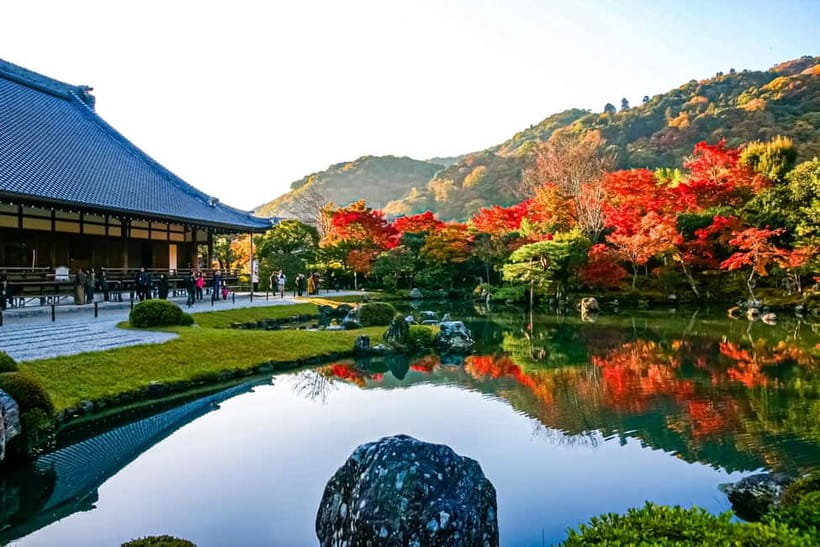
You’ll visit Tenryuji Temple with free time and sightseeing. Even without extra detail beyond that, it’s easy to see why Tenryuji matters in Arashiyama: it gives you a temple setting that feels connected to the surrounding natural areas.
This is also a smart pacing tool. After the outdoor bamboo moments and river views, a temple interior helps you reset. Sit for a minute if you can. Even just noticing the shift in lighting and sound makes the day feel richer.
Sanjusangendo: 1,001 golden Kannon inside Japan’s longest historic hall
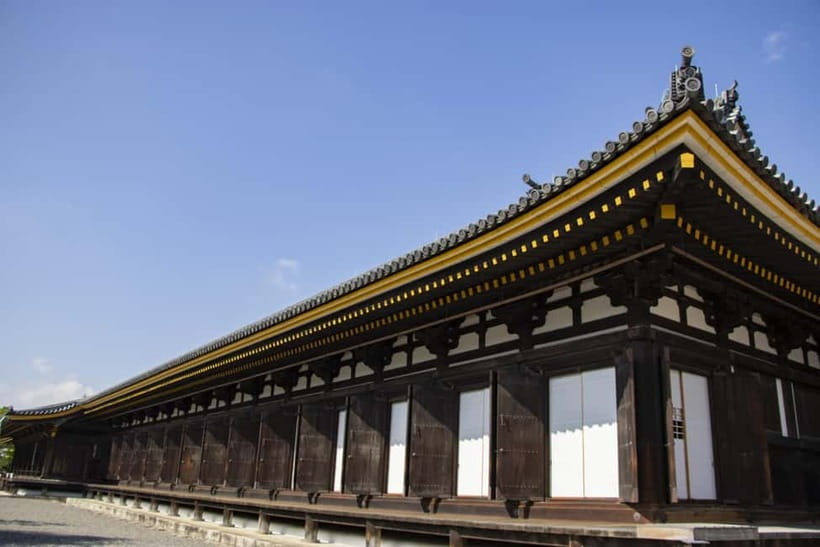
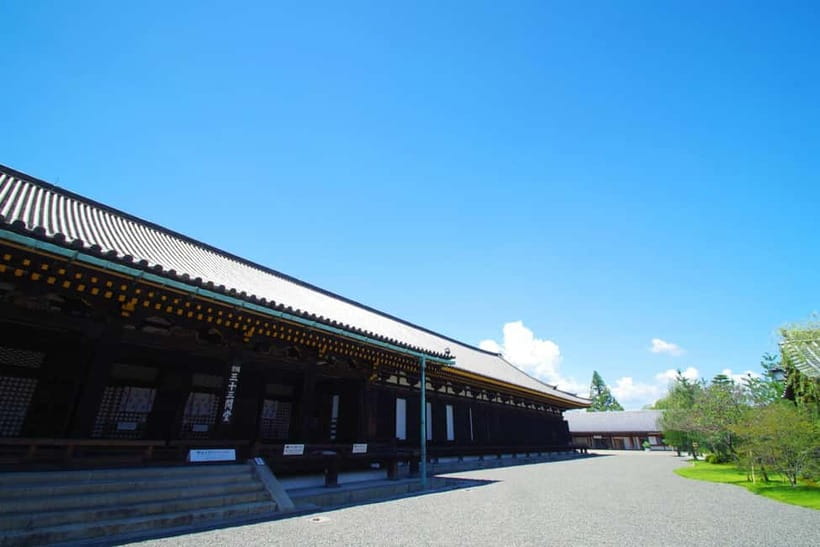
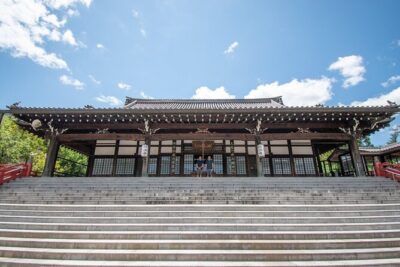
If Kinkaku-ji is the gold-leaf showpiece, Sanjusangendo is the scale showpiece. You’ll spend about 40 minutes here, and the main event is unforgettable: 1,001 life-sized statues of Kannon, the Goddess of Mercy.
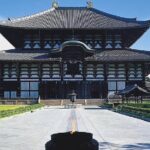
They’re arranged inside Japan’s longest historic wooden hall, and the effect is part visual, part mental. You can look left to right and keep realizing you’re still in the same massive space. The statues are described as golden and uniquely carved, so the point isn’t just the count—it’s the variety within the repetition.
There’s also a story element tied to the “thousand faces” idea, where people say among the many statues you may find one resembling someone you love. Whether you treat that as legend or inspiration, it gives you something to do with your eyes besides count.
Practical tip: go in with the plan to look at the whole arrangement once, then pick a section and linger. If you try to take in everything at once, your brain will bounce off the scale.
Kiyomizudera: the wooden stage with panoramic views
The last major temple on your route is Kiyomizudera (Temple of Pure Water) with about 80 minutes, plus an additional visit to the Koyasunoto Pagoda at the site.
The wooden stage built without a single nail
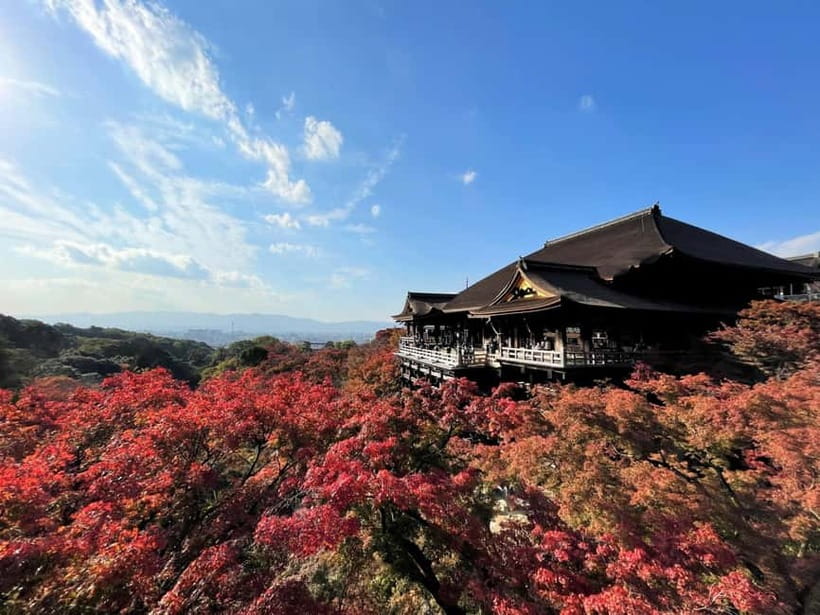
The big reason Kiyomizudera earns its fame is the massive wooden stage built without a single nail. You’ll be in the right place to feel the scale, and you’ll also get the kind of viewpoint Kyoto does best: a framed city view with temple architecture as your foreground.
This is where seasons can change the mood. The tour description highlights the idea of cherry blossoms in spring or fiery maple leaves in autumn, so if you’re traveling in those windows, you’re in for extra beauty.
Otowa Waterfall: health and longevity symbolism
Before you leave, you can visit the Otowa Waterfall. The waters are said to bring health, longevity, and success. Even if you’re not super literal about it, the ritual element makes the stop feel more alive and less like a photo opportunity.
Koyasunoto Pagoda: the add-on that rounds out the views
After Kiyomizudera, you’ll visit the Koyasunoto Pagoda. This isn’t positioned as the main headline, but it’s a useful way to extend the view and keep the architecture theme going as you move into the shopping streets.
Ninenzaka and Sannenzaka: temple-town walking and souvenir sanity
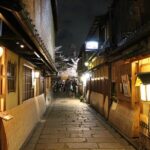
After Kiyomizudera, you’ll go into Ninenzaka and Sannenzaka, both with visits and shopping. These streets are famous for their old-town feel, and the tour gives you time to wander without needing to negotiate public transit.
I like this part because it turns the day from strict sightseeing into something more personal. You can slow down, pick up small gifts, and grab snacks for the walk back to your evening plans.
Keep it simple: decide what you actually want to buy before you get tempted by everything. These streets reward wandering, but they also reward spending money like it’s a sport.
A5 Kobe Beef lunch: when the upgrade makes sense
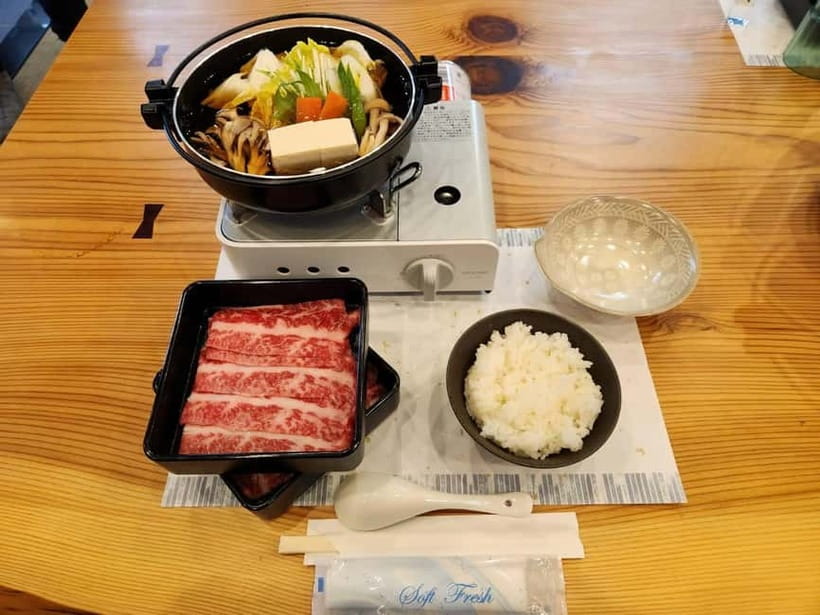
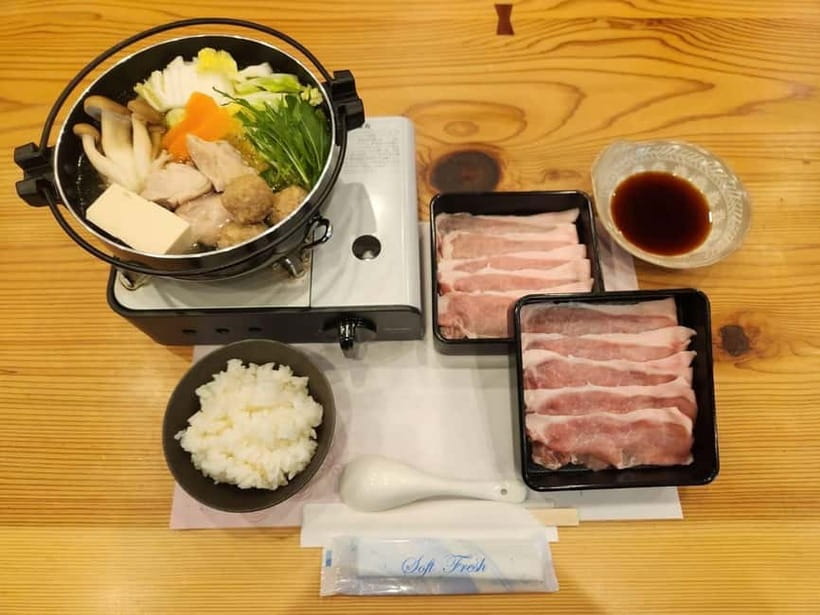
The tour offers an optional lunch: A5 ranked Kobe Beef, described as world famous and known for its marbling and melt-in-your-mouth texture.
Is it worth choosing? For me, the logic is straightforward:
- If you want one big food highlight in a day packed with top sights, this gives you a clear payoff.
- If you’re already planning Japanese meals in the evenings, you might save the upgrade and eat something simpler during free time.
What I’d watch: the lunch option is part of the Arashiyama block. That means your eating time is coordinated, which is good if you don’t want to fight for reservations. It’s also convenient because it keeps your energy stable for the afternoon temples.
If you do choose it, treat lunch as your reset. Walk after, don’t overdo it, and save your strongest walking energy for later.
What makes this tour a good value for first-timers (and what it can’t do)
For $59, the tour is doing a lot of heavy lifting: transportation, a live English/Chinese guide, timed visits to major UNESCO-linked Kyoto sites, and included tickets for Kinkakuji and Sanjusangendo.
It’s a strong fit if you:
- want four big-name Kyoto temple experiences in one day
- prefer a guide to give context while you’re standing in front of the sights
- don’t want to coordinate transit between far-flung areas like central Kyoto and Arashiyama
But there are limits. You’re not doing deep museum-level time. You’re hitting highlights and moving. And because the tour departs regardless of weather/traffic (unless notified), you should be ready for the day to feel more like a “big day plan” than a slow wandering weekend.
Also, some attraction reductions can happen under severe traffic. If you’re the type who needs a perfectly unchanged schedule to be happy, you’ll want a flexible mindset.
Should you book the Kyoto UNESCO World Heritage Sites day tour?
Book it if you want a guided, efficient route through Kyoto’s headline experiences: Kinkaku-ji, Arashiyama bamboo and Togetsukyo Bridge, Sanjusangendo with 1,001 Kannon, and Kiyomizudera’s wooden stage and views—plus the option of an A5 Kobe Beef lunch.
Skip (or rethink) it if:
- you hate crowds and want unlimited time at a single place
- you’re planning to stay in one neighborhood all day and explore slowly
- you need extra flexibility to deal with unexpected schedule changes
If you’re a first-time Kyoto visitor, this tour is a practical way to get the big cultural images into your brain in one go. And if your guide is Kaytu-level history minded, you’ll understand what you’re looking at while the gold, bamboo, and wooden stage are still fresh in your memory.
FAQ
How long is the Kyoto UNESCO World Heritage Sites 1-day tour?
The duration is listed as approximately 9 to 10 hours, and it can vary based on traffic conditions.
Where do I meet for the tour?
You can choose between two starting points: VIPヴィラなんば or 京都VIPラウンジ. The exact meeting point can vary by what you booked, so check the QR code in the product details.
Which sites are included on the itinerary?
The tour includes visits to Kinkakuji, Tenryuji, Sanjusangendo, and Kiyomizudera, along with stops in Arashiyama and the surrounding historic streets.
Is lunch included in the price?
Lunch is included only if you select the lunch option. The optional upgrade is A5 ranked Kobe Beef.
Are temple tickets included?
Kinkakuji Temple ticket and Sanjusangendo Temple ticket are included. Other visits are listed as sightseeing/visits in the itinerary without ticket details provided.
What languages are available for the guide?
The guide is available in English and Chinese.
Is this tour a small group?
It’s described as small group available. Depending on the number of participants, English-speaking and Chinese-speaking guests may share the same bus.
What happens if there’s bad weather or heavy traffic?
The tour departs regardless of weather/traffic conditions unless the local operator notifies you otherwise. In severe traffic, some planned attractions may be reduced without refund.
What is the cancellation policy?
You can cancel up to 24 hours in advance for a full refund.
More Historical Tours in Kyoto
More Tours in Kyoto



More Tour Reviews in Kyoto


Just added: more Kyoto tours to browse








Historical Tours, compared.
 ★ 5.0Kyoto Gion: 2-Hour Geisha Culture & History Walking TourFrom $231,186 reviews
 ★ 5.0Kyoto Gion Historical Walking TourFrom $40188 reviews
 ★ 5.0Historical Kyoto E-Bike TourFrom $99181 reviews
 ★ 5.0Nijo Castle World Heritage Guided Tour with AdmissionFrom $39128 reviews
 ★ 4.9Private 2.5 Hour Historical Walking TourFrom $80121 reviews
 ★ 4.8From Kyoto: Nara History Guided Half Day Bus Tour with LunchFrom $77114 reviews
 ★ 4.6Uji: UNESCO Heritage & Tea Ceremony Walking TourFrom $6654 reviews
 ★ 5.0Private car tour Let’s uncover secrets of majestic Kyoto historyFrom $10845 reviews
Browse the lists this tour appears in