
Reviewed · KYOTO BUS & SIGHTSEEING TOURS
From Kyoto / Osaka: Kyoto Must-see Spots & Nara Park One Day Tour
Kyoto and Nara in one day can sound chaotic, but this tour keeps it tight and logical. You hit Nara Park for the famous deer moment, then jump to Fushimi Inari Taisha for its torii tunnel, and finish in Arashiyama for bamboo, shrines, and iconic bridges.
What I like most is the way the day is built for speed without feeling random: you get guided context at each stop, plus realistic time blocks so you can actually enjoy what you came for. I also like that the tour is mostly admission-free at major spots (only Tenryu-ji charges a separate fee), which makes budgeting easier.
The main drawback to plan around is time pressure. The itinerary moves through several busy, popular attractions in about 9 hours, so if you want long temple wandering or slow, photo-only pacing, you might find a couple stops a little short.
In This Review
- Key things to know before you go
- A One-Day Kyoto and Nara Highlights Route That Actually Works
- Price, What You Get, and What Costs Extra
- Nara Park: Deer Encounters and Temple-park Energy in One Hour
- Fushimi Inari Taisha: The Torii Tunnel Without the Planning Headache
- Arashiyama Bamboo Forest: Why 50 Minutes Feels Like Both Enough and Not Enough
- Nonomiya Shrine and the Kimono Forest Acrylic Installation
- Tenryu-ji Temple: UNESCO Time Plus a Ticket You Must Plan For
- Rilakkuma Tea House and Togetsukyo Bridge: Fun Detours That Keep the Day Light
- Why the Tour’s Guide Matters More Than You’d Think
- Logistics That Can Make or Break Your Experience
- Best Ways to Prepare for a Smooth 9-Hour Day
- Who Should Book This Kyoto and Nara Tour
- Should You Book This One-Day Kyoto and Nara Tour?
- FAQ
- What is included in the $60 price?
- How long is the tour?
- Do I need to buy a ticket for Tenryu-ji Temple?
- Is lunch included?
- Can I join if I’m staying in Osaka or Kyoto?
- Is it a large group?
- Do I need to bring anything for my phone or ticket?
Key things to know before you go
- A guide-run route: you’re not stuck figuring out meetups, transit flow, and timing across Kyoto and Nara
- Most entries are free: Nara Park and Fushimi Inari Taisha are free, and Tenryu-ji is the key paid add-on
- Arashiyama in bite-sized pieces: bamboo, a shrine detour, the Kimono Forest installation, Tenryu-ji, and Togetsukyo Bridge all fit
- Small-ish tour size for Japan: up to 45 travelers means you’re not alone, but it can still feel group-scattered at crowded stops
- Real guide energy: many guides are praised for keeping people moving, explaining what you’re looking at, and helping with coordination
A One-Day Kyoto and Nara Highlights Route That Actually Works
If you only have one full day in the Kyoto area, this tour is built for that reality. You’re not trying to “do Kyoto” in some abstract way. Instead, you get a concentrated sweep of the places most first-timers want: deer in Nara, torii gates at Fushimi Inari, then Arashiyama’s signature bamboo and temple-landscape vibes.
The big practical win is that someone else handles the sequencing. Kyoto and Nara don’t just feel spread out; they move at different rhythms. This tour brings you from place to place with an air-conditioned vehicle and a guide who keeps the day on track, which matters when you’re dealing with crowds and limited time.
You also get a good mix of spiritual sites and pop-culture/visual stops. That might sound like an odd combo, but it works because Arashiyama isn’t only temples. It’s also photo-friendly installations and a chance to see different sides of how people experience the neighborhood today.
Loop the big Kyoto sights in one run


Price, What You Get, and What Costs Extra
The price is $60 per person for about 9 hours, including an air-conditioned vehicle and a guide. That’s the heart of the value: you’re paying for transport plus interpretation. With Kyoto’s public transit, switching routes, managing luggage, and coordinating crowded meeting points can drain a day fast. Here, you outsource that stress.
Most of the named stops are admission-free (Nara Park, Fushimi Inari Taisha, bamboo forest time, Nonomiya Shrine, the Kimono Forest installation, Rilakkuma Tea House, and Togetsukyo Bridge are all listed as free). The one notable exception is Tenryu-ji Temple, where you’ll need to pay 500 yen on-site (not included).
Two other budget notes:
- Lunch isn’t included. Build in time for a meal before or after, or grab something quick near a stop.
- The tour includes a mobile ticket, so you won’t have to wrestle with printed paper on the day.
Also worth knowing: free cancellation is offered up to 24 hours in advance for a full refund, which lowers risk if your schedule shifts.
Nara Park: Deer Encounters and Temple-park Energy in One Hour
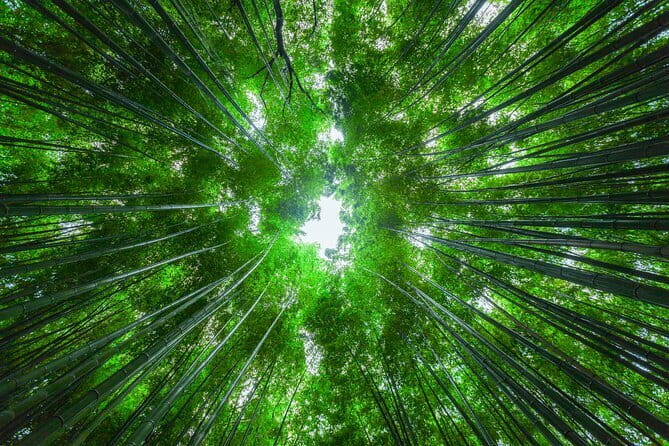
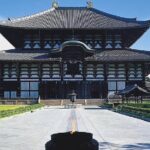
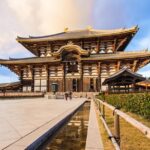
Nara Park is one of the oldest park areas in Japan and a massive one—660 hectares. On paper, that’s huge. In real life, the experience here is about one thing: the deer.
Expect the deer to wander close and to act like they’re waiting for something. The moment is simple, memorable, and great even if you’re not a “nature person.” You’ll also see why the park is famous beyond deer: it’s packed with major temples and the whole area has that wide, scenic feel.
Time-wise, you only get about an hour at this stop. That’s enough for the main deer encounter and a quick look around, but it’s not enough for a long, deep Nara temple crawl. If you’re the kind of traveler who wants to linger in a single sacred space for a long stretch, plan to treat this as a highlight stop rather than your full Nara experience.
Practical tip: comfy shoes matter here. Nara Park is big, and even with a guide and a plan, you’ll still be walking and stopping.
Fushimi Inari Taisha: The Torii Tunnel Without the Planning Headache
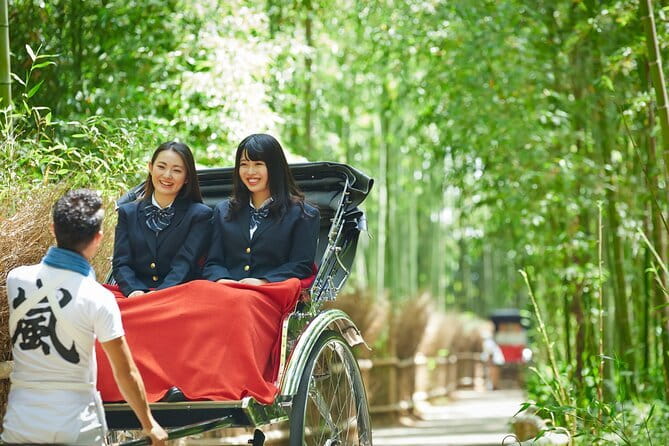
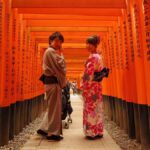
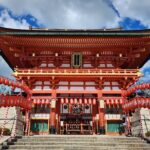
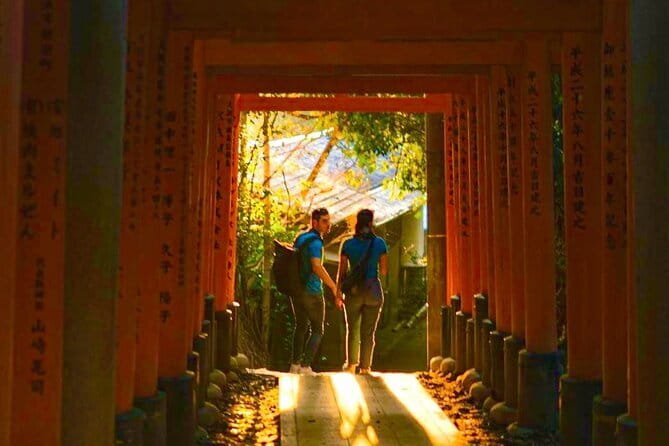
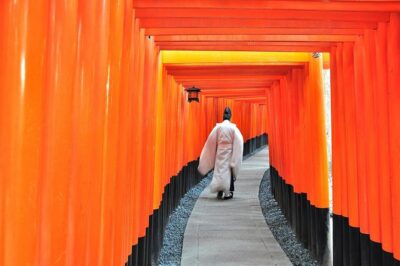
Next comes Fushimi Inari Taisha, famous for its thousands of vermilion torii gates. This is the head shrine for Inari, the Shinto god associated with rice, and it’s one of those places where the most dramatic part is also the most fun: walking under the gates as the path gradually pulls you deeper.
You’ll have around 1 hour 10 minutes here. That’s a sweet spot for first-timers: enough time to get the iconic gate views, pause for photos, and understand what you’re looking at without feeling like you’re racing.
The one thing to consider is crowd flow. This is a top Kyoto attraction. You’ll likely be sharing the space with many other people moving at different speeds. Your best strategy is to focus on moments, not on “finishing” the whole route. If you get overwhelmed, stop, look up, then move on when the line of sight clears.
If you like explanation, this is a good stop for it. A good guide helps you connect the symbolism to what’s in front of you—so it feels more than just a red hallway.
Arashiyama Bamboo Forest: Why 50 Minutes Feels Like Both Enough and Not Enough
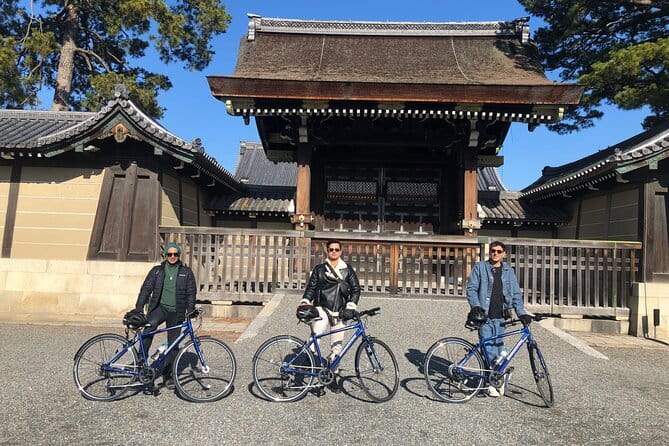
Arashiyama is Kyoto’s western highlight zone, and this tour gives it a structured run. The bamboo forest stop is listed at about 50 minutes, and it’s paced to let you enjoy it instead of just passing through.
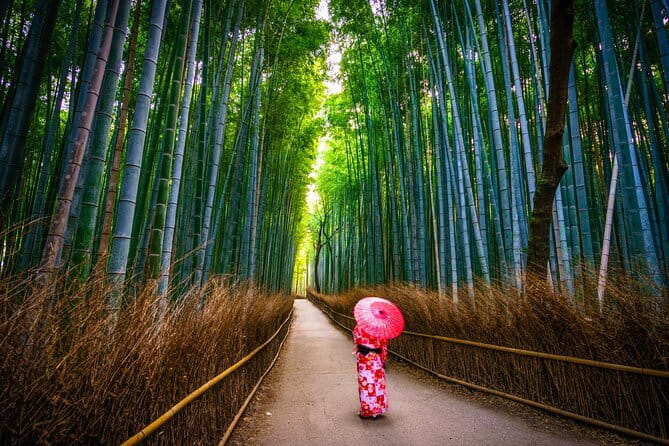
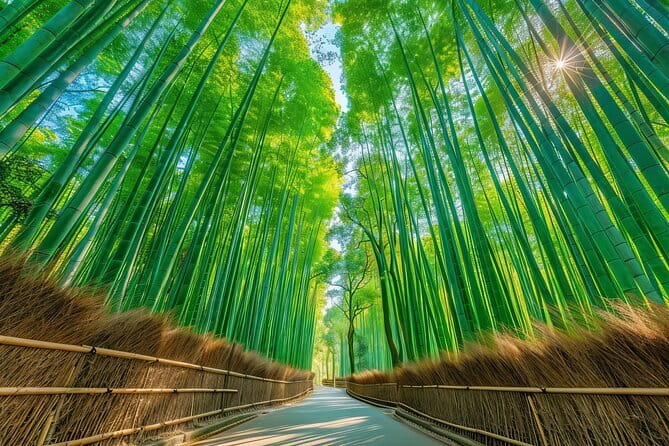
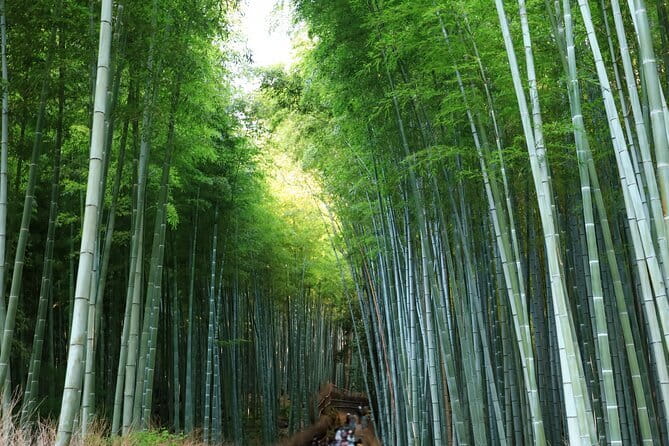
The Bamboo Forest is popular for a reason: towering stalks, an airy, quiet-feeling corridor, and that classic Arashiyama silhouette. In the middle of a day that includes deer and torii gates, it’s a welcome shift in mood. The contrast is part of why this itinerary works.
Still, 50 minutes can go fast once you add in photo breaks, slow walking, and the simple fact that you’ll be sharing narrow paths with other visitors. If your goal is ultra-slow listening and long lingering, you may want extra free time in Arashiyama on a different day. If your goal is to see it and feel it, this timing is generally on target.
A tiny prep point that helps: plan to protect your phone battery. You’ll take pictures. Everyone does.
More day trips out to Nara and its bowing deer

Nonomiya Shrine and the Kimono Forest Acrylic Installation
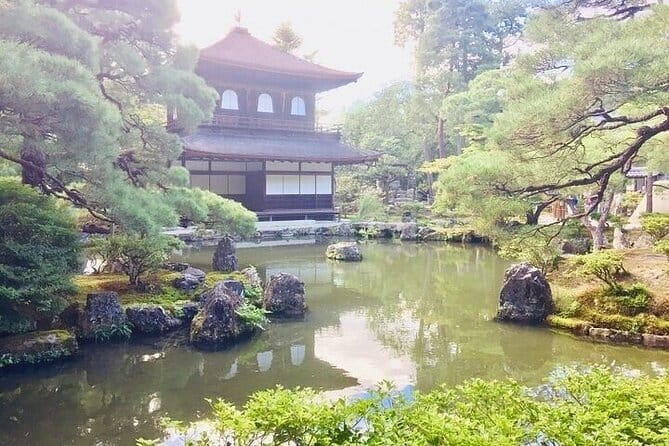
This is where the tour adds variety inside Arashiyama. First, you’ll visit Nonomiya Shrine, a Shinto shrine in the west side area of Kyoto noted for its distinctive black torii gate. That visual detail matters because it breaks the color pattern you see everywhere else (most people notice the vermilion torii look first).
Then you’ll hit the Kimono Forest installation: 600 clear acrylic cylinders, each 2 meters tall, covered with kimono fabrics in many patterns. It’s not a traditional shrine space, so it won’t replace a temple visit—but it is a very Kyoto-in-a-modern-way experience. It’s visual, interactive for photos, and a good change of pace after the bamboo.
These two stops are short (about 20 minutes each). That’s intentional. The tour’s philosophy seems to be: show you the standout visuals, give you just enough time to understand them, then move before you miss the next highlight.
If you’re the type who hates “too many quick stops,” prioritize the things you love most and treat the rest like a sampler platter.
Tenryu-ji Temple: UNESCO Time Plus a Ticket You Must Plan For
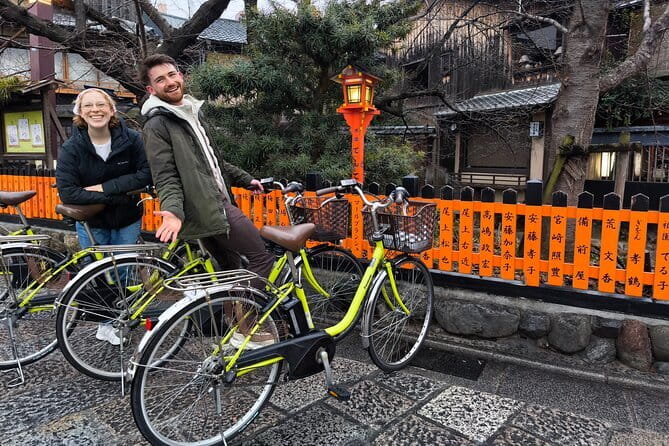
Tenryu-ji Temple is a UNESCO World Heritage Site, ranked as the top among Kyoto’s five great Zen temples. It’s also listed as a 20-minute visit, with the 500 yen entrance fee not included.
So what do you do with 20 minutes? You aim for focus. This isn’t the time for a long, slow “see everything” temple circuit. Instead, use the time to get your bearings—look at the parts your guide points out, take in the style, and remember you’re seeing a highlight portion of the temple complex.
Because the fee is extra, I recommend you mentally tag it now: set aside 500 yen so you don’t get stuck at the gate. If you’re traveling cash-light, check what payment options are available onsite before you go (the tour data only tells you the fee amount, not the payment methods).
Also, be aware that some visitors have felt the day’s pacing favors other stops. If Tenryu-ji is your absolute must-see, this tour can still work, but adjust your expectations: this is an efficient stop, not a leisurely temple day.
Rilakkuma Tea House and Togetsukyo Bridge: Fun Detours That Keep the Day Light
After the more serious sights, you get two lighter, scenic moments.
At the Arashiyama Rilakkuma Tea House, you’re entering a pop-friendly space built around the character Rilakkuma, meaning bear in a relaxed mood. The guide-led tone here tends to keep the day from turning into pure sightseeing fatigue. It’s also a chance to reset before the last stretch.
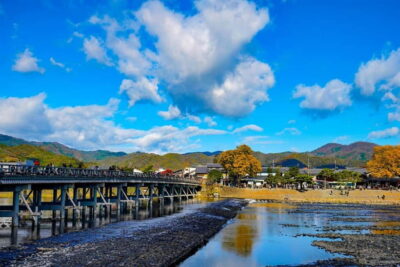
Then you finish with Togetsukyo Bridge, one of Arashiyama’s most iconic landmarks. It was originally built during the Heian Period (794–1185) and most recently reconstructed in the 1930s. You’ll have about 15 minutes here, enough time to enjoy the view, get a few photos, and breathe after a packed schedule.
This ending matters. A one-day itinerary can feel like a checklist. Ending at a scenic bridge helps it feel more like a trip and less like a homework assignment.
Why the Tour’s Guide Matters More Than You’d Think
This type of day is only as good as the people running it. The strongest praise across the experience focuses on guide performance: keeping the group moving, giving clear explanations, and handling coordination smoothly.
You’ll see names like Mia, Fiona, Laura, Amy, Tina, and Theodore pop up again and again in positive feedback. The common thread is energy and organization—guides who give useful direction and help you enjoy the stops even when crowds make things feel chaotic.
One guide even worked with a game-style approach, and other guides are described as sending coordination messages and map help before the day starts. That kind of support sounds small until you’re on a tight schedule and trying to locate the right meeting point.
What I’d take from all that: choose this tour for the guidance. The itinerary is strong on paper, but the guide is what turns it into a smooth day.
Logistics That Can Make or Break Your Experience
A few practical considerations show up repeatedly in how people experience this kind of packed highlight tour.
Group size and movement. The tour has a maximum of 45 travelers. That’s not huge, but it’s also not tiny. At crowded landmarks, you won’t always feel like one tightly packed group. You may move in clusters or follow timing cues more than walking single-file together.
Bus comfort. Some people note bus seating can be narrow, especially if you’re tall or have a body type that doesn’t love cramped rows. The itinerary includes an air-conditioned vehicle, which helps, but it won’t change seat width.
Time allocation. There’s always a tradeoff: the day includes many stops, so you might notice some places get shorter time than your personal preference. If you’re deciding between the bamboo forest and temple time, you’re essentially deciding how you want to spend your attention.
Best Ways to Prepare for a Smooth 9-Hour Day
Here’s how to make this tour feel easy instead of rushed.
- Wear comfortable shoes you can walk in for stretches. Even the “short” stops require steady walking.
- Bring layers. Weather can shift, and some areas can feel cooler depending on conditions. A reviewer also suggested dressing warmly for higher altitude conditions.
- Have a plan for lunch. Since lunch isn’t included, you’ll want to either eat before you go or use free time near a stop to grab something.
- Expect crowds at top sites. Fushimi Inari and Arashiyama can feel packed. A guide can help you keep your focus on what matters while the crowd noise does its thing.
- Budget for Tenryu-ji. Set aside 500 yen so you can move through the temple stop without hesitation.
If your travel style is “see the highlights and then enjoy free time elsewhere,” this itinerary matches that perfectly.
Who Should Book This Kyoto and Nara Tour
This is a strong fit if:
- You have one day in Kyoto/Osaka area and want the classic highlights without planning every connection
- You like having a guide to explain what you’re looking at, especially at Fushimi Inari and Tenryu-ji
- You’re okay with a highly efficient pace and short-to-medium stop lengths
It’s not the best fit if:
- You want a slow, quiet day at one temple with long wandering time
- You hate photo crowds and prefer hidden corners over landmark lines
- You’re sensitive to cramped vehicle seating and want maximum comfort
Should You Book This One-Day Kyoto and Nara Tour?
If you’re on a tight schedule, I think this tour is worth it. The value math is decent: you get a guide and transport for $60, most major stops are free, and Tenryu-ji is the only clear extra ticket cost (500 yen). The route is also well-chosen: Nara deer for instant wow, Fushimi Inari for iconic scenery, then Arashiyama for the bamboo and bridge payoff.
The key decision point is pacing. This is a “highlights sampler” day, not a “soak in one place” day. If you can handle short stops and you’re happy to let the guide manage the flow, you’ll likely walk away feeling like you used your limited time well.
FAQ
What is included in the $60 price?
The price includes an air-conditioned vehicle and a guide. Most sightseeing stops listed are free, but lunch and the Tenryu-ji Temple admission fee are not included.
How long is the tour?
It runs for about 9 hours.
Do I need to buy a ticket for Tenryu-ji Temple?
Yes. Tenryu-ji Temple has an admission fee of 500 yen, and it is not included in the tour price.
Is lunch included?
No, lunch is not included.
Can I join if I’m staying in Osaka or Kyoto?
Yes. The tour is designed to depart from Osaka or Kyoto.
Is it a large group?
The tour has a maximum group size of 45 travelers.
Do I need to bring anything for my phone or ticket?
You’ll use a mobile ticket.
—
If you tell me your travel month and whether you’re starting from Kyoto or Osaka, I can suggest a simple game plan for lunch timing and what to prioritize if you want the day to feel less rushed.
More Tour Reviews in Kyoto



More Nara Day Trips
More Kyoto Sightseeing Loops

Just added: more Kyoto tours to browse








Kyoto Bus & Sightseeing Tours, compared.
 ★ 5.0PERFECT KYOTO 1-Day Bus TourFrom $12913,518 reviews
 ★ 4.8Fushimi Inari, Kinkakuji, Bamboo Grove 1 Day Bus TourFrom $1224,316 reviews
 ★ 4.9Best of Kyoto: Gion, Geisha, Pagodas & CobblestonesFrom $242,058 reviews
 ★ 3.9Hop-on Hop-off Sightseeing Bus TicketFrom $272,034 reviews
 ★ 5.0Private Kyoto Tour with a Local, Highlights & Hidden Gems, PersonalisedFrom $1021,543 reviews
 ★ 4.7Kyoto/Osaka: Nara, Fushimi Inari Taisha, Arashiyama Bus TourFrom $521,275 reviews
 ★ 5.010 Must-see Spots in Kyoto One Day Private Tour (up to 7 people)From $1791,108 reviews
 ★ 4.5One-Day Tour of Kyoto’s Highlights from Osaka/KyotoFrom $661,092 reviews
Browse the lists this tour appears in