
Reviewed · GION & GEISHA DISTRICT TOURS
Kyoto: Tea Ceremony with Maiko
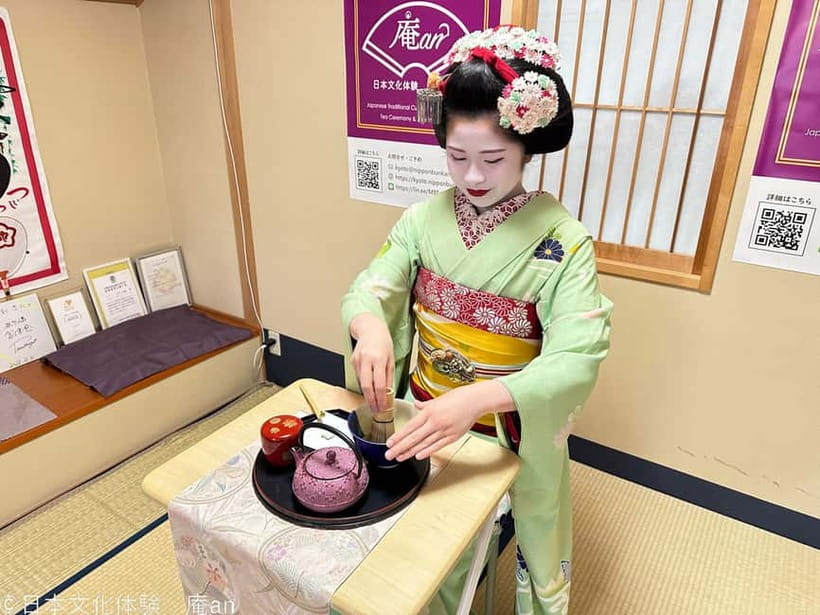
Meet a Maiko, then stir your own matcha. This 45-minute Kyoto tea ceremony with a Maiko is designed for people who want the real flavor of Kyoto without spending the whole day on logistics. The best part is that you get more than a performance: you learn the steps, make the tea yourself, and end with up-close photos and a Senjafuda lucky charm.
I particularly like two things. First, the matcha practice feels hands-on, not like you are just watching. Second, the Q&A gives you a rare, human look at her world, and the photos let you be close without that awkward stalking feeling.
One consideration: the venue is in a building with stairs and there is no elevator. If stairs are an issue for you, plan accordingly, because you will need to climb to reach the experience spaces.
In This Review
- Key Points Worth Your Time
- Getting Oriented in Kyoto: Near Gojo Station, Not Far From Everything
- What You Actually Do With the Maiko (Minute by Minute)
- Matcha Lesson You Can Use: Demonstration Then You Make It
- The Q&A That Turns a Ceremony Into a Living Story
- Photos Up Close and the Senjafuda Lucky Charm
- Maiko or Geiko: What Changes, What Stays the Same
- Price and Value: Why $28 for 45 Minutes Can Make Sense
- Who This Tea Ceremony Is Best For
- Quick Practical Tips Before You Go
- Should You Book This Kyoto Maiko Tea Ceremony?
- FAQ
- How long is the tea ceremony with Maiko?
- What does it cost?
- Where is the meeting point in Kyoto?
- What happens during the experience?
- Do I need to speak Japanese?
- Is the venue a traditional ochaya house?
- Is there an elevator at the venue?
- Is it always a Maiko, or could it be a Geiko?
- Are children allowed?
- Can I cancel and get a refund?
Key Points Worth Your Time
- 45 minutes, big Kyoto pay-off: a tight schedule that fits even with a packed day.
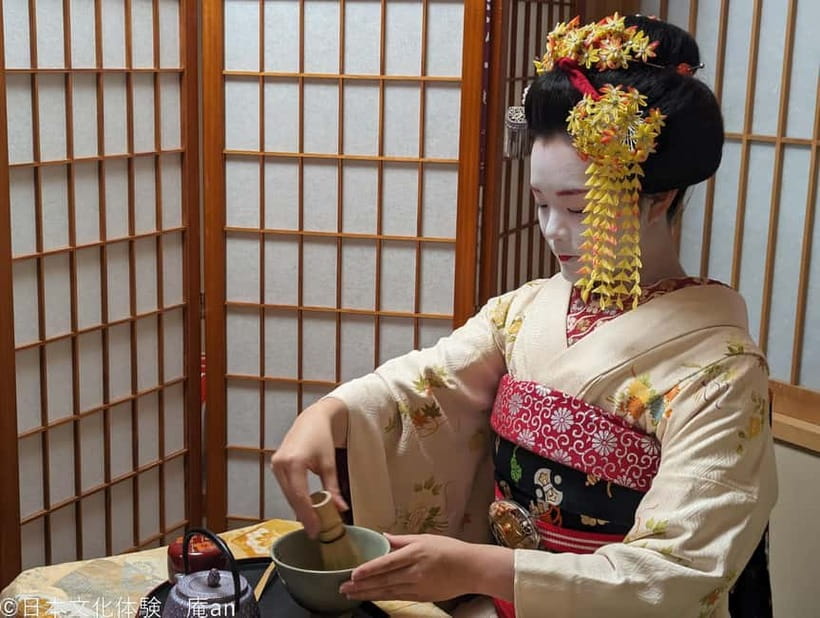
- Hands-on matcha: you make your own tea after a demonstration and mini lecture.
- Dried ohigashi included: two sweets served with your tea, sized for easy enjoyment.
- Up-close photos and a Senjafuda: you leave with memories plus a lucky charm.
- You might meet a Geiko instead: depending on the date and situation, the host could vary.
Getting Oriented in Kyoto: Near Gojo Station, Not Far From Everything
This experience is built for time-pressed days. It takes about 30 to 40 minutes in practice, and the full session is 45 minutes from start to room departure. You are also not stuck halfway across town; the meeting point is about a 1-minute walk from Exit 1 of Gojo Station on the Karasuma Line.
What that means for you: you can treat this like a concentrated Kyoto stop. Do it as a mid-day activity between temples and neighborhoods, or if your itinerary is tight because you are moving around Kyoto a lot.
One practical tip that helps on arrival: use the main street sightline. The store entrance faces Gojo-dori, so you are not hunting through a maze of side alleys. Still, expect stairs on site. There is no elevator, so bring your walking stamina and pick shoes that are stable for steps.
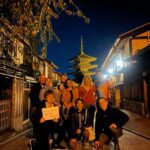
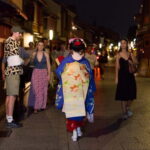
More evenings along the lantern-lit lanes of Gion
What You Actually Do With the Maiko (Minute by Minute)
This is not a long tea house ritual where you sit for hours and watch ceremony by ceremony. It is a structured program that still feels respectful and very intentional.
Here is the flow, in plain language:
- Greeting from the Maiko to start you off.
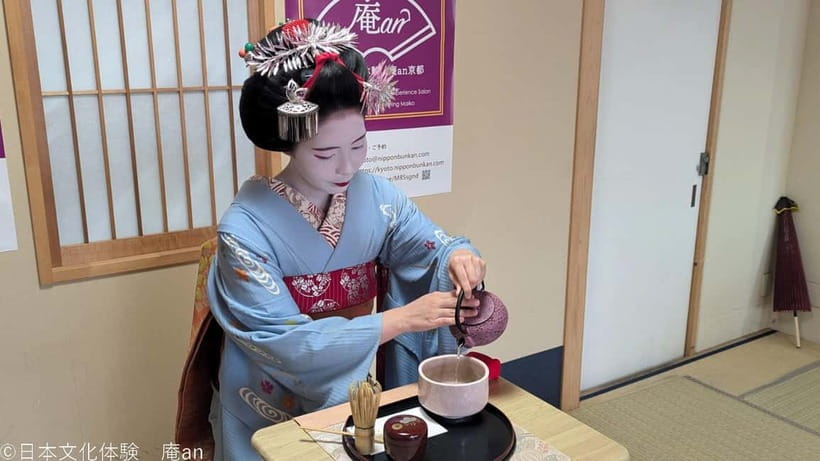
- Tea ceremony with the Maiko, including matcha and two dried-type Japanese sweets (ohigashi).
- Q&A session right after the ceremony portion, where you can ask questions directly.
- Photo opportunity at the end, taken right beside the Maiko.
- Senjafuda gift: she presents you with a lucky charm as part of the closing.
- Final timing: you are out at about 45 minutes.
The draw is that it keeps you engaged. You are not left wondering what to do next. Even the pauses make sense because the schedule moves from learning, to tasting, to conversation, to photos.
One extra detail to keep in mind: it may be hosted by a Maiko or a Geiko depending on the date. If it is a Geiko, you still get the same overall format: matcha, Q&A, photos, and the Senjafuda gift.
Matcha Lesson You Can Use: Demonstration Then You Make It
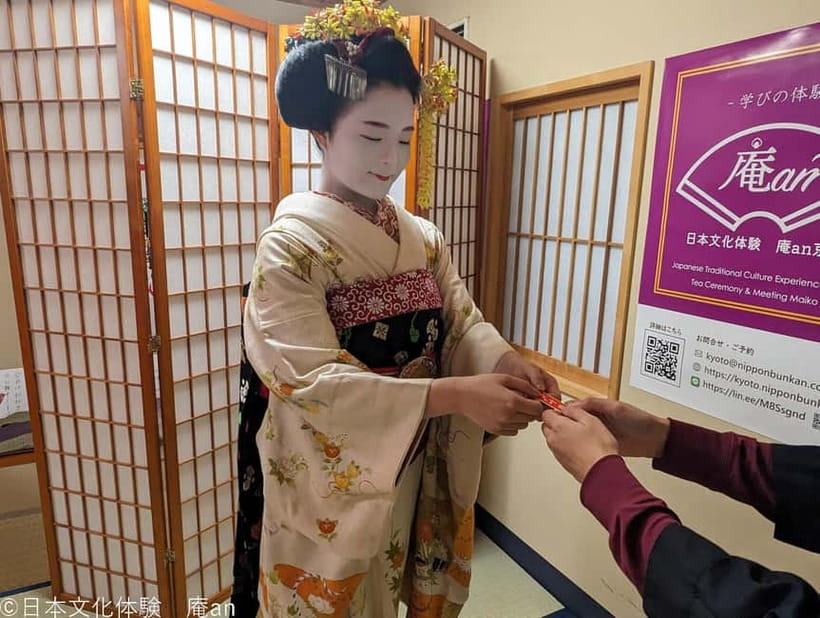
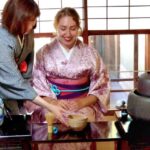
The heart of this experience is matcha, and you get real practice. You start by watching the Maiko show you how to prepare it, then you take your turn.
You will learn how to make your cup during the tea ceremony portion, and the program is set up so you can follow along without needing prior knowledge. This matters because matcha etiquette can feel intimidating if you only read about it. Here, you get a guided version that still respects tradition.
Then comes the tasting pairing. You are served two dried-type Japanese sweets (ohigashi) with the tea. Dried sweets change the whole vibe of matcha compared to the soft wagashi pairing you might picture. The sweetness is often more compact, easy to handle during a short ceremony, and it gives you something to focus on while your hands and attention are on the ritual.
One more note: in a few sessions, the ceremony flow may include extra small moments beyond matcha and sweets, and you might see something like sake being poured. Since that is not guaranteed in every program format, treat it as a possible add-on rather than a promise. The matcha and included sweets are the constant.
The Q&A That Turns a Ceremony Into a Living Story
A big reason this feels special is the question-and-answer session. You do not just sit there watching beauty and manners. You ask questions, and you get answers that point to daily life, training, and what it is like to be on a schedule that outsiders rarely see.
This is also where the “short time” format works in your favor. Because the session is compact, the Q&A stays focused and does not drift into a generic interview. You can steer your questions toward what you care about most: the lifestyle side, the culture side, the training side.
Language is handled with care. The instructor is Japanese, and the program states that English translation is provided as much as possible. One example from a real session: Maiko Masaya San led guests confidently while an interpreter helped make sure everyone understood the questions and explanations clearly. If you want extra English support, you need to contact the provider in advance as noted in the info.
Practical takeaway: come with 3 to 5 questions ready in your notes app. Simple ones work. You will get more out of the conversation if you do not spend the first minute thinking.
Photos Up Close and the Senjafuda Lucky Charm
The photo part is not an afterthought. You get a commemorative photo right beside the Maiko as part of the end sequence. This is one of the reasons people like this format: you are close enough for real memories, and you still keep a respectful distance.
Then you get the Senjafuda lucky charm. It is a physical souvenir, not a generic keychain. And because it comes from the Maiko herself as part of the closing ritual, it feels tied to the moment rather than tacked on at checkout.
Here is how to get the most out of this section. Treat it like a mini event: be ready when they bring you in, listen to the guidance for where to stand, and keep your phone on the ready setting. The ceremony moves fast, and there is not time to troubleshoot after everyone is lined up.
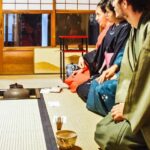
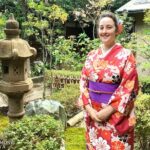
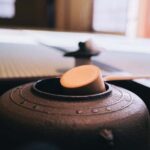
Sit for another bowl of matcha in a Kyoto tea house


Maiko or Geiko: What Changes, What Stays the Same
You might be thinking: if I am aiming for a Maiko specifically, what happens if I get something else? The program is clear that depending on the date and situation, it could be hosted by a Geiko instead of a Maiko.
In practical terms, here is what you should expect to stay consistent:
- You still do the tea ceremony portion.
- You still make and/or participate in the matcha process.
- You still get the Q&A and the close photo opportunity.
- You still receive the Senjafuda charm.
What could change is the face you meet and the personal style of the hosting. But the structure is designed so you are not left feeling like you paid for the wrong thing. If you are excited by the overall Kyoto tradition and not only one specific title, this format still delivers.
Price and Value: Why $28 for 45 Minutes Can Make Sense
At $28 per person for about 45 minutes, this is not a bargain in the “cheap activity” sense. But it is strong value if you are comparing it to alternatives that cost more and give you less interaction.
Here is the value equation:
- You get instruction and hands-on matcha prep, not only watching.
- You get included sweets, so you are not hunting for a snack afterward.
- You get real conversation time via Q&A.
- You get both photos and a Senjafuda charm.
If you tried to replicate this on your own, you would spend time finding a class, figuring out language help, and then paying for a venue and instructor separately. This experience bundles the cultural elements into one time block that is easy to plug into a Kyoto day.
Also, the proximity to Gojo Station matters. Transportation time is a hidden cost. When the meeting point is easy, you spend more of your Kyoto day experiencing things and less of it tracking down directions.
Who This Tea Ceremony Is Best For
I think this fits best if you:
- Have limited time in Kyoto and want a high-density cultural stop.
- Like hands-on experiences where you actually do something, not only observe.
- Want a respectful way to interact with a Maiko/Geiko world through questions.
- Prefer a structured program over an open-ended museum-style activity.
It may not be as ideal if you:
- Want a long, slow, multi-course tea journey without a tight schedule.
- Need barrier-free access, because you will use stairs and there is no elevator.
Good news: the program also notes that you do not need special preparation. That makes it feel doable even if you are not planning every minute.
Quick Practical Tips Before You Go
A few small things can help your experience feel smooth:
- Plan to arrive early, because delays are not accommodated and latecomers do not get a refund.
- Bring patience for the short format: you will learn, taste, ask, and photograph all within one hour.
- Ask about English support if you want extra help, since translation is provided as much as possible but the program also notes you may need to contact them to add something.
- Expect stairs on arrival. Wear shoes you can handle comfortably.
Finally, remember the vibe: this is not an ochaya or a traditional Japanese house setting. The info says it is located in a building but offers a relaxed atmosphere and friendly staff. That makes it feel welcoming, especially if you are a first-timer who worries about doing everything wrong.
Should You Book This Kyoto Maiko Tea Ceremony?
Yes, I would book it if you want a fast, respectful taste of Kyoto culture with direct interaction. The matcha practice, the Q&A, and the included photo + Senjafuda add up to more than a “look-and-leave” experience.
I would skip it only if you strongly need step-free access, or if you are searching for a long-form traditional setting rather than a structured 45-minute program. Otherwise, this is one of those Kyoto activities that works even when your schedule is crowded.
FAQ
How long is the tea ceremony with Maiko?
The experience is about 45 minutes total.
What does it cost?
It costs $28 per person.
Where is the meeting point in Kyoto?
You meet 1 minute from Exit 1 of the Karasuma Line subway Gojo Station. The store entrance faces Gojo-dori.
What happens during the experience?
You’ll do a tea ceremony with a Maiko, make matcha, enjoy two dried-type Japanese sweets, then have a Q&A session, take a photo, and receive a Senjafuda lucky charm.
Do I need to speak Japanese?
The instructor is Japanese, and English translation is provided as much as possible. If you want to add English support, you should contact the provider.
Is the venue a traditional ochaya house?
No. It is in a building, with a relaxed atmosphere and friendly staff.
Is there an elevator at the venue?
No. There is no elevator, and you will need to take stairs.
Is it always a Maiko, or could it be a Geiko?
Depending on the event date and situation, the host may be either a Maiko or a Geiko.
Are children allowed?
Children who require their own seat pay the same fee as one person. Children sitting on their parent’s lap are free of charge under age 2.
Can I cancel and get a refund?
You can cancel up to 8 days in advance for a full refund. Late arrival is not accommodated and latecomers will not be entitled to a refund.
More Tour Reviews in Kyoto



One More Bowl of Matcha
Still in Gion? Keep Going


Just added: more Kyoto tours to browse








Gion & Geisha District Tours, compared.
 ★ 4.7Kyoto Geisha Walking Tour: Gion District & Hidden GemsFrom $253,273 reviews
 ★ 4.9Gion Magical Night Walking Tour with Geisha TriviaFrom $242,393 reviews
 ★ 4.7Gion Geisha District Walking Tour – Stories of GeishaFrom $202,187 reviews
 ★ 4.9Best of Kyoto: Gion, Geisha, Pagodas & CobblestonesFrom $242,058 reviews
 ★ 4.5Night Walk in Gion: Kyoto’s Geisha DistrictFrom $212,003 reviews
 ★ 5.0Kyoto Night Foodie Tour in Gion (9+ dishes + 6 Sake tastings)From $1631,762 reviews
 ★ 5.0Kyoto Gion Geisha District Walking Tour – The Stories of GeishaFrom $251,441 reviews
 ★ 5.0Kyoto Gion: 2-Hour Geisha Culture & History Walking TourFrom $231,186 reviews
Browse the lists this tour appears in