
Reviewed · KYOTO KIMONO EXPERIENCES
Kyoto: Samurai Sword & Kimono Action Filming Experience
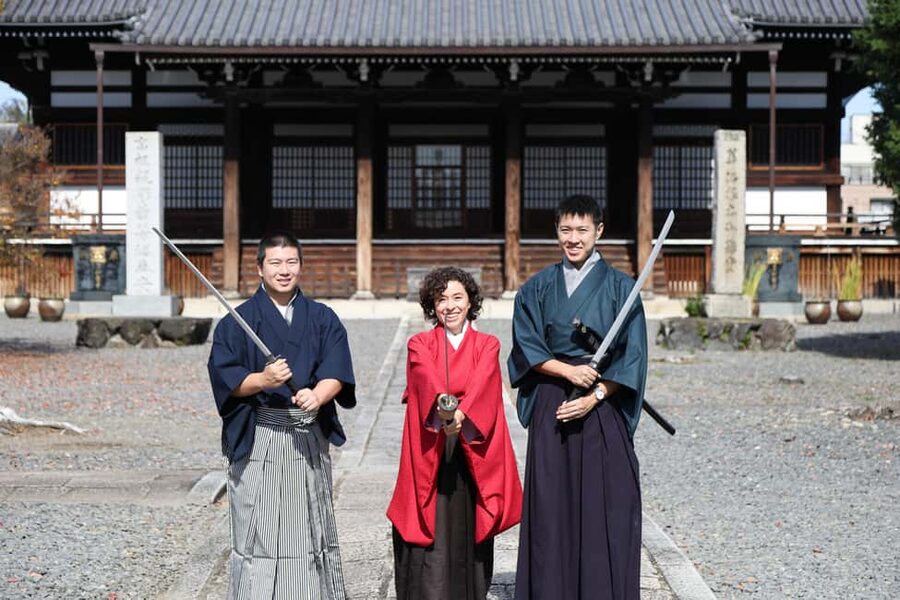
Samurai training, with a film crew vibe. At Myokaku-ji you learn sword tricks and then act out a choreographed chambara scene on a real temple setting that connects to Sengoku-era samurai lore. I especially like two things: the hands-on sword instruction that actually teaches you how to hold and wield the blade, and the fact you get a finished action-movie style performance plus a photo download to keep. One possible drawback: this is a physical, on-your-feet experience in costume, so it’s not a great fit if you have back issues or medical limits.
You’ll meet instructors who also work as period-drama actors, including Kesuke Irie San and Kazuya Naito San, and they keep the pace friendly even when you feel a little awkward (totally normal). The group stays small, capped at 6, which helps you get corrections and feel safe while you swing.
In This Review
- Key Things That Make This Samurai Sword + Kimono Shoot Worth It
- Myokaku-ji Temple Dojo: Where the Samurai Feel Gets Real
- The 70-Minute Flow: How the Class Moves From Basics to Performance
- Samurai Sword Techniques: What You Actually Learn (and What You Don’t)
- Dressing the Part: Kimono Rental and the Costume Moment
- Choreographed Chambara + Filming: Your Action Scene Moment
- Small Group, Skip the Line, and the Real-Day Logistics
- Price Check: Why $127 Can Make Sense (If You Want a Real Keepsake)
- Getting There, What to Bring, and What to Wear
- Who This Samurai Sword and Kimono Experience Fits Best
- Should You Book This in Kyoto?
- FAQ
- How long is the Kyoto Samurai Sword & Kimono Action Filming Experience?
- How much does it cost?
- Where do I meet, and how do I get there inside the temple?
- What’s included in the price?
- What should I bring?
- Is free cancellation available?
Key Things That Make This Samurai Sword + Kimono Shoot Worth It
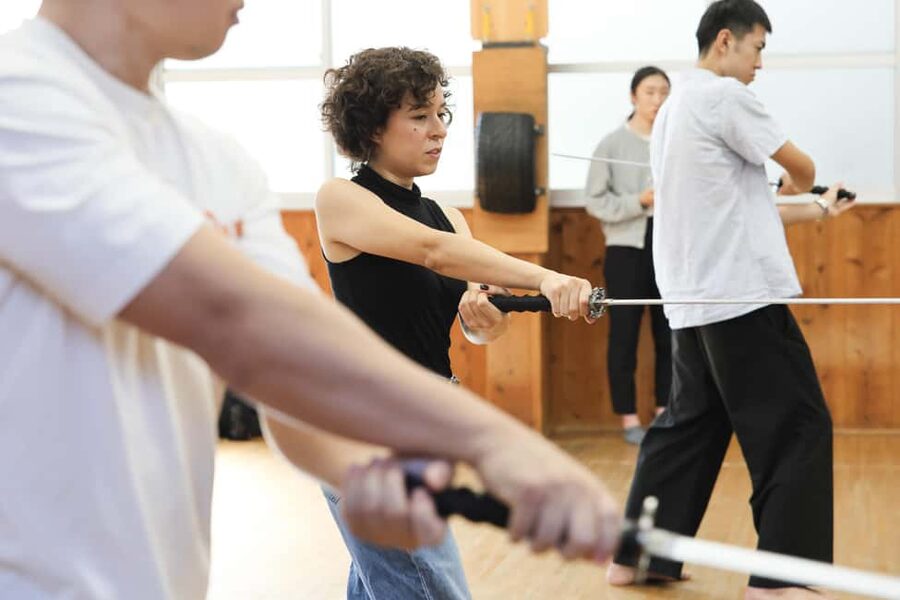
- Myokaku-ji Temple dojo setting: training in a historical place, not a studio.
- Actual sword technique basics: you learn hold and wield skills like makkogiri and kesagiri.
- Kimono rental included: you get to wear it for the whole experience window.
- Chambara performance by professional actors: period-drama skill level, shown clearly and safely.
- Your own action scene on camera: choreography you do, not just watch.
- Download your footage: you leave with more than photos and vague memories.
Myokaku-ji Temple Dojo: Where the Samurai Feel Gets Real
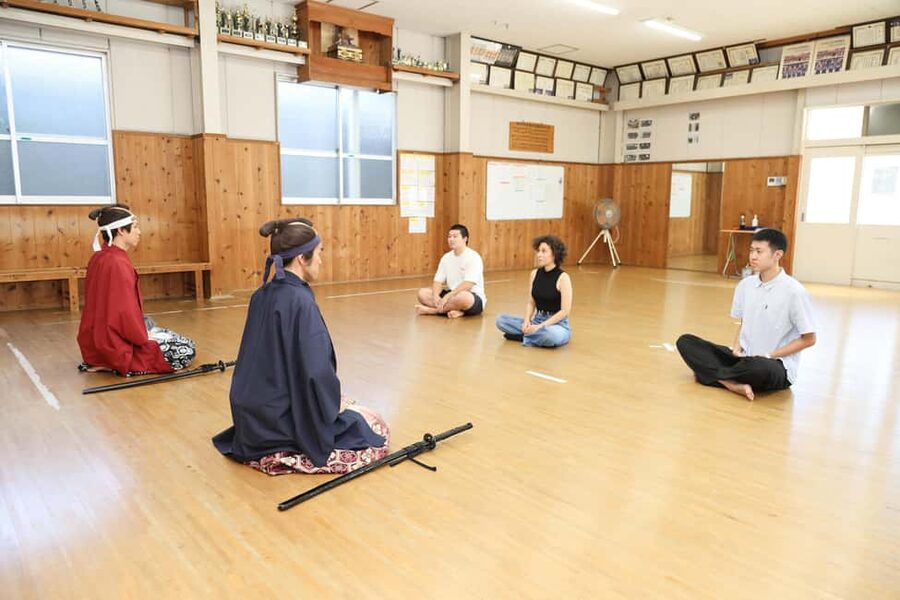
If you’ve ever seen chambara movies and thought, I want to try that for real, this is one of the more direct ways to do it in Kyoto. The setting is Myokaku-ji Temple, and the experience is run through the Myokaku-ji Dojo area—your meeting point is at the dojo on the left after you enter the main gate.
Why this matters: sword practice in a bare-bones training hall can feel like a theme park. Here, the temple surroundings make the whole thing feel more grounded. You’re not just playing dress-up. You’re training in a context that ties to the Sengoku period—this temple is linked with warlords who stayed there centuries ago, including Oda Nobunaga.
Also, there’s something psychologically helpful about doing this on location. When you’re in the right place, your brain buys into the role. You stand a bit taller. You listen more carefully. And yes, you might laugh too—because the choreography is hard until it clicks.
Wander Kyoto in kimono a little longer
The 70-Minute Flow: How the Class Moves From Basics to Performance
This runs about 70 minutes, and it’s structured so you don’t spend the whole time listening. You learn, you practice, you act. The timeline is generally:
1) Get oriented and start with sword-holding basics
2) Learn and rehearse technique moves
3) Watch or learn from the professional chambara side of the session
4) Step into your role for the filming/action segment
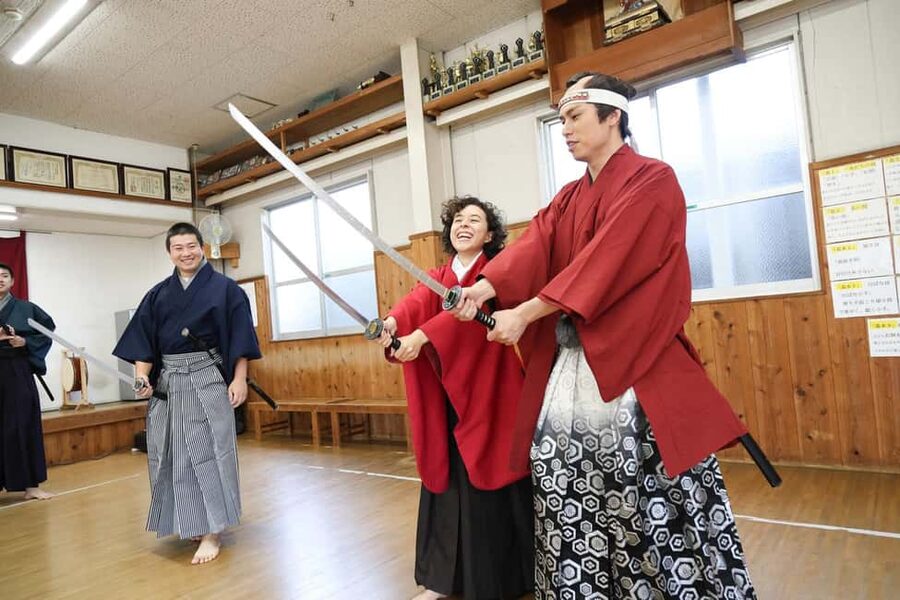
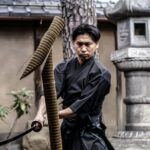
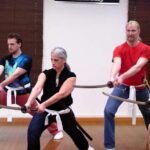
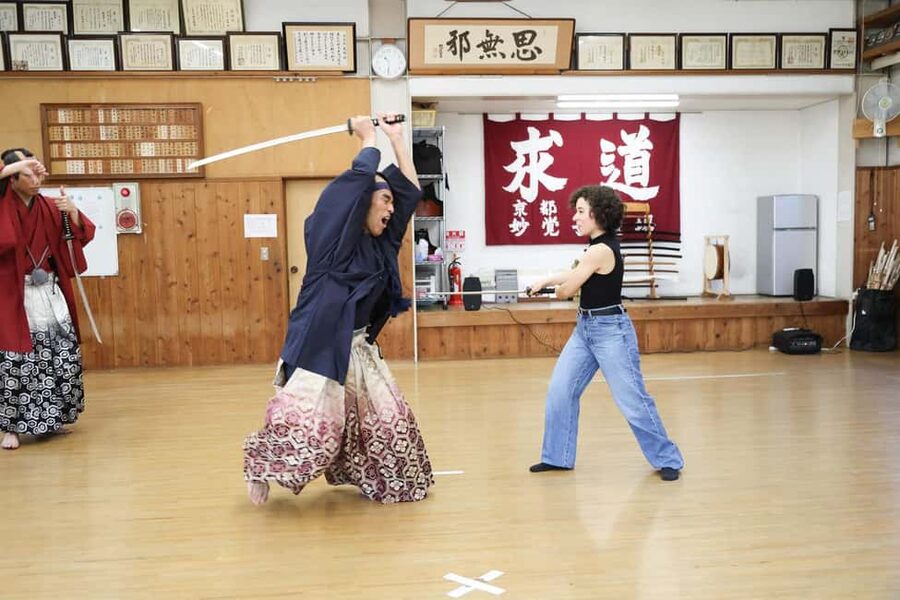
The teaching portion is hands-on. You’ll receive instruction on holding and wielding the sword and work through techniques such as makkogiri and kesagiri. The goal isn’t to turn you into a swordsman. It’s to give you enough control to perform without chaos—and to make your final scene look believable on camera.
You can also expect a safety-first approach. The instructors are consistently described as patient and clear, and the experience is built around a controlled choreography model. That helps a lot if you’re new and a bit nervous.
One thing to plan around: you’ll want comfortable clothes. This is not the time for stiff jeans or anything that restricts your movement. You’ll be physically acting out sword moves, and you’ll likely be walking around the dojo/temple area too.
Samurai Sword Techniques: What You Actually Learn (and What You Don’t)
This is a “learn the basics” type of class, and that’s a good thing. You’re not being asked to master kendo like you’d train for months. Instead, you’re taught the mechanics needed to look right and feel controlled.
Here are the technique-style takeaways that matter for your performance:
- How to hold and wield the sword safely so you’re not waving it around randomly
- Technique names and forms like makkogiri and kesagiri, which give you structure
- Timing for choreographed action so your movements line up for filming
In other words, you get just enough skill to participate like a performer, not just a tourist. And the fake-sword angle (common in this kind of filming class) helps you focus on form and staging rather than pain control.
If you enjoy practical learning—like “show me, fix me, let me try again”—you’ll probably love this part. When an instructor corrects your grip or wrist angle, you feel the difference immediately, and your confidence rises fast.
Dressing the Part: Kimono Rental and the Costume Moment
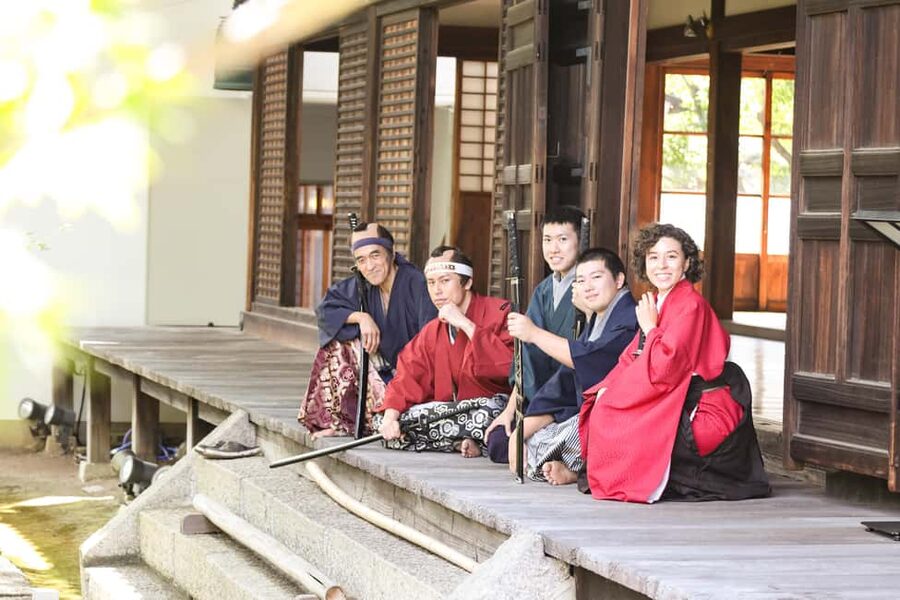
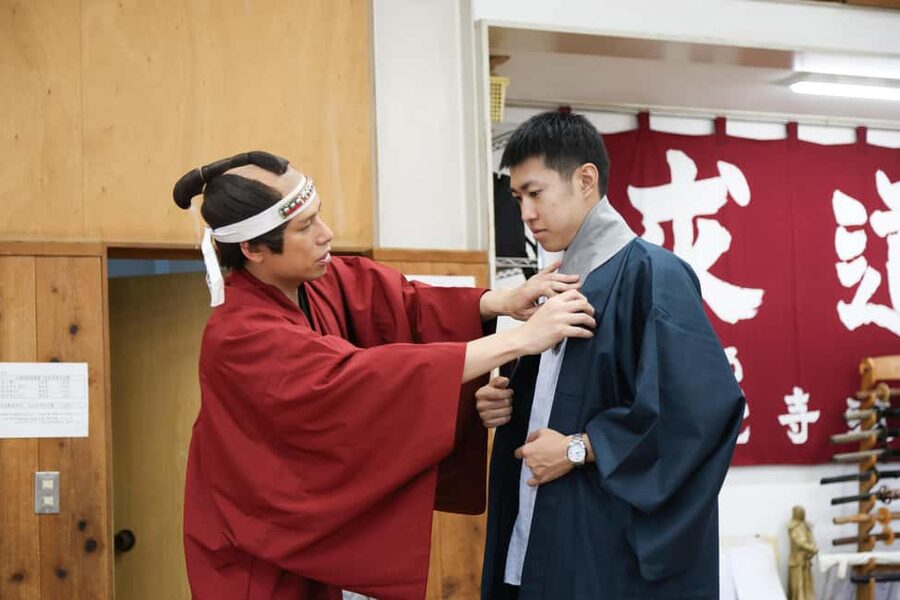
The kimono rental is included, which is a big value add. Wearing a kimono for this kind of scene is not just for photos. It changes how you carry yourself, and it helps you play along with the role. For most people, this becomes the most memorable switch from regular-day Kyoto to storybook Kyoto.
What you should expect: you’ll do the dressing experience as part of the activity flow. The point is to get you into the right look before the sword and filming segments so your final action scene doesn’t feel “half dressed.”
A practical note: kimono means you’ll want to move carefully. You’re still acting and training, but you should follow the instructor guidance about your stance and movement. If you’ve never worn one, don’t worry—this experience is set up to help you through it.
And yes, it’s fun. Reviews consistently describe the instructors as kind and entertaining, and the overall mood tends to loosen up as soon as everyone is in costume.
Choreographed Chambara + Filming: Your Action Scene Moment
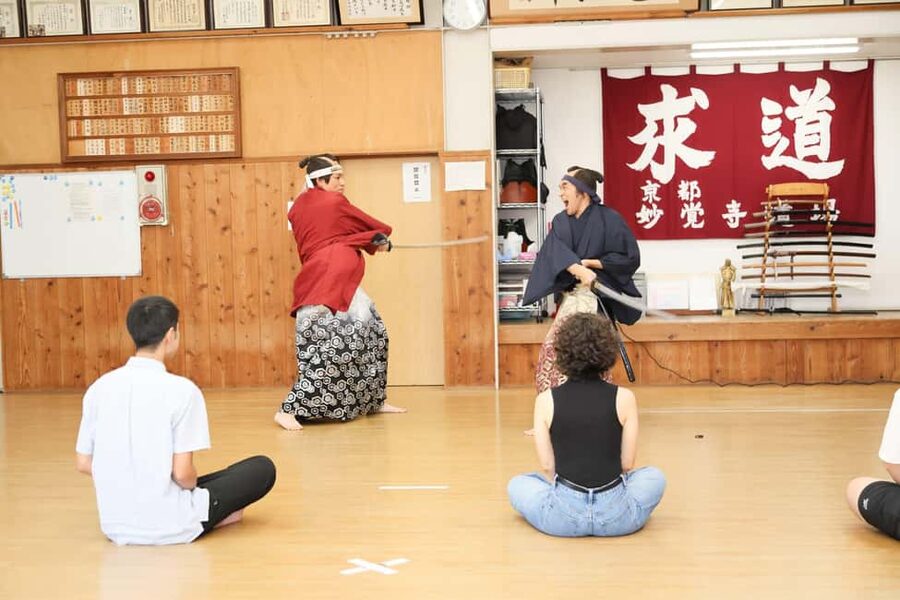
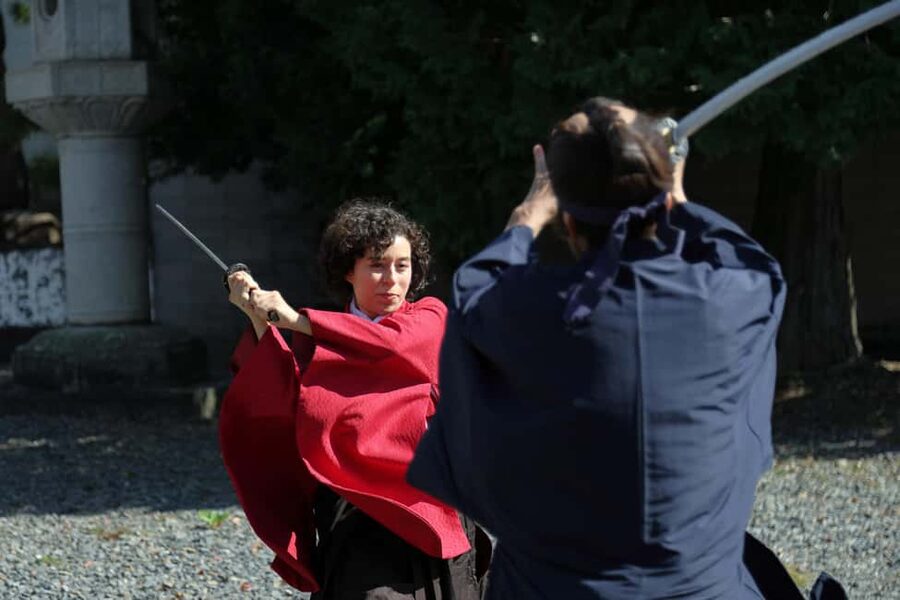
Here’s the part that turns the class into a keepsake. You don’t just learn tricks and then go home. You also get a chambara performance and then step into a filmed action sequence.
The instructors are professional actors in period dramas, trained to present authentic samurai skills tied to bushido values. Practically, that means:
- You see demonstrations that make the choreography make sense
- You learn how to act with the sword, not just move your arms
- The filming end result is built around what looks good on camera
You’ll also be allowed to shoot during parts of the experience with your own camera. That’s a nice bonus if you like documenting your travel in real time instead of trusting only the edited output.
One detail that matters for value: your photo download service and performance footage download create a lasting souvenir. You’re not leaving with only memories in your head. You get something you can share right away, and it makes the whole thing feel “real” long after the class ends.
Pick up the blade again with these Kyoto sessions

Small Group, Skip the Line, and the Real-Day Logistics
This is a small group experience limited to 6 participants. That size is a sweet spot. Big enough to feel like a group event. Small enough that instructors can correct your grip, your stance, and your timing.
There’s also skip-the-line access via a separate entrance. In practical Kyoto terms, that matters. Getting stuck in crowds can kill the momentum of a fun, focused activity. Here, you start working sooner.
Language support is Japanese and English, with instruction and guidance designed for mixed comfort levels. If your Japanese is rusty, you’re still fine—your instructor can guide you step-by-step.
The activity also keeps rules clear:
- No smoking
- No alcohol or drugs
And they’re serious about safety and suitability. It’s not for children under 5, pregnant women, people with back problems, people with pre-existing medical conditions, or anyone over 95. If you fall into any of those categories, skip this one. Pick something lighter and more comfortable.
Price Check: Why $127 Can Make Sense (If You Want a Real Keepsake)
At $127 per person, it’s not cheap compared to a basic walking tour. But it also isn’t a generic craft class where you leave with a paper souvenir. You’re paying for:
- instruction in sword technique basics
- kimono rental
- a professionally guided action-filming performance
- photo download service and recording support
- and an indemnity insurance setup specified by the provider
The value math gets easier if you want a “do it” experience rather than a “watch it” experience. Sword practice plus a filmed scene is the rare combo where you leave with footage that actually looks like what you imagined.
If you’re the type who loves watching your own travel highlights later—this is built for you. If you just want a pretty photo and a quick demo, you’ll likely feel the cost more than the payoff.
My take: the price feels fair when you treat it as a performance workshop plus wardrobe plus media keepsake. It’s basically a short production day designed for visitors.
Getting There, What to Bring, and What to Wear
You’ll handle transportation on your own. Meals are not included. Plan your timing so you’re not rushing across Kyoto with empty stomach stress.
Bring:
- Camera (your phone is fine if that’s what you use)
- Comfortable clothes for movement
You might also think about:
- wear something you can move in without fuss
- avoid anything that catches or binds when you’re turning or raising your arms
In costume experiences, comfort beats style. You can be stylish later. Here, you need to move safely and look good in the final action sequence.
Who This Samurai Sword and Kimono Experience Fits Best
This experience is a strong fit if you:
- want a hands-on role-play activity that still has real structure
- enjoy learning by doing, not just watching
- like the idea of a filmed scene you can keep
- want a kimono moment without the stress of figuring out rentals and dressing yourself
It’s also great for people who want something fun without feeling too intense. Many instructors are described as funny, patient, and encouraging—so the vibe tends to be playful even when the choreography feels silly at first.
Who might pass:
- anyone who can’t do light physical movement
- anyone expecting authentic sword training at a martial arts level
- anyone who hates costumes or filming setups
Should You Book This in Kyoto?
Book it if you want a memorable, film-ready experience: you’ll learn basic sword moves, wear a kimono, and perform in a chambara-style scene with downloadable keepsakes. The small group size and the actor-instructor approach make it easier to feel safe and confident—even if you’re a total beginner.
Skip it if movement is an issue for you, or if you don’t care about the filming/footage part. This is not just a photo stop. It’s you acting out a scene, with instruction, in a temple dojo setting.
If your goal for Kyoto includes one quirky, high-effort, low-regret moment, this is a very solid choice.
FAQ
How long is the Kyoto Samurai Sword & Kimono Action Filming Experience?
The experience lasts 70 minutes.
How much does it cost?
The price is $127 per person.
Where do I meet, and how do I get there inside the temple?
Meet at the Myokaku-ji Dojo, to the left after you enter the main gate of Myokaku-ji Temple.
What’s included in the price?
It includes rental kimono, a photo download service, and photography/video recording using your camera, plus specified indemnity insurance.
What should I bring?
Bring a camera and comfortable clothes suitable for physical activity.
Is free cancellation available?
Yes. You can cancel up to 24 hours in advance for a full refund.
More Tour Reviews in Kyoto






More Samurai and Ninja Sessions
More Kimono Days in Kyoto
Just added: more Kyoto tours to browse








Kyoto Kimono Experiences, compared.
 ★ 5.0Kimono Tea Ceremony at Kyoto Maikoya, NISHIKIFrom $65911 reviews
 ★ 4.8Kimono Rental with Hairstyling and AccessoriesFrom $21653 reviews
 ★ 4.9Kimono Tea Ceremony at Orizuruya GionFrom $49618 reviews
 ★ 5.0KYOTO Tea Ceremony with kimono near by Imamiya Jinjya ShrineFrom $99343 reviews
 ★ 4.3Kimono and Tea Ceremony Experience at Cultural AssetFrom $222306 reviews
 ★ 4.7Traditional Kimono RentalFrom $25265 reviews
 ★ 4.9Kimono Tea Ceremony with Matcha and SweetFrom $66249 reviews
 ★ 5.0Family-Friendly Kimono & Yukata Experience at WARGOFrom $31147 reviews
Browse the lists this tour appears in