
Reviewed · KYOTO TEA CEREMONIES
Kyoto: Nara & Traditional Matcha Experience Bus Tour
Deer, temples, and matcha in one smooth day. I like how this trip strings together UNESCO World Heritage sights with real hands-on tea in Uji, guided in English by people like At-chan or Mai. You also get a comfortable coach setup with audio headsets, so the day stays readable instead of frantic.
I especially love the combo of Nara Park’s wild deer and Todaiji’s giant Buddha hall. One thing to plan for: this is a long day with walking up stairs and hills, so it is not a great fit if you need step-free routes.
In This Review
- Key things I’d bookmark before you go
- Price and value: what you’re actually paying for
- Meeting point: start where it’s easy near Kyoto Station
- Nara Park and Todaiji: seeing the Great Buddha and then the deer up close
- Kasuga Taisha’s 3,000 lanterns: the shrine stop you’ll remember in photos
- Lunch break in between: enough time to reset, and a Japanese meal if you chose it
- Byodo-in Temple and the Phoenix Hall: the 10 yen image in real life
- Uji matcha from scratch: making tea where it’s actually grown
- The guide effect: why the day feels smooth even when the sights are big
- Coach comfort and logistics that actually matter
- Who should book this tour, and who should skip it
- Should you book? My practical take
- FAQ
- Where do I meet for the tour?
- What time does check-in and departure happen?
- How long is the tour?
- Is lunch included?
- What languages are included for the audio guide?
- Is Wi-Fi included on the bus?
- Does the tour include admission tickets?
- Is the tour suitable for wheelchair users or mobility impairments?
- Are pets allowed?
Key things I’d bookmark before you go
- Todaiji Daibutsuden Hall: one of the world’s largest wooden halls, built around the Great Buddha of Nara
- Kasuga Taisha’s 3,000 stone lanterns: an atmospheric shrine stop you can photograph from multiple angles
- Nara Park deer time: fun feeding moments with a practical safety reminder
- Uji matcha from scratch: make your own green tea powder drink, then enjoy time to shop
- English live guide + multilingual audio: smoother listening with headsets on the move
- Coach comfort details: air-conditioned bus, free Wi-Fi, and ventilation plus antibacterial coating
Price and value: what you’re actually paying for
At $122 per person, this is not the cheapest way to see Nara and Uji. But it is priced like a full day that removes the biggest headaches: transport out of Kyoto, timed stops, admission fees for key sites, and the matcha lesson cost.
Here is what the price is doing for you:
- You’re covered for Todaiji Temple admission and Byodoin Temple admission.
- You’re covered for the Uji matcha experience fee (you make matcha yourself).
- You’re covered for the English-speaking professional guide plus audio headsets for additional languages.
- You get air-conditioned coach transportation with free Wi-Fi, which matters on an 8.5-hour day.
What is not included is also clear. Lunch only counts if you selected the lunch option, and any extra snacks and drinks are on you. There’s also no hotel pickup, so you’ll start at the meeting point near Kyoto Station.
If you want a day that feels organized instead of “figure it out,” this price makes sense.
Sit for another bowl of matcha in a Kyoto tea house
Meeting point: start where it’s easy near Kyoto Station
This tour starts at Tully’s Coffee, Kyoto Avanti Store. Check-in is at 7:50 AM, with departure at 8:00 AM.
That early start is the trade-off for seeing multiple major sites in one day. The upside is you’ll get to Nara and Uji without feeling like you’re wasting half the day in transit.
Pro tip: wear comfortable shoes. You’ll be on and off the coach multiple times, and you’ll do real walking once you’re at each shrine/temple area.
Nara Park and Todaiji: seeing the Great Buddha and then the deer up close
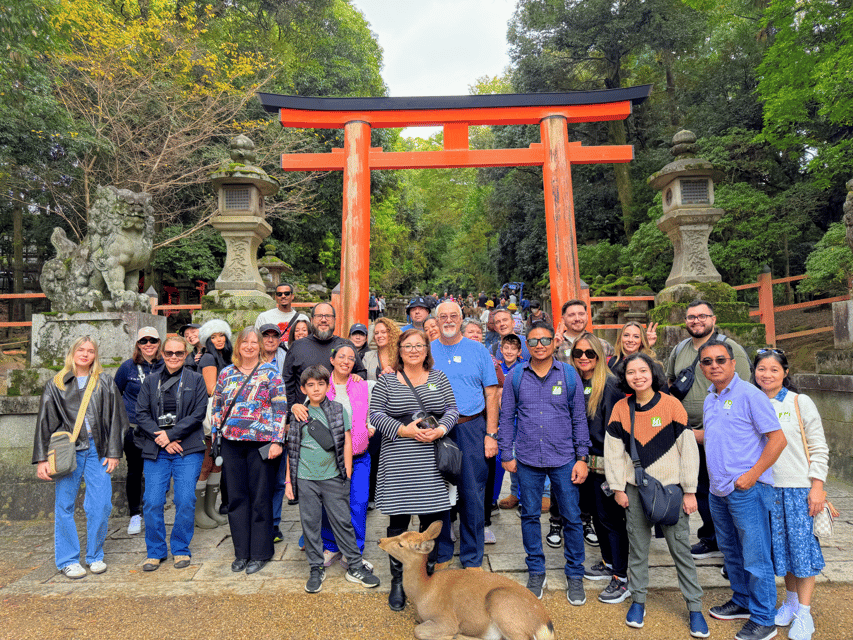
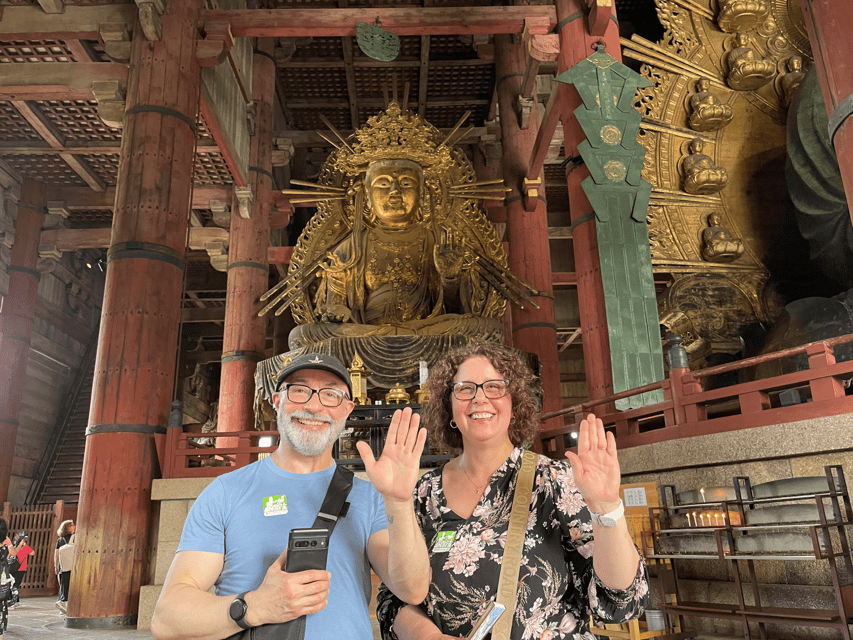
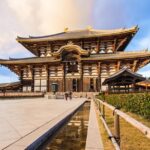
Todaiji is the first big emotional hit of the day. You’ll visit the complex with its center hall, the Daibutsuden Hall, built to house the Great Buddha of Nara. It’s one of the world’s largest wooden buildings, so the scale lands even if you are not a temple superfan.
What I like about this stop is the structure of the visit. The tour doesn’t just dump you at the gates. You’re guided to the main sight, then you move naturally into Nara Park right next door. That matters, because you go from monumental architecture to a living, noisy park scene in minutes.
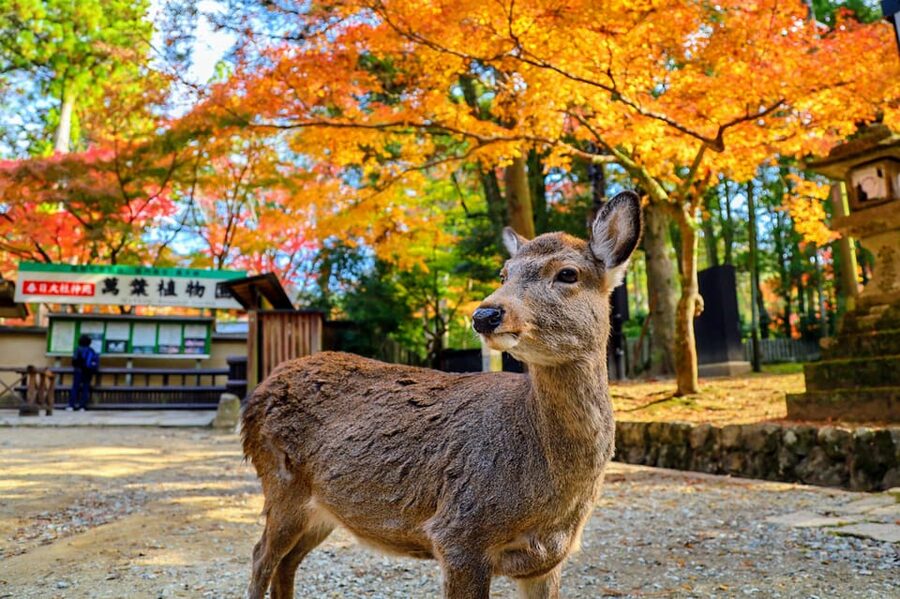
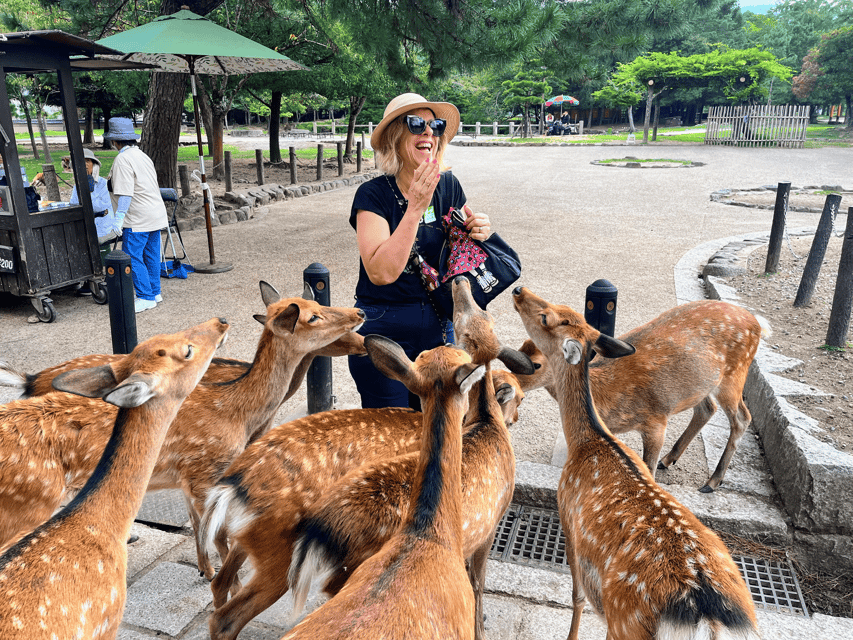
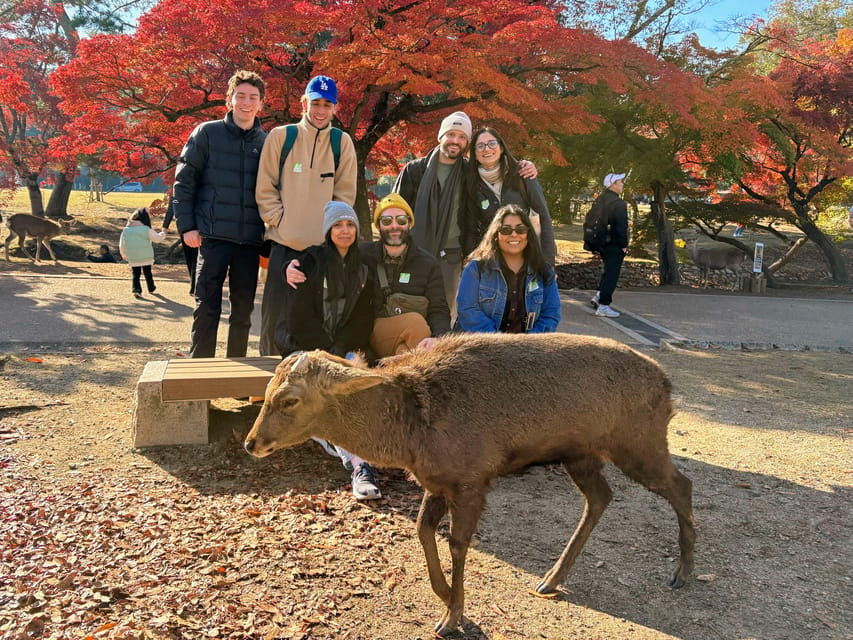
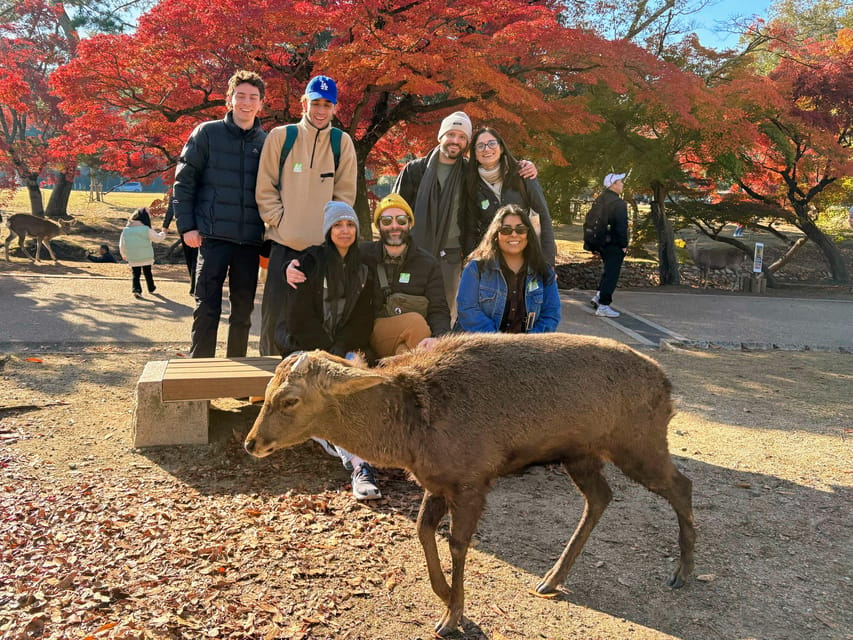
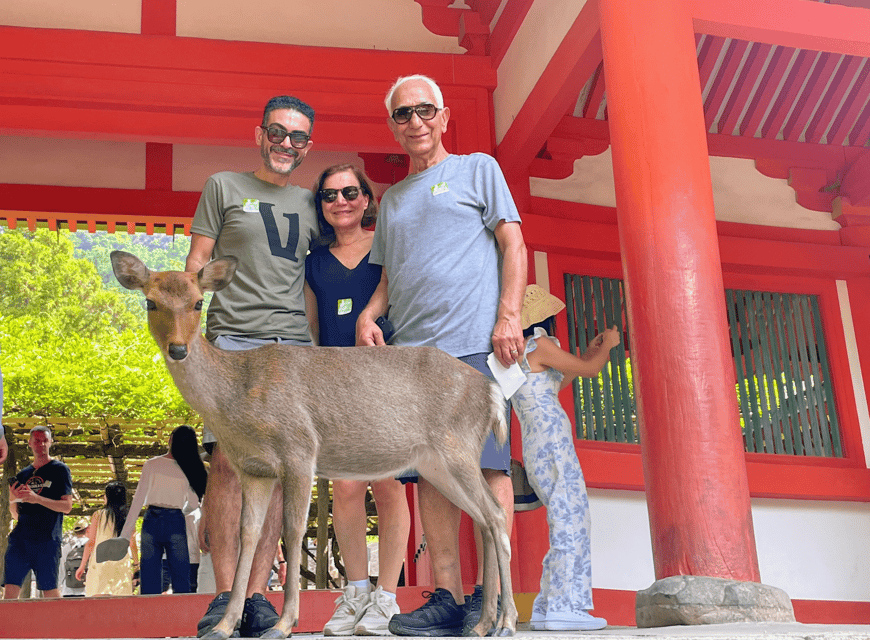
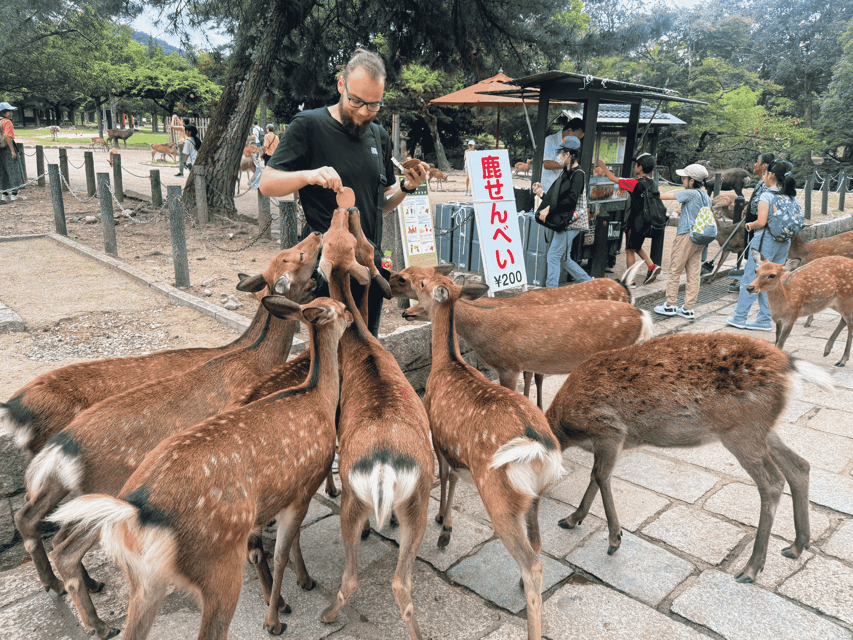
Then comes the deer—cute, bold, and not exactly shy. You can walk through Nara Park and feed the deer rice crackers that are sold at roadside stalls and near shrine areas. Some people get a silly bow moment, and it really does feel like a uniquely Nara experience.
Safety reality check: a deer might nip if you hold food too close or move too fast. Keep your hands controlled, don’t crouch into their space, and treat it like wildlife, not a petting zoo.
If you want the deer moment to be fun rather than stressful, this is one of the reasons the guided format works: your guide can set expectations fast.
Kasuga Taisha’s 3,000 lanterns: the shrine stop you’ll remember in photos
Next you’ll head to Kasuga Taisha Shrine. The highlight here is the famous 3,000 stone lanterns. Even if you’ve seen shrine photos before, the sheer repetition of lantern forms makes you stop scrolling.
What makes this stop enjoyable on a day tour is pacing. You get a dedicated visit window to see lantern areas, take pictures, and read the setting without feeling like you’re sprinting between flash cards.
If your Nara day sometimes feels crowded in other itineraries, this one tends to keep the shrine visit contained and structured.
Lunch break in between: enough time to reset, and a Japanese meal if you chose it
Between Nara and Uji, you get a lunch break at a local restaurant (about 50 minutes). If you chose the lunch option, you’ll have a Japanese lunch included.
I like having a real pause here. Your legs get a breather, and your brain gets a break from temples and photo stops. If you did not select the lunch option, you’ll still have time to grab something, but you’ll pay for it yourself.
Either way, it’s a smart “reset segment” before heading to Uji, where you’ll slow down and focus more on tea and shopping.
Loop the big Kyoto sights in one run


Byodo-in Temple and the Phoenix Hall: the 10 yen image in real life
After lunch, the big show shifts to Byodoin Temple, famous for the Phoenix Hall, the same iconic building depicted on the 10 yen coin.
This isn’t just a money-themed photo opportunity. Byodoin is also registered as a UNESCO World Heritage site as one of the Historic Monuments of Ancient Kyoto. So you’re seeing a place that matters historically, not only visually.
What I’d watch for during this visit is the way the building and grounds create atmosphere. The Phoenix Hall is visually distinctive, and the setting helps you understand why it became a symbol.
The coach tour keeps this stop efficient. You’ll have about an hour at Byodoin, which is long enough to see the key areas without feeling like the day turns into a queue marathon.
Uji matcha from scratch: making tea where it’s actually grown
Then you get to the highlight that many people book for: Uji, the tea region.
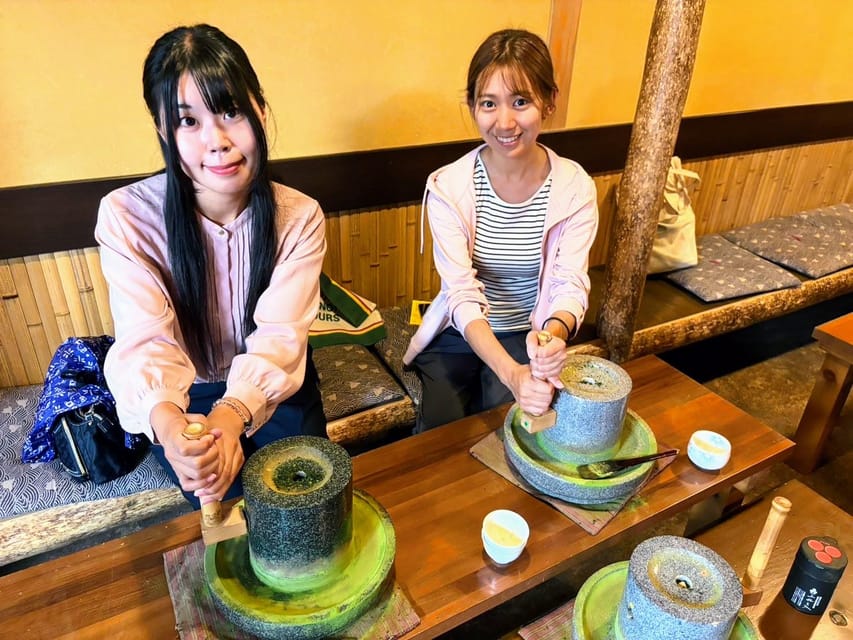
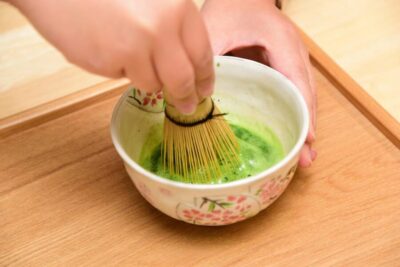
You’ll first get time in the area, then you’ll do the matcha-making experience. The process is hands-on: matcha is powdered finely ground green tea leaves, and you make it yourself from scratch. After that, you’ll likely have the chance to enjoy the tea as part of the experience.
A small but useful context point: matcha isn’t only for tea ceremonies. In Japan it’s also used in sweets and cooking. That’s why you’ll find so many matcha products in Uji later—your new baseline understanding makes the shopping more meaningful.
This part of the day is also where the tour format shines. Your guide is there to explain what you’re seeing, while you still have practical freedom afterward. Many guides in the group are strong at making the experience feel personal. People have praised guides like At-chan for helping them find tea shops during the free shopping time, which is the kind of local assistance that turns a souvenir stop into something more intentional.
In Uji, you’ll also have time for extra tea-related experiences (the schedule includes 70 minutes of free time, with a tea-ceremony option).
If you want a day where you leave with both photos and a real skill, this is where it happens.
The guide effect: why the day feels smooth even when the sights are big
One of the most consistent reasons people love this tour is the guide. Names mentioned often include At-chan, Mai, Nanami, Aoi, Den, Des, Tsubasa, and Nana—each noted for being friendly, organized, and energetic.
What that translates to for you on the ground:
- You get clear explanations at each stop, not just a checklist.
- You get help staying on schedule, so you don’t lose the group.
- You often get small cultural coaching, like simple Japanese words and number drills during bus rides.
I also like how guides have helped solve small problems without making them a big deal. One example from the experience stories: a guide helped someone find a specific tea shop during the shopping period. That’s not required for the tour to function—but it makes the day feel cared for.
When a day includes Todaiji, Kasuga Taisha, Byodoin, and Uji matcha, a strong guide is the glue. Here, that glue seems to be the main ingredient.
Coach comfort and logistics that actually matter
This is a deluxe coach day trip, and it shows in the comfort features listed:
- Air-conditioned bus
- Free Wi-Fi
- Antibacterial coating
- Regular ventilation
- Audio headsets for multiple languages
Why I think that matters: you can spend the ride recharging instead of staring at your phone without service, and you can follow the story of each stop without constantly asking the guide to repeat.
Also, headsets mean you don’t only rely on your position in the group. Even if you’re not right next to the guide, you still get the audio layer.
One logistical note: the order of stops can change due to traffic or weather, and if any place is closed, you’ll visit an alternative. You’re not stuck waiting around, but you should expect slight timing shifts.
Who should book this tour, and who should skip it
Best fit:
- First-timers to Kyoto who want a structured way to see big Nara sights and tea culture in Uji without planning train transfers
- People who like hands-on experiences, especially matcha you make yourself
- Anyone who wants a guide who uses both storytelling and practical tips
Not ideal:
- If you have mobility limitations or wheelchair needs. The tour notes that you’ll walk stairs and hills.
- If you dislike walking and prefer long, flat sightseeing. This day includes movement at every stop.
- If you hate wildlife surprises. The deer are part of the point, but they’re still animals.
Should you book? My practical take
I’d book this if you want one “Kyoto side” day that feels like it hits the highlights without exhausting you with transit planning. The value is real because the tour bundles transport plus admissions and the matcha fee, and it adds a guided experience that people consistently praise for energy and organization.
Book it confidently if:
- You want Todaiji and Byodoin, not just quick photo stops.
- You care about the deer experience and want help doing it safely and smoothly.
- You want Uji matcha you made yourself, plus time to shop afterward.
Hold off if:
- You need step-free access.
- You prefer a slower day with fewer stops and more wandering with no schedule pressure.
If your ideal day in the region is memorable sights plus an activity you can take home—this is a strong match.
FAQ
Where do I meet for the tour?
You meet in front of Tully’s Coffee at the Kyoto Avanti Store.
What time does check-in and departure happen?
Check-in is at 7:50 AM and departure is at 8:00 AM.
How long is the tour?
The tour duration is 510 minutes.
Is lunch included?
Lunch is included only if you selected the lunch option. Without it, you’ll need to pay for food and drinks separately.
What languages are included for the audio guide?
Audio headsets are available in English plus Spanish, French, Italian, German, Portuguese, and Ukrainian.
Is Wi-Fi included on the bus?
Yes. The air-conditioned coach includes free Wi-Fi.
Does the tour include admission tickets?
Yes. Admission fees are included for Todaiji Temple and Byodoin Temple, and the tour includes skipping the ticket line.
Is the tour suitable for wheelchair users or mobility impairments?
No. The tour is not suitable for people with mobility impairments and wheelchair users.
Are pets allowed?
No. Pets are not allowed on the tour.
More Nara Day Trips

More Kyoto Sightseeing Loops

One More Bowl of Matcha

Just added: more Kyoto tours to browse





Kyoto Tea Ceremonies, compared.
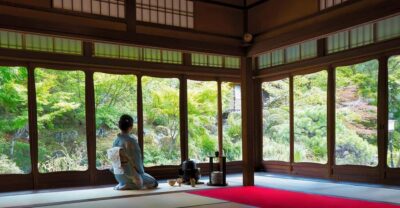 ★ 4.9Tea Ceremony in a Traditional Tea House in KiyomizuFrom $493,519 reviews
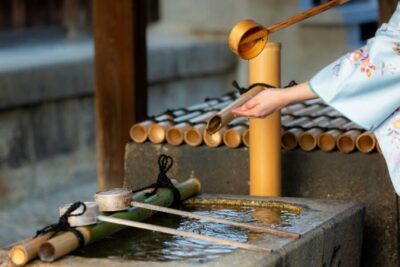 ★ 4.9Tea Ceremony Ju-An at Jotokuji TempleFrom $293,207 reviews
 ★ 4.345-Minute Tea Ceremony Lesson ExperienceFrom $222,378 reviews
 ★ 4.9Table-Style Tea Ceremony at a Kyo-MachiyaFrom $451,211 reviews
 ★ 5.0Kimono Tea Ceremony at Kyoto Maikoya, NISHIKIFrom $65911 reviews
 ★ 5.0Arashiyama Bamboo Forest, Monkeys, Matcha & Temple TourFrom $53759 reviews
 ★ 4.9Tea Museum Tickets and Matcha Grinding ExperienceFrom $23739 reviews
 ★ 4.9Kimono Tea Ceremony at Orizuruya GionFrom $49618 reviews
Browse the lists this tour appears in