
Reviewed · NARA DAY TRIPS FROM KYOTO
Kyoto & Nara: Private Day Tour by luxury Vehicle & English Guide
Two cities, one stress-free day. Kyoto and Nara in one long, guided loop is a smart way to see the big icons without turning your whole trip into a train-schedule math problem.
I especially like the private luxury vehicle—air-conditioned and built for comfort across a full day—and I like the English guide style, which turns each stop into something you can actually connect to (not just a photo op).
One thing to plan for: temple admission fees aren’t fully included, so your day budget should account for tickets and you’ll handle meals on your own.
In This Review
- Key highlights at a glance
- Why this private Kyoto and Nara day feels different than DIY
- Price and what you’re truly buying (up to 6 people)
- Kyoto Station pickup and the simple rhythm of a private day
- Arashiyama Bamboo Forest: a calm hour in a loud city
- Kinkaku-ji (Golden Pavilion) and the value of guided timing
- Nara Park and the deer that make the day feel human
- Fushimi Inari-taisha: torii gates on a guided, manageable loop
- Tōdai-ji and the Great Buddha: short time, big impression
- About the guide and the comfort of having one person in charge
- What’s included, what isn’t, and how to plan your day
- Who this private tour is best for
- The one possible drawback to weigh before you book
- Should you book this Kyoto & Nara private day tour?
Key highlights at a glance
- Private luxury vehicle for up to 6: easier pacing across Kyoto and Nara, with the car doing the heavy lifting.
- English guide who drives and explains: you get context and quick wayfinding without doing it all yourself.
- One visit per major icon: Arashiyama Bamboo Forest, Kinkaku-ji, Nara Park, Fushimi Inari, and Tōdai-ji.
- Kinkaku-ji admission is included while other sites have set fees you pay separately.
- Comfortable timing for an 8–10 hour day: long enough to see, not so long you feel totally cooked.
- Kyoto Station pickup point: easy start location, and you return back to the same meeting point.
Why this private Kyoto and Nara day feels different than DIY
Kyoto and Nara are both worth your time, but hopping between them can turn into a grind if you’re DIY. This tour solves that with a private, air-conditioned vehicle and an English-speaking guide. Translation: you spend more energy looking at temples and less energy figuring out which platform you need or how to squeeze in one more detour.
Because it’s private (your group only), you’re not stuck watching the slowest person in the group. You can also keep your day’s pace consistent—rest stops, restroom breaks, and the time you spend at each sight feel more under your control. For me, that’s the real value: less friction, more sightseeing that actually lands.
If you care about comfort, this is especially appealing. Air-conditioned vehicle + a full day of walking at multiple famous sites can be a lot. Having the car ready between stops is the difference between feeling tired and feeling satisfied.
More day trips out to Nara and its bowing deer
Price and what you’re truly buying (up to 6 people)
The price is $323.42 per group (up to 6 people) for an 8 to 10 hour day. That group pricing is where the math changes.
Here’s a simple per-person view:
- 2 people: about $161.71 each
- 4 people: about $80.86 each
- 6 people: about $53.90 each
Now add that the vehicle has air-conditioning and the tour includes parking fees, so you’re not quietly paying extra for logistics. Meals are not included, and some temple fees are separate—but the big scheduling headaches are handled.
Admission notes from the tour pricing:
- Kinkaku-ji: 500 yen (included)
- Gion: 500 yen (not included, listed as a fee)
- Tōdai-ji: 800 yen (not included)
Total of listed temple fees in the pricing notes: 1,800 yen per person.
So the deal is best when you’re splitting the group price, and when you’re the type who prefers a guided day over piecing together public transportation with timing risk.
Kyoto Station pickup and the simple rhythm of a private day
Your meeting point is at Kyoto Station (Higashishiokoji Kamadonocho, Shimogyo Ward). The tour runs within a window of 8:00 AM to 6:00 PM, and it ends back at the same meeting point.
That matters more than it sounds. Kyoto Station is a hub—easy to reach and easy to navigate—so you don’t waste your morning threading through back streets just to start your day. And since the tour returns you to the same starting point, your evening plans stay straightforward.
You’ll also get a mobile ticket, which helps for smooth check-in and reduces the “where’s the paper ticket” hassle. The tour is designed as a single continuous day loop, so the pace is more predictable than independent travel.
Arashiyama Bamboo Forest: a calm hour in a loud city
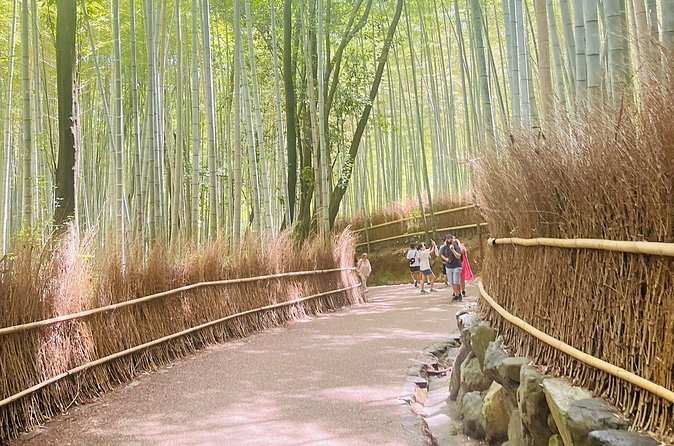
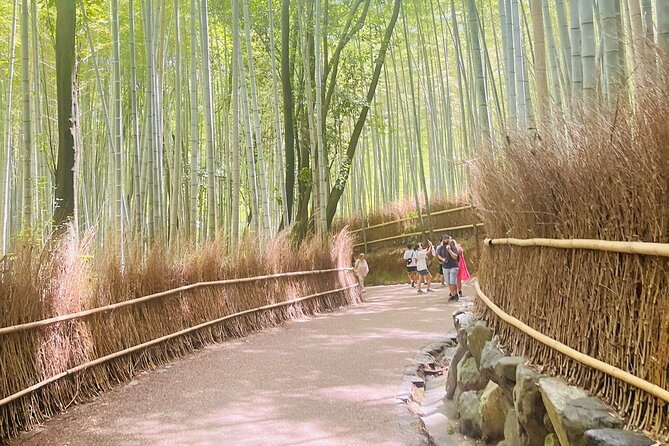
Arashiyama Bamboo Forest is the first stop, with about 1 hour on site. The admission ticket is listed as free.
What you’re really buying here is a reset. The bamboo corridor is iconic, yes, but what makes it special is the atmosphere—quiet-footed walking, tall stalks all around, and that sense of being in a different world for a short stretch. In a day that includes crowded-feeling landmarks later, this first stop gives your brain a breather.
The only practical consideration: one hour sounds like plenty until you want time for photos from different angles and a slow walk deeper into the area. If your priority is photography or you like lingering, you may wish you had more than 60 minutes. Still, in the context of an 8–10 hour tour, it’s a workable chunk.
Kinkaku-ji (Golden Pavilion) and the value of guided timing
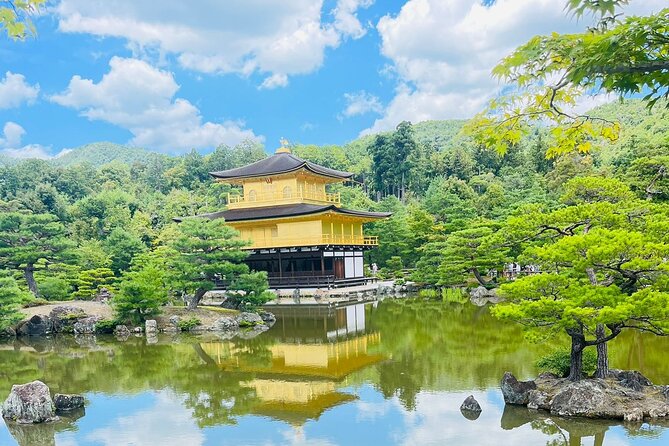
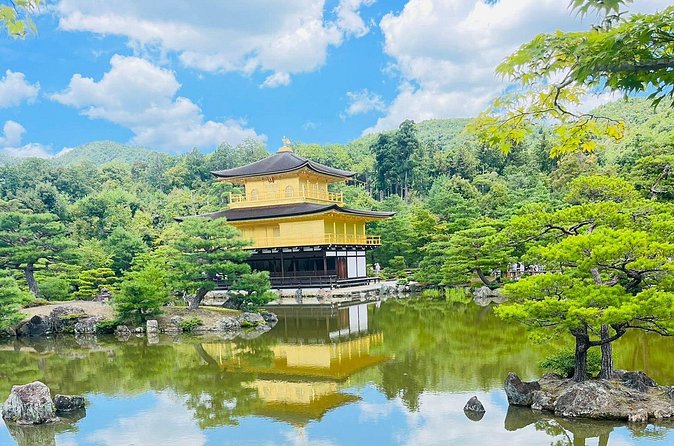
Next is Kinkaku-ji Temple, the famous Golden Pavilion. You get about 45 minutes, and admission is listed as included (500 yen).
Kinkaku-ji earns its reputation. The pavilion’s visual impact is immediate, and the setting helps make it feel like more than just a landmark. With a guide, you’re less likely to feel lost in the crowds or unsure what you should look at first.
Forty-five minutes is a realistic sweet spot. It’s long enough to see the main views and take in the overall scene, but it’s also short enough that you won’t burn your day waiting in any single location. If you’re the type who wants very slow, detailed sightseeing, you may wish for more time here—but for most people, this length keeps the day balanced.
Other Kyoto tours and experiences to compare


Nara Park and the deer that make the day feel human
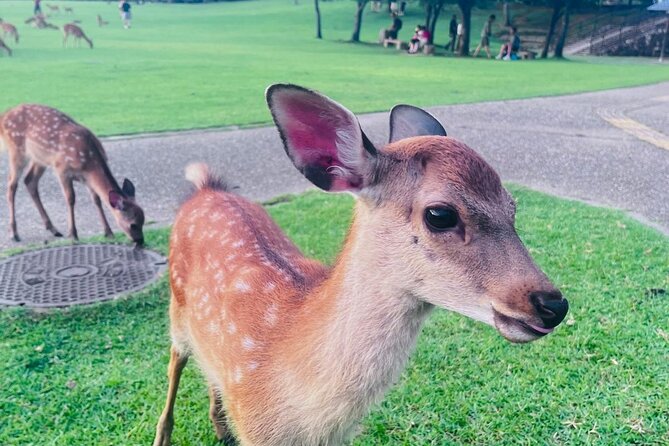
Then you head to Nara Park, with about 45 minutes. Admission is free.
This stop is more than the scenery. The tour description emphasizes the friendly deer roaming freely, and that’s exactly why Nara Park works. It’s playful, familiar, and unlike the more formal, temple-centered rhythm of many historic stops. You’re not just looking at buildings; you’re watching animals and people react, which makes it feel more alive.
The practical side: 45 minutes goes by quickly in a place like this. If you want photos, a simple walk through the park, and a bit of time to just watch the atmosphere, you’ll do fine. But if you want an extended, slow stroll and you also want time for Todai-ji later, you’ll appreciate that the tour keeps the plan moving.
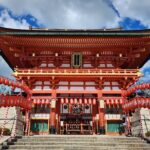
Fushimi Inari-taisha: torii gates on a guided, manageable loop
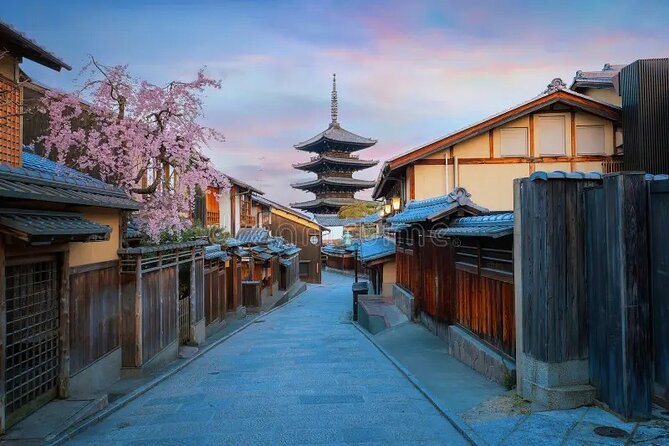
For Fushimi Inari-taisha Shrine, you get about 45 minutes. Admission is free.
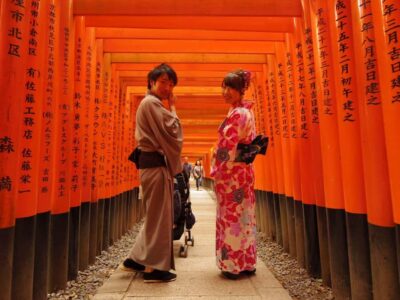
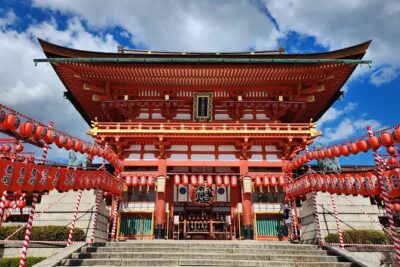
Fushimi Inari is famous for its endless rows of red torii gates. What makes it memorable on a day tour isn’t only the sight—it’s the rhythm of walking through the gates with a guide who can help you understand what you’re seeing and what to notice as you move along. Even if you’ve seen it in photos before, the experience changes once you’re inside the actual path.
The consideration here is crowd density. This is one of Japan’s most photographed places, so you’ll likely encounter other visitors. The good news is the tour gives you a guided time box (45 minutes), which helps you avoid the trap of wandering for hours when you still have Nara to cover. Wear comfortable shoes, because you’ll be on your feet.
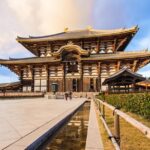
Tōdai-ji and the Great Buddha: short time, big impression
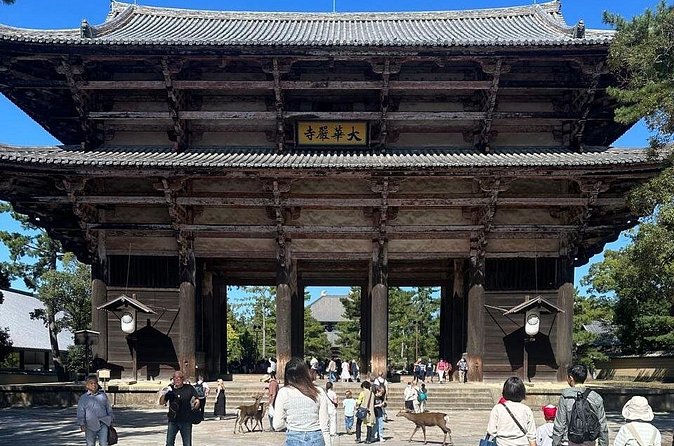
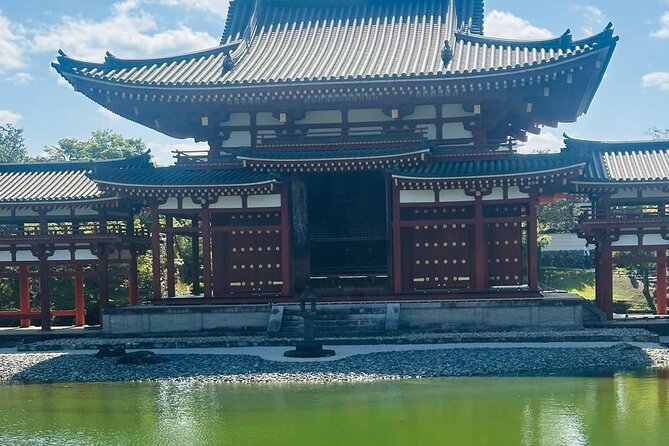
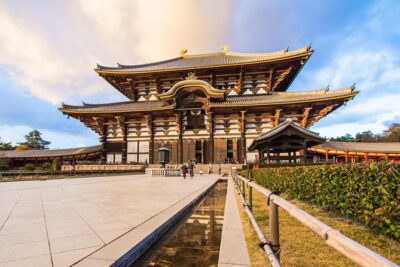
Last up is Tōdai-ji Temple in Nara, with about 30 minutes. Admission is listed as not included and 800 yen.
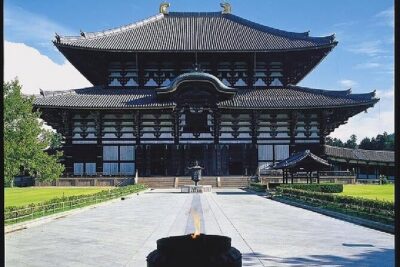
Tōdai-ji is one of Nara’s most iconic landmarks and is known for housing the Great Buddha (Daibutsu)—described as one of the largest bronze Buddha statues in the world. Even in a short visit window, the scale is the point. You don’t need long hours to feel the impact; the monument is designed to hit you immediately.
Thirty minutes is tight, so this is where you’ll want to be clear about your priorities. If you want to see the main focus areas, look around the grounds, and keep time for the day’s final stretch, 30 minutes works. If you love long museum-style walking and you’re the type who reads every sign, you might wish you had more time here. In a private day plan, the earlier stops already take substantial attention, so this final chunk keeps the schedule intact.
About the guide and the comfort of having one person in charge
One review note specifically mentions an English guide and driver named Ravi, who handled both driving and explanations. That’s a strong signal for what you should expect from the guiding style: one point of contact, one voice, one plan.
Practically, that reduces stress. When you’re moving across Kyoto and Nara in a single day, the biggest friction isn’t the walking—it’s the handoffs. A guide who’s also comfortable driving means fewer transitions and fewer moments where you’re trying to coordinate with multiple people or figure out timing on your own.
If you want a day that feels organized but still flexible, a private English guide like this is a good match.
What’s included, what isn’t, and how to plan your day
Included:
- Air-conditioned vehicle
- Parking fees
- Admission included at Kinkaku-ji (500 yen)
Not included:
- Meals
- Temple fees as listed:
- Kinkaku-ji 500 yen
- Gion 500 yen
- Tōdai-ji 800 yen
- Total listed temple fees: 1,800 yen per person
The meals part is the easiest to handle. Build in a lunch plan that works with the tour pace, or decide to keep meals simple and close to the route. Since the tour is structured as a single-day circuit, your best move is to treat lunch as a convenience stop rather than a culinary quest unless you’re confident you can fit it without rushing.
Also note: the tour lists Gion as a separate fee. Even if you’re not counting on it, it’s smart to know the day might include time in that area. If it does, having the small additional admission fee ready helps keep things smooth.
Who this private tour is best for
This is a great fit if you:
- Want to see the big Kyoto and Nara highlights without managing trains and transfers
- Prefer a comfortable, private day over crowded group tours
- Travel with friends or family where the group price makes sense (up to 6)
- Like learning context—why a place matters—not just where to stand for a photo
It’s also a good choice if your schedule is tight. Kyoto and Nara can each swallow days if you let them, so a one-day plan works well when you want to experience the classics while still keeping flexibility for other areas of Japan.
The one possible drawback to weigh before you book
The main downside is straightforward: the tour is a tight, high-priority sightseeing circuit. Even though it’s private and paced well, you won’t have a slow, all-day “wander wherever you want” experience. You get defined time slots at each icon.
Also, budget for the added temple fees and plan meals on your own. If you hate budgeting any surprise costs, this may feel annoying. If you’re fine with knowing in advance that 1,800 yen per person is the temple fee total listed in the pricing notes, then it’s an easy trade for convenience.
Should you book this Kyoto & Nara private day tour?
If you want maximum payoff with minimum logistics, I’d book it. The private vehicle, English guidance, and the way the day covers Arashiyama Bamboo Forest, Kinkaku-ji, Nara Park, Fushimi Inari, and Tōdai-ji is a strong set of icons for one long day.
Book it especially if you’re traveling with a group up to 6, because the per-person cost drops fast. And book it if you value comfort and context—having someone guide you through famous sights helps you actually understand what you’re looking at instead of just chasing the next photo.
Skip it if you’re the type who wants long, unstructured time at each location or you dislike paying separate admission fees. In that case, DIY can give you slower pacing and more control.
If your goal is a smooth, organized Kyoto-and-Nara hit with less stress, this is a very practical way to do it.
More Tours in Kyoto


More Tour Reviews in Kyoto


More Nara Day Trips

Just added: more Kyoto tours to browse








Nara Day Trips from Kyoto, compared.
 ★ 4.7Kyoto/Osaka: Nara, Fushimi Inari Taisha, Arashiyama Bus TourFrom $521,275 reviews
 ★ 4.4Osaka/Kyoto: Arashiyama, Nara & Fushimi Inari Shrine w/LunchFrom $61754 reviews
 ★ 4.5Kyoto and Nara Day Trip from KyotoFrom $194445 reviews
 ★ 5.0Full Day Guided Tour to Kyoto and Nara from Osaka by VanFrom $106420 reviews
 ★ 4.5Nara Afternoon Tour from Kyoto or OsakaFrom $102390 reviews
 ★ 4.6From Kyoto: Nara Guided Morning TourFrom $77335 reviews
 ★ 4.6Kyoto/Osaka: Kyoto and Nara Customized Private Guided TourFrom $477258 reviews
 ★ 5.0Nara Park, Osaka & Kobe from Kyoto Full Day tourFrom $90207 reviews
Browse the lists this tour appears in