
Reviewed · NARA DAY TRIPS FROM KYOTO
Kyoto & Nara Private Customized, Guided Tour
A private day in Kyoto and Nara feels calmer. You get customized routing plus an English-speaking driver-guide who can explain what you’re seeing in plain terms. One thing to watch: some guide experiences lean more toward driving and photo help than deep history, so you’ll want to steer the conversation toward what you care about.
This tour works best as a “greatest-hits” day with smart pacing. The sample route hits Arashiyama, Kinkaku-ji, Fushimi Inari, Nara Park, Kiyomizu-dera, and Nishiki Market, and the schedule builds in buffer time if traffic slows you down. If you’re sensitive to crowds, pick early photo windows and use the self-guided time well.
In This Review
- Key Things I’d Lock In Before You Go
- Why This Private Kyoto–Nara Setup Works
- Customization: How to Make It Feel Truly Yours
- Stop-by-Stop: A Sample Day That Hits the Classics
- Arashiyama (1.5 Hours): Bamboo Country and a First Reset
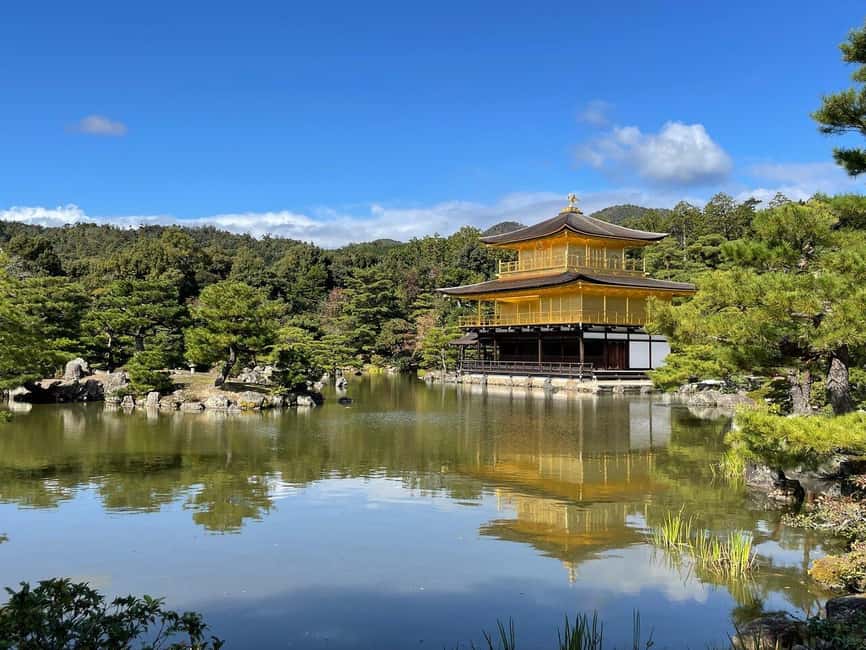
- Kinkaku-ji (1 Hour): The Golden Pavilion Photo Stop That Actually Matters
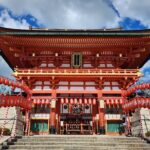
- Fushimi Inari Taisha (1 Hour): Torii Gates, Shrine Mood, and Directional Walking
- Nara Park (95 Minutes): Deer Time with Wildlife Viewing
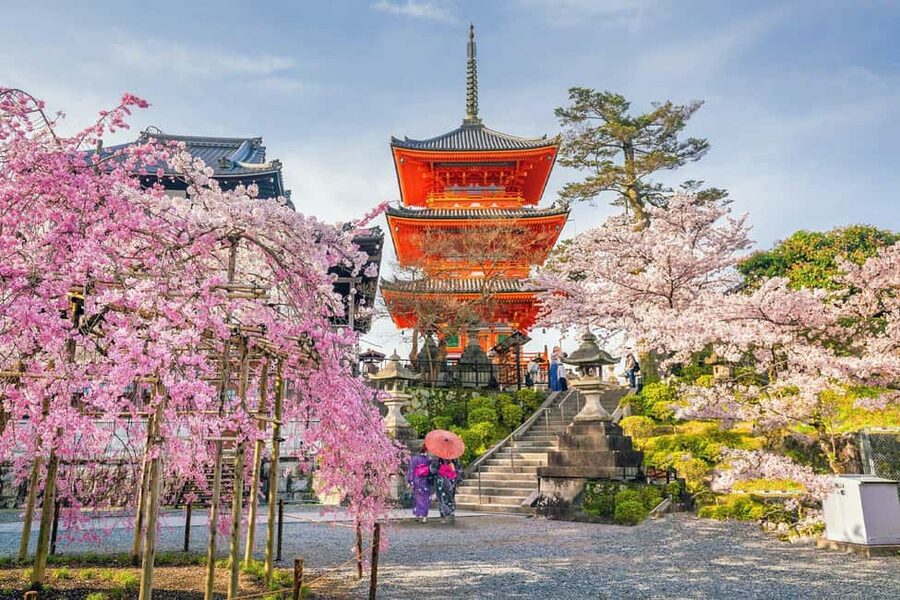
- Kiyomizu-dera (1 Hour): Panoramic Views and a Classic Temple Approach
- Nishiki Market (1 Hour): Market Browsing with a Light, Flexible Finish
- Transportation and Timing: The Hidden Advantage
- Skip the Ticket Hassle: What That Means for Your Day
- Guide Quality Can Make or Break the Day
- Price and Value: Is $438 Fair?
- Who This Tour Suits Best
- Simple Packing Notes That Actually Help
- Should You Book This Kyoto & Nara Private Guided Tour?
- FAQ
- How long is the Kyoto & Nara private guided tour?
- How much does the tour cost?
- Where are the pickup options?
- Is this a private tour?
- What languages are available?
- Are entry tickets included?
- Is food included?
- Does the tour offer ticket line assistance?
- Is the tour wheelchair accessible?
Key Things I’d Lock In Before You Go
- Private group means less waiting and more control over photo stops and walking pace.
- Customization by interest helps you swap in/out big names like Kiyomizu-dera or Todai-ji.
- A route that clusters top sights keeps your day from turning into constant transit.
- Arashiyama + Fushimi Inari + Nara Park gives you temple drama, shrine mood, and deer-time in one run.
- Cash-friendly reality: bring some yen since many places won’t take cards.
- Comfort matters: the air-conditioned vehicle with sofa seating makes long sightseeing legs easier.
Why This Private Kyoto–Nara Setup Works
Kyoto can feel like a choose-your-own-adventure puzzle: temple crowds, timed ticket lines, and bus routes that turn your plans into guesswork. A private guide removes most of the friction. You’re not trying to “win” against transit schedules—you’re trying to see well.
The biggest value is that you can shape the day around your priorities. Want more shrine atmosphere and fewer museums? Fine. Want iconic viewpoints and a photo-forward route? Also fine. If you want a calmer pace, you can ask for fewer stops and longer breaks.
One more practical win: your day runs on local time with driver-guided timing. They add extra time if traffic makes you late, so you’re not punished with a rushed finish. That matters when you’re squeezing Kyoto’s highlights into one day.
More day trips out to Nara and its bowing deer
Customization: How to Make It Feel Truly Yours
The tour is built to be adjustable: you can set your own order and emphasize what interests you. Before you go, think in three buckets:
- Must-see icons (the big names)
- The vibe you want (gardens, architecture, food shopping, deer park moments)
- Your walk tolerance (some Kyoto paths are steep and crowded)
In a sample-style day, the route leans heavily into classic Kyoto scenes, then adds Nara for deer and temple territory. But the tour concept supports combinations like Kyoto+Nara, Kyoto+Osaka, or Osaka+Nara depending on what you choose.
If you’re the type who likes details, say so early. A guide can point out architectural features and cultural context, not just tell you what a place is called. And if you’re more into photos or quick orientation, you can request that too—just be clear that you want explanations, not only arrival logistics.
Stop-by-Stop: A Sample Day That Hits the Classics
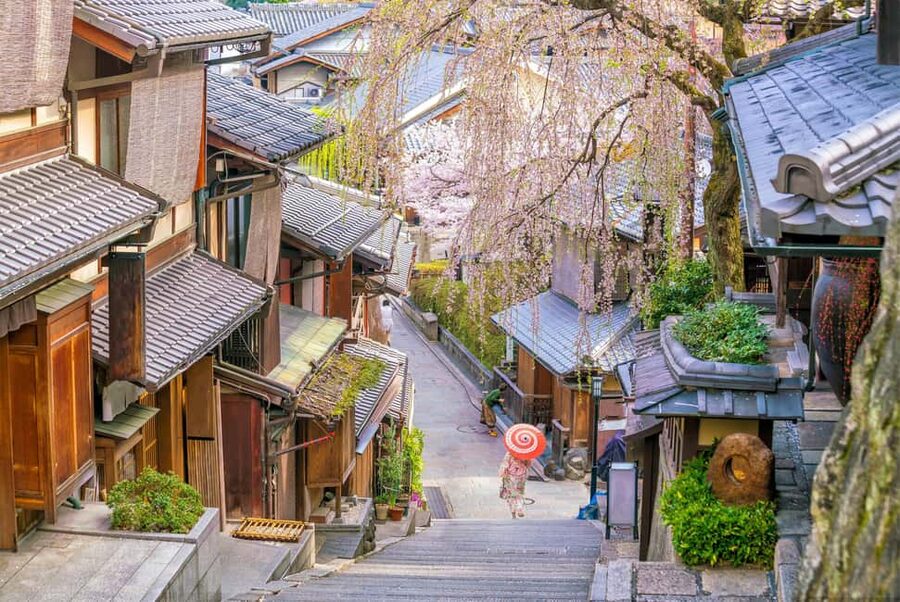
Below is a “how the flow usually feels” breakdown of the sample route. Your guide can adjust the sequence if your priorities shift, but this gives you a strong sense of the rhythm.
Arashiyama (1.5 Hours): Bamboo Country and a First Reset
Arashiyama is where the day often starts to feel special fast. You’ll get sightseeing time and a guided walk for about 90 minutes. This is a good section to set your pace, because once the day stacks up temples and crowds, you’ll be glad you’re not starting out already tired.
What to do well here: wear comfortable shoes and keep your camera ready, but don’t sprint. Arashiyama has lots of small sightlines where a slow stop beats a fast “been there” photo.
Possible drawback: if you’re expecting only one signature view, Arashiyama can still take time. The guided walk helps, but you may want to ask the guide what the best photo moments are before you wander.
Kinkaku-ji (1 Hour): The Golden Pavilion Photo Stop That Actually Matters
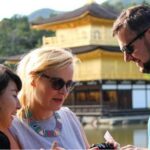
Next comes Kinkaku-ji, with a photo stop plus guided time. Kinkaku-ji is instantly recognizable, but the point of a guide isn’t the postcard look—it’s what surrounds it: the setting, the design logic, and how the place fits into Kyoto’s temple culture.
You’ll have about an hour here, which is enough to see it from key angles and not feel like you’re getting chopped down to a 10-minute “look and leave” visit.
Tip: use your guided time to understand what you’re looking at. Then use your photo stop wisely—don’t waste it on the wrong side of the courtyard.
Other Kyoto tours and experiences to compare

Fushimi Inari Taisha (1 Hour): Torii Gates, Shrine Mood, and Directional Walking
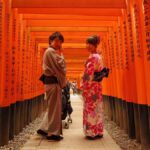
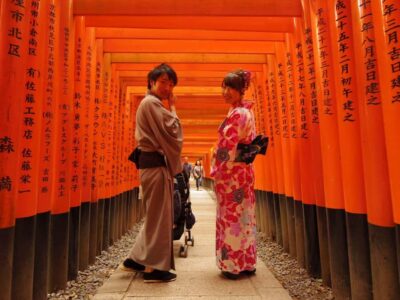
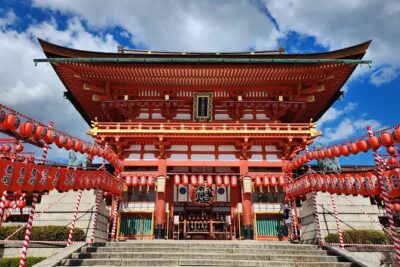
Fushimi Inari Taisha is where Kyoto shows its more playful side. Expect a photo stop and guided time, about an hour total. The gates create a strong sense of walking through layers of sacred space, and a guide can help you understand why the shrine feels like a world of its own.
What you’ll enjoy most: the rhythm. You arrive, you orient, and then you move through the torii-lined paths with less confusion.
Consideration: this is a popular stop. Even with guidance, you’ll still feel crowds. If you hate crowd energy, ask for the calmest time window your schedule allows.
Nara Park (95 Minutes): Deer Time with Wildlife Viewing
Then you shift from Kyoto’s temple density to Nara Park’s open feel. You’ll get photo time, guided time, and wildlife viewing for about 95 minutes—plenty of space to just relax, watch the deer, and reset your legs.
Nara is famous for the deer, but the bigger lesson is how the city treats wildlife in public space. That’s part of the cultural experience here, not just the cute factor.
What to watch: deer can be bold near people. Stay aware and follow your guide’s lead on where it’s easiest to watch without getting stressed.
Kiyomizu-dera (1 Hour): Panoramic Views and a Classic Temple Approach
Kiyomizu-dera is another stop with photo time and guided sightseeing for about an hour. This is the “viewpoint temple” experience—especially if the weather cooperates.
A guide’s value here is spotting what’s easy to miss: details in the structure and the way the temple space works as a public-facing cultural landmark. You get the time to look around and still keep moving.
Practical note: this stop can involve walking on uneven ground and crowds near approach paths, so shoes matter more than you think.
Nishiki Market (1 Hour): Market Browsing with a Light, Flexible Finish
Finally, there’s Nishiki Market with guided time plus self-guided browsing for about an hour. This is the part of the day where you switch from “see and learn” to “snack and shop.”
It’s also a good place to handle practical spending: many stalls may not take cards, so cash helps a lot. If you’re hunting for small gifts, this is a better use of time than squeezing in extra rides.
How to do it right: set a quick mission before you enter—one food item, one souvenir category, and one drink—then stop. Otherwise, a market can pull you into endless side quests.
Transportation and Timing: The Hidden Advantage
This tour runs on a private, air-conditioned vehicle with comfortable sofa seats. That sounds minor until you’ve spent time in crowded public transit. With a private van, your day is less chaotic and you don’t lose energy to constant re-routing.
Pickup and drop-off are built in, with options across Kyoto, Nara, Kobe, and Osaka. The sample schedule uses transfers between each zone with breaks of roughly 30–35 minutes between segments.
And there’s a key detail for stress control: if traffic delays things, extra time is added at no added cost, so you don’t watch your best sight slip away.
Skip the Ticket Hassle: What That Means for Your Day
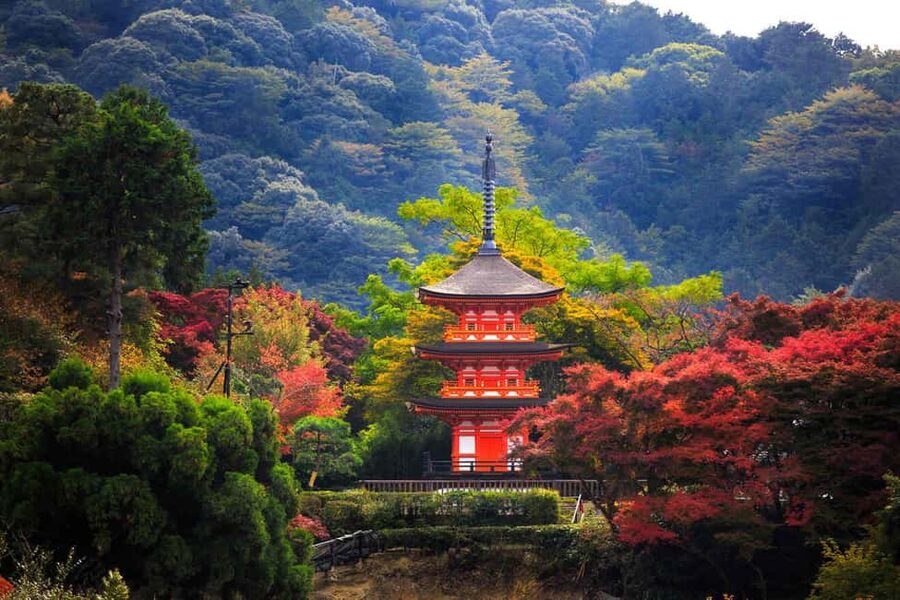
The tour includes skip-the-ticket-line help. Entry tickets aren’t included, but the “skip” part matters in busy Kyoto. Less queue time means more actual time in temples and less time standing around with sore feet.
That said, the best way to benefit is to be ready with what you’ll need on arrival. Some places are easier than others. Your guide can help you navigate how to handle tickets once you arrive.
Guide Quality Can Make or Break the Day
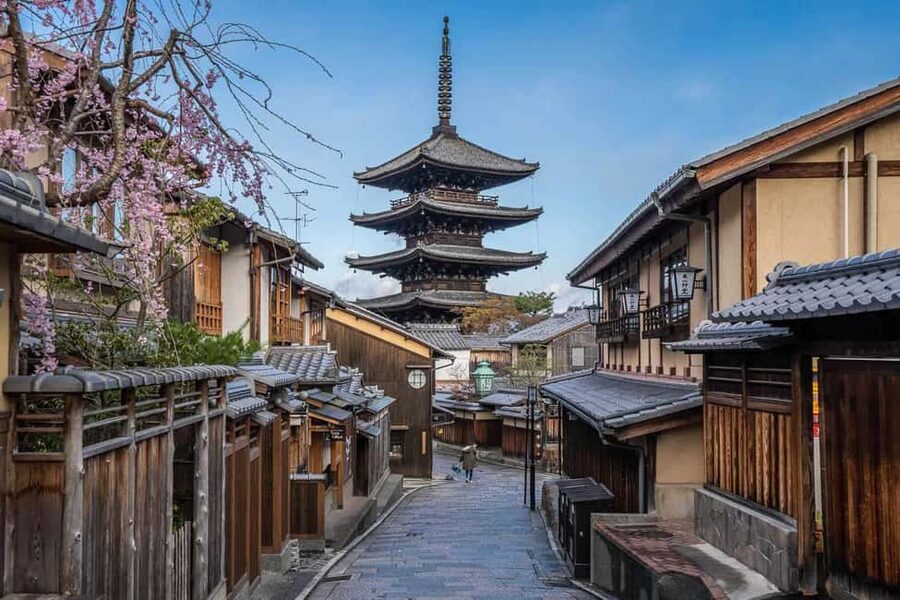
Here’s the honest part. Your experience will depend heavily on how your guide chooses to work.
Some guides—like Danush/Dhanush, who are noted for comfort and solid information—can turn stops into a story. You get context, historical links, and good explanations that make architecture and rituals feel less random.
On the other hand, one version of the experience has been described as more driver-focused, with fewer explanations. That doesn’t make it a bad day; it just means you should communicate what you want: deep history, quick practical notes, or mostly photo stops.
My practical suggestion: at pickup, tell the guide your top 3 interests and ask how they plan to cover them at each stop. You’ll feel the difference immediately.
Price and Value: Is $438 Fair?
$438 per group up to 6 for a 10-hour private day can be excellent value in the right situation.
Here’s why:
- You’re paying for private transport plus an English-speaking guide.
- The route packs major highlights into one day, which can be hard to replicate cheaply with trains, buses, and multiple transfers.
- You’re not paying per person for tickets (entry is separate), and the skip-line support reduces wasted time.
The math gets better the more people you have. If you’re traveling as a family or small group, splitting the cost can feel reasonable compared with buying multiple separate guides or cobbling together transit plus timed entry planning.
Where it might feel pricey: if you’re traveling solo or as two people and you don’t care much about guided interpretation. In that case, you might prefer a cheaper semi-independent plan.
Who This Tour Suits Best
This is a strong pick if you want:
- A first visit to Kyoto and Nara with a clear path through the top sights
- A one-day overview without turning into a logistics workout
- A private setup that can adapt when your mood changes
It’s especially good for couples and small groups who want to avoid crowd stress and don’t want to spend hours sorting routes.
Less ideal if:
- You’re very sensitive to crowd-heavy temple areas and want empty quiet time
- You only want one or two sights and prefer independent exploration
Simple Packing Notes That Actually Help
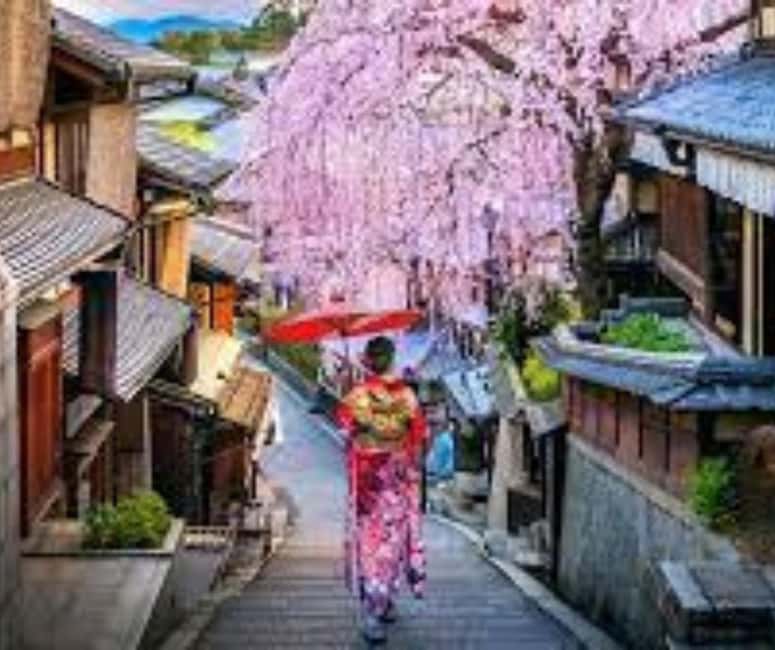
Bring comfortable shoes. That’s not a throwaway line—Kyoto’s temple approaches and market walking add up fast.
Also bring some cash. Cards aren’t accepted everywhere, and Nishiki Market is the kind of place where quick purchases happen on the spot.
Should You Book This Kyoto & Nara Private Guided Tour?
Book it if you want a guided, private plan that hits Kyoto and Nara highlights in one day and you’re okay paying for convenience. The ability to customize the order and emphasis is the real selling point, and the vehicle time stays efficient.
Think twice if you mainly want to be dropped at temples with minimal explanation. In that case, set expectations early, or ask for a guide style that focuses on history and details.
If you like structure with flexibility—this tour fits that sweet spot.
FAQ
How long is the Kyoto & Nara private guided tour?
It’s listed as 10 hours.
How much does the tour cost?
The price is $438 per group, up to 6 people.
Where are the pickup options?
Pickup options include Nara, Kyoto, Kobe, and Osaka.
Is this a private tour?
Yes. It’s a private group experience.
What languages are available?
The guide is available in English, Hindi, Japanese, and Urdu.
Are entry tickets included?
No. Entry tickets are not included.
Is food included?
No. Food and drinks are not included.
Does the tour offer ticket line assistance?
Yes. It includes skip the ticket line support.
Is the tour wheelchair accessible?
Wheelchair accessibility is listed as available.
More Tours in Kyoto


More Tour Reviews in Kyoto


More Nara Day Trips

Just added: more Kyoto tours to browse








Nara Day Trips from Kyoto, compared.
 ★ 4.7Kyoto/Osaka: Nara, Fushimi Inari Taisha, Arashiyama Bus TourFrom $521,275 reviews
 ★ 4.4Osaka/Kyoto: Arashiyama, Nara & Fushimi Inari Shrine w/LunchFrom $61754 reviews
 ★ 4.5Kyoto and Nara Day Trip from KyotoFrom $194445 reviews
 ★ 5.0Full Day Guided Tour to Kyoto and Nara from Osaka by VanFrom $106420 reviews
 ★ 4.5Nara Afternoon Tour from Kyoto or OsakaFrom $102390 reviews
 ★ 4.6From Kyoto: Nara Guided Morning TourFrom $77335 reviews
 ★ 4.6Kyoto/Osaka: Kyoto and Nara Customized Private Guided TourFrom $477258 reviews
 ★ 5.0Nara Park, Osaka & Kobe from Kyoto Full Day tourFrom $90207 reviews
Browse the lists this tour appears in