
Reviewed · KIYOMIZU-DERA & HIGASHIYAMA TOURS
Kyoto Ninenzaka: Tea Ceremony in Old Townhouse with Chairs
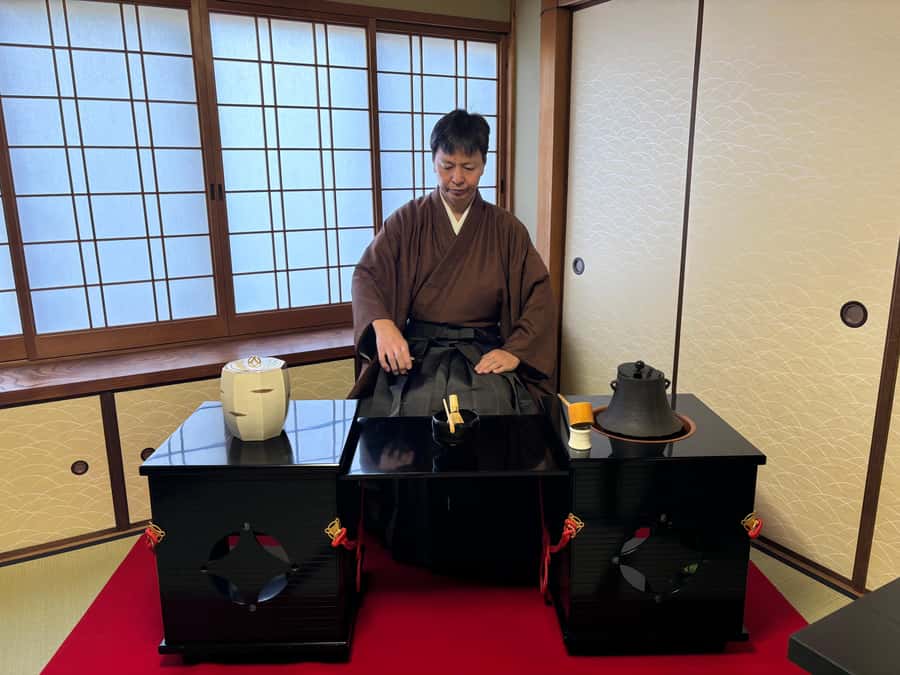
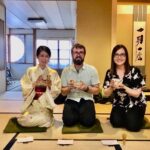
Kyoto’s Ninenzaka lanes can feel like a movie set, but this tea ceremony keeps the focus on Zen calm and the small gestures that make matcha taste right. I like that you’re not stuck watching from afar: you’ll actively prepare your own tea, then sit with it in a traditional townhouse atmosphere—chairs included—for a slower, more thoughtful experience.
What I like most is the real attention to ingredients and craft. You get premium Uji matcha tied to a long-running tea-growing family, plus Kyoto wagashi sourced from an established confectionery tradition. A thoughtful drawback: this is not built for casual tourists, photo ops, or people who want to talk over everything—there are clear rules to keep the room quiet and scent-free, and you won’t be able to record.
One more practical consideration: the setting is traditional and the rooms are small, with steep/narrow stairs involved in getting there. It’s done in a chair-based, standing-style format for comfort, but you should still be ready for the walk-up.
In This Review
- Key things to know before you go
- Kyoto Ninenzaka tea ceremony: what the Zen calm and chairs really change
- Finding the townhouse near Kiyomizu Temple (and why you should plan time)
- Uji matcha and Kyoto wagashi: the tasting part that makes it stick
- Tea etiquette that’s actually useful (and not just rules for rules’ sake)
- A 150-year townhouse with small rooms, steep stairs, and chair comfort
- Price and value: what $21 gets you besides tea
- Practical do’s and don’ts (so you don’t accidentally spoil the mood)
- Who should book this Kyoto tea ceremony—and who might skip it
- So, should you book? My quick decision guide
- FAQ
- How long is the Kyoto Ninenzaka tea ceremony?
- What does it cost?
- Do I need to wear socks?
- What language is the class in?
- Is it suitable for children?
- Are cameras and recording allowed?
Key things to know before you go
- Uji matcha with history: the matcha is tied to a tea farmer family cultivating since Bunsei era (1818–1831).
- Kyoto wagashi from a long-established shop: seasonal sweets are specially ordered from a confectionery connected to the Kyoto Prefectural Confectionery Association.
- Chair-friendly, standing-style ceremony: designed for comfort without floor sitting.
- Tranquility rules that matter: no strong perfume/fragrances, no noisy behavior, and no professional cameras/video/audio recording.
- English guidance plus Q&A: instructions are paced so you can actually ask why each step exists.
- Tiny, old-townhouse setting: built about 150 years ago; renovated interior but still small and low-ceilinged.
Kyoto Ninenzaka tea ceremony: what the Zen calm and chairs really change
Kyoto tea ceremony is often shown like choreography. Here, you learn that the movements aren’t just pretty. They’re part of a mental discipline—attention, restraint, and hospitality in a quiet room.
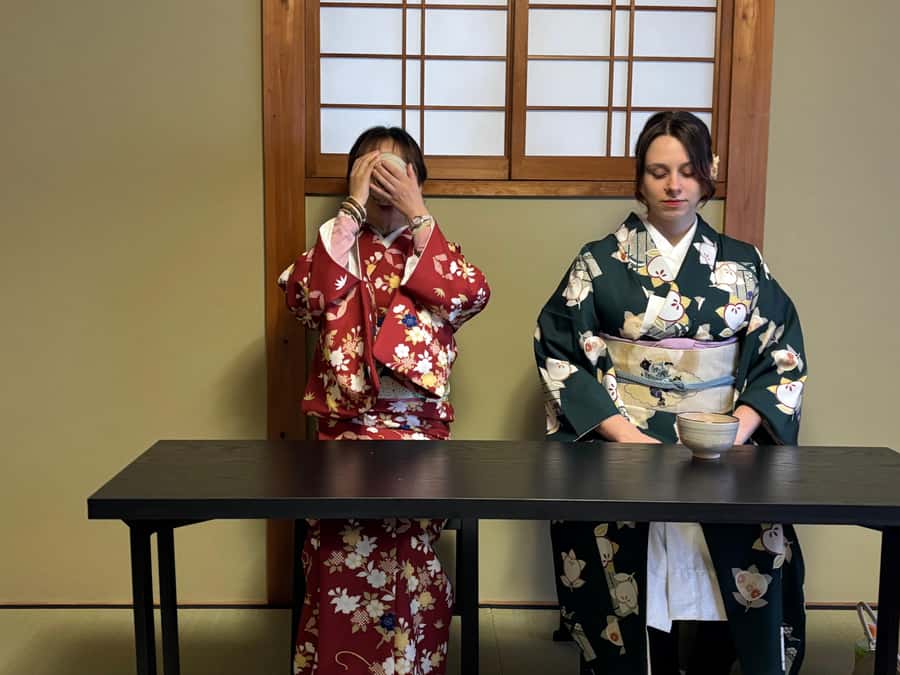
What makes this experience especially workable for real life is the chair setup. Traditional tea rooms can be small and dark, which helps focus, but it can also be uncomfortable. This class keeps that serene atmosphere while using a seated tea ceremony stand and chair-based comfort, so you can participate without negotiating the floor. You’re still doing the ceremony properly; you’re just doing it in a way that doesn’t punish your knees.
The vibe is also different from a rushed performance. It’s meant to be taken at a human pace, in a space where distractions are limited. That’s why the rules about sound, scent, and recording aren’t “annoying extras.” They’re what keep the experience feeling like something you’d recognize in Japan, not a stage act.
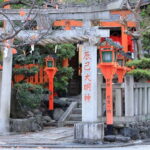
Keep climbing the Higashiyama slopes toward Kiyomizu-dera
Finding the townhouse near Kiyomizu Temple (and why you should plan time)
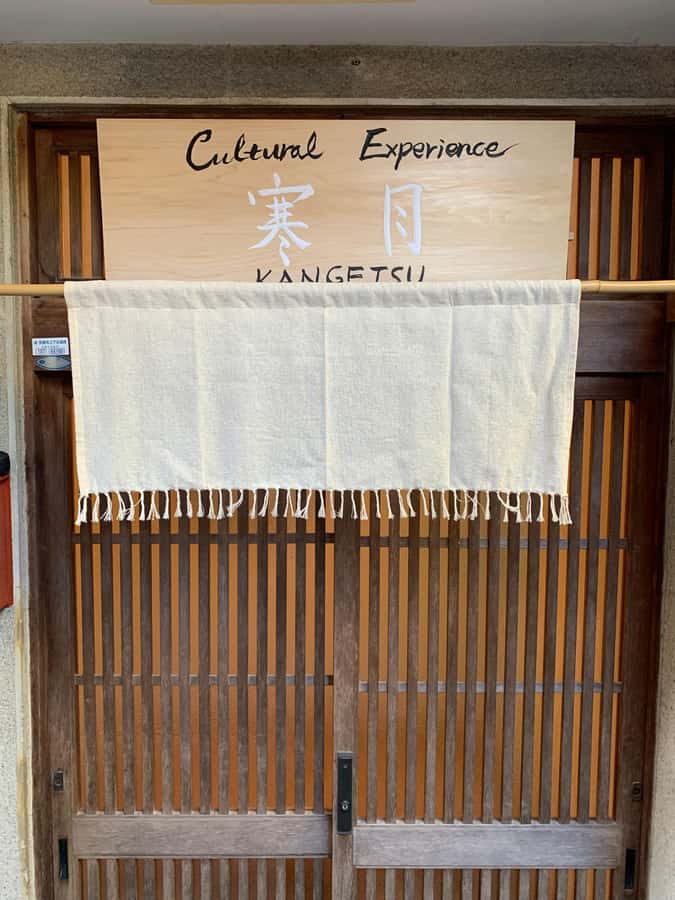
The meeting point is near Kiyomizu Temple, down an alley near Ninenzaka. The location is described as at the end of the alley next to the Starbucks on Ninenzaka.
That matters for two reasons. First, Ninenzaka is famous for foot traffic and turns—so you want a little buffer time. Second, the entrance experience is part of the charm: you’re walking into a quieter side lane that still feels like old Kyoto.
Also, the venue is a traditional townhouse built roughly 150 years ago. Even though the interior has been renovated, expect stairs that can feel steep, and rooms that can feel tight and low-ceilinged. I’d treat this like a cultural stop that deserves your full attention, not something to rush between shopping errands.
Uji matcha and Kyoto wagashi: the tasting part that makes it stick
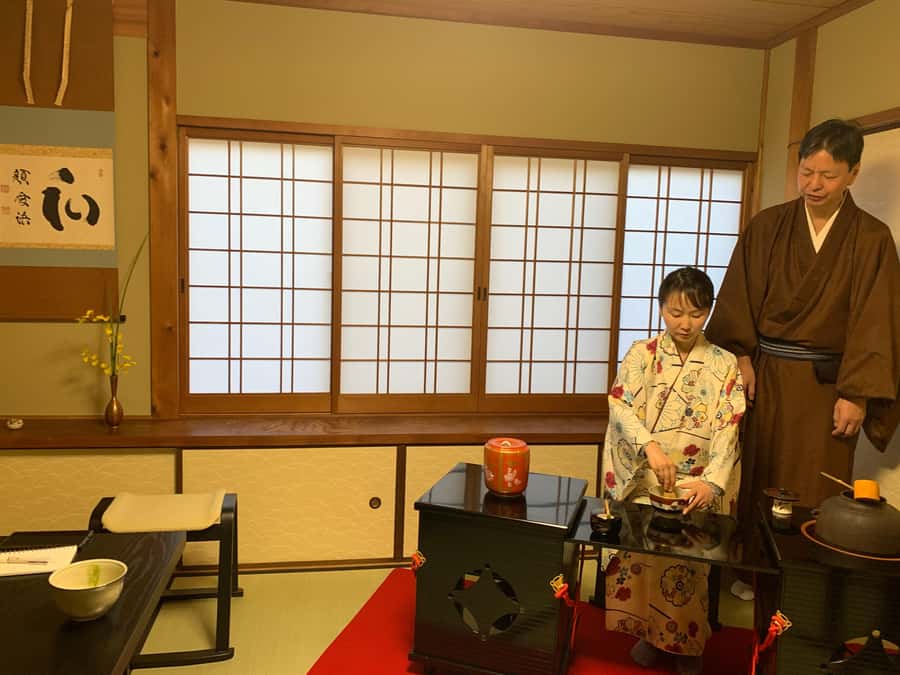
Let’s talk flavor, because tea ceremony only matters if the tea and sweets are good. This one leans hard into matcha quality. The experience uses premium Uji matcha sourced from a tea farmer family cultivating since Bunsei era (1818–1831). That’s not marketing fluff when you taste it—it’s the kind of sourcing story that usually means consistent, craft-focused production.
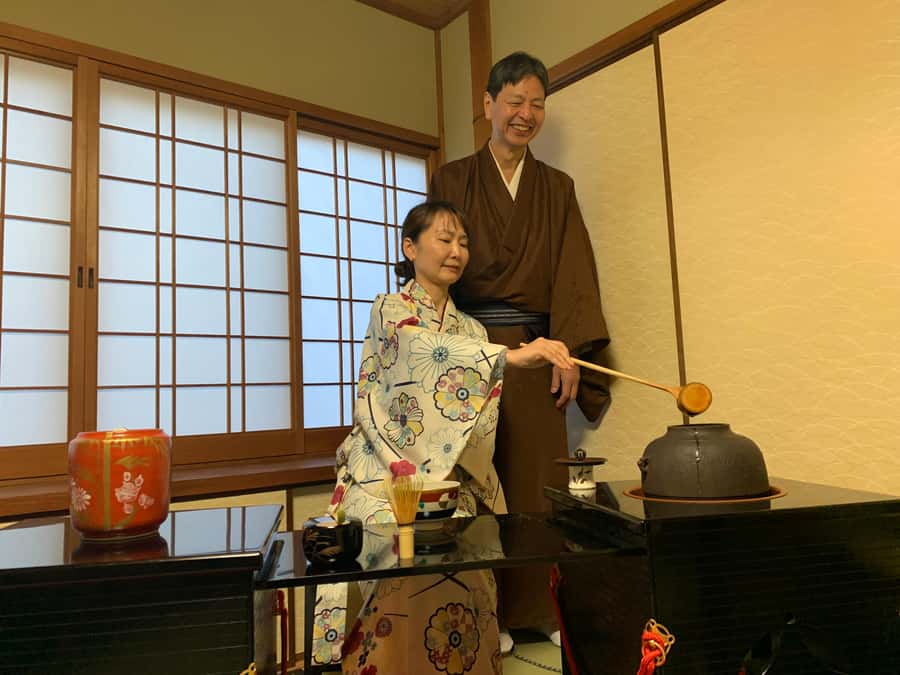
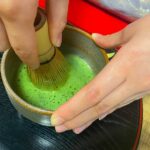
You’ll make and taste matcha yourself. You get 2 cups of matcha, so you can notice differences in how you whisk and pour, not just admire a final result. Even if you don’t know what you’re looking for yet, you’ll start picking up the texture and balance that makes matcha feel more like food than drink.
The sweet pairing is seasonal wagashi, handcrafted and specially ordered from a long-established Kyoto confectionery shop. Wagashi isn’t about being loud or sweet in a Western sense. It’s about shape, texture, and season. In a quiet room, those details become easier to appreciate.
Practical tip: eat slowly. In this setting, rushing your wagashi makes it taste flat. Let it be part of the pacing.
Tea etiquette that’s actually useful (and not just rules for rules’ sake)
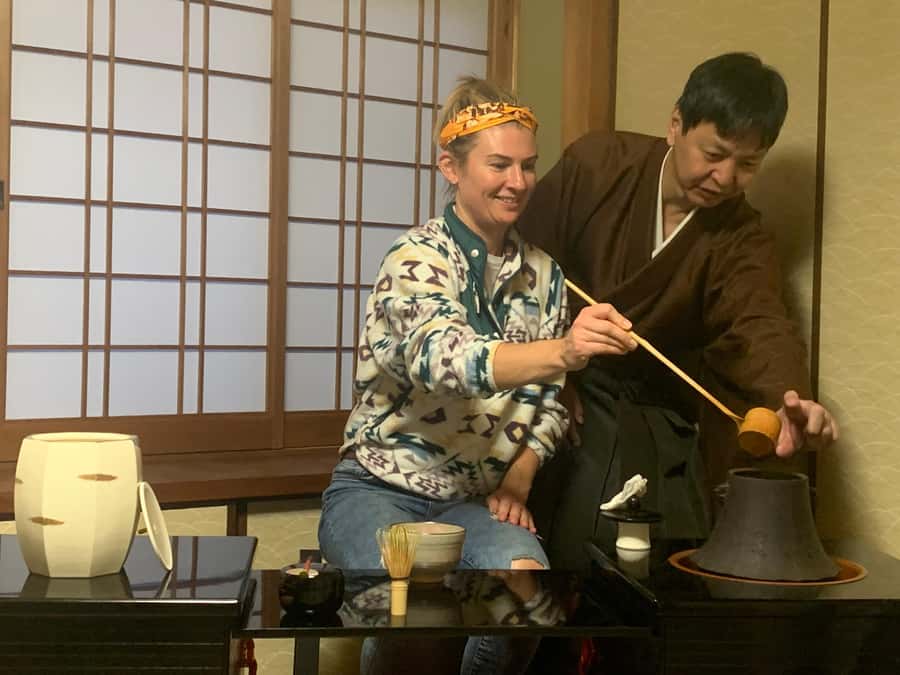
Tea ceremony sounds like a list of do’s and don’ts. The best teachers translate those gestures into meaning. In this experience, you learn the history and cultural significance of the tea ceremony, plus how to care for utensils and how to serve properly.
What you’ll practice is the rhythm of etiquette: how you handle things, how you present the tea, and how serving is tied to respect. The ceremony also includes a demonstration of the movements and seasonal hospitality, so you can see the full flow before you take your turn.
Then you do it yourself. That’s the big advantage here: you’re not just learning theory. You’re building muscle memory for the basic steps—so when you see a tea ceremony in Kyoto later, you’ll understand what you’re watching.
You also get a Q&A session. This is where the experience becomes more than a 50-minute activity. If you ask about why a step exists, you’ll get answers that connect the ritual to Zen practice and everyday Japanese aesthetics, not just facts.
On the language side: the host/greeter is English, and the program supports Q&A. In cases where reservations are last minute, it may still be conducted in English, but you should assume standard sessions are structured for clear explanation.
A 150-year townhouse with small rooms, steep stairs, and chair comfort
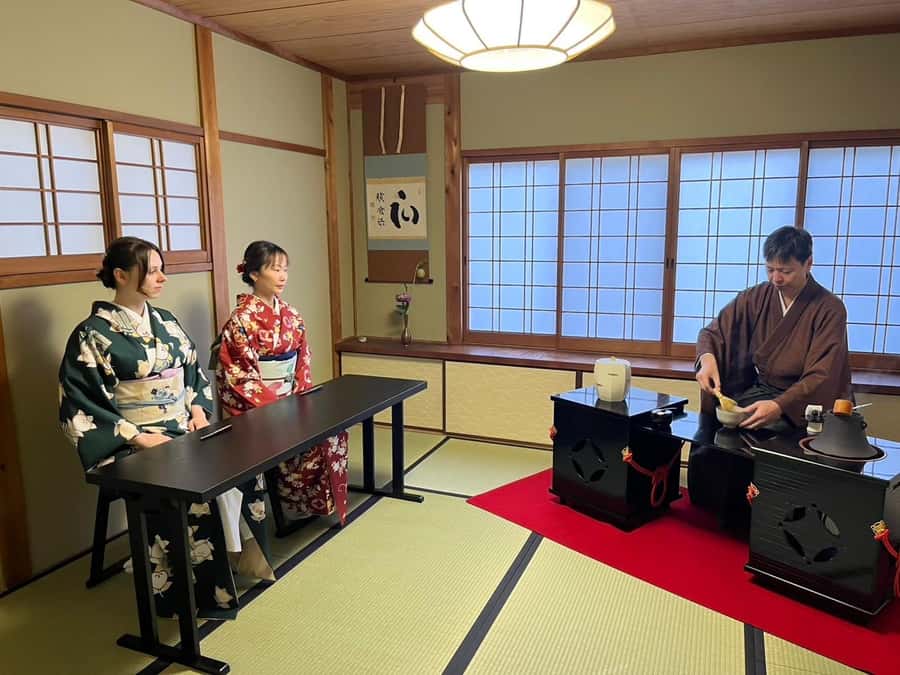
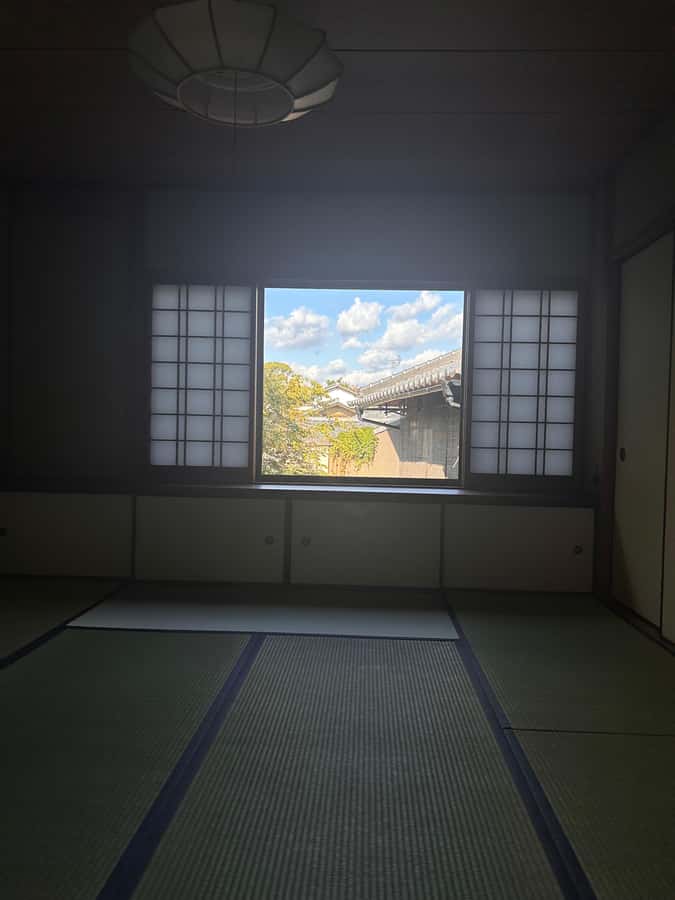
This is a real traditional setting: a Japanese townhouse built about 150 years ago, with a renovated interior. The rooms are small with low ceilings. Traditional tea rooms in Japan can be even smaller and darker, designed to keep you focused on the tea itself. Here, the classroom feels brighter and more spacious than the typical ultra-traditional room—but still calm.
The practical catch is that this is an old building. Stairs may feel steep. Rooms may feel tight. If you’re sensitive to narrow spaces, plan around that.
The good news is that this ceremony is described as a standing tea ceremony style with chairs. That’s a big deal if floor sitting is hard for you. Several people have highlighted that the chair setup makes the experience more accessible while keeping the ceremony authentic.
Also note the “small but important” rules:
- No bare feet; you must wear socks.
- Tie up long hair if it can fall into the bowl.
- Remove big accessories (large necklaces, chunky rings, heavy bracelets) because they can hit the tea bowl.
These rules aren’t there to be picky. They protect the delicate utensils and keep the experience smooth.
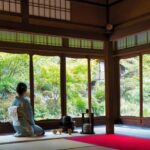
Sit for another bowl of matcha in a Kyoto tea house

Price and value: what $21 gets you besides tea
At $21 per person for about 50 minutes, this is priced as a cultural class, not just a tasting. Here’s where the value comes from:
- You get instruction from experienced instructors and an original booklet.
- You make the matcha yourself (not just watch).
- You get 2 cups of matcha plus seasonal wagashi.
- You get a structured ceremony with etiquette and a Q&A component.
In other words, you’re paying for guided practice in a setting that’s meant to feel quiet and proper. If you’ve done the usual Kyoto “squeeze into a crowded room, take a quick photo, move on” version, this feels different right away.
Is it worth it for everyone? For people who want a gentle, meaningful cultural experience with high-quality ingredients and real explanation, yes. If you mainly want spectacle or shopping, it may feel too solemn and rule-based.
Practical do’s and don’ts (so you don’t accidentally spoil the mood)
You should treat this ceremony like a quiet museum moment—except you get to participate.
Bring:
- Socks (bare feet aren’t allowed indoors). If you forget, socks are available for purchase for 500 yen.
Don’t bring/wear:
- Hats
- Oversize luggage, big bags, or large accessories
- Jewelry (especially big pieces)
- Professional cameras
- No flash photography
- No video recording
- No audio recording
- No smoking or vaping indoors
- No drinks (also no alcohol and drugs)
Scent rule: avoid perfume or strongly scented products. This protects the subtle fragrances of incense, matcha, and sumi ink used during the experience.
One more timing note that actually matters: if you book on the day before or the same day, your requests may not be accommodated, and the class may be conducted in English. Plan ahead when you can if you want the most flexible experience.
Who should book this Kyoto tea ceremony—and who might skip it
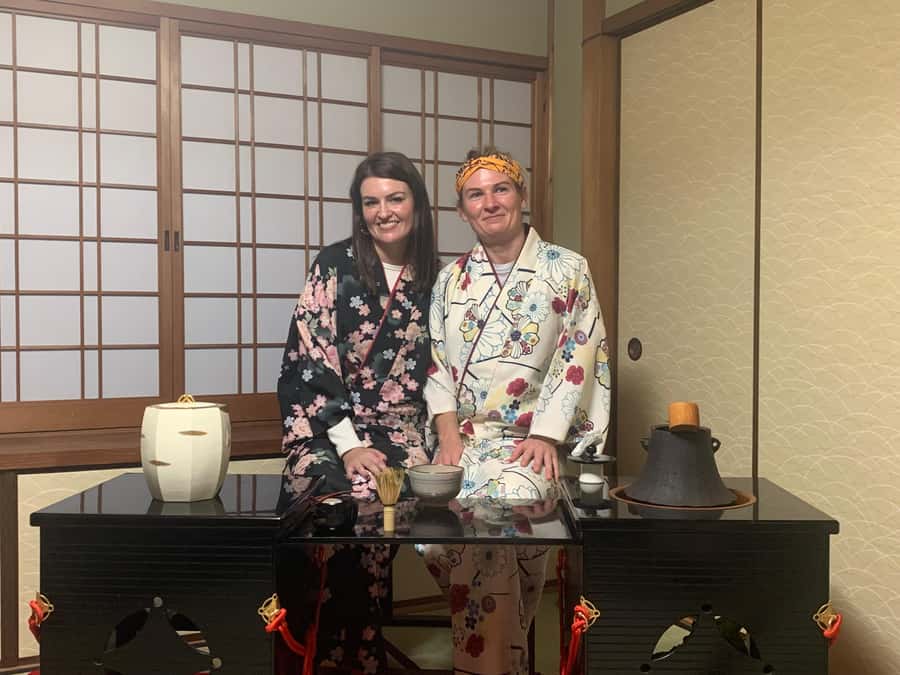
Book this if you:
- Want Japanese culture with real context, not a performance.
- Care about matcha quality and want to taste and make it properly.
- Enjoy quiet, thoughtful activities where small details matter.
- Appreciate handcrafted wagashi from a respected Kyoto confectioner.
Consider skipping if you:
- Need a highly flexible, loud, “show up and wing it” activity.
- Want nonstop photography or video. Recording is restricted.
- Prefer floor-seating in traditional rooms? (This one uses chairs, so it may feel different—but in a good way for most people.)
- Have mobility limitations that make steep stairs a problem.
Also, it’s not recommended for certain situations:
- Children under 10 aren’t accepted (quiet matters here).
- Wheelchair users aren’t accepted.
- People with a cold aren’t suitable.
If that sounds strict, it is. But that strictness is exactly why the room feels peaceful.
So, should you book? My quick decision guide
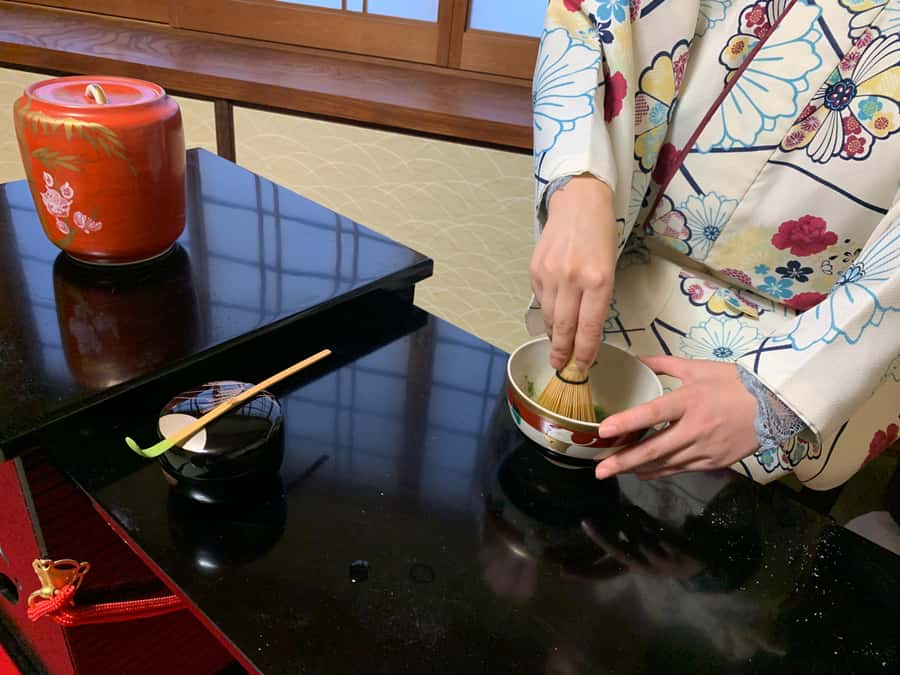
I’d book this if you’re in Kyoto for more than the postcard checklist. This tea ceremony is built for people who notice: the way tea is whisked, the seasonal sweet pairing, the etiquette behind serving, and the Zen attitude that makes the whole thing feel slower and calmer.
Skip it if you’re looking for an easy photo stop, something you can multitask during, or a ceremony where you can document everything on your phone. Here, the experience asks for your attention, and it rewards you for it.
If you want a Kyoto moment that feels genuinely Japanese—quiet, careful, and skill-based—this one is a strong choice.
FAQ
How long is the Kyoto Ninenzaka tea ceremony?
It lasts about 50 minutes.
What does it cost?
The price is $21 per person.
Do I need to wear socks?
Yes. Bare feet aren’t allowed. You’ll need socks, and socks are available for purchase for 500 yen if needed.
What language is the class in?
The host/greeter is in English.
Is it suitable for children?
No. Children under 10 years old aren’t accepted.
Are cameras and recording allowed?
Professional cameras aren’t allowed, and video recording and audio recording are not allowed. Flash photography is also not allowed.
More Tour Reviews in Kyoto
One More Bowl of Matcha
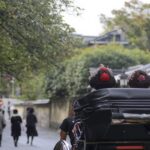
More Along the Higashiyama Slopes
Just added: more Kyoto tours to browse


Kiyomizu-dera & Higashiyama Tours, compared.
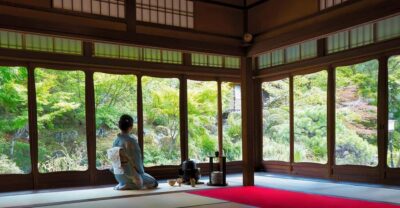 ★ 4.9Tea Ceremony in a Traditional Tea House in KiyomizuFrom $493,519 reviews
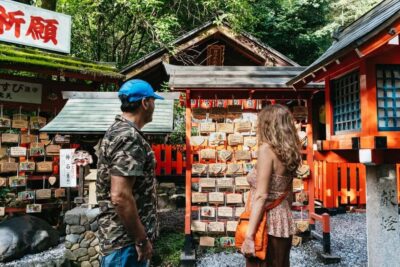 ★ 4.7Nijo Castle, Kiyomizu & Fushimi Inari Guided TourFrom $54700 reviews
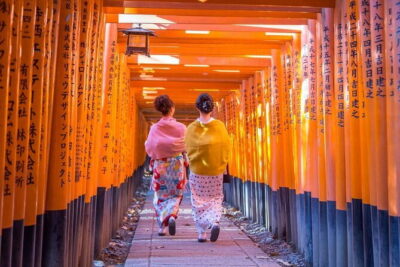 ★ 5.0Nijo, Kinkaku-ji, Arashiyama, Kiyomizu & Fushimi InariFrom $51699 reviews
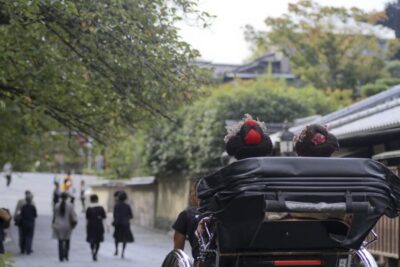 ★ 5.0Private Rickshaw Tour of Gion and Higashiyama AreaFrom $51144 reviews
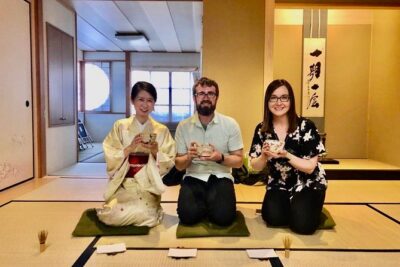 ★ 5.0Kyoto Tea Ceremony & Kiyomizu-dera Temple Walking TourFrom $109115 reviews
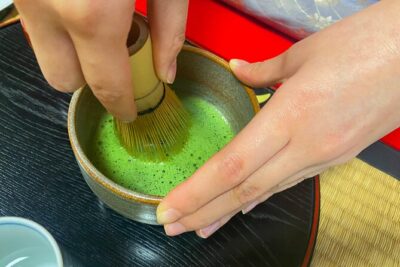 ★ 5.0Kyoto Kiyomizu Tea Ceremony with Scenic Garden ViewsFrom $50101 reviews
 ★ 4.7Kimono/Yukata Rental 5 Minute from Kiyomizu-deraFrom $1989 reviews
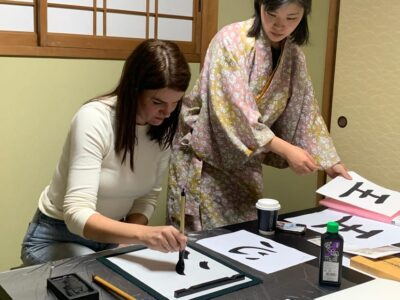 ★ 5.0Kyoto Ninenzaka : Japanese Calligraphy Class in TownhouseFrom $4959 reviews
Browse the lists this tour appears in