
Reviewed · KIYOMIZU-DERA & HIGASHIYAMA TOURS
Kyoto Ninenzaka : Japanese Calligraphy Class in Townhouse
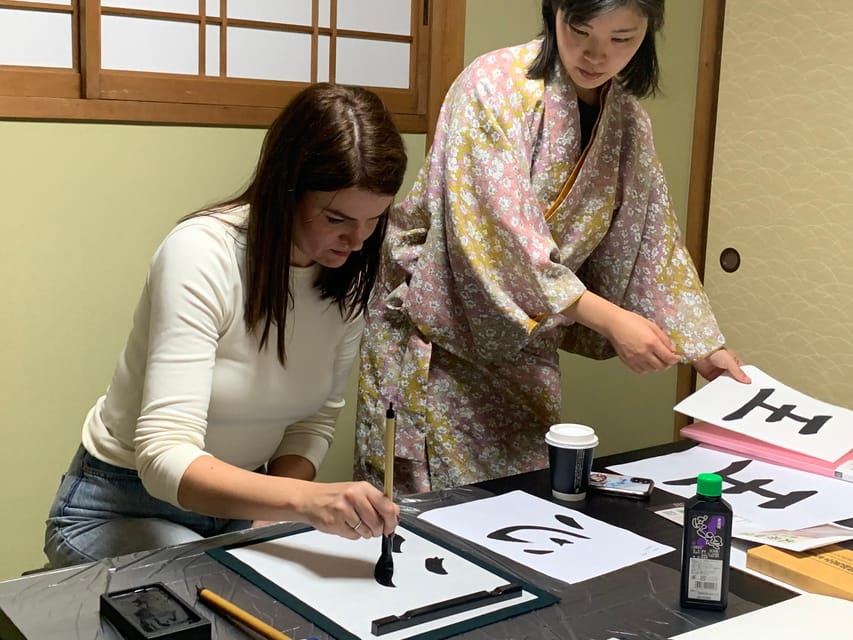
Ink on paper feels strangely calming. In Kyoto’s Ninenzaka area, a Japanese calligraphy class turns sightseeing time into real shodō practice. The townhouse setting near Kiyomizu Temple keeps everything quieter than you might expect from a busy main street.
I love how beginner-friendly it is. You get step-by-step guidance on tools, brush handling, and basic strokes, with an emphasis on getting the feeling right, not performing perfectly.
One thing to plan for: you’ll need to wear clothes that can get dirty and bring socks. It’s not messy in a chaos way, but ink and paper work can be a little dramatic if you come dressed for a nice dinner.
In This Review
- Key highlights worth your attention
- Why the Ninenzaka location makes this class feel extra Kyoto
- Price and what you get from the $49 ticket
- Finding the townhouse near Kiyomizu Temple (and how to arrive ready)
- Tools, ink, and the quiet math of holding a brush
- Learning strokes the shodō way: lines, dots, and control
- Writing your first kanji: balance, placement, and finishing strong
- Group size, language support, and how it feels during class
- Who should book this calligraphy class (and who might want to think twice)
- Should you book Kyoto Ninenzaka Japanese Calligraphy Class in Townhouse?
- FAQ
- How long is the Kyoto Ninenzaka calligraphy class?
- Where is the meeting point?
- What is the price per person?
- Do I need to bring socks?
- Is the class beginner friendly?
- Is it suitable for children?
Key highlights worth your attention
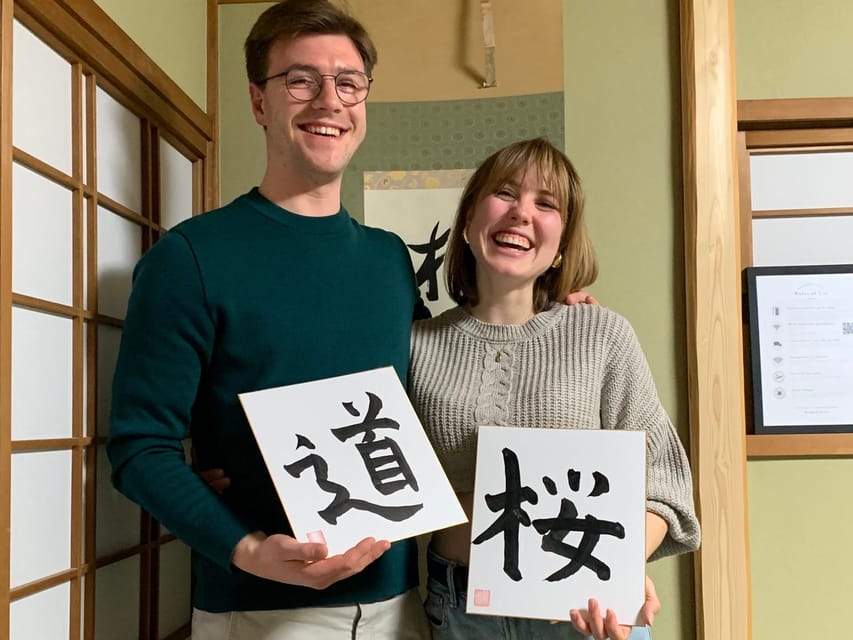
- Hands-on shodō taught with calm, careful coaching in a townhouse setting
- Brush pressure and grip instruction, so your strokes look intentional, not accidental
- Tool care and setup focus, including brushes, ink sticks, inkstone, and paperweight
- Beginner kanji practice with attention to balance, vertical/horizontal alignment, and placement
- Take-home calligraphy + booklet, so you can remember what you made (and what you learned)
- Practical prep rules like bringing socks and avoiding luggage-heavy days
Why the Ninenzaka location makes this class feel extra Kyoto
This class isn’t tucked in some generic storefront. It’s set up near Kiyomizu Temple and the Ninenzaka streets, which means you can feel Kyoto’s old-street atmosphere before and after class. You’re also in walking distance of one of the city’s most iconic areas, so it fits nicely between temple visits and evening strolls.
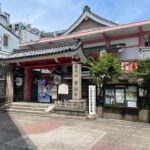
The meeting point is near Kiyomizu Temple, at the end of the alley next to Starbucks on Ninenzaka. That matters because Kyoto navigation can be a bit of a scavenger hunt. When a class pins you to a clear landmark, you spend less time lost and more time on the experience.
There’s also a practical vibe here: the class length is 50 minutes, so it’s designed to be doable even if your Kyoto day is packed. You get real instruction without needing a whole half-day commitment.
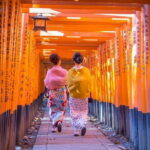
Keep climbing the Higashiyama slopes toward Kiyomizu-dera
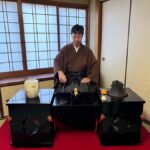
Price and what you get from the $49 ticket
At $49 per person for about 50 minutes, the value comes from the combination of materials, teaching time, and a keepsake you can take home.
What’s included is more than just a desk and a pen. You get experienced instructors, careful guidance, and an original calligraphy booklet. You also practice for real and keep your finished calligraphy, which turns the class into an actual memory you can display (or give to someone).
What’s not included is also important for planning. Transportation to the venue isn’t included, and kimono isn’t provided as part of the experience. If you were imagining a two-piece kimono moment, you’ll need to arrange that separately.
For the time you’re in the room, the instruction style seems to matter. The class runs with English support from the host or greeter, and the overall structure is built for people with no Japanese or art background.
Finding the townhouse near Kiyomizu Temple (and how to arrive ready)
You’ll meet near Kiyomizu Temple at the end of the alley next to Starbucks on Ninenzaka. The address-style description is simple enough to use with a map app, but Kyoto alleys can still throw you off if you wander the wrong side street.
Arriving with the right basics helps the whole session go smoothly. The class asks you to bring socks and to wear clothes that can get dirty. Ink work is part of the deal, so clean and worry-free is not the goal. Think “comfortable and okay with paper and ink.”
Also note the no-fuss rules inside: no smoking, no alcohol or drugs, no pets, no baby strollers, no luggage or large bags, and no selfie sticks. There’s also a clear expectation to keep noise down. In other words, it’s a working-room environment, not a photo-shoot setting.
If you’re carrying a day bag, keep it simple. The class restrictions basically mean: travel light, move quietly, and focus on the hands-on work.
Tools, ink, and the quiet math of holding a brush
One of the best parts is that the class starts with foundation, not rushing straight to kanji. You’re introduced to calligraphy’s history and cultural background, then you learn the fundamental concepts that make shodō different from writing with a regular pen.
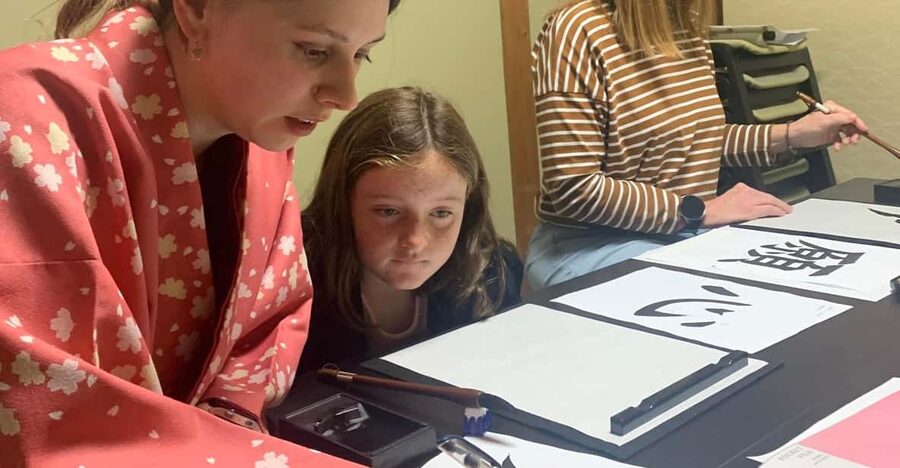
Then the tools section kicks in. You’ll get instruction on how to use and care for brushes, ink sticks, inkstones, and paper. That might sound technical, but it’s actually useful for beginners. When you understand what the tools are doing, your strokes start making more sense.
You also get coaching on proper brush handling. That includes how to hold the brush correctly and how to adjust pressure. This is the kind of detail that changes everything. Light pressure can create a different line feel than firmer pressure, and Japanese calligraphy is about those controlled changes.
There’s also a “slow down” element to preparing for calligraphy. You’ll learn how to set up the writing paper and paperweight, then experience the meditative process of getting ready. If you’re the type who likes structured routines, you’ll probably enjoy this part.
Learning strokes the shodō way: lines, dots, and control
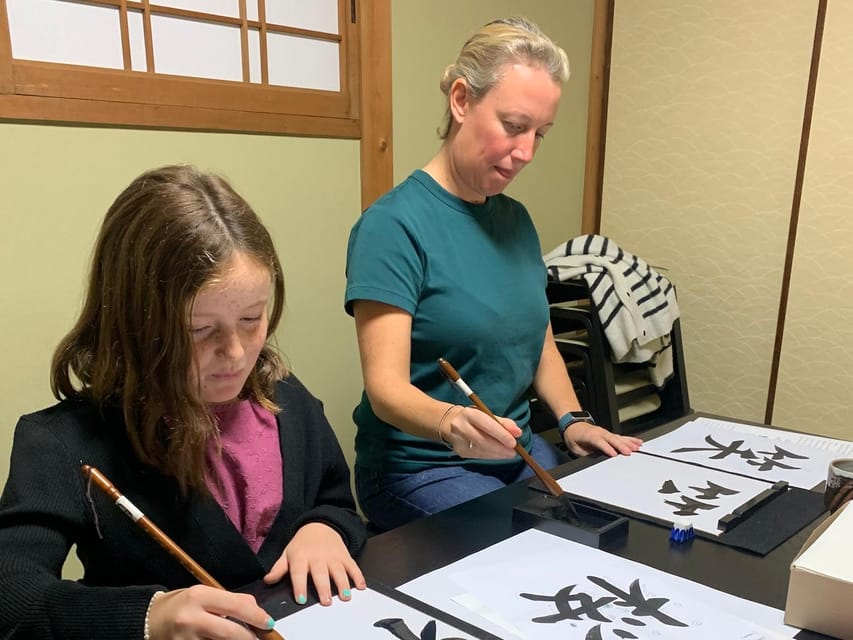
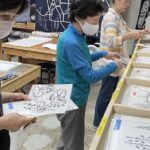
After you’re set up, you practice basic brush techniques. This includes drawing lines and strokes, plus simpler shapes like dots or sweeps. It’s not about speed. It’s about consistency and control.
The teaching approach here is built around correction. You’re guided through each element so you can see what changes in the brush and what changes on the paper. That’s a big deal in a short class. When you only have 50 minutes, you want feedback, not guesswork.
The class also emphasizes balance: how strokes sit in relation to one another, and how the brush moves with intention. That’s why learning dots and sweeps early matters. They’re small, but they train your hand for the rhythm of the whole character.
If you’ve ever tried calligraphy and felt like your results were either too messy or too rigid, this style of instruction gives you a middle road. You’re learning to make marks that look alive, not just correct.
Make something by hand in a Kyoto workshop


Writing your first kanji: balance, placement, and finishing strong
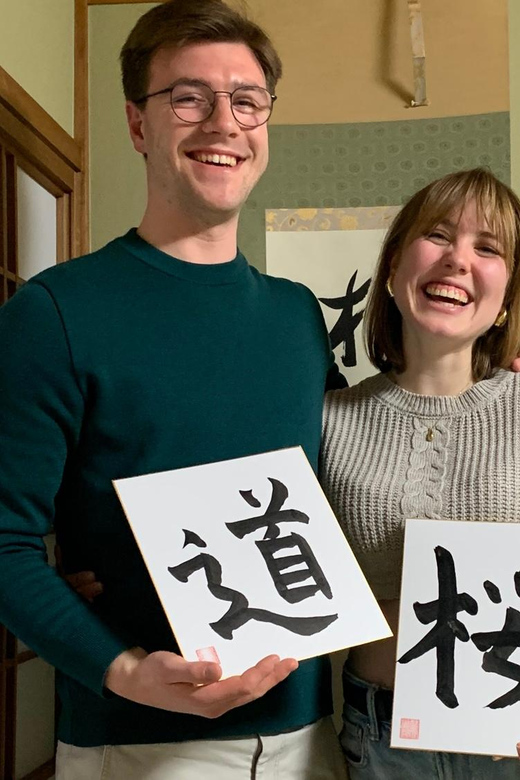
The practical highlight is writing basic kanji characters. You start with simple characters, and you focus on vertical and horizontal balance, plus letter placement. In shodō, spacing and alignment are not background details. They’re part of the message.
You’re guided to understand how the strokes build a character. That’s helpful because beginner kanji can feel like random parts glued together until someone shows you the logic of order and proportion.
You’ll also deepen your understanding of Japanese culture through seasonal themes and expressions in your calligraphy. That’s not just decoration. It gives your character context, so the finished piece feels connected to the time of year and the kind of meaning Japanese calligraphy often carries.
And yes, you get to keep your work. Having your own handwritten kanji symbol to take home changes the experience from “class you attended” into “thing you made.”
Group size, language support, and how it feels during class
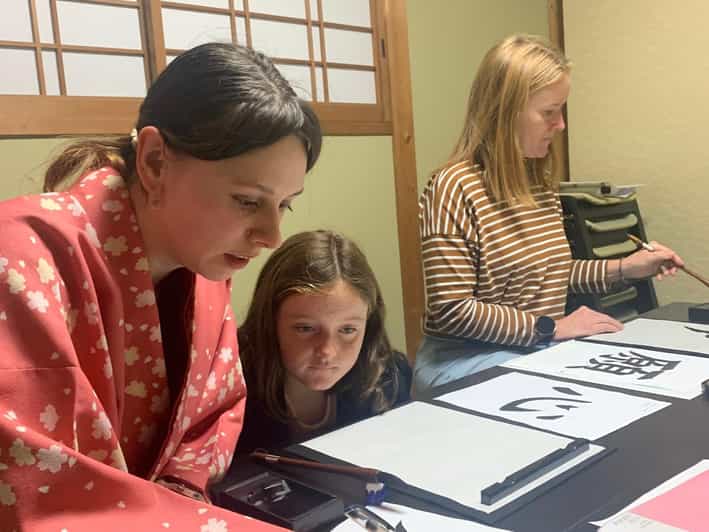
The overall setup feels built for real interaction. The class is designed to be small enough that you can ask questions and get guidance when your brush is doing something surprising.
The host or greeter provides English support. If you reserve on the day before or the same day, the class may be conducted in English. That means you’re not locked out if plans shift, but you should expect the instruction style to lean toward English support in that case.
Also, the pace matters. At 50 minutes, you’re not stuck for hours, and you’re not rushed like it’s a demo. You’re given enough structure to learn, practice a few essentials, and leave with something finished.
Who should book this calligraphy class (and who might want to think twice)
This is a great fit if you want an authentic Kyoto activity that isn’t just walking and snapping photos. It’s beginner friendly, meaning you do not need Japanese language skills or prior art experience.
It’s also a good choice if you like hands-on crafts where the process matters. You’re learning about tools, pressure, and preparation, so the session is more than copying symbols.
You might think twice if you’re not comfortable with rules that affect daily travel. You’ll need socks, clothes that can get dirty, and you should avoid bringing bulky luggage. The class also has a clear no-noise expectation.
And if you’re traveling with kids, note that it’s not suitable for children under 10. That’s a real consideration for families planning around Kyoto crowds.
Should you book Kyoto Ninenzaka Japanese Calligraphy Class in Townhouse?
If you want a Kyoto experience that turns culture into a skill you can feel in your hand, book it. The best reason is the combination: real shodō instruction, beginner-friendly pacing, and a take-home piece you can actually keep.
It’s also a smart value for the setting. You’re paying for instruction and materials time, not just a quick photo stop. At $49 for 50 minutes, the class makes sense when you treat it like a meaningful activity, not a souvenir factory.
One practical tip: plan to wear the right outfit. Bring socks, and wear something you won’t mind if paper and ink get a little too enthusiastic.
If that all sounds manageable, this is the kind of class that adds depth to a Kyoto day without stealing your whole afternoon.
FAQ
How long is the Kyoto Ninenzaka calligraphy class?
The class runs for 50 minutes.
Where is the meeting point?
It is near Kiyomizu Temple, at the end of the alley next to the Starbucks on Ninenzaka.
What is the price per person?
The price is $49 per person.
Do I need to bring socks?
Yes. You should bring socks. If you don’t have them on the day, socks can be provided for a fee.
Is the class beginner friendly?
Yes. The class is beginner friendly and does not require Japanese or art experience.
Is it suitable for children?
It is not suitable for children under 10 years old.
More Tour Reviews in Kyoto

More Kyoto Workshops to Try
More Along the Higashiyama Slopes
Just added: more Kyoto tours to browse



Kiyomizu-dera & Higashiyama Tours, compared.
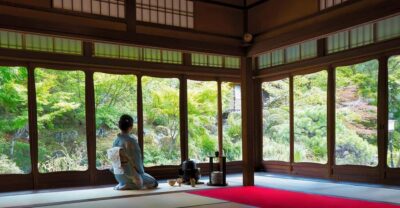 ★ 4.9Tea Ceremony in a Traditional Tea House in KiyomizuFrom $493,519 reviews
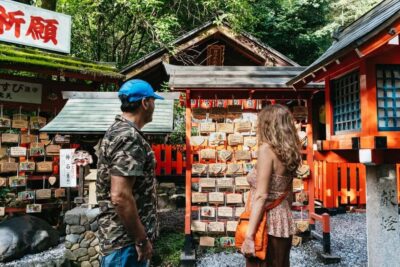 ★ 4.7Nijo Castle, Kiyomizu & Fushimi Inari Guided TourFrom $54700 reviews
 ★ 5.0Nijo, Kinkaku-ji, Arashiyama, Kiyomizu & Fushimi InariFrom $51699 reviews
 ★ 4.8Kyoto Ninenzaka: Tea Ceremony in Old Townhouse with ChairsFrom $21215 reviews
 ★ 5.0Private Rickshaw Tour of Gion and Higashiyama AreaFrom $51144 reviews
 ★ 5.0Kyoto Tea Ceremony & Kiyomizu-dera Temple Walking TourFrom $109115 reviews
 ★ 5.0Kyoto Kiyomizu Tea Ceremony with Scenic Garden ViewsFrom $50101 reviews
 ★ 4.7Kimono/Yukata Rental 5 Minute from Kiyomizu-deraFrom $1989 reviews
Browse the lists this tour appears in