
Reviewed · KIYOMIZU-DERA & HIGASHIYAMA TOURS
Kyoto Tea Ceremony & Kiyomizu-dera Temple Walking Tour
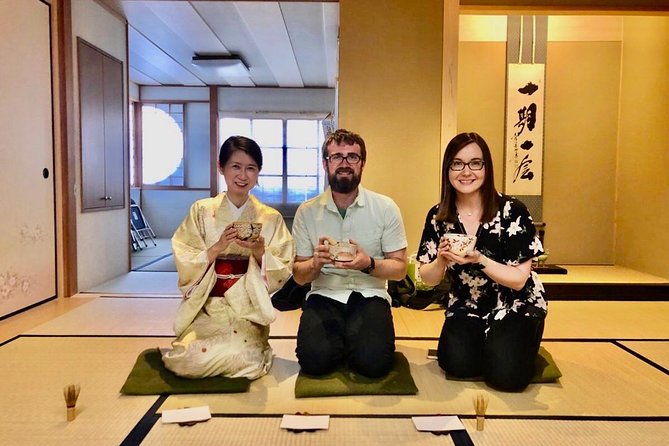
Kyoto feels like it time-traveled, and this walk is the key. You’ll see Kiyomizu-dera and Otowa Waterfall with a guide, then slow down for a traditional tea ceremony and matcha at a calmer pace. The route also threads through the iconic temple streets, so you’re not just ticking off sights.
What I like most is how the tour turns big landmarks into something you can actually understand. With Hide guiding the walk, you get context on the mix of Shinto and Buddhist worship you’ll notice around you, plus practical tips for where to stand for the views.
The other standout is the tea ceremony portion, including sipping matcha and small snacks that make the experience feel complete, not rushed. The one thing to consider: the tour is timed and starts at 9:00 am, so if you hate early starts or easily get flustered finding a meeting point, plan ahead (and in summer, bring water).
In This Review
- Key highlights you’ll feel fast
- Why Kiyomizu-dera and tea belong in the same morning
- The 3-hour rhythm: how the morning flows
- Stop 1: Meet at Yasaka Shrine and get oriented
- Stop 2: Kiyomizuzaka streets and a colorful detour
- Stop 3: Kiyomizu-dera itself, Otowa Waterfall, and the 13-meter stage
- Stop 4: Kiyomizu-zaka near the temple gate and the Niomon gate backdrop
- Stop 5: Sannenzaka and Ninenzaka, plus the fall-and-three-years legend
- Tea ceremony: matcha, formality, and Haruki’s calm tone
- Snacks and photos: small inclusions with real payoff
- What it costs, and whether it feels fair
- Group size and the guide effect
- Practical notes before you go
- Who this Kyoto morning works best for
- Should you book Kyoto Tea Ceremony & Kiyomizu-dera?
- FAQ
- What time does the tour start?
- Where do I meet the guide?
- How long is the experience?
- How many people are in the group?
- What’s included in the price?
- Is there a mobile ticket?
- Is Kiyomizu-dera the main temple stop?
- Are kids allowed?
- Can the tour accommodate dietary restrictions or allergies?
- What’s the cancellation policy?
Key highlights you’ll feel fast
- Small group of up to 6 means you can actually ask questions, not just listen while walking
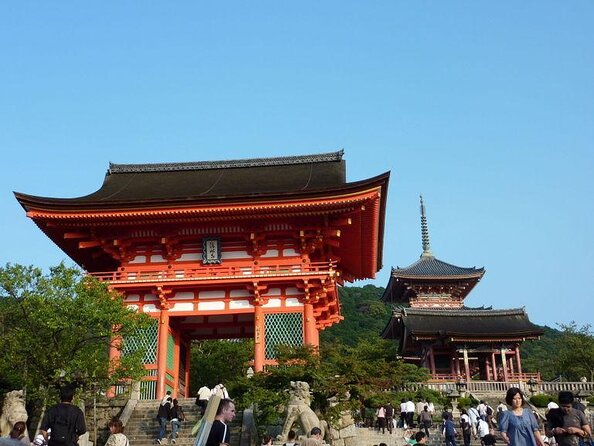
- Kiyomizu-dera wooden stage view plus Otowa Waterfall worship at the source
- Matcha tea ceremony experience included, with a calm, formal break from sightseeing
- Kiyomizuzaka and Sannenzaka slopes with old shops and stories tied to the streets
- Photo stops built in so you can focus on the moment, not your camera timing
Why Kiyomizu-dera and tea belong in the same morning
Kyoto’s temples can feel like a blur if you only look at what’s on the map. This tour works because it pairs a major UNESCO site with a slower, culture-focused reset. You get the big sight—Kiyomizu-dera—then the experience shifts to the kind of ritual that helps you notice details.
I also like that it’s not only about standing in front of a postcard view. You’ll learn what you’re seeing and why people treat places like Otowa Waterfall with ceremony. That changes the way you watch—suddenly you’re not just observing; you’re reading the space.
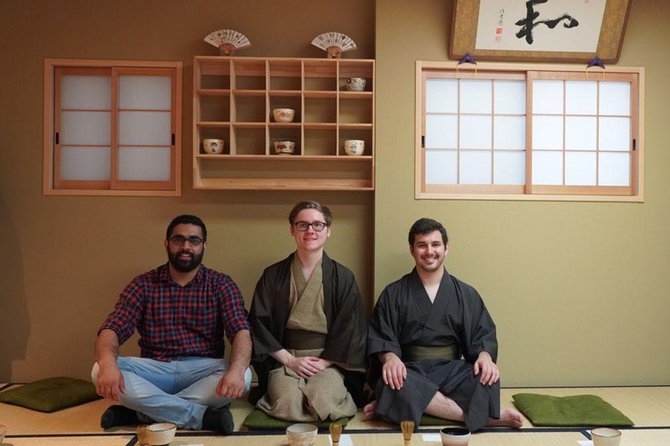
Tea ceremony is a smart contrast after temple walking. It’s structured, quiet, and sensory in a way that makes the morning feel balanced. In one tour you’ll move through slopes, gates, and crowds near popular streets. In the next, you’ll sit and take part in a formal routine that’s meant to slow your breathing.
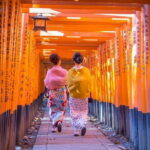
Keep climbing the Higashiyama slopes toward Kiyomizu-dera
The 3-hour rhythm: how the morning flows
The whole experience runs about 3 hours, starting at 9:00 am. You’ll meet at Yasaka Jinja Nishiromon Gate (Western Tower Gate), 625 Gionmachi Kitagawa, Higashiyama Ward, Kyoto. The activity ends back at the meeting point, so you don’t need to plan a second route home.
This kind of timing matters in Kyoto. The main streets and temple approaches can be packed, and a guided flow helps you avoid wasting time figuring out where to go next. It also keeps the pace gentle enough to enjoy photos and explanations without feeling like you’re running.
Stop 1: Meet at Yasaka Shrine and get oriented
You begin at Yasaka Shrine’s western tower gate. From there, the tour quickly settles you into the neighborhood’s logic—what street leads where, which directions matter for the temple approach, and how worship spaces fit together in the area.
There’s also a short photo moment early on. It sounds small, but it helps you feel set up instead of stressed from the start. If you arrive a little early, take a look around the gate area so you can picture the route you’ll follow.
Stop 2: Kiyomizuzaka streets and a colorful detour
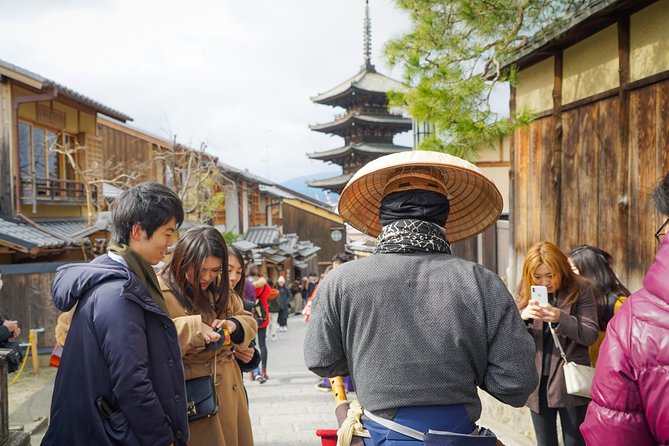
Next you’ll head into Kiyomizuzaka, known for its traditional street feel. You’ll see the kinds of shops that match the area’s heritage: old teashops, Japanese sweets shops, and traditional dried food stalls. The street is the lead-in to the temple, so this segment matters even if you love temples more than shops. It sets the mood.
The tour also includes time around the area near Yasakakoshindo, described as one of the more colorful temple spots in Kyoto. That matters because it breaks the walk into more than a straight line to Kiyomizu-dera. You’re collecting small visual “chapters,” not just moving between checkpoints.
Stop 3: Kiyomizu-dera itself, Otowa Waterfall, and the 13-meter stage
Then comes the main event: Kiyomizu-dera. The site is described as being made on the location of Otowa Waterfall about 1,200 years ago, and the temple’s name relates to the purity of the water. That’s a useful bit of context because Otowa isn’t just a pretty waterfall—it’s part of how the place is worshipped.
You’ll visit the wooden stage, about 13 meters above the ground. From there, the views are the highlight: you can look over the sea of trees and toward Kyoto in the distance. The tour also leans into what the waterfall practice means. Otowa has three separate streams, and each is associated with different benefits.
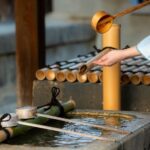
The ceremony is interactive. You’ll use a cup attached to a long pole, choose one stream, and drink. That’s one of the best “you can participate” moments of the tour because it turns the space into an active experience, not just a photo stop.
And yes, you’ll get the worship rhythm explained. It’s the kind of thing that helps you understand what locals are doing without feeling like you’re interrupting.
More temples and shrines to slow down in across Kyoto

Stop 4: Kiyomizu-zaka near the temple gate and the Niomon gate backdrop
After Kiyomizu-dera, you pass by the temple approach again—specifically near Kiyomizu-zaka and the area where you can see big architectural landmarks at the top of the hill. The tour notes the Niomon Gate and the three-story pagoda as key sights that stand out from this angle.
This is also where souvenir energy shows up. Stores sell Kyoto items like pickles and yatsuhashi, and you may spot smaller specialty shops along the way. If you’re not into shopping, it’s still worth walking this segment because you’ll see how the pilgrimage path turns into a visitor lane without losing its slope-and-steps character.
The tour also mentions a Kiyomizu doll store near the temple gate area. It’s exactly the kind of detail that makes a guided walk more memorable than a solo wander.
Stop 5: Sannenzaka and Ninenzaka, plus the fall-and-three-years legend
Finally, you pass by Sannenzaka and Ninenzaka nearby the temple area. You’ll get a couple layers of street explanation, including a legend tied to Sannenzaka. The story says that if you fall on the slope, you die within three years, or your life span shortens by three years. It’s framed as a warning to watch your step.
There’s also a background note that the road name is associated with the Daido period, with different theories around how it got its name. Even if you don’t memorize dates, the point is practical: the street is old, steep, and meant to be walked carefully.
The best part is that the story makes the physical climb feel purposeful, not just tiring. You’re walking on a slope that locals built meaning into over centuries.
Tea ceremony: matcha, formality, and Haruki’s calm tone
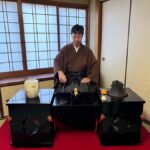
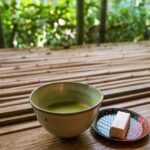
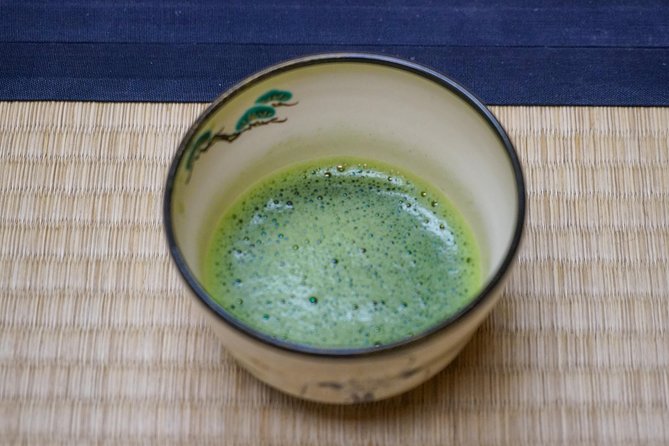
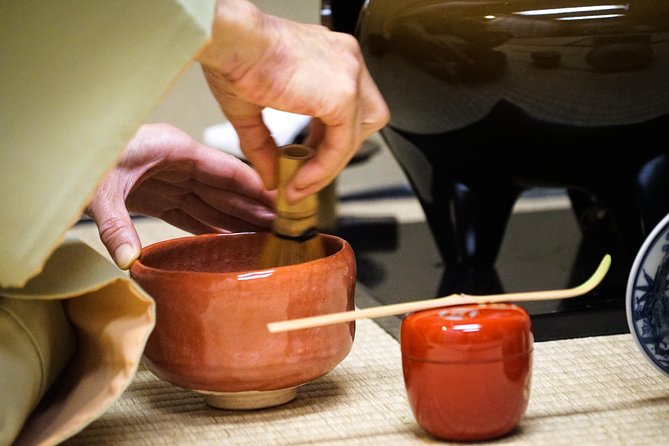
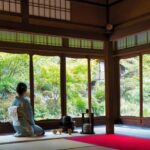
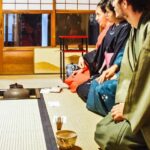
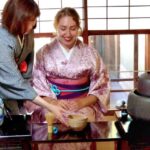
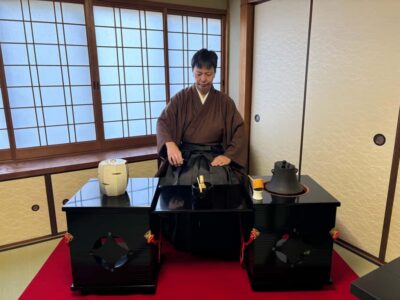
Tea ceremony is included, along with matcha (green tea) and snacks. The format here matters because it’s not just tasting matcha; you’re experiencing a formal ritual.
One of the strongest moments in the tour’s reputation is the tea portion feeling calming. In at least one instance, the tea ceremony instructor was Haruki, described as sweet and entertaining, which is a good sign for first-timers. If you’re worried you’ll be lost in ceremony details, a friendly guide helps you relax and follow what’s happening.
What you’ll likely appreciate most is the pacing. A temple walk is active. Tea ceremony is controlled. Your body shifts from walking stance to seated attention. That shift is part of why this pairing works so well for a first visit.
Also, tea ceremony + snacks fits the tour’s length. You get a break before the route wraps back toward the meeting point. That’s useful if you’re trying to make your Kyoto day feel like a planned experience rather than a stressful sprint.
Snacks and photos: small inclusions with real payoff
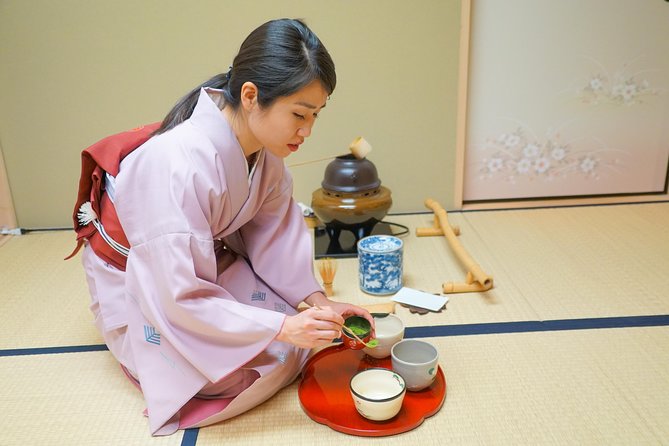
The tour includes snacks, plus photos during the tour. That sounds minor, but it changes how you move. When someone’s prompting where to stand and when to take a photo, you waste less time juggling your phone and your route.
The snack component also helps you manage energy. Kyoto walking can stack up fast, especially around temple areas where you stop, look, and listen. A few small samplings help keep you from relying on finding food later when you’re already tired.
What it costs, and whether it feels fair
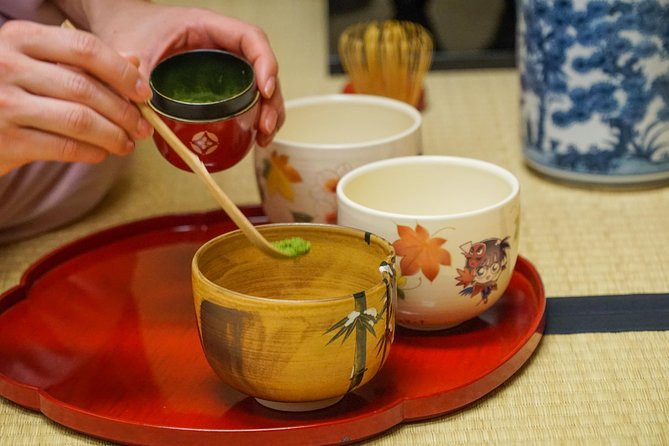
The price is $109.39 per person for about 3 hours in Kyoto. For this length, you’re paying for several bundled items: Kiyomizu-dera entrance, tea ceremony, matcha, snacks, guide time, and photo assistance.
Is it a bargain compared to walking on your own? Not really. You’re paying for two things that are hard to replicate: (1) someone local explaining what you’re looking at as you walk, and (2) an organized tea ceremony experience without trial-and-error.
For me, the value comes from reducing uncertainty. Kyoto is full of temples, but the question isn’t whether you can reach Kiyomizu-dera. It’s whether you’ll understand Otowa Waterfall worship and the stories tied to the slopes and streets while you’re there. This tour buys you that clarity in a short time block.
Group size and the guide effect
This is capped at a maximum of 6 travelers, which is the sweet spot for a walk-and-learn format. You’re not lost in a line, and you can actually ask follow-up questions when something doesn’t make sense.
The guide name that stands out from experience accounts is Hide. The impression is that he connects history and religion with normal conversation in a way that keeps the pace relaxed. There’s also a sense of humor that helps on a day full of steps. A good guide doesn’t just list facts; they make the walk feel livable.
If you enjoy learning but don’t want to sit through a lecture, this format fits.
Practical notes before you go
A few things to plan for so the experience stays comfortable.
- Wear shoes for slopes and steps. Kiyomizuzaka and Sannenzaka are part of the charm, but they’re also real inclines.
- Summer is hot and humid. Bring water and a hat to help prevent heat stress.
- Kids under 6 aren’t allowed, so this is an adult-friendly option for families with older kids.
- Food allergies or dietary restrictions aren’t guaranteed. The tour notes that food is prepared in kitchens that don’t belong to the tour provider, and substitutions may not always be possible.
If you’re traveling with dietary needs, it’s worth thinking through what you can handle. The snacks and tea are part of the package, so going in with clear expectations helps.
Who this Kyoto morning works best for
This tour is a strong match if:
- You want a first-day orientation to Kyoto’s temple area without getting stuck with a map.
- You like guided context, especially about how Shinto and Buddhist spaces show up side by side.
- You’re curious about tea ceremony but don’t want to figure out etiquette on your own.
- You prefer a small group where you can ask questions and not feel rushed.
If you want only free-roam time with zero structure, this may feel a bit guided. But if you like walking with a plan and learning as you go, it’s a great fit.
Should you book Kyoto Tea Ceremony & Kiyomizu-dera?
I’d book this if you want your Kyoto temple visit to come with meaning, not just sights. The best reason is the combination: Kiyomizu-dera and Otowa Waterfall worship on one side, then a matcha tea ceremony and snacks that slow your brain down on the other.
Be sure you’re okay with a set start time at 9:00 am and the reality of walking slopes in the temple district. Also, if you have serious allergies or need strict dietary swaps, take extra care since the tour can’t guarantee allergy-free preparation.
If those points work for you, this is a high-value way to get a compact Kyoto experience that feels both cultural and practical—guided enough to keep you oriented, relaxed enough to enjoy it.
FAQ
What time does the tour start?
The tour starts at 9:00 am.
Where do I meet the guide?
You meet at Yasaka Jinja Nishiromon Gate (Western Tower Gate), 625 Gionmachi Kitagawa, Higashiyama Ward, Kyoto, 605-0073, Japan.
How long is the experience?
It’s listed as about 3 hours.
How many people are in the group?
The tour has a maximum group size of 6.
What’s included in the price?
The tour includes Kiyomizu-dera entrance fee, a tea ceremony experience with matcha, snacks, photos during the tour, and 3 hours with a Kyoto local guide.
Is there a mobile ticket?
Yes, it’s listed as a mobile ticket.
Is Kiyomizu-dera the main temple stop?
Yes. The tour includes a visit to Kiyomizu-dera Temple and its Otowa Waterfall area.
Are kids allowed?
Children under 6 years old are not allowed on this tour.
Can the tour accommodate dietary restrictions or allergies?
The tour states it cannot guarantee allergy-free or dietary accommodations, since the food is prepared in kitchens that do not belong to MagicalTrip, and substitutions may not be possible at certain stops.
What’s the cancellation policy?
Free cancellation is available. You can cancel up to 24 hours in advance for a full refund. Changes made less than 24 hours before the start time aren’t accepted, and cancellations within 24 hours won’t be refunded.
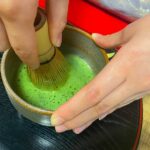
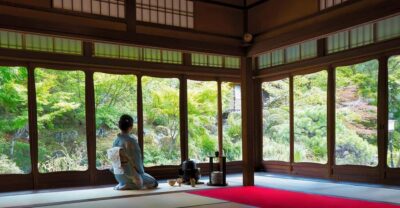
One More Bowl of Matcha
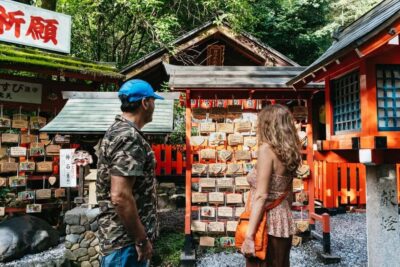
More Kyoto Temples and Shrines
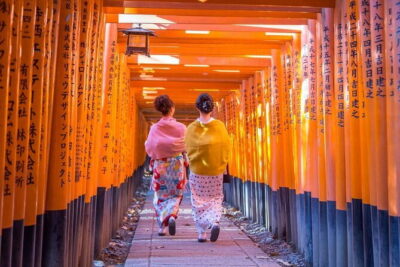
More Along the Higashiyama Slopes

Just added: more Kyoto tours to browse





Kiyomizu-dera & Higashiyama Tours, compared.
 ★ 4.9Tea Ceremony in a Traditional Tea House in KiyomizuFrom $493,519 reviews
 ★ 4.7Nijo Castle, Kiyomizu & Fushimi Inari Guided TourFrom $54700 reviews
 ★ 5.0Nijo, Kinkaku-ji, Arashiyama, Kiyomizu & Fushimi InariFrom $51699 reviews
 ★ 4.8Kyoto Ninenzaka: Tea Ceremony in Old Townhouse with ChairsFrom $21215 reviews
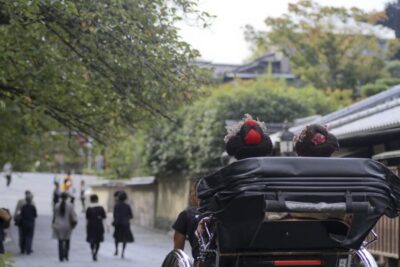 ★ 5.0Private Rickshaw Tour of Gion and Higashiyama AreaFrom $51144 reviews
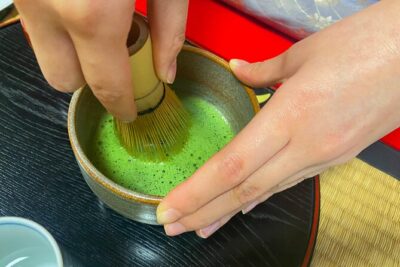 ★ 5.0Kyoto Kiyomizu Tea Ceremony with Scenic Garden ViewsFrom $50101 reviews
 ★ 4.7Kimono/Yukata Rental 5 Minute from Kiyomizu-deraFrom $1989 reviews
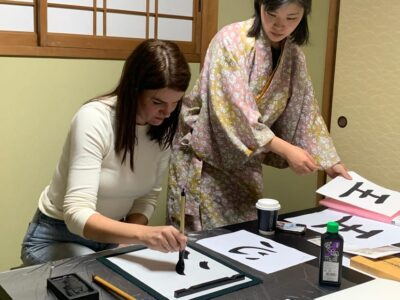 ★ 5.0Kyoto Ninenzaka : Japanese Calligraphy Class in TownhouseFrom $4959 reviews
Browse the lists this tour appears in