
Reviewed · KYOTO CRAFT & CALLIGRAPHY WORKSHOPS
Kyoto: Japanese Koto & Shamisen Concert and Koto Class
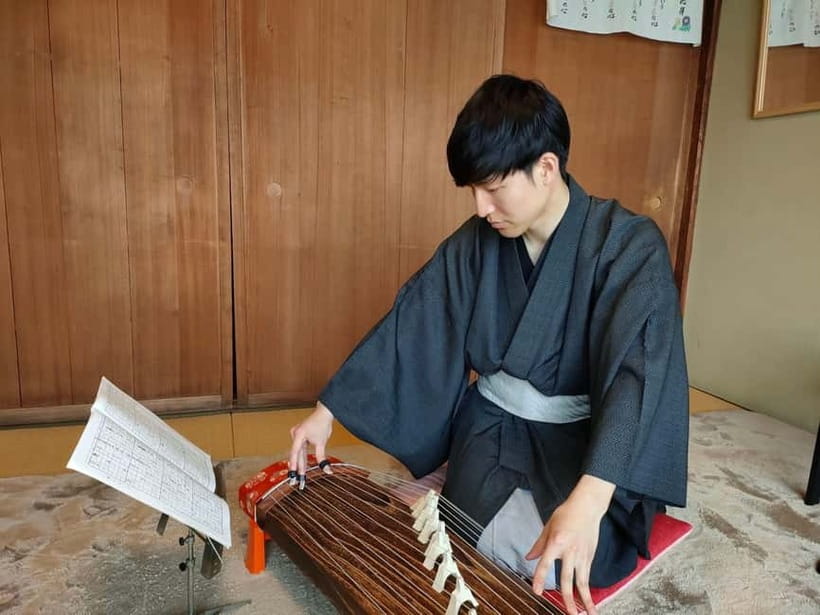
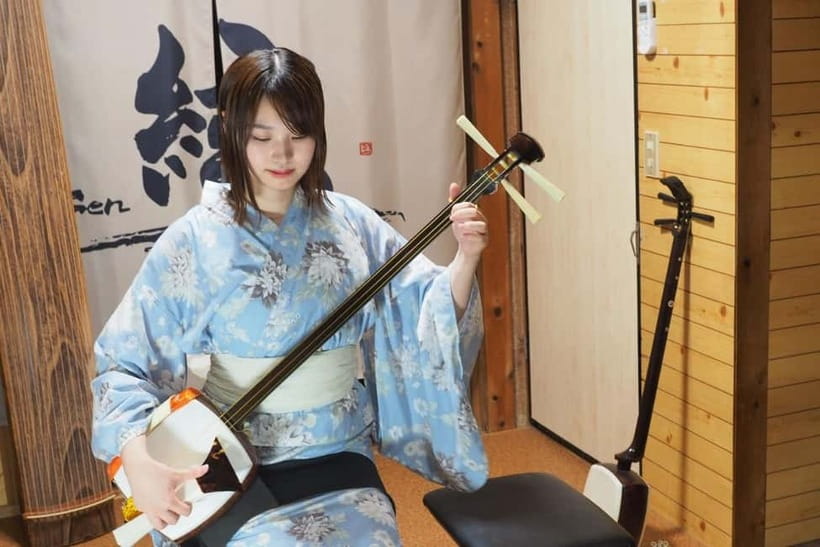
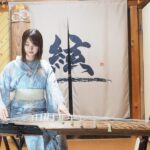
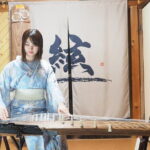
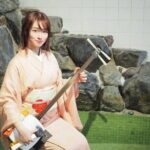
Kyoto can feel huge. This experience makes it feel personal. In a small old house, you hear koto and shamisen played by professionals, then you get time with the performers. You’ll hear everything from classic pieces to newer and even original works, and you’ll finish by trying the koto yourself.
What I love most is the setting. The concert happens in a homey space that feels more like visiting than watching from far away. I also like that you’re not stuck listening only—there’s a Q&A moment where names like Aoi and Shohei (and Kyoko-san in some sessions) show up through their teaching, plus a hands-on try at the end.
One thing to consider: finding the small residential house can be tricky at first, and being late can cut into your time. If you arrive stressed or already behind schedule, you might not enjoy it as much as you could.
In This Review
- Key things that make this Kyoto experience worth your time
- A Kyoto koto concert in a real home, not a museum hall
- How the program runs: intro, live set, Q&A, photos, and your koto try
- What you learn about koto and shamisen (beyond the basics)
- The koto class: beginner-friendly, patient, and actually fun
- Timing and logistics: where it fits in your Kyoto day
- Price and value: why around $38 can feel like a lot more
- The venue experience: what that old house feels like
- Who should book (and who should rethink it)
- Final decision: should you book this Kyoto koto and shamisen concert?
- FAQ
- How long is the Kyoto koto and shamisen concert and class?
- What languages are used during the experience?
- Is this a private or small-group experience?
- Do I get to try playing the koto?
- What is included in the price?
- Is transportation to the venue included?
- Are meals and drinks included?
- Where can I fit it if I’m visiting other Kyoto sights the same day?
- Is there free cancellation?
- Who is this experience not suitable for?
Key things that make this Kyoto experience worth your time
- Small-house concert vibe: intimate space, not a big theater, so the sound feels close.
- Professional, mixed repertoire: classical, contemporary, and original compositions show the instruments are alive.
- Q&A after the performance: you get direct answers instead of just reading captions later.
- You try the koto: beginner-focused guidance with the instrument provided.
- Photos included: you’ll have something to remember the day beyond your own shaky phone video.
A Kyoto koto concert in a real home, not a museum hall
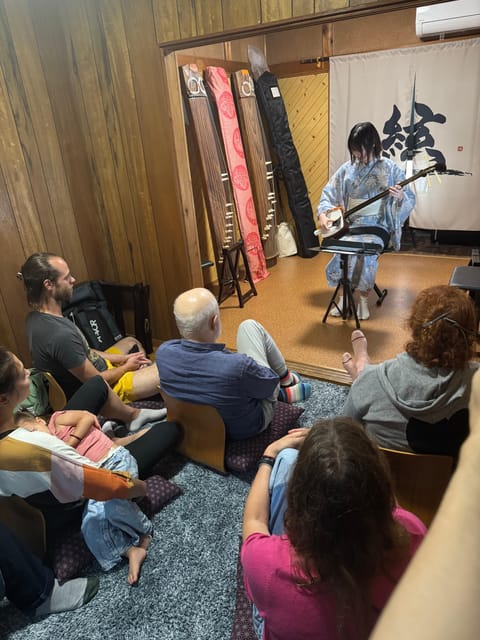
Most Kyoto music experiences happen in temples, halls, or spaces that feel formal and far from the musicians. This one is different because it’s staged in an old, small Japanese house. The room is cozy. The mood is calm. The sound lands right where you’re sitting.
That matters more than you might think. Koto and shamisen music isn’t loud in a modern way. It’s more about texture, pacing, and detail. In a home setting, those subtle sounds come through more clearly, and you feel like you’re part of the performance rather than a spectator at a distance.
I also like that it’s not a rigid “sit, listen, leave” format. You’re encouraged to ask questions. You’re able to take photos. And when the lesson starts, you’re not thrown into something complicated with zero context. That structure gives you a win even if you know nothing about Japanese traditional music.
Make something by hand in a Kyoto workshop

How the program runs: intro, live set, Q&A, photos, and your koto try
Expect a total visit of about 1 hour to 100 minutes. The flow is steady, and it’s designed so you can follow even if you’re brand-new.
First, there’s a short introduction to the instruments. You’ll hear about the koto and the shamisen, and you’ll learn why they sound the way they do. You’ll also get a look at the sheet music style used for these pieces, which helps you understand what you’re watching instead of guessing.
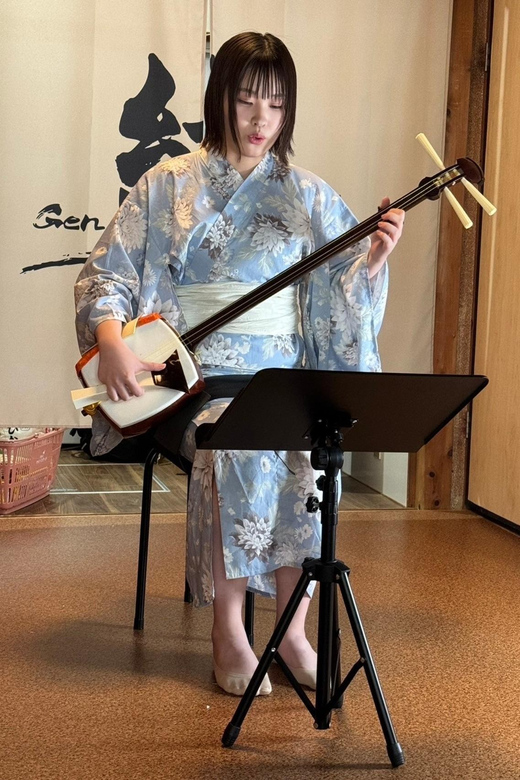
Next comes the live performance by professionals. This is the part you’ll remember later when you try to picture the music. You’ll hear traditional-style pieces with vocals in some programs, and you’ll also hear contemporary segments that change the rhythm and feel.
After the performance, you move into a close-up Q&A session. This is one of the best parts because you can ask real questions—how techniques work, what you’re hearing, and what to listen for next time. The tone stays friendly and supportive, which shows up again in the teaching style during the class.
Then there’s photo time. You’re given photos of your experience as well, which is handy if you don’t want to worry about getting everyone in focus.
Finally, you try playing the koto. There’s guidance from a professional instructor, and you’ll start with something simple enough to feel rewarding quickly. For many first-timers, that ending is the moment they realize how approachable the instrument can be.
What you learn about koto and shamisen (beyond the basics)
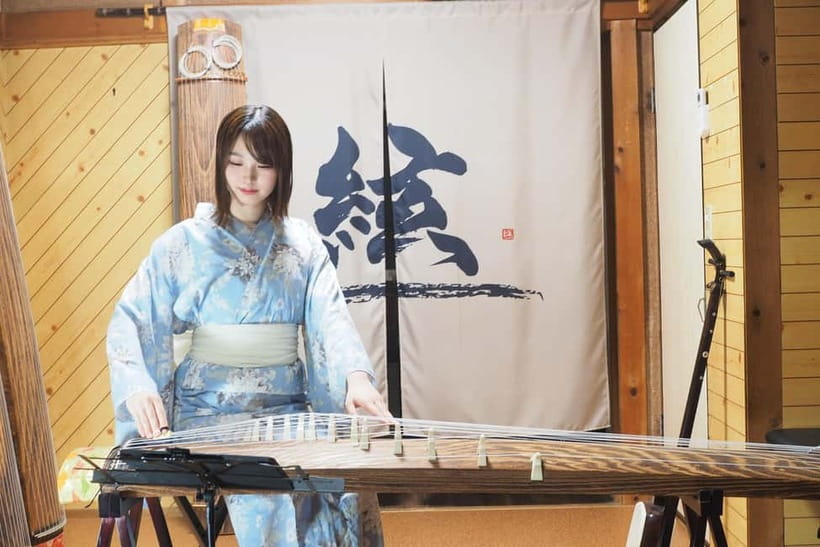
A big reason people love this is that the explanation doesn’t turn the music into homework. You get practical context, fast.
You learn a few fundamentals:
- what the koto and shamisen are in terms of sound and role
- how the sheet music is read so you’re not totally lost while watching
- why the techniques matter, because changes in technique produce changes in timbre
You’ll also notice the performers shift their energy depending on the piece. In traditional selections, vocals and phrasing can feel emotional and close to the voice. In contemporary compositions, the rhythm and presentation can feel more modern, even when the instrument is unmistakably Japanese.
Some sessions also include original works, and that’s a neat reminder that this music isn’t trapped in the past. It’s something artists are still building. If you’re the type who likes hearing how tradition evolves, this program gives you proof without needing extra research.
And the Q&A makes it stick. When someone answers your question directly, you leave with a “now I get it” memory, not just a general impression.
The koto class: beginner-friendly, patient, and actually fun
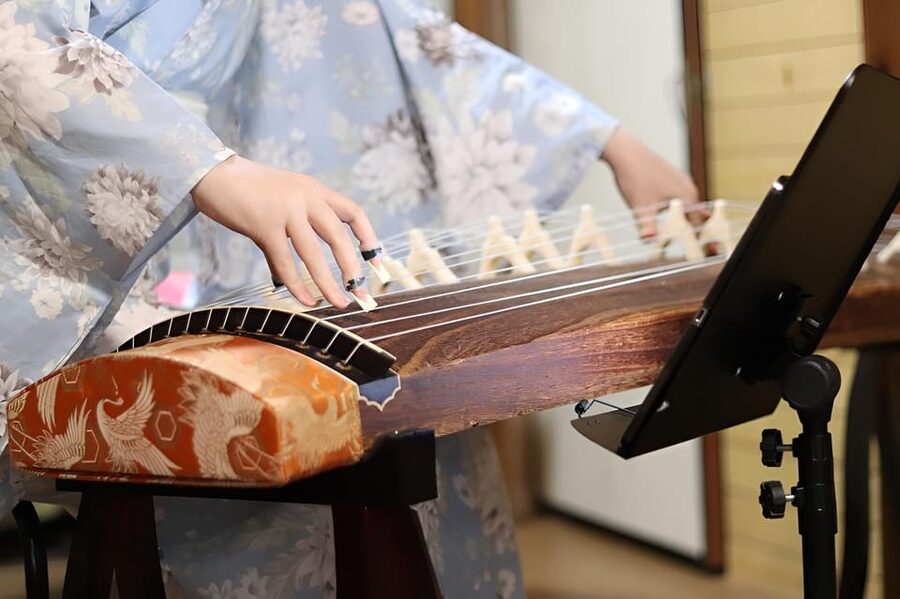
Trying the koto at the end is the payoff. It turns the concert from passive entertainment into something you carry home in your hands and ears.
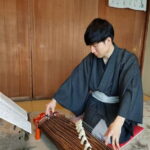
In the class portion, you’ll use the koto instrument provided on-site and you’ll get skilled instructor guidance. The teaching style is built for beginners. People with zero musical background report feeling supported and encouraged, including when learning basic techniques in a short time.
What’s especially good here is the pacing. You don’t get drowned in theory. You get cues. You try. You adjust. Then you try again. That keeps frustration low and confidence up.
If you’re traveling with family, this is one of those activities where kids and adults can both walk away feeling competent—at least with the basics. The goal isn’t turning you into a player overnight. The goal is giving you the charm of the instrument up close, and the ability to say you tried it with guidance from a professional.
One more nice detail: in some sessions, the instructor may invite you to connect personally with the music. Some learners mention being encouraged to try their own ideas during the lesson, not just copy one exact pattern. Even a small moment like that makes the class feel less scripted.
Timing and logistics: where it fits in your Kyoto day
This experience doesn’t come with meals or drinks, so plan your schedule like a short cultural stop with a clear start time. Because the total visit is about 1 hour to 100 minutes, it works well as:
- an early evening activity after sightseeing
- a cultural break between bigger temple blocks
- a focused outing if you want something quieter than the city’s busiest areas
Transportation isn’t included, so you’ll handle getting there yourself. That said, you can plan your day around nearby attractions listed for easy pairing:
- Arashiyama: about 25 minutes by train and on foot. It’s convenient if you’re already using Saiin Station as a transfer point.
- Nijo Castle: about 20 minutes by train and on foot. It’s just one station from Nijo Castle-mae on the Tozai Line.
- Kinkakuji (Golden Pavilion): about 20–25 minutes by bus and on foot from the Nishioji Sanjo area.
- Nishiki Market: about 25 minutes by train and on foot. It’s easy to reach via Hankyu Line stops like Karasuma or Kawaramachi.
Here’s the practical move: build in buffer time. Reviews mention the house can be hard to spot in a residential area, and one person noted they had to wait outside briefly until a few minutes before the show. If you’re using public transit, give yourself a little extra walking time so you don’t arrive already rushed.
Other Kyoto tours and experiences to compare
Price and value: why around $38 can feel like a lot more
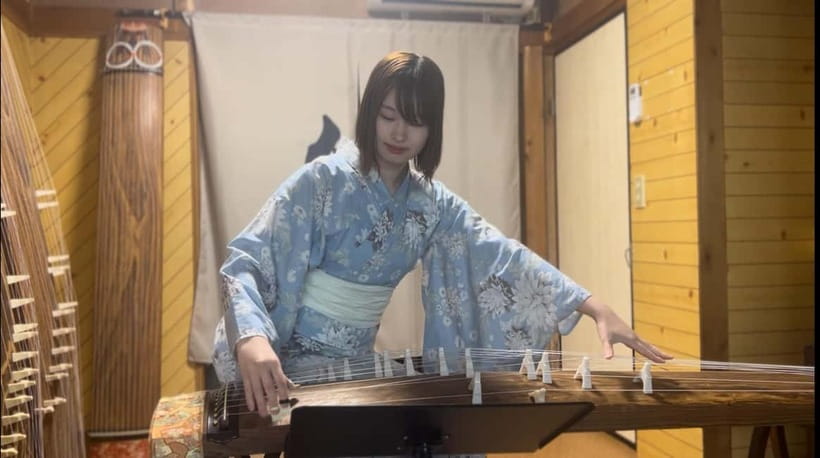
At about $38 per person for a program that’s part concert, part Q&A, and part hands-on lesson, the value is strong—mostly because of the format.
You’re paying for:
- professional musicians playing live
- a guided intro and cultural explanation
- time for private or small-group interaction
- use of the instrument plus teaching support
- photos of your experience
The small setting is the real driver of value. In bigger venues, your experience can be mostly the performance only. Here, you get a closer relationship with the art and the people making it. The chance to ask questions and then try the instrument yourself turns your ticket into a full arc, not just a single show.
I’d especially call it good value if you’re the type who hates “sit through a lecture” experiences. This one is more like: listen, understand, connect, try.
If you’re price-sensitive, there may also be a performance-only option available in some cases. If that’s offered during your dates, it could be a smart way to fit the music into a tighter budget. Still, the hands-on class is a key reason this experience lands so well for most people.
The venue experience: what that old house feels like
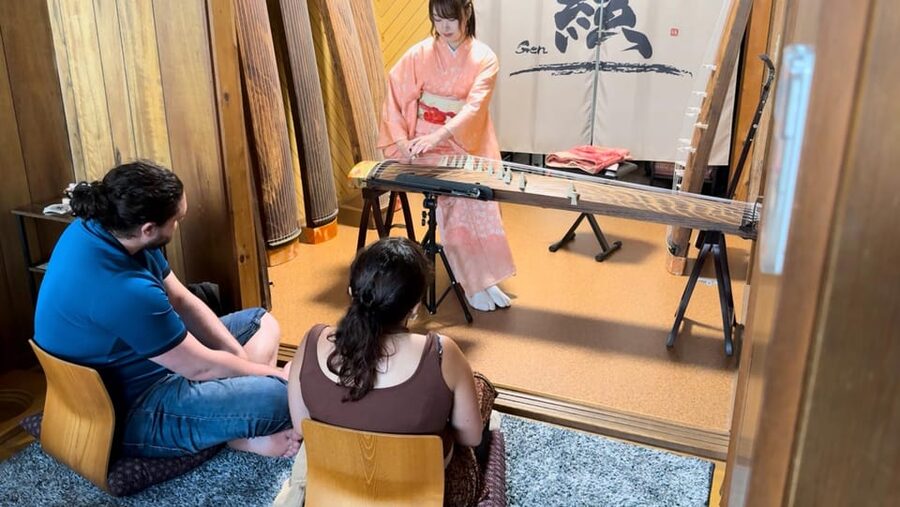
The room itself is part of the magic. It’s small, homey, and intimate, unlike the larger temple settings you might picture for Kyoto’s arts scene. You’ll likely feel the quiet attention of everyone inside because it’s not a large crowd environment.
That also means small things become important:
- arrive on time so you don’t compress your lesson
- keep expectations realistic for an intimate home: you’re close, so the experience stays human
- don’t plan to talk loudly or treat it like a casual restaurant meal stop
One review noted the alley could be dark and that they waited outside until the show start. If you’re walking in at dusk, bring a bit of patience and keep your eyes open for the entrance. If you’re overwhelmed, a taxi can help you get closer; then use your phone map for the last short walk.
Who should book (and who should rethink it)
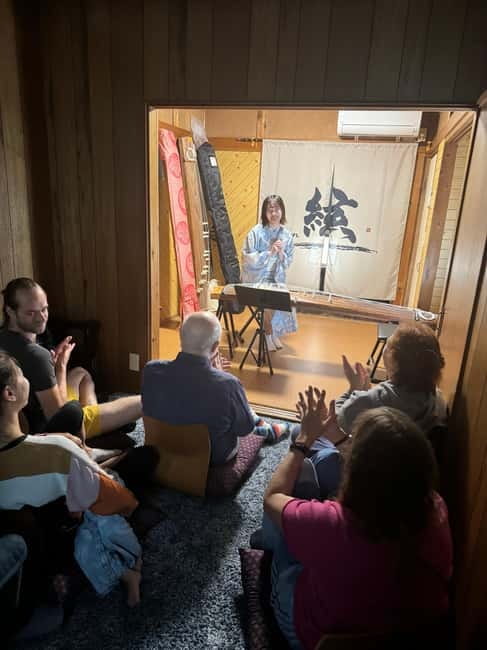
This is a great fit if you want:
- an authentic instrument experience that’s not staged like a show for tourists
- a beginner-friendly introduction to Japanese traditional music
- a chance to ask questions and meet the performers in a relaxed way
It’s also a strong choice for families, because the format is supportive and the try-it-yourself section is designed to be approachable. One review described it as a memorable event for a daughter and parent.
Age matters here. The experience isn’t suitable for children under the listed minimums, including babies under 1 and children under 2, under 3, and under 4. So check your child’s age carefully before you book.
Also, share any physical limitations or allergies in advance. That isn’t about paperwork for its own sake—it helps make sure the experience runs smoothly and comfortably for everyone.
Final decision: should you book this Kyoto koto and shamisen concert?
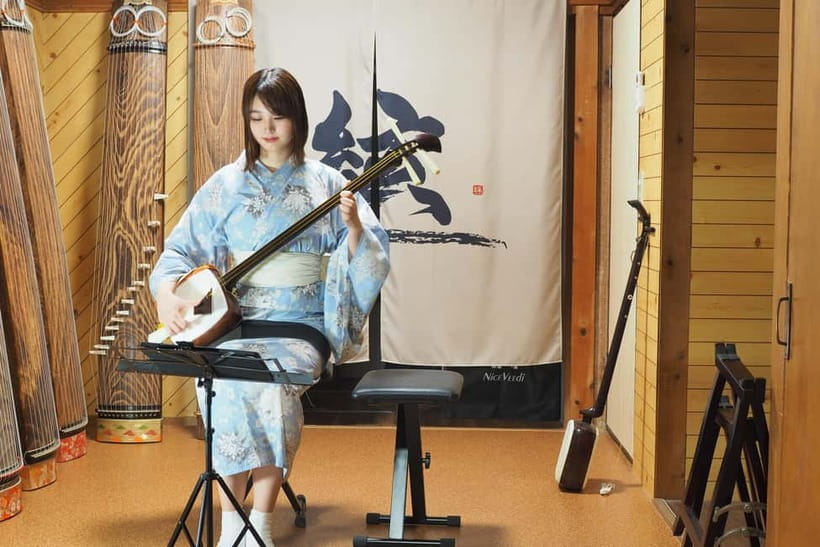
If you’re deciding between a big-ticket temple stop and a small cultural moment, I’d book this. It’s one of the few Kyoto activities that combines live professional music with real conversation and then lets you physically interact with the instrument.
Skip it only if you hate intimate settings, dislike quieter experiences, or you know you’ll struggle with timing and finding the place. If you’re already stressed about logistics, give yourself extra arrival buffer.
But if you’re even slightly curious about Japanese string music, want a calmer evening, and like the idea of leaving with more than photos—this is a strong bet.
FAQ
How long is the Kyoto koto and shamisen concert and class?
The experience runs about 1 hour to 100 minutes. You’ll want to check the available starting times for your specific date.
What languages are used during the experience?
Instruction and support are available in English and Japanese.
Is this a private or small-group experience?
Yes. Private or small groups are available, and there is a private session for your group.
Do I get to try playing the koto?
Yes. At the end of the program, you can try playing the koto yourself with guidance from the instructor.
What is included in the price?
The package includes all necessary materials and tools, use of the koto instrument, skilled instructor guidance, a brief cultural introduction, a private session for your group, and photos of your experience.
Is transportation to the venue included?
No. Transportation to and from the meeting point is not included.
Are meals and drinks included?
No. Meals and drinks are not included.
Where can I fit it if I’m visiting other Kyoto sights the same day?
The information provided connects it to several popular areas: Arashiyama (about 25 minutes by train and on foot), Nijo Castle (about 20 minutes by train and on foot), Kinkakuji (about 20–25 minutes by bus and on foot), and Nishiki Market (about 25 minutes by train and on foot).
Is there free cancellation?
Yes. You can cancel up to 24 hours in advance for a full refund.
Who is this experience not suitable for?
It’s not suitable for babies under 1 year, and children under 2, under 3, and under 4 years based on the limits provided.
More Concerts in Kyoto
More Tour Reviews in Kyoto

More Kyoto Workshops to Try

Just added: more Kyoto tours to browse





Kyoto Craft & Calligraphy Workshops, compared.
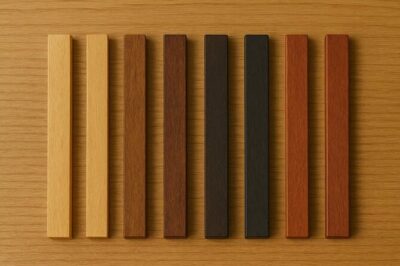 ★ 5.0Chopsticks Making Workshop in Gion with Engraving OptionFrom $15958 reviews
 ★ 4.8Authentic knife making experience at a blacksmith in KyotoFrom $154350 reviews
 ★ 5.01-Hour Japanese Archery Experience in KyotoFrom $46176 reviews
 ★ 5.0Calligraphy class at Buddhist temple in city centerFrom $55167 reviews
 ★ 5.0Roketsu dyeing experience: M course Roketsu Dyeing ExperienceFrom $25163 reviews
 ★ 4.9Japanese Archery Workshop with Experienced InstructorFrom $38132 reviews
 ★ 4.8Japanese Calligraphy ClassFrom $5189 reviews
 ★ 5.0TAIKO, Japanese Drum Experience from KyotoFrom $11586 reviews
Browse the lists this tour appears in