
Reviewed · CONCERTS
Concerts Played with Traditional Instruments in Kyoto
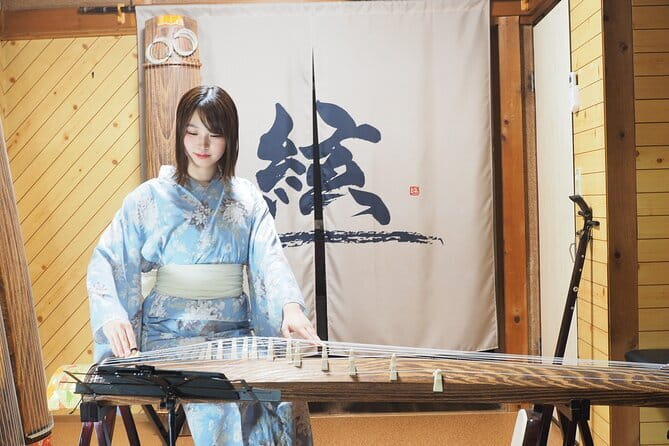
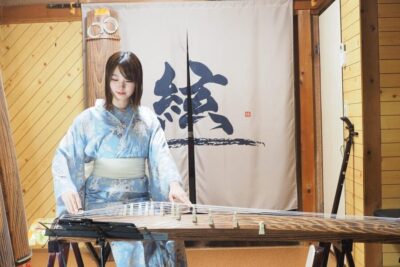
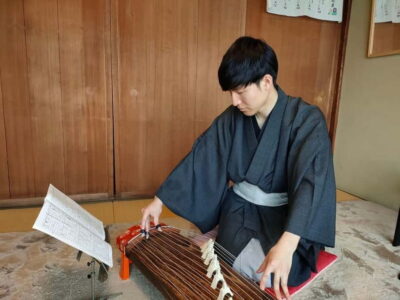
A Kyoto home turns into a concert hall for 50 minutes. This experience gives you a koto and shamisen intro before the music starts, then follows with a live performance, a Q&A, and time to take photos with the performers. I also love that the program mixes classic and contemporary-sounding pieces, so you’re not stuck in one mood. One drawback: it’s not built as a big “show for crowds,” so if you want nonstop action or lots of sightseeing, this will feel more intimate than flashy.
This is the kind of performance you feel in a room—quiet enough to hear details, cozy enough to ask questions. You can even upgrade to try a simple koto piece yourself, which is a fun way to turn listening into something you can actually do. If you’re short on time in Kyoto, pick a time slot that matches your energy, because you’ll want your brain switched on for the explanations.
In This Review
- Key highlights you’ll remember
- A Kyoto home stage for koto and shamisen
- The pre-concert intro: hearing the instruments with context
- The 50-minute performance: classic names and real variety
- The Q&A and photo time that make it feel personal
- Hands-on upgrade: trying a simple koto piece
- What to expect at Gen Home Saiin
- Pieces, emotions, and what to listen for
- Price and value: $39.63 for a home concert that teaches
- How to choose the right time slot
- Who this Kyoto concert suits best
- Quick practical tips before you go
- Should you book this Kyoto home concert?
- FAQ
- What instruments are featured in the Kyoto concert?
- How long is the concert?
- Is there a chance to ask questions during the experience?
- Can I take photos during the tour?
- Is the tour only for watching, or can I play an instrument?
- What pieces are performed?
- Where does it take place?
- What’s included in the ticket price?
- What should I bring or know about tickets and getting there?
Key highlights you’ll remember
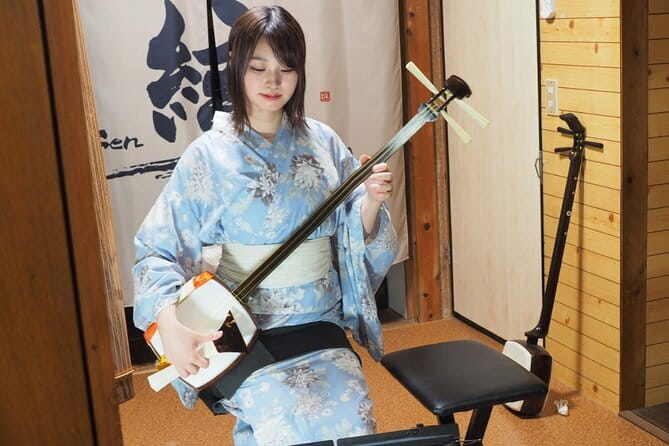
- A private-home style stage at Gen Home Saiin, with a truly close-up vibe
- Koto and shamisen pre-concert intro so the music makes more sense as it plays
- Live performance plus Q&A and photo time with the professional musicians
- Classic and modern (and original) pieces in the same session
- Optional hands-on koto upgrade to try playing a simple piece
A Kyoto home stage for koto and shamisen
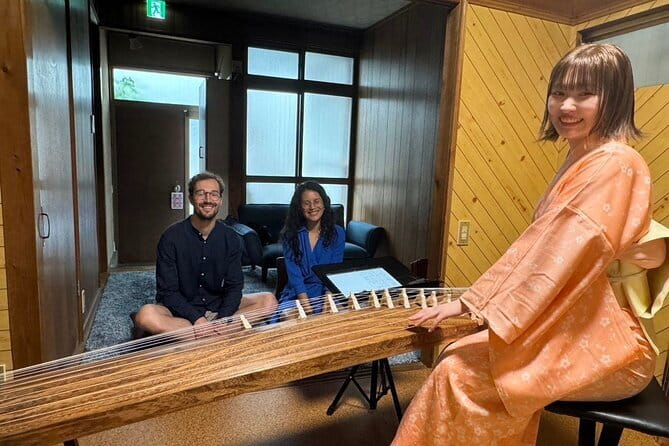
Kyoto can overwhelm you with options. This is the opposite: a focused musical evening in a real home space—somewhere the instruments feel close and personal instead of distant and formal. The setting at Gen Home Saiin matters. It makes the concert feel less like a ticketed event and more like you’re being invited to listen with care.
For me, the biggest win is that it turns music appreciation into something active. You don’t just sit down and hope you get it. You get a short, organized introduction first, then the performance follows immediately so the context sticks. The second thing I like is the mix of styles: classic pieces show up alongside more modern and original compositions, so the session doesn’t feel like one long museum-style track.
The practical thing to know: this isn’t a huge venue experience. If you like big spectacle, you might find the scale small. If you like details and a calm setting where you can ask questions, this is exactly your speed.
Other Kyoto tours and experiences to compare

The pre-concert intro: hearing the instruments with context
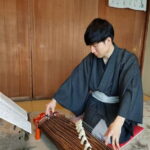
Before the music begins, you learn about the koto and shamisen. That matters more than you’d think. When you walk in with at least a basic understanding of what you’re hearing, you stop waiting for meaning and start noticing the patterns, changes, and mood shifts as the musicians play.
This intro also sets you up for the Q&A later. You’re not just asking random questions—you’ll have names, roles, and basic background to work from. Based on the experience format and how it’s described, you should expect the explanations to be clear and structured, including in English.
If you usually skip “intro talks” at attractions, don’t do that here. The short setup is the bridge between listening like background music and listening like you’re part of the room’s conversation.
The 50-minute performance: classic names and real variety
The concert runs about 50 minutes. In that time, the musicians perform a set that includes well-known classical titles as well as modern and original pieces. That blend is one of the strongest parts of the experience because it keeps your attention moving.
You’ll likely recognize the structure even if you’re new to the instruments: the program moves through multiple compositions, not one single piece held for ages. The specific titles highlighted include Chidori no Kyoku, Rokudan no Shirabe, and Kajimakura. Knowing those names ahead of time can help you pay attention when each one starts—especially if you like to follow along mentally, even without a lyric sheet.
The session also draws on legendary composers and performers connected to the tradition, including Yoshizawa Kengyo, Yatsuhashi Kengyo, and Kikuoka Kengyo. Even if you don’t memorize names, seeing that lineage acknowledged gives the music more weight. You’re hearing something with roots, but you’re also hearing it as a living performance happening right now.
One more detail that’s worth your attention: the repertoire isn’t only “old style.” You’ll hear interpretations that range from pieces tied to history to works that sound contemporary. That range is probably why some people describe the performance as emotional, even moving to tears. It’s not just technical. It’s expressive.
The Q&A and photo time that make it feel personal
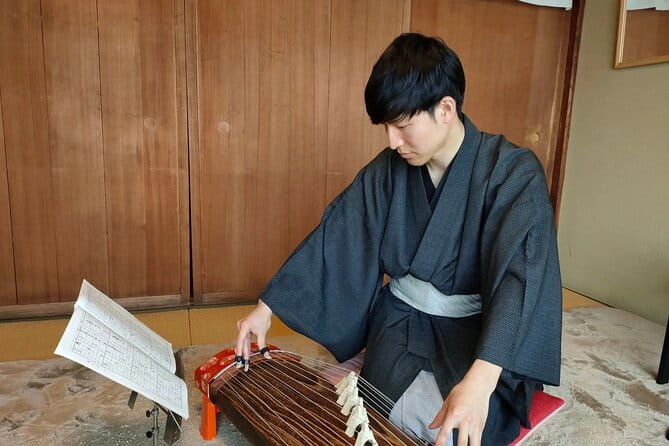
After the live performance, you get a Q&A session and photo-taking. This is where the home setting really pays off. In a big concert hall, questions can feel awkward. Here, the musicians are close enough that the conversation feels natural.
I like Q&A events that don’t make you work too hard. You’re not expected to have deep insider knowledge. The intro helps you ask better questions, and the overall structure keeps it organized.
The photo time is also practical. You’re not rushing out at the end while everyone lines up for coats and exits. You get a moment to connect faces to the sound you just heard. It’s small, but it changes your memory of the performance from a blur into something specific.
Hands-on upgrade: trying a simple koto piece

If you want more than listening, you can upgrade to take part in a hands-on koto session. The promise here is straightforward: you’ll try playing a simple piece. That’s the sweet spot. You’re not signing up for months of lessons. You’re getting a taste of the craft, coached at the level you need.
Why I think this is worth considering: it turns your brain from “consumer mode” to “participant mode.” You’ll pay closer attention to how the musician handles timing and phrasing during the main concert, because you’ll later compare it to what you’re able to do yourself.
There’s one caution. If you’re the type who hates being put on the spot, treat this upgrade like a chance to try something gentle and guided. You’ll likely feel supported, but it is still hands-on participation, so come with the right attitude.



What to expect at Gen Home Saiin
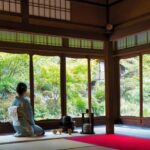
This experience runs at Gen Home Saiin, which is positioned near public transportation. That’s a big deal in Kyoto, where “near” can still mean a scramble if you’re juggling buses and trains with a packed itinerary. You’re also using a mobile ticket, which saves time when you arrive.
WiFi is included during the experience. That’s not why you book this, but it helps if you’re checking directions, translating something quickly, or keeping your group chat from spinning out while you wait.
The session itself is about the space turning into a stage. That means the room layout and closeness are part of the magic. You’ll likely find it calmer and more attentive than most entertainment options.
Pieces, emotions, and what to listen for
Even without a program you can follow like an orchestral concert, this show gives you hooks. The composers and titles mentioned—Chidori no Kyoku, Rokudan no Shirabe, and Kajimakura—are your anchors. When you hear one of those, you can focus on how the music moves from beginning to middle to finish.
The performance also aims for emotional impact, and that’s not just marketing talk. One strongly positive takeaway from the experience style is how moving specific pieces can be. If Chidori no Kyoku is part of your set (it’s specifically highlighted), be prepared for it to land on a deeper level than you expect from instrumental music alone.
Also, pay attention to the contrast between older and more contemporary interpretations. That range can make the tradition feel less locked in and more like a conversation across time. If you’re a fan of “bridges” between past and present, this format is a great match.
Price and value: $39.63 for a home concert that teaches
At $39.63 per person, the price is reasonable for an experience that combines several things at once: an intro to the instruments, live performance, Q&A, photo time, and the special setting of a private home converted into a stage. You also have the option to upgrade to play a simple koto piece yourself.
I treat value like this: if you were to pay separately for a venue performance plus an educational talk, you’d usually spend more. Here, you get the learning built into the event timeline. You’re also paying for access to professional musicians, not just a recording or a demo.
A practical note: because this is booked in advance (on average about 33 days), you’ll want to lock your preferred time slot early. The flexibility of multiple departure options during the day helps, but popular times can still disappear when Kyoto is busy.
How to choose the right time slot
You’ll find multiple options throughout the day. That’s useful in Kyoto, where your energy levels swing based on temples, crowds, and weather. If you’re the type who gets museum fatigue, choose a time when you’re least likely to rush in half-tired.
Because it’s about listening and questions, I recommend picking a slot when you can slow down. This is not the best activity to pair with a tight sprint between train transfers and dinner lines. Give yourself a little buffer to arrive settled, because the intro is part of the experience.
Who this Kyoto concert suits best
This is a great fit if you want:
- a calmer, high-attention cultural experience instead of another sightseeing checklist
- traditional Japanese music with an explanation that actually helps
- a chance to interact with musicians during Q&A and photo time
- an optional upgrade for hands-on koto practice
It may be less ideal if you want:
- a big, high-volume show where you don’t have to think
- a long evening activity that’s packed with other stops
- something that replaces nightlife or a full cultural tour
If you like intimate arts experiences—especially ones that explain what you’re hearing—this has strong “yes” energy.
Quick practical tips before you go
A few small things can make your visit smoother:
- Plan to arrive with enough time for the intro before the performance.
- Wear something comfortable. You’ll be in a home-style setting, and you’ll likely be seated for the show.
- If you want the hands-on koto upgrade, decide ahead of time so you’re not stuck weighing it during the event.
- Have your mobile ticket ready. It’s an easy win.
And here’s my most important tip: treat the Q&A like part of the show. The value isn’t only the music. It’s the chance to connect names, pieces, and meaning to the sound.
Should you book this Kyoto home concert?
I think you should book it if you want a memorable Kyoto moment that mixes listening, learning, and interaction in one tight package. The home setting at Gen Home Saiin gives the concert an intimacy most venues can’t copy. The pre-concert intro makes the whole thing click faster, and the Q&A plus photo time turns it into an experience with real people behind the instruments.
It’s also a good choice if you’re curious about traditional music but don’t want to feel lost. The structure is built to keep you engaged, and the repertoire range—classical titles alongside modern and original compositions—keeps it moving.
Book it if that sounds like your style. Skip it only if you’re looking for a loud, blockbuster evening or you hate hands-on participation even in small doses.
FAQ
What instruments are featured in the Kyoto concert?
The concert features traditional Japanese instruments including koto and shamisen, with an introduction to both before the performance.
How long is the concert?
The concert lasts about 50 minutes.
Is there a chance to ask questions during the experience?
Yes. After the live performance, there is a Q&A session.
Can I take photos during the tour?
Yes. Photo-taking is included after the concert.
Is the tour only for watching, or can I play an instrument?
You can upgrade to join a hands-on koto session where you’ll try playing a simple piece.
What pieces are performed?
The experience highlights pieces such as Chidori no Kyoku, Rokudan no Shirabe, and Kajimakura.
Where does it take place?
It takes place at Gen Home Saiin in Kyoto, in a traditional home setting transformed into a stage.
What’s included in the ticket price?
Included items are the koto and shamisen concert with a brief introduction and explanation, along with landing and facility fees. WiFi on board is also included.
What should I bring or know about tickets and getting there?
You receive a mobile ticket, and the venue is near public transportation. Coffee or tea and private transportation are not included.
More Concerts in Kyoto
More Tour Reviews in Kyoto
Just added: more Kyoto tours to browse







Concerts, compared.
 ★ 4.9Traditional Concert at Townhouse or BathhouseFrom $32224 reviews
 ★ 4.9Japanese Koto & Shamisen Concert and Koto ClassFrom $3831 reviews
 ★ 5.0Traditional Concert in Public bath near Kyoto StationFrom $325 reviews
 ★ 5.0Private Japanese music concertFrom $574 reviews
Browse the lists this tour appears in