
Reviewed · CONCERTS
Traditional Concert in Public bath near Kyoto Station
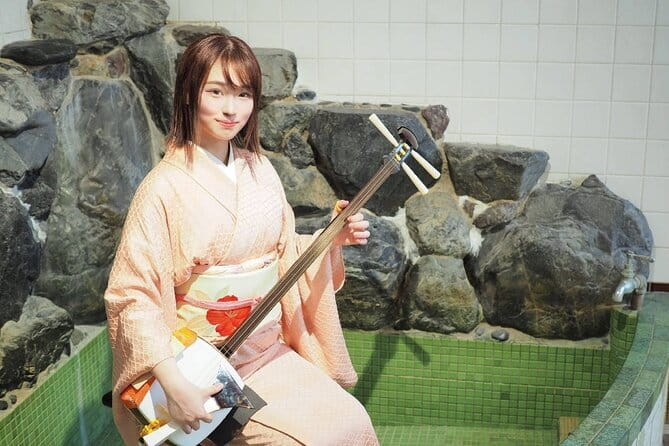
That old bathhouse becomes a concert hall. A renovated sento near Kyoto Station turns koto and shamisen into something you feel in the room, not just hear. The high ceilings and tiled walls were built for bathing acoustics, and the sound carries beautifully.
I like the intimate, immersive layout of the venue. Instead of a big theatre experience, you’re seated in a space with history, and the music lands right where the architecture is doing its job. The program also varies by season and performers, so you’re not stuck with the same setlist every time.
One thing to consider: this experience is only about 1 hour, so if you’re looking for a long, guided cultural deep-dive with lots of stops, you may want to pair it with another activity before or after.
In This Review
- Key things that make this concert worth your time
- A renovated sento makes the music feel physical
- Where it happens: コワーケーションスペース九条湯 near Kyoto Station
- The koto and shamisen experience for your ears (and your attention span)
- How the one-hour timing works in a Kyoto itinerary
- Price and value: why $32.52 can be a smart buy
- Getting the ticket and getting in smoothly
- Who this concert is best for
- A practical note on venue expectations
- Should you book this Kyoto sento concert?
- FAQ
- How long is the traditional concert?
- Where does the concert take place?
- What is the price?
- What instruments are featured?
- Is the ticket mobile?
- Is admission included in the price?
- Are coffee or tea included?
- How close is it to public transportation?
- When will I get confirmation after booking?
- Can I cancel for a full refund?
Key things that make this concert worth your time
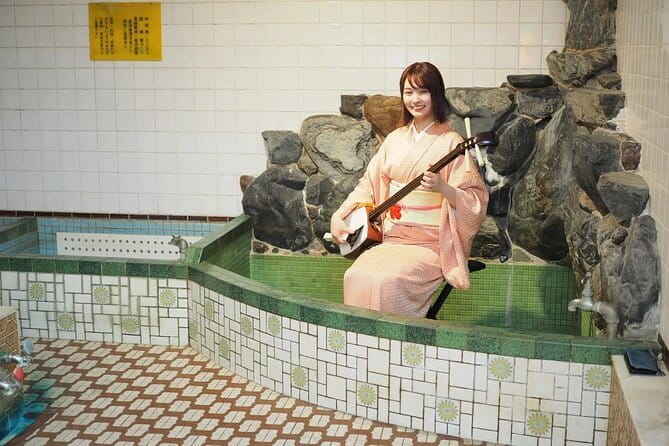
- Former sento setting (Kujo-yu): A public bathhouse turned performance space, with walls designed for sound.
- Great acoustics for traditional instruments: High ceilings and tiled surfaces help koto and shamisen ring clearly.
- Program changes by season and performers: Expect classical works, contemporary arrangements, and even original pieces.
- Near Kyoto Station: Easy to plug into a day without a long commute.
- Mobile ticket: Simple entry with less fuss at check-in.
- Good value at a short length: Pay for a focused cultural hour rather than a half-day tour.
A renovated sento makes the music feel physical
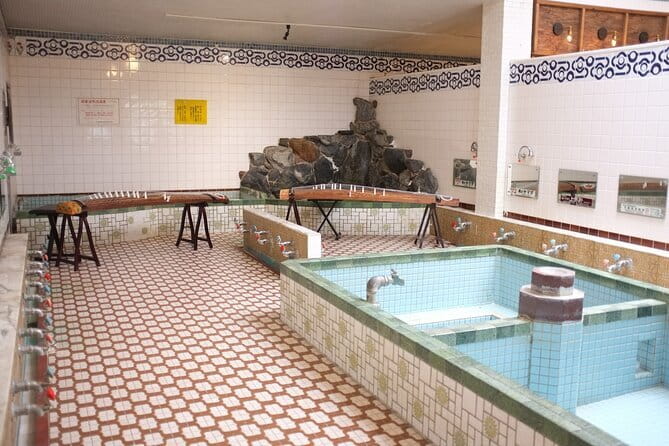
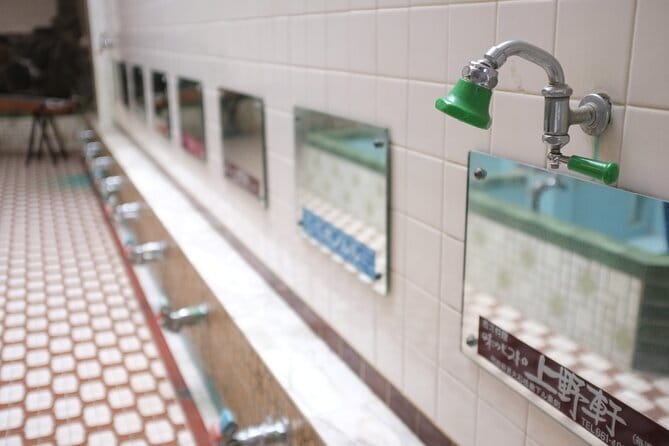
Kyoto has plenty of places to hear traditional instruments, but this one works differently because of the building. Kujo-yu is a former Japanese sento (public bathhouse) that’s been carefully renovated, not turned into a generic venue.
That matters because the room was originally designed around bodies in motion, steam, water sounds, and reverberation. Now, you get a similar sense of sound filling the space—but with koto and shamisen instead. The result is crisp detail with a natural “hang time” after notes, which is exactly what you want with instruments that depend on nuance and timing.
Other Kyoto tours and experiences to compare
Where it happens: コワーケーションスペース九条湯 near Kyoto Station
This concert takes place at コワーケーションスペース九条湯, a venue in Kyoto close to Kyoto Station. If your Kyoto base is around the station area, this is the kind of cultural stop that fits without stressing your schedule.
The room itself is part of the show. High ceilings and tiled walls create a classic bathhouse look, but the renovation keeps it usable as a performance space. In practical terms, you’re not just attending a concert; you’re stepping into a reimagined local space that still feels connected to how people once lived and gathered.
The koto and shamisen experience for your ears (and your attention span)
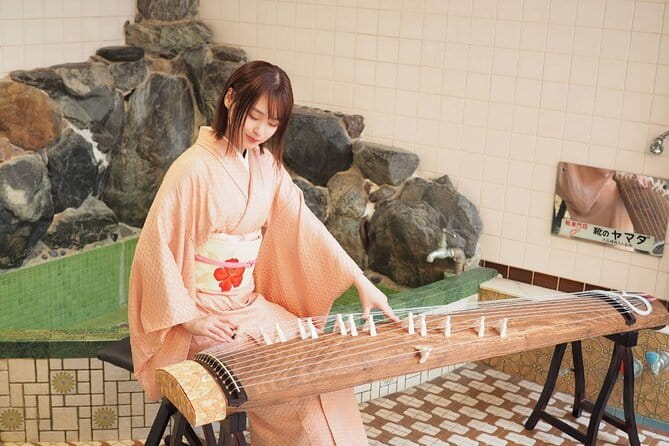
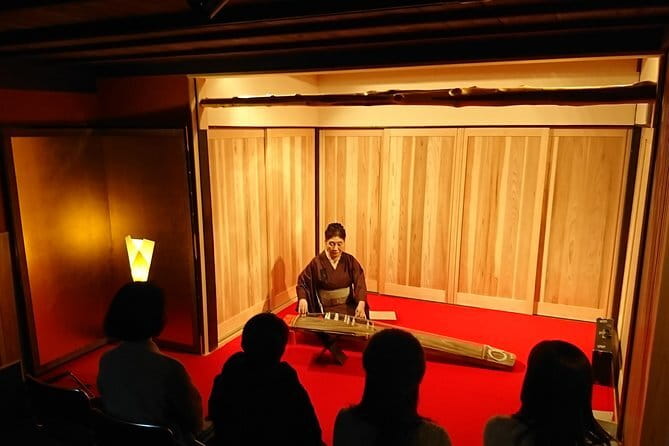
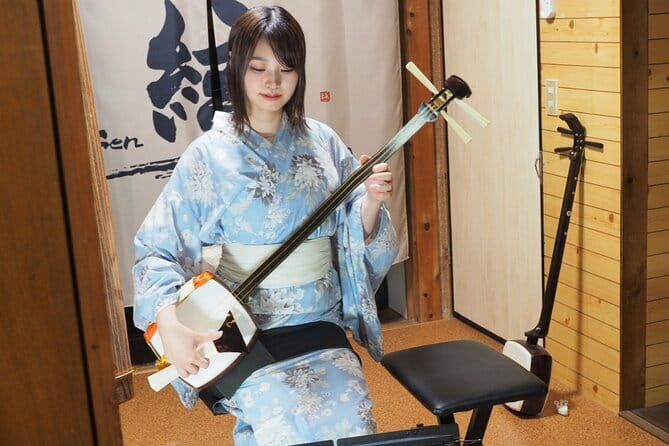
The core of the program is traditional Japanese music featuring koto and shamisen. Those instruments can sound delicate in the wrong setting—too much noise nearby, too much echo, or not enough projection—but the sento architecture helps the performance stay clear.
You can expect a mix of styles. The music includes classical Japanese masterpieces, contemporary arrangements, and even original compositions. That variety is more than a programming detail. It helps you listen actively, because each piece shifts how the melody moves through the room and how the rhythm sits against the atmosphere.
Also, the repertoire changes depending on the season and the performers. So even if you’ve heard koto and shamisen before, this won’t feel copy-paste. It gives you a chance to hear how modern musicians interpret older forms, right there in a setting that still reads as traditional.
How the one-hour timing works in a Kyoto itinerary

The concert runs for about 1 hour. That short format is a plus for most people. Kyoto days can get heavy—temples, crowds, walking, and train timing—so an experience that’s focused and predictable is easier to manage.
I’d treat this like a “reset stop” on a busy itinerary. If you’re sightseeing earlier, the concert becomes a quieter, more sensory contrast. If you’re starting the day, it’s a strong cultural warm-up before you go back out into the city.
Because there’s only one main event, the best value comes from showing up ready to listen. You don’t need to cram in extra planning. You do need to budget your attention for that hour, since the magic here is in small musical moments.
Price and value: why $32.52 can be a smart buy
At $32.52 per person, you’re paying for a short, high-impact cultural experience in a very specific venue. The cost is also aligned with the fact that you get admission included—so you’re not mentally adding extra line items just to enter.
What makes the price feel fair is the combination of factors you rarely get together: a unique historic setting (a renovated sento), strong acoustics, and a program that moves beyond a single style. You’re not just buying “traditional music.” You’re buying a version of it shaped by the room.
One small note: coffee and/or tea are not included. If you like a drink before the show, plan that separately. For many people, that’s still fine because the hour goes by quickly and you can keep the concert slot clean and simple.






Getting the ticket and getting in smoothly
The ticket is mobile, which is usually the easiest setup while traveling in Japan. You’ll receive confirmation at the time of booking, and the venue is near public transportation, so you’re not likely to need a taxi just to get there.
If you’re building your day around it, I’d aim to arrive early enough to settle without rushing. In a bathhouse-style venue, you’ll probably want a moment to look around and get oriented, because the architecture is part of why the concert works.
Who this concert is best for
This is a great choice if you want:
- Traditional instruments (especially koto and shamisen) in a setting that supports their sound
- A cultural activity that feels local and grounded, not staged far from real spaces
- A short commitment that still feels memorable
It also suits people who learn best through listening. There’s no requirement to “know” anything first. The program includes classical pieces and modern touches, so you can follow the emotional arc without needing background notes.
If you’re traveling with kids or teens, this one may work well because it’s only about one hour. Just keep expectations realistic: it’s a concert, not a workshop with lots of explanations. If you want a hands-on experience, you might pair this with something else during your trip.
A practical note on venue expectations
Because this is a renovated bathhouse, don’t assume it’s designed like a modern concert hall. You’ll likely experience the event in a more intimate, room-connected way. That’s part of the value, but it’s also why comfort matters.
Bring whatever you need to sit comfortably for an hour. If you’re sensitive to sound levels or echo, the good news is the acoustics are the point here, not a flaw. Still, traditional venues can feel different than what you’re used to.
Should you book this Kyoto sento concert?
I recommend booking it if you want a distinct Kyoto cultural moment that doesn’t require an all-day commitment. The reasons are simple: the venue’s acoustics and the focus on koto and shamisen in a former sento make the experience feel specific to Kyoto and hard to replicate elsewhere.
Skip it only if you’re looking for a longer guided tour with multiple stops, or if you’d rather spend your time on activities with more visual spectacle. For a one-hour cultural reset with genuinely good listening, this is a strong choice.
FAQ
How long is the traditional concert?
The concert lasts about 1 hour.
Where does the concert take place?
It takes place in Kyoto at コワーケーションスペース九条湯, a renovated former sento near Kyoto Station.
What is the price?
The price is $32.52 per person.
What instruments are featured?
The concert features traditional Japanese instruments, including the koto and shamisen.
Is the ticket mobile?
Yes, the ticket is provided as a mobile ticket.
Is admission included in the price?
Yes. Tickets for the concert are included.
Are coffee or tea included?
No, coffee and/or tea are not included.
How close is it to public transportation?
It’s near public transportation, and it’s close to Kyoto Station.
When will I get confirmation after booking?
You’ll receive confirmation at the time of booking.
Can I cancel for a full refund?
Yes. You can cancel up to 24 hours in advance for a full refund.
More Concerts in Kyoto
More Tour Reviews in Kyoto
Just added: more Kyoto tours to browse








Concerts, compared.
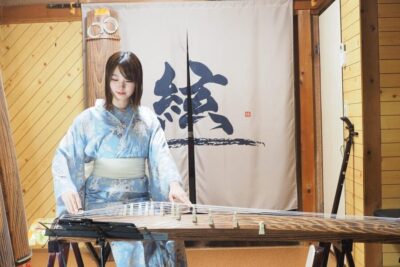 ★ 4.9Traditional Concert at Townhouse or BathhouseFrom $32224 reviews
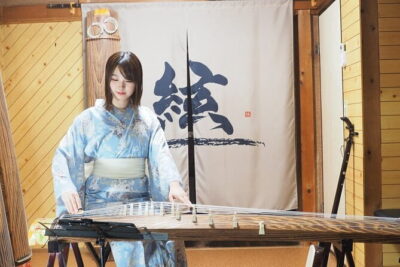 ★ 5.0Concerts Played with Traditional Instruments in KyotoFrom $3950 reviews
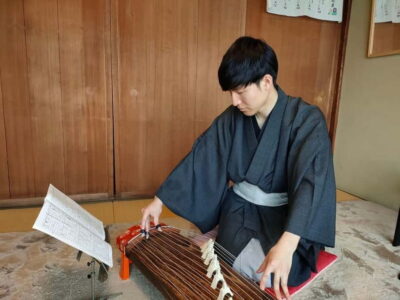 ★ 4.9Japanese Koto & Shamisen Concert and Koto ClassFrom $3831 reviews
 ★ 5.0Private Japanese music concertFrom $574 reviews
Browse the lists this tour appears in