

Reviewed · KYOTO BUS & SIGHTSEEING TOURS
Kyoto: Highlights Guided Walking Tour
Kyoto feels personal on this walking route. You start near Kyoto Avanti and end back at Kyoto Station, threading together Kiyomizu-dera, shrine streets, Gion, and local food lanes with live guidance from Yu Noda (English or Japanese). I like how the guide turns big landmarks into understandable moments: why they matter, how they connect, and what to notice as you walk.
The main trade-off is time. With a 3–4 hour loop and short stop windows, you’ll get real highlights, but not long, slow hangs. Also remember food and drinks are not included, so you’ll need to buy anything you want to taste during the market stretch.
In This Review
- Key things to notice before you go
- A 3–4 hour Kyoto loop that actually makes sense
- Meeting at Kyoto Avanti, then getting moving fast
- Kiyomizu-dera: the wooden stage and why it’s famous
- Yasaka Shrine: Kyoto’s spiritual center on foot
- Nishiki Market: Kyoto’s Kitchen, with tasting at your own cost
- Sannenzaka: the old-street slope that slows you down
- Hanamikoji Street in Gion: geisha-area viewing, with context
- Kamo River and Pontocho Alley: a break, then a lantern-lit food lane
- Nishiki-Tenmangu Shrine: a quiet checkpoint before the big finale
- Nijō Castle: nightingale floors and shogun-era gardens
- Price and logistics: why $34 can feel like a bargain
- Who this Kyoto Highlights walking tour is best for
- Should you book Kyoto Highlights?
- FAQ
- FAQ
- Where do I meet for the Kyoto Highlights guided walking tour?
- How long is the tour?
- How much does the tour cost?
- What’s included in the tour price?
- Is food included?
- Do I need to bring cash?
- Is the tour wheelchair accessible?
- What languages is the live guide available in?
Key things to notice before you go
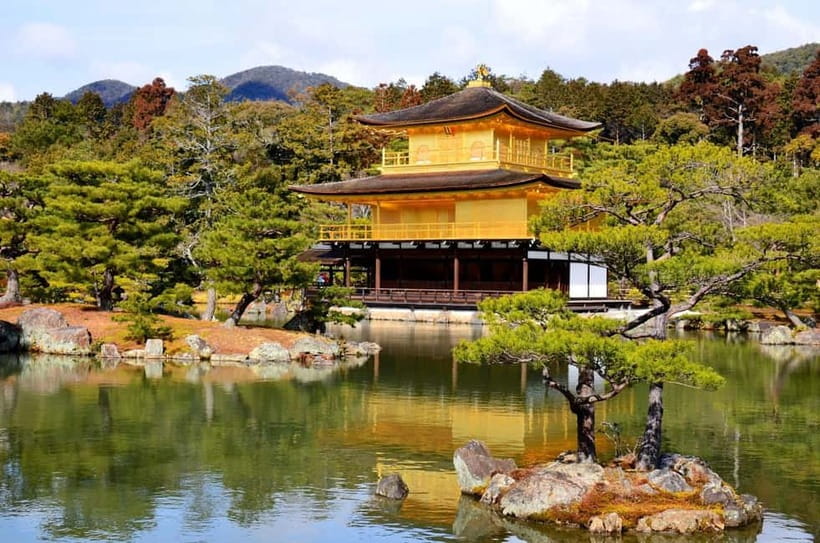
- Yu Noda’s on-the-street stories: the guide’s history-and-culture explanations come with practical recommendations.
- A tight one-day route: temples, shrines, Gion streets, river views, an alley-food area, and a shogun-era palace in one loop.
- Short coach hops, mostly walking: expect a little bus time and then a steady foot pace through Kyoto’s old streets.
- Gion and geisha-area viewing, handled respectfully: you may see geisha heading out, with context on what you’re looking at.
- Nishiki Market with real sensory stops: see, smell, and taste local specialties at your own cost.
- Private or small-group options: the pacing stays manageable, and you can ask questions.
A 3–4 hour Kyoto loop that actually makes sense
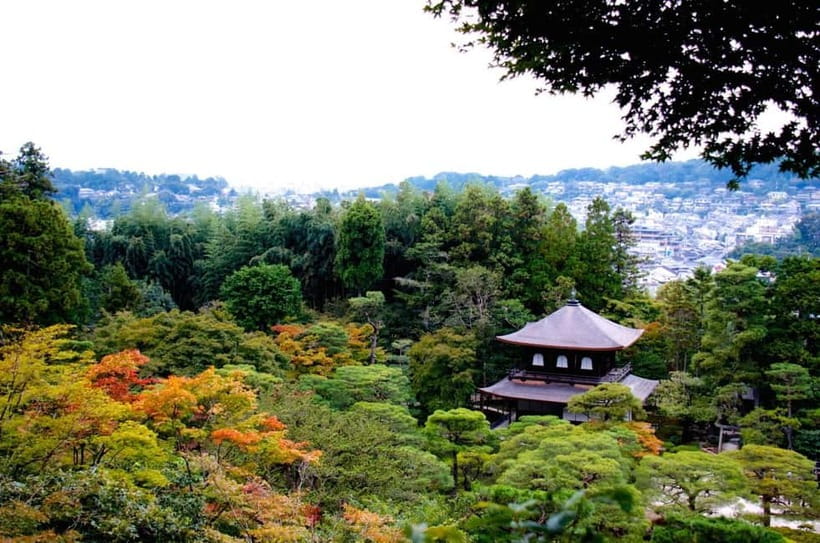
This tour works because it follows how Kyoto feels in real life: move from sacred places to everyday streets, then into the corners where people eat, shop, and stroll. You’re not bouncing randomly between far-flung sights. You’re walking a route that helps you understand the city’s spiritual spine and its artistic neighborhoods side by side.
At $34 per person, it’s a solid value for a live guide covering multiple well-known areas. You’re paying for guidance and flow, not for a private driver or a long sit-down museum experience. And because the tour is designed for a half-day, it’s an easy fit even if your Kyoto schedule is packed.
The vibe is also practical. The group size is kept small or private options are available, so the walk doesn’t turn into a crowded shuffle where you can’t hear the guide. That matters in Kyoto, where streets narrow, lines form, and attention spans get tested.
Loop the big Kyoto sights in one run



Meeting at Kyoto Avanti, then getting moving fast
You meet in front of the entrance of Kyoto Avanti, which is a clear, easy landmark to find. From there, there’s a short bus/coach ride (about 15 minutes) that helps you start the day without eating up your whole morning in transit.
This is one of those small logistics choices that makes a tour feel calmer. You’re not just “walking tour” in name only—you get help with getting to the next zone. The schedule also repeats the pattern later, with another short bus/coach segment before you wrap back up at Kyoto Station.
Kiyomizu-dera: the wooden stage and why it’s famous

Your first real stop is Kiyomizu-dera, with a guided visit and sightseeing time of about 30 minutes. This is one of Kyoto’s top temple experiences, and the headline feature is the wooden stage overlooking the cityscape, plus its seasonal beauty.
What I like about doing Kiyomizu-dera with a guide is that you’re not just taking photos and moving on. You get help noticing what matters: the temple’s cultural weight, how the architecture fits the setting, and what people traditionally connect with in this kind of place. Even if you’ve seen pictures before, you’ll come away with a clearer sense of what you’re actually looking at.
A consideration: 30 minutes passes fast. If you want a slow, linger-and-stare temple day, you’ll likely want to return later on your own.
Yasaka Shrine: Kyoto’s spiritual center on foot
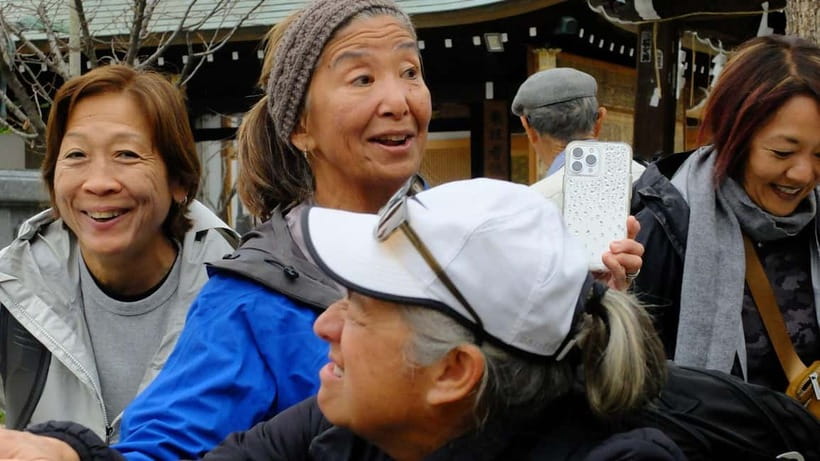
Next comes Yasaka Shrine, with about 20 minutes for guided visiting and walking around. The shrine is presented as a sacred symbol of Kyoto’s spiritual heritage, and the guide’s job here is to make it feel less like a checklist stop.
In practice, this part of the route helps you understand how Kyoto’s spiritual sites shape the streets around them. You’ll likely pick up context for what you see as you move—how shrines function socially and why they remain important in everyday Kyoto life.
As with the rest of the itinerary, the timing is compact. You’ll get a meaningful look, but not hours of wandering. Think of it as a guided orientation to the shrine’s role in the city.
Nishiki Market: Kyoto’s Kitchen, with tasting at your own cost
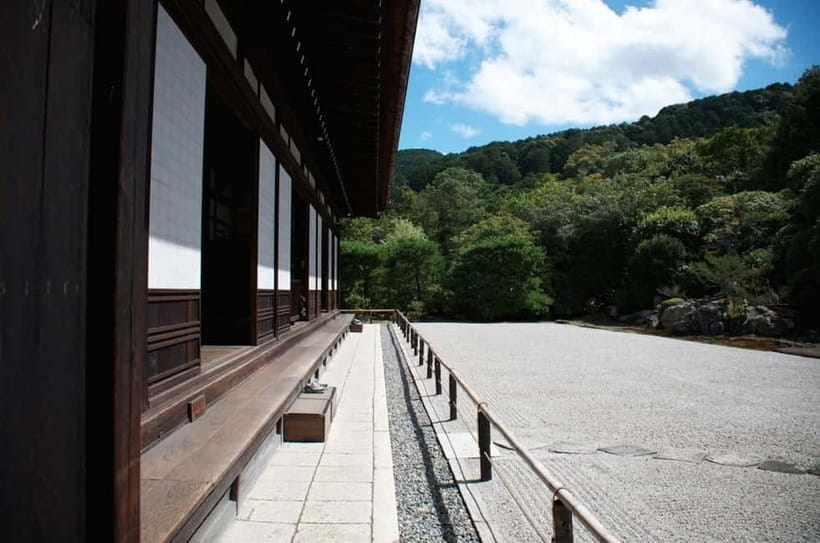
Then the tour shifts into the food-and-street rhythm at Nishiki Market, about 20 minutes. This stretch is often described as Kyoto’s Kitchen, and the tour sets it up as a place where you can see, smell, and taste local delicacies.
Here’s the practical part: food and drinks are not included. So the way to get value is simple—you use the guide’s recommendations to decide what’s worth your money, then make the purchases that match your tastes. That’s a smart use of a guided market stop: rather than randomly sampling, you’re spending where the guide points.
If you’re the type who gets overwhelmed in busy markets, a guided pass can be a relief. Your guide helps you keep moving while still noticing what matters—what to look for, what to try, and how to order without turning it into a guessing game.
Other Kyoto tours and experiences to compare

Sannenzaka: the old-street slope that slows you down

After the market, you head to Sannenzaka, with about 20 minutes for guided touring and sightseeing. Sannenzaka is the kind of street that rewards your eyes more than your feet—traditional shops, photogenic lanes, and the sense that you’ve stepped into Kyoto’s older visual language.
This stop is also a nice pacing reset. After the energy of Nishiki Market, Sannenzaka gives you a slower rhythm where you can look up at shopfronts, watch the flow of people, and notice details you might miss if you were sprinting between attractions.
Still, it’s short. If you want to shop longer or take more photos, plan to come back for a second look later.
Hanamikoji Street in Gion: geisha-area viewing, with context
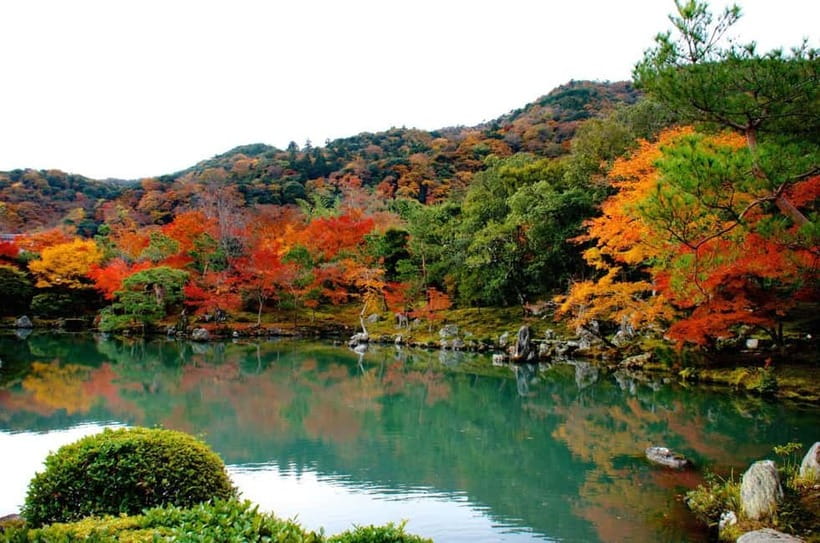
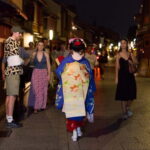
From Sannenzaka, you move into Hanamikoji Street in Gion, again for about 20 minutes of guided walking and sightseeing. This area is famous for its geisha connection, and the tour route is designed so you can potentially catch a glimpse of elegantly dressed geisha heading to evening appointments.
A guide helps here because the experience isn’t just about seeing. It’s about understanding what’s appropriate and what’s happening around you. You’ll also get better odds of spotting something meaningful when you’re not rushing or staring in the wrong places.
One thing to know: you can’t guarantee sightings. The value is in the guided atmosphere and the explanation that makes the street feel real, not just photo wallpaper.
Kamo River and Pontocho Alley: a break, then a lantern-lit food lane
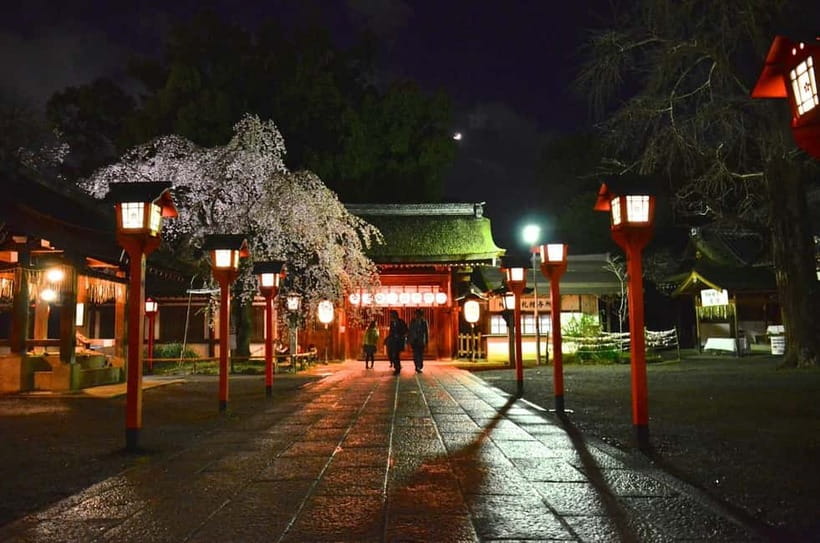
The itinerary then includes Kamo River for about 10 minutes, followed by Pontocho Alley for around 20 minutes. The river stop is brief, but it functions like a mental breather—Kyoto’s older streets can be dense, and a little open view helps you reset your attention.
Then Pontocho Alley takes over. You enter a narrow lane filled with lantern-lit restaurants, and the guided walk helps you understand how this alley fits into Kyoto’s evening culture. Even if you don’t eat during the tour, the guided look gives you a better sense of what the place is for and why people keep coming back.
Because food and drinks aren’t included, you can use this segment strategically: decide where you want to return later for dinner, then walk away with a shortlist.
Nishiki-Tenmangu Shrine: a quiet checkpoint before the big finale
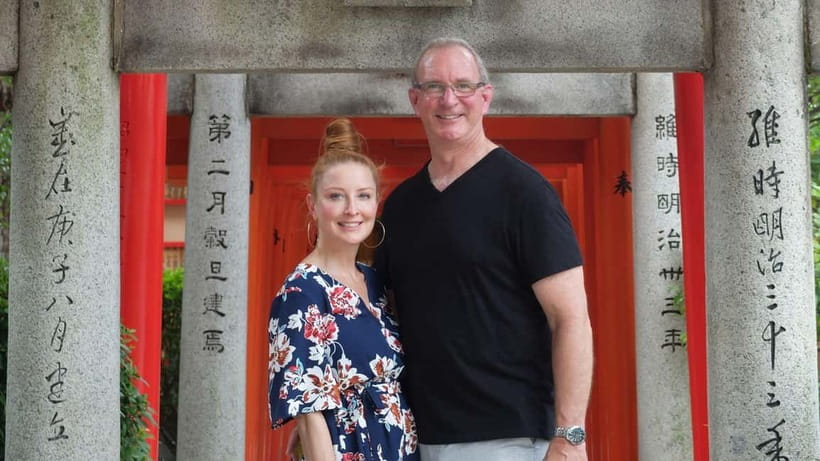
Next is Nishiki-Tenmangu Shrine with about 10 minutes for guided visit and sightseeing. This is a smaller, calmer stop compared to the big-name temples and market lanes, and it adds variety to the day.
Think of it as the “pause button” in the route. After walking through lively streets, this shrine moment gives you a different tone—more reflective, more Kyoto-in-a-single-moment.
Ten minutes is short, so don’t expect long lingering. But as a guided checkpoint, it keeps the tour from feeling one-note.
Nijō Castle: nightingale floors and shogun-era gardens
The tour’s highlights also point to Nijō Castle, known as a former shogun residence famous for its nightingale floors and exquisite gardens. This is a powerful contrast to the more street-level Kyoto you’ve been walking through—suddenly you’re in a place built for power, ceremony, and prestige.
What makes this stop valuable in a guided format is the “why it matters” layer. You’re not just seeing a palace; you’re connecting it to the larger Kyoto story you’ve been tracing all day—from spiritual sites to the structures of leadership that shaped Japan.
Again, timing matters. If you want to explore every garden corner or linger in rooms longer, you’ll likely want to plan additional time beyond this half-day tour. But as a highlight within a single afternoon, it’s a strong finish.
Price and logistics: why $34 can feel like a bargain
Let’s talk value, because this is where many Kyoto tours either shine or disappoint.
For $34 per person over roughly 3–4 hours, you get a live English/Japanese guide and a guided walking route that ties together several major areas. You’re also getting short bus/coach segments during the schedule, which helps keep the overall day from turning into a transportation grind.
What you don’t get is also important: food and drinks are not included, and general transportation isn’t listed as included. So you’ll want to budget for market snacks and any purchases you decide to make along the way. The good news is the tour gives you the structure to spend your money wisely—especially in Nishiki Market, where the guide’s recommendations can help you choose faster.
There’s also a campaign mentioned for 10% discounts if you contact via WhatsApp before booking. If that’s your plan, it can make the value even better.
Who this Kyoto Highlights walking tour is best for
This tour is a great match if you want a guided route that connects major sights without turning your day into separate, disconnected taxi rides. It’s also a good fit for people who prefer learning while walking, especially if you enjoy temple context, shrine meaning, and cultural street atmosphere.
I’d especially recommend it if you’re the type who asks questions and wants your day tailored a bit. The guide, Yu (and Yu Noda in one review), comes across as someone who shares lots of context and also responds to individual interests. In a small-group setup, that kind of attention is harder to get on a bigger bus tour.
If you’re traveling with a strict pace of your own—someone who wants long temple time, museum-level detail, or zero crowds—this may feel a bit too tight. The route is built for highlights, not for extended deep wandering.
Should you book Kyoto Highlights?
Book it if you want a clear, guided Kyoto “greatest hits” walk that moves through temples, shrines, Gion streets, market lanes, and Nijō Castle within one organized half-day. At $34, the guide-led flow is the real product here—Yu Noda’s explanations and recommendations make the stops feel connected instead of random.
Skip or supplement it if you know you want slow time at one specific site. This tour is designed for efficient coverage, so you’ll likely leave with a few places you’ll want to revisit on your own.
FAQ
FAQ
Where do I meet for the Kyoto Highlights guided walking tour?
You meet in front of the entrance of Kyoto Avanti.
How long is the tour?
The duration is 3 to 4 hours.
How much does the tour cost?
The price is $34 per person.
What’s included in the tour price?
It includes a personalized walking tour with a local guide.
Is food included?
No. Food and drinks are not included.
Do I need to bring cash?
Yes. The tour lists credit card and cash as what to bring.
Is the tour wheelchair accessible?
Non-folding wheelchairs and electric wheelchairs are not allowed.
What languages is the live guide available in?
The live tour guide is available in English and Japanese.
More Tours in Kyoto


More Tour Reviews in Kyoto


More Kyoto Sightseeing Loops
Just added: more Kyoto tours to browse








Kyoto Bus & Sightseeing Tours, compared.
 ★ 5.0PERFECT KYOTO 1-Day Bus TourFrom $12913,518 reviews
 ★ 4.8Fushimi Inari, Kinkakuji, Bamboo Grove 1 Day Bus TourFrom $1224,316 reviews
 ★ 4.9Best of Kyoto: Gion, Geisha, Pagodas & CobblestonesFrom $242,058 reviews
 ★ 3.9Hop-on Hop-off Sightseeing Bus TicketFrom $272,034 reviews
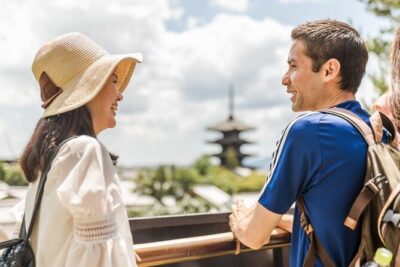 ★ 5.0Private Kyoto Tour with a Local, Highlights & Hidden Gems, PersonalisedFrom $1021,543 reviews
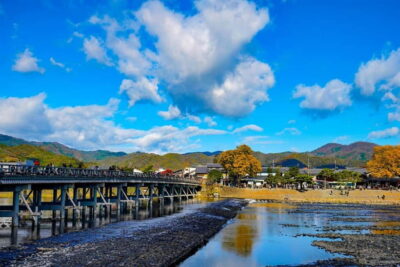 ★ 4.7Kyoto/Osaka: Nara, Fushimi Inari Taisha, Arashiyama Bus TourFrom $521,275 reviews
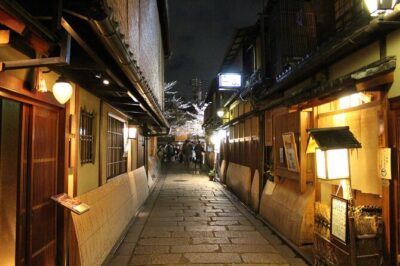 ★ 5.010 Must-see Spots in Kyoto One Day Private Tour (up to 7 people)From $1791,108 reviews
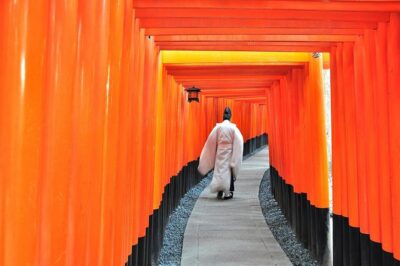 ★ 4.5One-Day Tour of Kyoto’s Highlights from Osaka/KyotoFrom $661,092 reviews
Browse the lists this tour appears in