
Reviewed · GION & GEISHA DISTRICT TOURS
Kyoto Gion Tea ceremony & Wabi-sabi Walking Tour
Matcha feels different when you walk first. In this Kyoto Gion tour, a small group moves through temple and pottery stops to understand wabi-sabi before sitting down for a tea ceremony.
I really like how the English guide (often Masa) connects the city sights to the actual meaning of tea. I also like that the tea ceremony isn’t treated like a photo stop: you choose a tea bowl and enjoy matcha with a small seasonal snack, guided step by step.
One drawback to plan for: timing. If you miss the scheduled start, the tour can’t wait, and you may lose your chance to fully join the tea ceremony portion—so double-check your start time and build in buffer time.
In This Review
- Key highlights you’ll feel on the day
- Kyoto’s Gion tea walk: why wabi-sabi makes sense here
- Getting started at Gion-Shijo: the first 30 minutes set the tempo
- Kenninji and the oldest Zen setting: where the story becomes visible
- Pottery, tea utensils, and the wabi-sabi you can hold
- The tea ceremony at the end: matcha, sweets, and a bowl chosen for the moment
- Price and value: is $92 worth 3.5 hours in Kyoto?
- Who this tour fits best (and who should think twice)
- Final verdict: should you book the Kyoto Gion tea and wabi-sabi tour?
- FAQ
- How long is the Kyoto Gion tea ceremony & wabi-sabi walking tour?
- What is the price per person?
- Where do we meet, and how do we find the guide?
- What does the tea ceremony include?
- Is an English-speaking guide provided?
- Is there a minimum age for participating in the tea ceremony?
- Is the tour wheelchair-friendly?
Key highlights you’ll feel on the day
- Small group (up to 7) keeps questions easy and the tea ceremony more relaxed
- Kenninji Temple (Kyoto’s oldest Zen temple) adds real depth to the wabi-sabi theme
- Pottery shop time gives you a hands-on look at tea utensils and bowls
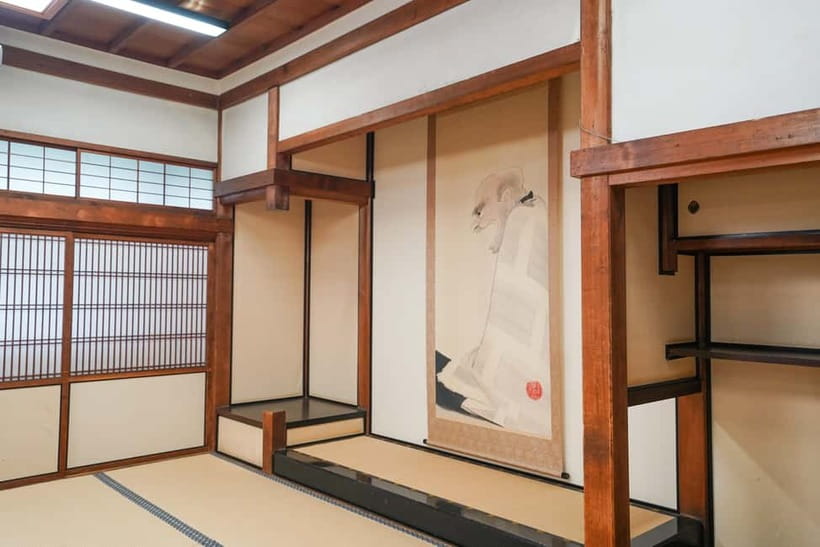
- Dry landscape garden moments (karesansui) slow the pace and train your eyes to notice details
- Tea master ceremony at the end includes matcha and seasonal sweets with a bowl chosen for season and taste
Kyoto’s Gion tea walk: why wabi-sabi makes sense here
Gion is one of those places where Kyoto’s traditional world still feels close to the street. That matters for this experience, because wabi-sabi is not a concept you want explained only in a classroom tone. You want to sense it through quiet temples, worn textures, simple objects, and patient pacing.
The tour is built around the Japanese idea that tea ceremony is more about how you see than about what you drink. You’ll hear the theme that Japanese beauty isn’t only about what’s on the surface; in tea, the emphasis shifts to inner beauty and the natural feel of things. Walking through historic spots with a guide who can connect those dots is what makes it more memorable than a standard tea class.
And yes, matcha is the headline. But the better payoff is how your attention changes by the time you sit for the ceremony—because you’ve already practiced noticing: shape, glaze, imperfections, and the mood created by the space around you.
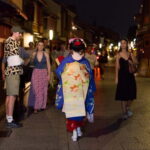
More evenings along the lantern-lit lanes of Gion
Getting started at Gion-Shijo: the first 30 minutes set the tempo
You meet in front of the Izumo no Okuni Statue right outside Exit 5 of Gion Shijo Station on the Keihan Line. You’ll see a guide holding an orange signboard that reads Magical Trip Tour, which keeps your first step easy even if you’re arriving with jet-lag brain.
From there, the tour strolls through Gion’s historic district. This isn’t a long-distance hike; it’s a city walk with guided stops, so you stay engaged without feeling like your legs have been drafted. You also get photos during the tour, which is handy because tea ceremony lighting and timing can be tricky on your own.
The group size matters more than you might think. With a limit of 7 participants, you’re less likely to feel like you’re being rushed through “sightseeing checklist mode.” That calmer pacing is also what makes the tea ceremony at the end feel like a conclusion, not a sprint.
Two practical notes to keep your day smooth:
- Bring water and plan for heat or cold. Kyoto can swing hard, with summer highs around 40°C / 110°F and winter lows near -5°C / 20°F.
- Know that the tour needs to start on time. If you arrive late, you can miss the tea ceremony experience.
Kenninji and the oldest Zen setting: where the story becomes visible
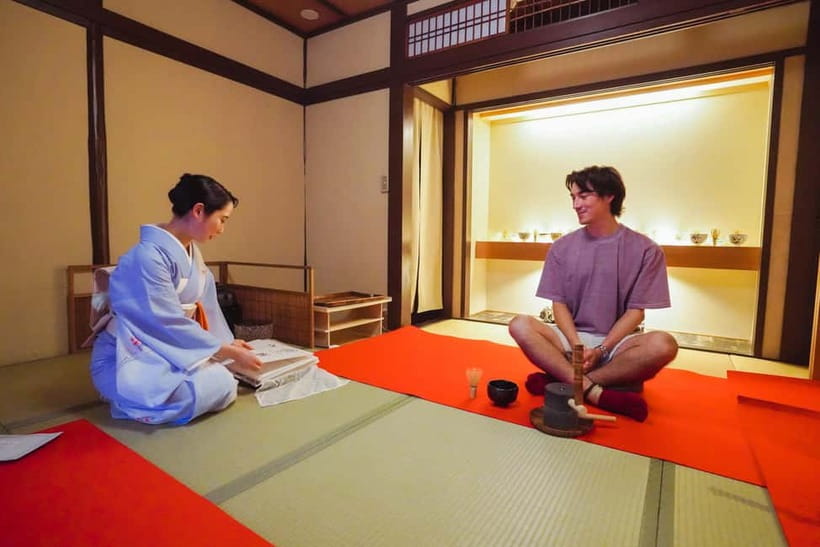
A big anchor stop is Kenninji Temple. It’s described as Kyoto’s oldest Zen temple, and that label is more than trivia—it gives weight to the ideas you’ll hear about tea and Zen aesthetics. In a place like this, wabi-sabi starts to feel less like a buzzword and more like a way of seeing.
Your guide explains the connection between tea culture and the atmosphere created by Zen practice. You’re not just looking at buildings; you’re learning how the philosophy shows up in daily habits—especially the tea ceremony’s focus on humility, stillness, and attention to simple objects.
From there, the walk continues into Higashiyama Ward with more short guided segments. These stops are where you start training your eye. You’ll have moments to notice paintings and garden design, including karesansui, the dry landscape Zen garden style that uses rock, sand, and negative space to suggest nature.
I like this structure because it keeps the ideas tied to places you can actually see. You don’t have to “translate” wabi-sabi in your head while you’re on a busy Kyoto street. The guide gives you an interpretive lens, and the scenery provides the practice.
Pottery, tea utensils, and the wabi-sabi you can hold
One of the most valuable parts is the time at a traditional pottery shop. Tea is all about utensils—bowls, whisk tools, and the way objects communicate texture and restraint. Seeing tea bowls in a shop is one thing; learning what to look for while you’re standing in front of them is where it turns educational.
Your guide encourages you to think about wabi-sabi through what you can observe yourself. That might sound abstract until you’re facing real bowls with real differences in shape, glaze, and wear. Tea culture prizes the character of materials, and wabi-sabi is basically the language those objects speak.
The tour also weaves in a visit to a well-known matcha shop during the Gion walk. That gives you context for the flavor world you’re about to enter later. Even if you’ve had matcha before, you’ll likely notice later that tea ceremony matcha is presented with care and intention, not as a quick drink.
There’s also time to view Japanese paintings and spend time at quieter temple moments, including time at Entoku-in. These are not long museum-like sessions. They function like pauses in your mental noise, which helps you shift from sightseeing mode to observation mode.
The tea ceremony at the end: matcha, sweets, and a bowl chosen for the moment
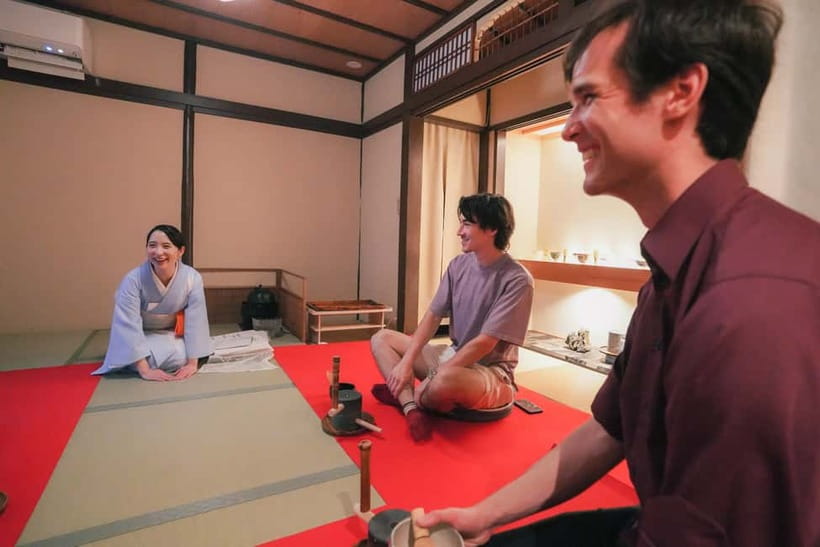
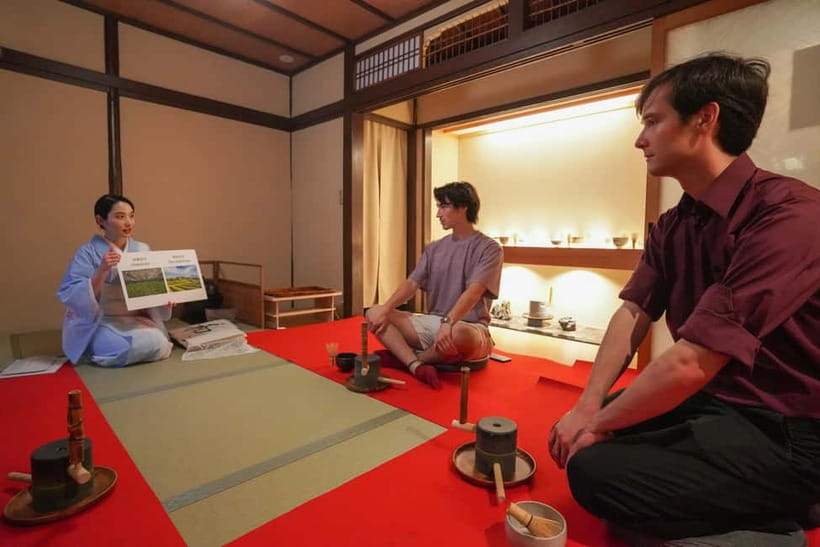
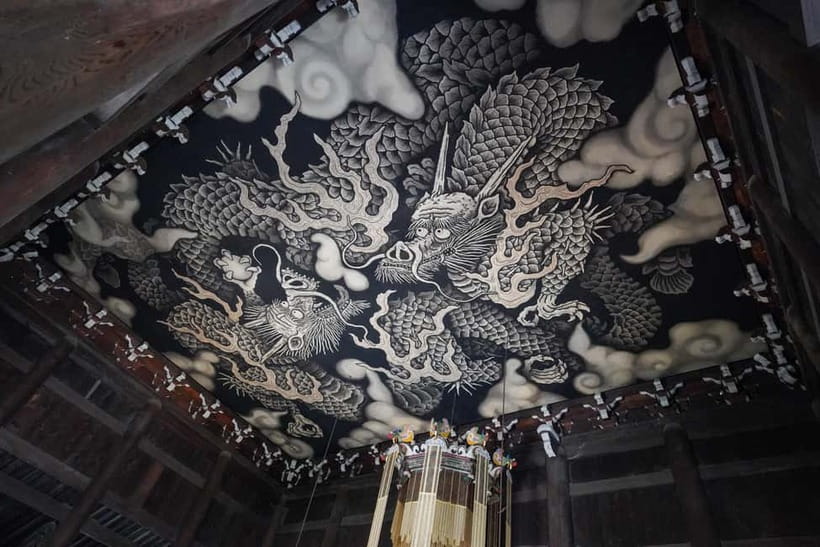
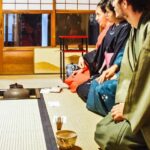
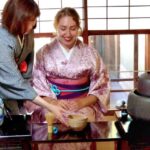
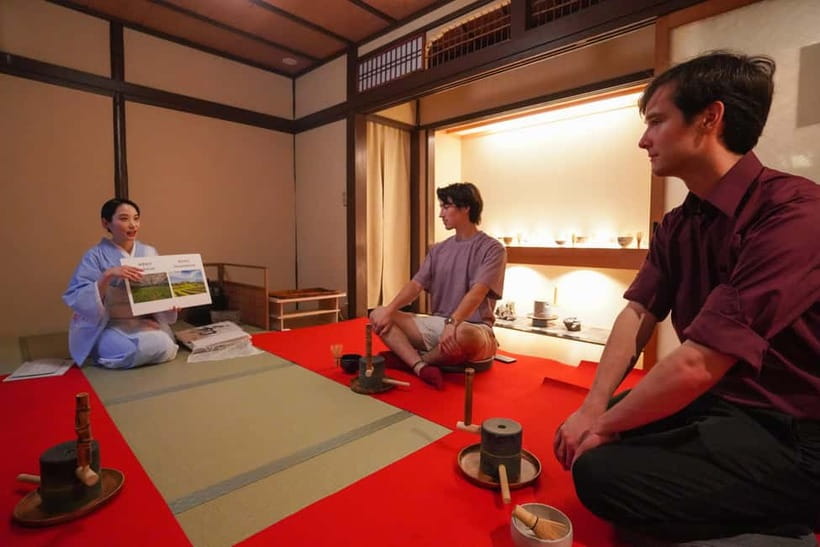
After you walk, look, and learn, you finally sit for the tea ceremony under a tea master. The ceremony portion lasts about 45 minutes, which is enough time to feel the flow without making you late for the rest of your Kyoto day.
You’ll choose a tea bowl based on season and taste. That detail matters because it tells you the ceremony is responsive. It’s not the same “one bowl fits all” script. The guide helps explain what you’re doing and why, so you aren’t just repeating steps.
You’ll enjoy matcha with Japanese sweets and a small seasonal snack. For many people, this is the emotional payoff—the moment when wabi-sabi stops being a concept and starts being a vibe: quiet, focused, slightly meditative. The best part is that the ceremony isn’t only about the tea master’s performance. It’s about your own attention, even if you’re not an expert.
If you care about souvenirs and traditions, I’d also suggest bringing whatever you use for temple seals or stamps. One guide’s explanation style showed people expanding their stamp collections at shrines and temples during the day, which can be a fun side mission if you like that kind of Kyoto ritual.
Sit for another bowl of matcha in a Kyoto tea house


Price and value: is $92 worth 3.5 hours in Kyoto?
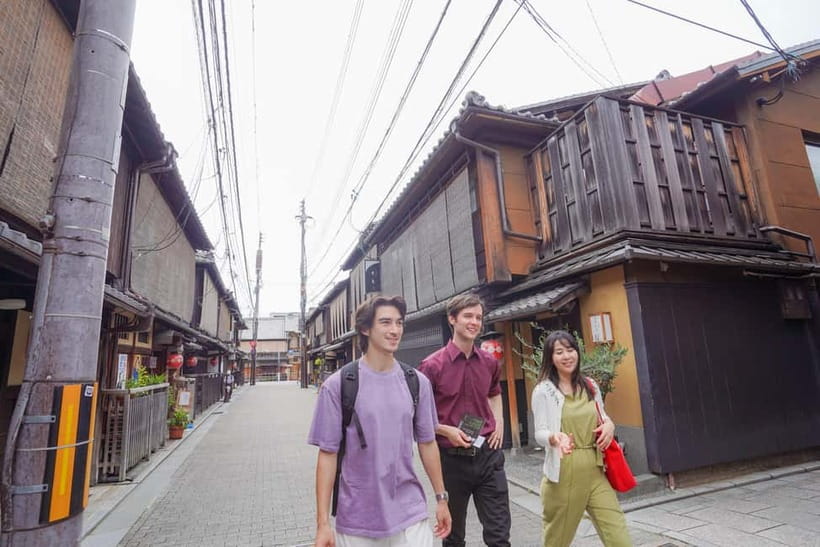
At $92 per person for about 210 minutes (3.5 hours), you’re paying for a guided city walk plus a real tea ceremony experience. In Kyoto terms, the value is mostly in two places:
- You get interpretation. A tea ceremony with context is different from a generic tasting. The guide’s explanations connect utensils, Zen aesthetics, and tea philosophy to what you’re seeing in Gion and Higashiyama.
- You get access and pacing. The ceremony itself is timed and structured, and you’re doing it as part of a small group. With a limit of 7 participants, the experience is less chaotic and more personal than big-bus versions of “tea time.”
If you already planned to visit Kenninji and look around Higashiyama anyway, the guide’s value comes from the “why” behind the stops. You’re paying not only for entry and ceremony, but for the way the day teaches you how to notice what matters.
Still, it’s not for everyone. If you hate guided activities, want total control over your schedule, or need lots of wheelchair-friendly routes, this may feel too structured.
Who this tour fits best (and who should think twice)
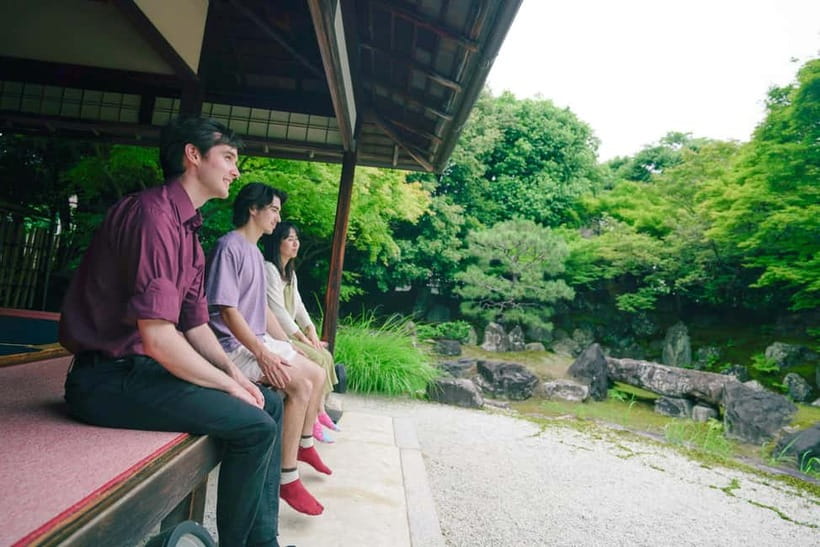
This tour is a strong match if you want a calm, cultural experience with strong guidance. It’s also a great fit for first-time Kyoto visitors who feel overwhelmed by options and would rather follow a thoughtful route than improvise.
It’s especially suitable for people curious about Japanese aesthetics and tea philosophy—especially the idea of inner beauty and the meaning of wabi-sabi. The guide’s style can make the topic feel grounded, not academic.
A few considerations to flag clearly:
- Tea ceremony experience accommodates those age 6 and older. Children younger than 6 can join the tour, but one adult needs to accompany them outside the facility during the ceremony.
- It is not suitable for wheelchair users, and some stops may not be accessible by stroller or wheelchair.
- You need to be ready for walking time. This is a guided stroll through multiple areas, not a sit-and-watch program.
Final verdict: should you book the Kyoto Gion tea and wabi-sabi tour?
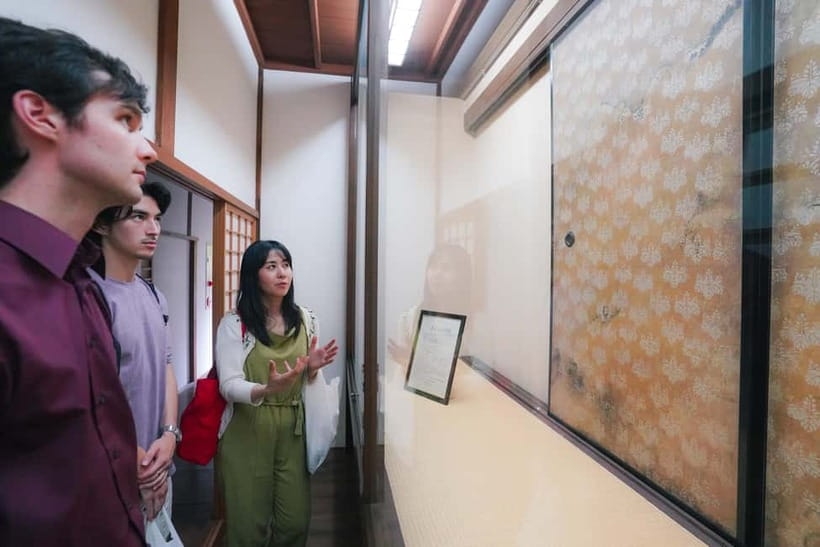
If you want tea ceremony as culture—tea as a way to train your senses—this tour is a smart choice. The standout strength is the connection between the walk and the ceremony: temples and utensils aren’t random sightseeing stops, they’re part of the story that leads to matcha.
I’d book it if:
- you like small-group experiences,
- you want English guidance from someone who can explain tea philosophy clearly,
- and you care about seeing tea utensils and understanding what makes wabi-sabi feel real.
I’d think twice if:
- your schedule is fragile,
- you struggle with strict start times (the day won’t wait),
- or accessibility is a must-have for your group.
FAQ
How long is the Kyoto Gion tea ceremony & wabi-sabi walking tour?
The tour duration is 210 minutes, or about 3.5 hours.
What is the price per person?
The price is $92 per person.
Where do we meet, and how do we find the guide?
Meet in front of the Izumo no Okuni Statue, right outside Exit 5 of Gion Shijo Station (Keihan Line). The guide holds an orange signboard saying Magical Trip Tour.
What does the tea ceremony include?
You’ll experience a tea ceremony with matcha and a small seasonal snack.
Is an English-speaking guide provided?
Yes. The tour includes a live English-speaking guide.
Is there a minimum age for participating in the tea ceremony?
Yes. The tea ceremony experience can only accommodate people age 6 and older. Children under 6 can join with one adult accompanying them outside during the experience.
Is the tour wheelchair-friendly?
No. The tour is not suitable for wheelchair users, and some locations may not be accessible by wheelchair or stroller.
More Tour Reviews in Kyoto



One More Bowl of Matcha
Still in Gion? Keep Going

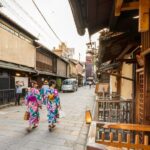
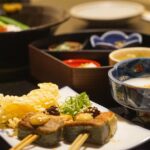
Just added: more Kyoto tours to browse








Gion & Geisha District Tours, compared.
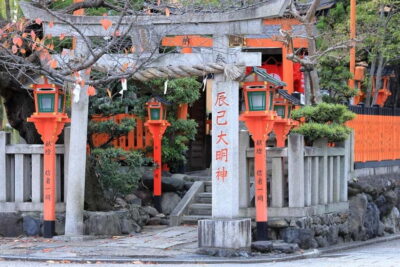 ★ 4.7Kyoto Geisha Walking Tour: Gion District & Hidden GemsFrom $253,273 reviews
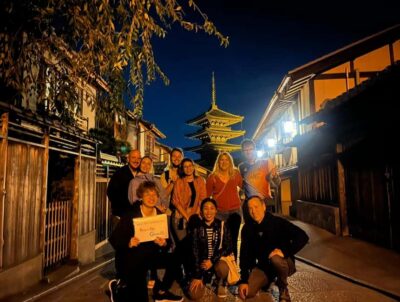 ★ 4.9Gion Magical Night Walking Tour with Geisha TriviaFrom $242,393 reviews
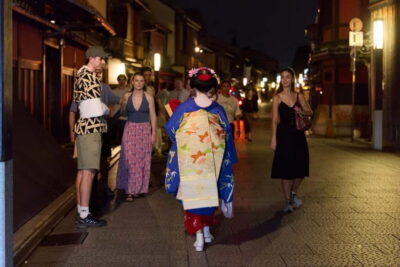 ★ 4.7Gion Geisha District Walking Tour – Stories of GeishaFrom $202,187 reviews
 ★ 4.9Best of Kyoto: Gion, Geisha, Pagodas & CobblestonesFrom $242,058 reviews
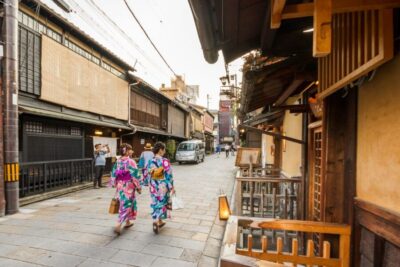 ★ 4.5Night Walk in Gion: Kyoto’s Geisha DistrictFrom $212,003 reviews
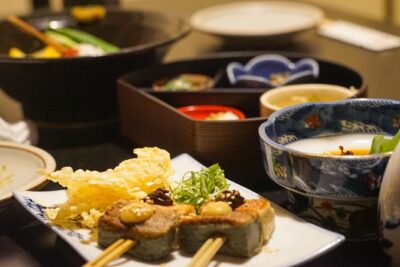 ★ 5.0Kyoto Night Foodie Tour in Gion (9+ dishes + 6 Sake tastings)From $1631,762 reviews
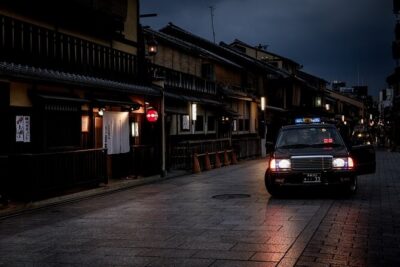 ★ 5.0Kyoto Gion Geisha District Walking Tour – The Stories of GeishaFrom $251,441 reviews
 ★ 5.0Kyoto Gion: 2-Hour Geisha Culture & History Walking TourFrom $231,186 reviews
Browse the lists this tour appears in