
Reviewed · WALKING TOURS
Kyoto East Early Morning Walking Tour
7:30am in Kyoto feels like a secret. I love how this early start lets you glide through Higashiyama’s old streets before the big waves of visitors. I also like that you get a friendly English-speaking local guide who grew up in Kyoto and shares practical, down-to-earth insights, plus where to go next after the walk.
This is a 2.3km (1.45-mile) guided stroll in about 2 hours, and it’s set up as a private activity, so it’s just your group. The stops are major-but-not-overdone landmarks—Minamiza Theater, Yasaka Shrine, the Yasaka Pagoda area, and Kiyomizu-dera—plus time for photos and your own wandering.
One consideration: it’s a walking tour with no hotel pickup, and it also runs early enough that you should eat breakfast before you go (cafes tend to open around 9:00 AM). Comfortable shoes matter, since you’ll be moving through classic slope-and-stairs Higashiyama streets.
In This Review
- Key highlights you’ll feel right away
- The smartest reason to wake up early in Higashiyama
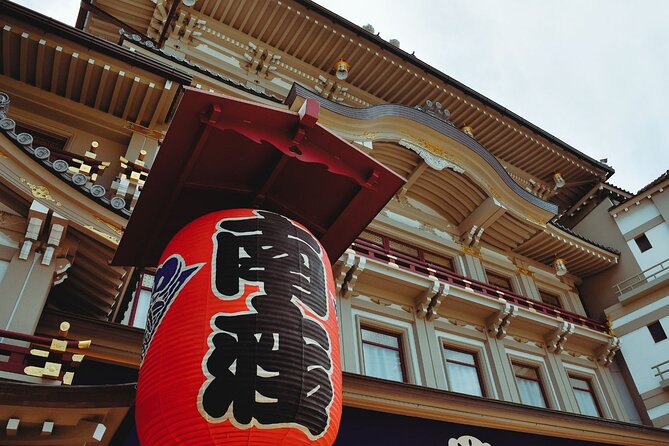
- Minamiza Theater: starting with Kabuki’s Kyoto roots
- Yasaka Shrine: Shinto traditions and festival connections
- Yasakanoto and the five-story Yasaka Pagoda photo moment
- Kiyomizu-dera: finishing at a UNESCO site with room to roam
- Sannenzaka slope: traditional shops and the story behind the name
- Price and value: why $50.73 can make sense here
- What’s included (and what you must plan yourself)
- Pace, distance, and meeting point reality
- Who this tour is perfect for
- Make your morning go smoothly (a few simple moves)
- Should you book this Kyoto East Early Morning Walking Tour?
- FAQ
- What time does the Kyoto East Early Morning Walking Tour start?
- How long is the tour?
- How far do we walk?
- Where is the meeting point?
- What happens at the end of the tour?
- Is this tour private?
- Are entrance fees included?
- Is breakfast or food included?
- What is the cancellation policy?
Key highlights you’ll feel right away
- Start at 7:30 AM to beat peak Higashiyama crowds
- Local English guidance plus tailored ideas for what to do next
- Free admissions at each stop, so you’re not paying temple tickets all morning
- Photo time at Yasaka Pagoda (Yasakanoto) with a short stop built in
- Kiyomizu-dera as your walking-tour finish, with time to explore afterward
- Sannenzaka slope included, with traditional shops and name-legends to listen for
The smartest reason to wake up early in Higashiyama
Higashiyama is famous for a reason, but the same fame can turn some parts of the neighborhood into slow-motion crowd theater. This tour’s 7:30 AM start is built for the “quiet Kyoto” version of the district, when the streets still feel local instead of packed.
The walking route is also short enough to stay pleasant: 2.3km over about 2 hours. That matters because you’re not spending your morning in a marathon—just enough time to see the big icons, then still have energy left to keep exploring after.
A small but important timing note: cafes tend to open around 9:00 AM, so plan breakfast before the tour. This is the kind of detail that makes the difference between a calm start and a cranky one, especially if you’re used to eating early.
Other Kyoto tours and experiences to compare
Minamiza Theater: starting with Kabuki’s Kyoto roots
You begin at 208 Nakanochō, Higashiyama Ward, and the first stop is Minamiza Theater, described as the birthplace of Kabuki in Kyoto. Even if you’re not a theater person, it’s a clever starting point. Kabuki isn’t just entertainment—it’s part of how Kyoto (and Japan) has traditionally explained drama, performance, and community.
You’ll spend about 15 minutes here. That’s enough to get the context without turning the tour into a museum lecture. The value is in the guide’s framing: you’re learning what this place means, not just walking past it.
Practical takeaway: if you’re planning photos, arrive ready. At this hour, light and angles around the theater area can work well before the later-day crush.
Yasaka Shrine: Shinto traditions and festival connections
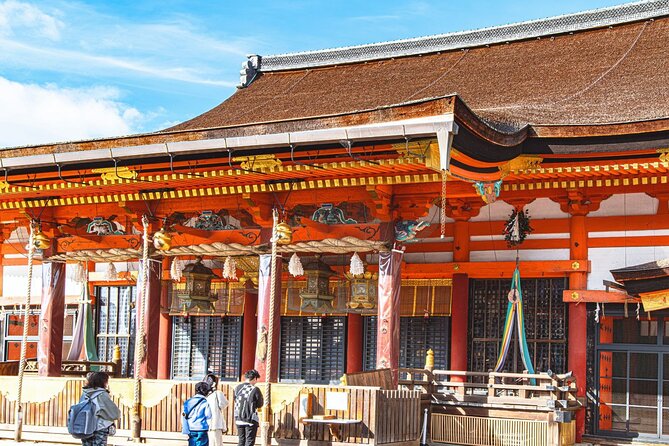
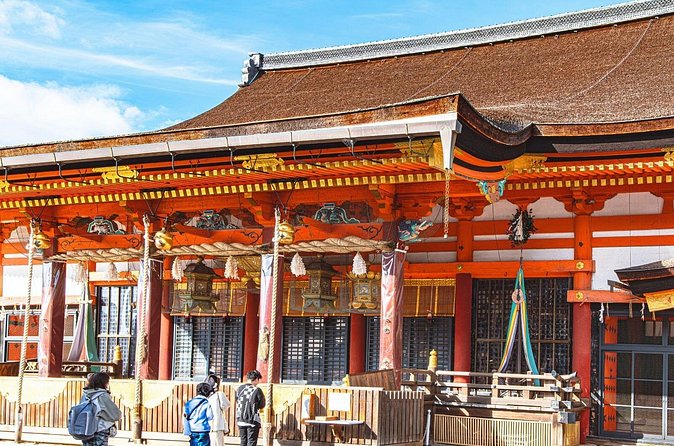
Next up is Yasaka Shrine, with another 15 minutes. This is one of those stops where you can feel the neighborhood’s calendar. The shrine’s cultural importance shows up in its role in local festivals and Shinto traditions, and your guide will point out what to notice as you move through the grounds.
I like that the stop is timed. It keeps the pacing steady while still giving you time to actually look around. You’re not rushed through the “important parts,” but you’re also not stuck somewhere that turns into a line later.
This is also a nice contrast point after Minamiza. One stop connects you to performance tradition; the next connects you to living belief and seasonal celebration. Same district, different lens.
Yasakanoto and the five-story Yasaka Pagoda photo moment
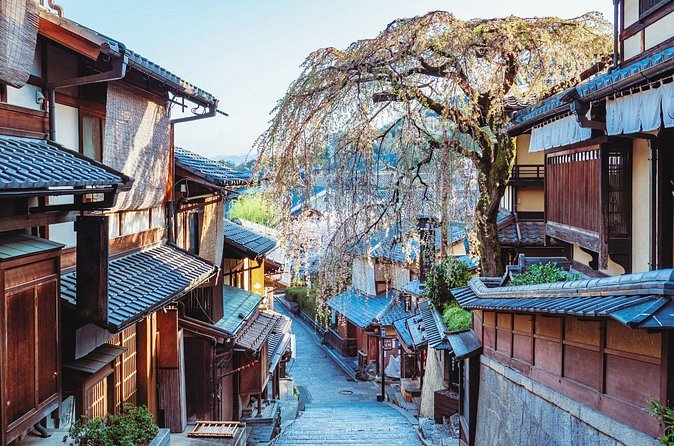
Then comes Yasakanoto, your quick-hit view of the five-story Yasaka Pagoda—with about 5 minutes here. Five minutes sounds short, but for a pagoda photo stop, it’s exactly the right length if you want one good shot without dragging the whole tour.
Take your time with the camera, because the shape and perspective in Higashiyama often look better when you’re not sprinting. Also, this is the sort of place where small framing choices matter: where you stand can change the feel from street-level to temple-geometry.
If you’re traveling with someone who doesn’t love photos, this is still a good stop. You’ll likely get enough time for them to enjoy the view while you grab pictures.
Kiyomizu-dera: finishing at a UNESCO site with room to roam
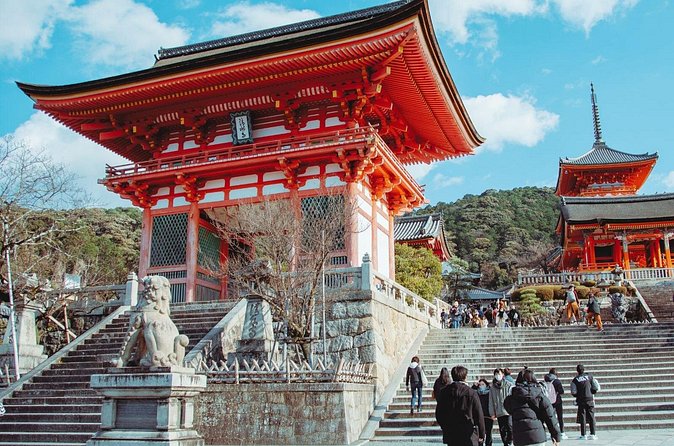
Your tour concludes at Kiyomizu-dera, one of Kyoto’s most famous UNESCO World Heritage Sites, with about 10 minutes built into the guided portion. From here, you can explore the grounds at your own pace after the tour ends.
One reason this works well for first-timers: Kiyomizu-dera is huge, and arriving with a bit of context helps you choose where to focus. Even with a short guided segment, the guide can point you toward what’s most worth seeing—especially the panoramic views from the wooden stage area.
The end-of-tour timing is practical. After the guide finishes, you’re not stuck waiting for the group. You can linger for photos, slow-walk the approach, or just soak in the views while the morning is still fresh.
If you want a pro tip: keep your pace slow after your guide leaves. Kiyomizu-dera’s best moments often happen when you stop rushing between “photo targets.”
Other Kyoto tours and experiences to compare



Sannenzaka slope: traditional shops and the story behind the name
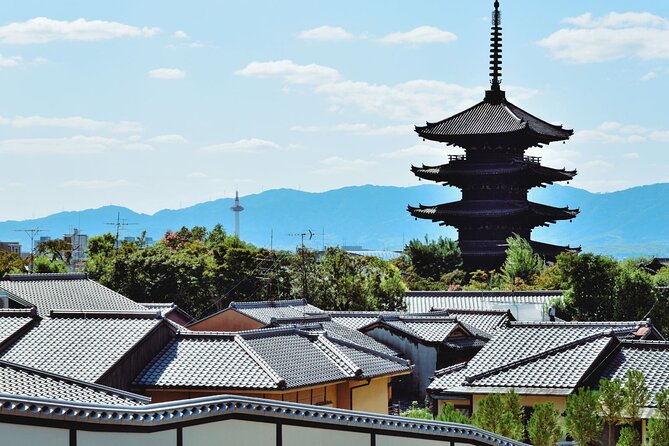
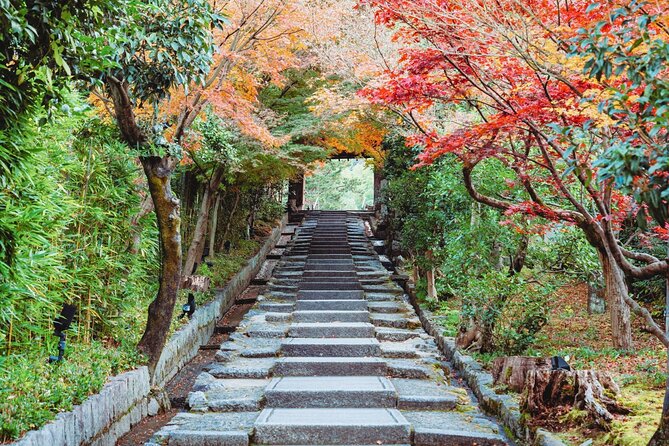
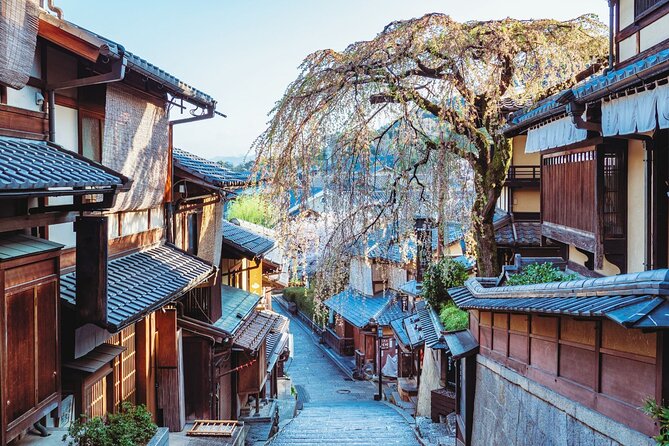
The route also includes a sloped street lined with traditional shops—Sannenzaka—along with local legends about where the name comes from. This segment is the emotional payoff of the morning. It’s the Kyoto you picture: stone lanes, historic storefront shapes, and that sense of walking through a long timeline.
This part tends to feel more “Kyoto” than “attraction,” and that’s a good thing. You’re not only collecting landmarks; you’re walking the kind of street that defines the district.
Because it’s a slope, bring footwear that handles uneven ground and steps. You’ll cover only a few kilometers total, but Higashiyama’s layout makes every bit of distance feel more interesting than flat-city walking.
Price and value: why $50.73 can make sense here
At $50.73 per person, this isn’t a bargain-basement street stroll. But it also isn’t overpriced for what you’re buying—especially if you’re doing this as a first Kyoto day.
Here’s where the value comes from:
- English-guided walking time with a local guide (not just an audio app)
- Free admissions at the scheduled stops, so you don’t get surprised by temple ticket costs
- The early timing that helps you experience the district without turning every step into a queue
- Local tips and recommendations, which can save you real money and time later (where to eat, where to shop, what to see next)
If you compare this to the cost of paying for entry tickets plus paying for a guide separately, the price starts to look more reasonable. And for solo travelers, the private group format can be a nice comfort: you’re not squeezed into a huge herd.
What’s included (and what you must plan yourself)
The tour includes:
- An English guided walking tour
- Local tips and recommendations
It does not include:
- Hotel pickup and drop-off
- Transportation to/from the meeting point (you’ll meet on foot or via nearby transit)
- Food and drinks
- Entrance fees, because the listed admissions are free
This means you should plan like you’re doing a focused morning activity:
- Eat breakfast before you arrive (cafes may be closed until later)
- Carry water if you need it
- Wear shoes that can handle slopes and stone
Also note: it’s explicitly not a Gion geisha tour. If that’s what you want, you’ll need a different type of experience.
Pace, distance, and meeting point reality
This tour runs about 2 hours and covers 1.45 miles (2.3km). That’s a good balance for a morning that still leaves you free afterward. Your stops have time blocks—15 minutes at Minamiza, 15 minutes at Yasaka Shrine, 5 minutes at Yasakanoto, and 10 minutes around Kiyomizu-dera—plus walking time between.
It also starts at 7:30 AM, at 208 Nakanochō, Higashiyama Ward. Because it’s a walking tour, build in a little buffer to reach the meeting spot. Morning transit can be quick, but stepping out the wrong way on foot in older neighborhoods can cost time fast.
The route ends around Kiyomizu-dera (listed as Kiyomizu, Higashiyama Ward), which is convenient. Once you finish, you’re already in the exact area where you’ll want to keep wandering.
Who this tour is perfect for
This tour is especially well-suited for:
- First-time Kyoto visitors who want the core sights without the stress of figuring everything out alone
- Solo travelers, because a good local guide can turn a confusing district into something you understand fast
- People who enjoy walking but still want a structured plan with time limits
- Travelers who like cultural context—Kabuki origins, Shinto shrine importance, and the stories behind street names
If you’re sensitive to early starts, you might feel the 7:30 AM time more than you expect. And if your plan includes lots of cafe hopping right after, you’ll need to adjust—breakfast first, then let the morning flow.
Make your morning go smoothly (a few simple moves)
A great day in Higashiyama is mostly about momentum. Here’s how to keep it easy:
- Breakfast before the tour since cafes open around 9:00 AM
- Wear comfortable shoes for slopes near Sannenzaka and the temple approach areas
- Bring a camera or phone ready for the Yasaka Pagoda moment
- After Kiyomizu-dera, use the guide’s recommendations right away while the morning is still fresh
One underrated advantage: a local English-speaking guide can often help you avoid the common “stand here, take photo, then wonder what next” problem. When you know where to aim your next hour, your trip feels faster and more satisfying.
Should you book this Kyoto East Early Morning Walking Tour?
I think you should book it if you want a calm start in Higashiyama with real guidance, not just a checklist of stops. The early timing is the biggest win, and the fact that you get English-led context plus local tips makes it a strong first-day choice.
Skip it or choose something else if you specifically want:
- A geisha-focused experience in Gion (this one isn’t that)
- A tour that includes lots of food stops (this one doesn’t)
- Hotel pickup or an easy ride-by-van format (it’s a walking tour)
If your goal is to see Kyoto’s East side thoughtfully—starting at 7:30 AM, with free entry stops and a guide who can point you toward what matters—this is a solid use of your morning.
FAQ
What time does the Kyoto East Early Morning Walking Tour start?
The tour starts at 7:30 AM.
How long is the tour?
The tour lasts about 2 hours.
How far do we walk?
It’s about 2.3 km (1.45 miles).
Where is the meeting point?
The meeting point is 208 Nakanochō, Higashiyama Ward, Kyoto, 605-0075, Japan.
What happens at the end of the tour?
The tour ends near Kiyomizu-dera (listed as Kiyomizu-dera1-chōme-294 Kiyomizu, Higashiyama Ward, Kyoto, 605-0862, Japan).
Is this tour private?
Yes. It’s listed as a private tour/activity, meaning only your group participates.
Are entrance fees included?
Entrance fees aren’t required for the scheduled stops, since admissions are listed as free.
Is breakfast or food included?
No. Food and drinks are not included. Cafes typically open around 9:00 AM, so it’s best to eat before the tour.
What is the cancellation policy?
Free cancellation is available up to 24 hours before the experience starts for a full refund.
More Walking Tours in Kyoto
More Tours in Kyoto


More Tour Reviews in Kyoto


Just added: more Kyoto tours to browse








Walking Tours, compared.
 ★ 4.7Kyoto Geisha Walking Tour: Gion District & Hidden GemsFrom $253,273 reviews
 ★ 4.9Gion Magical Night Walking Tour with Geisha TriviaFrom $242,393 reviews
 ★ 4.7Gion Geisha District Walking Tour – Stories of GeishaFrom $202,187 reviews
 ★ 4.5Night Walk in Gion: Kyoto’s Geisha DistrictFrom $212,003 reviews
 ★ 5.0Kyoto Gion Geisha District Walking Tour – The Stories of GeishaFrom $251,441 reviews
 ★ 5.0Nishiki Market Brunch Walking Tour (7 Tastings + Brunch)From $681,355 reviews
 ★ 5.0Kyoto Arashiyama Walking Tour: Bamboo, Monkeys, Gardens & SecretsFrom $651,216 reviews
 ★ 5.0Kyoto Gion: 2-Hour Geisha Culture & History Walking TourFrom $231,186 reviews
Browse the lists this tour appears in