
Reviewed · WALKING TOURS
Kyoto: Early Morning Walking Tour with Local Guide
Kyoto feels totally different before the day-trippers wake up. This early morning walking tour is built around that idea, starting with Kiyomizu-dera’s views and then moving through classic lanes like Sannen-zaka and Ninen-zaka while the streets are still calm.
I especially like how the route mixes big-name landmarks with quieter temple time, so you get both the postcard moments and the Kyoto you can actually breathe in. One thing to consider: it’s a 6-hour, on-your-feet day, with comfortable shoes a must and extra time spent walking plus a short train segment.
In This Review
- Key Highlights You’ll Feel in Your Day
- Why Starting at Kiyomizu-dera Before the Crowds Changes Everything
- Kiyomizu-dera’s Viewpoint Time: The Calm Version of a Classic
- Gion District on a Quiet Morning: Seeing Geisha Culture Without the Chaos
- Sannen-zaka and Ninen-zaka: Traditional Streets That Still Feel Human
- Yasaka Pagoda and Yasaka Shrine: Icons, Up Close, Without the Shoulder-to-Shoulder Feel
- Chion-in Temple: When Architecture Becomes the Main Event
- The Gion-to-Fushimi Link: A Short Train Segment That Keeps the Day Logical
- Fushimi Inari Taisha: The Torii Gates Feel Different at Morning Tempo
- Price and Value: What $316 Per Group Really Buys You
- What to Expect on the Ground: Timing, Walking, and What to Bring
- Meeting Point Done Easy: Family Mart to Hotel Pickup Option
- Who This Tour Fits Best
- Should You Book This Early Morning Kyoto Walking Tour?
- FAQ
- FAQ
- Where does the tour meet?
- How long is the Kyoto early morning walking tour?
- What sights are included?
- Do I need to pay an entrance fee?
- Is food and drinks included?
- What language is the live guide?
- What should I bring for the tour?
Key Highlights You’ll Feel in Your Day
- Start early at Kiyomizu-dera for the best atmosphere before crowds arrive
- Old-street wandering through Sannen-zaka and Ninen-zaka, with that preserved “Kyoto in the past” feeling
- Icon stops that actually matter: the five-story Yasaka Pagoda and Yasaka Shrine
- Chion-in Temple time at a slower pace, so the architecture can land
- Fushimi Inari’s torii path plus an ending point that keeps train access easy
Why Starting at Kiyomizu-dera Before the Crowds Changes Everything
Kyoto has a way of rewarding patience. When you arrive early, the city’s noise drops, the grounds feel more reflective, and you can actually see details instead of just checking off stops. This tour’s whole rhythm is built around that early window—when shrines and temple approaches feel spacious and the light looks better too.
The plan begins at the famous Kiyomizu-dera area, with time at the Kiyomizu-dera Koyasunoto Pagoda viewpoint. You get to stand where many visitors want to be, but with fewer people in your way. You’ll be walking early, taking photos, and getting oriented before the daytime rush thickens.
A practical note: you’ll pay a Kiyomizudera entrance fee of about 3 USD, so factor that into your total day budget.
Other Kyoto tours and experiences to compare


Kiyomizu-dera’s Viewpoint Time: The Calm Version of a Classic
Kiyomizu-dera is one of those places where the setting does half the work. From the Koyasunoto Pagoda area, you get wide views that feel open and still, especially early in the morning. The best part is the pace. This isn’t a frantic sprint to the next photo spot.
You’ll also get a chance to take your time with the approach areas, then transition toward the next neighborhoods without feeling like you’re constantly dodging bodies. That’s the difference between sightseeing and actually experiencing.
If you’re traveling with kids, this early start can be a win. The tour structure is straightforward—lots of walking, but broken into stop-and-recover segments—so it stays manageable for families.
Gion District on a Quiet Morning: Seeing Geisha Culture Without the Chaos
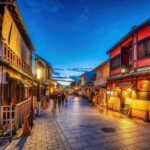
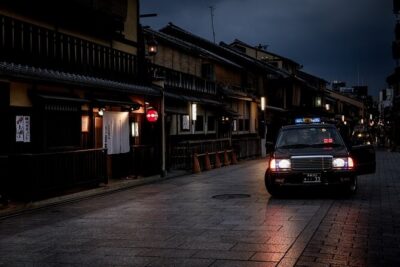
Most people think they know Gion. The truth is, Gion changes drastically depending on the hour. In the morning, the streets feel less like a stage and more like a neighborhood. You still see the atmosphere—wooden facades, old streets, and that sense of tradition—just with fewer eyes watching.
This tour includes a morning walk through Gion, giving you time to slow down and understand what you’re seeing rather than just passing through it. A strong point here is the way your guide brings context. In particular, the guide experience tends to include anecdotes about everyday life and Japanese society, not only textbook dates and names. That kind of storytelling makes a neighborhood feel real.
You’ll also pick up small etiquette cues just by walking with a local. It helps you behave like you belong there, not like you’re rushing through a museum corridor.
Sannen-zaka and Ninen-zaka: Traditional Streets That Still Feel Human
After the early classics, the tour moves through the famous preserved lanes of Sannen-zaka and Ninen-zaka. These are the “old Kyoto” streets everyone photographs, with stone paths and traditional-style buildings lined up like a living postcard.
The value of doing this as part of a guided morning plan is timing. You’ll experience the character of these streets without the crush that often turns them into slow-moving traffic. You can pause, look up, notice textures, and take photos without constantly stepping around groups.
Another advantage: a good guide helps you spot what matters in places like these. Instead of staring at everything randomly, you’ll get pointed toward details that make the streets feel connected to Kyoto’s daily rhythm.
Yasaka Pagoda and Yasaka Shrine: Icons, Up Close, Without the Shoulder-to-Shoulder Feel
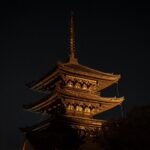
The tour includes a stop for the five-story Yasaka Pagoda, one of Kyoto’s signature silhouettes. Even if you’ve seen photos before, it hits differently when you see it in the surrounding streetscape—especially earlier in the day.
From there, you move to Yasaka Shrine. This is the kind of place where the energy comes from both people and ritual. You’ll get time to look around and understand the setting beyond the quick “pose and go” approach.
The key here is that you’re not just sprinting between landmarks. You’re spending enough time to let each stop make sense, and your guide’s explanations help you see how shrine space works in daily life. That’s also where the “not too touristy corners” effect can show up, depending on the morning flow and your guide’s pacing.
Other Kyoto tours and experiences to compare

Chion-in Temple: When Architecture Becomes the Main Event
After the more visually famous stops, you get Chion-in Temple time. Chion-in is about scale, structure, and atmosphere—the kind of place where the buildings themselves create a mood. With a 30-minute stop, you have just enough time to take in the key architecture without turning it into a long endurance test.
This stop is a good example of why early morning works. Temple grounds feel calmer, and you can see how space changes perception. Instead of crowds dictating your movement, you can choose where to look and how long to linger.
If you like “why this place feels the way it does,” this part tends to pay off. Your guide can also connect temple visiting with Japanese rites and everyday cultural habits, which adds meaning to the visuals.
The Gion-to-Fushimi Link: A Short Train Segment That Keeps the Day Logical
Once the morning temples and streets are done, you’ll take a short local train segment (about 15 minutes) to reach the final highlight. This is smart planning. Rather than adding extra long walks, the route uses transit to keep your energy for the torii experience.
The tour ends at Fushimi Inari Taisha, with train access that’s easy to use right after you finish. That matters because Fushimi Inari can be a point where many people feel stuck—either they’ve walked too much or they’re stuck backtracking. Ending here helps your next move.
Fushimi Inari Taisha: The Torii Gates Feel Different at Morning Tempo
Fushimi Inari is famous for good reason: the endless tunnel effect of torii gates. But the real question is how you experience it. With this tour, you’re not arriving at the busiest time, so you can walk the path with fewer interruptions.
You’ll get about one hour at Fushimi Inari Taisha. That’s long enough to feel the rhythm of the torii corridor and take in the atmosphere without turning it into an all-day hike. It’s also long enough to notice how the shrine space becomes progressively more layered as you go deeper.
A good guide helps you keep momentum while still giving you time to stop. That balance is what turns Fushimi Inari from a chaotic photo mission into a meaningful stroll.
Price and Value: What $316 Per Group Really Buys You
The price is $316 per group up to 10 people for a 6-hour experience. On paper, that might look like a lot if you’re thinking per person. But here’s how I’d frame the value:
- If you travel with a small group or family, you’re paying for coordination, a live guide, and a route that’s specifically timed for early-day conditions.
- You’re also paying for fewer wasted minutes. A guided morning plan saves you from figuring out the best order, where to stand, and what to look for along the way.
- The tour includes visits to major stops: Kiyomizu-dera, Gion, Sannen-zaka and Ninen-zaka, Yasaka Pagoda, Yasaka Shrine, Chion-in, and Fushimi Inari.
And then there’s the human factor. The best part of this tour style is how guides often tailor pacing and adjust the route for your needs. One review described a guide who was prepared and flexible, showing not only the main sights but also smaller corners that feel less crowded. Another highlighted that the tour can work well with children because the pace and route can be adjusted.
So the real value is that you’re buying a morning experience with momentum and context, not just a checklist of monuments.
What to Expect on the Ground: Timing, Walking, and What to Bring
This is a walking tour with temple and shrine stops. Plan for cobblestones and stone paths. Bring comfortable shoes and expect uneven ground in places.
Bring what you’ll actually use:
- Camera (you’ll want it)
- Sunscreen and water
- A little patience for stairs and walking time
Also, go with the mindset of early-day sightseeing. You’re starting early to avoid crowds and enjoy cooler temperatures, and that affects how the day feels. If you arrive tired and rushed, the whole experience becomes harder.
Meeting Point Done Easy: Family Mart to Hotel Pickup Option
The default meeting point is Family Mart in front of Higashiyama Fire Station at 4 Chome-182-18 Kiyomizu, Higashiyama Ward, Kyoto, 605-0862 (Google Maps). If you prefer, you can request to meet at your hotel in Kyoto city.
That flexibility matters in real life. Kyoto streets can be confusing at first, and avoiding a scramble to find a landmark reduces stress. If you’re staying near the main sights, meeting at the Family Mart is usually straightforward; if not, hotel pickup can keep the morning smooth.
Who This Tour Fits Best
This is a strong match if you want:
- Early morning access to Kyoto’s temples and shrines when things feel calmer
- A guided pace that balances major sights with time to actually look
- Cultural context, including stories about society and everyday life, not just dates
- A tour that can work for families, including kids, as the route can be adapted to needs
It’s also a good fit if you don’t want to spend your trip figuring out logistics and ordering every stop yourself.
Should You Book This Early Morning Kyoto Walking Tour?
If you like your sightseeing with fewer crowds and more meaning, this tour is an easy yes. The structure hits the big names—Kiyomizu-dera, Yasaka Pagoda, Yasaka Shrine, Chion-in, and Fushimi Inari—but it does so in a way that feels paced rather than frantic. The early start is the secret ingredient: it turns famous places into experiences you can breathe in.
Book it if you value a guide who can explain what you’re seeing and adjust for your group’s needs. Skip it only if you dislike walking for 6 hours or you’re looking for a more leisurely, car-based day with minimal transit and minimal walking.
FAQ
FAQ
Where does the tour meet?
The meeting point is at the Family Mart in front of Higashiyama Fire Station, at 4 Chome-182-18 Kiyomizu, Higashiyama Ward, Kyoto 605-0862 (Google Maps). You can also request to meet at your hotel in Kyoto city.
How long is the Kyoto early morning walking tour?
It lasts 6 hours.
What sights are included?
The tour includes visits to Kiyomizu-dera Temple, Gion District, Sannen-zaka and Ninen-zaka, Yasaka Pagoda, Yasaka Shrine, Chion-in Temple, and Fushimi Inari Shrine.
Do I need to pay an entrance fee?
Yes. The Kiyomizudera entrance fee is about 3 USD. Other costs are not listed as included.
Is food and drinks included?
No. Food and drinks are not included.
What language is the live guide?
The live tour guide is available in English and Italian.
What should I bring for the tour?
Bring comfortable shoes, a camera, sunscreen, and water.
More Walking Tours in Kyoto

More Tours in Kyoto


More Tour Reviews in Kyoto


Just added: more Kyoto tours to browse








Walking Tours, compared.
 ★ 4.7Kyoto Geisha Walking Tour: Gion District & Hidden GemsFrom $253,273 reviews
 ★ 4.9Gion Magical Night Walking Tour with Geisha TriviaFrom $242,393 reviews
 ★ 4.7Gion Geisha District Walking Tour – Stories of GeishaFrom $202,187 reviews
 ★ 4.5Night Walk in Gion: Kyoto’s Geisha DistrictFrom $212,003 reviews
 ★ 5.0Kyoto Gion Geisha District Walking Tour – The Stories of GeishaFrom $251,441 reviews
 ★ 5.0Nishiki Market Brunch Walking Tour (7 Tastings + Brunch)From $681,355 reviews
 ★ 5.0Kyoto Arashiyama Walking Tour: Bamboo, Monkeys, Gardens & SecretsFrom $651,216 reviews
 ★ 5.0Kyoto Gion: 2-Hour Geisha Culture & History Walking TourFrom $231,186 reviews
Browse the lists this tour appears in