
Reviewed · ARASHIYAMA & BAMBOO GROVE TOURS
Kyoto: Arashiyama Bamboo Grove, Monkey Mountain Walking Tour
Bamboo sounds like rain in Kyoto. This guided walk through the Saga-Arashiyama Bamboo Grove blends nature, a Zen garden pause, and a hike for Monkey Mountain monkey-spotting, without turning your day into a long line shuffle.
I love the simple, sensory payoff: you’re right under the bamboo when the wind moves through the stalks. I also like the mental reset that comes from stopping at Okochi Sanso Villa for matcha in a calm garden setting, before you head toward the mountain views.
The main thing to consider is the physical side: there’s a short hike up Monkey Mountain, so comfortable walking shoes matter.
In This Review
- Key things to know before you go
- Saga-Arashiyama start: meeting point and first-moment momentum
- Walking the Arashiyama Bamboo Grove: where the wind does the storytelling
- Okochi Sanso Villa matcha break: the Zen garden pause you’ll feel later
- Park stroll to the mountain climb: how the day ramps up
- Monkey Mountain up close: troupes, views, and what “optional feeding” really means
- What’s included in $77: value that’s more than a guided walk
- Pace, timing, and what to bring so the hike stays fun
- Should you book it? Who this Arashiyama and Monkey Mountain tour fits best
- FAQ
- FAQ
- How long is the Kyoto Arashiyama Bamboo Grove and Monkey Mountain walking tour?
- How much does the tour cost?
- Where do I meet the guide?
- What’s included in the price?
- Is food included?
- What language is the guide?
- Is there a hike?
- Can I feed the monkeys?
- What should I bring?
- Is the tour suitable for older adults or people with mobility impairments?
- Can I bring a drone?
Key things to know before you go
- Saga-Arashiyama bamboo sounds better than photos show, especially when the breeze gets going overhead
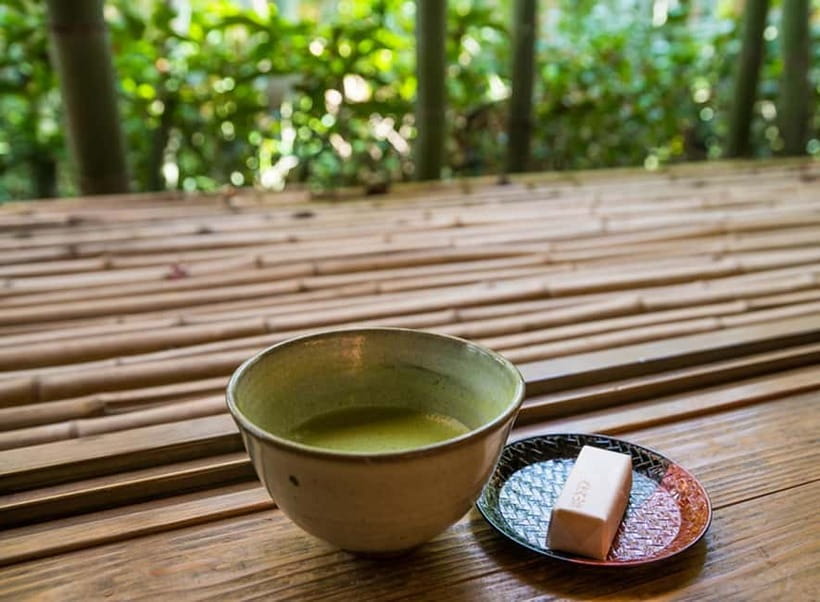
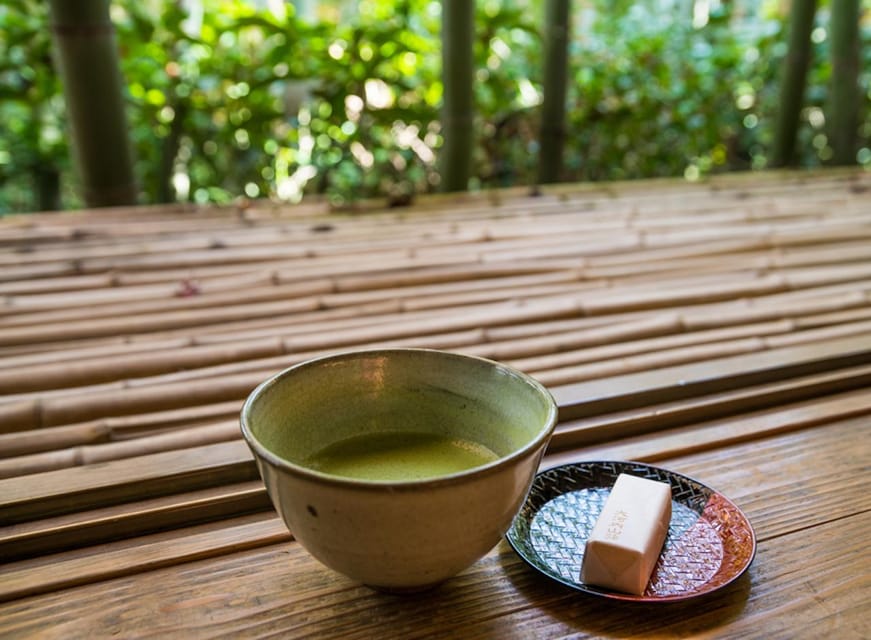
- Matcha at Okochi Sanso Villa turns a quick break into a genuinely peaceful moment in a Zen-inspired garden
- Monkey Mountain is short, but it’s a hike, and the payoff is seeing monkeys up close at the top
- Optional monkey feeding is available from a small building on top, with the cost paid separately
- A guide keeps the day moving at a comfortable pace and adds context so places feel more than scenic backdrops
- Tickets and entry are covered, while food and drinks stay on you
Saga-Arashiyama start: meeting point and first-moment momentum
Your tour begins in Arashiyama at Saga-Arashiyama Station—meet your guide outside a small 7/11 kiosk, directly outside the subway station gates. That’s a big deal because this area can sprawl a bit once you’re out of the station. Starting at something concrete (a kiosk you can spot) helps you avoid the usual early-day stress.
Right away, the goal is to set you up for a calmer experience in a famous place. The bamboo grove is world-renowned, which usually means crowd pressure. This tour is designed to help you spend more time actually seeing and less time fighting foot traffic.
Also, you’ll want to keep your basics ready. Bring comfortable shoes and water—you’re about to do a good chunk of walking, plus stairs at the mountain end. And since the day includes time on the go, it’s smart to wear comfortable clothes rather than anything stiff or risky on uneven paths.
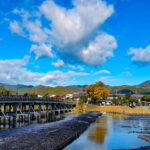
Deeper into Arashiyama, past the bamboo and the Hozu river

Walking the Arashiyama Bamboo Grove: where the wind does the storytelling
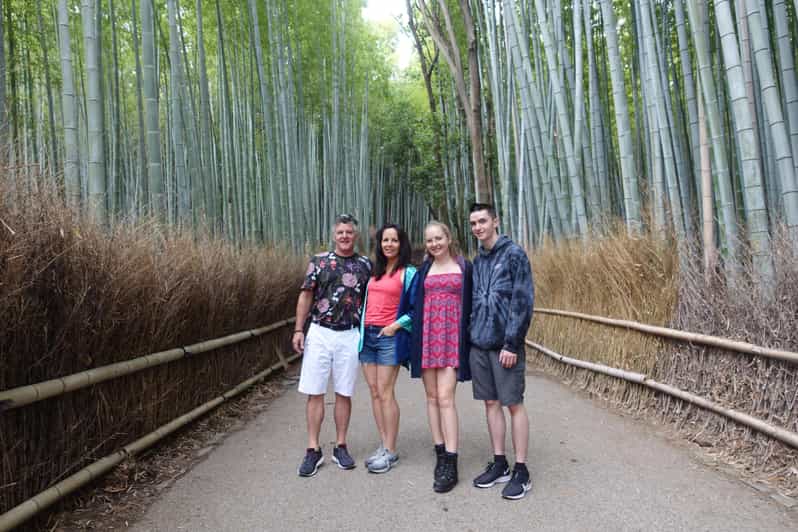
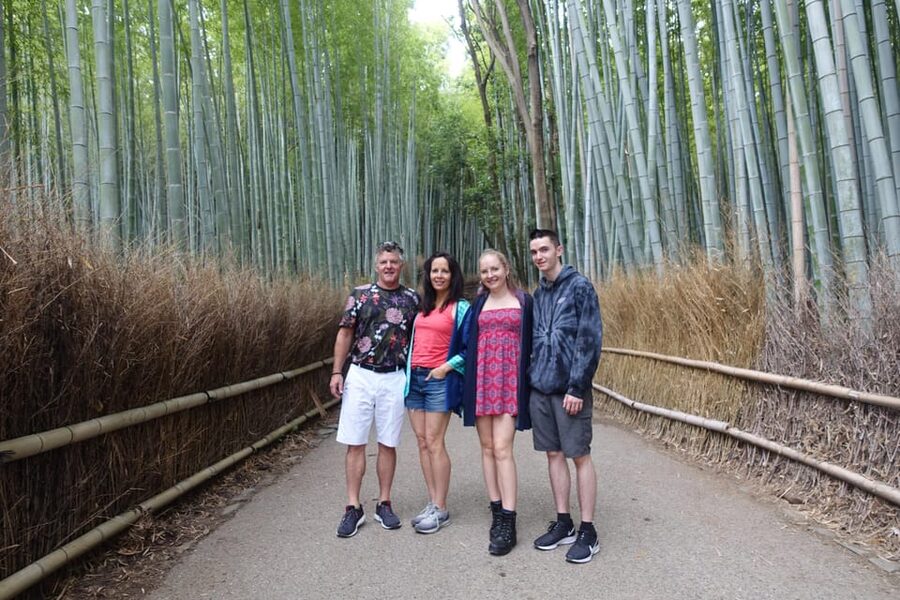
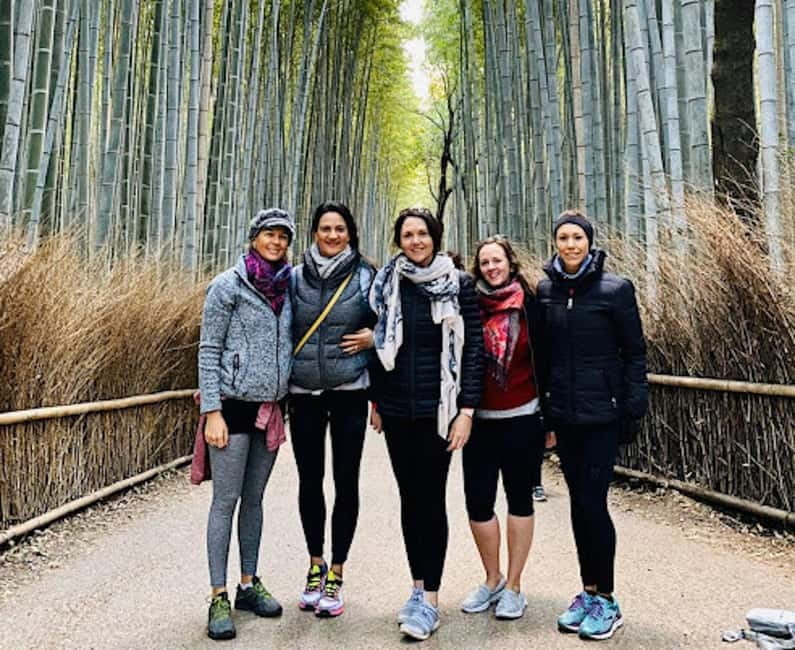
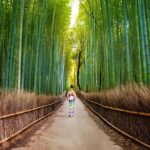
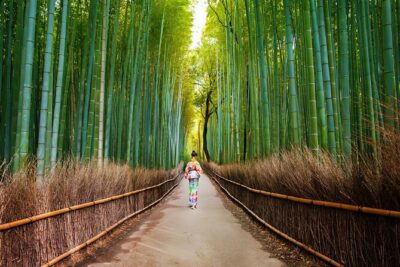
The Arashiyama Bamboo Grove is famous for a reason: it looks cinematic, yes, but what you really remember is the sound. When the wind moves through the overhead branches, you get that repeated rustle—like the place is talking quietly to itself. It’s the kind of sensory detail that a photo can’t reproduce.
Here’s the practical value of going with a guide in this area: they help you understand what you’re looking at, so the grove becomes more than a bucket-list stop. Without that context, you can end up just snapping pics and moving on. With a guided stroll, you tend to notice the rhythms—where paths open for views, how the bamboo frames angles, and how the mood changes as you move deeper in.
And crowd management matters here. The tour’s approach is to help you stay away from the largest tourist crowds, so you can actually hear the grove instead of competing with constant noise. If you’ve ever been in a crowded bamboo corridor, you already know how quickly it can stop being relaxing. This setup aims to keep it peaceful.
One more note: you’re in a walking-tour format. That means you’re not stuck watching others go by. You’ll spend time moving through the grove while someone else handles the pacing and route choices, so you can focus on enjoying it.
Okochi Sanso Villa matcha break: the Zen garden pause you’ll feel later
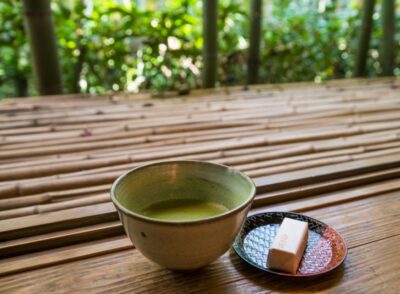
After the bamboo, you shift into a different kind of Kyoto mood at Okochi Sanso Villa. This stop is built around a contemplative experience: you visit a Zen inspired garden and then enjoy matcha tea.
Why this matters: bamboo is nature-on-full-volume. Then the villa gives you the opposite feeling—quiet, measured, and grounded. That contrast is exactly why this tour works so well as a half-day plan. You don’t just “see stuff.” You get a reset.
The matcha itself is part of the value. Since the tour includes entry tickets, you’re not juggling extra admissions or trying to coordinate your own tea break while the day gets away from you. You also avoid the common problem of arriving somewhere like this only to find you’ve mis-timed your experience.
In practice, expect the pace to slow here. You’ll have time to look around the garden and actually take in the setting rather than treating it like a photo backdrop. This is where your senses catch up—especially after the grove’s strong visual and sound effects.
Park stroll to the mountain climb: how the day ramps up
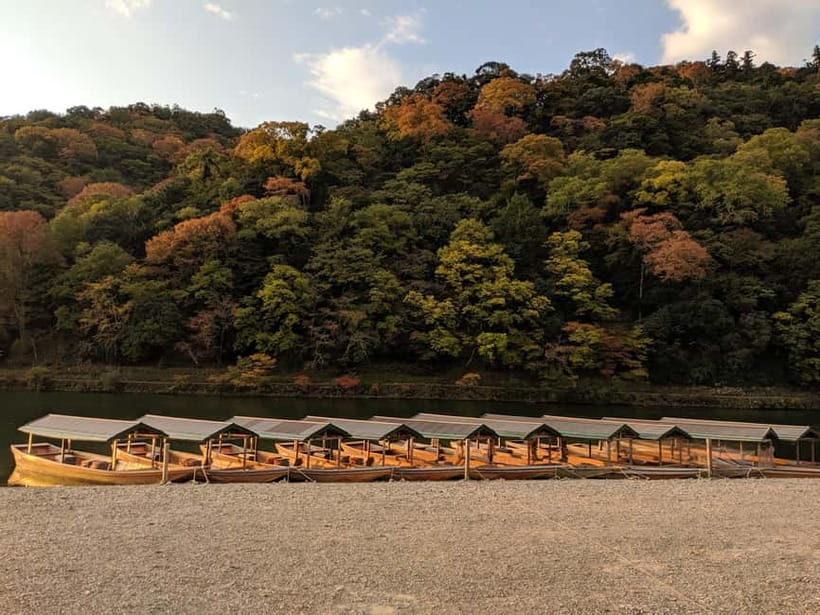
Once you’re back out, you continue with a short park stroll. This is more than filler time. It helps you transition from garden calm to mountain energy without feeling like you’ve jumped straight into an uphill sprint.
Then comes Monkey Mountain. The climb is described as short, but it does take a fitness level that isn’t just “walk a little.” The tour notes it includes a short hike, and your rule of thumb is whether you can climb 2 to 3 flights of stairs without getting seriously out of breath.
If that’s you on a normal day, you’re in the clear. If you’re someone who gets winded quickly or struggles with steep steps, this is where you should think carefully. The tour is not suitable for people with mobility impairments, and it’s also not recommended for people over 80.
This is also why comfortable shoes are non-negotiable. You don’t want to spend the hike thinking about your feet instead of enjoying the view and the monkeys.
Monkey Mountain up close: troupes, views, and what “optional feeding” really means
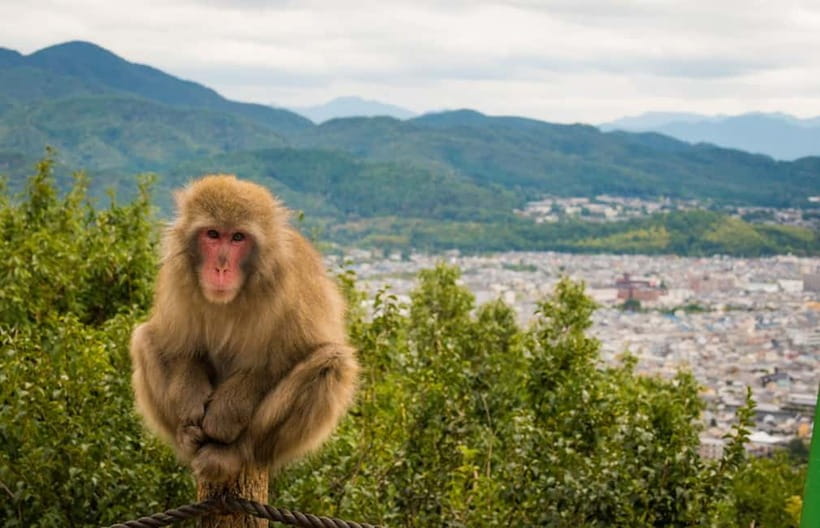
At the top, you’re in monkey territory. The tour includes the chance to see troupes of monkeys gathering, which is the highlight most people come for.
Here’s the realistic way to think about it: these are wild animals. The experience depends on what’s happening on the mountain at that moment. The advantage of having a guide is that you’ll know where to focus and how to approach the area safely and respectfully.
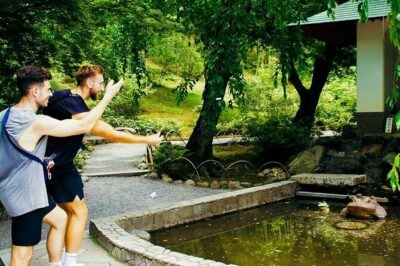
There’s also an optional monkey-feeding moment. The tour notes you can feed the monkeys from inside a small building on top of the mountain, and that feeding is at your own expense. That’s useful information for your budgeting and expectations: you don’t have to pay for it, but if you want the interaction, you’ll need to plan for the extra cost.
After your little hike, you can also buy a refreshing drink at the top of the mountain. That’s a practical lifesaver because you’re finishing with effort and heat exposure potential. Having a drink available right where you need it keeps the day from ending with the usual scramble for water.
And then there’s the human side: your guide’s stories and explanations help the mountain feel like more than a monkey-scene. That context can turn a quick sighting into something you remember more clearly.
Other Kyoto tours and experiences to compare
What’s included in $77: value that’s more than a guided walk
At $77 per person for about 4 hours, the price can look straightforward at first—until you look at what’s covered.
You get:
- All entry tickets
- A guide (English and French)
- A walking tour
- A digital guide to Kyoto (best restaurants, cafes, bars, and more)
Food and drinks are not included, so you’ll still want to budget for any snacks you want during the day. But the rest matters. When entry tickets are included, it removes a common layer of planning stress. You also get the guide time, which is the main differentiator in places like Arashiyama where timing and crowd movement can make or break your experience.
The digital guide is the underrated part. A good tour doesn’t end when you step off the last stop. With that extra list of places to eat and go after the tour, you get momentum for the rest of your Kyoto day without Googling from scratch.
Also, the tour offers private or small groups, which can be worth it if you care about pace and not feeling squeezed. In a crowded city area, being in a smaller group can be the difference between enjoying the bamboo sound and just surviving it.
Pace, timing, and what to bring so the hike stays fun
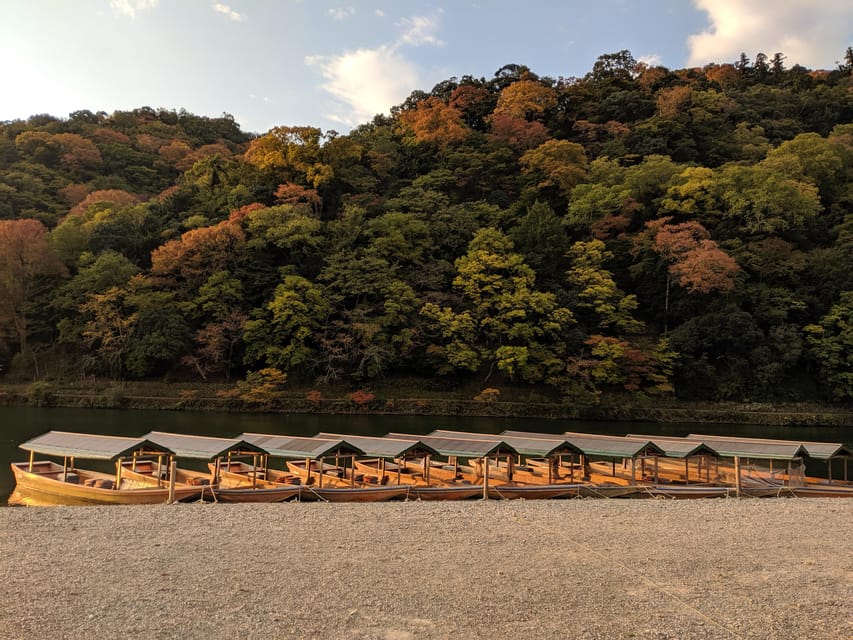
This is a 4-hour walking experience, including the mountain portion. It’s not a sightseeing sprint, but it’s also not a sit-and-stare tour.
To stay comfortable:
- Wear sports shoes or other supportive footwear
- Bring water
- Dress in comfortable clothes that work for walking plus stairs
- Plan for a day with some physical effort
The tour notes it’s not suitable for mobility impairments and age over 80. And if you’re traveling with family and kids under 10, the advice is to choose a private tour rather than the standard option.
Language is English or French, and the guide experience is part of the value. If you like learning stories tied to places—how a garden feels, why an area became known, what to look for at the mountain—this format tends to fit well.
One more constraint to plan for: no drones. If you were hoping to film from above, you’ll need to skip that idea here.
Should you book it? Who this Arashiyama and Monkey Mountain tour fits best
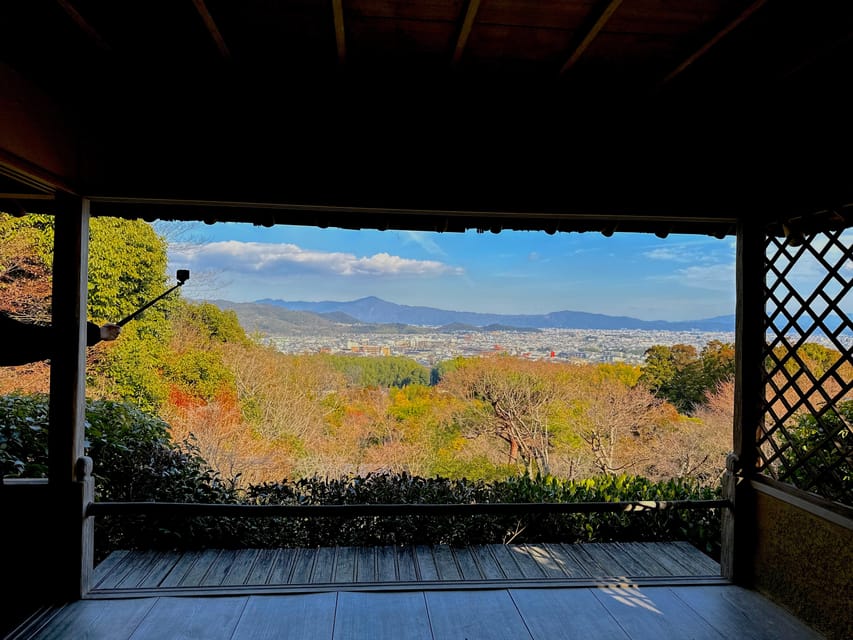
If you want a Kyoto half-day that mixes bamboo, a matcha garden pause, and Monkey Mountain in one tidy experience, this is a strong match. It’s also a good choice if you’re craving a calmer feel and want help staying away from the worst crowds.
You’ll likely enjoy it most if:
- You’re comfortable walking for about 4 hours and handling a short hike
- You want someone to guide you so the day feels organized and not chaotic
- You like the idea of matcha as part of the experience, not just an afterthought
- You appreciate a digital guide for what to do next
You should skip or consider a different option if:
- Stairs and hills are a struggle for you
- You’re traveling with reduced mobility
- You’re looking for a fully flat, low-effort outing
FAQ
FAQ
How long is the Kyoto Arashiyama Bamboo Grove and Monkey Mountain walking tour?
It lasts about 4 hours.
How much does the tour cost?
The price is $77 per person.
Where do I meet the guide?
Meet the guide outside a small 7/11 kiosk, directly outside the Saga Arashiyama subway station gates.
What’s included in the price?
Entry tickets, a guide, the walking tour, and a digital guide to Kyoto with restaurant and nightlife recommendations.
Is food included?
No. Food and drinks are not included.
What language is the guide?
The tour offers live guiding in English and French.
Is there a hike?
Yes. The day includes a short hike to Monkey Mountain, and you should be able to climb 2 to 3 flights of stairs without being seriously out of breath.
Can I feed the monkeys?
You can feed the monkeys from inside a small building on top of the mountain, but it’s at your own expense.
What should I bring?
Bring comfortable shoes, sports shoes if you prefer, comfortable clothes, and water.
Is the tour suitable for older adults or people with mobility impairments?
It is not suitable for people with mobility impairments, and it’s not recommended for people over 80.
Can I bring a drone?
Drones are not allowed.
More Tours in Kyoto



More Tour Reviews in Kyoto


More of Arashiyama and Sagano
Just added: more Kyoto tours to browse








Arashiyama & Bamboo Grove Tours, compared.
 ★ 4.8Fushimi Inari, Kinkakuji, Bamboo Grove 1 Day Bus TourFrom $1224,316 reviews
 ★ 4.1Osaka/Kyoto:Kinkakuji,Arashiyama,FushimiInariShrine,NaraParkFrom $661,596 reviews
 ★ 4.7Kyoto/Osaka: Nara, Fushimi Inari Taisha, Arashiyama Bus TourFrom $521,275 reviews
 ★ 5.0Kyoto Arashiyama Walking Tour: Bamboo, Monkeys, Gardens & SecretsFrom $651,216 reviews
 ★ 4.8Arashiyama Bamboo, Temple, Monkeys, or Secret Sake BreweryFrom $87886 reviews
 ★ 5.0Arashiyama Bamboo Forest, Monkeys, Matcha & Temple TourFrom $53759 reviews
 ★ 4.4Osaka/Kyoto: Arashiyama, Nara & Fushimi Inari Shrine w/LunchFrom $61754 reviews
 ★ 5.0Nijo, Kinkaku-ji, Arashiyama, Kiyomizu & Fushimi InariFrom $51699 reviews
Browse the lists this tour appears in