
Reviewed · NARA DAY TRIPS FROM KYOTO
Kyoto and Nara Private Car Tour with a Local English Guide Driver
Kyoto and Nara in one day can sound exhausting, until you add a car and a guide. This private tour is built for easy logistics: hotel pickup and drop-off, a professional licensed driver, and an English-speaking local guide who can explain what you’re seeing without the guesswork. In the same vehicle day, you’ll also have access to a guide team that includes people like Yama and Hibiki—plus an operator that highlights safety and Japanese language help if something goes wrong.
What I like most is the balance of big-name stops and practical pacing. You get the famous Kyoto icons like Fushimi Inari-taisha, Kinkaku-ji (Golden Pavilion), and Kiyomizu-dera, plus a full Nara day with Nara Park and Todai-ji—all without dragging your group across train transfers. I also like that you can choose the car, and there’s Wi‑Fi on board, which sounds small until you’re trying to coordinate photos, maps, and meet-up times.
One thing to consider: this is a tight, stop-heavy 10-hour route with many 15-minute windows. If you want long, slow temple time or shopping marathons, you may feel a little rushed. Also, entrance fees and meals aren’t included, so you’ll need some extra budgeting and cash for on-the-day fees.
In This Review
- Key highlights worth centering your day on
- Why this private car tour feels easier than DIY
- The value math: what you pay versus what you get
- Your day, stop by stop: what you’ll see and how to handle each one
- Fushimi Inari-taisha: torii gates and quick strategy
- Arashiyama: bamboo forest energy plus temple gardens
- Arashiyama extras: Kimono Forest, train ride, and macaques
- Gion: traditional streets and a classic Kyoto stroll
- Kinkaku-ji and Ginkaku-ji: two pavilions, different moods
- Nishiki Market: Kyoto’s Kitchen in a compressed window
- Kiyomizu-dera and the Higashiyama vibe
- Yasaka Shrine, Chion-in, and the shrine-temple overlap
- Sanjusangendo: 1,001 statues worth the stop
- Nijo Castle: palace buildings and garden framing
- The curveball: coastal Kyoto day pieces (Amanohashidate and Ine)
- Nara Park and Todai-ji: deer, then the Great Buddha
- Kasuga Taisha and Kofuku-ji: lanterns and pagoda views
- The guide and driver factor: why “local” matters in real time
- What’s included, what’s not, and the money you’ll still need
- Who this tour suits best
- Should you book this Kyoto and Nara private car tour?
- FAQ
- FAQ
- How long is the Kyoto and Nara private car tour?
- How many people can be in a group?
- Is hotel pickup and drop-off included?
- Is the tour fully private?
- Do you include entrance tickets and meals?
- Is there Wi‑Fi on board?
- What extra cash might I need on the day of the tour?
- Are admission fees free for all stops?
- Can I cancel and get a full refund?
- Do I get an English guide?
Key highlights worth centering your day on
- A licensed, Japanese driver with a green-number professional setup (the kind of detail that matters when you’re moving fast through traffic)
- Hotel pickup and drop-off plus Wi‑Fi in the vehicle to keep everyone on track
- A local English and Japanese-speaking guide (named guides include Yama and Hibiki in past tour feedback)
- Iconic Kyoto + Nara in one trip, from torii gates to the Great Buddha
- Some stops are free to enter, but many temples and attractions have tickets that you’ll pay on the spot
- An action-packed route that trades deep lounging for maximum see-and-do coverage
Why this private car tour feels easier than DIY
The biggest win here is simple: you’re not trying to build a Kyoto-and-Nara route like a part-time bus schedule. With private transportation and hotel pickup, you get a clean start, fewer “where are you?” moments, and a driver who already knows how to move through busy areas.
This matters because Kyoto isn’t just one city center. It’s clusters—Gion and Higashiyama, Arashiyama, the north-east shrine hills—plus Nara, and this tour also reaches scenic Kyoto Prefecture areas like Amanohashidate and Ine no Funaya. Doing that by train and taxi means extra lines, extra walking, and extra time spent figuring out the last mile.
If you’re traveling with kids, older relatives, or just the kind of group that hates stress, the car + guide combo is what turns a packed itinerary into an actually workable day.
More day trips out to Nara and its bowing deer
The value math: what you pay versus what you get
The price is listed as $459.81 per group (up to 13). That’s how the tour can feel like a bargain or like a splurge depending on your group size.
- If you’re a smaller group (say 4–6 people), you’ll likely feel the cost.
- If you have a larger group using the full capacity, the per-person cost drops sharply, and the private-vehicle factor starts to feel very fair.
Either way, the value isn’t only the car. It’s also guide interpretation, which changes how you experience places like Kinkaku-ji, Ginkaku-ji, or Kiyomizu-dera. When you understand the why, the photos feel better too.
Your day, stop by stop: what you’ll see and how to handle each one
Fushimi Inari-taisha: torii gates and quick strategy
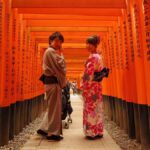
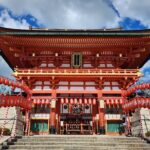
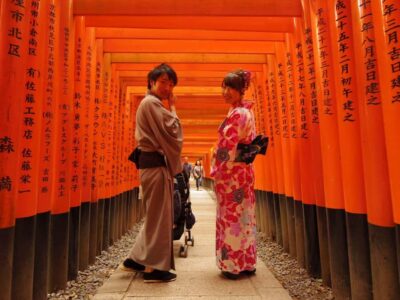
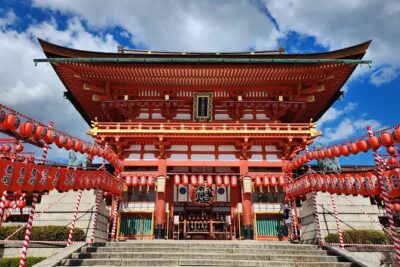
Fushimi Inari-taisha is all about the Senbon Torii, those thousands of red gates that climb through the hillside. Even if you’ve seen pictures, being under the gates hits differently. You’ll also feel the “flow” of other visitors—some people sprint for the top viewpoint, others enjoy the lower paths.
With a short stop window, the trick is to pick your goal fast:
- If you want the classic tunnel vibe, focus on the lower midsection where the density of gates is strongest.
- If you want the best viewpoints, move with purpose early in the stop and don’t stop at every gate.
Admission is listed as free here, so you’re not paying just to walk in.
Arashiyama: bamboo forest energy plus temple gardens
Arashiyama is one of those Kyoto areas that feels like two different trips: scenery first, then culture. Your route includes the Arashiyama district and the Arashiyama Bamboo Forest, plus Tenryu-ji and Togetsukyo Bridge.
- Bamboo Forest: It’s famous for a reason. The height and rhythm of bamboo stalks creates a “quiet tunnel” effect that photographs well even when it’s crowded. In a short timeframe, aim to walk forward a bit before you start shooting; otherwise your pictures can look flat.
- Tenryu-ji Temple: This is where you slow down a little. The big value is the temple’s UNESCO garden atmosphere and traditional layout. Admission is not included, so plan on paying the ticket rather than expecting it to be walk-in free.
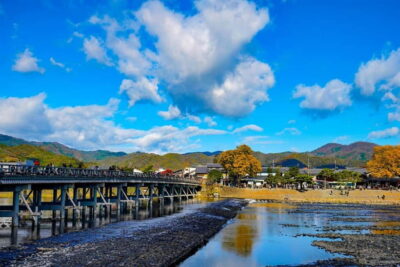
- Togetsukyo Bridge: This is your “stretch the legs and take photos” moment. It’s scenic in every season, and it frames the Katsura River well.
Other Kyoto tours and experiences to compare
Arashiyama extras: Kimono Forest, train ride, and macaques
This tour also includes a few modern and playful additions close to Arashiyama:
- Arashiyama Kimono Forest: A photogenic, brightly colored installation near Arashiyama Station area. It’s listed as free, so you can treat it as a quick reset after temples.
- Sagano Romantic Train (Sagano Torokko Train): Enjoying the vintage train through the Hozugawa Gorge is a nice break from walking. Admission is not included, so think of it as an optional add-on feel, even though it’s part of the planned stop.
- Monkey Park Iwatayama: You get a short trail up and then panoramic views plus Japanese macaques. Tickets aren’t included, and the stop can involve some walking. Wear shoes you’re comfortable climbing in, even if it’s not a long hike.
If your group wants “nature + wow factor” without committing to a full-day outdoor excursion, these stops deliver that.
Gion: traditional streets and a classic Kyoto stroll
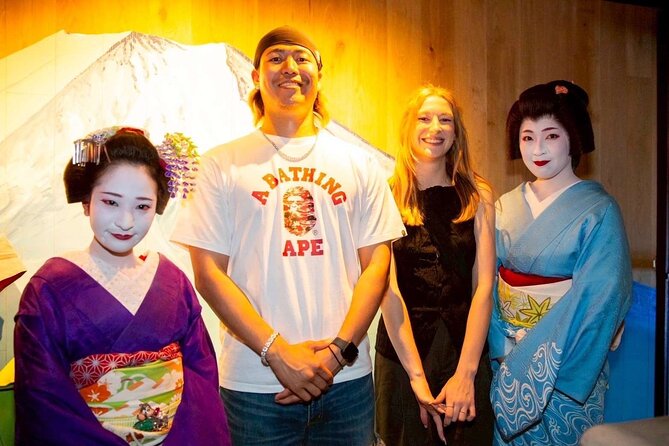
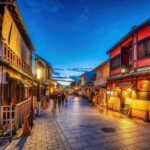
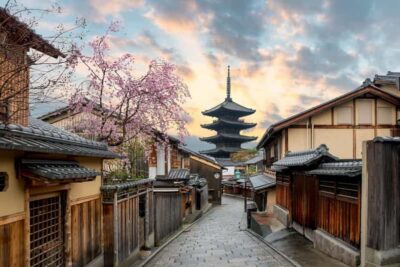
Gion is Kyoto’s most famous traditional district for geisha and maiko culture. Your stop includes areas around Hanami-koji Street and the Shirakawa Canal.
This is one of those places where the experience is partly cultural etiquette:
- Keep your voice down.
- Don’t chase people if you spot performers—watch from a respectful distance.
- Use your guide’s explanation so you know what you’re actually seeing.
Admission is listed as free here, so the cost is really your time and attention.
Kinkaku-ji and Ginkaku-ji: two pavilions, different moods
The Golden Pavilion (Kinkaku-ji) is bold and iconic. It’s listed as UNESCO and is one of Kyoto’s best-known sights. The Silver Pavilion (Ginkaku-ji) is calmer and more about refined simplicity and moss gardens, even though it’s not actually silver-covered.
These two stops together work well because they contrast styles:
- Kinkaku-ji grabs you with shine and presence.
- Ginkaku-ji rewards quiet observation—patterns, garden spacing, and details.
Both have admissions listed as not included, so you’ll pay tickets while you’re there.
Nishiki Market: Kyoto’s Kitchen in a compressed window
Nishiki Market is known as Kyoto’s Kitchen, with lots of stalls packed into one area. This is your “snack and browse” stop, and it can be a fun break from temples.
In a short visit, don’t try to sample everything. Pick 2–3 things that look best to you, then save the rest for later or for another visit when you have more time.
Admission is free. If your group loves food, this is where you can turn the tour into memories fast.
Kiyomizu-dera and the Higashiyama vibe
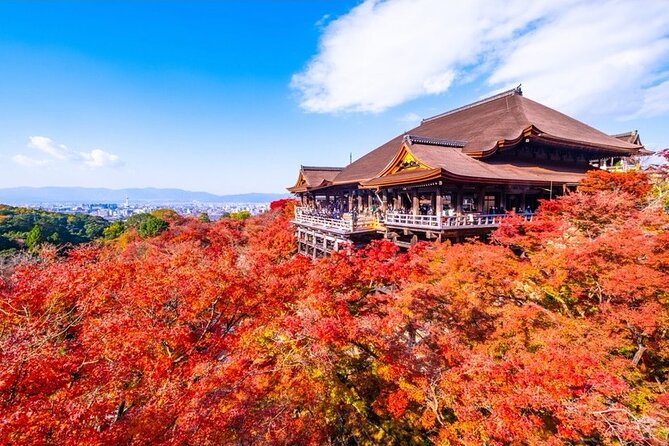
Kiyomizu-dera is a UNESCO temple and one of Kyoto’s most famous. It’s known for the wooden stage called Kiyomizu no Butai. Even if you don’t go super deep into temple buildings, the location and structure are what make it unforgettable.
Again, admission is not included. Also, this is a place where crowds can affect how long you can stand in your preferred spot. If your group is sensitive to crowds, ask your guide for the best route through the area so you don’t waste time.
Yasaka Shrine, Chion-in, and the shrine-temple overlap
This tour also includes Yasaka Shrine and Chion-in.
- Yasaka Shrine: A lively Shinto shrine between Gion and Higashiyama, known for Gion Matsuri lanterns. It’s free to enter.
- Chion-in: The head temple of the Jodo sect and known for a massive Sanmon Gate (largest wooden gate in Japan, as described). Admission is free here too.
These two work well together because they give you a fuller view of Kyoto’s spiritual landscape—shrines and temples side-by-side, each with its own style.
Sanjusangendo: 1,001 statues worth the stop
Sanjusangen-do (Rengeo-in) is famous for its long hall—about 120 meters—and the spectacle of 1,001 life-size statues. This is a stop that feels different because it’s not just architecture. It’s a visual “wall of figures,” and the scale can surprise you.
Admission is not included, but if you love Buddhist art or you want one stop that feels uniquely specific to Japan, this is a strong candidate.
Nijo Castle: palace buildings and garden framing
Nijo Castle gives you a different angle on Japan—less about walking paths and more about power, residence, and design. It’s UNESCO, and the highlights listed are elegant palace buildings, gardens, and the historical connection to the Tokugawa period.
Admission is not included. With a short visit, focus on what you can see quickly: major palace rooms and the garden layout.
The curveball: coastal Kyoto day pieces (Amanohashidate and Ine)

This tour doesn’t stop at classic Kyoto city and Nara. It also includes:
- Amanohashidate plus Amanohashidate View Land: a sandbar “bridge to heaven” with pine trees
- Ine no Funaya: fishing village with traditional boathouses built directly on the water
These two stops make the day feel like a scenic getaway inside a sightseeing day. Admission is listed as not included for these segments.
Because they’re not “right in the middle of Kyoto city,” you’ll want to go in ready for a longer travel feel within the 10-hour plan. The payoff is you get a Japan coastal look that many Kyoto visitors miss entirely.
Nara Park and Todai-ji: deer, then the Great Buddha
Then you pivot fully into Nara:
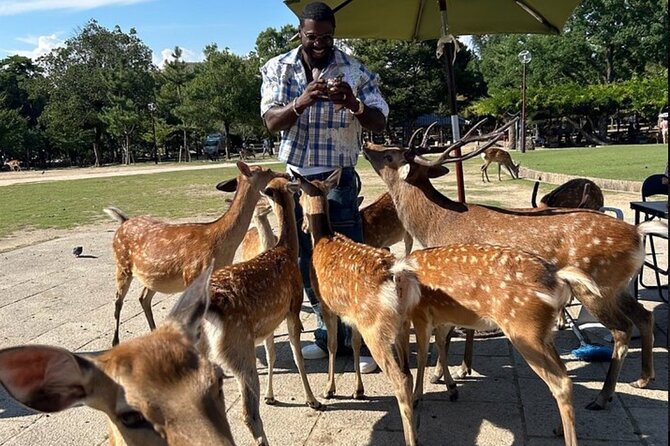
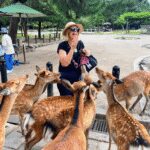
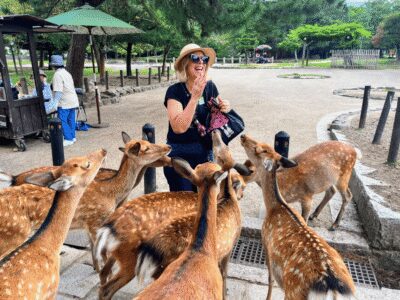
- Nara Park: Known for over 1,000 freely roaming deer. Admission is free. This is one of those places where you’ll need to be mindful—deer are calm until they aren’t, and you don’t want your bag becoming a snack target. A guide helps you move through the area without getting stuck.
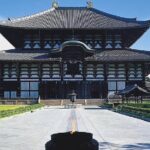
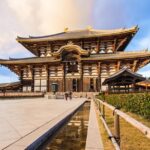
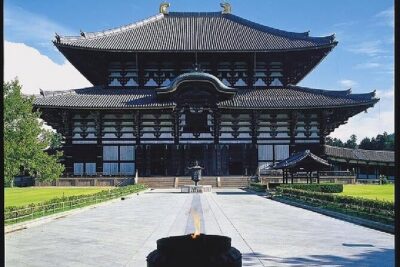
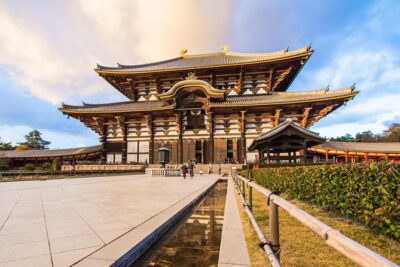
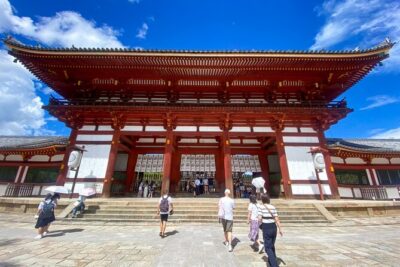
- Todai-ji Temple: UNESCO and one of Japan’s most significant temple sites. The headline is the Great Buddha Hall (Daibutsuden) housing a massive bronze Buddha statue. Admission is not included.
With a tight stop window, Todai-ji is where I’d encourage your group to prioritize the main structure and the moments you’ll remember. Save extra wandering for a future Nara visit if you fall in love with the place.
Kasuga Taisha and Kofuku-ji: lanterns and pagoda views
The tour continues with two more big Nara spiritual hits:
- Kasuga Grand Shrine (Kasuga Taisha): UNESCO, known for hundreds of bronze and stone lanterns. Admission is not included. This stop is special because the lantern density gives you a sense of scale and dedication that’s hard to capture in a quick photo.
- Kofuku-ji Temple 5 Stories Pagoda: Another UNESCO-listed stop. It’s described as one of Nara’s oldest and most important Buddhist temples, founded in 710, with a graceful five-story pagoda. Admission is not included.
If your group likes architectural landmarks, these are the moments where you’ll feel like Nara is more than a deer park.
The guide and driver factor: why “local” matters in real time
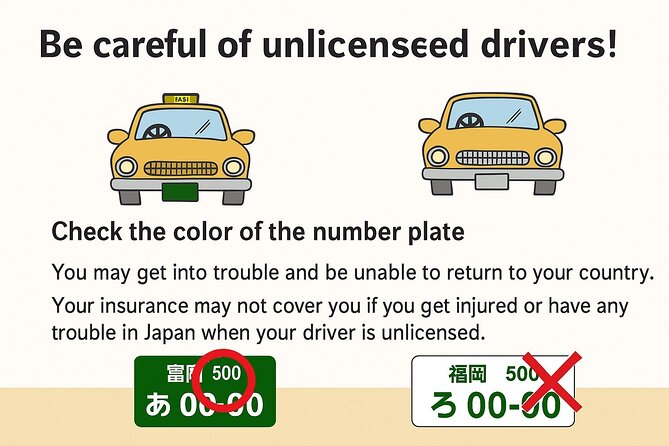
The tour’s biggest promise is that it’s not just a driver and a checklist. It’s a local English and Japanese-speaking guide plus a professional Japanese driver. The operator also mentions safety focus around licensed, experienced drivers, especially given concerns about unlicensed operators elsewhere.
In practical terms, that means:
- Your guide can explain what you’re looking at while you’re standing there.
- Your driver can handle timing and routing so you’re less likely to lose time in traffic.
- If you need help with language, the company offers Japanese language support for emergencies.
That’s not glamorous. It’s the stuff that keeps a day smooth.
Also, the itinerary is designed around lots of sites, and short windows mean you need guidance on what to do first. Based on guide names mentioned in prior experiences—Yama and Hibiki—you’ll want to trust the pacing they recommend.
What’s included, what’s not, and the money you’ll still need

Included highlights:
- Private vehicle with a professional licensed driver
- Hotel pick-up and drop-off
- Wi‑Fi on board
- Fully customizable tour
- Complimentary support for Shinkansen and restaurant reservations
- Mobile ticket
- Air-conditioned vehicle
- Option for extra services like Kansai Airport Transfer and a high-cost Mercedes-Benz V-Class (VIP option)
Not included:
- Entrance fees
- Meals
- Gas, parking, and highway fees in Japanese yen cash on the tour day (listed as ¥10,000 per booking)
So build your budget like this: entrance tickets + meals + any on-the-day cash fee.
If you hate surprises, bring a wallet with some cash ready. If you don’t like carrying cash, still keep some—this tour explicitly lists a cash fee.
Who this tour suits best
I think this works especially well for:
- Families with kids or older relatives who need less walking and fewer transfers
- First-timers in Kyoto and Nara who want the greatest hits without figuring out public transit
- Groups that want a guide’s context at iconic sites like Kinkaku-ji, Kiyomizu-dera, and Todai-ji
- People who value safety and calm logistics over total freedom
If you’re the kind of traveler who wants to linger for 60–90 minutes per temple, this might feel too quick. It’s built for coverage.
Should you book this Kyoto and Nara private car tour?
If you want to see Kyoto and Nara in one day without the stress of trains, transfers, and last-mile confusion, I’d say yes. The private car, hotel pickup, English guidance, and professional driving setup are exactly what makes a packed day feel manageable instead of chaotic.
Book it if your goal is:
- Maximum iconic sights in limited time
- Fewer movement hassles between areas
- Clear explanations as you go
I’d hesitate if you:
- Hate crowds and want long, slow temple time
- Don’t want to pay entrance fees on the spot
- Prefer a more relaxed pace with fewer stops
FAQ
FAQ
How long is the Kyoto and Nara private car tour?
It runs for about 10 hours.
How many people can be in a group?
The group size can be up to 13.
Is hotel pickup and drop-off included?
Yes, hotel pick-up and drop-off are included.
Is the tour fully private?
Yes. It’s a private tour/activity, and only your group participates.
Do you include entrance tickets and meals?
Entrance fees are not included, and meals are not included.
Is there Wi‑Fi on board?
Yes, Wi‑Fi on board is included.
What extra cash might I need on the day of the tour?
You may need cash for gas, parking, and highway fees in Japanese yen. The listed amount is ¥10,000 per booking.
Are admission fees free for all stops?
No. Some stops are listed as free entry, while many temples and attractions list tickets as not included.
Can I cancel and get a full refund?
You can cancel for a full refund if you cancel at least 24 hours in advance of the experience’s start time.
Do I get an English guide?
Yes. The tour includes an experienced local guide who speaks English and Japanese.
More Tours in Kyoto


More Tour Reviews in Kyoto

More Nara Day Trips
Just added: more Kyoto tours to browse








Nara Day Trips from Kyoto, compared.
 ★ 4.7Kyoto/Osaka: Nara, Fushimi Inari Taisha, Arashiyama Bus TourFrom $521,275 reviews
 ★ 4.4Osaka/Kyoto: Arashiyama, Nara & Fushimi Inari Shrine w/LunchFrom $61754 reviews
 ★ 4.5Kyoto and Nara Day Trip from KyotoFrom $194445 reviews
 ★ 5.0Full Day Guided Tour to Kyoto and Nara from Osaka by VanFrom $106420 reviews
 ★ 4.5Nara Afternoon Tour from Kyoto or OsakaFrom $102390 reviews
 ★ 4.6From Kyoto: Nara Guided Morning TourFrom $77335 reviews
 ★ 4.6Kyoto/Osaka: Kyoto and Nara Customized Private Guided TourFrom $477258 reviews
 ★ 5.0Nara Park, Osaka & Kobe from Kyoto Full Day tourFrom $90207 reviews
Browse the lists this tour appears in