
Reviewed · HIKING & TREKKING
Hiking Tour for Sacred Sites in Kyoto with a Guide
Kyoto can feel like a museum—but this day trip turns it into a walk through mountains and sacred places. You’ll get a guided route north from Kyoto to Kurama-dera and up toward Mt. Kurama, then down to Kifune Shrine, with public transport built in. I like that it blends nature time with real spiritual sites, and I also like the steady, human pace that works well even for mixed ages.
One consideration: you’re doing a moderate hike (about 4 km over roughly 1.5 to 2 hours), so you’ll want decent shoes and the ability to keep moving when the weather changes.
In This Review
- Key Points I’d Plan Around
- A Guided Hike Between Kurama and Kifune: Why This Route Works
- Kyoto Station to Kurama: Getting Out of the City Without Stress
- Kurama-dera Temple: Quiet Mountains, Buddhist Atmosphere, and Real Meaning
- What to watch for
- Mt. Kurama to Kibune: The Hike Part (About 4 km, 1.5–2 Hours)
- Rain, timing, and how the trail feels
- Simple tip
- Kifune Shrine: Shinto Spirit and the Water-Deity Connection
- The vibe you’re aiming for
- Head Back to Kyoto: Buses, Transfers, and a Clean Finish
- Price and Value: What the $250 Includes (and Why It Adds Up)
- Pace, Fitness, and What to Pack for Comfort
- Who Should Book This Sacred Sites Hike?
- Should You Book This Kyoto Sacred Sites Hiking Tour?
- FAQ
- How long is the hike and how long is the whole tour?
- What’s included in the price?
- Is lunch included?
- Do I need to be in good physical shape?
- Are tickets and transportation handled for me?
- Is pickup available?
- Is this tour private?
- Will the itinerary change if the weather is bad?
- Can they handle dietary restrictions?
- What is the cancellation window?
Key Points I’d Plan Around
- A licensed English-speaking guide who helps you understand what you’re seeing, not just where to stand for photos
- Temple + shrine + mountain trail in one smooth north-Kyoto route, with time to actually notice details
- Trail distance that’s manageable (about 4 km, plus temple stops) for a long-but-doable day
- Entrance fees and public transport included, which makes the $250 price feel more predictable
- Private-group experience (only your group), which usually means fewer waiting moments and more tailored explanations
- A rainy-day reality, based on prior experiences, so bring gear and keep a flexible mindset
A Guided Hike Between Kurama and Kifune: Why This Route Works
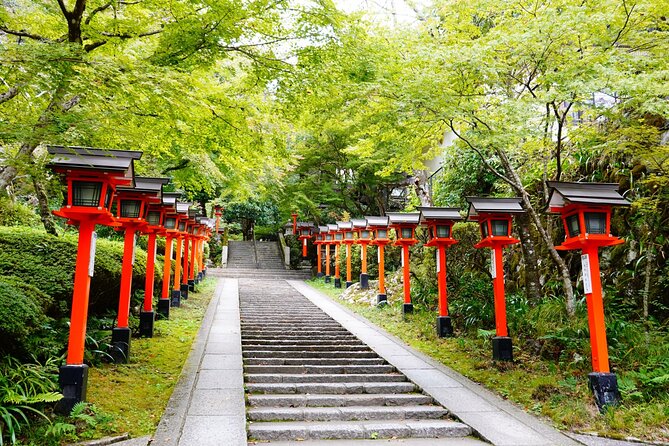
This is the kind of Kyoto day that doesn’t require you to become an expert. The structure is simple: you start in the city, head north into the mountain area, visit sacred stops that shaped local beliefs, then walk the trail between them. Your guide acts like the bridge. They point out what matters, explain the meaning behind what you see, and keep the rhythm comfortable.
I like that the day feels balanced. You get quiet temple atmosphere at Kurama-dera, then forest-path walking on Mt. Kurama, then the Shinto side of sacred practice at Kifune Shrine. It’s not a sprint between checkmarks. It’s more like a guided “slow tour” of what north Kyoto feels like.
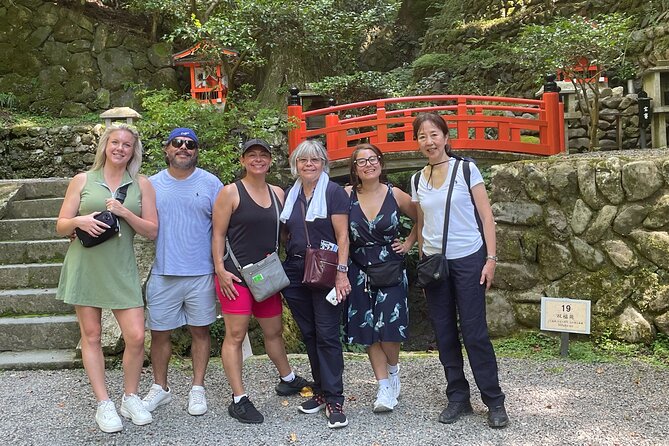
And because it’s a private group with a national licensed guide interpreter, you’re not stuck with the chaos of big shared bus tours. You can ask questions, get context for signs and rituals, and adjust your pace if your group needs it.
The other big plus: you’re not left to guess how to piece together trains, buses, and entry tickets. Public transportation and admissions are included, so your energy goes toward the hike and the sights, not logistics.
Other Kyoto tours and experiences to compare


Kyoto Station to Kurama: Getting Out of the City Without Stress
The day starts with Kyoto Station, where you take trains toward Kurama Station. Kyoto Station is one of the easiest places to orient yourself, and using trains here is smart—you’re not starting with a maze of local transfers right away.
This first stretch matters because it sets the tone. If your morning is calm, the hike feels like part of the experience instead of a chore. With pickup offered, you can also reduce the “where do we meet” friction that often eats up energy on day trips.
The time you’ll spend in transit is part of the plan (about two hours at the start). That gives you room to settle in, review what you’ll do next, and let your guide explain what Kurama and Kifune represent spiritually and geographically.
You’ll arrive ready for the first sacred stop rather than still feeling like you’re stuck in transportation mode.
Kurama-dera Temple: Quiet Mountains, Buddhist Atmosphere, and Real Meaning
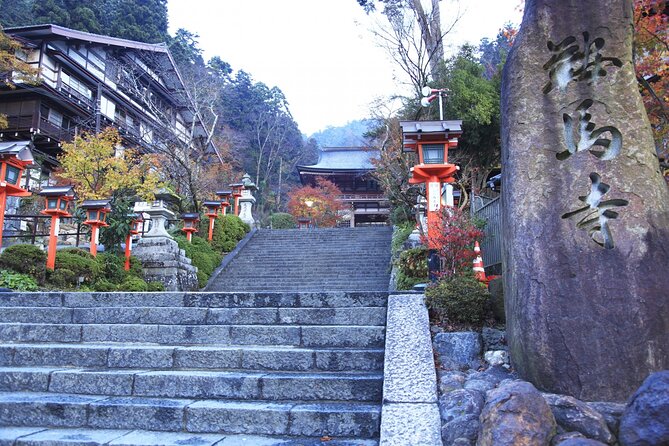
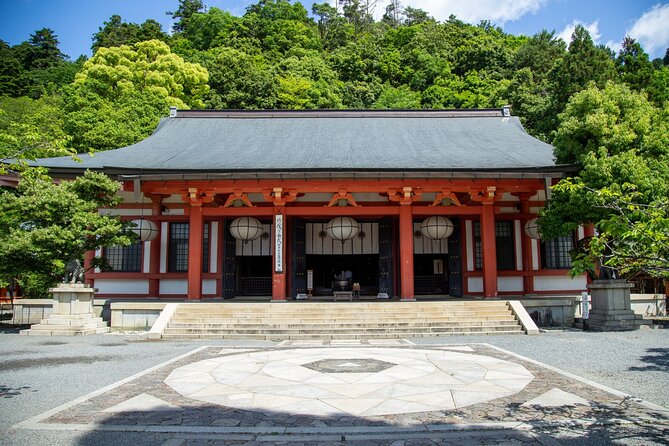
Your next stop is Kurama-dera, a Buddhist temple set in the mountains north of Kyoto. This is one of those places where you can feel the shift from city noise to hillside quiet. Even when there are other visitors, the environment naturally slows you down.
What I like here is the way it grounds the rest of the day. Kurama-dera isn’t just a photo stop—it’s a spiritual beginning. The guide helps connect the temple’s setting to the mountain life around it, so the hike ahead feels tied to the same worldview instead of like a separate activity.
Expect about one hour here. Admission is included, and the fee is listed as approximately 500 JPY per person. That’s useful for planning because you won’t be scrambling for cash right when you arrive.
What to watch for
- Take a few minutes to look around rather than rushing through the main areas.
- If your group likes stories, this is where your guide’s explanations can really pay off—temples like this make more sense when you understand the symbolism and how the site is used.
A practical note: temples often have steps and uneven ground, so good footwear is still the right move even though this part is “only” an hour.
Mt. Kurama to Kibune: The Hike Part (About 4 km, 1.5–2 Hours)
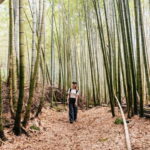
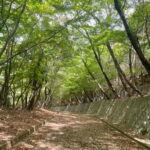
This is the heart of the day. After Kurama-dera, you hike from Kurama toward Kibune, following one of the popular scenic paths in the area. The distance is about 4 kilometers, and the hike time is roughly 1.5 to 2 hours.
What makes this hike worth your time is the mix of walking and spiritual context. You’re not just getting a workout; you’re moving through a corridor that locals have walked for generations, and your guide helps interpret why the setting matters.
I also appreciate that the route is short enough to feel doable, but long enough to feel like you actually went into the mountains. That’s the sweet spot for most visitors. You’ll get that “Kyoto is different when you’re away from streets” feeling without burning a full half day of energy.
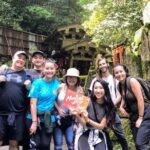
A family note from past experiences: a guide named Mark has helped a group that included a 7-year-old and a 15-year-old, and they kept up with a well-paced approach—even when conditions were rainy. That gives you a realistic signal: if your group can manage steady walking, you’ll likely be fine.
Other Kyoto tours and experiences to compare

Rain, timing, and how the trail feels
Weather can change the trail experience. Rain can make paths slicker and can turn the day into a heavier, slower-feeling hike. If that happens, you’ll be glad you came with a plan that doesn’t treat hiking as “just walk fast.”
Also, because this is a long day overall (about 8 hours including transit and stops), it helps to keep your expectations realistic. Your energy should go: temples + walking + another shrine + return ride.
Simple tip
If you want the hike to feel good, don’t try to “win” the trail. Let your guide set the pace and take short breaks when they suggest it.
Kifune Shrine: Shinto Spirit and the Water-Deity Connection
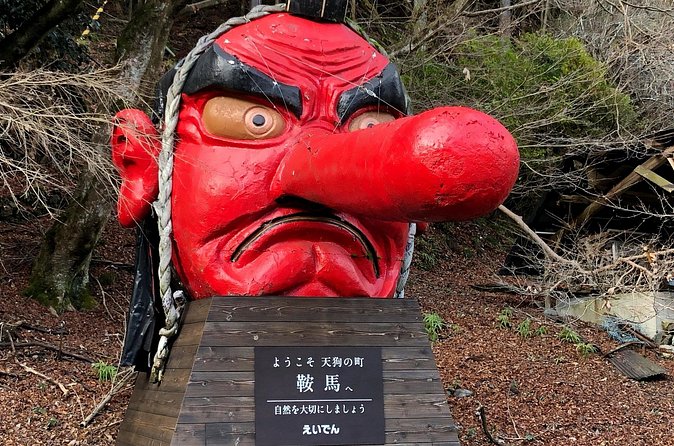
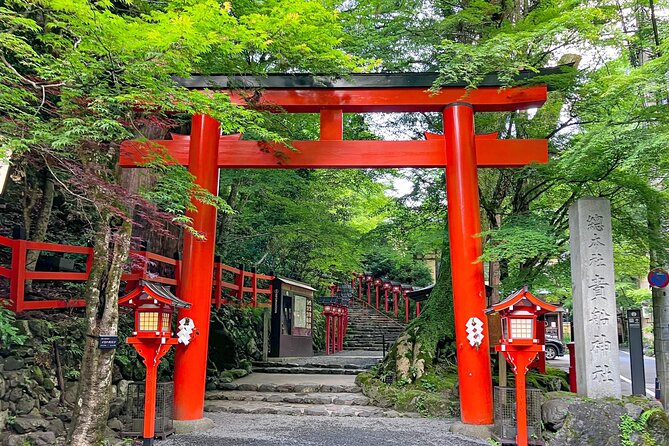
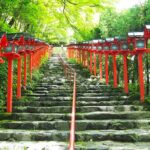
After the hike, you reach Kifune Shrine (Kifune-jinja) in the village of Kibune. This shrine is known for its association with water deities, and the setting is part of the appeal—quiet village atmosphere, mountain air, and a calmer feel than you get at larger city sites.
You’ll spend about one hour here. Admission is included. This is the moment where the day shifts from Buddhist atmosphere (Kurama-dera) to Shinto practice (Kifune). It’s a meaningful contrast, and it helps you understand why Kyoto feels spiritually layered rather than one-note.
I like this stop because it’s not only about the buildings. A water-deity shrine makes you think about how nature affects life and belief. Your guide can help you connect those ideas to what you see in the shrine setting, and that makes the visit more than a checklist item.
The vibe you’re aiming for
This is a good time to slow down. Put away the idea that you’re just passing through. Look around, notice how people behave, and follow your guide’s cues about what’s important to observe.
If your group is photo-heavy, try to balance photos with a few minutes of quiet attention. Shrines reward that approach.
Head Back to Kyoto: Buses, Transfers, and a Clean Finish
Getting home is often where day trips get messy. Here, it’s handled for you. From the Kifune area, you’ll take a bus from Kibune-guchi Station and transfer at Kokusaikaikan Station, then head back to Kyoto Station.
Time-wise, you’re looking at about two hours for the return. Admission is listed for approximately 740 JPY per person related to Kokusaikaikan, and that cost is included in the tour package.
This matters more than it sounds. When you’re hiking earlier, you don’t want to spend the afternoon hunting for routes, figuring out where to stand, or dealing with language barriers while tired. A planned return keeps the day from collapsing at the end.
Price and Value: What the $250 Includes (and Why It Adds Up)
At $250 per person for an approximately 8-hour day, you’re not paying for a random walk. You’re paying for several things bundled together:
- National licensed English-speaking guide interpreter
- Admission fees included (Kurama-dera, plus the Kokusaikaikan admission listed)
- Public transportation included
- Private-group format (only your group participates)
- Extras like pickup offered, group discounts, and a mobile ticket
If you tried to DIY this, the trail itself is only part of the cost. You’d likely still pay admission fees, spend time researching train and bus routes, and then either miss out on interpretation or pay for your own guide separately.
The most “fair” way to look at this price is predictability. You’re buying a structured, guided day where you don’t need to master transport math to enjoy the mountains. For families, it can also be a win because the pace is managed and the guide can help keep everyone engaged—especially when you’ve got different ages in the group.
One more value point: the itinerary is described as a sample, and they can arrange the tour based on your requests. That means the $250 isn’t only paying for a fixed route in theory—it’s also paying for flexibility within the same area and concept.
Pace, Fitness, and What to Pack for Comfort
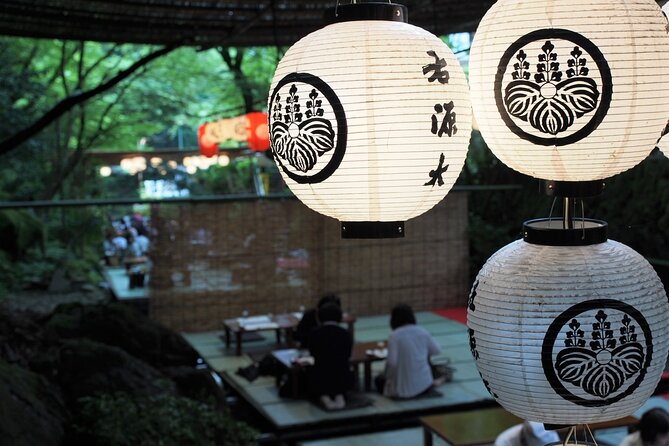
This experience calls for moderate physical fitness. That doesn’t mean “hard hiking,” but it does mean you should plan for walking time plus stairs/uneven surfaces at temples and shrines.
The main hiking block is about 4 km, and you’ll be moving for roughly 1.5 to 2 hours. Then you’ll stack that with about an hour at each sacred stop, and transit time that keeps the day around 8 hours total.
So what should you pack?
- Supportive shoes for forest-path footing and temple steps
- Weather gear for rain or mist (since conditions can change)
- Water and simple snacks (lunch is not included)
- A light layer; mountain air can feel cooler than you expect
Lunch isn’t included, and it’s estimated around 10–20 USD, so budget that into your day. This is also a moment to think about dietary needs: they say they can accommodate vegetarian, vegan, gluten-free, and more if you indicate it at booking. If you have restrictions, do it early so nothing gets left to chance.
Who Should Book This Sacred Sites Hike?
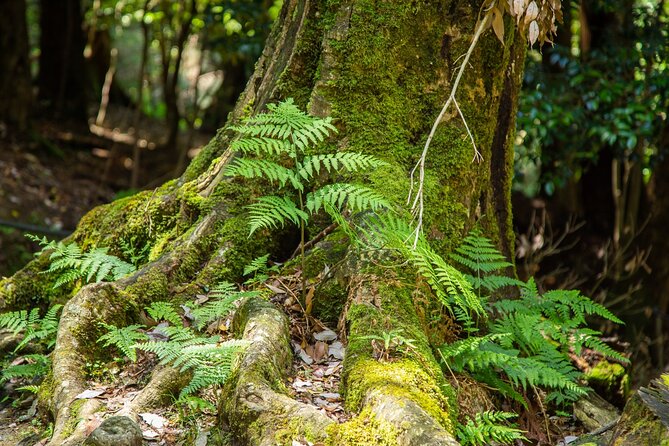
This works best if you want a Kyoto day that feels outside the usual crowd patterns without turning it into a rough expedition.
You’ll likely enjoy it if:
- You want nature plus sacred sites in one structured plan
- Your group has mixed experience levels (including kids who can handle steady walking)
- You prefer a guided explanation rather than only wandering on your own
- You’d rather manage one set of tickets and transport than stitch together multiple legs
It may be less ideal if:
- Your group has trouble with moderate hiking time and uneven surfaces
- You want a totally unhurried day with no movement besides walking through main temple areas
- You’re hoping for lunch included or long meal stops (this one leaves food planning to you)
Should You Book This Kyoto Sacred Sites Hiking Tour?
I’d book it if you want a practical way to see north Kyoto’s sacred culture while actually walking in the mountains. The biggest reason is value-through-structure: guide interpretation, admissions, and transportation are included, which keeps your day from turning into logistics work. The hiking segment is short enough to be approachable, and the stops (Kurama-dera, Mt. Kurama trail, Kifune Shrine) form a coherent spiritual route.
I’d skip it only if moderate walking feels like a problem for your group, or if you’re determined to travel with total freedom and no scheduled guide-led timing. Otherwise, this is a strong pick for a calm, meaningful day in Kyoto’s hills—where the views and the spiritual atmosphere come from actually moving, not just looking.
FAQ
How long is the hike and how long is the whole tour?
The full experience is about 8 hours. The main hike is approximately 4 kilometers and takes about 1.5 to 2 hours.
What’s included in the price?
The tour includes a national licensed English-speaking guide interpreter, admission fees, and public transportation fees.
Is lunch included?
No. Lunch is not included, and it’s estimated at about 10–20 USD.
Do I need to be in good physical shape?
The tour is listed for travelers with moderate physical fitness. You should be comfortable walking and handling temple and shrine paths.
Are tickets and transportation handled for me?
Yes. You’ll use public transportation during the day, and public transportation fees are included. There’s also a mobile ticket.
Is pickup available?
Pickup is offered.
Is this tour private?
Yes. It’s private, so only your group participates.
Will the itinerary change if the weather is bad?
Yes. The itinerary might be changed due to weather conditions or other reasons.
Can they handle dietary restrictions?
They say they can accommodate dietary restrictions such as vegetarian, vegan, and gluten-free if you indicate your needs at booking.
What is the cancellation window?
You can cancel up to 24 hours in advance for a full refund.
If you want, tell me your travel month and your group’s ages/fitness level, and I’ll help you decide if the timing and hiking length make sense for you.
More Guided in Kyoto


More Tours in Kyoto





More Tour Reviews in Kyoto


Just added: more Kyoto tours to browse








Hiking & Trekking, compared.
 ★ 5.0Fushimi Inari Hidden Hiking Tour (Private Option Available)From $631,750 reviews
 ★ 4.93-Hour Fushimi Inari Shrine Hidden Hiking TourFrom $72270 reviews
 ★ 5.0Kyoto Hiking Tour: The Nature and Legends of Kurama and KibuneFrom $19175 reviews
 ★ 5.0Hike and Hot Springs in KuramaFrom $8049 reviews
 ★ 5.0Fushimi Inari Hidden Hike (Private)From $6231 reviews
 ★ 5.0Kyoto Arashiyama Bamboo Forest Hiking Tour(Hidden Temples)From $5230 reviews
 ★ 5.0Arashiyama Bamboo Forest Hiking TourFrom $696 reviews
 ★ 5.0Ninja Trekking half-day tour at Mt.Daimonji KyotoFrom $3476 reviews
Browse the lists this tour appears in