
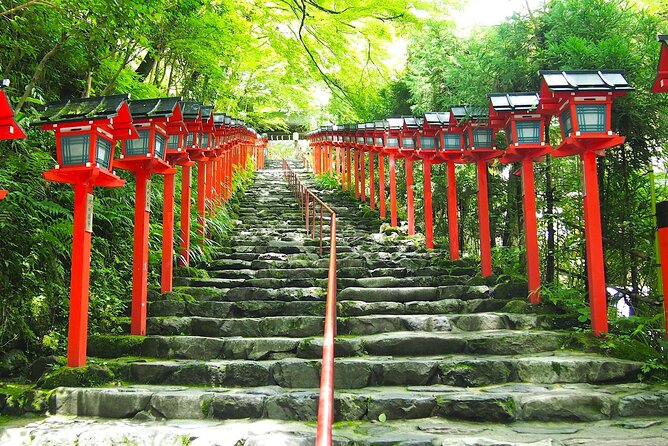
Reviewed · KURAMA, KIBUNE & KYOTO COUNTRYSIDE
Kyoto Hiking Tour: The Nature and Legends of Kurama and Kibune
A mountain shrine day beats Kyoto crowds. I love the door-to-door pickup and I love having a private guide who keeps the whole hike flowing with clear English and real local stories—especially around Mount Kurama, the birthplace of Reiki. Along the way you visit shrine stops like Yuki Shrine and Kifune, where the legends feel woven into the steps you’re walking.
The main thing to plan for is the physical side: expect stair-heavy hiking with uneven ground, so you’ll want decent legs and steady balance. Also, lunch isn’t included, so you’ll need to budget time and money for food during the day.
In This Review
- Key moments I’d circle before you go
- Why Kurama and Kibune feel different from Kyoto city
- Price and value: what you’re really paying for
- Door-to-door pickup and a private guide: the comfort that matters
- The full hike route: from Yuki Shrine to Kifune’s water legends
- Stop 1: Yuki Shrine (about 20 minutes)
- Stop 2: Mount Kurama (about 1 hour)
- Stop 3: Kuramadera (about 45 minutes total, with a forest walk)
- Stop 4: Okunoin Maoden (about 10 minutes)
- Stop 5: Kifune Shrine (about 30 minutes)
- Stop 6: Kifune Shrine inner shrine (about 25 minutes)
- The hiking reality: stairs, uneven paths, and your best strategy
- Guides and storytelling: names you might meet and what they do well
- Food, timing, and what to do about lunch
- Weather, flexibility, and how rain changes the day
- Who this tour is perfect for
- Should you book the Kyoto Kurama and Kibune hiking tour?
- FAQ
- How long is the Kyoto Kurama and Kibune hiking tour?
- Does the tour include hotel pickup and drop-off?
- Are entrance fees included?
- Is lunch included in the price?
- What physical fitness level is needed?
- Is this tour private?
- What if I need to cancel, or the weather is bad?
Key moments I’d circle before you go
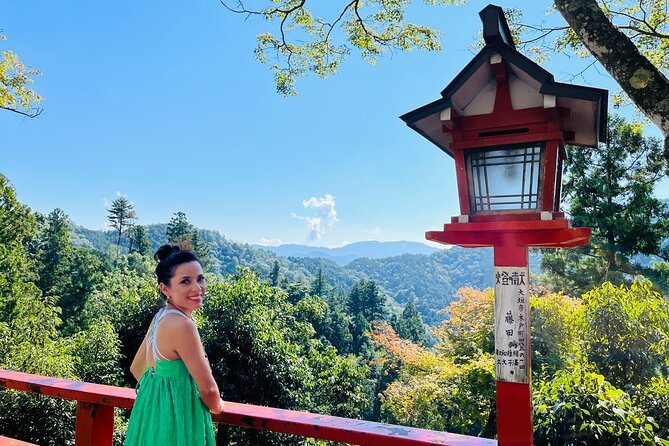
- Yuki Shrine’s 800-year cedar and the 940 AD relocation story that turned this place into a protective shrine
- Mount Kuruma’s Reiki origin tied to Mikao Usui’s 21-day meditation on the mountain
- Kuramadera’s forest walk to an 8th-century temple complex reached by a gentle uphill path
- Okunoin Maoden’s spooky legend about where demons reign, for a darker mood in the woods
- Kifune Shrine’s water prayers for sailors, plus the chance to drink pure mountain water
- A goddess-boat legend at Kifune’s inner shrine, reached after the main shrine area
Why Kurama and Kibune feel different from Kyoto city
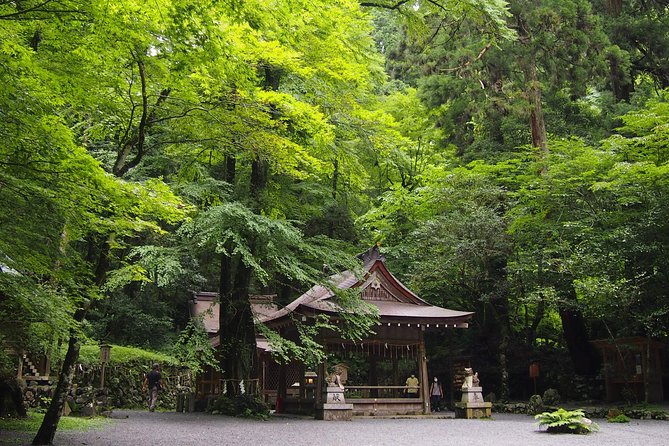
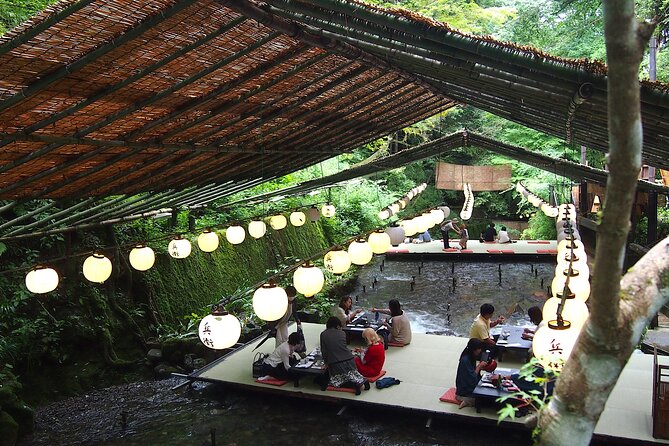
This is one of those Kyoto days that changes your pace on purpose. Instead of fighting crowds at the famous temples, you spend most of the morning and afternoon in the mountain corridor between Kurama and Kibune—walking through forest paths, shrine gates, stone steps, and quiet corners where the legends feel practical, not staged.
The tour also has a strong story engine. Reiki isn’t just mentioned; it’s tied to what you’re seeing at Mount Kuruma, and that adds meaning to the hike when you’re standing in the same spiritual “setting” that the tradition claims. Then you shift from Reiki to shrine life, water worship, and temple history as the route moves toward Kifune.
Head for the hills at Kurama and Kibune


Price and value: what you’re really paying for
At $191.60 per person, this isn’t a bargain-basement day trip. But you’re also not doing a self-guided slog where you cover every small cost and every small hassle.
Your money goes toward three big value buckets:
- Door-to-door hotel pickup and drop-off in the Kyoto urban area (and also from the Kurama area)
- An English-speaking private guide who sets pace, explains what you’re seeing, and helps you avoid wrong turns
- Entrance fees included, notably Kuramadera Temple, with admissions covered at multiple shrine stops
If you were to do this on your own, you’d likely spend time figuring out transit timing, finding the right trail entrances, and paying admissions separately—while still missing the context that makes the route click. Here, the structure does a lot of work for you.
One more practical note: this kind of tour tends to sell steadily. It’s commonly booked about 60 days in advance, so if you have tight travel dates, you’ll be happier reserving early.
Door-to-door pickup and a private guide: the comfort that matters
The best part of this tour setup is how it removes decision fatigue. You’re not trying to coordinate a train, locate a meeting point while dragging hiking gear, or guess which trail entry makes the most sense. A hotel pickup means you can show up, lace your shoes, and start walking.
Once you’re on the mountain route, the private guide is what turns a sequence of shrines into a coherent day. Multiple guides on this program are praised for friendly, clear English and for matching the walking pace to the group. You’ll also get help reading the “why” behind the places—like why Yuki Shrine was moved in 940 AD to protect the area from mysterious evil, or why Kifune Shrine is linked with water and luck.
Also worth calling out: there’s a mobile ticket, plus photos of tour participants included. Small touches, but they add up on a day you’ll be sweating and stepping around a lot.
The full hike route: from Yuki Shrine to Kifune’s water legends
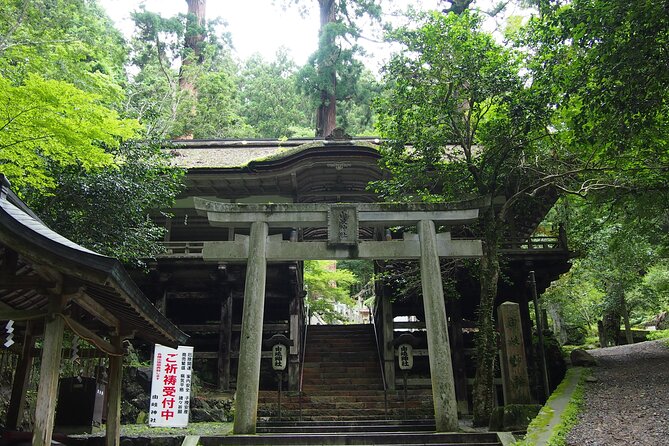
This day is structured as a mountain walk with shrine stops that steadily get more atmospheric. Total time is about 8 hours, starting at 9:00 am, and the itinerary is paced with short breaks at each major stop. You’ll spend roughly 20 minutes at Yuki Shrine, about 1 hour on Mount Kurama, then move through Kuramadera, Okunoin Maoden, and the two Kifune shrine areas.
Stop 1: Yuki Shrine (about 20 minutes)
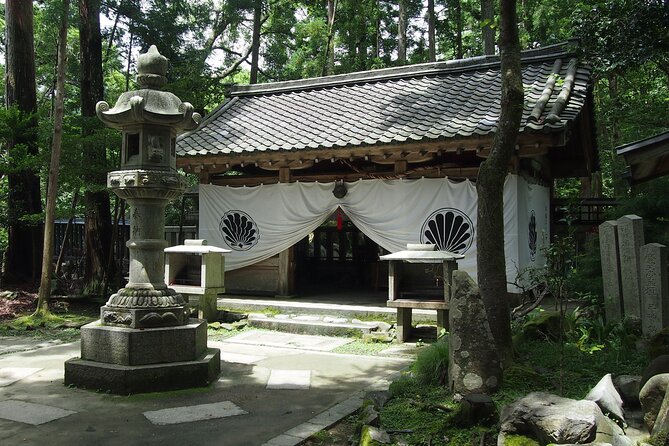
Yuki Shrine starts the day with a strong piece of context. The shrine was originally built in central Kyoto, then in 940 AD it was moved to Kurama to protect the region from mysterious evil. That’s the kind of story that makes you look around differently when you arrive.
The other highlight is physical and memorable: an 800-year-old cedar tree. Even if you’re not a “tree person,” it’s the sort of landmark that anchors the atmosphere and gives the first stop a signature feel.
Practical note: you’ll likely take photos, but keep an eye on footing near shrine grounds and stone paths.
Other Kyoto tours and experiences to compare
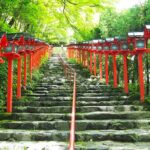

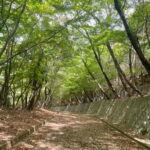
Stop 2: Mount Kurama (about 1 hour)
Mount Kurama is the centerpiece. This is where the tradition places the birthplace of Reiki. The founder of Reiki, Mikao Usui, is said to have meditated on the mountain for 21 days in the early 1900s and received Reiki healing energy.
What I like about having this stop early enough is that it sets the emotional tone for the day. After learning that story, the forest walk feels purposeful—like you’re moving through a spiritual timeline rather than just passing through locations.
Stop 3: Kuramadera (about 45 minutes total, with a forest walk)
Kuramadera is where the day starts to feel more “temple complex” than “one shrine.” After Yuki Shrine, the route includes a pleasant 25-minute walk through the forest to reach Kuramadera, which is dedicated as a major temple site in the area. It was founded in the 8th century, so you’re stepping into something that’s been part of local religious life for a very long time.
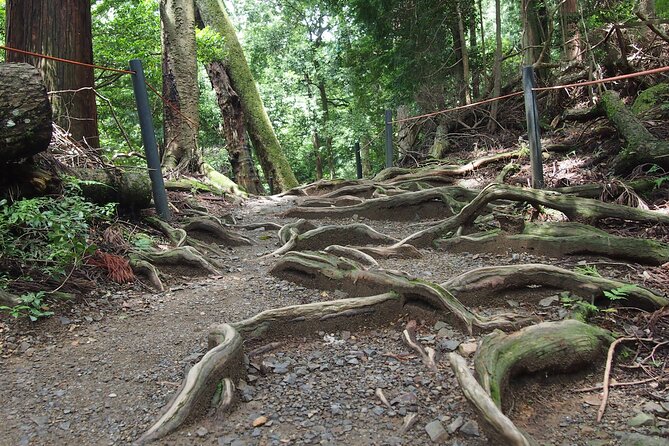
One thing to keep in mind: Kuramadera is approached by paths that can include stairs. Several guides on this program are praised for making the hike feel doable by pacing and frequent stops, which matters because the day isn’t long on paper but can be step-intense.
Stop 4: Okunoin Maoden (about 10 minutes)
Okunoin Maoden is short, but it changes the mood. Deep in the mountains, this is a temple site where demons reign in legend, and it has a mysterious atmosphere.
This stop is a good reminder that the route isn’t only about bright shrine symbolism. It moves through different tones—quiet reverence, forest mystery, then back toward water prayers at Kifune.
Stop 5: Kifune Shrine (about 30 minutes)
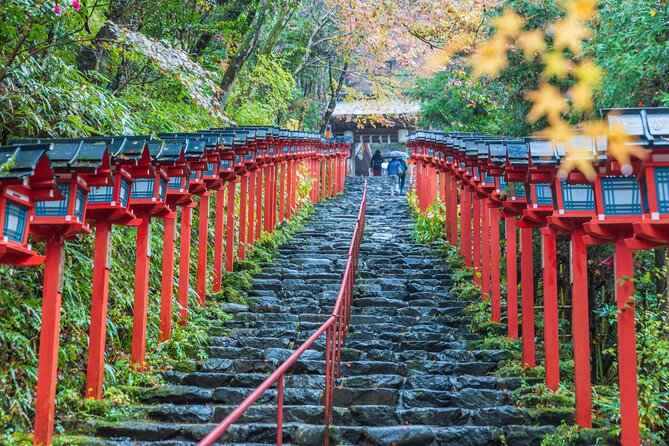
Kifune Shrine is where water takes center stage. It’s dedicated to the God of water and rain, and it’s also linked to sailors praying for luck on voyages. If you like the way religion intersects with everyday life—weather, travel, survival—this stop is for you.
There are even places where you can drink pure mountain water fresh from the source. It’s a simple “do it on the spot” moment that makes the shrine feel practical, not just ceremonial.
Stop 6: Kifune Shrine inner shrine (about 25 minutes)
The second Kifune stop pushes the legend a step further. According to tradition, a goddess traveled by boat from Osaka up the river into these mountains. The inner shrine is associated with the boat she’s said to have ridden.
This is also where you’ll notice how the route groups meaning: you go from water worship and luck for travelers to a specific origin story tied to the river itself. By the end, you’ve walked the same terrain that the legends say shaped the spiritual map.
The hiking reality: stairs, uneven paths, and your best strategy
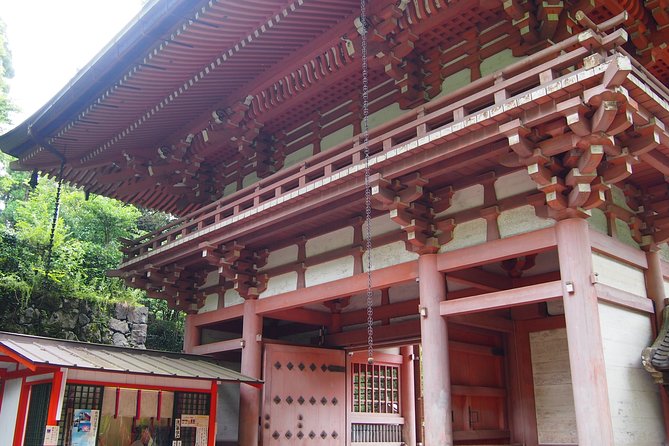
The brochure-style summary might make it sound like a casual day in the mountains. The better truth is that this hike is short-distance but step-focused.
From guide pacing to what you see on the ground, here’s what you should plan for:
- Many stairs and ups/downs across the route
- Uneven surfaces in parts of the trail and shrine approaches
- The need for moderate physical fitness and good balance
One reason this tour gets consistent 5-star praise is that guides are described as patient and attentive—especially with groups who weren’t sure they could do it. Some guides also adapt their pace if someone has an injury or reduced stamina, and they keep communication going so you know what comes next.
My practical tip: wear grippy shoes. You’re in a mountain environment, and stone and worn paths can be slick if it’s wet. Bring a small towel or wipes if you run sweaty—those little things make steps easier.
Guides and storytelling: names you might meet and what they do well
You’ll be with an English-speaking guide, and the program’s reviews repeatedly highlight how much the guide contributes to the day. Many guests mention guides who were friendly, easy to talk to, and seriously informed about history and religion in Kyoto’s mountain areas.
A few names that come up in the feedback include Mariko, Ryoma, Yoji, Miyo, Akira, Akari, Miki, Michiko Murayama, and Etsuka Nakaba. Across these guides, the common threads are clear: good pacing, helpful explanation, and an ability to answer questions without making you feel like you’re in a lecture.
If you enjoy learning while walking, this tour has the right format for it. If you prefer silence and zero interpretation, it may still be beautiful—but you may wish you booked a self-guided day.
Food, timing, and what to do about lunch
Lunch is not included. That means you should plan to eat on your own during the day, based on what your guide suggests and what’s available nearby.
The upside is that you’re in a mountain area rather than a dense city block, so you’ll likely have options ranging from simple meals to local noodles. One guest described a soba lunch after hiking with Ryoma, which hints at the kind of satisfying comfort food you might find when you reach the end of the main walking portion.
Bring water. Even if you’re not hiking for hours in a raw wilderness sense, it’s still a full day with steps.
Weather, flexibility, and how rain changes the day
This experience requires good weather. If it’s canceled due to poor weather, you’ll be offered a different date or a full refund.
One more realistic point: when conditions are wet and heavy rain hits, guides may adjust what you do on the day for safety. A guest review described Michiko adjusting the route to focus on easier-access shrines and skipping the forest section that day. The takeaway is simple: if you’re going, assume your guide will prioritize safe footing and a smooth schedule, not rigid perfection.
If you want to enjoy the full forest vibe, aim for a day forecast that looks kind.
Who this tour is perfect for
This tour is a great match if you:
- Want a Kyoto day that feels quieter and greener than the city’s biggest temple clusters
- Like spiritual stories tied to specific places (Reiki, temple origins, demon legends, water prayers)
- Prefer a structured route with a guide who helps you not miss important details
- Can handle steps and uneven ground with a moderate fitness level
It may not be the best fit if you:
- Hate stairs or have balance issues
- Want long flat stretches and minimal walking
- Expect lunch, transport, and every meal handled for you
Should you book the Kyoto Kurama and Kibune hiking tour?
I think you should book it if you want a guided mountain day that mixes forest atmosphere with shrine meaning—and you’re comfortable trading convenience for steps. The best value isn’t just the included admissions or pickup; it’s the way a private guide turns each stop into a story you can actually see with your own eyes.
Skip it if your priority is an easy stroll, or if you’re traveling with someone who can’t do uneven stone paths. The route is manageable for many people with moderate fitness, but it’s still built around walking, stairs, and mountain terrain.
If you do book, reserve early (it sells about 60 days out), wear grippy shoes, and plan for lunch on your own. Then show up ready for a different Kyoto—one cedar tree, one shrine legend, and one step at a time.
FAQ
How long is the Kyoto Kurama and Kibune hiking tour?
It runs about 8 hours (approx.) starting at 9:00 am.
Does the tour include hotel pickup and drop-off?
Yes. Pickup and drop-off are included from Kyoto urban area and the Kurama area.
Are entrance fees included?
Yes. Admission is included for the listed shrine/temple stops, including Kuramadera Temple. Mount Kurama is listed as free admission.
Is lunch included in the price?
No. Lunch is not included.
What physical fitness level is needed?
You should have a moderate physical fitness level. The route involves steps and uneven surfaces, so having good balance and energy helps.
Is this tour private?
Yes. It’s a private tour/activity, and only your group will participate.
What if I need to cancel, or the weather is bad?
You can cancel up to 24 hours in advance for a full refund. The experience requires good weather; if it’s canceled due to poor weather, you’ll be offered a different date or a full refund.
More Tours in Kyoto




More Tour Reviews in Kyoto


More of the Kyoto Countryside
Just added: more Kyoto tours to browse








Kurama, Kibune & Kyoto Countryside, compared.
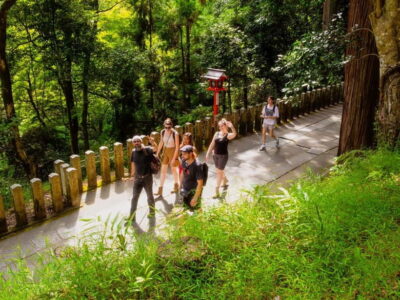 ★ 5.0Hike and Hot Springs in KuramaFrom $8049 reviews
 ★ 4.5Amanohashidate & Miyama 1-Day Bus Tour: From Osaka/Kyoto w/ LunchFrom $9718 reviews
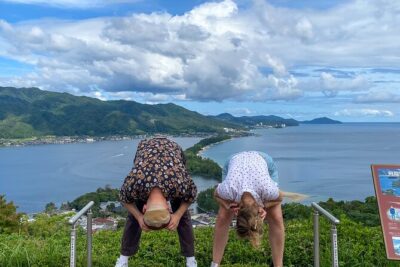 ★ 5.0All-Inclusive Kyoto Day Tour: Amanohashidate, Miyama or OharaFrom $5204 reviews
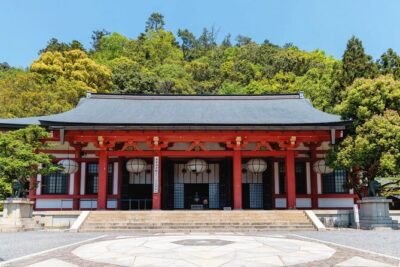 ★ 5.0Hike and explore the Kurama and Kibune ancient PathsFrom $1653 reviews
Browse the lists this tour appears in