
Reviewed · NARA DAY TRIPS FROM KYOTO
From Osaka/Kyoto: Private Kyoto & Nara Day Trip with Pickup
A single day that hits Nara and Kyoto in one sweep is the point here, and it works because you start with hotel pickup and end with drop-off. You’ll line up with the icons most people dream about: deer at Nara Park, the Great Buddha at Tōdai-ji, the torii gate maze of Fushimi Inari, and the gold-glinting calm of Kinkaku-ji—then finish in Arashiyama’s bamboo and river views.
The two things I really like are (1) the private, air-conditioned transport that keeps you moving even when Kyoto traffic and crowd flow get messy, and (2) the way the day is paced with enough time at each stop to actually see, not just glance. One watch-out: this is a packed 10 hours, and because entry tickets and food aren’t included (plus traffic can steal minutes), your “value” depends on whether you’re comfortable paying extra for what you eat and enter.
In This Review
- Key things that make this trip worth considering
- Private Kyoto & Nara: what “10 hours” really means
- Nara Park and Tōdai-ji: deer encounters and the Great Buddha Hall
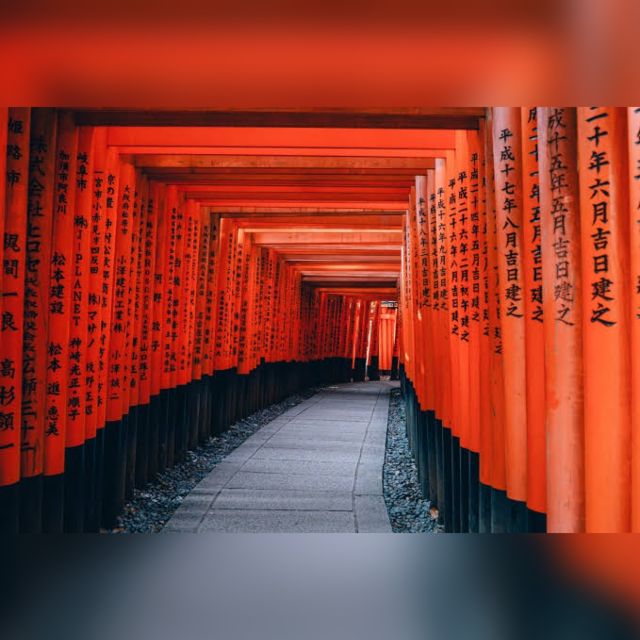
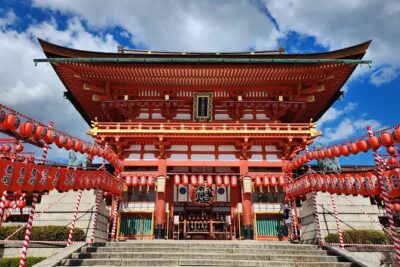
- Fushimi Inari Taisha: walking the torii gate sea (and where time goes)
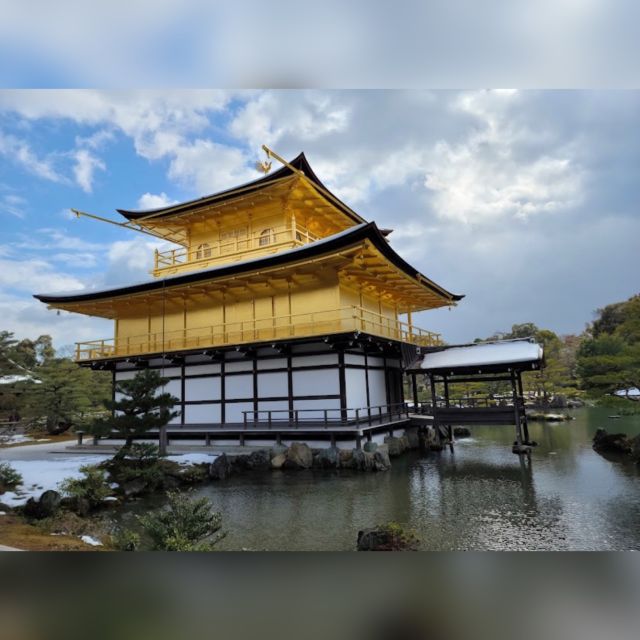
- Kinkaku-ji (Golden Pavilion): the photo icon with a calmer rhythm
- Arashiyama Bamboo Forest and Togetsukyo: turning a cliché into a real moment
- The Sagano Romantic Train option (if timing allows)
- Lunch, tickets, and what you’ll pay extra for
- Getting around crowds: why a private driver feels like a cheat code
- Price and value: $632 per group up to 2, plus extras
- Who this day trip is best for
- Should you book it?
- FAQ
- How long is the Kyoto and Nara day trip?
- Where does pickup happen, and where do you get dropped off?
- Is this a private tour?
- Are entry tickets and food included?
- What languages will the host or driver speak?
- Does the host provide a full guided tour inside each attraction?
Key things that make this trip worth considering
- Door-to-door pickup and drop-off from Osaka, Kyoto, or Kobe, so you’re not planning trains and transfers.
- Big-ticket highlights in one day: Nara Park + Tōdai-ji, Fushimi Inari, Kinkaku-ji, and Arashiyama bamboo.
- Host help with the real friction points: ticket-buying guidance and waiting-in-line support (but it’s not a full scripted guide tour).
- Arashiyama time with multiple photo moments: Kimono Forest and the Bamboo Forest, plus the Togetsukyo bridge stroll.
- A flexible, human touch noted by many guests—guides who help with communication and practical needs.
Private Kyoto & Nara: what “10 hours” really means
This isn’t a slow, countryside wander. It’s a high-value day designed for first-timers and returners alike—people who want the classic hits without spending your vacation wrestling with schedules. You get picked up from your hotel (three options: Kyoto, Osaka, or Kobe) and you’ll be back at the end of the day at one of the same cities.
The day runs about 10 hours, and the structure matters: you’re not stuck on long detours, and you’re usually given short, focused blocks at each “must-see.” That’s a big deal if you hate the feeling of being dragged through one more shop street just to “fill the time.” The plan here is built around landmarks.
One more practical point: your host/driver speaks English and Tagalog (so communication tends to be smooth). And if you want a National Licensed Guide, you can request it for an additional fee—useful if you’re the type who wants deeper cultural background while you’re inside the major sites.
More day trips out to Nara and its bowing deer
Nara Park and Tōdai-ji: deer encounters and the Great Buddha Hall
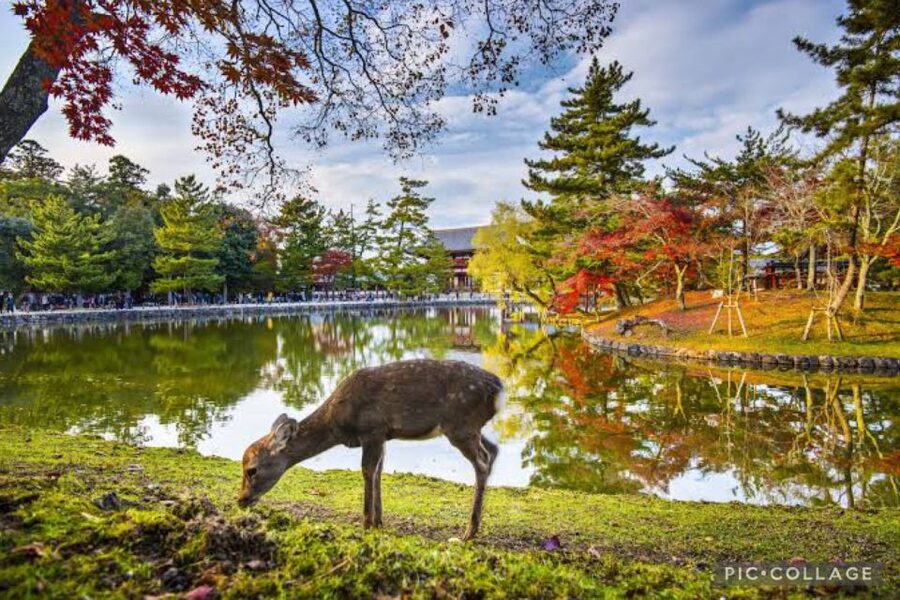
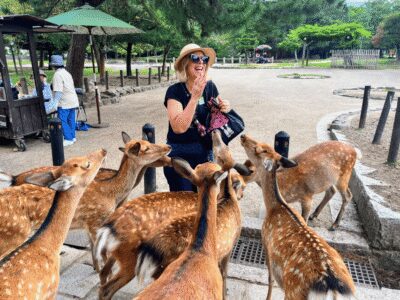
Nara Park is the kind of place where you understand why people come to Japan more than once. The park feels alive: thousands of freely roaming deer, thick foot traffic, and that immediate sense that you’re standing in a centuries-old rhythm of daily visitors and temple pilgrims.
You’ll spend around 30 minutes in Nara Park. That’s enough time to:
- walk the paths near the deer areas,
- pick up deer crackers if you want to feed them, and
- grab a snack or tea if you’d like to keep energy up before the temple.
Feeding deer is fun, but it’s also busy. Bring an easy attitude: you’re sharing space with animals and people. Keep your crackers secured until you’re ready, and don’t be surprised if deer approach fast—this is exactly how the park works.
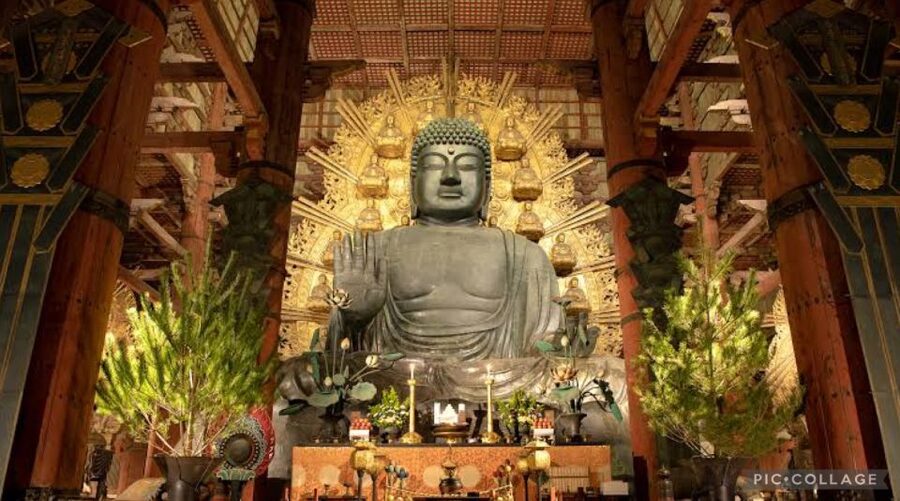
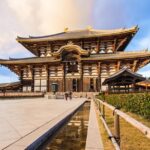
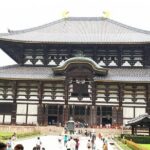
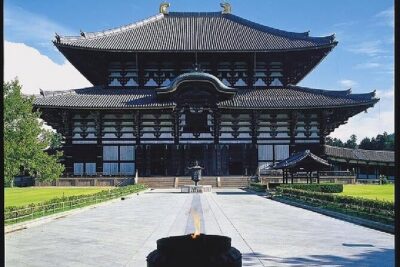
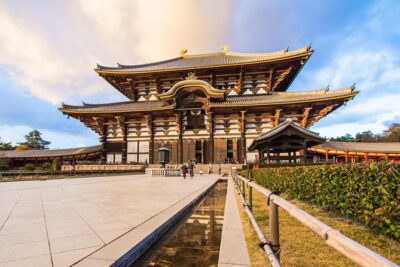
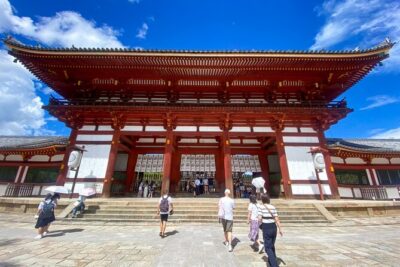
Then comes the headline: Tōdai-ji Temple, specifically the Daibutsuden (Big Buddha Hall). Plan on about 40 minutes here. This is one of Japan’s most famous temple complexes, and the reason is simple: the scale. Inside the hall, you’ll see a large bronze Buddha statue (listed as about 15 meters tall). Even if you don’t usually care about Buddhist iconography, the size and presence can’t be faked.
What I appreciate is that the day doesn’t treat Tōdai-ji as a quick photo stop. You get a block of time for a real look—look up, look around, and step into the atmosphere without feeling rushed. The only limitation: the experience is “guided support,” not a full, step-by-step guided interpretation for every interior detail.
Fushimi Inari Taisha: walking the torii gate sea (and where time goes)
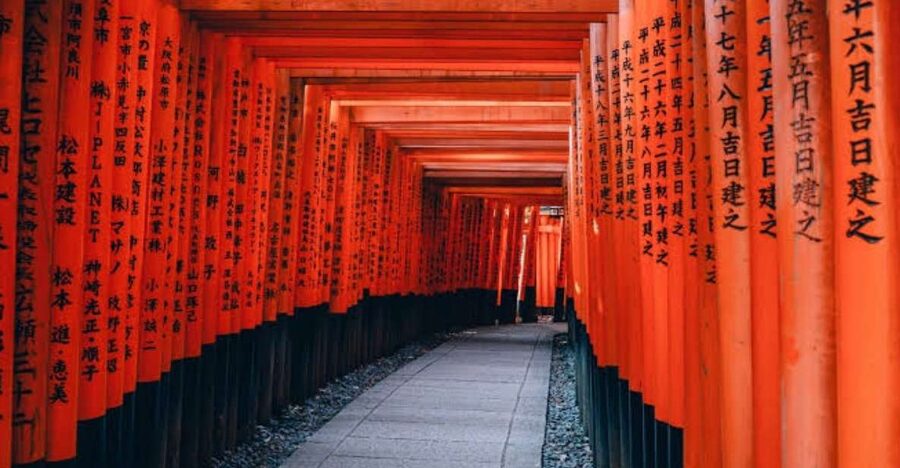
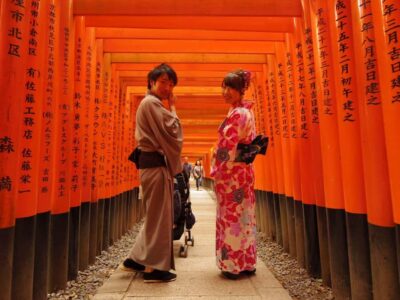
Fushimi Inari Taisha is famous for a reason: those vermilion torii gates feel endless once you start walking. You’ll spend about 40 minutes here with guided help plus walking time.
This stop is where you’ll feel the difference between private pacing and self-exploring. In a crowded public itinerary, people can lose minutes just figuring out where to go next or how to handle ticket and queue friction. Here, your host gives practical guidance with purchasing tickets and waiting in line, so you can spend your limited time walking the gates instead of standing around.
One consideration: the torii path has “momentum.” Early on, it’s easy to want to keep going. Later, you’ll notice you’re checking your watch. That’s not a problem unique to this tour—it’s just the nature of Inari. The smartest move is to pick your goal before you drift too far. If you’re more into photos, aim for a few signature angles. If you’re more into the walk, commit to one stretch and enjoy the change in vibe as you move through the gate corridors.
Kinkaku-ji (Golden Pavilion): the photo icon with a calmer rhythm
Kinkaku-ji, the Zen temple better known as the Golden Pavilion, is the bright contrast to Inari’s red gate tunnel energy. You’ll spend about 40 minutes walking and exploring at your own pace after the initial support.
What makes this stop feel worth your time is the visual structure: three floors, each with its own architectural style, with the upper two floors covered in gold leaf. That’s the kind of detail you’ll notice more when you can pause, step back, and look from different angles rather than rushing through.
This is also a good “reset” moment in the day. After Nara and Inari, you need somewhere that gives you calm. Kinkaku-ji does that. You can treat it like a viewing gallery: observe the gold reflections, note the composition from different viewpoints, and then spend your remaining minutes soaking in the temple mood.
Arashiyama Bamboo Forest and Togetsukyo: turning a cliché into a real moment
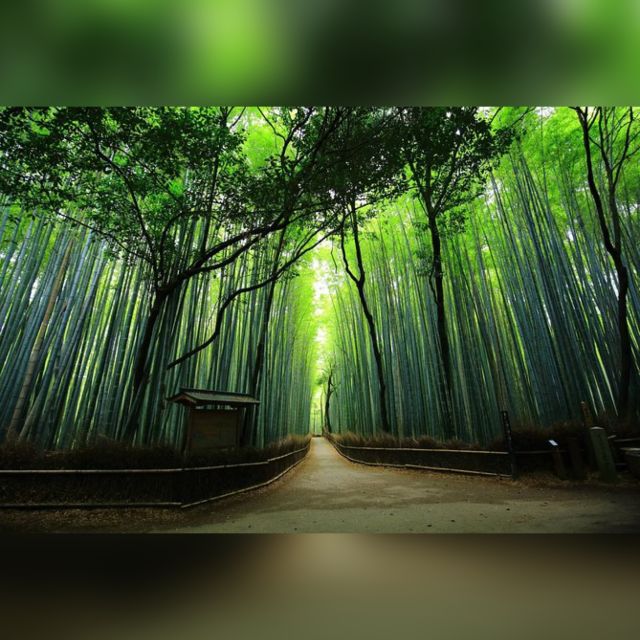
Arashiyama is the part of Kyoto that feels cinematic. You’ll see it in snapshots online, sure—but the bamboo forest works best when you’re there long enough to feel the scale of the stalks and the light changes between trunks.
The plan includes:
- Kimono Forest for a short photo stop and browsing,
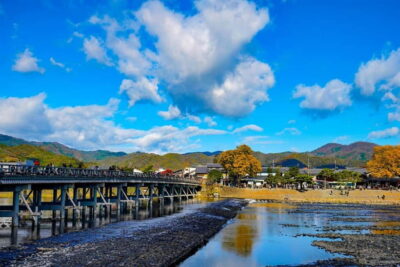
- a walk to Togetsukyo Bridge over the Katsura River,
- and time in the Arashiyama Bamboo Forest.
You’ll have about 70 minutes in the Arashiyama area overall, plus:
- 10 minutes at Togetsukyo Bridge,
- 10 minutes at Kimono Forest,
- 30 minutes in the Bamboo Forest.
This is a good structure for two reasons. First, you’re not trapped in one spot. Second, you’re allowed to do the “photo logic” many people don’t manage on their own: get the iconic bamboo angle, then walk to water views so you’re not stuck shooting the same scene from the same corner.
The Kimono Forest stop is short and shopping-oriented, so treat it as a quick cultural and photo texture rather than a must-see museum moment. You’re likely to see lots of people doing pictures, which is exactly why you’ll want a guide’s help to time the walk and choose where to linger.
Other Kyoto tours and experiences to compare

The Sagano Romantic Train option (if timing allows)
You may have a chance to consider the Sagano Romantic Train—not as a guaranteed included activity, but as an optional idea tied to scenic seasonal views (cherry blossoms in spring, maple color in fall). If train timing aligns with your day, it can add a memorable “Kyoto-to-suburb rail” flavor. If it doesn’t, don’t stress—your main Arashiyama payoff still comes from bamboo and river scenery.
Lunch, tickets, and what you’ll pay extra for
Food and entry are where your budget can shift, so go in with eyes open.
This experience does not include food and drinks, and it also does not include entry tickets. Still, you’ll have time for lunch—your host can help with practical recommendations and sometimes even help with reservations, depending on what’s available when you arrive. Many guests highlighted ramen lunch suggestions and translation help, which is a huge win when you’re tired and hungry and don’t want to gamble on where to eat.
For tickets: your host provides guidance with purchasing tickets and waiting in line. That helps reduce stress, but it doesn’t remove the need to pay site entry fees yourself.
My advice: bring some cash (it’s listed as something to have), and keep a buffer in your spending plan for entrance fees plus lunch.
Getting around crowds: why a private driver feels like a cheat code
Kyoto crowds are real, and Nara Deer Park crowds are their own kind of chaos. The value of private transport isn’t luxury for its own sake—it’s control.
Because you’re in an air-conditioned vehicle and you’re not hopping between transit lines, you lose less time to transfers. Because your host meets you at your hotel and keeps the flow moving, you’re less likely to spend your day “finding the next stop.”
The best reports from guests focus on three things:
- Patience and step-by-step help, including helping guests who needed extra care at walking segments.
- Safe, careful driving, even through dense pedestrian areas.
- Helpful communication, including Japanese translation support and photo-taking help for groups.
Even if your guide’s style is more hands-on or more hands-off, the baseline is: you’ll have a professional person managing the logistics so you can focus on seeing.
Price and value: $632 per group up to 2, plus extras
The listed rate is $632 per group up to 2 for a 10-hour private day. That’s not “cheap.” But it can be fair value if your priorities are:
- avoiding transit planning,
- minimizing time wasted in lines and wrong turns,
- and getting personalized guidance rather than doing everything by yourself.
The best way to judge value is to look at what’s not included:
- entry tickets,
- food and drinks,
- and any optional licensed guide upgrade.
One guest comparison flagged the total cost when additional factors (like lunch and entry fees) weren’t considered in the headline number. That’s a real thing to watch: your final spend depends on your entry/ticket needs and how you choose to eat.
If you’re traveling as a couple and you want the classic Kyoto and Nara highlights in one day, the private setup often makes sense. If you’re a bigger group or you want to spend more time in fewer locations, you might prefer a different style of travel (multi-day, slower pacing, or individual tickets).
Who this day trip is best for
This tour style fits best if you fall into one of these groups:
- First-time Kansai visitors who want the major sights—Nara deer and Todaiji, plus Kyoto’s Fushimi Inari and Kinkaku-ji—without splitting your day into multiple logistics puzzles.
- Return visitors to Kyoto who still want the big icons but prefer a shortcut to “I’ve already done the subway, now show me the highlights.”
- People who want a low-stress plan with a host who helps handle ticket-buying and line waiting.
- Families or travelers who value careful help and pacing, including guests who appreciated extra assistance with accessibility needs.
If you love slow travel, long museum stays, and going deep into one temple complex for hours, you might find the pacing too compressed. But if your goal is a high-impact day with minimal thinking, this delivers.
Should you book it?
I’d book this private Kyoto and Nara day trip if you want a single-day best-of and you care about smooth logistics more than slow wandering. It’s especially appealing when you want:
- hotel pickup/drop-off,
- an English-speaking host,
- practical support with ticket steps,
- and enough time at each iconic stop to actually enjoy it.
Skip it or rethink it if:
- you want meals and entry included in the price,
- you’re extremely price-sensitive once extras are added,
- or you’d rather choose fewer sights and spend longer at each one.
If you’re aiming for a classic Kyoto and Nara day without the “where do we go next” headache, this is a strong way to do it.
FAQ
How long is the Kyoto and Nara day trip?
It runs for about 10 hours, with scheduled starting times based on availability.
Where does pickup happen, and where do you get dropped off?
Pickup is offered from Kyoto, Kobe, or Osaka, and drop-off is available in Kobe, Osaka, or Kyoto.
Is this a private tour?
Yes, it’s a private group experience.
Are entry tickets and food included?
No. Food and drinks aren’t included, and entry tickets aren’t included either.
What languages will the host or driver speak?
The host or greeter speaks English and Tagalog.
Does the host provide a full guided tour inside each attraction?
No. The host provides guidance with purchasing tickets and waiting in line, but a full guided tour of the attraction is not provided.
More Private in Kyoto

More Tour Reviews in Kyoto

More Nara Day Trips

Just added: more Kyoto tours to browse




Nara Day Trips from Kyoto, compared.
 ★ 4.7Kyoto/Osaka: Nara, Fushimi Inari Taisha, Arashiyama Bus TourFrom $521,275 reviews
 ★ 4.4Osaka/Kyoto: Arashiyama, Nara & Fushimi Inari Shrine w/LunchFrom $61754 reviews
 ★ 4.5Kyoto and Nara Day Trip from KyotoFrom $194445 reviews
 ★ 5.0Full Day Guided Tour to Kyoto and Nara from Osaka by VanFrom $106420 reviews
 ★ 4.5Nara Afternoon Tour from Kyoto or OsakaFrom $102390 reviews
 ★ 4.6From Kyoto: Nara Guided Morning TourFrom $77335 reviews
 ★ 4.6Kyoto/Osaka: Kyoto and Nara Customized Private Guided TourFrom $477258 reviews
 ★ 5.0Nara Park, Osaka & Kobe from Kyoto Full Day tourFrom $90207 reviews
Browse the lists this tour appears in