
Reviewed · ARASHIYAMA & BAMBOO GROVE TOURS
Arashiyama Hidden Gems: Walking Tour escaping crowds
Arashiyama can feel too busy. This 3–4 hour small-group walk is built to help you slow down and find calmer lanes, with photo-friendly stops like Nonomiya Shrine and the bamboo area, plus older temples where you can actually look around. I love how the route balances big sights with quieter approaches, and I also like that Yusuke Tanaka helps with photos while sharing local context. The main trade-off: you’ll walk about 3 km, and on a hot day that can feel like a lot.
You’ll meet at Randen-yaJapan in the Han’nari Hokkori Square and finish at Daikaku-ji, with a maximum of 6 travelers so the pace stays relaxed. There’s also a choice called The Tale of Genji that adds literary storytelling for the same stops (bamboo forest excluded), which is a great option if you like connecting places to stories.
In This Review
- Key highlights worth planning for
- Why this Arashiyama walk feels calmer than the usual route
- Meeting at Randen-yaJapan, then walking into a quieter Arashiyama
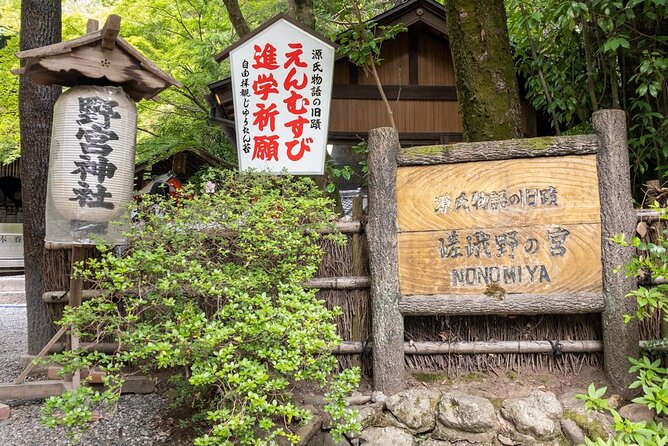
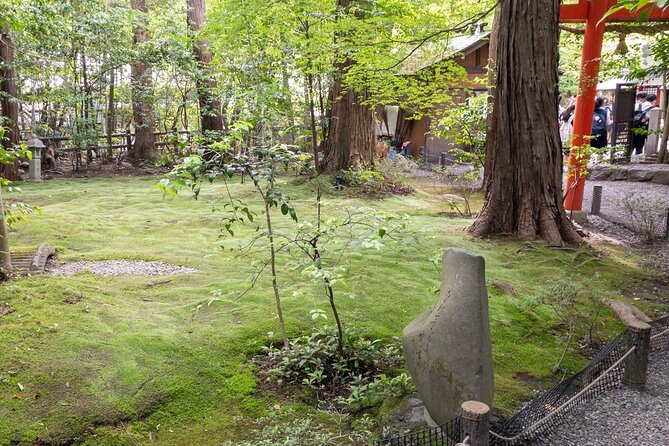
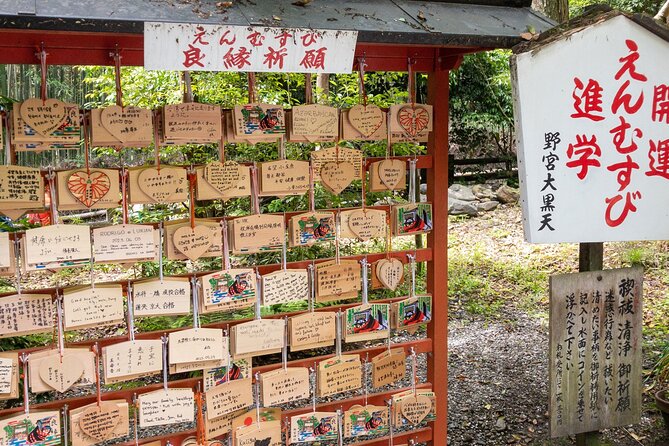
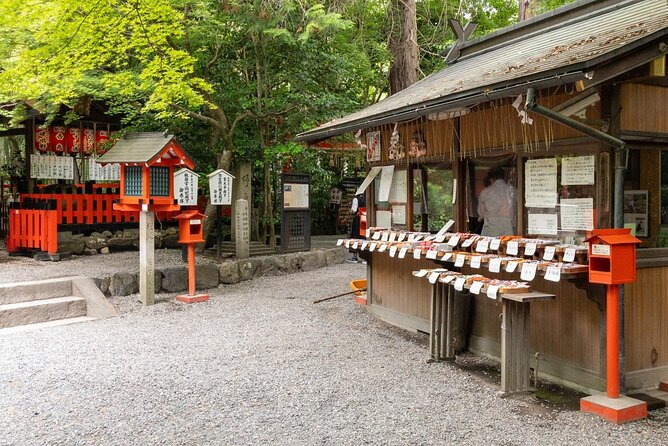
- Nonomiya Shrine: black torii, moss garden, and how to pray
- Bamboo forest time with soundscape and better photo odds
- Seiryō-ji Temple: a long timeline and Shaka Nyorai
- Daikaku-ji: Saga Gosho imperial atmosphere without the crush
- Osawaike pond (Osawa-no-ike): quiet scenery and seasonal character
- The Tale of Genji option: same route, added story layer
- Price and value: what $89 buys you in Kyoto time
- What to bring: shoes, snacks, and pacing for hot days
- Who should book this Arashiyama walking tour?
- Should you book? My honest decision guide
- FAQ
- How long is the Arashiyama walking tour?
- Where do I meet the guide, and where does the tour end?
- How much walking is there during the tour?
- Are entrance tickets included?
- Do I need to remove my shoes?
- Is there a Tale of Genji storytelling option?
- What’s included besides guiding?
- How big is the group?
- What should I do if I get hungry during the tour?
- Is the tour ever canceled due to weather?
Key highlights worth planning for
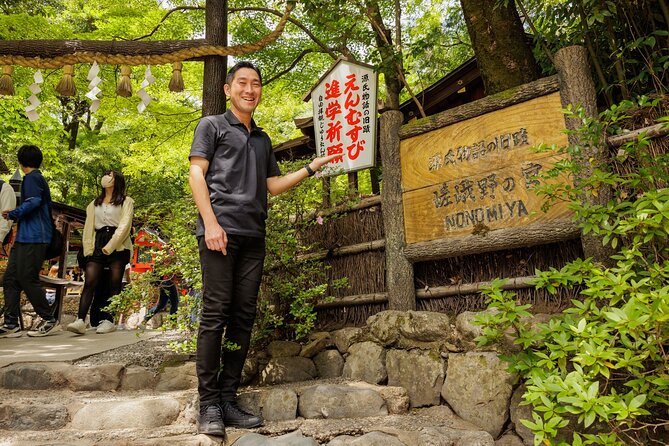
- Black torii at Nonomiya Shrine plus a moss garden and basic praying etiquette
- Bamboo forest soundscape and photo time (short, sweet, and less chaotic in feel)
- Seiryō-ji Temple with an old setting and a national treasure statue of Shaka Nyorai
- Daikaku-ji’s Saga Gosho setting, a quieter imperial-grounds experience without the main-route crowd
- Osawaike (Osawa-no-ike) pond for peace and seasonal scenery
- Yusuke’s photo help and booklet (about 15 pages) so you leave with more than photos
Why this Arashiyama walk feels calmer than the usual route
Kyoto’s Arashiyama is famous for a reason. The trouble is that fame pulls people into the same bottlenecks at the same times. This tour is designed around the opposite idea: use a thoughtful route, keep the group small, and aim your time at places where you can step back, breathe, and actually notice details.
I like that it’s not just a “see it, snap it, leave” circuit. You’ll get a mix of shrine space, temple interiors (where permitted), gardens, and scenic viewpoints. And since you’re with one local guide, you can ask quick questions on the spot—like what you’re looking at, how to behave, and why a spot matters.
If you’re hoping for a fully effortless outing, keep expectations realistic: this is still a walking tour. You’ll cover roughly 3 km during the tour time, and footwear rules at temples mean a bit of switching off and on.
Deeper into Arashiyama, past the bamboo and the Hozu river

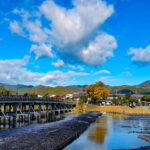
Meeting at Randen-yaJapan, then walking into a quieter Arashiyama
Your start is Randen-yaJapan, inside the Han’nari Hokkori Square (Sagatenryūji Tsukurimichichō, 202). That’s convenient because it’s near public transport. You’re also not stuck trying to find a tiny side street alone.
From there, the tour flows toward the bamboo area and then into temples and grounds around Daikaku-ji. Total time is about 4 hours, and the walking component is about 55 minutes within that overall schedule—so it’s not a long-distance hike, but it’s enough that you’ll want comfortable shoes.
One nice practical touch: if you prefer to head back to the start, the guide offers a free returning walking tour. That can reduce stress if you’re not sure how you want to manage your end-of-day transport.
Nonomiya Shrine: black torii, moss garden, and how to pray
The tour begins at Nonomiya Shrine, and it’s a strong first stop because it sets the tone for what you’ll be doing: slowing down and paying attention.
Here’s what to expect:
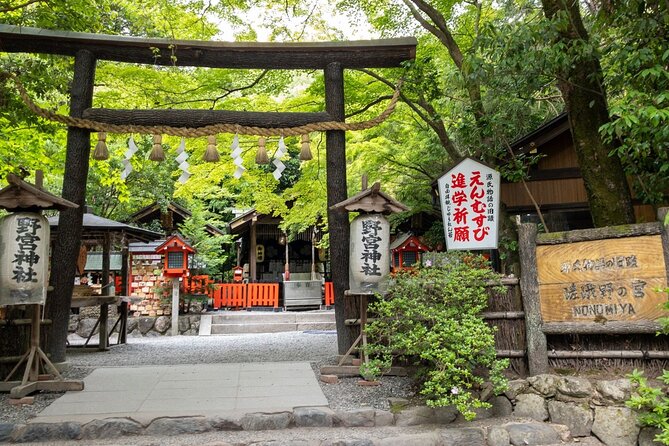
- You’ll see a black wooden torii gate. Only two shrines in Japan are known for black torii, and Nonomiya is one of them.
- There’s a moss garden that’s worth lingering in. Moss doesn’t just look nice—it also helps the space feel shaded and calm even when the day is bright.
- You’ll learn the basic way of visiting and praying, which matters because shrine etiquette can be confusing if you’re guessing.
A lot of visitors take quick photos and move on. I like that this stop gives you the “why” so your time feels respectful, not rushed.
Bamboo forest time with soundscape and better photo odds
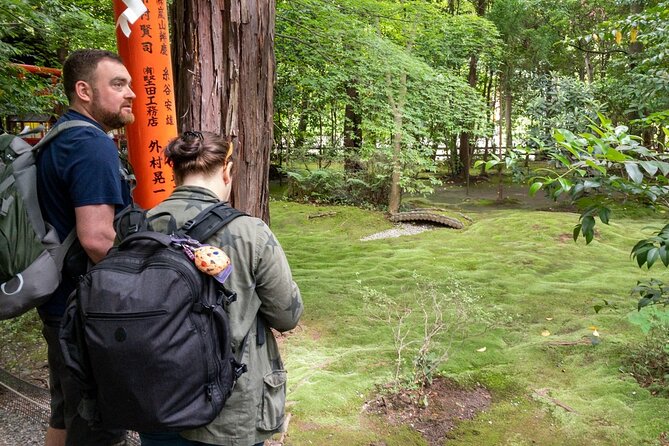
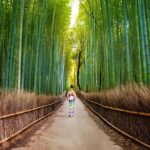
Next is the Arashiyama Bamboo Forest. Yes, it’s iconic. But this tour works to give you a more manageable experience of it.
You’ll have about 15 minutes focused on:
- Enjoying the bamboo and the soundscape (there’s a distinct rustle when the air moves)
- A dedicated photo window
- Time to get memorable shots with help from Yusuke in the forest
A key point: the tour doesn’t try to drag the bamboo forest stop into something it can’t be. Short and focused works. You get the sights, photos, and atmosphere without spending your whole morning boxed in.
If you’re sensitive to crowds, arrive mentally ready for the bamboo forest to be popular—then lean on the fact that your visit is part of a wider calm route, not the whole plan.
Seiryō-ji Temple: a long timeline and Shaka Nyorai
Seiryō-ji is where the tour leans into age and meaning. The temple experience here lasts about 55 minutes, and it’s built around a setting that feels older than the day’s pace.
What makes it special:
- The site traces back roughly 1,200 years in its original form, with the present building around 300 years old.
- You’ll see a Japanese national treasure: a Buddhism statue of Shaka Nyorai.
- You’ll also learn what you’re looking at as you move through the spaces.
One practical thing to know before you go: you have to take off your shoes to enter inside at Seiryō-ji. That means you’ll want to wear footwear that’s easy to remove and re-wear, and consider socks if you’re not a fan of bare floors.
This stop is a good “reset.” After the bamboo area, temple interiors give you a different kind of quiet—less scenic, more contemplative.
Other Kyoto tours and experiences to compare

Daikaku-ji: Saga Gosho imperial atmosphere without the crush
Daikaku-ji Temple is the next big anchor, and it’s one of the reasons I think this tour is worth the money.
You’ll spend about 50 minutes here, and the standout idea is that you can experience an imperial-grounds feeling that doesn’t rely on main-route crowds. Daikaku-ji is connected to a former imperial palace area called Saga Gosho, built about 1,200 years ago.
Expect:
- A calmer, more spacious feel compared with the most congested areas of Arashiyama
- Architectural and grounds you can actually take time to notice
- More context from Yusuke as you walk through the site
Again, there’s a footwear rule: you’ll need to remove your shoes to enter inside at Daikaku-ji.
This is also where the value of a small group shows up. When you’re not shoulder-to-shoulder, you can look up, read details, and pause for photos without feeling like you’re holding up a moving line.
Osawaike pond (Osawa-no-ike): quiet scenery and seasonal character
After the temples, you’ll head toward Osawaike, the oldest artificial pond in Japan. This is a different kind of “Arashiyama moment.” Instead of gates and buildings, you get water, reflections, and a quieter pace.
The pond stop is about 20 minutes, giving you time to:
- Enjoy the scenery and the way it changes by season
- Take in the calm atmosphere around the pond, including the nearby bamboo feel
This portion isn’t about rushing for photos. It’s more about letting your eyes adjust and noticing the quiet.
Important budget note: tickets are not included here. The listed add-on is Daikaku-ji temple & Osawa-no-ike pond ¥800 per person.
The Tale of Genji option: same route, added story layer
If you’re choosing The Tale of Genji option, you’ll get deeper storytelling during the tour. Most of the places you visit appear in The Tale of Genji, with the clear exception of the bamboo forest.
That changes the experience in a subtle but meaningful way. You’re not just looking at buildings and gardens—you’re seeing how literature gives places a different kind of atmosphere. Yusuke shares historical and literary context as you go, and that can turn a walk into something closer to a guided reading in motion.
You’ll still follow the same locations as the standard version. The added part is the narrative depth, not extra sites.
Price and value: what $89 buys you in Kyoto time
At $89 per person, this tour sits in the “worth it if it saves you time and helps you see more” category. What you’re paying for isn’t just movement across town—it’s the combination of small-group guiding, site interpretation, and on-the-spot photo help.
Included value points:
- Guiding by Yusuke
- An original tour booklet (about 15 pages)
- Help taking good photos, with the guide’s stated photography hobby in mind
- A mobile ticket
- Admission for Nonomiya Shrine and the bamboo forest area is free within the tour plan
What costs extra:
- Seiryō-ji Temple ticket: ¥500 per person
- Daikaku-ji & Osawa-no-ike pond: ¥800 per person
- Optional snacks (about 500 yen)
- Insurance (you handle your own if you want it)
- Gratitude (tip is up to you)
My practical take: if you’re the type of traveler who likes context and better photos, this is a strong use of time in Kyoto. If you only want the bare minimum sightseeing and you’re fine wandering alone, you might question the price. But the small group size and photo help are real advantages for many people.
What to bring: shoes, snacks, and pacing for hot days
This is where you can make the tour feel easy instead of annoying.
Shoes and inside spaces:
- Plan for shoe removal at Seiryō-ji and Daikaku-ji.
- Wear socks and shoes you can slip off and on quickly.
Food and timing:
- The tour ends near Daikaku-ji, and there aren’t many restaurants close by at the finish point.
- Bring snacks if you want a buffer. The tour notes that there are not many food options right near the end.
Weather matters:
- The tour requires good weather.
- If it’s canceled due to poor weather, you’re offered a different date or a full refund.
Pace on warm days:
- The walk is not huge (about 3 km total), but on a hot day it can still feel like a workout for older legs. If you’re traveling with limited stamina, plan to slow down mentally and bring water. Taking it easy and staying in the shade where you can will help a lot.
Who should book this Arashiyama walking tour?
This one fits best if you want:
- A quieter, calmer Arashiyama route than the usual main walk
- Real context at shrines and temples (not just a checklist)
- Better chances at photos thanks to Yusuke’s help
- A choice between standard guiding and The Tale of Genji story mode
- A small group experience (max 6 travelers)
It’s especially good for couples, solo travelers, and small families who don’t want to fight crowds. If you’re traveling with mobility limitations, it’s still worth asking yourself honestly about a 3 km walk and shoe removal inside temples.
Should you book? My honest decision guide
Book this tour if you want Arashiyama to feel intentional: gardens, temples, and scenic pauses tied together with local storytelling and a small-group pace. The price is reasonable for what you get, especially if you care about learning what you’re seeing and want someone to help with photos.
Skip it—or at least consider a self-guided day—if your goal is only to hit the biggest postcard scenes fast, you hate walking, or you’re determined to browse alone with minimal structure. This tour gives you shape and context. That’s great for many people, but it’s not the vibe for everyone.
If you’re the kind of traveler who appreciates etiquette (like how to pray at a shrine) and likes the feeling of stepping into older Kyoto with a guide beside you, this is an easy yes.
FAQ
How long is the Arashiyama walking tour?
The tour runs about 3 to 4 hours, and it includes walking time in that total.
Where do I meet the guide, and where does the tour end?
You start at Randen-yaJapan in the Han’nari Hokkori Square, and the tour ends at Daikaku-ji Temple (with directions provided via a Google Maps link).
How much walking is there during the tour?
The walking time is about 55 minutes, totaling roughly 3 km during the tour.
Are entrance tickets included?
Some parts are free, but temple and pond tickets are not included. Seiryō-ji is listed at ¥500 per person, and Daikaku-ji plus Osawa-no-ike pond is listed at ¥800 per person.
Do I need to remove my shoes?
Yes. You must take off your shoes to enter inside at Seiryō-ji Temple and Daikaku-ji Temple.
Is there a Tale of Genji storytelling option?
Yes. The Tale of Genji option adds deeper literary storytelling during the same route. Most visited places appear in The Tale of Genji, except the bamboo forest.
What’s included besides guiding?
You get an original tour booklet (about 15 pages) and help taking good photos. The guide also offers guidance focused on comfort during the walk.
How big is the group?
The tour has a maximum of 6 travelers.
What should I do if I get hungry during the tour?
There aren’t many restaurants around the end point, so it’s smart to bring snacks if you want them. Optional Japanese snacks are listed (about 500 yen).
Is the tour ever canceled due to weather?
Yes. The tour requires good weather. If it’s canceled for poor weather, you’ll be offered a different date or a full refund.
More Tours in Kyoto

More Tour Reviews in Kyoto


More of Arashiyama and Sagano
Just added: more Kyoto tours to browse








Arashiyama & Bamboo Grove Tours, compared.
 ★ 4.8Fushimi Inari, Kinkakuji, Bamboo Grove 1 Day Bus TourFrom $1224,316 reviews
 ★ 4.1Osaka/Kyoto:Kinkakuji,Arashiyama,FushimiInariShrine,NaraParkFrom $661,596 reviews
 ★ 4.7Kyoto/Osaka: Nara, Fushimi Inari Taisha, Arashiyama Bus TourFrom $521,275 reviews
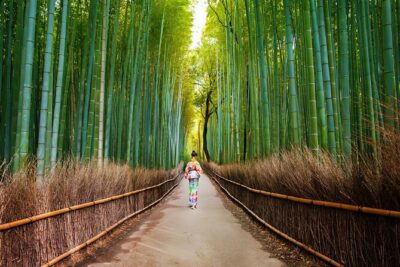 ★ 5.0Kyoto Arashiyama Walking Tour: Bamboo, Monkeys, Gardens & SecretsFrom $651,216 reviews
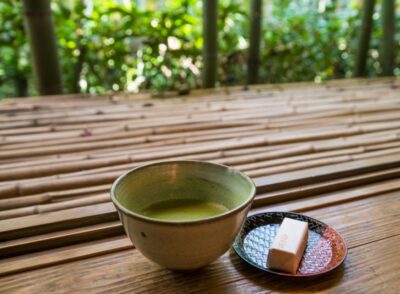 ★ 4.8Arashiyama Bamboo, Temple, Monkeys, or Secret Sake BreweryFrom $87886 reviews
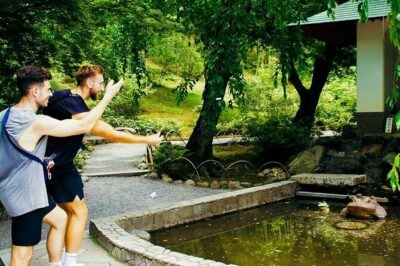 ★ 5.0Arashiyama Bamboo Forest, Monkeys, Matcha & Temple TourFrom $53759 reviews
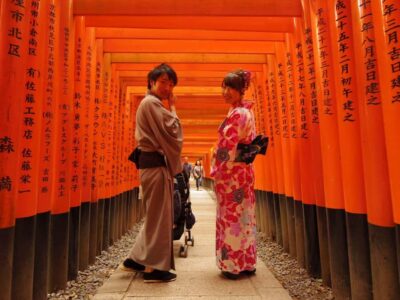 ★ 4.4Osaka/Kyoto: Arashiyama, Nara & Fushimi Inari Shrine w/LunchFrom $61754 reviews
 ★ 5.0Nijo, Kinkaku-ji, Arashiyama, Kiyomizu & Fushimi InariFrom $51699 reviews
Browse the lists this tour appears in