
Reviewed · GION & GEISHA DISTRICT TOURS
Takashi’s local food adventure through Gion Kyoto tips of Ramen
Ramen in Kyoto starts with the street. This private Gion night walk layers food with atmosphere, from old-world alleys to shrine stops and a sit-down meal chosen for you. I especially like the way the evening setting helps you understand why Gion has mattered for centuries.
I also like the food approach: your guide (often Takashi or Natsuki) leads the way, and the menu can rotate tour to tour—think ramen, plus other local favorites like katsu or izakaya. You’re not just pointed at a restaurant; you’re guided to the dishes that make sense for the moment.
One drawback to plan for: it starts at 7:30 pm, so if you arrive late, you can miss some of the evening stops as places wind down. And it’s not set up as a long chain of many separate tastings; the big payoff is usually the restaurant dinner.
In This Review
- Key things that make this tour worth your evening
- Entering Gion from Gion-Shijo Station at 7:30 pm
- Yasaka Shrine stop: free entry and entertainment-era context
- Maiko and geisha encounters: seeing the tradition without chasing it
- Lantern alleys to the restaurant area: the walk that gets you out of the obvious
- Dinner with a local-food focus: ramen, katsu, izakaya, and guide-led ordering
- Price and what $166.14 buys you in Kyoto reality
- Logistics that matter: time, walking pace, and where the tour ends
- Who should book this tour—and who should skip it
- Practical tips to make the ramen night go smoothly
- Should you book Takashi’s Gion night food adventure?
- FAQ
- How long is Takashi’s local food adventure through Gion?
- Where do I meet, and when does the tour start?
- Is this tour private?
- What is included in the price?
- Can I see maiko or geisha during the tour?
- Is Yasaka Shrine entry included?
Key things that make this tour worth your evening
- A guided night route through Gion’s older streets with iconic scenery and simple context as you walk
- Yasaka Shrine timing (free entry) and what it represents in Gion’s entertainment history
- Possible maiko and geisha sightings explained in a respectful, practical way while you stay on schedule
- Guide-chosen dinner in Kawara-machi near lively streets but geared toward real locals
- A rotating lineup of food styles such as ramen, katsu, and izakaya depending on the tour
- Private, your-group pacing with navigation built in, so you’re not fighting directions on foot
Entering Gion from Gion-Shijo Station at 7:30 pm
You meet at Gion-Shijo Station and head out on foot right in the middle of Kyoto’s center, with the walk beginning in the Gion area. This is the part that matters: Gion is not just scenery. It’s a place built around performance, entertainment, and nighttime life that goes back over 500 years. Your guide sets the tone as you move through the lively streets and shops, then steers you toward the quieter side of the neighborhood.
The tour is designed for an evening flow. That means you’ll get your orientation while the streets are active, and then you’ll transition toward dinner before it feels too late. Since it’s a private tour, you’re not herded into a big pack. Your guide can adjust the pace based on your group.
This timing is also why you should treat showing up on time like part of the experience, not like a boring logistics detail. The tour is scheduled to start at 7:30 pm, and some smaller businesses and food spots may not be open as long as you’d expect.
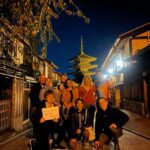
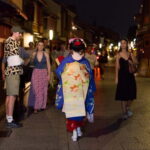
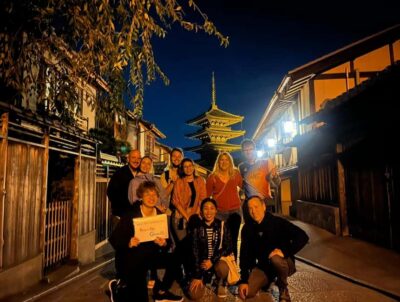
More evenings along the lantern-lit lanes of Gion
Yasaka Shrine stop: free entry and entertainment-era context
About a half hour at Yasaka Shrine gives you a meaningful pause in the evening route. Entry is free, and the value here is less about rushing through and more about understanding why this shrine shows up in stories about Gion.
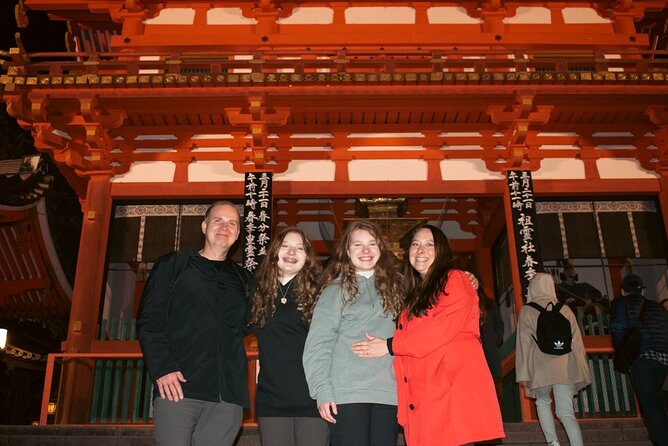
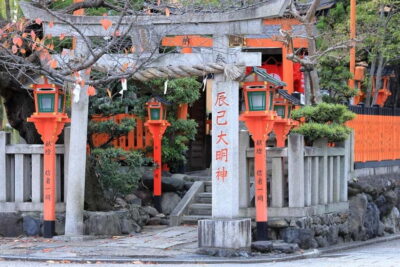
Your guide connects Yasaka Shrine to Gion’s entertainment history—how cultural forms associated with geisha and Kabuki grew and developed in the neighborhood. Even if you’ve visited shrines in other Japanese cities, this one has a specific relationship to Gion’s identity, because the shrine sits in the center of the area’s nightlife narrative.
Expect this stop to feel like a breather before the walk continues. If you’re the kind of traveler who likes to know what you’re looking at instead of just taking photos, this shrine segment is a good use of time.
Maiko and geisha encounters: seeing the tradition without chasing it
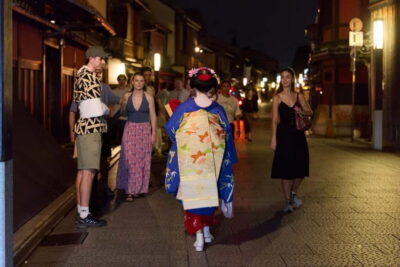
In Gion, you might spot maiko or geisha—and the tour doesn’t rely on luck alone. Your guide talks about who these performers are and what makes them recognizable, including the traditional styling and the all-white make-up look that’s part of their visual identity.
This is also where the tour stays practical. You don’t need to sprint around side streets trying to corner someone in costume. You’re walking with an explanation, so when you see what you came for, you’ll actually understand what you’re seeing and why it exists.
A good night in Gion isn’t about controlling every moment. It’s about moving through the neighborhood with context and respect. Let your guide handle where to go next, and you’ll spend more of the night enjoying the streets instead of stressing over sightings.
Lantern alleys to the restaurant area: the walk that gets you out of the obvious
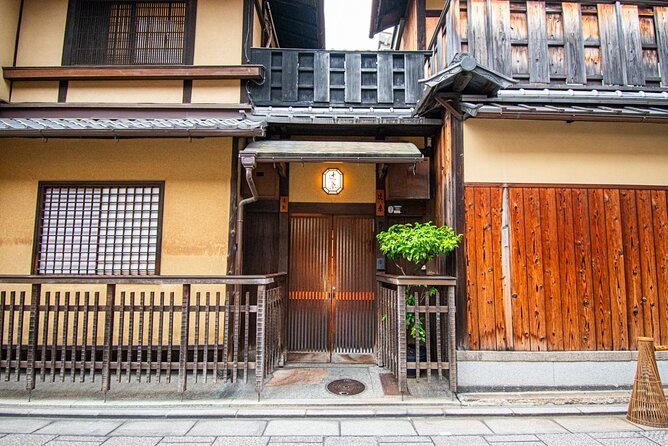
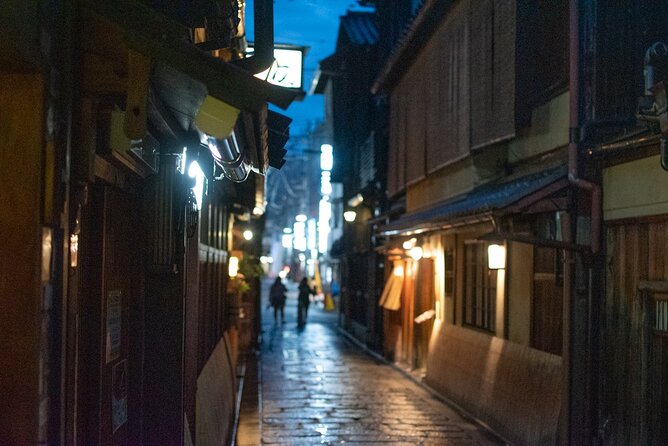
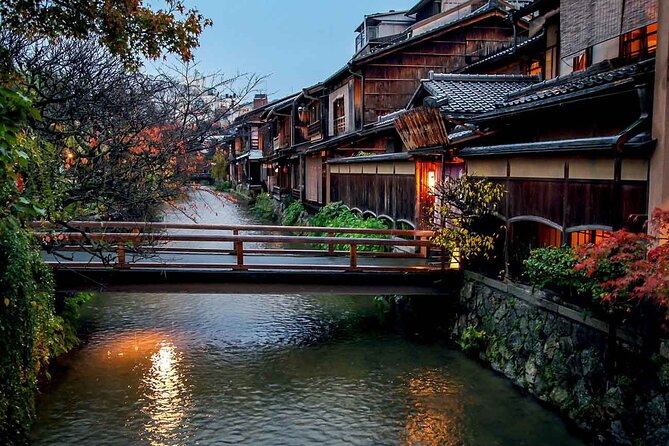
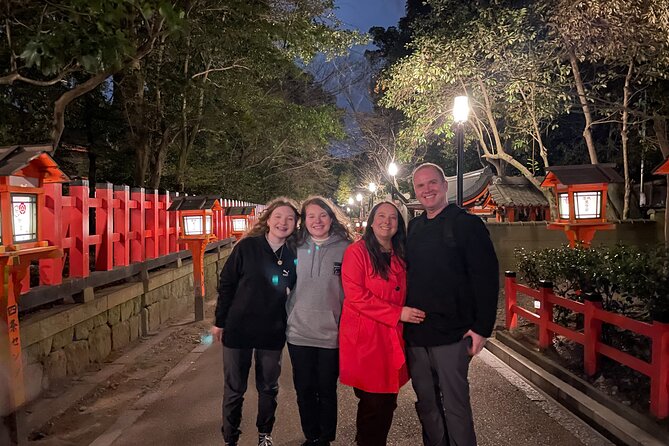
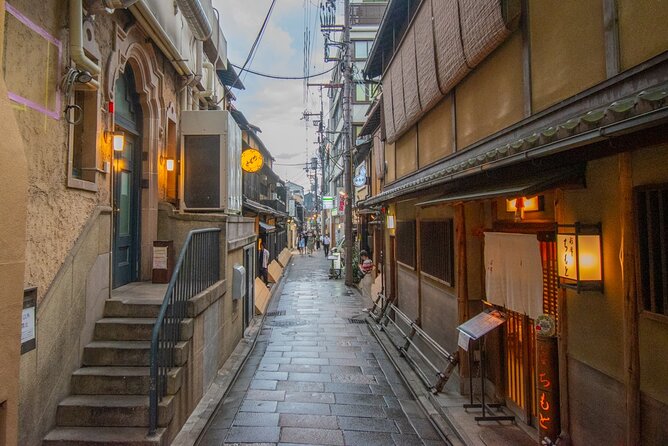
Between the shrine and dinner, you move through small alleys and canal-adjacent streets. The route is built around recognizable Gion details—those iconic lanterns and shop-lined passageways that make the district feel like it’s preserved, even while it’s very much alive.
Then comes the shift: you head toward the restaurant area in Kawara-machi. This part is key for value. Many tourists get stuck in the “easy to find” places. Your guide’s aim is to get you to restaurants tucked into the lively streets where the food feels more local and less like a performance for visitors.
The tour description talks about how many restaurants are shy toward foreigners, and that’s exactly why a local guide helps. You’re not just ordering; you’re navigating. Even if your Japanese is basic, your guide makes the night smoother and reduces the risk of ending up at a place that looks great but doesn’t match what you’re craving.
Dinner with a local-food focus: ramen, katsu, izakaya, and guide-led ordering
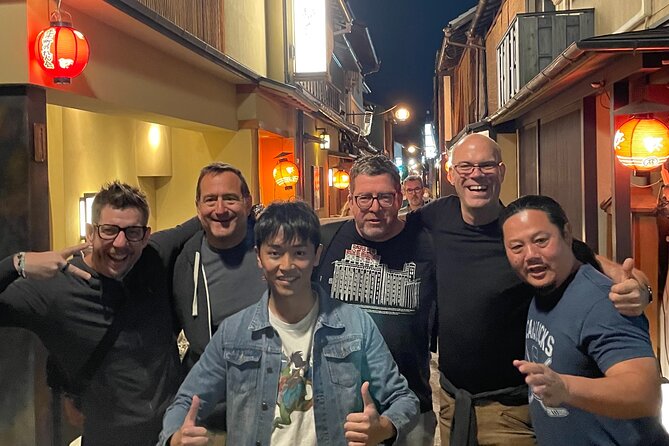
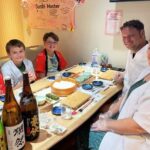
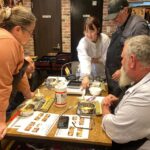
The highlight is the restaurant dinner after the walk. Here’s the important reality check: this is a food experience, but all food is bought by guests. The guide’s role is to help choose what to order and how to make the meal work for you.
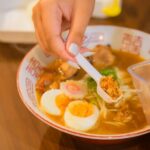
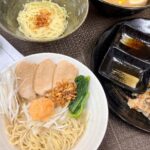
Your guide selects the best dishes at each stop, and the “style menu” can change by tour. You might end up with ramen—and the tour specifically emphasizes a ramen recommendation that can be a real wow moment. Other possible choices include katsu or an izakaya-style meal, depending on the route that night.
This is also where the guide personalities matter. Takashi is described as a professional dedicated to trip tips, and Natsuki is described as enthusiastic and welcoming. The best part of that for you is simple: you can ask questions while you eat. Want to understand geisha culture, pagoda history, or how Kyoto’s geography affects daily life? This tour is set up for conversation, not just silent dining.
If you’re expecting a long list of separate bite-size tastings at multiple locations, calibrate your expectations. The tour includes walking segments, but the main food time is centered on the sit-down restaurant meal. For many people, that’s exactly what they want on an active Kyoto evening: one excellent meal instead of constant stop-start snacking.
Roll up your sleeves for another Kyoto cooking class


Price and what $166.14 buys you in Kyoto reality
At $166.14 per person for about 3 hours, you’re paying for more than a meal. You’re buying private navigation and a guide who can translate the neighborhood into something you can enjoy right away.
What’s included:
- Private and personalized navigation through the evening route
- A guide who picks the restaurants and dishes
- A mobile ticket and group discounts (if your group qualifies)
- An overall flow that starts and ends at the meeting point
What’s not included:
- Food costs (you pay for what you eat)
So how does that shake out for value? If you can already read menus and confidently pick “good, local” spots, the price might feel steep for just dinner guidance. But if you want an English-friendly way to eat well in a district where some places aren’t set up for tourists, this price starts to make more sense.
Also, private tours cost real money in Japan, especially in popular areas. Here, your guide reduces the friction that often leads to missed openings or awkward ordering. That can be worth a lot on a time-limited trip.
Logistics that matter: time, walking pace, and where the tour ends
This is built as a private tour/activity, meaning it’s only your group. That matters because you can usually keep the night on rhythm instead of getting pulled around by a mass schedule.
You should have moderate physical fitness, because it is still a night walk through city streets and alleyways. The total time is about 3 hours, including shrine and travel between stops.
The tour ends back at the meeting point, which is a small but practical benefit. You don’t have to figure out how to get out of a neighborhood at night while you’re hungry and tired. You’re guided back to a familiar anchor in central Kyoto.
Who should book this tour—and who should skip it
This tour is a great fit if you:
- Want a Kyoto night plan that combines culture, streets, and dinner
- Like having a guide who can answer questions while you eat
- Prefer ramen and local comfort foods guided by someone who knows what’s worth ordering
- Would rather avoid guessing your way into restaurants in a district like Gion
It may be less ideal if you:
- Want a tour that includes lots of multiple tasting stops with many small foods on the move
- Arrive late often and don’t like schedule pressure (the start time is fixed, and evening hours matter)
- Expect the tour price to cover the entire dinner cost (here, food is paid by you)
Practical tips to make the ramen night go smoothly
- Show up early. The start time is 7:30 pm, and evening hours can tighten.
- Bring spending money for food. The tour price covers the guided experience, not the meal itself.
- Wear comfortable shoes. Gion’s charm comes with walking on uneven streets and alley paths.
- Use the guide’s strengths. Ask about geisha or Kyoto’s geography while you’re eating; that’s part of why this tour works.
And if you’re hoping for a geisha or maiko sighting: keep your expectations open. The tour helps with context and respectful viewing, but Gion is still a real neighborhood with real schedules.
Should you book Takashi’s Gion night food adventure?
If you want an enjoyable, guided way to eat in Gion without spending your evening hunting for the right place, I think this is a strong booking choice. The mix of a shrine stop, a lantern-lit walking segment, and a restaurant dinner guided by Takashi or Natsuki is a smart use of a limited Kyoto evening.
Book it if you’re hungry for local ramen-style comfort and like the idea of someone else handling the restaurant logic. Consider a different style of tour only if you specifically want many separate tastings spread across numerous stops, or if you expect the food bill to be included in the ticket price.
FAQ
How long is Takashi’s local food adventure through Gion?
It’s scheduled for about 3 hours.
Where do I meet, and when does the tour start?
You meet at Gion-Shijo Station and the start time is 7:30 pm. The tour ends back at the meeting point.
Is this tour private?
Yes. It’s a private tour/activity, so only your group participates.
What is included in the price?
The price includes private and personalized navigation and a guide-led experience. Food costs are not included, since all food is bought by guests.
Can I see maiko or geisha during the tour?
You may encounter maiko and geisha in Gion, and your guide explains what you’re seeing.
Is Yasaka Shrine entry included?
Yes. The Yasaka Shrine stop lists admission as free.
More Tour Reviews in Kyoto
More Kyoto Cooking Classes
Still in Gion? Keep Going

Just added: more Kyoto tours to browse




Gion & Geisha District Tours, compared.
 ★ 4.7Kyoto Geisha Walking Tour: Gion District & Hidden GemsFrom $253,273 reviews
 ★ 4.9Gion Magical Night Walking Tour with Geisha TriviaFrom $242,393 reviews
 ★ 4.7Gion Geisha District Walking Tour – Stories of GeishaFrom $202,187 reviews
 ★ 4.9Best of Kyoto: Gion, Geisha, Pagodas & CobblestonesFrom $242,058 reviews
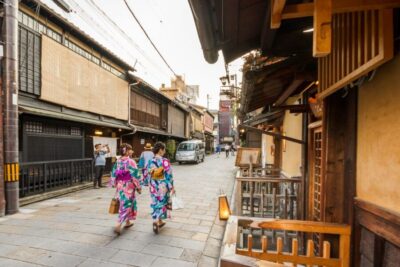 ★ 4.5Night Walk in Gion: Kyoto’s Geisha DistrictFrom $212,003 reviews
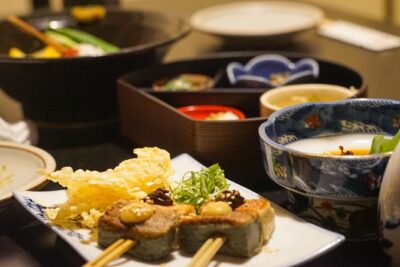 ★ 5.0Kyoto Night Foodie Tour in Gion (9+ dishes + 6 Sake tastings)From $1631,762 reviews
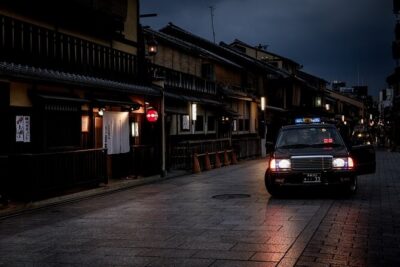 ★ 5.0Kyoto Gion Geisha District Walking Tour – The Stories of GeishaFrom $251,441 reviews
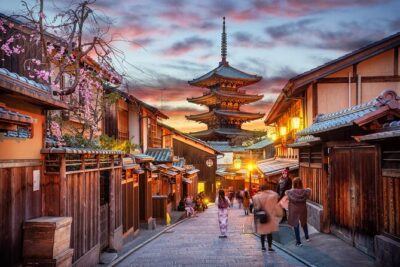 ★ 5.0Kyoto Gion: 2-Hour Geisha Culture & History Walking TourFrom $231,186 reviews
Browse the lists this tour appears in