
Reviewed · KYOTO GARDENS & ZEN RETREATS
Stunning Private Tea Ceremony: Camellia Garden Teahouse
Kyoto slows down when the matcha starts. This private ceremony at Camellia Garden Teahouse pairs a century-old setting with views over traditional Japanese gardens, all while you avoid the usual crowd feel.
I especially like that it’s set up for just your party, not a rotating line of strangers. You get a real “sit down, focus, and learn” pace.
I love the calm start in the sofa room, with a tea-and-culture introduction given in plain English (Yumiko is one of the instructors who’s shared that kind of friendly, question-friendly guidance). I also love the hands-on part: you use the provided whisk, scoop, and bowl to make your own matcha, not just watch someone else do it.
One possible drawback: it requires good weather, and the experience is tightly timed to about an hour—so plan it on a day when you’re not racing between big sights.
In This Review
- Key highlights at a glance
- Camellia Garden Teahouse and its Kyoto location
- The sofa room welcome: tea history plus seasonal sweets
- Watching the tea ritual in the tearoom with garden backdrop
- Hands-on matcha making: whisk, scoop, and bowl
- What you’ll learn: tea etiquette and the logic behind the ritual
- Price and value: why $118.60 for one hour can still feel fair
- Practicalities: meeting point, timing, and what to wear
- Who this Kyoto tea ceremony is best for
- Should you book Camellia Garden Teahouse?
- FAQ
- What’s the duration of the tea ceremony?
- Is this experience private?
- Where do I meet for the ceremony?
- What’s included in the price?
- Is kimono rental included?
- Will I have to sit on the floor?
- Can I cancel for a full refund?
- What happens if the weather is bad?
Key highlights at a glance
- Private tea ceremony for only your group, so you’re not waiting your turn
- Garden views from a traditional tearoom and a sofa room
- Seasonal sweets first, served during the tea history intro
- Hands-on matcha making with the proper tools
- Seating options with chairs available if you don’t want floor seating
- Time for questions and photos after you’re served tea
Camellia Garden Teahouse and its Kyoto location
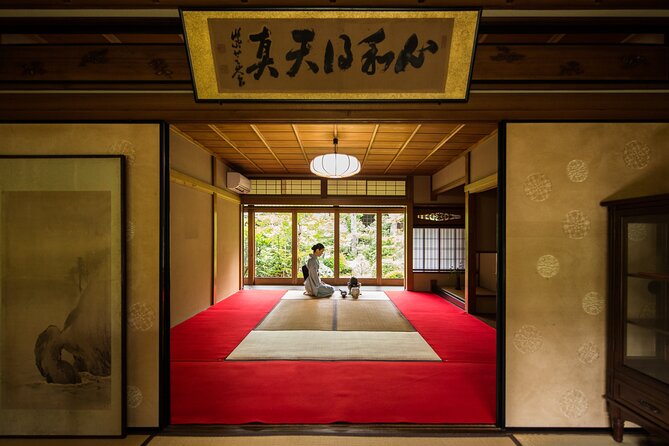
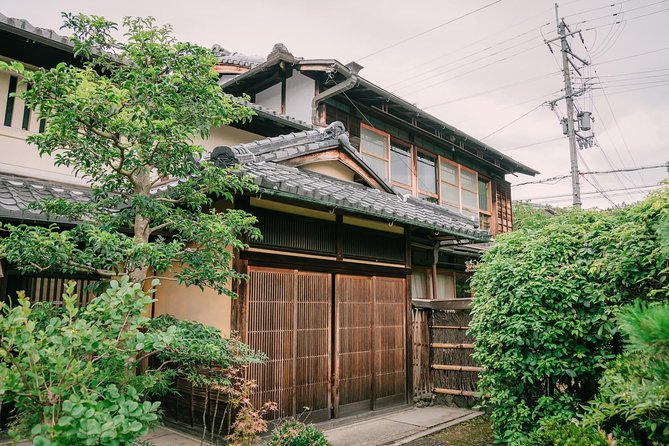
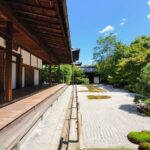
This tea ceremony happens at Camellia Garden Teahouse, a 100-year-old property with two traditional Japanese gardens. The setting matters here. You’re not just doing tea as a class—you’re doing tea as part of a place built for slowing down.
It’s also in a very convenient spot: it’s across the road from Ryōan-ji. That means you can plan this as a restful counterpoint to a major temple visit, without needing extra transportation gymnastics. And because the teahouse is designed for privacy, you’re less likely to feel like you’re in a tourist funnel.
The “private” part is the other big deal. Your group stays together, you learn at your own tempo, and you get time for questions without feeling rushed. This is the kind of experience where it helps to have slightly fewer plans before and after, so you can carry the calm with you.
Sit for another bowl of matcha in a Kyoto tea house
The sofa room welcome: tea history plus seasonal sweets
Your session starts with a welcome and a short intro to the history and culture around tea. You begin in a sofa room overlooking the front garden, which is a smart choice if you arrive keyed up from Kyoto walking.
You’ll also be served seasonal sweets from one of Kyoto’s well-known confectioners. In practice, that adds a layer beyond “tea lesson.” The sweetness gives you a better sense of the overall pacing: intro, taste, then ritual. One of the most repeated positives is how good the sweets are—many people talk about mochi specifically—so it’s not just a token nibble.
This first part is also where the instructor sets expectations for the ceremony. You’ll learn what’s going on and why each step has a purpose. That makes the later matcha-making feel less like random motions and more like a sequence with meaning.
If you like your cultural experiences explained in a way you can actually use, this is a strong start. You’re not left guessing what you’re supposed to notice.
Watching the tea ritual in the tearoom with garden backdrop
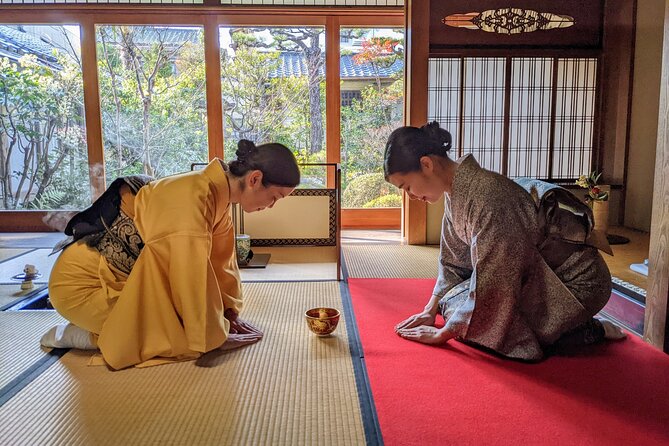
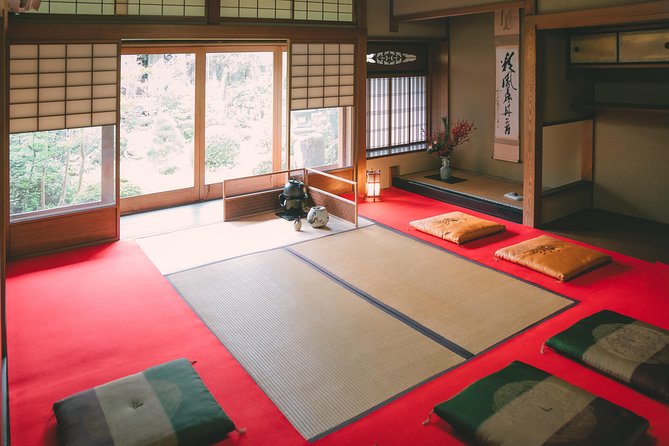
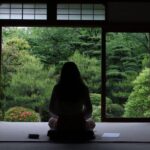
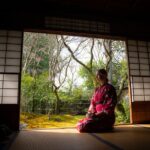
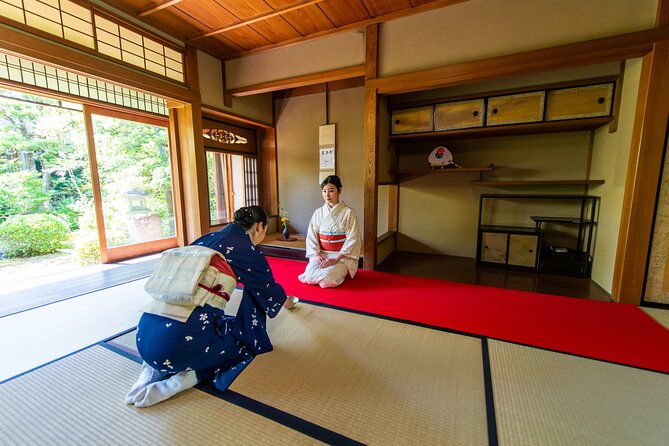
After the welcome, you move to the tearoom itself. This is where the atmosphere does the heavy lifting: you watch an authentic tea ceremony with the main garden as the backdrop.
For you, the value here is simple. If you’ve ever seen a tea ceremony video and thought it looks serene but complicated, the difference is context. When you’re sitting in the room (instead of staring at a screen), you can see how the movements, the timing, and the focus all connect.
You’ll be served tea during this segment. Then, right after, you shift into your own role. That sequencing is excellent: you first understand the rhythm as an observer, then you switch to hands-on practice, so you don’t lose the “feel” of what you just watched.
Photography is also part of the flow, after you’ve been served tea. So you’re not spending the whole time with your phone in front of you—but you also don’t have to ignore the moment.
Hands-on matcha making: whisk, scoop, and bowl
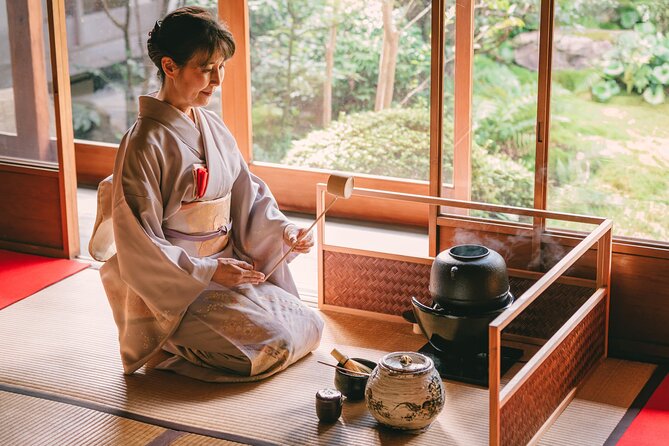
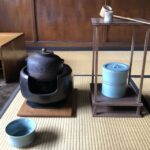
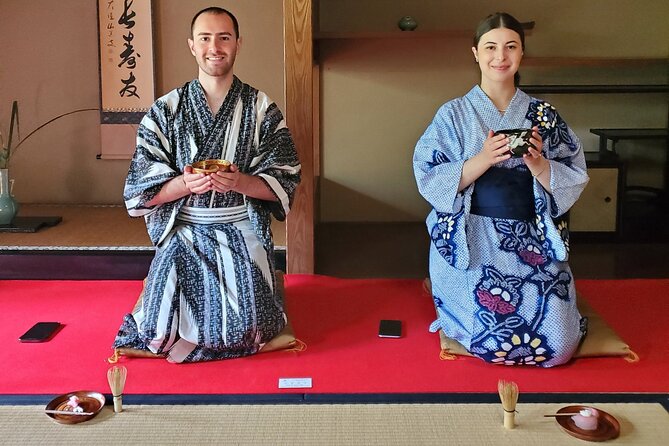
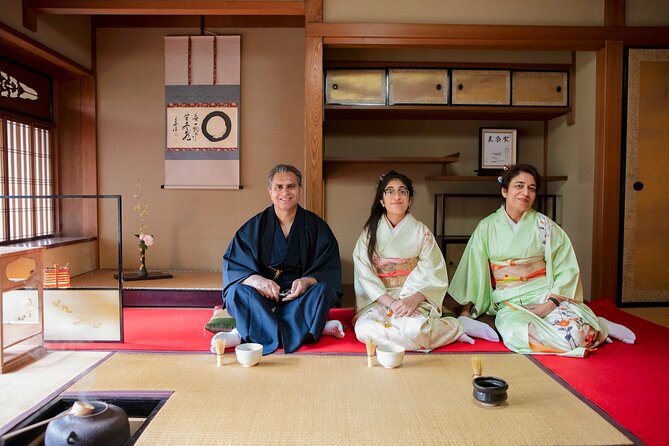
This is the part you’ll remember when you get home. You get the chance to make your own matcha, using the tools provided on-site: tea bowls, tea scoops, and tea whisks.
The instructor explains the key techniques for using the whisk, scoop, and bowl. And the best lesson is often the simplest one: you learn how the ritual steps connect to how the matcha looks and tastes. Even if you don’t become a matcha expert by the end, you’ll walk away with a clearer sense of what’s important.
You’ll also have time to ask questions. That matters because most people don’t just want to know the “what”—they want to know the “why.” Good instructions turn a short class into a practical souvenir you can actually use.
Sitting can be flexible. If you’d rather not sit on the floor, chairs are available. That’s a small detail, but it can make or break comfort during a ceremony where you’re meant to sit still and pay attention.
What you’ll learn: tea etiquette and the logic behind the ritual
Tea ceremonies can feel like a performance, especially if you’re new to them. The difference here is that the instructor doesn’t just show steps—you’re also given background on the history of matcha and the rituals around tea-making.
In a lot of cultural activities, you either get dry facts or a vague “just watch.” Here, the balance is the point. You get enough context to understand what you’re seeing, and you get enough practice to feel confident doing at least the core steps yourself.
One of the most praised aspects is the instructor’s ability to answer questions. People specifically highlight how friendly and well-spoken the teaching is in English, and how many questions the session can handle. That means if you’re curious—about the utensils, the flow, the idea of focus—you’re more likely to leave satisfied instead of just “having done the thing.”
And yes, there’s an emotional side too. In the calmer setting, tea starts to feel less like an attraction and more like a reset button. Kyoto is dramatic in so many ways; a moment of quiet focus is a nice counterweight.
Find another quiet garden to sit with in Kyoto

Price and value: why $118.60 for one hour can still feel fair
The price is $118.60 per person, and the session is about 1 hour. At first glance, that’s not “cheap.” But the value isn’t in the time—it’s in the format.
This is a private tea ceremony for only your group. That changes everything:
- Your instructor is focused on you, not managing a crowd.
- You get time for questions.
- You get to do the making yourself with provided tools.
Also, the session includes seasonal sweets and the matcha tools. So you’re not paying only for instruction—you’re paying for an entire ritual experience with materials and guidance.
One more thing: it often books up quickly, which usually signals good demand for a limited-capacity setting. If you’re set on a specific date, I’d treat it like a “reserve it early” activity, not a last-minute add-on.
Practicalities: meeting point, timing, and what to wear
You meet at Tea Ceremony Camellia Garden, 18 Ryōanji Ikenoshitachō, Ukyo Ward, Kyoto, 616-8003. It ends back at the same meeting point.
It’s near public transportation, which helps because you’re likely pairing this with other Kyoto sights. Just be aware that Kyoto walking can be deceptively slow; give yourself buffer time so you arrive calmly.
What to wear? Comfort wins. You may sit on the floor if you choose that option, but chairs are available if you prefer not to. That means you should still plan for a seated experience where you’ll likely keep your posture steady.
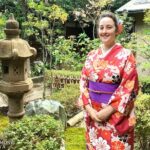
Kimono is more complicated. There’s a dedicated kimono dresser, and you can request kimono dressing at checkout. But kimono rental is not listed as included, so you should treat kimono as something to confirm during booking if it’s a priority for you.
Also note that confirmation is received at booking and a mobile ticket is used—so keep your phone handy.
Who this Kyoto tea ceremony is best for
This experience is a great match if you want:
- A quiet, focused cultural activity without crowd pressure
- A real lesson in matcha technique, not just a tasting
- A private format where questions are welcome
- A break day element you can fit after temple time near Ryōan-ji
It’s also a good choice for small groups who travel together and want something meaningful that doesn’t require a lot of physical effort.
Who might not love it? If you want a long, multi-hour “see everything” tour, this is designed for about one hour. If you’re also trying to cram in a full-day schedule with no cushion, you may feel a little rushed because the format relies on slow attention.
Finally, it’s tied to good weather. If your Kyoto week is uncertain, it’s still a fine bet, but you’ll want to check the weather closer to your time slot.
Should you book Camellia Garden Teahouse?
If your idea of a great Kyoto day includes calm, careful attention, and learning something you can actually repeat, I’d book it.
Do it especially if you’re the type who likes “small moments done well.” The garden setting helps, but the real reason this works is the structure: history and sweets first, then a proper ceremony to watch, then your own matcha making with tools provided, plus time to ask questions.
If, however, you want a big group vibe, a longer activity, or a flexible plan that works in any weather with zero changes, you might prefer a different style of tea class.
My advice: if this matches what you want, don’t wait. Reserve it when you can, plan for comfortable walking time around it, and give yourself a little space afterward so the calm doesn’t get bulldozed by the next stop.
FAQ
What’s the duration of the tea ceremony?
It runs for about 1 hour.
Is this experience private?
Yes. It’s a private tour/activity, and only your group participates.
Where do I meet for the ceremony?
The start point is Tea Ceremony Camellia Garden, 18 Ryōanji Ikenoshitachō, Ukyo Ward, Kyoto, 616-8003, Japan.
What’s included in the price?
Tea bowls, tea scoops, and tea whisks are provided so you can make your own bowl of matcha. Seasonal sweets are served at the start of the session.
Is kimono rental included?
No. Kimono rental is not listed as available at this location. There is a kimono dresser on-site, but you should confirm what dressing options are possible when you book.
Will I have to sit on the floor?
There are chairs available if you would prefer not to sit on the floor.
Can I cancel for a full refund?
Yes, free cancellation is available. You can cancel up to 24 hours in advance for a full refund.
What happens if the weather is bad?
This experience requires good weather. If it’s canceled due to poor weather, you’ll be offered a different date or a full refund.
More Tour Reviews in Kyoto

More Gardens and Quiet Corners

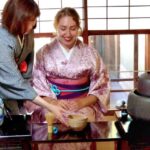
One More Bowl of Matcha

Just added: more Kyoto tours to browse





Kyoto Gardens & Zen Retreats, compared.
 ★ 5.0Kyoto Arashiyama Walking Tour: Bamboo, Monkeys, Gardens & SecretsFrom $651,216 reviews
 ★ 5.0Kyoto Zen Meditation & Garden Tour at a Zen Temple with LunchFrom $110441 reviews
 ★ 5.0Zen Experience in a Hidden TempleFrom $109437 reviews
 ★ 5.0Kyoto Arashiyama Bamboo forest & Garden Half-Day Walking TourFrom $129413 reviews
 ★ 4.8Tea Ceremony Meditation – Make Matcha with Tea MasterFrom $45406 reviews
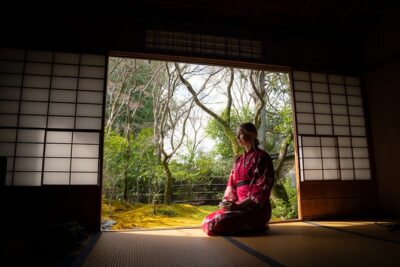 ★ 5.0Zen Meditation at a Private Temple with a MonkFrom $91202 reviews
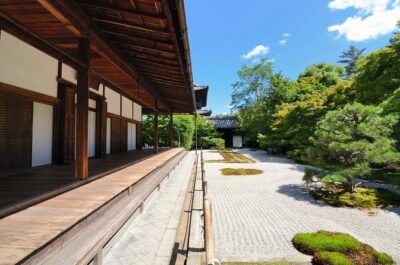 ★ 5.0Zen Garden, Zen Mind (Private)From $380126 reviews
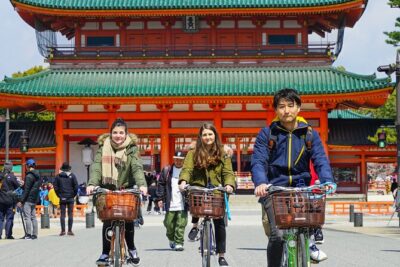 ★ 5.04.5-Hour Kyoto Bike Tour with Lunch and UNESCO Zen TemplesFrom $99122 reviews
Browse the lists this tour appears in